

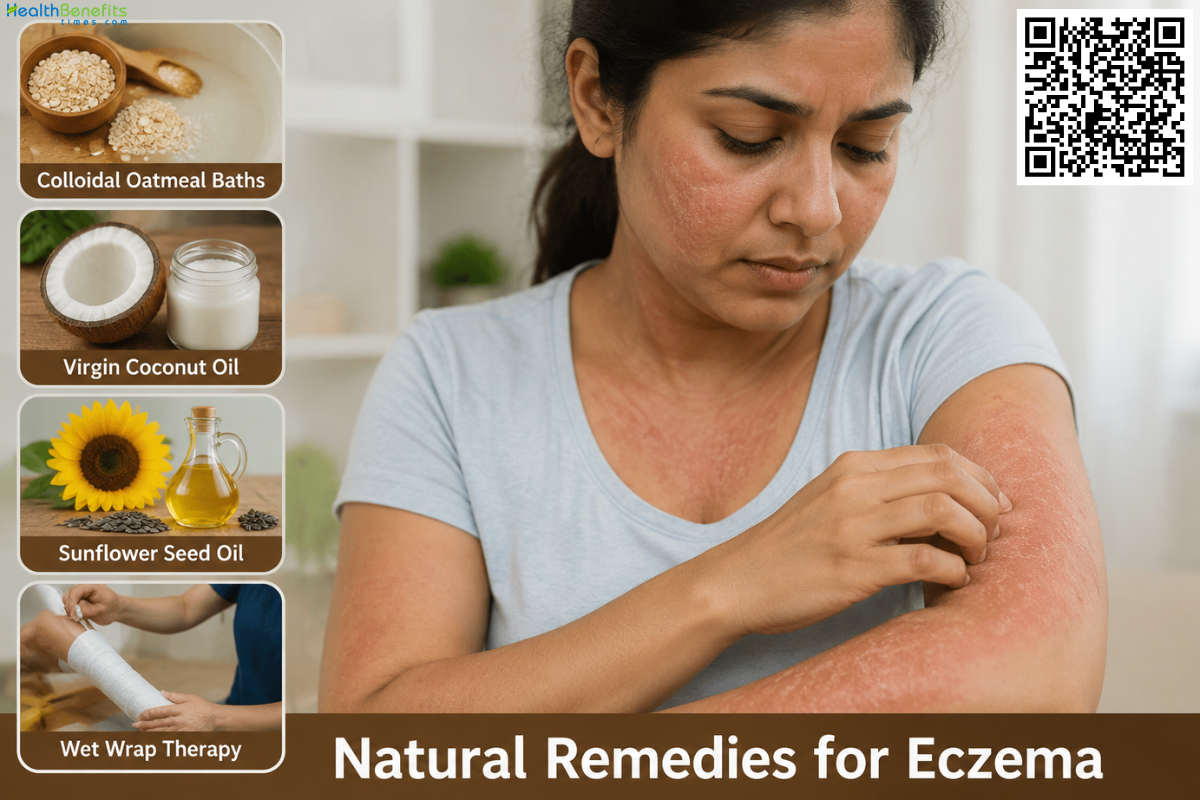
Eczema is a broad term for a group of chronic, inflammatory skin conditions that cause the skin to become red, dry, and intensely itchy. The most common form is atopic dermatitis, which frequently begins in early childhood but can persist into or appear during adulthood. Beyond a simple surface rash, the condition is driven by a complex interaction between genetic predispositions, environmental variables, and an overactive immune system 1. These underlying factors create a weakened skin barrier that struggles to retain essential moisture and block external pathogens 2. Consequently, the skin becomes highly vulnerable to allergens and irritants, which trigger further inflammation, scaling, and localized pain 3. While there is currently no permanent cure, ongoing clinical research into these immune and structural defects has led to therapies designed to safely manage flare-ups and restore the skin’s natural protective function.
Causes of Eczema
- Genetic Mutations: Many individuals with eczema inherit a defect in the gene responsible for producing filaggrin, a protein that is essential for building a structurally sound skin barrier. Without adequate filaggrin, the skin struggles to retain moisture and becomes highly vulnerable to external damage 4.
- Immune System Overactivity: The condition is heavily driven by an immune system that mistakenly identifies harmless, everyday substances as dangerous threats. This chronic hypersensitivity triggers an ongoing inflammatory response, which produces the redness, swelling, and intense itching characteristic of a flare-up 5.
- Environmental Allergens and Pollution: Because the protective outer layer of the skin is structurally weakened, airborne particles such as dust mites, pet dander, seasonal pollens, and industrial air pollution can easily penetrate the surface. Once absorbed, these external elements activate local immune pathways that rapidly worsen skin inflammation 6.
- Everyday Irritants: Routine contact with common physical and chemical irritants strips the skin of its natural, protective oils. Repeated exposure to harsh bath soaps, synthetic fragrances, heavy-duty laundry detergents, and coarse fabrics directly damages the epidermal surface and initiates immediate irritation 7.
- Microbial Imbalances: Healthy skin maintains a diverse balance of microorganisms, but eczema disrupts this ecosystem, frequently leading to an aggressive overgrowth of Staphylococcus aureus bacteria. This bacterial dominance prevents normal skin recovery and releases specific toxins that fuel continuous, localized skin damage 8.
- Climate and Weather Conditions: Extreme environmental shifts heavily dictate skin hydration and comfort. Cold outdoor temperatures combined with dry indoor central heating actively draw moisture out of the skin, while excessive heat and sweat can severely aggravate existing inflammatory patches 7.
Symptoms of Eczema
- Intense Itching: The most prominent and disruptive symptom is a severe, chronic urge to scratch the skin, which typically worsens during the night. This relentless itching damages the outer skin layer, creating a cycle where scratching causes more inflammation and makes the itch even stronger 9.
- Severe Dryness and Scaling: The protective barrier of the skin fails to hold onto essential water, leading to chronic moisture loss. As a result, the skin forms dry, rough, and flaky patches that become highly sensitive to everyday products or temperature changes 9.
- Skin Discoloration and Swelling: Active flare-ups cause the skin to swell and change color due to underlying immune inflammation. On lighter skin tones, these irritated patches usually look bright red, while on darker skin tones, they frequently appear as dark brown, purple, or gray areas 10.
- Oozing and Crusting: When the condition flares aggressively, small bumps can form on the skin surface. If these swollen areas are scratched or irritated, they can leak a clear fluid that eventually dries into a hard crust over the damaged tissue 11.
- Thickened, Leathery Skin: When a specific area of skin is rubbed and scratched repeatedly over months or years, the body attempts to protect it by growing thicker skin. This leads to permanent, hardened, and leathery patches with deep, highly visible skin lines, a symptom that is especially common in adult patients 9.
Natural Remedies for Eczema
1. Colloidal Oatmeal Baths
How it may help
Colloidal oatmeal consists of finely ground oats that bind directly to the skin to form a protective layer. This barrier locks in essential moisture and helps block out external irritants. Additionally, the oats contain specific natural compounds called avenanthramides, which directly calm the skin to reduce redness and severe itching 12.
What research says
Clinical studies demonstrate that using colloidal oatmeal significantly improves skin hydration, restores the damaged skin barrier, and provides notable relief from clinical eczema symptoms 13. Researchers conclude that its natural anti-inflammatory and antioxidant properties effectively reduce the urge to scratch while promoting overall skin recovery 12.
How to use it safely
To safely soothe your skin, sprinkle colloidal oatmeal into a lukewarm bath and soak for 10 to 15 minutes. Once finished, gently pat your skin dry. You should immediately apply a thick, fragrance-free moisturizer to the damp skin to lock in the water 14.
Potential precautions or side effects
While generally safe, rare allergic reactions can happen. Stop use if your rash worsens. Additionally, take caution when moving, as the fine powder makes bathtubs extremely slippery 13.
2. Virgin Coconut Oil
How it may help
Virgin coconut oil is rich in natural fatty acids, especially lauric acid, which deeply moisturize the skin and help repair a broken skin barrier 15. Additionally, lauric acid acts as a natural antibacterial agent, specifically targeting Staphylococcus aureus—a common bacteria that frequently infects and worsens eczema flare-ups 16.
What research says
Clinical trials demonstrate that applying topical virgin coconut oil significantly reduces eczema severity, improves skin hydration, and repairs the protective skin barrier better than standard mineral oils 15. Research also confirms it can rapidly eliminate Staphylococcus aureus colonization on the skin, thereby preventing bacteria-driven inflammation and infection 16.
How to use it safely
To safely use this remedy, apply cold-pressed virgin coconut oil directly to your skin twice daily 16. For the best results, smooth a light layer over slightly damp skin immediately after bathing to firmly lock in moisture and prevent the skin from drying out 17.
Potential precautions or side effects
While virgin coconut oil is highly safe for most people, it can occasionally trigger allergic contact dermatitis 18. Always perform a patch test on a small area before widespread application.
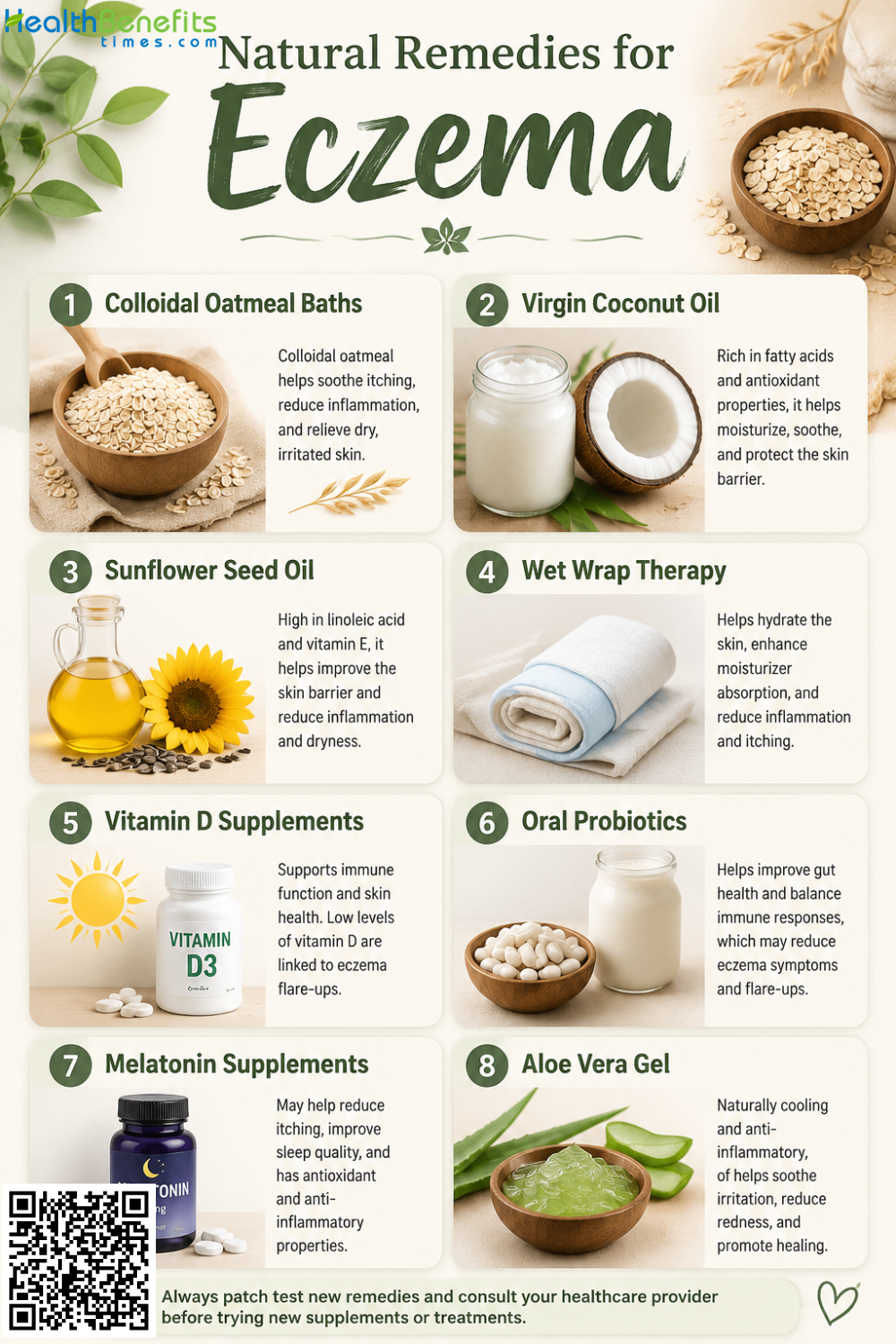
3. Sunflower Seed Oil
How it may help
Sunflower seed oil is a soothing natural oil frequently used for dry, irritated skin. It is highly concentrated in linoleic acid, a fatty acid essential for creating ceramides 19. These ceramides directly rebuild the broken skin barrier, enabling it to efficiently trap moisture and block out harmful allergens 20.
What research says
Clinical studies demonstrate that applying sunflower seed oil effectively increases skin hydration and preserves the structural integrity of the outer skin layer 20. Researchers conclude that its natural anti-inflammatory properties accelerate barrier repair without causing the redness or irritation frequently associated with other topical plant oils 19.
How to use it safely
To protect your skin, select organic, cold-pressed sunflower seed oil free from synthetic additives. Gently rub a thin layer of the oil over your body immediately after bathing while your skin is still damp, which helps seal the water into the tissues 20.
Potential precautions or side effects
Though generally safe, it can occasionally trigger allergic contact dermatitis, especially in individuals with allergies to the ragweed plant family. Always apply a small test patch before widespread use 19.
4. Wet Wrap Therapy
How it may help
Wet wrap therapy provides immediate cooling relief for severe eczema by intensely hydrating the skin and reducing inflammation 21. The damp fabric acts as a physical shield that prevents scratching while trapping heavy moisturizers against the skin, allowing them to penetrate deeply and repair the outer barrier 21.
What research says
Clinical studies show that wet wrap therapy rapidly reduces disease severity and significantly improves sleep quality in patients with stubborn eczema 21. Researchers conclude it effectively decreases moisture loss, lowers skin surface temperatures to relieve itch, and helps restore the structural integrity of the protective skin barrier 22.
How to use it safely
To apply this therapy, first bathe and apply a thick, fragrance-free ointment. Next, wrap the affected area in a clean, damp layer of cotton gauze or clothing. Finally, cover the damp material with a dry cotton layer and leave it on for several hours or overnight 21.
Potential precautions or side effects
Using wet wraps for too long can cause skin breakdown, hair follicle infections, or chilling. Always consult a healthcare provider before using them, especially over active skin infections 21.
5. Vitamin D Supplements
How it may help
Vitamin D plays a crucial role in calming an overactive immune system, which directly reduces the severe inflammation seen in eczema. Furthermore, it strengthens the protective outer layer of the skin and stimulates the production of natural proteins that fight off harmful bacteria, helping to prevent infection during flare-ups 23.
What research says
Clinical trials demonstrate that individuals with eczema frequently have significantly lower levels of vitamin D. Researchers conclude that regular vitamin D supplementation safely and effectively reduces the severity of clinical eczema symptoms, lessens chronic inflammation, and improves the overall structural health of the skin barrier 24.
How to use it safely
Before starting a supplement, you should request a simple blood test from your doctor to check your current vitamin D levels. If you are deficient, your healthcare provider will recommend a safe, specific daily dose to help restore your immune function without overexposure 25.
Potential precautions or side effects
Taking excessive amounts of vitamin D can cause dangerous calcium buildup in your blood, potentially leading to severe nausea, weakness, and the formation of painful kidney stones 25.
6. Oral Probiotics
How it may help
Oral probiotics deliver live beneficial bacteria to the digestive system, helping to balance the gut microbiome. Because gut health heavily influences immune function, restoring this bacterial balance helps calm the chronic, system-wide inflammation and overactive immune responses that directly trigger eczema flare-ups 26.
What research says
Clinical reviews demonstrate that specific probiotic strains, particularly Lactobacillus and Bifidobacterium, can safely reduce eczema severity 27. Researchers conclude these bacteria effectively train the immune system to become less reactive to everyday allergens, thereby decreasing the frequency and intensity of inflammatory skin symptoms 28.
How to use it safely
To try probiotics, consult your healthcare provider to select a supplement containing well-researched bacterial strains. You should take the supplement exactly as directed, typically daily with a meal, to ensure the beneficial bacteria successfully survive the digestive process 29.
Potential precautions or side effects
Probiotics are generally safe but may cause temporary bloating or gas. However, if you have a severely weakened immune system, you must avoid them to prevent rare bacterial infections 29.
7. Melatonin Supplements
How it may help
Melatonin is a naturally occurring hormone that regulates sleep cycles. For eczema, taking melatonin promotes deeper sleep, which directly reduces the severe nighttime scratching that damages the skin. Additionally, it acts as a powerful antioxidant, helping to calm the overactive immune responses that cause skin inflammation 30.
What research says
Clinical trials demonstrate that daily melatonin supplementation significantly shortens the time it takes to fall asleep and reduces overall eczema severity in patients 31. Researchers conclude that improving sleep quality breaks the chronic itch-scratch cycle, while the hormone’s anti-inflammatory effects actively decrease localized skin redness and irritation 30.
How to use it safely
To improve your sleep and reduce nighttime scratching, you should take a low dose of melatonin typically 1 to 3 milligrams, about thirty minutes before bedtime. Always consult your healthcare provider before starting, especially if you are giving it to a child to manage flare-ups 32.
Potential precautions or side effects
Melatonin can cause morning drowsiness, mild headaches, or dizziness. You should avoid driving immediately after taking it, and pregnant women must avoid use without medical supervision 32.
8. Aloe Vera Gel
How it may help
Aloe vera gel naturally cools and hydrates the skin, providing immediate relief from burning and itching. It contains active enzymes that reduce inflammation and natural antibacterial agents that help prevent infection on scratched skin, while simultaneously stimulating collagen to repair the damaged skin barrier 33.
What research says
Clinical reviews confirm that topical aloe vera effectively accelerates wound healing and significantly decreases skin redness 34. Researchers conclude that its high water content rapidly restores tissue hydration, while its specific anti-inflammatory compounds directly suppress the localized immune reactions responsible for chronic eczema flare-ups 33.
How to use it safely
To soothe your skin, use pure gel directly from an aloe leaf or purchase an organic product completely free of alcohol, dyes, and synthetic fragrances. You should gently apply a thin layer to the irritated patches twice daily, allowing it to fully absorb 33.
Potential precautions or side effects
The gel can sometimes cause a mild stinging sensation upon application. You should stop use immediately if severe redness develops, as allergic contact dermatitis can occasionally occur 33.
Foods to Avoid When You Suffer from Eczema
1. Cow’s Milk
Dairy proteins frequently trigger systemic immune responses in eczema patients, leading to severe skin inflammation and significant worsening of chronic flare-ups 35.
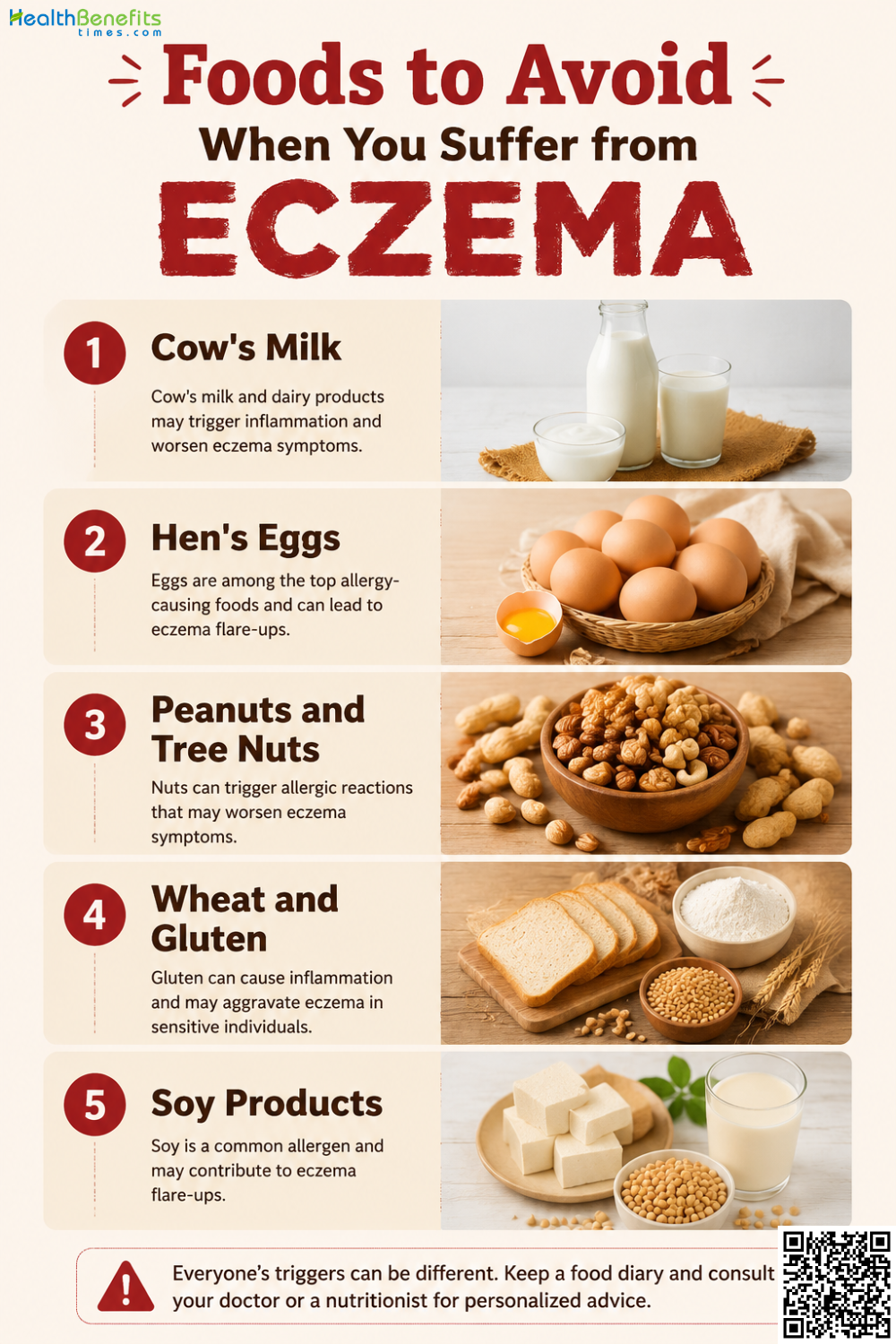
2. Hen’s Eggs
Egg whites contain specific proteins that commonly induce allergic reactions, rapidly increasing histamine levels and exacerbating intense itching and localized skin redness 35.
3. Peanuts and Tree Nuts
Nuts are potent allergens that can cause immediate immune system overactivity, directly resulting in acute eczema flare-ups, tissue swelling, and severe barrier disruption 35.
4. Wheat and Gluten
Gluten proteins can increase intestinal inflammation, which heavily contributes to systemic immune hypersensitivity and worsens localized skin lesions in highly sensitive individuals 35.
5. Soy Products
Soybeans contain complex proteins that frequently cause systemic immune flares, significantly disrupting the natural skin barrier recovery process and promoting chronic itching 35.
When to See a Doctor When You Suffer from Eczema
1. Signs of Bacterial Infection
Seek medical care if the skin leaks pus, develops honey-colored crusts, or feels hot. These strongly indicate a secondary bacterial infection that requires prescription antibiotics 36.
2. Spread to the Eyes
Consult a physician immediately if the rash approaches the eyes. Untreated, severe inflammation in this sensitive area can cause permanent vision damage or dangerous corneal infections 37.
3. Severe Sleep Interruption
You should schedule an appointment when intense itching consistently prevents sleep or daily activities, as advanced prescription medications are frequently required to suppress the severe immune response 9.
4. Unresponsive to Basic Care
If symptoms fail to improve after weeks of consistent moisturization and over-the-counter treatments, a physician must reevaluate the skin barrier and provide targeted, higher-strength topical therapies 38.
5. Fever and Painful Blisters
Seek emergency attention if the rash suddenly develops fluid-filled blisters alongside a fever. This frequently signals eczema herpeticum, a dangerous viral infection requiring immediate systemic antiviral medication 39.