

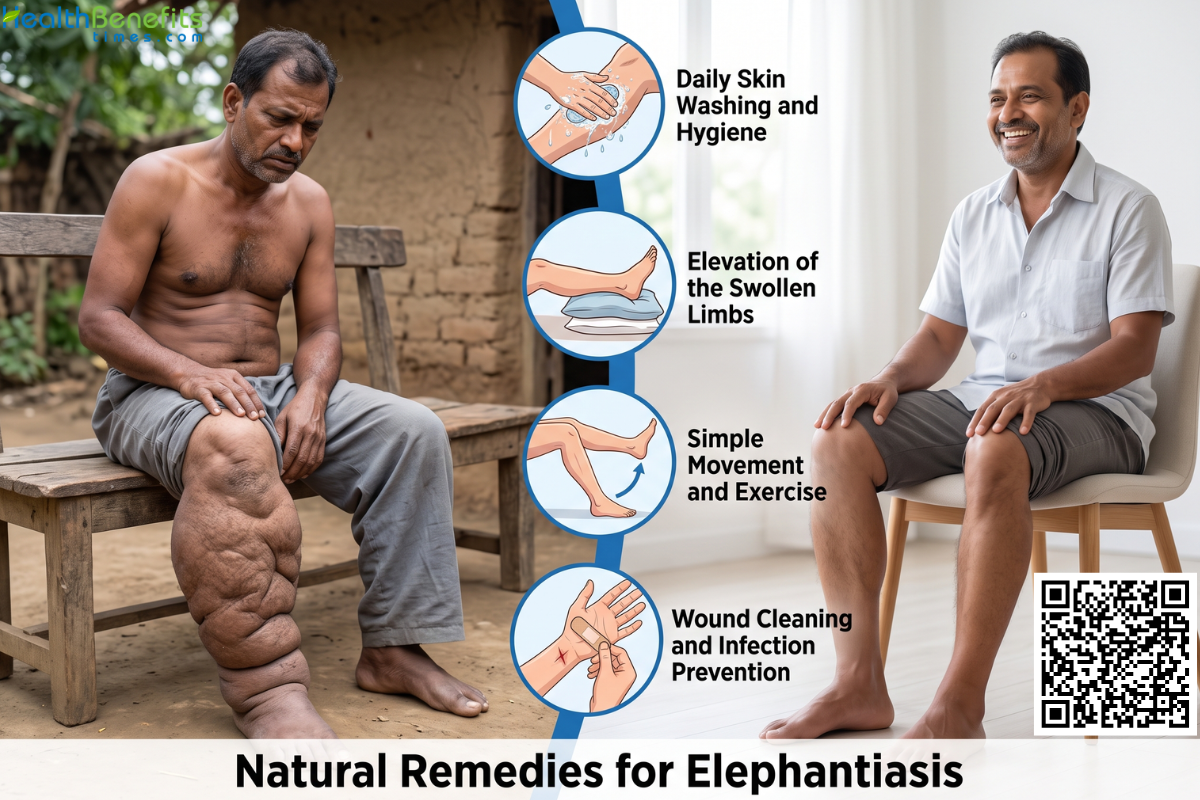
Elephantiasis, medically known as lymphatic filariasis, is a severely debilitating tropical disease. It is caused by microscopic, thread-like parasitic worms that are transmitted to humans through the bites of infected mosquitoes 1. Once inside the body, the worms migrate to the lymphatic system—the network responsible for maintaining fluid balance and supporting the immune system—where they can survive for multiple years 2. The presence of adult worms causes extensive structural damage and blockages within these fluid vessels. This disruption prevents normal fluid drainage, leading to massive, abnormal swelling (lymphedema) that most commonly affects the legs, arms, and genitals. As trapped fluid accumulates, the surrounding skin frequently becomes heavily thickened, hardened, and highly susceptible to secondary bacterial infections, resulting in the characteristic rough appearance that gives the condition its common name.
Causes of Elephantiasis
1. Parasitic Worms (Lymphatic Filariasis)
The most common cause of elephantiasis is lymphatic filariasis, a tropical disease triggered by thread-like nematode worms that invade and permanently damage the human lymphatic system. These microscopic parasites are transmitted to humans exclusively through the bites of infected mosquitoes 3. Three distinct species of filarial worms are responsible for these infections:
2. Wuchereria bancrofti
This specific worm is responsible for approximately 90% of all global lymphatic filariasis cases.
3. Brugia malayi
This species causes the majority of the remaining filarial cases, predominantly affecting populations in specific regions of Asia.
3. Brugia timori
This species accounts for a very small fraction of overall infections, primarily localized in parts of Indonesia.
4. Environmental Irritants (Podoconiosis)
Elephantiasis can also develop without any parasitic infection. This non-filarial form of the condition, known as podoconiosis, is caused by chronic, barefoot exposure to specific irritant minerals found in volcanic red clay soils 4. It primarily affects agricultural workers who spend years walking and farming without protective footwear. The microscopic mineral particles penetrate the skin of the feet, triggering a severe, long-term inflammatory response that eventually destroys the lymphatic vessels in the lower legs, preventing fluid drainage and leading to massive swelling.
Symptoms of Elephantiasis
1. Silent Infection (Asymptomatic Phase)
Many people infected with the disease initially show no visible outward signs, even though the parasites are actively causing hidden, permanent damage to the lymphatic system and kidneys 5.
2. Severe Swelling (Lymphedema)
As the lymphatic vessels become blocked and fail to drain properly, fluid accumulates in the tissues, causing massive, abnormal swelling. This severe swelling most commonly affects the legs, but it can also heavily enlarge the arms, breasts, and genital areas 6.
3. Skin Hardening and Thickening
In advanced stages of the disease, the chronic fluid buildup causes the skin of the affected body parts to become extensively thickened, tough, and discolored, which is the hallmark physical trait of elephantiasis.
4. Genital Swelling (Hydrocele)
In adult men, the lymphatic damage frequently causes a specific complication known as hydrocele, which involves severe fluid accumulation and debilitating swelling within the scrotal sac and penis.
5. Acute Pain and Fever Attacks
Individuals with the condition frequently experience sudden, painful inflammatory flare-ups. These acute attacks involve intense local pain, redness, and warmth in the swollen areas, and they are usually accompanied by a high fever and chills.
6. Secondary Skin Infections
Because the damaged lymphatic system cannot effectively clear away germs, the severely swollen limbs become highly vulnerable to repeated bacterial skin infections. These secondary infections are extremely painful, worsen the swelling, and directly accelerate the progression of permanent tissue damage.
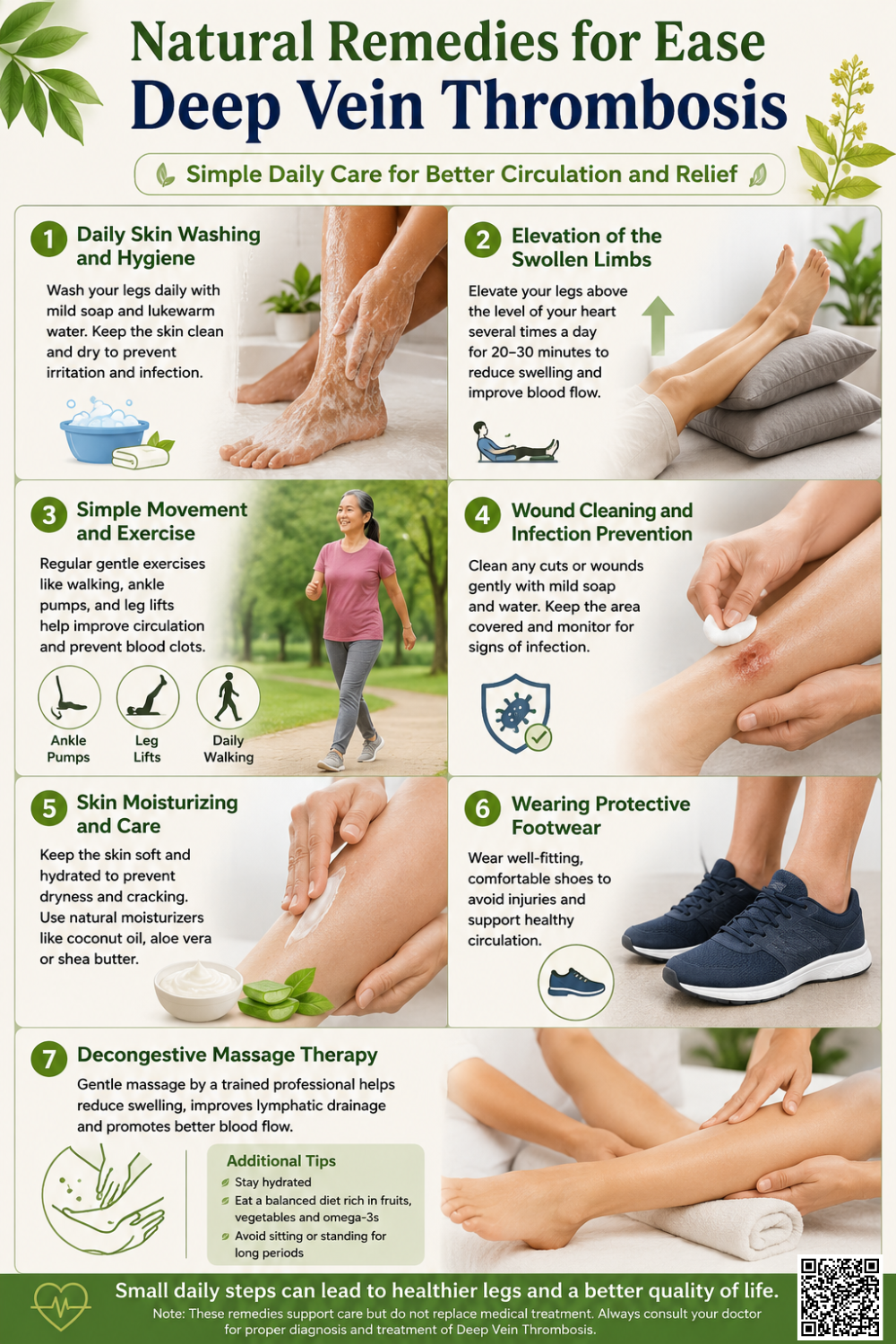 Natural Remedies for Elephantiasis
1. Daily Skin Washing and Hygiene
How it may help
Daily skin washing removes harmful bacteria and fungi from the skin’s surface. Because damaged lymphatic vessels cannot properly clear infections, keeping the skin clean prevents bacteria from entering through microscopic cracks. This stops severe secondary bacterial infections that trigger painful inflammatory attacks and rapidly worsen limb swelling 7.
What research says
Clinical guidelines strongly support daily hygiene as a primary disease management strategy. Research confirms that rigorous, basic skin care and foot hygiene significantly reduce the frequency of acute bacterial attacks and effectively halt the progression of early lymphedema into advanced, debilitating elephantiasis 8.
How to use it safely
Gently wash the swollen limbs daily using clean water and a mild soap. Carefully clean deep skin folds and the spaces between your toes. Afterward, always gently pat the skin completely dry with a clean towel rather than rubbing it 9.
Potential precautions or side effects
Avoid using hot water, harsh chemical soaps, or vigorous scrubbing. Heavy friction can create tiny cuts on compromised skin, providing new entry points for dangerous bacterial infections.
2. Elevation of the Swollen Limbs
How it may help
Elevating the affected limbs utilizes gravity to assist the body in draining trapped lymphatic fluid. Because the disease damages normal fluid pathways, raising the swollen leg or arm encourages the stagnant fluid to flow back toward the body’s center, effectively reducing visible swelling and relieving tissue pressure.
What research says
Clinical protocols identify regular limb elevation as a highly effective, non-invasive method for managing lymphedema. Health authorities confirm that combining regular limb elevation with basic skin hygiene significantly decreases overall fluid volume in the tissues and slows the progression of chronic limb enlargement in affected patients.
How to use it safely
While resting, use soft pillows to raise your swollen limb slightly above the level of your heart. Practice this consistently throughout the day and while sleeping to continuously encourage fluid drainage and prevent gravity from pulling fluid down into your feet.
Potential precautions or side effects
Ensure the entire limb is supported evenly. Avoid placing pillows solely under the knee, as this creates a sharp angle that can restrict blood circulation and worsen fluid accumulation.
3. Simple Movement and Exercise
How it may help
Simple movements and gentle exercises help manage swelling by activating the muscles around the damaged lymphatic vessels. As these muscles contract and relax, they act as a natural internal pump, physically pushing trapped lymphatic fluid up and out of the swollen limbs to improve overall fluid drainage.
What research says
Clinical guidelines emphasize that appropriate, low-impact exercise is a core component of managing lymphedema caused by lymphatic filariasis. Health organizations conclude that regular movement not only reduces fluid volume in the tissues but also helps maintain joint flexibility and prevents the severe physical disability associated with extreme swelling 10.
How to use it safely
Focus on light, slow movements such as walking or gently flexing and pointing your ankles and knees while seated. Perform these exercises daily, but keep your sessions short. Always wear comfortable, supportive footwear during activity to protect your swollen skin from dangerous friction and injury.
Potential precautions or side effects
Do not exercise if you have an acute inflammatory attack, pain, or fever. Avoid heavy lifting and strenuous workouts, which can increase fluid buildup and worsen limb swelling.
4. Wound Cleaning and Infection Prevention
How it may help
Small cuts or sores on swollen limbs serve as direct entry points for harmful bacteria. Because a damaged lymphatic system cannot fight off germs effectively, cleaning wounds immediately stops these bacteria from causing severe secondary infections that trigger painful attacks and rapidly worsen tissue damage.
What research says
Clinical guidelines from global health authorities confirm that immediate and meticulous wound care is critical for managing lymphedema. Research demonstrates that actively preventing bacterial and fungal infections through prompt wound management halts disease progression and significantly reduces the frequency of acute inflammatory episodes.
How to use it safely
If you get a cut, scrape, or insect bite, wash the area immediately with clean water and mild soap. Apply a medicated antibacterial or antifungal cream, and cover the wound with a clean, dry bandage to protect it from dirt until it is fully healed.
Potential precautions or side effects
Never ignore minor scratches on a swollen limb. Seek immediate medical attention if a wound becomes increasingly red, warm, painful, or begins leaking fluid, as these indicate serious infection.
5. Skin Moisturizing and Care
How it may help
The extreme swelling in elephantiasis often causes the overlying skin to become excessively dry, rigid, and prone to cracking. Applying moisturizer helps maintain the skin’s natural elasticity and moisture barrier. By keeping the skin soft and preventing microscopic cracks, moisturizing effectively blocks harmful bacteria from entering and causing severe infections.
What research says
Clinical guidelines from global health authorities identify regular skin moisturization as a vital component of lymphedema management. Research confirms that maintaining skin integrity through consistent moisturizing significantly reduces the incidence of secondary bacterial infections and acute inflammatory attacks, thereby slowing the progression of severe tissue damage.
How to use it safely
After thoroughly washing and completely drying the affected limb, gently rub a thin layer of plain, unscented moisturizer over the swollen areas. Apply the cream daily, paying special attention to areas where the skin feels particularly thick or dry.
Potential precautions or side effects
Avoid using heavily perfumed lotions, as added chemicals can irritate sensitive skin. Never apply moisturizer between your toes, as trapped moisture there strongly encourages harmful fungal infections.
6. Wearing Protective Footwear
How it may help
Protective footwear acts as a physical barrier against cuts, scrapes, and punctures. Because compromised lymphatic systems cannot effectively clear infections, preventing minor foot injuries directly stops harmful bacteria from entering the body. Furthermore, consistent shoe-wearing prevents non-filarial elephantiasis (podoconiosis) by completely blocking barefoot contact with irritant volcanic soils 11.
What research says
Global health authorities identify consistent footwear use as a crucial intervention for managing and preventing disease progression. Research concludes that wearing appropriate shoes significantly reduces the frequency of acute bacterial skin infections in lymphedema patients and is the primary, highly effective method for entirely preventing soil-induced elephantiasis.
How to use it safely
Always wear comfortable, well-fitting shoes or sandals both indoors and outdoors to protect your feet from hidden hazards. Choose footwear with soft materials and adjustable straps to accommodate daily changes in limb swelling without causing painful friction or blisters.
Potential precautions or side effects
Avoid tight, restrictive shoes that can cut off blood circulation or create friction sores. Always inspect your footwear daily for small pebbles or rough edges that could silently damage compromised skin.
7. Decongestive Massage Therapy
How it may help
Decongestive massage, often called manual lymphatic drainage, uses gentle, rhythmic skin movements to mechanically stimulate the blocked lymphatic system. By physically redirecting stagnant fluid away from severely congested limbs and pushing it toward functioning lymph vessels, this therapy effectively decreases swelling and relieves pressure in the affected tissues.
What research says
Clinical guidelines identify complex decongestive therapy—which prominently features manual lymphatic drainage—as the primary standard treatment for managing chronic lymphedema. Research confirms that this specialized massage safely reduces massive limb volume, prevents irreversible tissue hardening, and significantly improves overall mobility and physical function for affected patients 12.
How to use it safely
For the best results, seek therapy from a professionally trained lymphedema specialist. If performing self-massage, use only light, smooth, and slow strokes on the skin’s surface without pressing deeply into the muscles. Always massage the fluid upwards, starting from the hands or feet toward your body’s center.
Potential precautions or side effects
Never perform lymphatic massage during an acute inflammatory attack, fever, or if an active skin infection is present, as this can rapidly spread dangerous bacteria throughout your bloodstream.
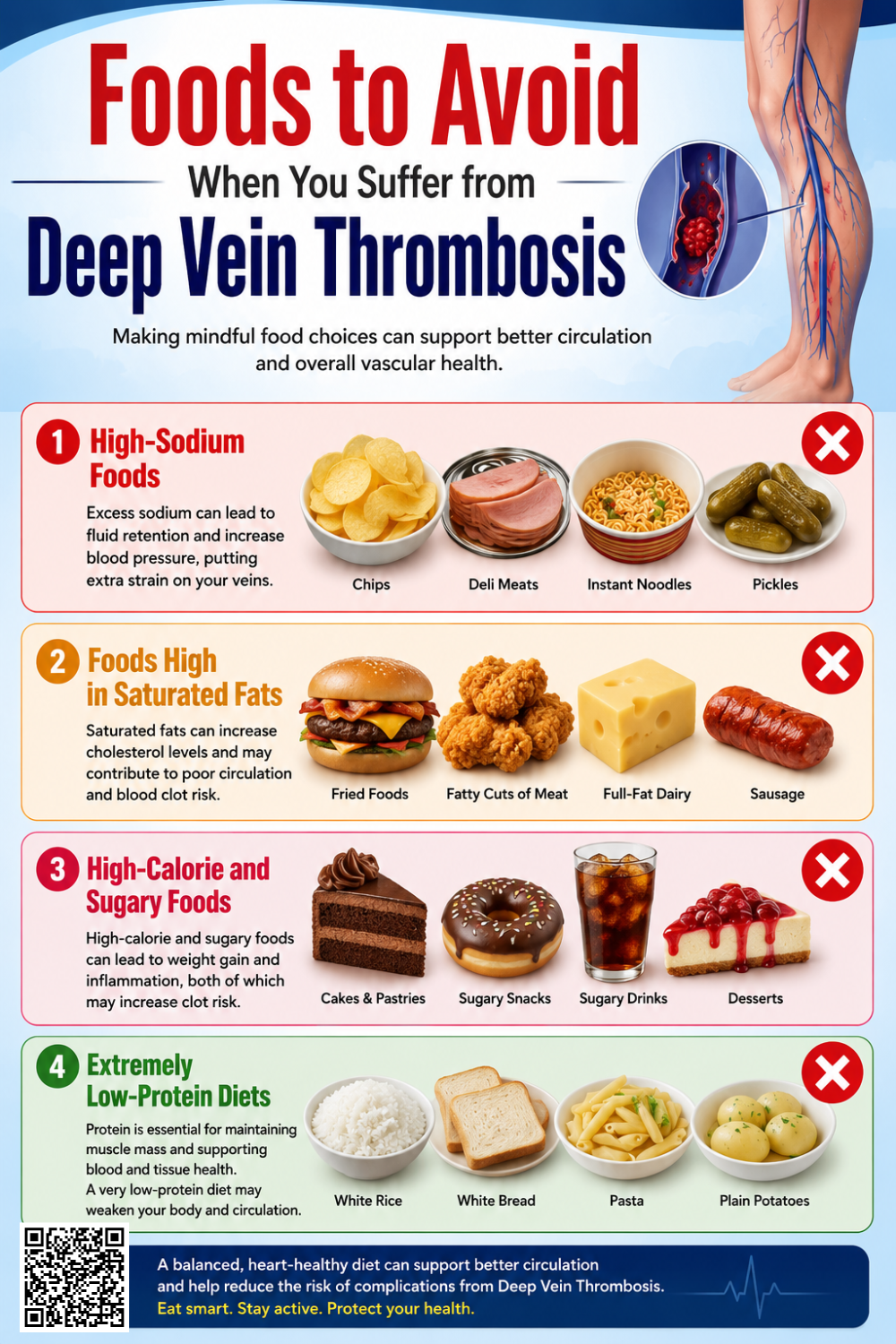 Foods to Avoid When You suffer from Elephantiasis
1. High-Sodium Foods
Consuming excessive salt forces the body to retain water, which directly increases tissue fluid volume and severely worsens swelling in an already damaged lymphatic system 13.
2. Foods High in Saturated Fats
Saturated fats can cause toxic damage to lymphatic cells and promote obesity, a condition proven to overwhelm lymphatic function and accelerate the progression of swelling 14.
3. High-Calorie and Sugary Foods
Diets high in empty calories lead to excess weight and chronic inflammation, which put critical pressure on compromised lymphatic vessels and rapidly worsen limb swelling 15.
4. Extremely Low-Protein Diets
Attempting to reduce swelling by eating extreme low-protein diets must be avoided, as sufficient protein is required to maintain general tissue health and fluid balance 16.
When To See a Doctor When You Suffer from Elephantiasis
1. Sudden Fever and Chills
Seek immediate medical care if you experience sudden fever, chills, or extreme fatigue. These are critical signs of an acute bacterial infection requiring prompt antibiotic treatment.
2. Skin Redness and Intense Heat
Contact a doctor immediately if your swollen skin suddenly becomes red, hot, or severely painful. This indicates a dangerous secondary bacterial infection spreading rapidly through compromised tissues.
3. Open Wounds or Fluid Leaking
Consult a healthcare provider promptly if you develop deep skin cracks, open ulcers, or notice fluid leaking. Immediate treatment is necessary to prevent severe bloodstream infections.
4. Rapid Increase in Swelling
Visit a clinic if your affected limb experiences a sudden, dramatic increase in size or heaviness. This suggests worsening lymphatic blockage requiring immediate professional medical evaluation.