

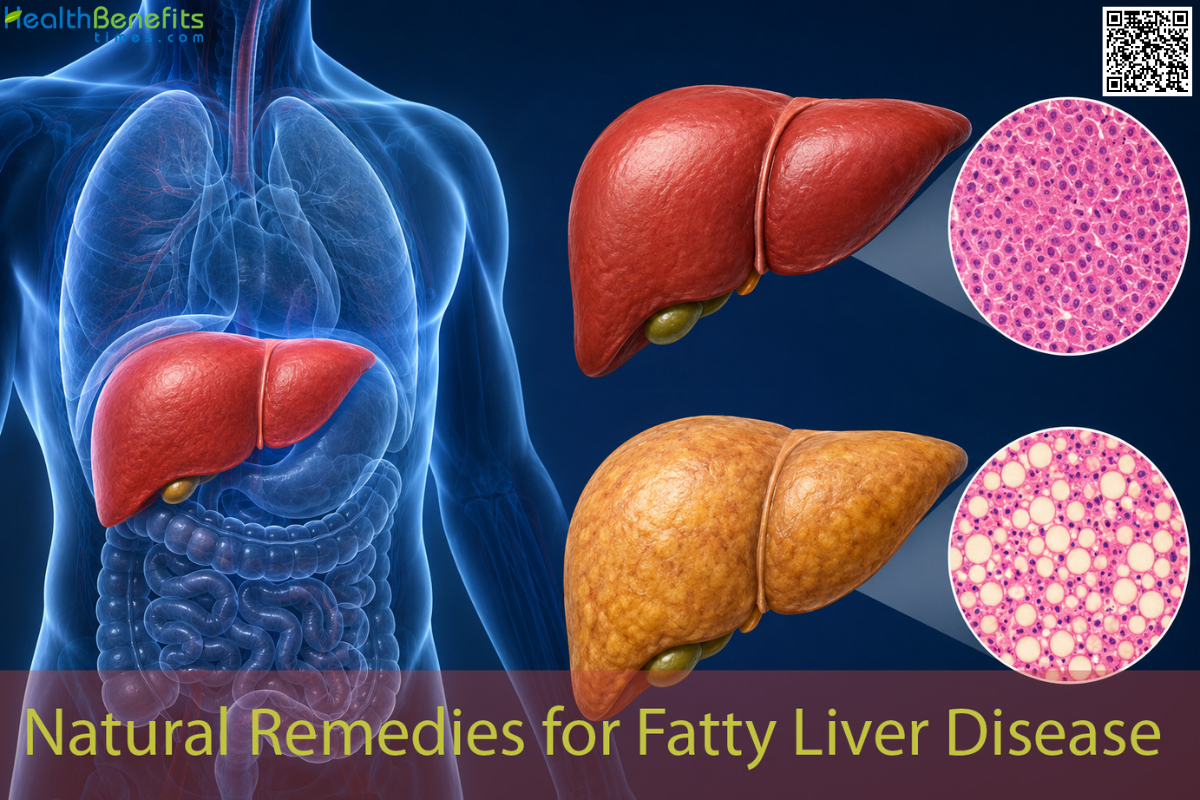
Fatty liver disease is a medical condition characterized by the abnormal accumulation of excess fat within liver cells. It occurs primarily in individuals who consume little to no alcohol but have underlying metabolic risk factors, such as insulin resistance, type 2 diabetes, elevated cholesterol, or obesity. In a healthy body, the liver processes fats efficiently; however, significant metabolic imbalances can cause the liver to store too much fat, leading to potential cellular damage and. While the early stages of this disease often produce no symptoms, it is considered a direct reflection of metabolic syndrome within the liver. If left unmanaged, the condition can progress to severe health complications, including severe scarring, cirrhosis, or complete liver failure. Medical professionals strongly emphasize lifestyle interventions, particularly dietary changes and weight management, to prevent or reverse the condition.
Causes of Fatty Liver Disease
1. Metabolic and Systemic Factors
- Obesity, particularly visceral or central obesity
- Type 2 diabetes mellitus
- Insulin resistance
- Dyslipidemia, including hypertriglyceridemia
2. Nutritional and Dietary Causes
- Diets excessively high in fats and carbohydrates, specifically excess glucose or fructose
- Long-term total parenteral nutrition (TPN)
- Severe starvation and protein-energy malnutrition
- Severe and rapid surgical weight loss, such as from certain gastric bypass procedures
3. Genetic and Environmental Factors
- Genetic mutations and predispositions, including variations in the PNPLA3, TMSF2, MBOAT7, GCKR, and HSD17B13 genes
- Environmental toxins, including exposure to petrochemicals, phosphorus poisoning, Bacillus cereus toxin, or Amanita phalloides mushrooms
4. Secondary Medical Conditions
- Hepatitis C virus infection, most notably genotype 3
- Wilson disease, an inherited disorder of copper metabolism
- Celiac disease
- Gut microbiome dysfunction 1, 2, 3, 4, 5, 6
Symptoms of Fatty Liver Disease
1. Asymptomatic Presentation
The majority of individuals experience no symptoms, especially in the early stages, with the condition often discovered incidentally during routine medical testing.
2. Fatigue
A profound, persistent feeling of tiredness and exhaustion that frequently impacts the quality of life and is not directly correlated with the severity of the liver damage.
3. Abdominal Discomfort
Aching, pain, or a feeling of heaviness and fullness in the right upper quadrant of the abdomen.
4. Daytime Sleepiness
Excessive sleepiness during the day, which may be linked to underlying autonomic nervous system dysfunction or sleep apnea.
5. Cognitive Impairment
Mild to moderate difficulties with concentration, focus, and memory.
6. Autonomic Symptoms
Postural dizziness (feeling lightheaded when standing up) and syncope (fainting), which can increase the risk of falls.
7. Gastrointestinal Issues
Nonspecific digestive symptoms including nausea, loss of appetite, and abdominal bloating.
8. General Malaise
A broad, nonspecific feeling of weakness or simply feeling unwell. 7, 8, 9
Natural Remedies for Fatty Liver Disease
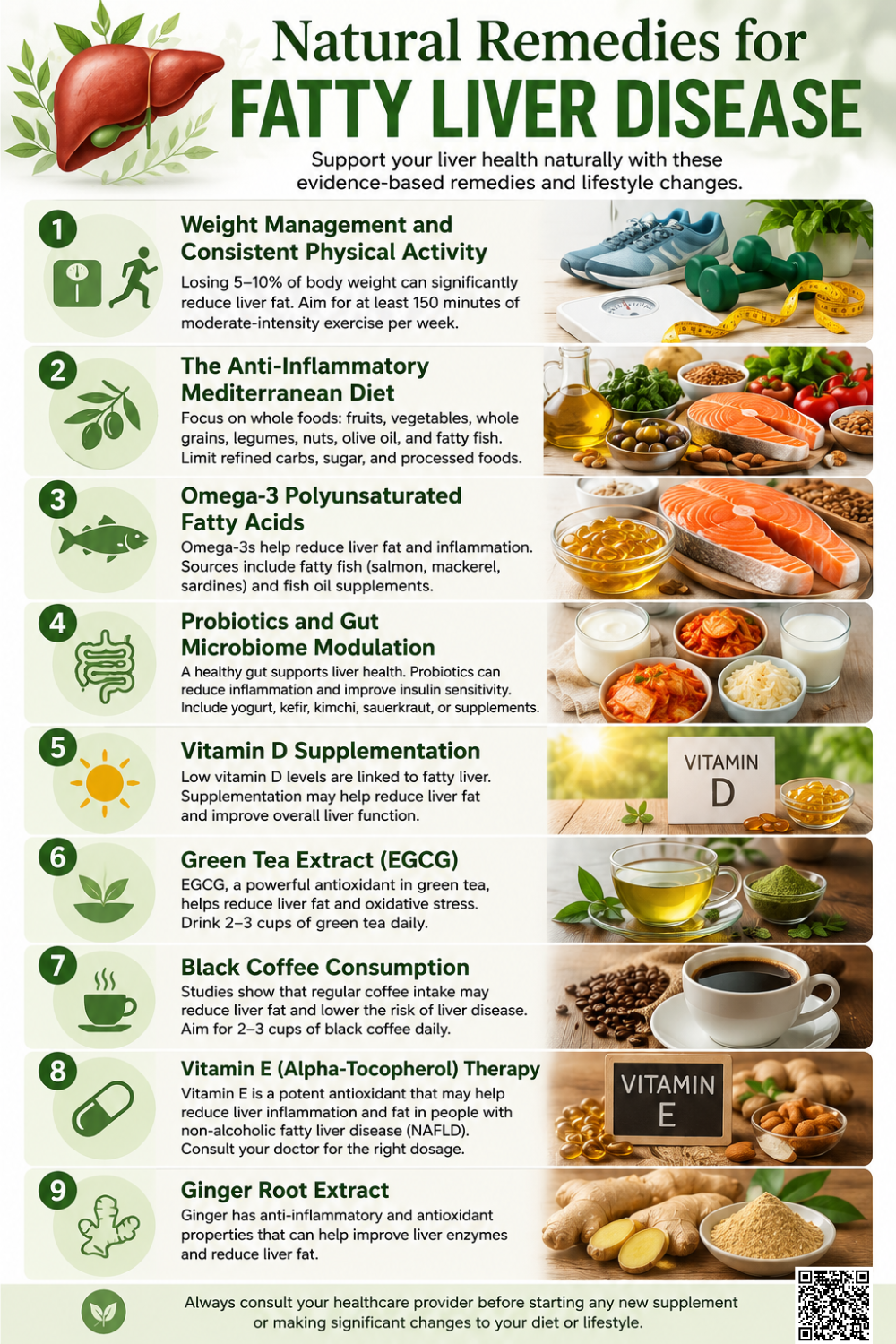
1. Weight Management and Consistent Physical Activity
How it may help
Losing excess body weight and engaging in regular physical activity are essential for managing nonalcoholic fatty liver disease. Reducing body weight directly decreases the amount of fat stored in the liver 10. Consistent aerobic exercise enhances insulin sensitivity, which helps the body process glucose more effectively and prevents further fat accumulation in liver tissues 11.
What research says
Clinical evidence indicates that a sustained weight reduction of seven to ten percent significantly improves liver inflammation, fat content, and tissue scarring 12. Furthermore, losing just three to five percent of total body weight noticeably reduces early-stage liver fat accumulation 13. Maintaining physical activity is critical to preventing disease progression and reversing existing liver damage.
How to use it safely
You should aim for gradual, steady weight loss rather than rapid reductions, as sudden weight changes can temporarily worsen liver inflammation. Incorporate at least one hundred fifty minutes of moderate-intensity aerobic exercise into your weekly routine 14. Always consult a healthcare provider before beginning any new exercise regimen.
Potential precautions or side effects
Avoid extreme calorie restriction or overtraining, which can lead to muscle loss and metabolic stress. Individuals with severe liver disease should exercise cautiously to prevent excessive fatigue or physical injury.
2. The Anti-Inflammatory Mediterranean Diet
How it may help
The Mediterranean diet reduces fat buildup in the liver by emphasizing antioxidant-rich, plant-based foods, high-fiber whole grains, and healthy fats like extra-virgin olive oil 15. These specific nutrients lower systemic inflammation, actively decrease insulin resistance, and prevent the cellular damage caused by oxidative stress.
What research says
Clinical studies demonstrate that strictly following a Mediterranean diet significantly reduces hepatic steatosis, body mass index, and blood triglyceride levels in patients with fatty liver disease 16. This nutrient-dense dietary pattern has proven effective at improving core cardiometabolic risk factors and lowering overall insulin resistance.
How to use it safely
You should base your meals around vegetables, legumes, and whole grains while avoiding processed foods 17. Focus on moderate portion sizes to maintain a healthy weight, and use extra-virgin olive oil as your primary fat source.
Potential precautions or side effects
You must carefully monitor your intake of high-potassium vegetables and phosphorus-rich nuts if you have kidney issues to prevent harmful mineral accumulation 18.
 3. Omega-3 Polyunsaturated Fatty Acids
How it may help
Omega-3 polyunsaturated fatty acids reduce fat accumulation in the liver by decreasing lipid production and increasing fat breakdown 19. Furthermore, these essential fatty acids help control the disease by lowering inflammation and preventing cellular damage, which limits the progression of liver scarring over time 20.
What research says
Studies indicate that omega-3 supplementation effectively decreases liver fat and improves specific liver enzymes like gamma-glutamyltransferase 21. Additional clinical evidence demonstrates that these fatty acids successfully slow the progression of non-alcoholic fatty liver disease while simultaneously lowering blood triglyceride levels 22.
How to use it safely
You should consume omega-3s through dietary sources like seafood, as the human body cannot produce them naturally 23. When taking supplements, choose highly purified concentrated oils to minimize exposure to environmental toxins like mercury 24. Always consult your doctor for proper dosing.
Potential precautions or side effects
Omega-3 supplements may cause mild gastrointestinal issues, including nausea, bloating, and fishy burps. Clinical trials confirm they do not significantly increase bleeding risks when taken at recommended daily doses.
4. Probiotics and Gut Microbiome Modulation
How it may help
Probiotics mitigate non-alcoholic fatty liver disease by stabilizing the gut-liver axis and restoring microbial equilibrium. They reinforce the intestinal barrier, preventing harmful bacterial endotoxins from entering the portal circulation 25. This reduction in bacterial translocation directly suppresses pro-inflammatory cytokines, significantly lowering hepatic inflammation, lipogenesis, and cellular oxidative stress 26.
What research says
Clinical trials demonstrate that targeted probiotic therapy significantly reduces liver transaminases, specifically alanine aminotransferase and aspartate aminotransferase 27. Therapeutic supplementation improves hepatic steatosis grades while reducing systemic insulin resistance in affected patients 28. Furthermore, probiotics optimize lipid metabolism by decreasing serum triglycerides and low-density lipoprotein cholesterol alongside lowering tumor necrosis factor-alpha 29.
How to use it safely
Individuals should utilize clinically validated microbial strains like Lactobacillus or Bifidobacterium species alongside conventional dietary interventions 30. Always select quality-tested, multi-strain formulations for optimal metabolic support. You must consult a gastroenterologist before initiating supplementation to ensure the chosen strains safely align with your individual hepatic profile and concurrent treatments.
Potential precautions or side effects
Probiotics are generally safe, though mild dyspepsia or transient diarrhea may initially occur 31. They remain strictly contraindicated for critically ill patients, immune compromised individuals, and those with central venous catheters 32.
5. Vitamin D Supplementation
How it may help
Vitamin D functions as a powerful regulator of liver health by reducing inflammation, preventing tissue scarring, and improving the body’s sensitivity to insulin 33. It works through specific receptors in the liver to limit fat accumulation and lower oxidative stress, which are underlying drivers of fatty liver progression 34.
What research says
Studies show a clear connection between vitamin D deficiency and a higher risk of developing nonalcoholic fatty liver disease. Scientific evidence concludes that correcting this deficiency with appropriate supplementation significantly reduces liver enzymes and improves beneficial hormone levels associated with fat metabolism 35. Supplemental efficacy largely depends on the initial deficiency state 36.
How to use it safely
To use this safely, you should verify your baseline blood levels before starting any regimen. Clinical guidelines often recommend daily maintenance doses of around 7,000 IU or intermittent higher doses for correction under careful medical supervision, specifically adjusted for body weight and absorption factors 37.
Potential precautions or side effects
You must avoid unsupervised mega-doses to prevent toxicity, which causes severe hypercalcemia. Symptoms include confusion, vomiting, dehydration, and kidney stones 38. Always consult your healthcare provider.
6. Green Tea Extract (EGCG)
How it may help
Epigallocatechin gallate (EGCG), the predominant antioxidant catechin in green tea, combats nonalcoholic fatty liver disease (NAFLD) by mitigating oxidative stress and reducing hepatic insulin resistance. 39 This bioactive compound decreases fat accumulation in liver cells, regulates lipid metabolism, and suppresses the inflammatory chemokines responsible for progressive liver tissue damage. 40
What research says
Clinical and experimental trials demonstrate that EGCG administration significantly lowers liver weight, overall body weight, and elevated liver enzymes. 41 Studies confirm that green tea polyphenols can reduce hepatic steatosis scores by approximately fifty percent and improve liver function by modulating macrophage polarization to alleviate local inflammation. 42
How to use it safely
For safe consumption, you should strictly follow medical guidance and avoid extreme concentrations of green tea extract. You must choose moderate, standardized dietary formulations to manage fatty liver safely. 43 Taking extracts with food rather than on an empty stomach helps prevent sudden toxicity risks.
Potential precautions or side effects
Consuming highly concentrated EGCG while fasting significantly increases bioavailability and is linked to severe acute liver injury. 44 Patients with pre-existing advanced hepatic conditions must completely avoid extreme doses.
7. Black Coffee Consumption
How it may help
Black coffee contains natural plant compounds and caffeine that reduce liver fat buildup, swelling, and scarring 45. By promoting the breakdown of stored fats and boosting antioxidant levels, this beverage actively supports overall metabolic function and improves the balance of essential liver enzymes 46.
What research says
Scientific evidence confirms that routine coffee intake significantly lowers the risk of developing nonalcoholic fatty liver disease. Studies demonstrate that caffeine triggers a targeted cellular process that actively burns stored liver fat for energy 47. Furthermore, drinking multiple cups daily strongly correlates with slower progression of severe liver scarring.
How to use it safely
To maximize liver benefits, you should drink plain black coffee without added sugars, artificial syrups, or heavy creams. Health authorities generally recognize up to 400 milligrams of caffeine daily—roughly four standard cups—as safe for most healthy adults to consume without adverse effects 48.
Potential precautions or side effects
Excessive caffeine causes anxiety, insomnia, rapid heartbeat, and elevated blood pressure 49. If you are pregnant or managing advanced liver disease, always consult your doctor regarding safe intake limits.
8. Vitamin E (Alpha-Tocopherol) Therapy
How it may help
Vitamin E is a powerful antioxidant that shields the liver from cellular damage caused by oxidative stress (Hadi et al., 2018) 50. By neutralizing harmful free radicals, it reduces inflammation and slows the progression of fatty buildup 51. This helps stabilize liver cells and prevents further scarring.
What research says
Clinical data indicates that alpha-tocopherol supplementation significantly lowers liver enzymes, indicating reduced liver injury 52. Furthermore, it decreases cellular inflammation and fat accumulation in patients with non-alcoholic steatohepatitis (Usman & Bakhtawar, 2020) 53.
How to use it safely
You should take vitamin E only if a medical professional confirms you have aggressive fatty liver disease without diabetes. Current guidelines recommend a specific daily dosage, so you must strictly follow a prescribed schedule rather than self-supplementing 54.
Potential precautions or side effects
High doses can interfere with blood clotting and increase your risk of major bleeding events or stroke, especially if combined with blood thinners 55.
9. Ginger Root Extract
How it may help
Ginger root extract contains active compounds like gingerols and shogaols, which provide significant antioxidant and anti-inflammatory properties 56. These compounds help reduce cellular stress and improve insulin sensitivity, addressing the primary reasons for fat buildup in the liver 57. Lowering this inflammation helps prevent simple fatty liver from progressing to severe damage.
What research says
Clinical findings indicate that ginger supplementation effectively lowers elevated liver enzymes (ALT and AST), which are key markers of liver stress 58. Regular ginger intake is also associated with reduced fat buildup in the liver, decreased fasting blood sugar, and improved cholesterol profiles in individuals managing nonalcoholic fatty liver disease 59.
How to use it safely
You can safely consume ginger as a fresh root, tea, or standardized powder. For therapeutic use, a daily dose between 250 milligrams and 4 grams of dried extract is generally recognized as safe 60. Always consult your healthcare provider before starting any new supplement.
Potential precautions or side effects
While generally safe, you may experience mild gastrointestinal side effects like heartburn, belching, or stomach upset 61. Exercise caution and consult a doctor if you take blood-thinning medications.
Foods to Avoid When You Suffer from Fatty Liver Disease
 1. Added Sugars and High-Fructose Corn Syrup
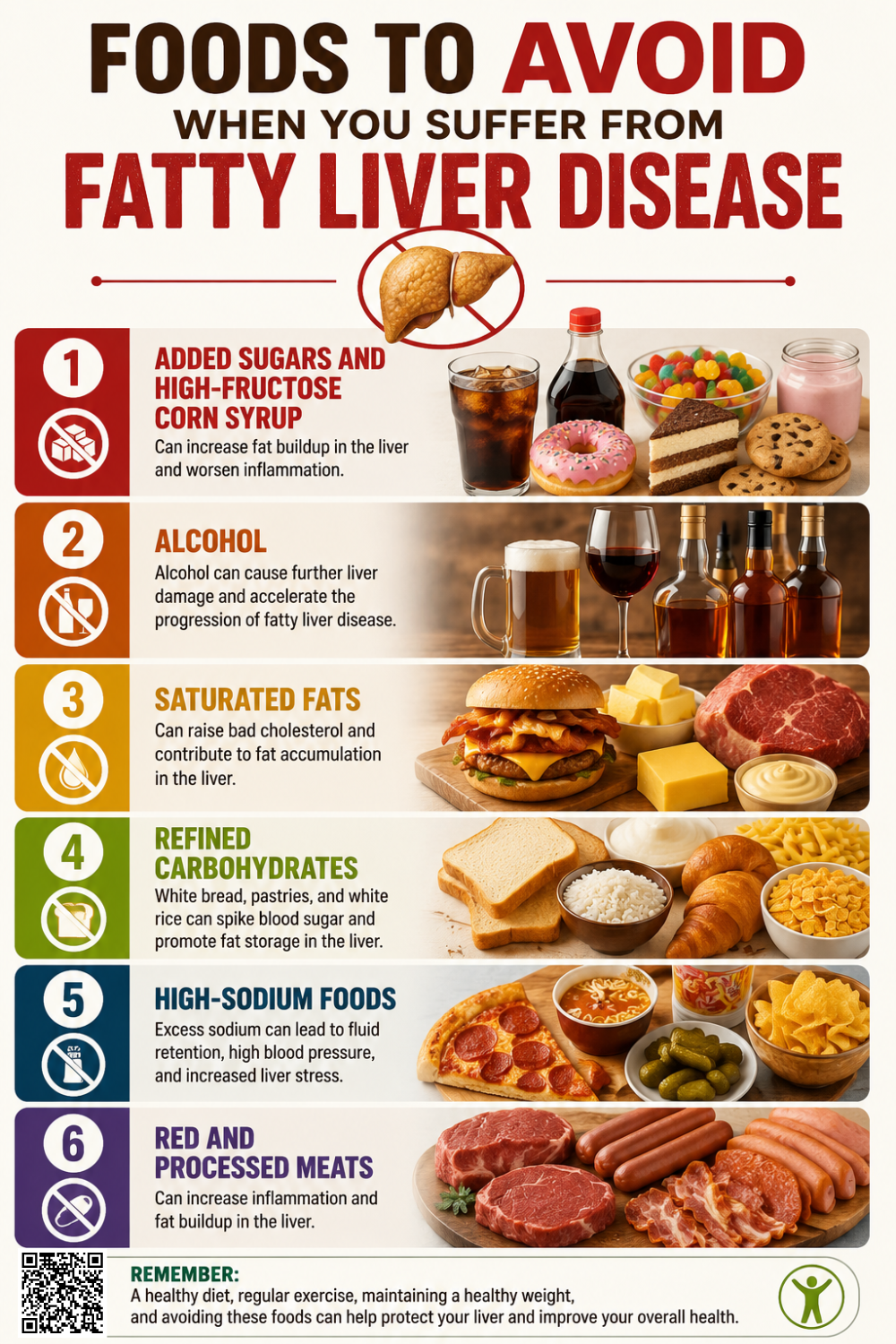
Excess sugar consumption directly promotes de novo lipogenesis, driving liver fat accumulation, inflammation, and insulin resistance. 62, 63, 64
2. Alcohol
Alcohol profoundly disrupts liver metabolism, increases oxidative stress, and dramatically accelerates intrahepatic fat deposition, leading to severe hepatic steatosis and potentially cirrhosis. 65, 66, 67
3. Saturated Fats
Overeating saturated fats rapidly increases intrahepatic triglycerides and harmful ceramides, inducing metabolic dysfunction and liver fat accumulation much more aggressively than unsaturated fats. 68, 69, 70
4. Refined Carbohydrates
Rapidly digested carbohydrates provoke sharp insulin spikes and promote intestinal bacterial overgrowth, linking high intake directly to the progression of non-alcoholic liver damage. 71, 72
5. High-Sodium Foods
Elevated dietary salt consumption disrupts metabolic homeostasis, increases insulin resistance, and is strongly associated with the continuous progression of non-alcoholic fatty liver disease. 73, 74
6. Red and Processed Meats
Frequent consumption of unprocessed and processed red meats is prospectively linked to a significantly higher incidence of non-alcoholic fatty liver disease and liver fibrosis. 75, 76, 77
When To see Doctor when you have Fatty Liver Disease
1. Abdominal Swelling (Ascites and Edema)
Sudden fluid accumulation in the abdomen or lower extremities indicates ascites, a severe complication marking advanced decompensated liver disease that requires immediate medical evaluation. 78, 79
2. Cognitive Decline (Hepatic Encephalopathy)
Experiencing unusual drowsiness, metabolic tremors, memory loss, or slurred speech suggests hepatic encephalopathy, signifying the failing liver cannot adequately clear systemic neurotoxins. 80, 81
3. Unexplained Weight Loss and Fatigue
Extreme physiological fatigue and sudden weight loss are concerning markers of systemic metabolic complications and progressive hepatic insufficiency requiring comprehensive clinical assessment. 82, 83
4. Jaundice (Hyperbilirubinemia)
A distinct yellow tint appearing in the dermis or sclera denotes elevated serum bilirubin levels, representing a critical deterioration in hepatocyte function and biliary clearance. 84, 85
5. Cardiovascular and Metabolic Warning Signs
Severe metabolic shifts, uncontrolled dysglycemia, or angina warrant urgent care, as steatotic liver disease significantly accelerates atherosclerosis and increases risks of cardiovascular mortality. 86, 87