

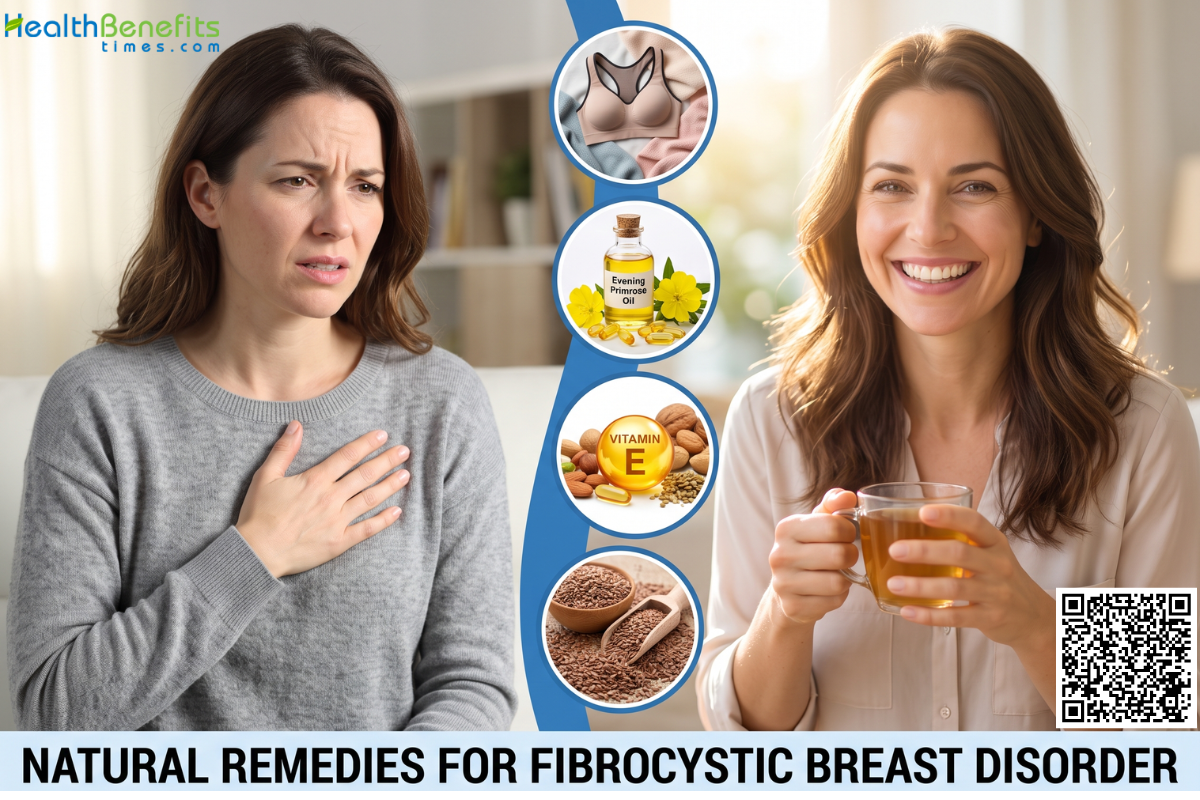
Fibrocystic breast disorder is the most common non-cancerous breast condition, affecting an estimated 70% to 90% of women during their lifetimes. It is primarily characterized by the formation of fluid-filled sacs, called cysts, and thick, fibrous tissue that creates a lumpy texture and causes physical tenderness 1. Clinical research concludes that these structural changes are a direct cellular response to normal monthly fluctuations in reproductive hormones like estrogen and progesterone, which stimulate glandular tissue expansion and fluid retention 2. Because this physical process is so widespread and rarely indicates a true illness, medical professionals increasingly refer to it simply as fibrocystic breast changes. While the vast majority of these cellular variations are completely harmless, specific subtypes involving abnormal cell overgrowth can slightly elevate a patient’s future risk of developing breast cancer, making clinical evaluation an important preventive measure.
Causes of Fibrocystic Breast Disorder
1. Menstrual Cycle Hormone Fluctuations
The leading cause of fibrocystic breast changes is the normal, monthly variation of reproductive hormones, specifically estrogen and progesterone. During each menstrual cycle, these hormones stimulate the breast’s milk glands and ducts to enlarge and retain fluid, which directly results in the formation of swollen cysts and lumpy tissue.
2. Cellular Hypersensitivity to Estrogen
In many individuals, breast tissue demonstrates an exaggerated physical response to standard, healthy levels of estrogen circulating in the body. This heightened cellular sensitivity forces structural connective tissues to overgrow and thicken, creating the dense, rope-like bands commonly felt in fibrocystic breasts.
3. External Hormone Treatments
The use of synthetic hormone medications, particularly estrogen-based hormone replacement therapy (HRT) prescribed for menopausal symptoms, can artificially stimulate breast tissue. This continuous supply of external hormones prevents the natural breakdown of temporary cysts and fibrous tissue, frequently triggering or worsening fibrocystic symptoms 3.
4. Prolactin Activity
Abnormal sensitivity to prolactin, the pituitary hormone responsible for stimulating breast milk production, can also drive structural breast changes. Elevated prolactin signaling, even in women who are not pregnant or nursing, promotes fluid accumulation within the milk ducts and contributes to recurrent cyst development 4.
Symptoms of Fibrocystic Breast Disorder
1. Palpable Lumps and Thickening
A defining physical characteristic is the development of dense, irregular lumps that feel like thick, rope-like bands or firm knots beneath the skin, most commonly located in the upper and outer sections of the breasts.
2. Cyclical Pain and Tenderness
Individuals frequently experience a dull, heavy ache or generalized tenderness throughout the breast tissue that predictably worsens during the week immediately preceding menstruation and sharply resolves once the menstrual period begins.
3. Breast Swelling and Heaviness
The breast tissue may become noticeably swollen, physically larger, and uncomfortably heavy due to the temporary accumulation of excess fluid within expanding glandular cysts.
4. Fluctuating Cyst Size
The distinct, fluid-filled sacs associated with this condition are highly responsive to circulating hormones, meaning these round lumps can often be felt physically growing in size before a menstrual period and shrinking rapidly afterward.
5. Non-Bloody Nipple Discharge
The condition can cause a spontaneous fluid discharge to leak from the nipples without squeezing, which typically appears clear, cloudy, yellow, or dark green and results from trapped secretions within dilated milk ducts.
 Natural Remedies for Fibrocystic Breast Disorder
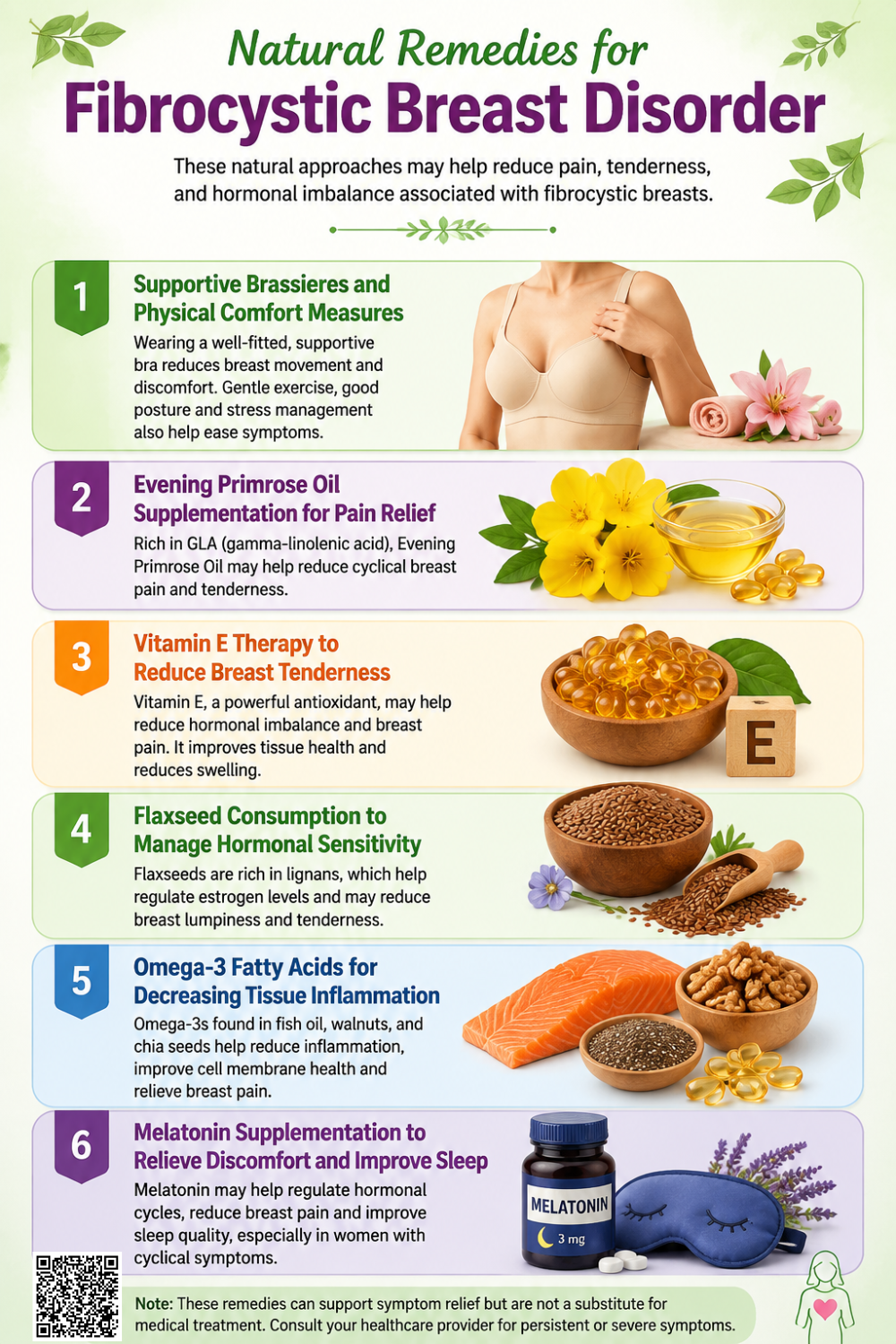
1. Supportive Brassieres and Physical Comfort Measures
How it may help
Wearing a well-fitted, structured brassiere limits physical movement and provides necessary support to the breast’s internal connective tissues. This reduces the mechanical strain on the chest wall, directly easing the physical heaviness, sharp pain, and general tenderness caused by swollen, fluid-filled cysts.
What research says
Clinical guidelines establish mechanical breast support as the highly effective, first-line treatment for breast pain related to fibrocystic changes. Studies conclude that wearing a firm, well-fitted sports bra significantly reduces cyclical pain for most patients without the need for medication 5.
How to use it safely
To maximize comfort, you should undergo a professional bra fitting to confirm your correct band and cup size. Wear a highly supportive sports bra during daily activities, exercise, and while sleeping during the week before your menstrual period when swelling peaks.
Potential precautions or side effects
Avoid excessively tight bands or rigid underwires that dig directly into the breast tissue, as these can restrict healthy circulation, trap moisture, and cause painful skin chafing.
2. Evening Primrose Oil Supplementation for Pain Relief
How it may help
Evening primrose oil provides a rich supply of gamma-linolenic acid, a natural fatty acid. This compound helps decrease physical inflammation within the breast tissue and lowers the cells’ heightened sensitivity to monthly hormone fluctuations, directly reducing the painful swelling associated with fibrocystic changes.
What research says
Clinical evidence demonstrates that evening primrose oil safely reduces cyclical breast pain for many patients, though individual results can vary. Researchers conclude that it is a highly effective, well-tolerated first-line alternative to prescription medications for managing mild to moderate fibrocystic breast discomfort.
How to use it safely
You should take evening primrose oil supplements daily in capsule form, ideally divided into smaller doses with meals to improve absorption. Because the beneficial fatty acids accumulate gradually, you must take the supplement consistently for three to four months to experience noticeable pain relief.
Potential precautions or side effects
Side effects are generally mild and include upset stomach, nausea, or headaches. You should avoid this supplement if you take blood thinners or seizure medications due to possible drug interactions.
3. Vitamin E Therapy to Reduce Breast Tenderness
How it may help
Vitamin E functions as a powerful antioxidant that protects cellular structures from oxidative stress and inflammation. By helping to regulate lipid balances and moderate the breast tissue’s inflammatory response to normal hormonal fluctuations, it can gradually reduce the physical tenderness, heaviness, and aching associated with fibrocystic changes.
What research says
Clinical studies indicate that daily Vitamin E supplementation can significantly decrease the severity of cyclical breast pain. Researchers conclude that it is a safe, effective, and non-hormonal therapeutic option for managing persistent fibrocystic discomfort, especially when taken alongside other essential fatty acids 6.
How to use it safely
You should take Vitamin E capsules at a typical dosage of 400 IU per day, ideally consumed with a fat-containing meal to maximize intestinal absorption. Consistent daily use for two to six months is usually necessary to achieve a noticeable reduction in cyclical breast tenderness.
Potential precautions or side effects
Avoid exceeding the recommended daily dosage, as excessively high levels of Vitamin E can increase bleeding risks. You should consult a physician before use if you take blood-thinning medications.
4. Flaxseed Consumption to Manage Hormonal Sensitivity
How it may help
Flaxseed provides a rich source of plant-based compounds called lignans, which function as mild estrogen alternatives in the body. By gently attaching to cellular hormone receptors, these lignans block the stronger natural estrogen from overstimulating the breast tissue, which effectively reduces painful swelling and lumpiness.
What research says
Clinical trials demonstrate that regular flaxseed consumption significantly decreases both the severity of cyclical breast pain and the physical lumpiness of breast tissue. Researchers conclude that dietary flaxseed and its extracted oil are highly effective, well-tolerated alternative treatments for managing persistent fibrocystic symptoms 7.
How to use it safely
You can safely consume approximately 25 to 30 grams (about two tablespoons) of ground or milled flaxseed daily. You should choose ground seeds over whole seeds for proper digestion and mix them into foods like yogurt or oatmeal consistently for two to three months.
Potential precautions or side effects
Because flaxseed contains high amounts of dietary fiber, you might experience mild bloating or diarrhea. You should drink plenty of water and consult your doctor if you take blood-thinning medications.
5. Omega-3 Fatty Acids for Decreasing Tissue Inflammation
How it may help
Omega-3 fatty acids act as powerful, natural anti-inflammatories. They work by reducing the body’s production of inflammatory compounds called prostaglandins. By calming this localized cellular inflammation, omega-3s help decrease the heavy, aching pain and swollen breast tissue directly triggered by cyclical hormonal fluctuations.
What research says
Clinical trials indicate that daily omega-3 fatty acid supplementation safely and effectively reduces the severity of cyclical breast pain. Researchers have demonstrated that women who regularly consume omega-3s experience a significant decrease in mastalgia intensity compared to baseline levels, making it a valuable non-hormonal treatment option 8.
How to use it safely
You should take omega-3 fish oil supplements in a typical daily dose of 1,000 to 2,000 milligrams, ideally consumed with a meal to maximize intestinal absorption and minimize stomach upset. Consistent daily use for at least two menstrual cycles is required to achieve noticeable pain relief.
Potential precautions or side effects
Omega-3 fatty acids can increase bleeding risks. You should consult a physician before starting supplementation if you actively take blood-thinning medications, daily aspirin, or have a diagnosed bleeding disorder.
6. Melatonin Supplementation to Relieve Discomfort and Improve Sleep
How it may help
Melatonin serves as a powerful antioxidant and anti-inflammatory hormone that helps regulate natural reproductive cycles. By decreasing localized oxidative stress and lowering inflammatory markers within the breast tissue, melatonin effectively alleviates the severe cyclical aching and structural lumpiness associated with fibrocystic changes while simultaneously improving sleep.
What research says
Clinical trials demonstrate that daily melatonin supplementation significantly decreases breast pain intensity and improves sleep quality in individuals with fibrocystic breast disease. Researchers conclude that it provides a safe, highly effective alternative treatment that enhances cellular antioxidant capacity and improves overall quality of life 9.
How to use it safely
You should take 3 to 6 milligrams of immediate-release melatonin daily. To properly align with your body’s natural circadian rhythm and maximize the treatment’s effectiveness, consume the oral tablet approximately 60 minutes before your normal bedtime. Consistent nightly use is necessary for optimal relief.
Potential precautions or side effects
Melatonin is well-tolerated but may cause morning grogginess, mild headaches, or vivid dreams. You should avoid combining this supplement with prescription sleep medications to prevent excessive daytime drowsiness.
 Foods to Avoid When You suffer from Fibrocystic Breast Disorder
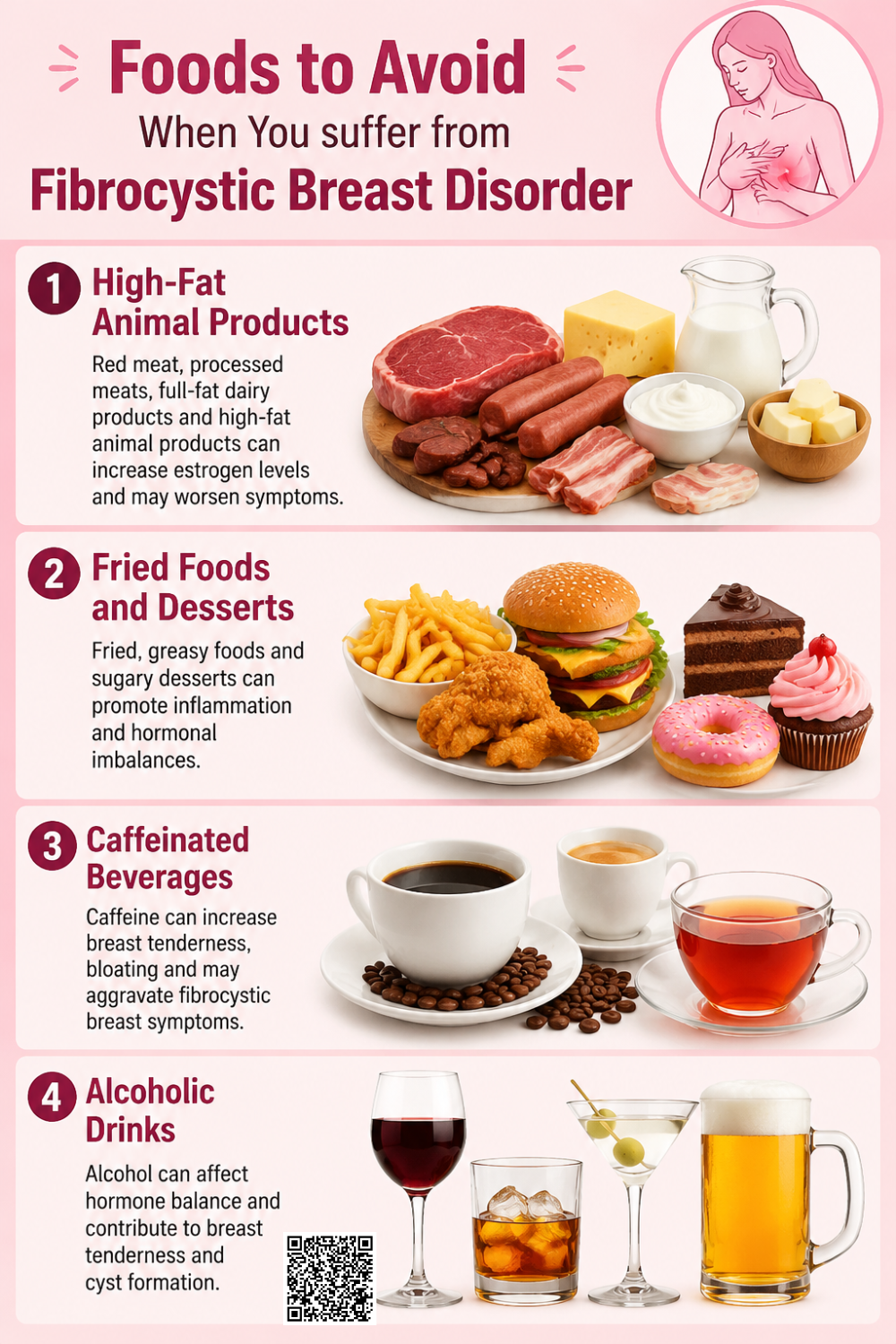
1. High-Fat Animal Products
Heavy consumption of animal-based fats increases systemic inflammation and is clinically linked to a significantly higher risk of developing painful cystic breast nodules 10.
2. Fried Foods and Desserts
Diets high in sugary desserts and fried foods promote cellular inflammation, which is directly associated with the formation of benign, fluid-filled breast cysts.
3. Caffeinated Beverages
Although clinical evidence is mixed, many healthcare providers recommend avoiding coffee, tea, and chocolate because limiting these items can successfully decrease cyclical breast tenderness.
4. Alcoholic Drinks
Regular alcohol consumption can elevate circulating reproductive hormones, which directly increases the likelihood of developing swollen, uncomfortable fibrocystic breast changes, especially in younger women 11.
When To see Doctor when you suffer from Fibrocystic Breast Disorder
1. Discovery of a New Lump
Schedule a clinical evaluation if you feel a new, firm, or distinct breast mass that feels significantly different from your usual fibrocystic tissue.
2. Lumps That Do Not Shrink
Seek medical care if a specific lump continues to grow, hardens, or fails to resolve on its own after your menstrual cycle ends.
3. Unusual Nipple Discharge
Consult a doctor immediately if you experience spontaneous, single-sided, clear, or bloody fluid leaking from the nipple, as this requires prompt diagnostic investigation.
4. Visible Skin Changes
Seek immediate medical evaluation if you observe physical alterations on the breast skin, such as localized redness, unusual puckering, or a thickened, dimpled texture.
5. Severe or Continuous Pain
Contact a healthcare provider if your breast pain becomes unexpectedly severe, localizes strictly to one specific spot, or persists continuously throughout your entire menstrual cycle.