

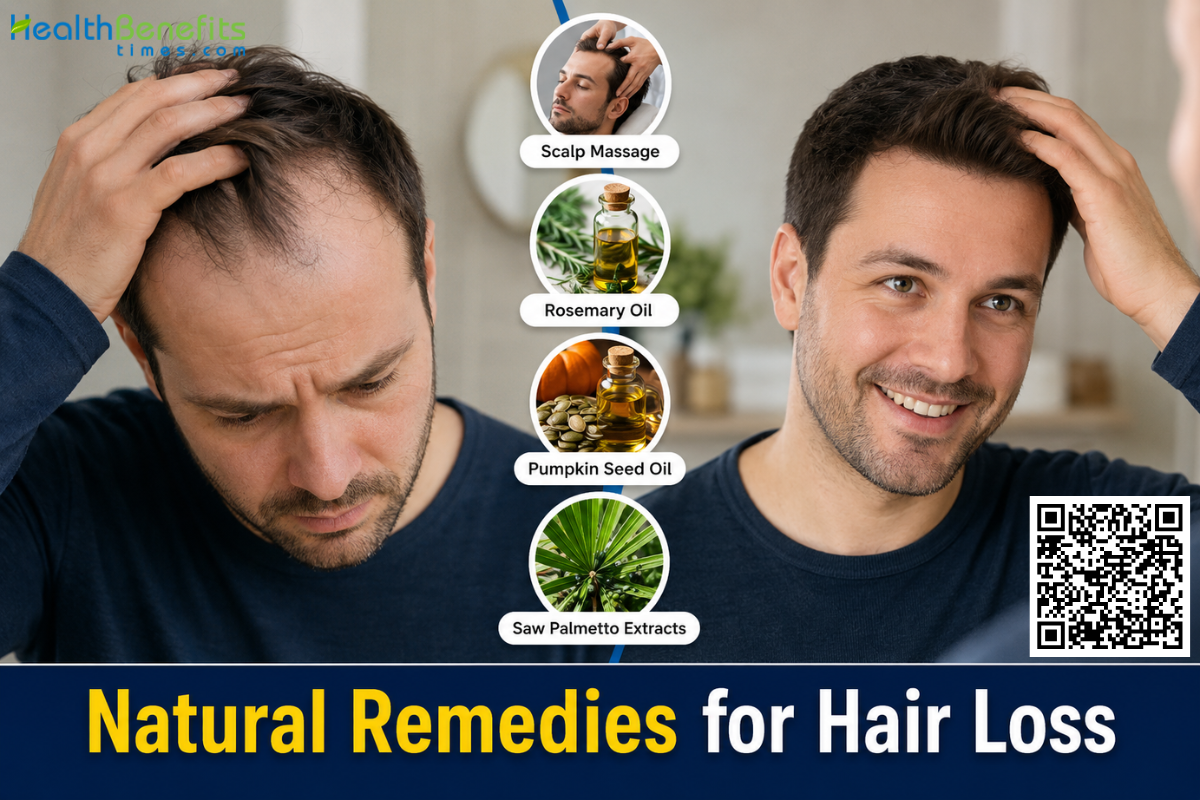
Hair loss, medically known as alopecia, is the partial or complete absence of hair in areas where it normally grows. Although it can occur anywhere on the body, it most frequently affects the scalp. Clinically, hair loss is classified into two primary categories: non-scarring and scarring alopecia. Non-scarring alopecia preserves the hair follicle, allowing for potential regrowth, whereas scarring alopecia leads to the permanent destruction of these follicles 1. While daily shedding is a natural part of the hair growth cycle, significant or sudden loss is typically driven by genetic predisposition, hormonal imbalances, severe stress, or autoimmune conditions 2. The most prevalent form is androgenetic alopecia, commonly known as pattern baldness. Because the exact mechanisms behind hair thinning vary widely, a prompt medical evaluation is essential to identify the specific type and determine if the condition is reversible.
Causes of Hair Loss
1. Genetics (Hereditary Hair Loss)
The most common cause of hair loss is an inherited genetic condition known as androgenetic alopecia. This condition occurs gradually with aging and causes hair follicles to shrink, which eventually stops them from producing new hair 3.
2. Hormonal Changes
Significant hormonal shifts in the body can trigger temporary or permanent hair thinning. These disruptions frequently occur as a result of pregnancy, childbirth, menopause, or underlying thyroid disorders 4.
3. Severe Physical or Emotional Stress
A sudden physical or emotional shock can force a large number of hair follicles into a resting phase, a condition called telogen effluvium. This results in noticeable shedding several months after events like major surgery, severe illness, or intense psychological stress 5.
4. Autoimmune Conditions
In a disease known as alopecia areata, the body’s immune system mistakenly attacks healthy hair follicles. This immune response disrupts the hair growth cycle and leads to unpredictable, patchy hair loss on the scalp and other parts of the body 6.
5. Medications and Medical Treatments
Hair loss is a known side effect of certain prescription medications and clinical treatments. It is most commonly associated with chemotherapy drugs used for cancer, but can also occur with medications used to treat arthritis, depression, heart conditions, and high blood pressure 7.
6. Damaging Hairstyles and Treatments
Consistently wearing hairstyles that pull the hair tightly, such as tight braids or ponytails, can damage the follicles and cause traction alopecia. Similarly, the frequent use of harsh chemical straighteners or high-heat styling tools can weaken the hair shaft, leading to breakage and long-term damage 8.
Symptoms of Hair Loss
1. Gradual Thinning on Top of the Head
This is the most frequent symptom of hair loss, occurring slowly as people age. For men, this typically begins as a receding hairline at the forehead. For women, the hairline usually remains intact, but there is a noticeable broadening of the part in their hair 9.
2. Circular or Patchy Bald Spots
Hair may fall out in smooth, coin-sized patches. While this symptom primarily affects the scalp, it can also appear in the beard or eyebrows. The skin may feel itchy or painful just before the hair begins to fall out.
3. Sudden Loosening of Hair
Severe physical or emotional stress can disrupt the hair growth cycle, causing hair to loosen abruptly. Noticeable clumps of hair may come out when combing, washing, or gently tugging, resulting in overall thinning rather than specific bald spots.
4. Full-Body Hair Loss
Certain medical conditions and clinical treatments, particularly chemotherapy used for cancer patients, can cause hair to fall out across the entire body. In most clinical cases, the hair will grow back once the medical treatment has concluded.
5. Patches of Scaling on the Scalp
Spreading patches of scaly skin on the scalp indicate a fungal infection known as ringworm (tinea capitis). This symptom is often accompanied by broken hair, redness, swelling, and localized itchiness 10.
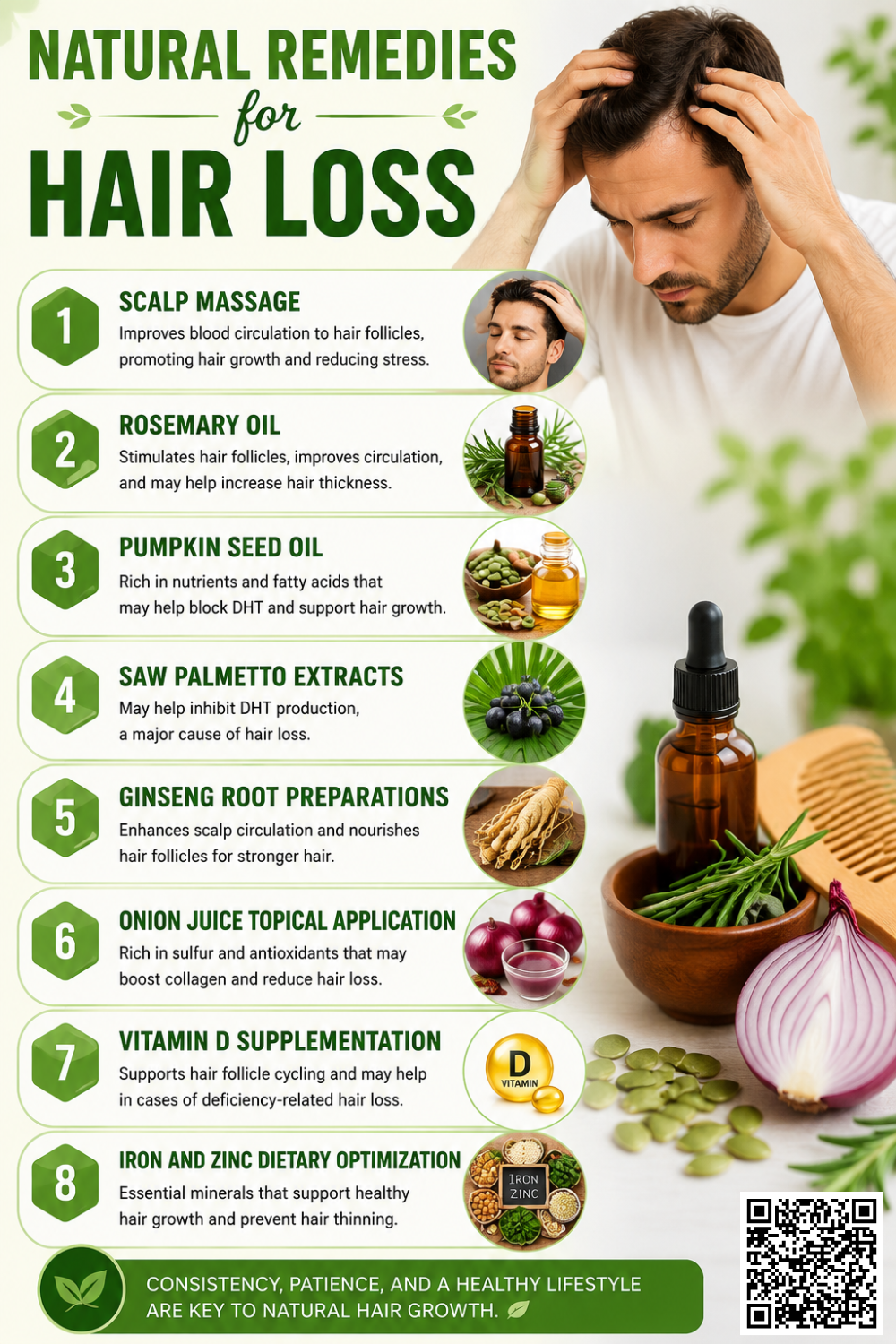 Natural Remedies for Hair Loss
1. Scalp Massage
How it may help
Regular scalp massage may help manage hair loss by increasing blood flow to the hair follicles and physically stretching the cells within the follicles. This process is believed to stimulate the production of thicker hair strands and promote better scalp health 11.
What research says
Research indicates that daily scalp massage can positively influence hair thickness. Clinical observations show that consistent, standardized massage techniques performed over several months contribute to improved hair diameter and overall scalp density in individuals experiencing pattern thinning.
How to use it safely
To perform a safe massage, use your fingertips to apply firm, circular pressure across your entire scalp for four to five minutes daily. Avoid using your fingernails to prevent scratching or damaging the skin. Keeping your movements steady and consistent is the most effective approach.
Potential precautions or side effects
Scalp massage is generally well-tolerated. However, discontinue the practice if you experience persistent scalp irritation, inflammation, or increased pain in the skin of the scalp.
2. Rosemary Oil
How it may help
Rosemary oil is believed to improve hair growth by enhancing blood circulation to the scalp and providing anti-inflammatory benefits to the hair follicles. These properties may help prevent the miniaturization of follicles, which is a primary contributor to pattern hair thinning 12.
What research says
Clinical research suggests that rosemary oil can be as effective as standard medical treatments for promoting hair regrowth in individuals with androgenetic alopecia. Observed results indicate significant improvements in hair count after several months of regular, consistent application to the scalp.
How to use it safely
To use it safely, always mix a few drops of rosemary essential oil with a gentle carrier oil, such as coconut or jojoba oil, before applying it. Massage the diluted mixture into your scalp, leave it for several hours, and then wash it out thoroughly.
Potential precautions or side effects
Rosemary oil may cause contact dermatitis or scalp irritation in sensitive individuals. Always perform a patch test on a small area of skin before applying it to your scalp.
3. Pumpkin Seed Oil
How it may help
Pumpkin seed oil may help control hair loss by inhibiting the activity of 5-alpha reductase, an enzyme known to convert testosterone into dihydrotestosterone (DHT). Reducing DHT levels at the hair follicle is a critical mechanism for preventing follicle shrinkage and supporting the growth cycle in those with androgenetic alopecia 13.
What research says
Clinical evidence indicates that regular oral supplementation of pumpkin seed oil leads to a significant increase in hair count. Researchers have observed marked improvements in hair density and scalp coverage among patients who utilized this supplement over a sustained period of time compared to those who did not.
How to use it safely
When choosing to use pumpkin seed oil, it is best taken as a standardized oral supplement. Follow the specific dosage instructions provided on the product packaging or consult a healthcare professional to determine the appropriate amount for your individual needs.
Potential precautions or side effects
Potential side effects may include mild gastrointestinal discomfort, such as nausea or an upset stomach. Individuals with pre-existing digestive conditions should consult a physician before beginning supplementation.
4. Saw Palmetto Extracts
How it may help
Saw palmetto is thought to aid in hair retention by blocking the enzyme that converts testosterone into dihydrotestosterone (DHT). By reducing DHT levels within the scalp, it helps prevent the gradual shrinking of hair follicles, which is a primary driver of androgenetic alopecia in both men and women 14.
What research says
Research indicates that saw palmetto can improve overall hair quality and density. Clinical reviews show that patients using saw palmetto extracts experience a measurable increase in hair count, often comparing favorably to other standard therapeutic options for managing progressive hair loss.
How to use it safely
When using saw palmetto, opt for high-quality oral supplements standardized for fatty acid content. Adhere strictly to the recommended dosage listed on the packaging or as advised by your healthcare provider to ensure safe and effective use.
Potential precautions or side effects
Side effects are generally mild but may include digestive issues like stomach pain or nausea. Consult your doctor before use, as it may interact with hormone-related medications.
5. Ginseng Root Preparations
How it may help
Ginseng root is believed to promote hair growth by stimulating dermal papilla cells, which regulate the hair follicle cycle. Active compounds in ginseng, known as ginsenosides, help prolong the growth phase of hair follicles and may improve blood circulation to the scalp, creating an environment that supports thicker and stronger hair development 15.
What research says
Research suggests that topical application of ginseng extracts can significantly enhance hair density. Clinical findings demonstrate that regular use helps increase the total number of hair follicles in the growth phase, offering a potential therapeutic benefit for those dealing with thinning hair and overall scalp health deterioration.
How to use it safely
When using ginseng for hair, apply topical extracts, such as tonics or oils, directly to the scalp as directed by the product instructions. Consistent application is necessary to observe potential benefits. Always choose products from reputable sources to ensure the quality and concentration of active ingredients.
Potential precautions or side effects
Ginseng is generally safe, though some individuals may experience scalp dryness or mild irritation. Discontinue use if you notice any signs of an allergic reaction or skin inflammation.
6. Onion Juice Topical Application
How it may help
Onion juice is believed to stimulate hair growth through its high sulfur content, which may improve blood supply to hair follicles and provide necessary nutrients. These components are thought to activate follicle cells and reduce inflammation, potentially supporting the regrowth cycle in individuals experiencing patchy hair loss 16.
What research says
Clinical evidence indicates that the topical application of onion juice can be effective for hair regrowth in patients with alopecia areata. Research shows that consistent application significantly increases hair density in affected areas when compared to control treatments, suggesting it as a viable option for those seeking natural management strategies.
How to use it safely
To use it, apply extracted fresh onion juice directly to the affected scalp areas twice daily. Allow the juice to remain on the skin for approximately 15 to 30 minutes before washing it off thoroughly with a mild shampoo to remove the strong odor.
Potential precautions or side effects
Onion juice may cause contact dermatitis, redness, or itching in some individuals. Always perform a patch test on your forearm before applying it to your scalp.
7. Vitamin D Supplementation
How it may help
Vitamin D is essential for the formation of new hair follicles and the maintenance of existing ones. It plays a crucial role in the hair growth cycle by stimulating the follicles to enter the active growth phase, which helps support overall hair density and structural health in individuals with deficiency-related thinning .
What research says
Clinical research consistently demonstrates an association between low serum vitamin D levels and various types of hair loss. Studies indicate that correcting these deficiencies through appropriate supplementation can help normalize the hair growth cycle and improve overall clinical outcomes for patients suffering from non-scarring alopecia.
How to use it safely
Before starting, obtain a blood test to confirm a deficiency. Follow the dosage recommended by your healthcare provider based on your specific levels. It is generally advised to take vitamin D supplements with a meal containing fat to maximize absorption and ensure consistent, safe utilization by the body.
Potential precautions or side effects
Excessive vitamin D intake can lead to toxicity, resulting in high calcium levels in the blood. Always adhere to prescribed limits and consult a doctor before beginning supplementation.
8. Iron and Zinc Dietary Optimization
How it may help
Iron is vital for carrying oxygen to hair follicles, supporting growth and strength. Zinc is essential for tissue growth and follicle repair. A deficiency in these minerals disrupts the hair growth cycle, leading to increased shedding and thinning, particularly in individuals with poor dietary intake or specific metabolic needs 17.
What research says
Clinical research confirms that low levels of iron and zinc are strongly linked to hair loss conditions like telogen effluvium and alopecia areata. Studies show that patients with documented deficiencies often experience significant improvement in hair regrowth once their iron and zinc levels are restored to a healthy range through targeted dietary intervention.
How to use it safely
To use these nutrients safely, prioritize a balanced diet rich in red meat, legumes, and seeds. If you suspect a deficiency, consult a doctor to confirm your levels via a blood test before beginning any supplemental routine, as improper dosage can be harmful.
Potential precautions or side effects
High-dose iron or zinc supplementation can cause nausea, digestive distress, and interfere with the absorption of other essential minerals. Always follow medical guidance to avoid toxicity.
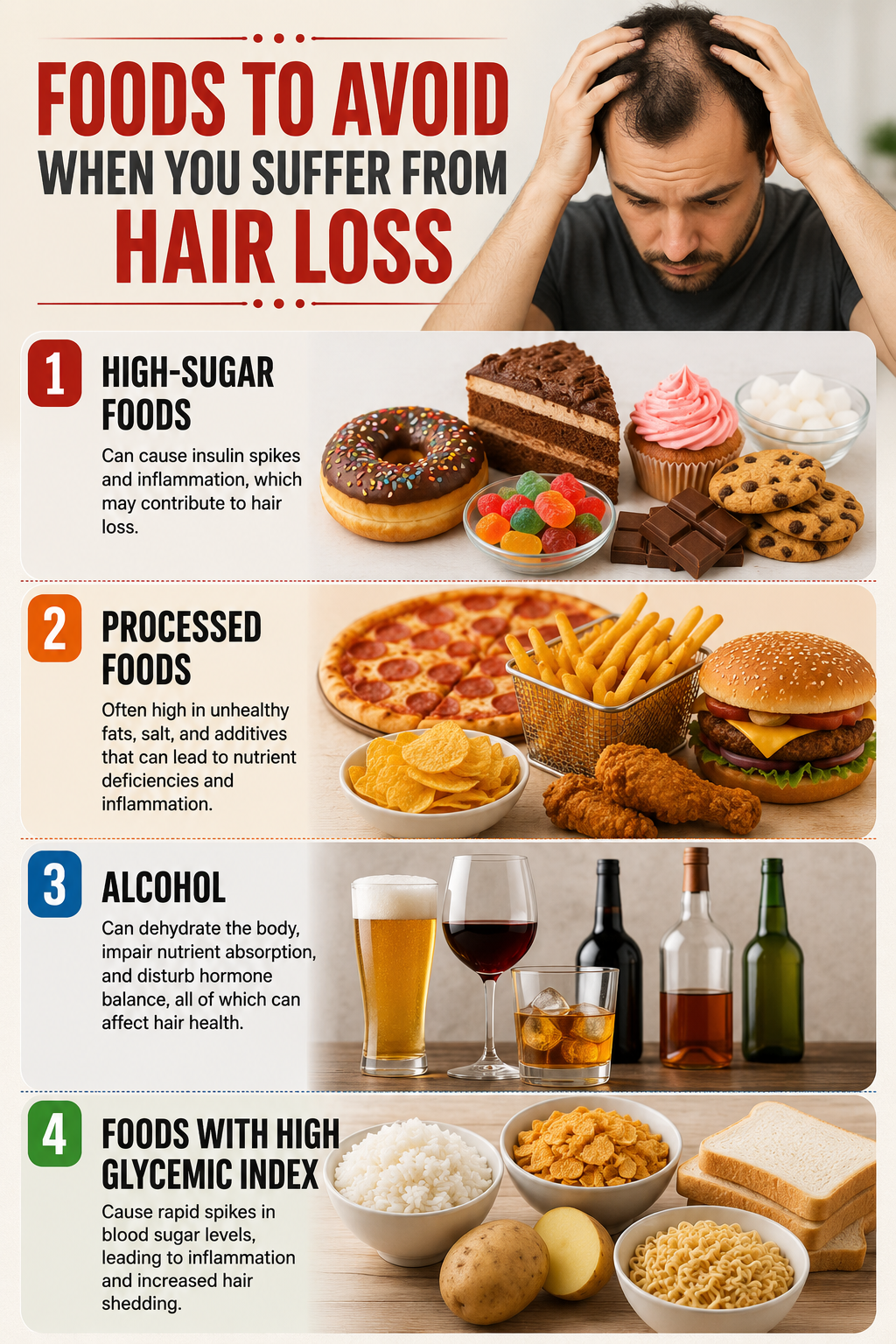 Foods to Avoid When You Suffer from Hair Loss
1. High-Sugar Foods
Excess sugar consumption can trigger inflammation and negatively impact insulin sensitivity, both of which are linked to disruptions in the hair growth cycle and follicle health.
2. Processed Foods
Foods high in artificial additives, trans fats, and sodium often lack necessary vitamins and minerals, promoting systemic inflammation that can interfere with optimal hair follicle function.
3. Alcohol
Excessive alcohol consumption can lead to dehydration and nutrient depletion, specifically affecting the body’s ability to absorb essential vitamins needed for maintaining strong and healthy hair strands.
4. Foods with High Glycemic Index
Refined carbohydrates cause rapid spikes in blood sugar and insulin, which may increase androgen levels, potentially accelerating hair loss in those genetically predisposed to pattern baldness.
When To See a Doctor for Hair Loss
1. Sudden or Rapid Hair Loss
If you experience a sudden onset of hair loss or notice hair falling out in large, unexpected clumps, consult a physician to identify potential underlying medical triggers.
2. Patchy Loss or Scalp Irritation
Seek medical advice if you develop circular bald patches, scaling, redness, or pain on the scalp, as these may indicate infections or inflammatory conditions requiring specific treatment.
3. Loss After Starting Medication
If you notice increased thinning shortly after beginning a new prescription or medical treatment, discuss these symptoms with your doctor to evaluate potential medication side effects.
4. Persistent or Progressive Thinning
If you notice significant changes in your hair density that do not improve or continue to worsen over time, a professional evaluation is necessary to determine the root cause.
5. Associated Systemic Symptoms
If your hair loss is accompanied by symptoms such as unexplained fatigue, weight changes, or skin rashes, see a doctor to rule out systemic health issues like thyroid or autoimmune disorders.