

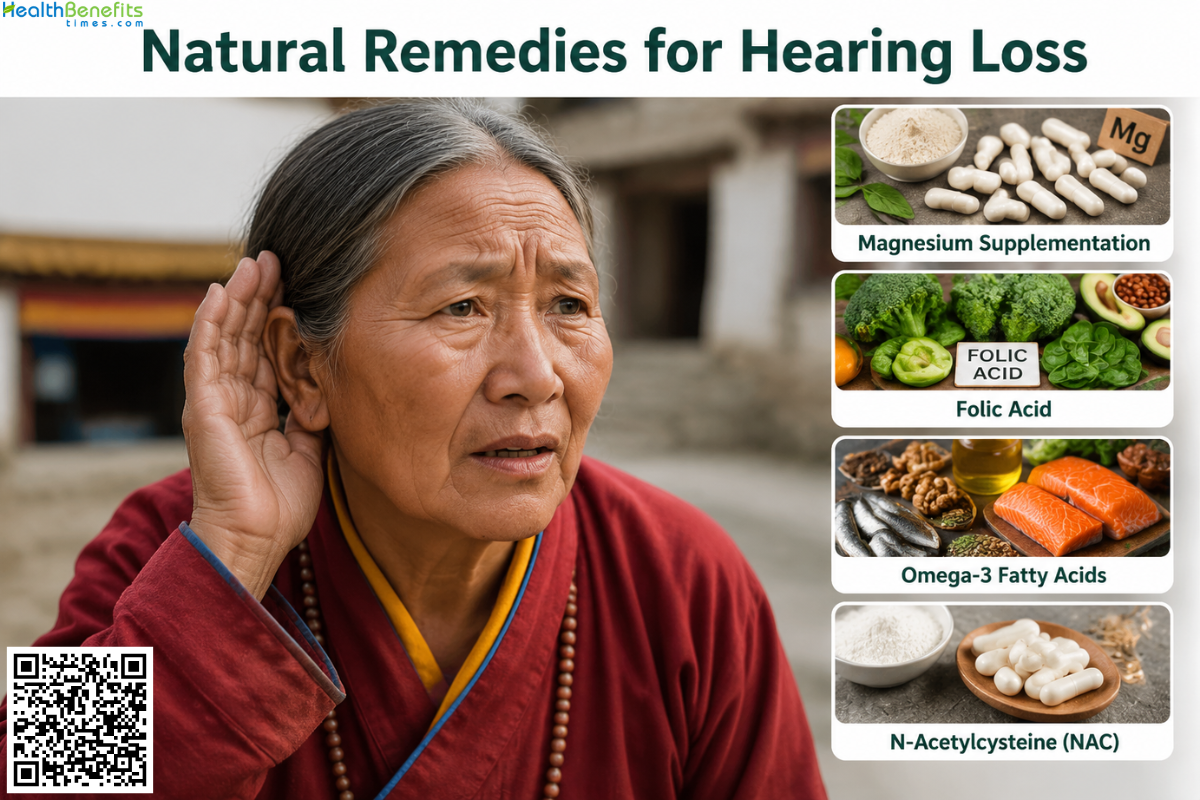
Hearing loss is a medical condition characterized by a partial or total inability to perceive sound in one or both ears. Clinical standards define it as the inability to hear sounds at a volume of 20 decibels or better, which serves as the established baseline for normal human hearing 1. Medical professionals categorize the condition into three primary types: sensorineural, which involves damage to the inner ear or auditory nerve; conductive, which occurs when fluid or physical blockages stop sound waves from passing through the outer or middle ear; and mixed, which is a combination of both underlying issues 2. The severity can range from mild difficulty understanding speech in noisy environments to profound deafness. Without proper medical management, chronic hearing impairment restricts communication and is clinically linked to accelerated cognitive decline and social isolation in adults 3.
Causes of Hearing Loss
- Natural Aging: The gradual degradation of tiny sensory hair cells inside the inner ear over time reduces the ability to perceive sounds, particularly high-pitched frequencies 3.
- Loud Noise Exposure: Prolonged exposure to loud environments or sudden, intense acoustic trauma damages the sensitive sensory structures of the inner ear, resulting in permanent noise-induced hearing loss 4.
- Ear Infections and Fluid Buildup: Middle ear infections create fluid accumulation that temporarily blocks sound waves from properly traveling through the ear canal, causing conductive hearing impairment 5.
- Ototoxic Medications: Certain prescription drugs, including specific classes of strong antibiotics, loop diuretics, and chemotherapy agents, can cause toxic damage to the inner ear and auditory nerve 3.
- Genetic Factors: Inherited genetic variations can alter the structural development of the ear or make an individual naturally more susceptible to auditory deterioration over time 6.
- Physical Head or Ear Trauma: Severe head injuries, extreme atmospheric pressure changes, or inserting objects into the ear canal can puncture the eardrum or dislocate the small transmitting bones of the middle ear 7.
- Severe Earwax Blockage: An abnormal accumulation and hardening of earwax can physically obstruct the ear canal, completely blocking sound waves from reaching the eardrum 8.
- Maternal Infections During Pregnancy: Viral or bacterial infections, such as rubella, syphilis, or cytomegalovirus (CMV), contracted by a mother during pregnancy can disrupt fetal ear development and cause congenital hearing loss in the infant 1.
Symptoms of Hearing Loss
- Muffled perception of sounds: Individuals frequently perceive human speech and environmental noises as muffled or distorted, which makes it particularly hard to distinguish high-pitched consonant sounds. 3
- Difficulty in noisy environments: A primary clinical indicator is the inability to track conversations or isolate specific voices when background noise is present, such as in crowded rooms or restaurants. 3
- Frequent requests for repetition: Affected individuals regularly need to ask others to speak more loudly, slowly, or clearly to comprehend spoken information. 9
- Increased device volume: A noticeable reliance on turning up the volume on televisions, phones, or radios to levels that individuals with normal hearing find uncomfortably loud. 10
- Ringing in the ears (Tinnitus): Many people experience persistent or intermittent ringing, hissing, roaring, or buzzing sounds inside the ear, a condition that frequently accompanies inner ear damage. 11
- Social withdrawal and listening fatigue: The intense mental effort required to process incomplete auditory signals often causes extreme exhaustion, leading individuals to actively avoid group conversations and social settings. 1
Natural Remedies for Hearing Loss
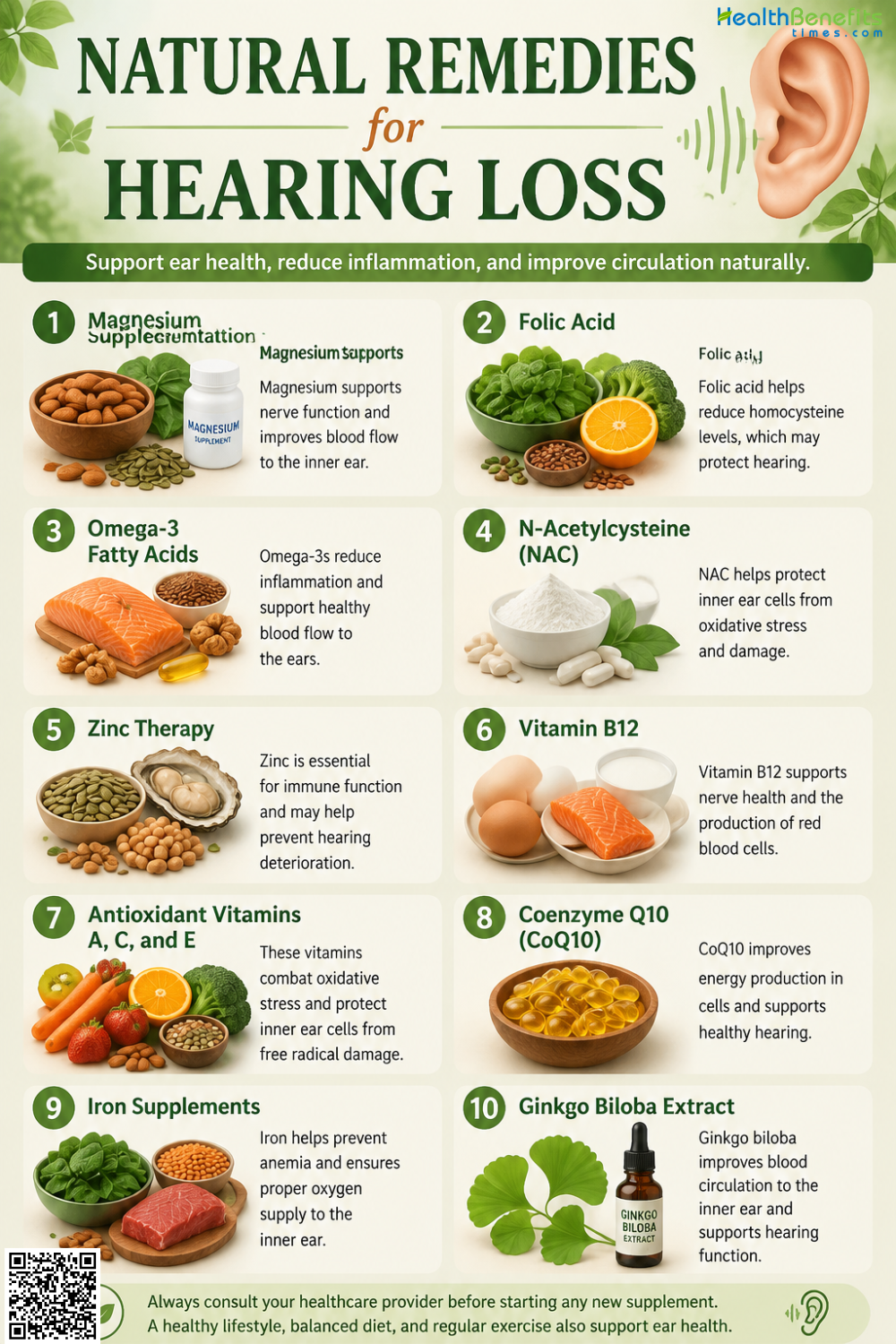
1. Magnesium Supplementation
How It May Help
Magnesium protects the delicate hair cells in the inner ear by maintaining healthy blood flow and blocking harmful molecules called free radicals. It also prevents excessive calcium from entering ear cells during loud noise exposure, which otherwise causes permanent cellular damage and auditory decline.
What Research Says
Clinical studies confirm that magnesium effectively minimizes permanent inner ear damage caused by loud sounds. Research demonstrates that taking daily oral magnesium before and during repeated exposure to hazardous noise levels provides substantial protection against noise-induced hearing loss 12.
How to Use It Safely
Consult your healthcare provider before starting magnesium to ensure the correct dosage for your specific needs. Take the supplement with food to enhance absorption and avoid stomach irritation. Never exceed the standard recommended daily allowance unless a doctor prescribes a higher amount.
Potential Precautions or Side Effects
High doses of magnesium frequently cause diarrhea, nausea, and abdominal cramping 13. It may also dangerously interact with certain antibiotics, osteoporosis drugs, and blood pressure medications.
2. Folic Acid
How It May Help
Folic acid, also known as vitamin B9, supports healthy blood circulation to the inner ear and helps maintain the nervous system. It lowers the levels of homocysteine, a chemical in the blood that can restrict blood flow and damage the delicate auditory nerves responsible for processing sound.
What Research Says
Research indicates that folic acid supplementation significantly slows the decline in hearing associated with aging. Clinical trials show that adults who take daily folic acid supplements experience less loss in the low-frequency hearing range compared to those who do not receive the vitamin 14.
How to Use It Safely
Speak with your healthcare provider before starting folic acid to determine the correct dose for your body. You can also increase your intake safely by eating leafy green vegetables, beans, and fortified grains. Always take supplements exactly as directed to prevent imbalances.
Potential Precautions or Side Effects
Taking high doses of folic acid can hide the symptoms of a dangerous vitamin B12 deficiency, potentially leading to irreversible nerve damage if left untreated 15.
3. Omega-3 Fatty Acids
How It May Help
Omega-3 fatty acids reduce inflammation and improve blood flow to the inner ear. This steady blood supply delivers essential oxygen and nutrients, which protects delicate auditory hair cells and nerves from age-related decay and structural damage.
What Research Says
Clinical studies link higher consumption of omega-3 fatty acids to a significantly reduced risk of age-related hearing decline. Research concludes that adults who regularly consume these healthy fats maintain better auditory sensitivity and experience slower rates of hearing loss over time 16.
How to Use It Safely
Discuss omega-3 supplementation with your doctor to determine the appropriate dose. You can safely obtain these fats naturally by eating fish like salmon twice a week. Always take capsules with meals to improve absorption and strictly follow prescribed amounts.
Potential Precautions or Side Effects
High doses of omega-3s can thin the blood, increasing bleeding risks for those taking anticoagulant medications 17. Common mild side effects include fishy burps, heartburn, and upset stomach.
4. N-Acetylcysteine (NAC)
How It May Help
N-Acetylcysteine (NAC) is a powerful antioxidant that helps replenish glutathione, a natural protective chemical in the body. By neutralizing harmful molecules called free radicals, NAC protects the fragile hair cells in the inner ear from damage caused by loud noises or certain toxic medications.
What Research Says
Clinical studies demonstrate that NAC effectively reduces inner ear damage and preserves hearing function. Research confirms that taking NAC before and after exposure to hazardous noise or specific ear-damaging medications significantly lowers the risk of developing permanent sensorineural hearing loss 18.
How to Use It Safely
Consult your doctor before starting NAC supplements to determine the proper dosage and ensure it is safe for your specific health needs. Take the capsules with a full glass of water, and never exceed the daily amount recommended by your healthcare provider.
Potential Precautions or Side Effects
Common side effects include nausea, vomiting, and diarrhea. NAC can also interact dangerously with nitroglycerin and blood thinners, causing severe drops in blood pressure 19.
5. Zinc Therapy
How It May Help
Zinc is an essential mineral highly concentrated in the inner ear. It acts as a powerful antioxidant and supports immune function. By reducing inflammation and fighting oxidative stress, zinc protects the delicate inner ear structures from viral infections and cellular damage that trigger sudden or age-related hearing loss.
What Research Says
Clinical studies demonstrate that zinc therapy improves outcomes for individuals with sudden sensorineural hearing loss. Research concludes that adding oral zinc supplements to standard medical treatments significantly increases hearing recovery rates and reduces the overall severity of auditory nerve damage compared to standard treatments alone 20.
How to Use It Safely
Consult your doctor to establish the correct zinc dosage for your specific health needs. You can safely boost your intake by eating beef, poultry, and beans. Always take zinc supplements with food to prevent stomach upset and strictly follow medical advice to avoid taking too much.
Potential Precautions or Side Effects
Taking excess zinc frequently causes nausea, stomach cramps, and vomiting. Long-term high doses can dangerously deplete the body’s copper levels and weaken the immune system 21.
6. Vitamin B12
How It May Help
Vitamin B12 plays a critical role in maintaining the protective coating surrounding the auditory nerves. It also supports healthy red blood cell production, ensuring adequate oxygen reaches the inner ear. By preventing nerve damage and maintaining cellular health, adequate B12 levels help preserve normal auditory function.
What Research Says
Clinical studies demonstrate a strong link between vitamin B12 deficiency and age-related auditory decline. Research confirms that individuals with low B12 levels frequently experience impaired hearing, and correcting this deficiency can stabilize auditory nerve function and prevent further hearing deterioration 22.
How to Use It Safely
Ask your healthcare provider to test your blood levels before starting vitamin B12 supplements to confirm a deficiency. You can naturally increase your intake by eating eggs, dairy, and poultry. If prescribed, take oral capsules or receive injections exactly as directed.
Potential Precautions or Side Effects
Vitamin B12 is highly safe because the body naturally removes excess amounts in urine. However, unusually high doses can occasionally cause mild diarrhea, itching, or minor skin breakouts 23.
7. Antioxidant Vitamins A, C, and E
How It May Help
Vitamins A, C, and E function as powerful antioxidants that protect the delicate hair cells in the inner ear. They work together to neutralize free radicals—harmful molecules created by loud noises or natural aging. By clearing these damaging molecules, the vitamins prevent cellular death and preserve normal auditory function.
What Research Says
Clinical studies demonstrate that a high intake of antioxidant vitamins significantly protects against age-related auditory decline. Research concludes that individuals who regularly consume vitamins A, C, and E experience better hearing preservation and a lower risk of developing severe, progressive hearing loss compared to those with poor antioxidant intake 24.
How to Use It Safely
Discuss supplementation with your doctor to find a safe dosage for your body. You can naturally and safely increase your intake by eating citrus fruits, leafy greens, nuts, and carrots. Avoid taking large doses of combined vitamin supplements unless explicitly prescribed by your healthcare provider.
Potential Precautions or Side Effects
High doses of fat-soluble vitamins A and E can dangerously accumulate in the body, potentially causing severe liver damage, bone pain, and an increased risk of severe bleeding 25.
8. Coenzyme Q10 (CoQ10)
How It May Help
Coenzyme Q10 (CoQ10) is a natural antioxidant that helps generate energy within cells. The inner ear requires high amounts of energy to process sound. By boosting cellular energy and reducing oxidative stress, CoQ10 protects delicate auditory hair cells from damage caused by loud noises, aging, and oxygen deprivation.
What Research Says
Clinical studies indicate that CoQ10 supplementation aids in hearing recovery. Research shows that patients with sudden sensorineural hearing loss who receive CoQ10 alongside standard medical treatments experience significantly higher improvements in speech discrimination and auditory nerve recovery compared to those receiving standard treatments alone 26.
How to Use It Safely
Consult your healthcare provider to determine the right CoQ10 dosage for your needs. Because it is fat-soluble, take the supplement with a meal containing healthy fats to improve absorption. Always follow your doctor’s instructions and do not replace prescribed medications with supplements.
Potential Precautions or Side Effects
CoQ10 is generally well-tolerated but may cause mild stomach upset, nausea, or insomnia. It can also interact with blood thinners and naturally lower blood pressure levels.
9. Iron Supplements
How It May Help
Iron is essential for producing healthy red blood cells that transport oxygen. The inner ear is highly sensitive to oxygen deprivation. Correcting an iron deficiency with supplements restores optimal oxygen flow to the auditory system, preventing ischemic damage to delicate nerves and preserving normal hearing function.
What Research Says
Clinical studies establish a significant association between iron deficiency anemia and sensorineural hearing loss. Research concludes that adults with iron deficiency are significantly more likely to experience auditory decline, indicating that maintaining healthy iron levels is critical for protecting inner ear health 27.
How to Use It Safely
Always ask your doctor to perform a blood test to confirm a deficiency before taking iron supplements. Take your prescribed dose with vitamin C, like a glass of orange juice, to enhance absorption. Never exceed the recommended dosage.
Potential Precautions or Side Effects
Iron supplements frequently cause severe constipation, nausea, and dark stools. Taking excess iron causes dangerous toxicity that can permanently damage the liver and heart 28.
10. Ginkgo Biloba Extract
How It May Help
Ginkgo biloba extract improves blood circulation within the tiny vessels of the inner ear. By delivering more oxygen and essential nutrients to the auditory nerves, and acting as an antioxidant to neutralize harmful cellular waste, it helps protect delicate ear structures from age-related deterioration and nerve damage.
What Research Says
Clinical research indicates that Ginkgo biloba can enhance auditory recovery in specific conditions. Studies conclude that patients experiencing sudden sensorineural hearing loss who receive Ginkgo biloba extract experience similar or improved hearing recovery rates compared to those receiving conventional blood-flow-enhancing medications 29.
How to Use It Safely
Consult your healthcare provider before starting Ginkgo biloba to ensure it is appropriate for your condition. Use a standardized extract to guarantee consistent quality. Take the supplement exactly as directed with meals, and never substitute it for prescribed medical treatments without professional guidance.
Potential Precautions or Side Effects
Ginkgo biloba can significantly increase bleeding risks. It interacts dangerously with blood thinners, ibuprofen, and certain antidepressants, and may cause mild headaches or stomach upset 30.
Foods to Avoid When You suffer from Hearing Loss
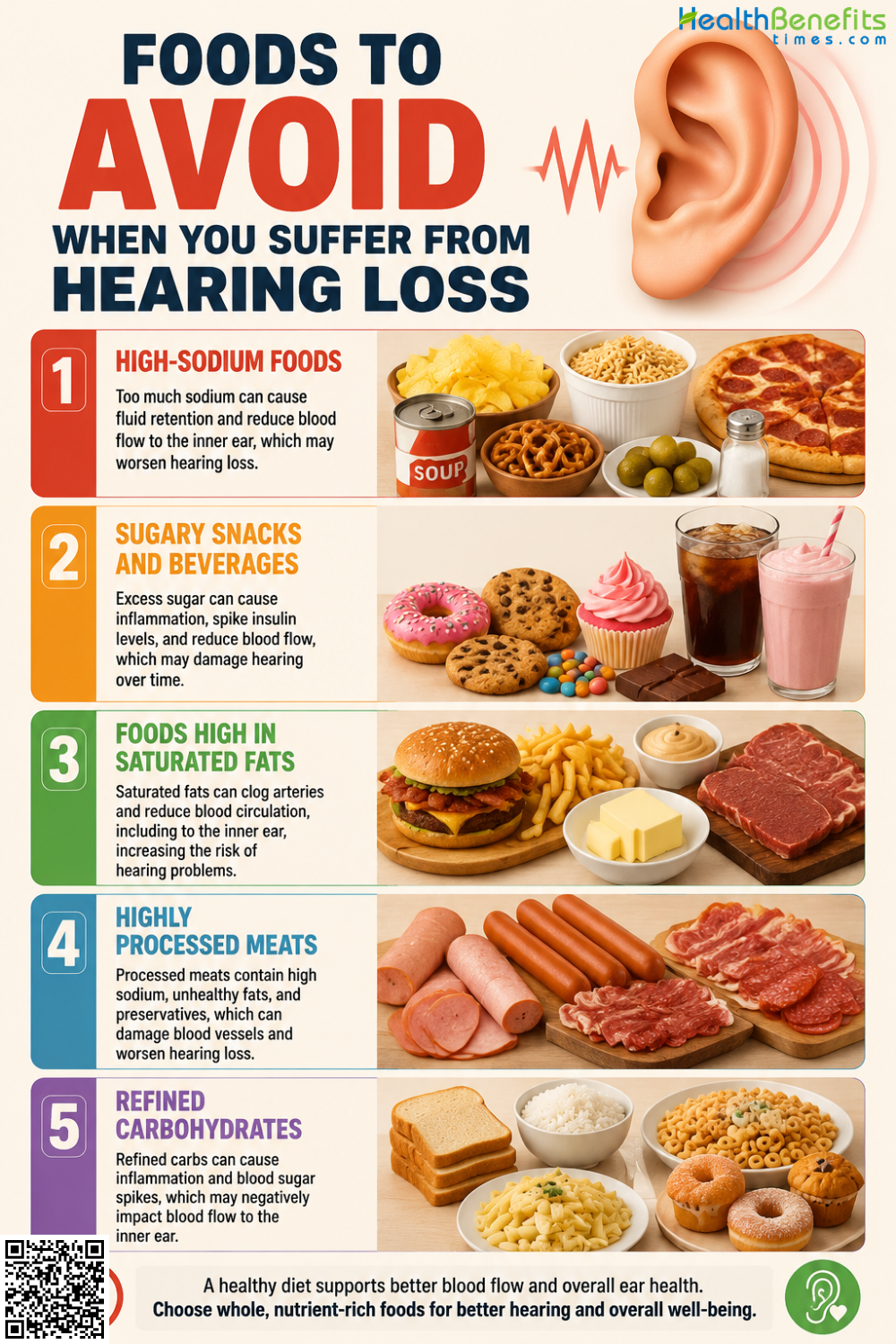
While specific foods cannot directly cause hearing loss, medical evidence indicates that certain dietary choices can impair blood circulation and alter fluid balances in the inner ear, potentially worsening existing auditory conditions.
1. High-Sodium Foods
Consuming excessive salt causes fluid retention in the inner ear, which can exacerbate pressure, dizziness, and hearing impairment, particularly in individuals with Meniere’s disease 31.
2. Sugary Snacks and Beverages
High blood glucose levels damage the tiny blood vessels inside the inner ear. Poor blood flow to sensory structures accelerates age-related and sensorineural hearing decline 32.
3. Foods High in Saturated Fats
Diets rich in saturated fats elevate cholesterol and harden arteries. This restricted blood circulation deprives the inner ear of the necessary oxygen to process sound efficiently 33.
4. Highly Processed Meats
Processed meats promote widespread systemic inflammation. Chronic inflammation damages the delicate, sound-detecting hair cells in the cochlea, increasing the risk of permanent auditory deterioration 34.
5. Refined Carbohydrates
Foods with a high glycemic index cause rapid blood sugar spikes. Medical studies consistently link frequent glucose fluctuations to a higher incidence of progressive hearing loss 35.
When to see Doctor when you suffer from Hearing Loss
Seeking prompt medical evaluation for auditory changes is critical for identifying underlying health conditions and preventing permanent auditory damage. Clinical guidelines emphasize that while age-related hearing decline occurs gradually, sudden sensory changes or accompanying physical symptoms require immediate medical intervention to preserve inner ear function and rule out severe neurological or structural complications 3.
1. Sudden or Rapid Hearing Loss
Seek immediate emergency care if hearing drops instantly or over a few days. Rapid intervention often involves corticosteroids to restore auditory function and prevent permanent deafness 36.
2. Hearing Loss in Only One Ear
Consult a specialist if hearing declines asymmetrically. Unilateral hearing loss requires clinical imaging to rule out benign tumors on the auditory nerve or localized physical blockages 37.
3. Ear Pain or Fluid Discharge
Medical evaluation is necessary if auditory impairment accompanies physical pain or fluid drainage. These symptoms strongly indicate active bacterial infections or a ruptured eardrum requiring prescription antibiotics 38.
4. Accompanying Dizziness or Vertigo
Schedule an examination if hearing changes occur alongside severe dizziness or balance issues. This combination clinically points to inner ear disorders like Meniere’s disease requiring specialized management 31.
5. Progressive Difficulty Communicating
See an audiologist when gradual hearing decline disrupts daily conversations or causes social withdrawal. Professional hearing assessments identify the exact impairment level to fit appropriate hearing aids 9.