

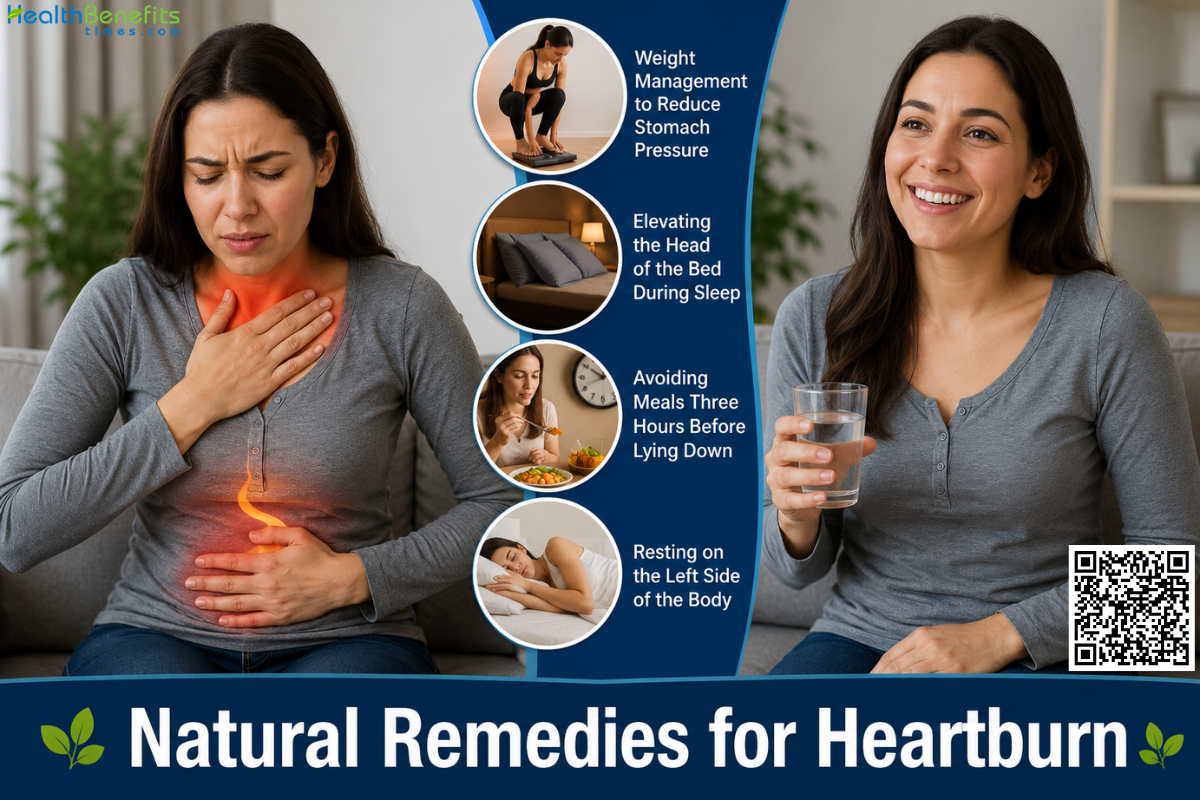
Heartburn is a common condition characterized by a painful, burning sensation in the center of the chest. This discomfort specifically occurs when acidic digestive juices from the stomach flow backward into the esophagus 1. Physiologically, a muscular ring called the lower esophageal sphincter is designed to act as a tight valve to keep stomach contents secure; however, when this valve weakens or relaxes inappropriately, acid escapes upward and irritates the delicate surrounding tissue 2. While infrequent episodes are generally harmless, experiencing this severe burning pain two or more times per week is the defining clinical symptom of gastroesophageal reflux disease (GERD) 3. Chronic, untreated acid exposure is medically significant because clinical data shows it can lead to severe structural damage to the esophageal lining over time, including erosive esophagitis and permanent cellular changes.
Causes of Heartburn
1. Lower Esophageal Sphincter Dysfunction
The underlying mechanism for most heartburn is the weakening or abnormal relaxation of the muscular valve separating the stomach from the esophagus, which allows stomach acid to flow upward 4.
2. Dietary Triggers
Certain foods and beverages actively relax the esophageal valve or increase acid production. Clinical evidence identifies high-fat meals, fried foods, spicy dishes, citrus fruits, tomato-based products, chocolate, peppermint, caffeine, and alcohol as primary dietary triggers.
3. Increased Abdominal Pressure
Excess physical pressure against the stomach forcibly pushes digestive acids upward into the chest. This structural pressure is a primary cause of heartburn in individuals with obesity 5 and during pregnancy 6.
4. Hiatal Hernia
This physical abnormality occurs when the upper portion of the stomach pushes upward through a small opening in the diaphragm muscle. This anatomical shift compromises the body’s natural physical barrier against acid reflux 7.
5. Tobacco Use
Smoking or chewing tobacco weakens the esophageal muscle valve, reduces the protective and acid-neutralizing properties of saliva, and delays stomach emptying, all of which directly contribute to acid reflux.
6. Specific Medications
Various common medications can either directly irritate the esophagus or relax the esophageal valve. These include nonsteroidal anti-inflammatory drugs (NSAIDs) such as ibuprofen and aspirin, certain asthma medications, and calcium channel blockers used to treat high blood pressure 8.
7. Eating Habits and Posture
Consuming exceptionally large meals stretches the stomach, placing upward pressure on the esophageal valve. Furthermore, lying down perfectly flat within two to three hours after eating removes the downward force of gravity, allowing stomach acid to easily wash back into the esophagus.
Symptoms of Heartburn
1. Burning Chest Pain
The hallmark symptom is an uncomfortable, burning sensation located directly behind the breastbone that typically develops shortly after eating a meal.
2. Positional Pain Increases
The chest discomfort predictably becomes more severe when bending over or lying completely flat, as these bodily positions remove gravity’s downward pull and easily allow stomach contents to drift upward 9.
3. Acid Regurgitation
Individuals frequently experience the physical backflow of stomach fluids, leaving a distinctly sour, bitter, or acidic taste in the mouth or the back of the throat.
4. Difficulty Swallowing
Prolonged acid exposure can inflame and narrow the esophagus, creating a physical sensation that food is catching, sticking, or moving abnormally slowly through the chest after being swallowed.
5. Throat Irritation and Coughing
When stomach acid travels high enough to reach the vocal cords or upper airway, it can cause secondary respiratory symptoms, including a chronic dry cough, a raspy voice, or a persistent sore throat upon waking.
6. Sudden Excess Saliva
The body may suddenly produce a large rush of watery saliva in the mouth, which is an automatic biological reflex intended to naturally neutralize and wash away irritating acid from the delicate esophageal lining 10.
 Natural Remedies for Heartburn
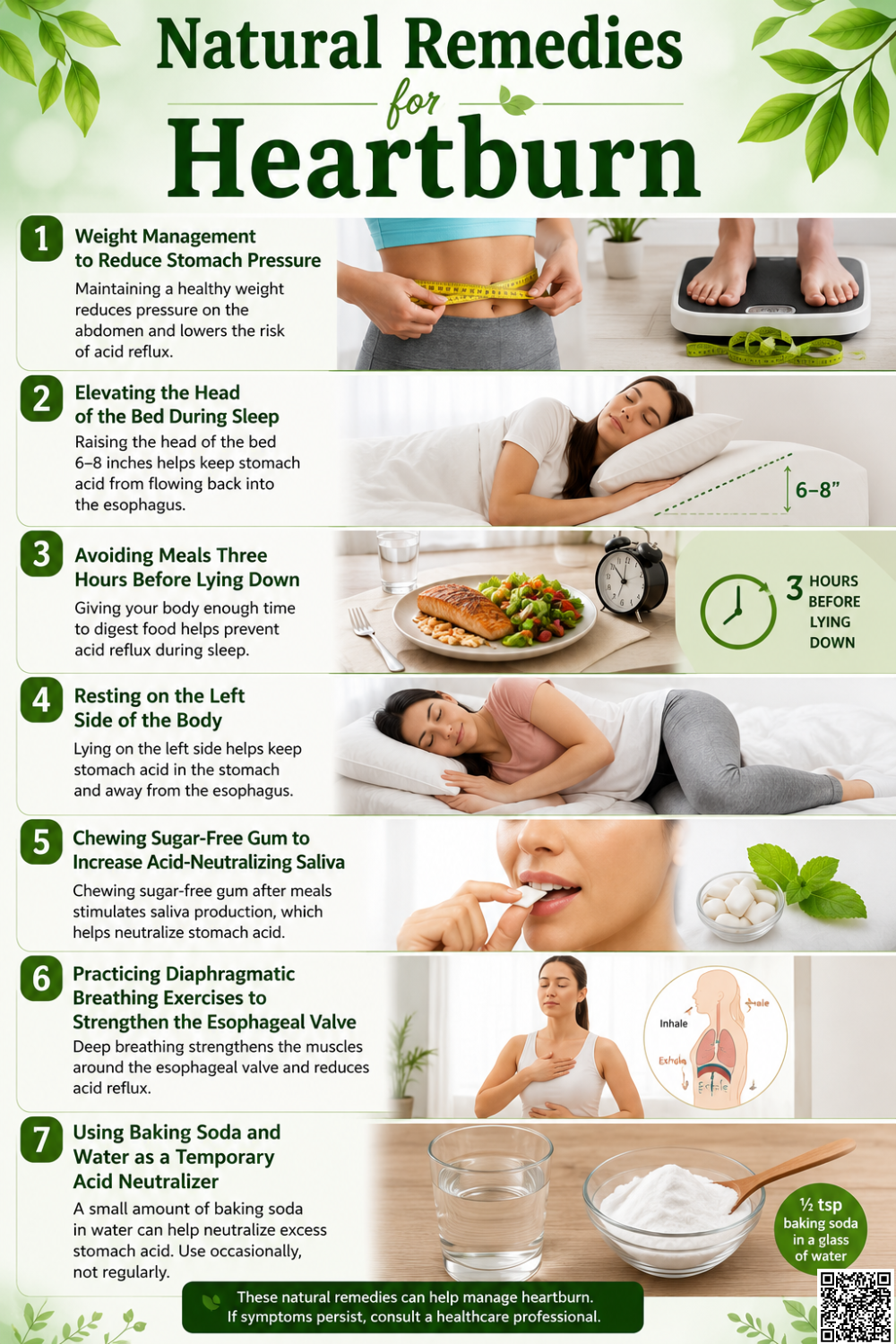
1. Weight Management to Reduce Stomach Pressure
How it may help
Excess body fat around the belly places constant physical pressure on the stomach. This squeezing force pushes digestive acids upward, forcing the esophageal valve open. Losing weight removes this structural pressure, allowing the valve to remain tightly closed and preventing acid from washing up into the chest.
What research says
Clinical studies confirm that obesity directly increases the risk and severity of acid reflux. Research concludes that structured weight loss significantly reduces heartburn frequency. Notably, losing just 10 percent of total body weight has been shown to completely resolve reflux symptoms for many overweight individuals 11.
How to use it safely
You should aim for a gradual, steady weight reduction of one to two pounds per week through a balanced diet and regular exercise 12. Consult a healthcare provider before starting a fitness plan to ensure it safely fits your personal medical profile.
Potential precautions or side effects
Avoid rapid weight loss methods and extreme diets. Dropping weight too quickly can lead to severe nutritional deficiencies, muscle loss, and the dangerous formation of gallstones 13.
2. Elevating the Head of the Bed During Sleep
How it may help
Lying completely flat removes gravity’s natural downward pull, allowing stomach fluids to easily travel backward into the chest. Elevating the head of the bed creates a gentle incline that uses gravity to successfully keep digestive acids trapped down inside the stomach, actively preventing nighttime acid reflux 14.
What research says
Clinical evidence strongly supports upper body elevation for nighttime reflux. Research concludes that elevating the head of the bed by six to eight inches significantly reduces both the frequency of acid backing up and the total amount of time acid remains in the esophagus, resulting in fewer sleep disturbances 15.
How to use it safely
You must elevate your entire upper body, not just your head. Insert sturdy wooden or plastic bed blocks under the legs at the head of your bed to raise it six to eight inches. Alternatively, you can use a specially designed foam wedge pillow positioned directly under your mattress.
Potential precautions or side effects
Do not simply stack standard pillows. This bends your neck rather than elevating your chest, which actually increases stomach pressure and worsens heartburn while causing severe neck pain 16.
3. Avoiding Meals Three Hours Before Lying Down
How it may help
Consuming food prompts the stomach to produce acid and physically expand. If you lie down immediately, a full stomach easily pushes its contents upward into the chest. Waiting three hours allows the stomach enough time to empty its contents into the intestines, significantly reducing the volume of fluid available to wash backward.
What research says
Clinical guidelines confirm that eating close to bedtime directly triggers nighttime acid reflux. Research concludes that individuals who consume meals within three hours of sleeping experience a significantly higher rate of stomach acid flowing into the esophagus compared to those who maintain a longer fasting window before bed 17.
How to use it safely
You should schedule your final meal of the day at least three hours before your intended bedtime. If you must eat late, choose a small, light meal that is low in fat, because heavy or fatty foods take considerably longer for the stomach to digest.
Potential precautions or side effects
If you manage diabetes, consult a doctor before changing your eating schedule. Prolonged fasting before bed can sometimes lead to dangerously low blood sugar levels during the night 18.
4. Resting on the Left Side of the Body
How it may help
Because the stomach is naturally located on the left side of the abdomen, resting on the left side keeps the stomach physically lower than the esophagus. This anatomical position uses gravity to keep digestive fluids safely pooled at the bottom of the stomach, making it difficult for acid to escape upward 19.
What research says
Clinical studies demonstrate that sleeping on the left side significantly reduces the total amount of time acid remains in the lower esophagus compared to right-sided resting. Research concludes this position promotes faster acid clearance and effectively decreases both the frequency and severity of nighttime heartburn episodes 20.
How to use it safely
You should purposefully lie on your left side when settling into bed. To comfortably maintain this posture throughout the night, try placing a firm body pillow behind your back to prevent yourself from unconsciously rolling onto your right side or back while asleep.
Potential precautions or side effects
Prolonged sleeping on one side may cause mild shoulder or hip stiffness. If you have pre-existing joint problems, carefully arrange supportive pillows to reduce physical pressure on these joints 21.
5. Chewing Sugar-Free Gum to Increase Acid-Neutralizing Saliva
How it may help
The physical act of chewing stimulates the salivary glands to produce extra saliva. This excess saliva naturally contains bicarbonate, a biological chemical that neutralizes stomach acid. Swallowing more frequently also helps physically wash any escaped acid out of the esophagus and safely back down into the stomach 22.
What research says
Clinical studies demonstrate that chewing sugar-free gum for thirty minutes after eating significantly reduces acid levels in the chest. Research concludes this action effectively relieves heartburn symptoms by clearing acidic fluids from the esophagus much faster than normal resting digestion 23.
How to use it safely
You should chew one piece of sugar-free gum for thirty minutes immediately after a meal. Select fruit flavors, because strong peppermint or spearmint can actively relax the esophageal valve and trigger heartburn in certain individuals.
Potential precautions or side effects
Avoid excessive chewing, because sugar alcohols like sorbitol used in sugar-free gum can draw water into the intestines, causing uncomfortable gas, bloating, and diarrhea 24.
6. Practicing Diaphragmatic Breathing Exercises to Strengthen the Esophageal Valve
How it may help
The diaphragm muscle physically wraps around the lower esophageal valve. Performing deep belly breathing exercises actively strengthens this surrounding muscle, creating a stronger physical barrier. This added muscular support gently squeezes the valve shut, physically preventing stomach acid from escaping upward into the chest 25.
What research says
Clinical trials demonstrate that structured diaphragmatic breathing significantly reduces the frequency of acid reflux episodes and decreases reliance on antacid medications. Researchers conclude that consistently strengthening the diaphragm naturally improves the physical pressure barrier between the stomach and esophagus over several months 26.
How to use it safely
You should place one hand on your stomach and inhale deeply through your nose, ensuring your belly expands outward rather than your chest. Exhale slowly through pursed lips. Practice this deep breathing technique for five to ten minutes daily.
Potential precautions or side effects
This technique is exceptionally safe. However, breathing too rapidly can cause temporary dizziness or lightheadedness. If you feel faint, return to your normal breathing pattern immediately 27.
7. Using Baking Soda and Water as a Temporary Acid Neutralizer
How it may help
Baking soda, formally known as sodium bicarbonate, is a naturally alkaline substance. When consumed, it directly neutralizes harsh stomach acids through a basic chemical reaction 28. This rapid neutralization immediately reduces the acidity of gastric fluids, temporarily eliminating the burning sensation associated with acid reflux.
What research says
Clinical pharmacology confirms that sodium bicarbonate acts as an effective, rapid-acting antacid for short-term heartburn relief. However, medical guidelines strictly recommend it only for temporary use, as chronic consumption alters the body’s natural blood chemistry and introduces unsafe levels of dietary sodium 29.
How to use it safely
You can dissolve one-half teaspoon of baking soda in four ounces of plain water and drink it for immediate relief. Do not exceed seven doses in twenty-four hours, and never use this remedy for more than two consecutive weeks without medical supervision.
Potential precautions or side effects
Avoid this high-sodium remedy if you manage high blood pressure or heart disease. Excessive use may cause severe abdominal bloating, gas, and dangerous changes in blood alkalinity.
 Foods to Avoid When You Suffer from Heartburn
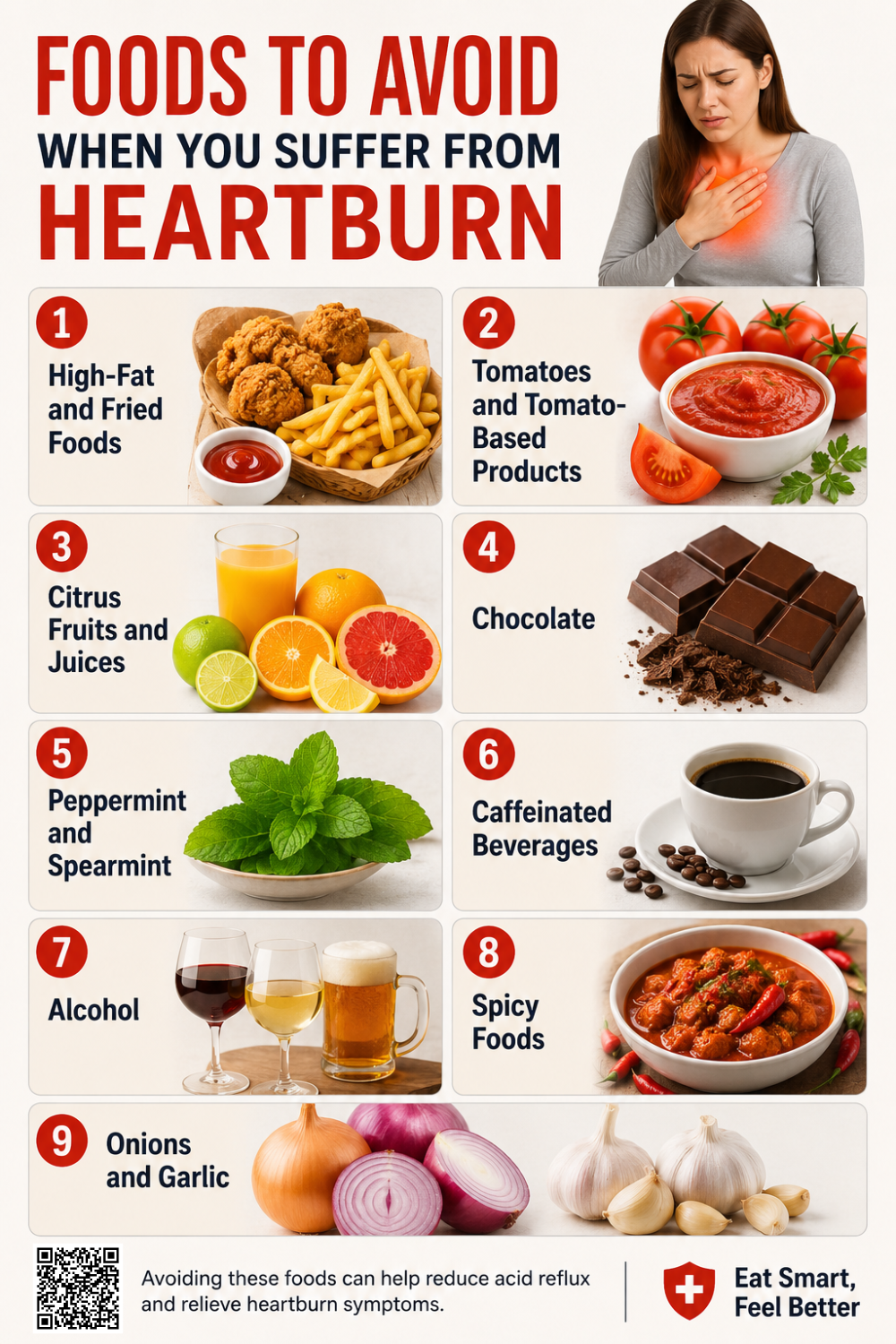
1. High-Fat and Fried Foods
These take longer to digest, causing the stomach to stretch. They also chemically relax the esophageal valve, allowing acid to escape.
2. Tomatoes and Tomato-Based Products
Ketchup, marinara sauce, and raw tomatoes are naturally highly acidic. Consuming them directly irritates a previously inflamed esophageal lining and triggers further acid production.
3. Citrus Fruits and Juices
Oranges, grapefruits, and lemons contain high levels of citric acid. This intense acidity physically burns the delicate esophageal tissue and severely worsens existing heartburn symptoms.
4. Chocolate
Chocolate contains a chemical compound called methylxanthine, which directly relaxes the lower esophageal sphincter muscle, making it much easier for stomach acid to flow backward 30.
5. Peppermint and Spearmint
Although commonly used to soothe the stomach, mint acts as a potent muscle relaxant. It weakens the esophageal valve, actively promoting the backflow of gastric acid 31.
6. Caffeinated Beverages
Coffee, tea, and caffeinated sodas stimulate excess stomach acid production while simultaneously loosening the esophageal sphincter, significantly increasing the likelihood of acid reflux episodes.
7. Alcohol
Alcoholic beverages, particularly wine and spirits, heavily relax the esophageal valve and impair the esophagus’s ability to naturally clear out any acid that escapes upward 32.
8. Spicy Foods
Chili peppers and hot sauces contain capsaicin, which sharply irritates the esophageal lining and severely slows down the rate at which the stomach empties its contents 33.
9. Onions and Garlic
Raw onions and garlic contain highly fermentable compounds that increase stomach pressure, produce excess gas, and actively trigger the esophageal valve to relax 34.
When To See a Doctor When You Suffer from Heartburn
1. Frequent Symptoms
If you experience heartburn more than twice a week, seek evaluation. This indicates gastroesophageal reflux disease rather than occasional indigestion and requires clinical management.
2. Difficulty Swallowing
See a doctor if food physically catches or sticks in your chest. This suggests severe esophageal narrowing or structural damage requiring prompt endoscopic evaluation.
3. Medication Ineffectiveness
Consult a physician if over-the-counter antacids fail to provide relief after two weeks. Persistent acid exposure requires clinical diagnosis and stronger prescription medications.
4. Vomiting Blood
Seek immediate emergency care if you vomit blood or dark material resembling coffee grounds. This strongly indicates dangerous internal bleeding in the upper digestive tract.
5. Radiating Chest Pain
Go to an emergency room if chest pain radiates to your arm, neck, or jaw. These are critical signs of a heart attack, which mimics severe heartburn.
6. Unexplained Weight Loss
Report rapid, unintentional weight loss alongside reflux symptoms to your doctor immediately. This serves as a significant clinical warning sign for advanced esophageal complications.