

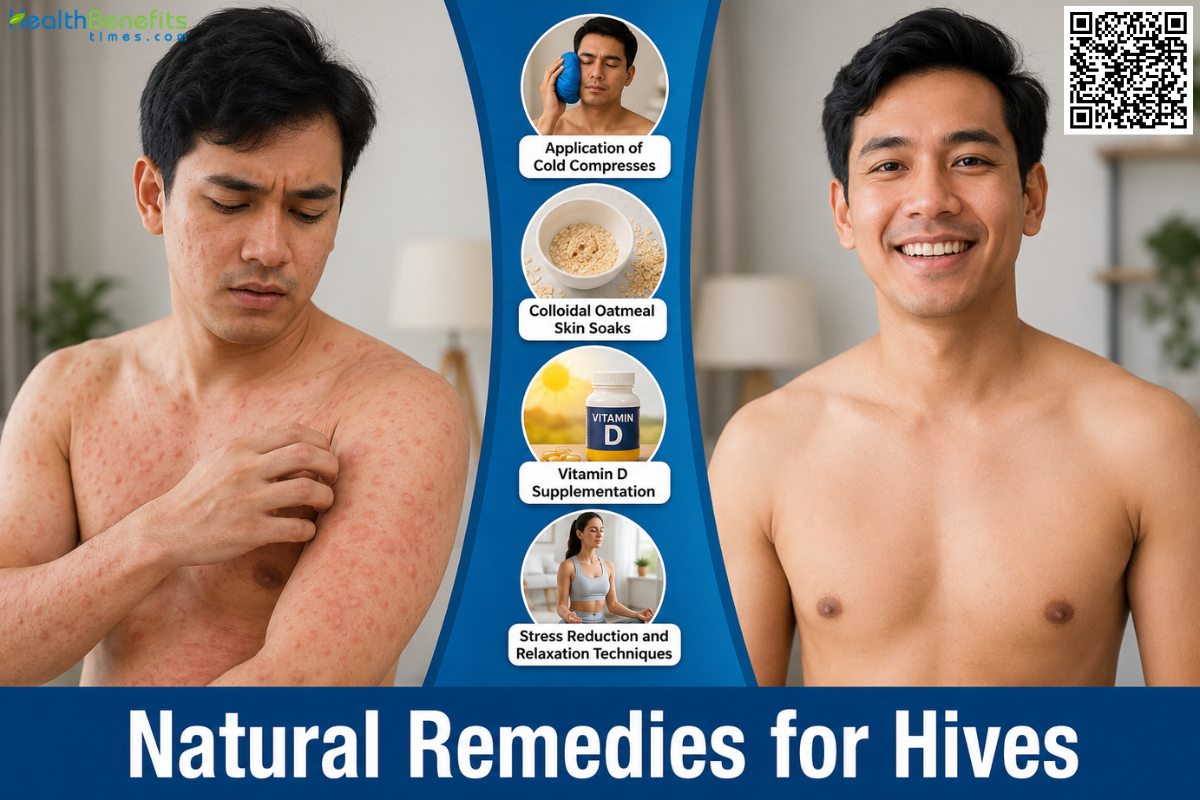
Hives, medically known as urticaria, are a common skin condition characterized by the sudden appearance of raised, red, and intensely itchy welts. These swellings vary in size and shape, often clearing in one area only to reappear in another within hours. This reaction occurs when the immune system triggers mast cells to release histamine and other chemicals into the bloodstream, causing blood vessels to leak fluid and create temporary swelling 1. Acute hives last for less than six weeks and are typically caused by direct triggers such as food allergies, insect stings, medications, or viral infections 2. In contrast, chronic hives persist for six weeks or longer, frequently without a clear external trigger, and are often linked to underlying autoimmune responses 3. While the condition is usually harmless, severe cases accompanied by deep tissue swelling or breathing difficulties require prompt medical attention.
Causes of Hives
1. Allergic Reactions
Direct exposure to specific allergens frequently triggers short-term hives. Common sources include foods like tree nuts, eggs, and shellfish, as well as medications such as penicillin, aspirin, and nonsteroidal anti-inflammatory drugs 4. Additionally, insect stings or skin contact with latex and animal dander can prompt the immune system to release histamine, leading to sudden swelling 5.
2. Infections
Viral, bacterial, parasitic, and fungal infections are leading causes of sudden hive outbreaks, particularly in children. Common viral triggers include upper respiratory tract infections, while bacterial issues like stomach infections from Helicobacter pylori or chronic dental infections can contribute to long-lasting flare-ups 6.
3. Physical Stimuli
Physical hives occur when the skin reacts directly to external environmental changes or mechanical forces. Documented physical triggers include freezing temperatures, severe heat, tight clothing pressing against the skin, heavy sweating from physical exercise, intense vibration, and direct exposure to sunlight 7.
4. Autoimmune Conditions
In many cases of long-term hives, the immune system mistakenly attacks the body’s own normal tissues. This internal immune response often involves antibodies targeting natural skin receptors and is frequently linked to underlying health issues like autoimmune thyroid disease or lupus 8.
5. Psychological Stress
Emotional stress and extreme psychological distress can provoke or worsen hive outbreaks. High levels of mental stress can trigger chemical changes in the body that severely aggravate existing skin inflammation and prolong the healing process.
6. Idiopathic Origins
In a significant percentage of chronic cases, extensive testing cannot identify a specific external trigger or underlying illness. These unpredictable cases are classified as chronic spontaneous urticaria, meaning the recurrent skin swellings develop naturally on their own without a clear, identifiable cause 9.
Symptoms of Hives
1. Raised Welts
The most distinct sign is the sudden formation of elevated, swollen bumps or patches on the surface of the skin, which can range from the size of a small dot to large, interconnected areas covering broad sections of the body 10.
2. Intense Itching
The swollen skin areas are almost always accompanied by severe itching, which often worsens in the evening and can significantly disrupt normal daily activities and sleep quality 11.
3. Color Changes and Blanching
The raised bumps typically appear red, pink, or slightly discolored depending on the person’s natural skin tone. When firm physical pressure is applied to the center of a welt, it temporarily turns pale or white, a clinical sign known as blanching.
4. Fleeting and Shifting Appearance
Individual hives are highly temporary in nature. A specific welt will typically alter its shape, completely fade away, and potentially reappear in a entirely new location on the body within a 24-hour window 12.
5. Deep Tissue Swelling
Hives frequently develop alongside angioedema, a closely related physical reaction that causes painful, rapid, and deep swelling beneath the skin’s surface, most commonly affecting the sensitive tissues around the eyelids, lips, cheeks, hands, or feet 13.
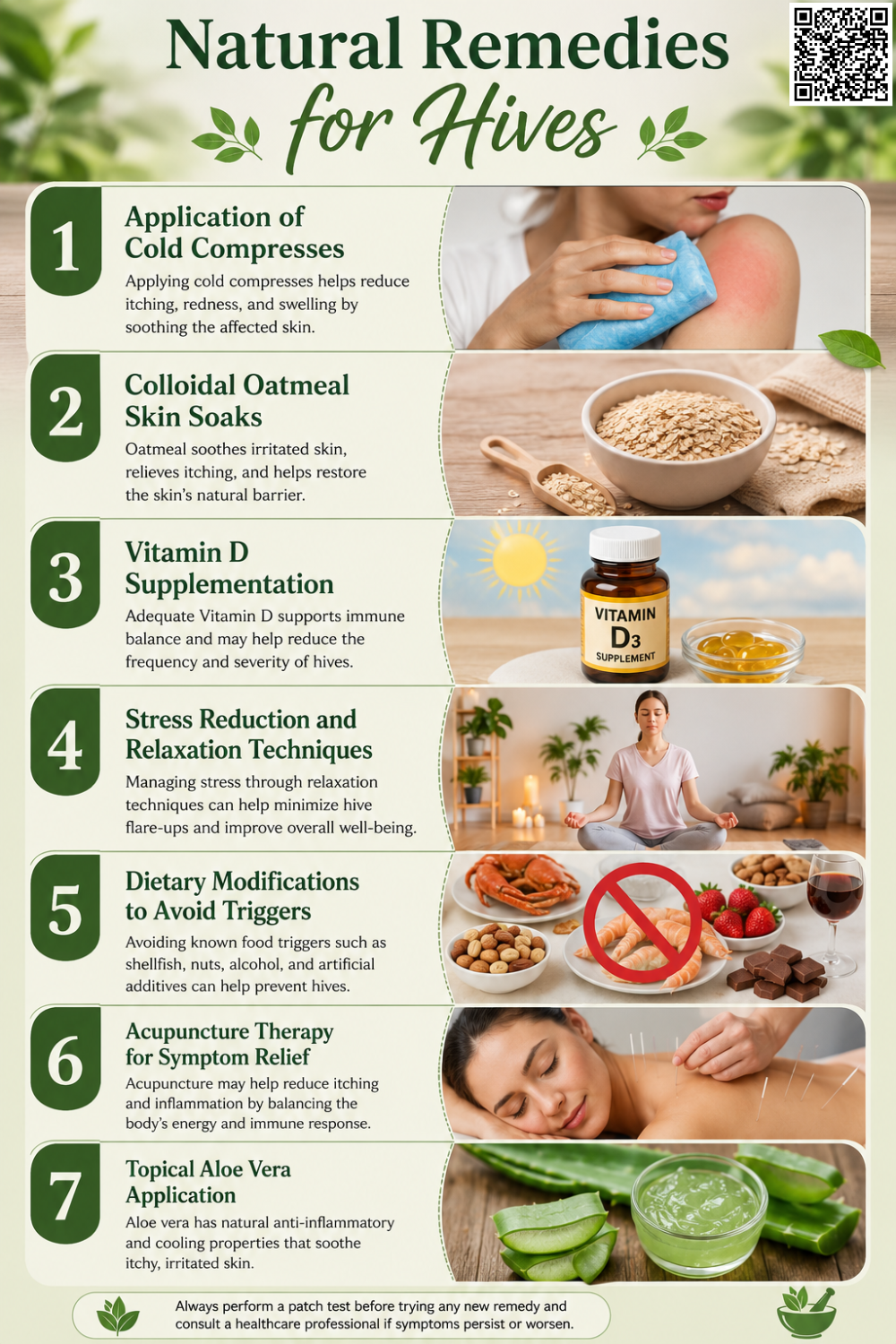 Natural Remedies for Hives
1. Application of Cold Compresses
How It May Help
Applying cold constricts blood vessels directly beneath the skin. This reduced blood flow decreases tissue swelling and slows the release of histamine, which quickly numbs the irritated area, shrinks the raised welts, and provides immediate relief from severe itching.
What Research Says
Clinical treatment guidelines support the use of localized cooling as an effective, non-drug method to manage acute skin itching. Evidence confirms that cold temperature application helps block the nerve pathways responsible for the itch sensation, offering rapid and safe temporary relief for inflammatory skin conditions like hives.
How to Use It Safely
Wrap a cold pack, ice cubes, or a chilled, damp washcloth in a soft, dry towel. Apply it gently to your affected skin for 10 to 15 minutes at a time. You can repeat this process multiple times throughout the day whenever the severe itching returns.
Potential Precautions or Side Effects
Never place ice directly on your skin to prevent frostbite. Avoid cold compresses entirely if you have cold-induced hives, as this will trigger a more severe allergic skin reaction 14.
2. Colloidal Oatmeal Skin Soaks
How It May Help
Colloidal oatmeal contains natural plant chemicals called avenanthramides that have strong anti-inflammatory properties. When dissolved in water, it forms a protective barrier over the skin, holding in moisture and directly soothing the severe itching, burning, and redness associated with active hive breakouts 15.
What Research Says
Clinical research demonstrates that colloidal oatmeal significantly reduces the release of inflammation-causing proteins in the skin. Because of its proven safety and effectiveness in repairing the skin barrier, the United States Food and Drug Administration officially recognizes it as a beneficial over-the-counter skin protectant 16.
How to Use It Safely
Sprinkle one cup of finely ground colloidal oatmeal into a bathtub filled with lukewarm water. Soak for 10 to 15 minutes. Avoid hot water, which can trigger more hives. Afterward, gently pat your skin dry with a clean towel instead of rubbing.
Potential Precautions or Side Effects
Stop use immediately if you experience increased skin irritation or an allergic reaction. Exercise extreme caution when exiting the bathtub, as the oatmeal makes surfaces very slippery.
3. Vitamin D Supplementation
How It May Help
Vitamin D acts as a powerful immune system regulator. It helps reduce allergic skin reactions by lowering the production of inflammatory chemicals and suppressing the overactive immune cells that cause hives. This nutrient also strengthens the skin barrier and enhances the body’s natural defense mechanisms against internal inflammation 17.
What Research Says
Clinical studies consistently show a strong link between low vitamin D levels and chronic spontaneous urticaria. Research demonstrates that when patients with chronic hives take vitamin D3 supplements alongside standard antihistamine therapy, they experience a significant reduction in symptom severity, fewer active flare-ups, and improved sleep quality 18.
How to Use It Safely
Ask your doctor for a simple blood test to check your current vitamin D levels before starting supplementation. If you are deficient, your doctor will recommend the correct daily dose, often ranging from 600 to 4,000 international units (IU) of vitamin D3, to safely restore your nutrient balance.
Potential Precautions or Side Effects
Taking excessive amounts of vitamin D can cause toxic calcium buildup in the blood, leading to nausea, weakness, and potential kidney damage. Always follow your healthcare provider’s exact dosing instructions 19.
4. Stress Reduction and Relaxation Techniques
How It May Help
Psychological stress activates the body’s stress response, releasing hormones that trigger immune cells in the skin to release histamine. This chemical release causes or worsens hives. Relaxation techniques lower these stress hormones, calming the immune system and reducing the frequency and severity of itchy breakouts.
What Research Says
Clinical studies identify mental stress as a primary trigger and aggravating factor for chronic hives. Research concludes that patients who incorporate relaxation methods, such as mindfulness or therapy, alongside standard medical treatments experience notable improvements in skin symptoms, reduced itchiness, and a better quality of life.
How to Use It Safely
Practice deep breathing, mindfulness meditation, or gentle yoga for 15 to 30 minutes daily. Find a quiet, comfortable space to focus on relaxing your body and mind. If your stress feels unmanageable, speak with a licensed mental health professional for personalized coping strategies.
Potential Precautions or Side Effects
Relaxation techniques are entirely safe but should not replace prescribed allergy medications. Seek immediate emergency care if your hives are accompanied by breathing problems or severe facial swelling.
5. Dietary Modifications to Avoid Triggers
How It May Help
Avoiding specific trigger foods prevents the immune system from mistakenly identifying them as harmful threats. This stops the sudden release of histamine and other inflammatory chemicals, effectively preventing blood vessels from leaking the fluid that causes itchy, swollen welts on the skin 20.
What Research Says
Clinical studies confirm that eliminating common allergens—like peanuts, tree nuts, shellfish, and eggs—rapidly resolves acute hive outbreaks caused by food hypersensitivity. For chronic cases, research shows that a structured elimination diet significantly reduces symptom severity and frequency in a large percentage of patients 21.
How to Use It Safely
Keep a detailed daily food diary to track what you eat alongside any symptom flare-ups. Work directly with a doctor or registered dietitian to follow a step-by-step elimination diet, slowly removing suspected foods for several weeks before carefully reintroducing them to identify the specific cause.
Potential Precautions or Side Effects
Highly restrictive elimination diets can easily lead to malnutrition, unintended weight loss, and dangerous nutrient deficiencies. Never remove major food groups from your diet without professional medical supervision.
6. Acupuncture Therapy for Symptom Relief
How It May Help
Acupuncture involves inserting very fine needles into specific points on the body to stimulate the nervous system. This process helps regulate an overactive immune response and releases natural pain-relieving chemicals in the brain, which may reduce skin inflammation and decrease the severe itching associated with hives 22.
What Research Says
Clinical reviews suggest that acupuncture can serve as a beneficial complementary therapy for chronic hives. Research concludes that when combined with standard allergy medications, acupuncture significantly reduces the severity of itchiness and the overall size of hive welts while improving the quality of life for patients.
How to Use It Safely
Only seek treatment from a licensed and certified acupuncture practitioner to ensure strict hygiene and proper technique. Verify that the practitioner uses single-use, sterile needles to prevent infection. Always discuss this therapy with your primary doctor before starting, especially if you take blood-thinning medications.
Potential Precautions or Side Effects
Common side effects include slight soreness, minor bleeding, or light bruising at the needle sites. Avoid acupuncture entirely if you have a bleeding disorder or an active skin infection 23.
7. Topical Aloe Vera Application
How It May Help
The clear gel inside aloe vera leaves contains natural compounds that reduce inflammation and cool the skin upon contact. When applied to hives, it acts as a protective, hydrating barrier that quickly soothes burning sensations, reduces localized redness, and calms intense itching without the use of harsh chemicals 24.
What Research Says
Clinical reviews confirm that aloe vera gel contains naturally occurring plant sterols and enzymes that deliver measurable anti-inflammatory effects. While large studies specifically focused on hives are limited, dermatological research widely supports its effectiveness as a safe topical treatment for reducing general skin irritation and promoting skin barrier recovery.
How to Use It Safely
Wash the affected skin gently with cool water. Apply a thin layer of pure, unscented aloe vera gel directly to the hives. To ensure safety, perform a small patch test on unaffected skin and wait 24 hours to check for any allergic reaction before applying it broadly.
Potential Precautions or Side Effects
Stop use immediately if you experience increased stinging. Some individuals develop allergic skin reactions to aloe vera, particularly those with allergies to plants in the lily family 25.
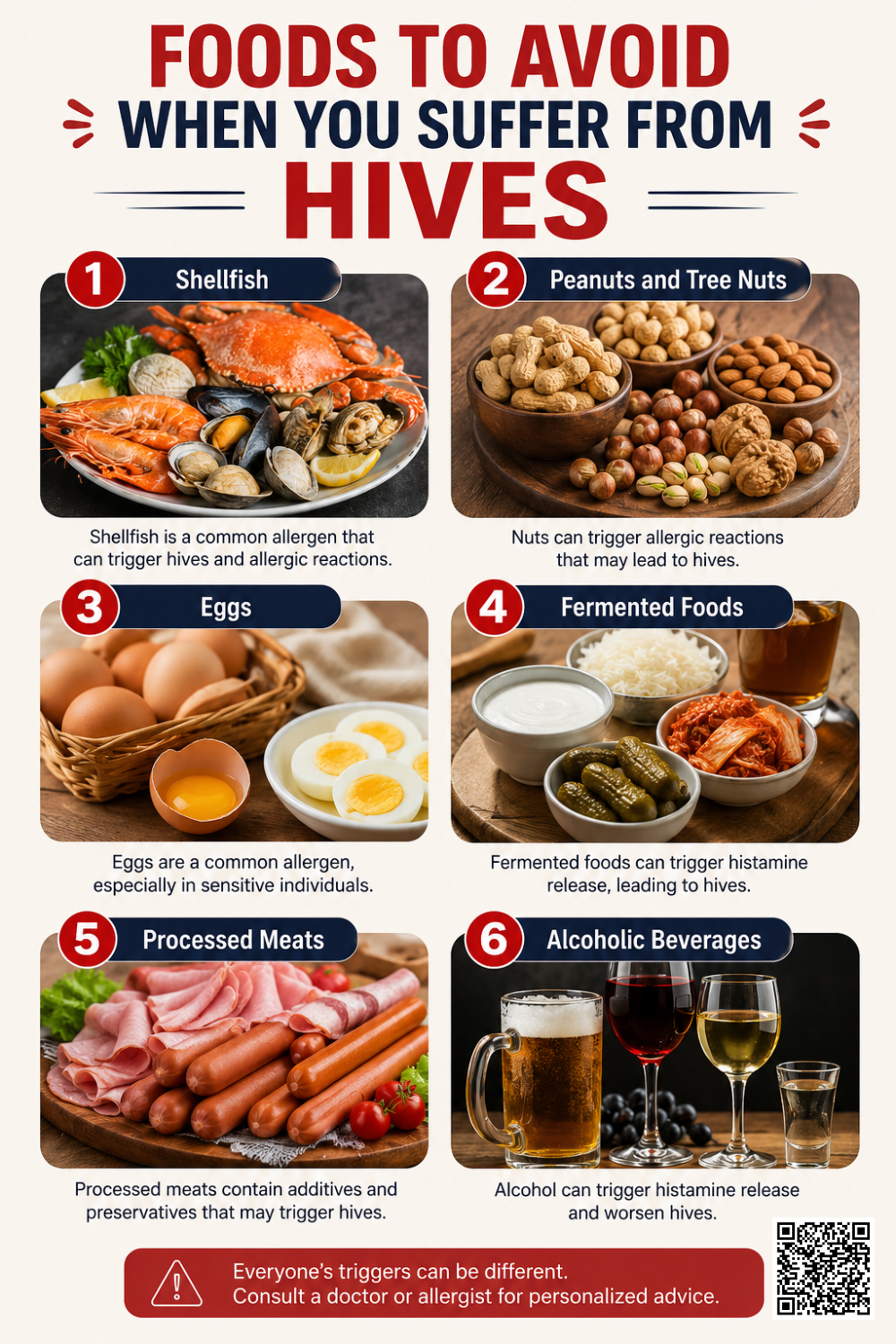 Foods to Avoid When You Suffer from Hives
1. Shellfish
Shrimp, crab, and lobster frequently trigger immediate, severe immune responses, causing massive histamine release and acute hive breakouts in sensitive individuals.
2. Peanuts and Tree Nuts
These common allergens provoke strong immune system attacks. Even trace amounts can lead to sudden, widespread hives and life-threatening swelling 26.
3. Eggs
Egg whites contain specific proteins that directly stimulate allergic skin reactions, making them a leading dietary cause of acute hives, particularly in young children 27.
4. Fermented Foods
Foods like sauerkraut and aged cheeses contain naturally high levels of histamine, which can rapidly worsen swelling and itching during an active hive flare-up 28.
5. Processed Meats
Cured sausages and bacon hold high histamine concentrations and chemical preservatives, which often aggravate chronic skin inflammation and trigger new allergic welts.
6. Alcoholic Beverages
Alcohol prevents the body from breaking down histamine properly, significantly increasing blood histamine levels and intensifying existing allergic skin reactions.
When to See a Doctor When You Suffer from Hives
1. Breathing Difficulties
Seek immediate emergency care if hives are accompanied by wheezing, shortness of breath, or a tightening throat, indicating a life-threatening allergic reaction called anaphylaxis 29.
2. Facial and Throat Swelling
Rapid swelling of the lips, tongue, or eyelids indicates angioedema. This requires immediate intervention because it can quickly block the airway and stop breathing.
3. Symptoms Lasting Beyond Six Weeks
Hives persisting for more than six weeks are classified as chronic. A doctor should evaluate these to rule out underlying autoimmune disorders or chronic infections 30.
4. Severe Unrelenting Symptoms
Consult a physician if intense itching disrupts sleep or daily activities, and standard over-the-counter antihistamines fail to provide adequate symptom relief.
5. Accompanying Systemic Symptoms
Medical evaluation is necessary if hives occur alongside high fever, joint pain, or skin blistering, which may indicate a serious condition like urticarial vasculitis 31.