

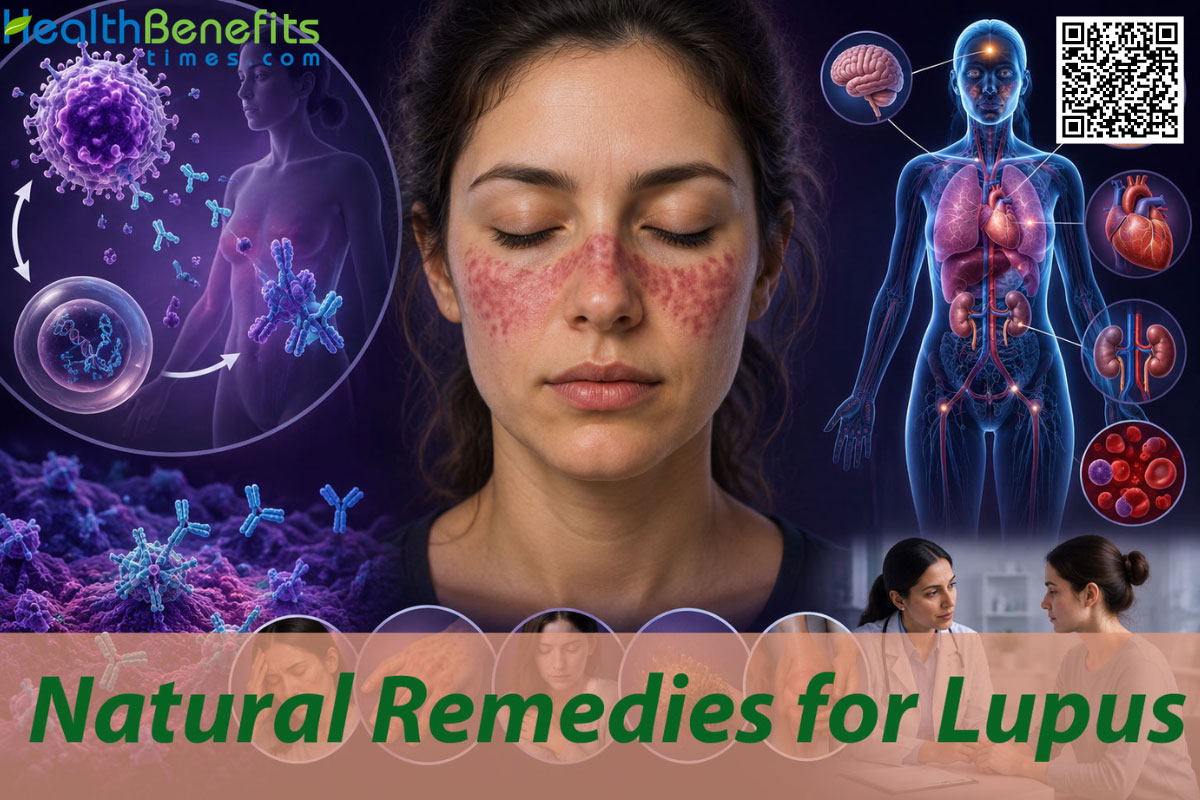
Lupus, most commonly referring to systemic lupus erythematosus (SLE), is a chronic autoimmune disease in which the immune system loses its ability to distinguish between foreign invaders and healthy tissue. As a result, the body mistakenly attacks its own organs, creating autoantibodies that drive widespread inflammation. Because it is a systemic illness, lupus can damage nearly any part of the body, including the skin, joints, kidneys, heart, lungs, and brain. The condition is notoriously unpredictable, characterized by alternating cycles of intense symptom flare-ups and periods of quiet remission. Patients frequently experience debilitating fatigue, unexplained fevers, severe joint pain, and a signature “butterfly” rash spreading across the cheeks and nose. While there is no known cure, modern medical treatments focus on calming the overactive immune system, minimizing inflammation, and preventing long-term organ damage to help patients maintain a good quality of life. 1, 2, 3.
Causes of Lupus
Scientists and medical researchers have dedicated decades of intensive study toward unraveling the exact origins of this volatile autoimmune disease, yet a singular, definitive culprit remains hidden. Clinical evidence points heavily toward a multidimensional web of interconnected triggers that combine to initiate the illness.
1. Genetic Predisposition
Family history carries a noticeable and heavily researched weight in determining a person’s overall susceptibility to developing an autoimmune disorder. Having a biological relative who battles the condition slightly elevates an individual’s personal risk, indicating that certain inherited traits prime the immune system for dysfunction. Specific genetic mutations have been explicitly identified as core drivers, particularly in early-onset pediatric cases where the disease manifests before adulthood 4.
2. Hormonal Influences
The demographic reality of this disease is striking, as it overwhelmingly targets biological females during their peak reproductive and childbearing years. This undeniable statistical bias strongly indicates that reproductive hormones, particularly the naturally fluctuating levels of estrogen, play a substantial role in initiating the disease and fueling its ongoing severity 5.
3. Environmental Triggers
External surroundings possess the unique power to awaken dormant autoimmune responses in individuals who already carry a genetic vulnerability. Direct exposure to ultraviolet (UV) sunlight is a notorious environmental catalyst that can abruptly trigger initial disease onset or provoke devastating, systemic flare-ups by causing skin cells to express certain proteins that the immune system attacks 6.
4. Medication Reactions
Certain pharmaceutical interventions intended to heal can occasionally and inadvertently cross the wires within the human immune system. Prolonged administration of specific prescription medications, such as certain blood pressure drugs or anti-seizure medications, has been documented to induce a temporary, reversible variation of the disorder known strictly as drug-induced lupus 7.
5. Viral and Bacterial Infections
Encountering common infectious agents is another pathway believed to tip a vulnerable immune system into a state of chronic hyperactivity. When the body mounts a massive defense against a severe viral infection, the ensuing immune response can sometimes fail to switch off after the threat has passed, leading the body to continuously attack its own healthy tissues long after the original virus is gone.
Symptoms of Lupus
Recognizing the physical warning signs of this illness is exceptionally challenging for both patients and seasoned clinicians because the clinical picture constantly shifts and frequently mimics other common ailments.
- Profound, extreme fatigue that completely drains physical and mental energy, rarely improving with standard sleep or rest 3.
- Severe, aching pain accompanied by visible, tender swelling in the peripheral joints and major muscle groups 8.
- A distinctive, butterfly-shaped erythematous rash that spreads vividly across the upper cheeks and the bridge of the nose.
- Heightened dermatological sensitivity to sunlight, resulting in painful lesions, blistering, or widespread rashes after minimal outdoor exposure 9.
- Noticeable, non-scarring hair loss, varying from general diffuse thinning to severe hair shaft fragility and breakage near the scalp 10.
- Persistent, low-grade fevers that appear mysteriously without any underlying viral or bacterial infection present in the body.
- Painless mucosal sores and recurring ulcers located inside the mouth, on the palate, or deep within the nasal passages.
- Sharp, stabbing chest pain that worsens significantly when drawing a deep breath, indicating active inflammation of the delicate tissues surrounding the lungs or heart.
- Unexplained pitting edema or swelling around the feet, lower legs, and eyelids, which frequently signals dangerous kidney impairment 11.
- Severe cognitive disruptions, commonly referred to as “brain fog,” which manifest as memory loss, deep confusion, or difficulty expressing thoughts clearly.
Lupus Facts
| Category | Details |
| Symptoms |
|
| Causes |
|
| Types of Lupus |
|
| How does spread |
|
| Age Group 12 |
|
| You might be at a higher risk for exposure of this disease if you: 13 |
|
| How doctors diagnose 1 |
|
| Other facts 14 |
|
Natural Remedies for Lupus
Exploring complementary approaches can effectively empower you to take an active, comforting role in managing your daily health alongside traditional clinical prescriptions. Integrating these verified natural remedies can dramatically reduce bodily inflammation, alleviate chronic pain, and restore a sense of personal agency over your healing journey. It is estimated that more than half of all individuals navigating this unpredictable autoimmune landscape actively utilize complementary and alternative medicine to calm their daily symptoms 15.
1. Vitamin D Supplementation
Because managing this condition requires strict, lifelong avoidance of direct sunlight to prevent disease flares, you inherently face a substantial biological risk of developing a severe Vitamin D deficiency. Medical investigations strongly confirm that correcting low Vitamin D levels can successfully suppress aggressive inflammatory markers, decrease immune system overactivity, and systematically improve overall disease activity scores 16. Elevating this crucial hormone naturally calms the immune response and protects your long-term bone density, which is often threatened by prescribed steroid use.
Note: You should take this orally as a daily capsule or concentrated liquid drop, preferably consumed alongside a meal containing healthy dietary fats to ensure optimal intestinal absorption.
2. Omega-3 Fatty Acids (Fish Oil)
Integrating Omega-3 fatty acids into your nutritional profile serves as a brilliant strategy to protect against cardiovascular complications and counteract systemic inflammation, both of which are prominent concerns when living with this chronic autoimmune condition. These potent, naturally occurring fats directly assist your body in lubricating stiff joints, soothing internal vascular swelling, and fostering long-term cardiovascular resilience. By actively reducing the production of inflammatory cytokines, Omega-3s provide a gentle yet powerful biological buffer against daily joint aches.
Note: You can easily incorporate this remedy into your life by eating fatty fish like wild-caught salmon twice weekly or by swallowing a daily, high-quality, purified fish oil supplement.
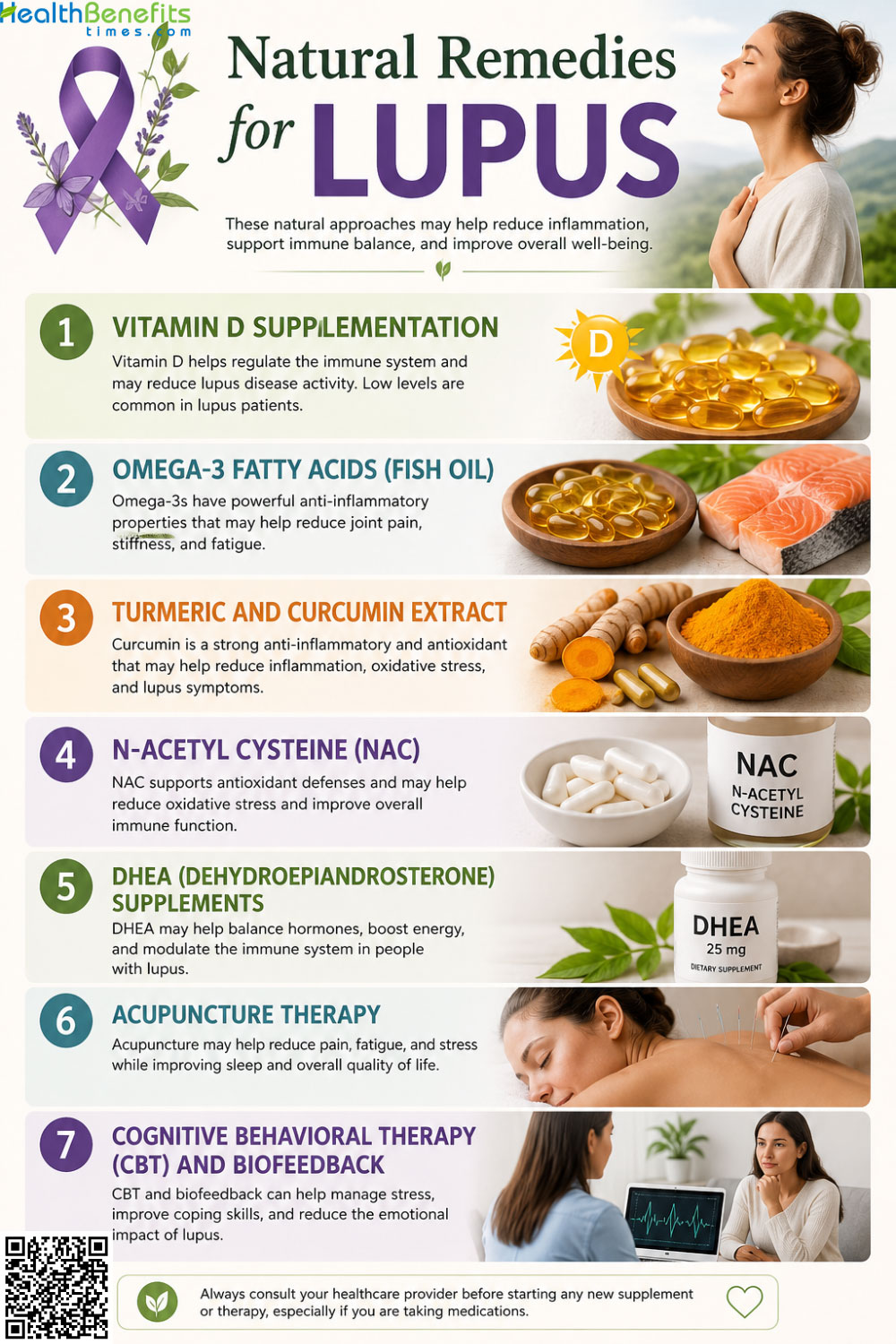
3. Turmeric and Curcumin Extract
The active organic compound hidden inside the bright yellow spice turmeric is globally renowned for its profound, scientifically backed anti-inflammatory properties. Clinical evaluations have observed that highly concentrated curcumin is remarkably beneficial for reducing abnormal protein spillage in the urine and safely lowering systolic blood pressure in patients suffering specifically from lupus nephritis, which is kidney involvement caused by the disease. It operates by blocking the specific biological pathways that create swelling and heat within damaged tissues.
Note: You can liberally add raw turmeric powder to your home cooking, steep it into warm beverages, or swallow concentrated curcumin capsules formulated with black pepper extract to exponentially enhance bodily absorption.
4. N-Acetyl Cysteine (NAC)
Operating as an absolute antioxidant powerhouse, NAC demonstrates remarkable clinical potential in mitigating the massive systemic oxidative stress that accumulates within damaged, inflamed tissues. Utilizing this specific amino acid supplement assists your body in repairing vital endothelial blood vessel function, notably diminishing the crushing, heavy fatigue that defines the disease. Furthermore, it actively promotes the natural production of glutathione, which is your liver’s primary cellular detoxification agent.
Note: You can consume NAC strictly as a daily oral capsule supplement to directly support your cellular repair mechanisms and boost natural energy production.
5. DHEA (Dehydroepiandrosterone) Supplements
Your body naturally produces DHEA within the adrenal glands, but chronic illness and long-term steroid usage rapidly deplete these crucial hormone reserves. Supplementing with this specific adrenal steroid has been clinically demonstrated to reduce the frequency of disease flares, improve patient-reported assessments of daily functioning, and actively decrease the synthesis of inflammatory proteins in the bloodstream. It also provides a vital shield against the severe bone loss typically caused by heavy corticosteroid medications.
Note: You should only take DHEA as a daily oral capsule under the strict, guided supervision of your endocrinologist or rheumatologist, as it directly alters your baseline hormone levels.
6. Acupuncture Therapy
Traditional needle therapy has safely transitioned from ancient holistic practice to a highly respected adjunct treatment for modern chronic illness management. Solid evidence highlights that strategic acupuncture sessions effectively dull debilitating fatigue signals and substantially reduce chronic musculoskeletal pain when carefully combined with your conventional medical treatment plan 17. The strategic placement of needles stimulates the central nervous system to release natural, pain-relieving endorphins into the muscles, spine, and brain.
Note: You must seek out recurring sessions with a licensed, certified practitioner who will gently apply sterile, hair-thin needles to specific energetic pathways on your body for natural pain relief.
7. Cognitive Behavioral Therapy (CBT) and Biofeedback
Wrestling with a lifelong, unpredictable illness inevitably leaves a heavy footprint on a patient’s psychological health, often triggering deep anxiety and depression. Engaging actively in structured psychological therapies and biofeedback methods trains you to heighten your bodily awareness, dismantle perceived stress, and dramatically elevate both your physical functioning and emotional stability. By consciously lowering your daily stress burden, you biologically reduce the amount of cortisol pumping through your veins, which directly helps prevent stress-induced disease flares.
Note: You can practice these mind-body alignment techniques during weekly professional therapy sessions or by following guided at-home audio programs to mentally induce deep physiological relaxation.
Is there any exercise or physical activities for Lupus
Physical movement was unfortunately once thought to exacerbate autoimmune exhaustion, but modernized clinical guidelines strongly advocate for consistent, intelligent activity. Exercising safely does not aggravate your underlying disease activity; rather, it profoundly alleviates deep depression, combats severe fatigue, and heavily secures your cardiovascular health against premature disease 18.
1. Low-Impact Aerobic Exercise
Engaging in steady cardiovascular activities that do not forcefully pound your fragile joints is essential for preserving heart and lung stamina without causing structural damage. Activities such as brisk walking on a flat surface, swimming in a heated pool, or riding a stationary bicycle efficiently keep your cardiovascular system robust while honoring your body’s fluctuating energy limits. Building a strong aerobic base ensures that your tissues receive ample oxygen, which directly combats daily lethargy.
Note on how to do: You should aim to gently achieve 150 to 300 minutes per week of moderate-intensity continuous movement, deliberately breaking it down into highly manageable 20- to 30-minute daily blocks {% https://pmc.ncbi.nlm.nih.gov/articles/PMC11002419/ %}.
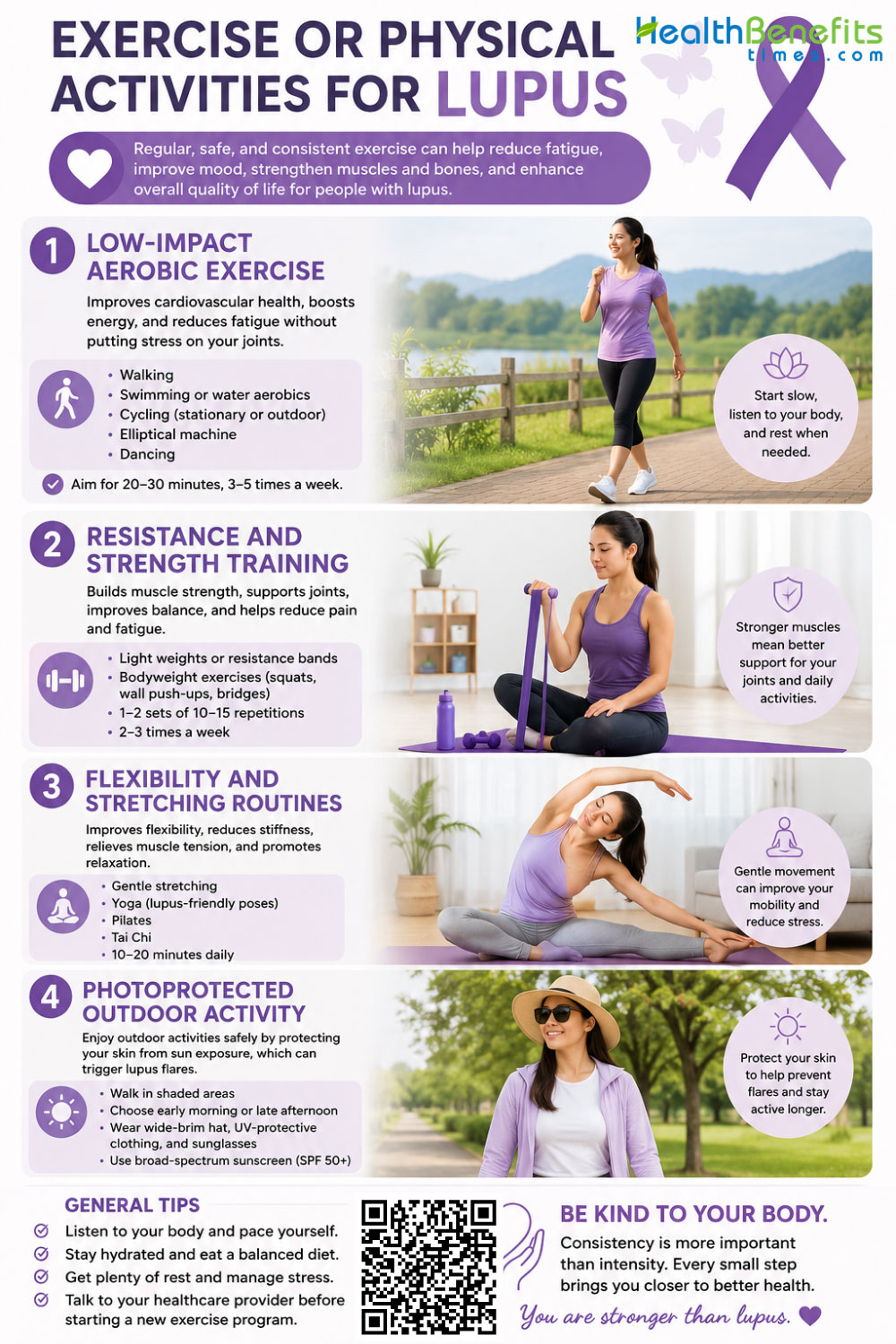
2. Resistance and Strength Training
Building lean muscle mass helps construct a biological support system for aching joints and actively prevents the severe bone density loss frequently caused by prescription steroid use. Utilizing light dumbbells, elastic resistance bands, or simple gravity-based bodyweight exercises guarantees your musculoskeletal system remains highly functional and resilient against the physical deterioration often brought on by chronic inflammation.
Note on how to do: You should gently perform 1 to 3 sets of 8 to 12 repetitions targeting each major muscle group, ideally two days a week, ensuring you rest fully for up to three minutes between each set.
3. Flexibility and Stretching Routines
Maintaining a fluid, active range of motion is paramount for staving off paralyzing joint stiffness, especially during the difficult, painful early morning hours. Gentle, deliberate stretching physically elongates shortened muscle fibers, alleviates ambient physical tension, and fosters a noticeably calmer mental state. Keeping your tendons and ligaments pliable drastically reduces your risk of accidental injury during daily household tasks.
Note on how to do: You should incorporate a dedicated 10-minute stretching routine at the very end of every active workout session to serve as a proper, injury-preventing cool-down mechanism.
4. Photoprotected Outdoor Activity
While breathing fresh air is psychologically invigorating, you must remain acutely vigilant regarding ambient UV light exposure, as sunlight acts as a primary trigger for systemic immune flares. You can absolutely maintain an active outdoor lifestyle and enjoy nature, provided rigorous, uncompromising skin protection protocols are meticulously respected every single time you step outside.
Note on how to do: You must apply heavy, broad-spectrum sunscreen, wear certified UV-protective long-sleeved clothing, and utilize wide-brimmed hats whenever you exercise outside, purposefully choosing the safer early morning or late evening hours when the sun is lowest.
Foods and Activities to Avoid When You Suffer from Lupus
Navigating your daily lifestyle successfully means ruthlessly identifying and eliminating the hidden environmental and dietary triggers that agitate an already overactive immune system. Protecting your health requires knowing exactly what to leave off your plate and out of your daily routine.
Foods to Avoid
1. Alfalfa Sprouts and Seeds
Despite being widely viewed and marketed as a healthy salad addition, alfalfa contains a highly problematic amino acid called L-canavanine. This specific compound is notoriously famous for wildly stimulating the immune system and actively provoking severe lupus-like syndromes, intense muscle pain, and kidney abnormalities 19.
2. Garlic
Operating somewhat similarly to alfalfa, garlic possesses powerful organic compounds, such as allicin, that naturally rev up the activity of white blood cells. While this is great for a healthy person fighting a cold, it inadvertently leads to potentially dangerous inflammatory flares that can completely derail your hard-won remission 20.
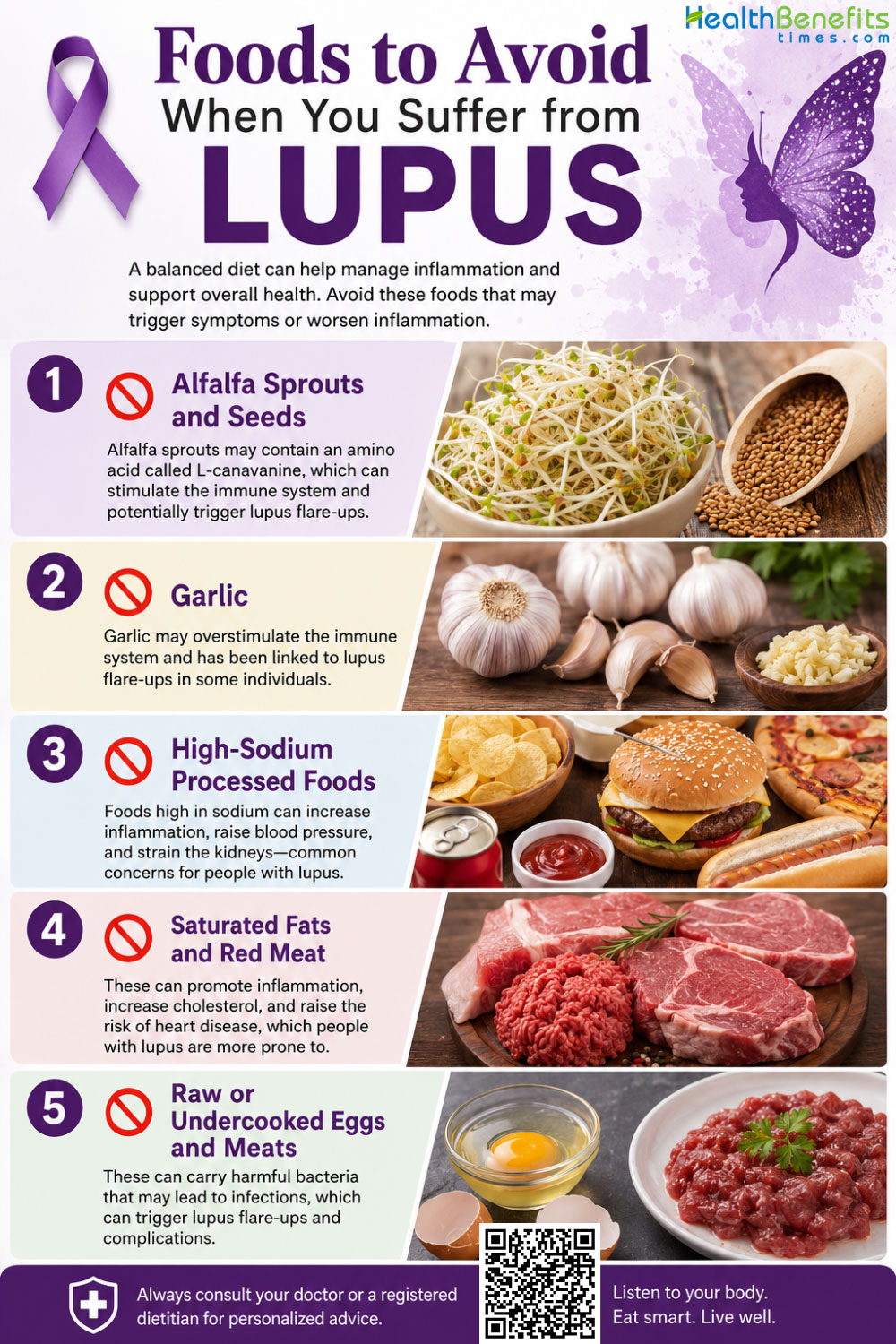
3. High-Sodium Processed Foods
Autoimmune kidney complications render the human body incredibly sensitive to dietary salt intake. Eradicating high-sodium boxed meals, canned soups, and fast foods prevents dangerous vascular fluid retention and dangerous spikes in blood pressure, which is critical if you suffer from lupus nephritis 21.
4. Saturated Fats and Red Meat
Due to a vastly elevated baseline risk of developing secondary cardiovascular disease associated with this condition, heavily saturated animal fats derived from steak, ground beef, and processed pork should be heavily minimized. Replacing these with lean proteins actively protects your long-term arterial health and prevents diet-induced inflammatory cascades.
5. Raw or Undercooked Eggs and Meats
Because you are highly likely relying on medications that intentionally suppress your immune function to stop it from attacking your organs, your gut is exceptionally vulnerable to aggressive foodborne illnesses. Raw cookie dough, runny eggs, unpasteurized milk, and raw seafood must be strictly avoided at all costs to prevent severe gastrointestinal infections 22.
Activities to Avoid
1. Unprotected Sunbathing
Basking in direct sunlight exposes your delicate cellular structure to intense ultraviolet radiation that rapidly triggers painful dermal rashes and precipitates severe internal organ flares. The UV light alters the DNA in your skin cells, making them appear foreign to your immune system.
2. Pushing Through Severe Fatigue
Ignoring your body’s natural exhaustion signals and attempting to maintain an excessively rigorous physical, professional, or social schedule can rapidly precipitate a massive, debilitating disease relapse. Rest is a mandatory medical requirement, not a luxury.
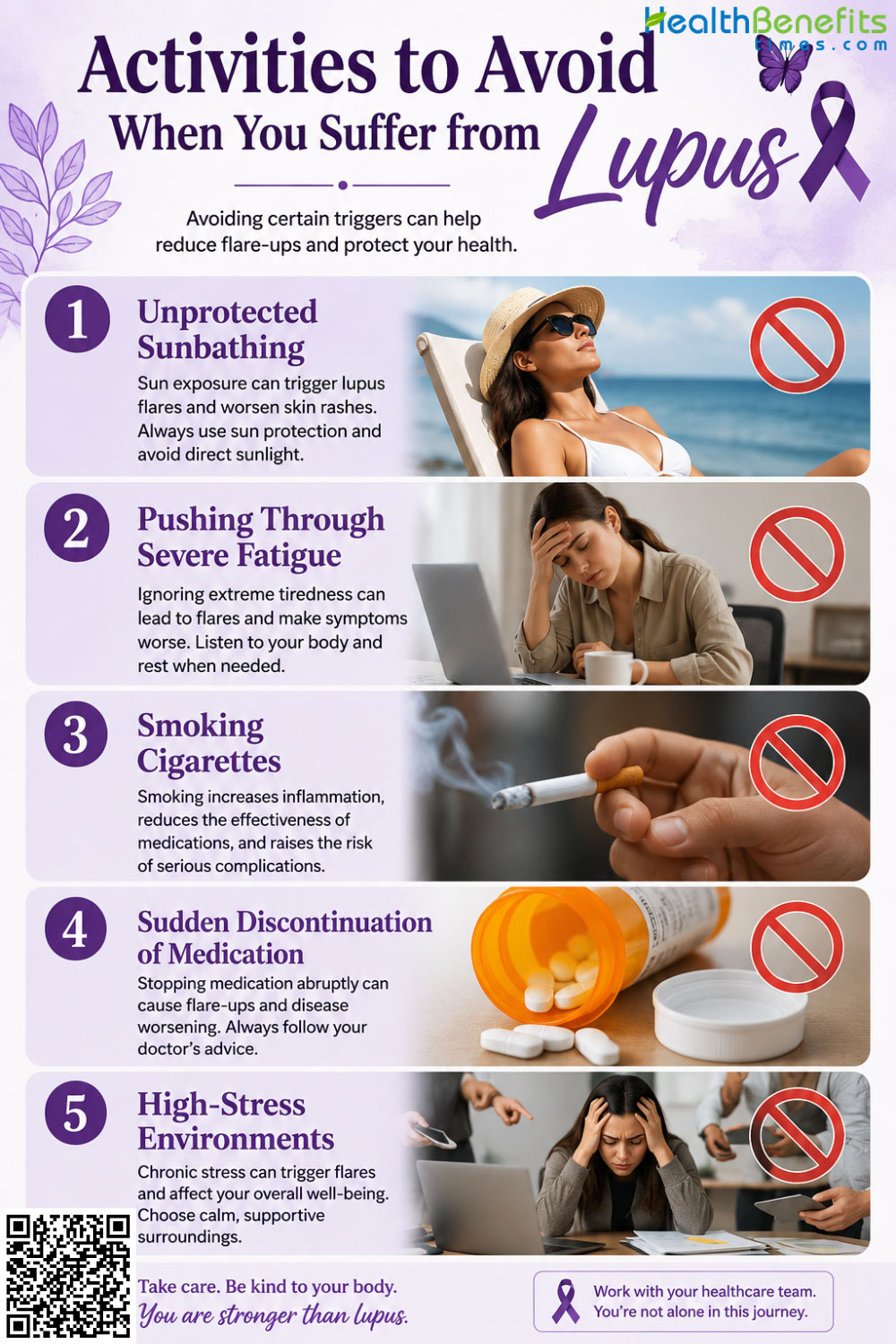
3. Smoking Cigarettes
Inhaling toxic tobacco smoke drastically accelerates vascular degradation, negates the efficacy of antimalarial medications, and significantly heightens your immediate risk of severe lung complications and fatal cardiovascular events.
4. Sudden Discontinuation of Medication
Abruptly stopping your prescribed rheumatology treatments in favor of unverified natural remedies causes dangerous hormonal rebounds and sudden, violent immune attacks on your vital organs. Medication tapering must always be done slowly by a doctor.
5. High-Stress Environments
Chronic emotional stress floods your body with inflammatory stress hormones like cortisol and adrenaline. Staying in highly toxic work or personal environments acts as a continuous biological trigger that keeps your immune system in a perpetual state of red alert.
Myths and Misconceptions
| Myth | Reality |
| Only biological women can develop the disease. | While it predominantly targets females due to hormonal influences, men, teenagers, and young children are also entirely susceptible to developing the condition and often experience severe organ involvement. |
| The disease is infectious and can be easily caught from others. | It is a completely non-contagious internal autoimmune disorder; you cannot contract it through physical touch, sharing meals, breathing the same air, or intimate sexual contact. |
| It is a terminal type of cancer that requires radiation. | The condition is an autoimmune disorder where the immune system attacks itself, rather than a cancerous malignancy defined by rapid, abnormal cell growth or tumor formation. |
| The condition is biologically identical to HIV/AIDS. | HIV features a severely underactive immune system failing to fight basic infection, whereas this disease involves a hyperactive immune system aggressively attacking healthy tissue. |
| A facial butterfly rash is strictly required for a formal diagnosis. | Not every single patient will experience a facial rash; profound systemic organ involvement, such as kidney failure or joint destruction, frequently occurs with absolutely zero visible skin symptoms. |
| Women afflicted with the condition cannot safely have children. | With proper medical planning and stringent disease management, women can safely carry out highly successful, healthy pregnancies, provided they achieve disease remission prior to conception. |
Special Considerations
Disease presentation varies wildly depending on the demographic and biological status of the patient. Understanding these distinct nuances is critical for accurate diagnosis and effective, life-saving management.
1. Children
Pediatric or childhood-onset manifestations of this illness are relatively rare, historically accounting for roughly twenty percent of all global cases, yet they frequently present with a dramatically more aggressive disease course than adult-onset forms 23. Children typically require more robust, aggressive medical interventions from the outset and carry a much stronger genetic predisposition to the illness. They exhibit increased disease activity, a higher likelihood of rapid organ damage, and severe hematological complications early in life 4. The disease is exceptionally rare before the age of five, typically emerging during the complex hormonal shifts of puberty. Parents and pediatricians must remain particularly vigilant about vague constitutional symptoms such as unexplained chronic fevers, rapid weight loss, and extreme anorexia alongside enforcing absolute, strict photoprotection protocols during everyday outdoor play and school activities.
2. Pregnancy
Expecting mothers face a statistically high-risk journey, as the immense hormonal shifts required to sustain a pregnancy can easily provoke sudden, violent disease activity. For optimal maternal and fetal outcomes, women are strongly advised to meticulously ensure their disease remains strictly controlled or in complete clinical remission for a minimum of six months prior to conception 24. Without careful, specialized monitoring by a maternal-fetal medicine specialist, an active disease state during pregnancy severely increases the likelihood of catastrophic preeclampsia, premature preterm birth, and dangerous neonatal complications 25. Furthermore, certain autoantibodies passed through the placenta can cause a rare but serious condition known as neonatal lupus, which can result in congenital heart block for the infant, necessitating constant cardiac monitoring before birth.
3. Chronic Conditions
The presence of overlapping, long-term ailments specifically chronic cardiovascular disease and progressive chronic kidney disease fundamentally alters the entire therapeutic management landscape. Individuals battling multiple conditions must prioritize holistic organ protection over singular symptom relief. The autoimmune inflammation inherently accelerates the hardening of arteries, making heart attacks and strokes a leading cause of mortality in this patient population. Management focuses heavily on rigid blood pressure control, pristine cholesterol management, and rigorous dietary discipline to proactively prevent accelerated organ failure. Rheumatologists must carefully balance immunosuppressive medications to ensure they do not inadvertently worsen preexisting liver or heart issues.
4. Elderly
Late-onset disease, clinically defined as being diagnosed after the age of fifty, presents a distinctly complex and frustrating clinical picture for geriatric specialists. Older adults frequently experience insidious, highly non-specific symptoms such as unexplained fluid retention in the extremities, sudden cognitive decline, and mysterious fluid buildup around the lungs and heart (serositis), frequently entirely lacking the classic diagnostic malar rash 11. Consequently, diagnosing the elderly is remarkably challenging, as these subtle, atypical symptoms are routinely and erroneously mistaken for typical age-related physiological decline, osteoarthritis, or common cardiac insufficiency. This demographic is far more likely to experience severe lung and joint issues rather than the severe kidney involvement typically seen in younger patients, requiring a highly customized approach to medication that accounts for fragile, aging organ systems 7.
Precaution Before Use of Natural Remedies When You Have Lupus
Embracing a holistic approach does not inherently mean a remedy is biologically safe, especially when you are actively managing a delicate and highly volatile autoimmune ecosystem.
1. Consult Your Rheumatologist: You must strictly discuss any new herbal supplement, vitamin regimen, or extreme dietary change with your primary specialist to guarantee it does not inadvertently trigger a violent immune response or worsen your specific organ involvement.
2. Check for Dangerous Drug Interactions: Many seemingly harmless herbal supplements can negatively interact with conventional immunosuppressants, or drastically alter how your liver processes crucial, life-saving prescription medications, leading to accidental toxicity.
3. Avoid Immune Stimulants: You must resolutely steer clear of botanicals explicitly marketed to “boost” or “stimulate” the immune system, such as echinacea, spirulina, or elderberry, as these can provoke severe, organ-threatening flare-ups by waking up your hyperactive immune cells.
4. Verify Supplement Purity: You should only purchase vitamins, minerals, and plant extracts from highly reputable, third-party tested manufacturers to completely avoid hidden heavy metal contamination and dangerous chemical additives that stress the kidneys.
5. Start Slowly and Monitor Symptoms: When introducing a new holistic intervention or exercise routine, you must implement it incredibly gradually, actively keeping a daily symptom journal to rapidly identify any adverse physical reactions, returning joint pain, or rising fatigue levels.
When to See a Doctor
Prompt, decisive medical intervention is your absolute best, most reliable defense against permanent, irreversible organ damage. You should seek emergency medical attention immediately if you notice subtle or severe changes in your baseline health.
1. Sudden, Piercing Chest Pain: If you experience sharp, agonizing pain localized in your chest when inhaling deeply, this can directly indicate dangerous inflammation brewing in the delicate linings of your lungs (pleurisy) or heart (pericarditis).
2. Unexplained, Rapid Swelling: Noticeable, pitting puffiness accumulating in your ankles, lower legs, or unexpectedly around your eyelids is a critical, undeniable warning sign of sudden kidney distress or failure that requires immediate clinical evaluation.
3. High, Unrelenting Fevers: Developing a persistent, spiking fever that has absolutely no obvious connection to a common cold or stomach flu requires immediate blood evaluation to rule out severe infection or a massive, impending systemic disease flare.
4. Severe Neurological Shifts: Experiencing profound sudden confusion, terrifying memory loss, excruciating migraines, new-onset seizures, or localized facial drooping mandates emergency neurological assessment to prevent catastrophic brain involvement or stroke.
5. Rapid Appearance of New Rashes: If painful, blistering skin lesions or deep purple discolorations abruptly emerge after brief sun exposure, you need prompt clinical care and steroidal intervention to halt the inflammatory cascade before it spreads systemically to your internal organs