

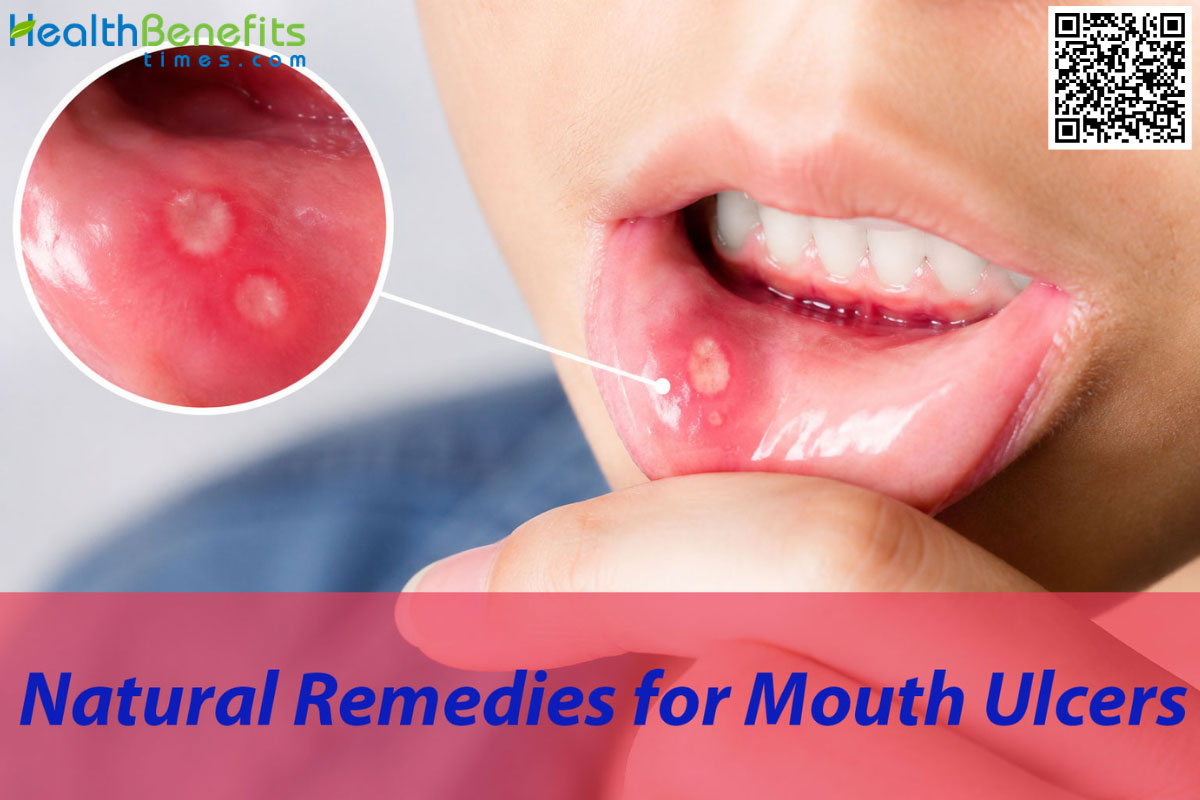
Mouth ulcers, medically known as aphthous ulcers or canker sores, are small, painful, and non-contagious sores that develop on the soft tissues inside your mouth or at the base of your gums. Unlike cold sores, which are caused by a virus and typically appear on the outside of the lips, mouth ulcers occur entirely internally. They usually present as shallow, round, or oval lesions with a white or yellowish center surrounded by an inflamed red border. The exact underlying cause is often unclear, but they are frequently triggered by minor mouth injuries from accidental cheek biting or aggressive tooth brushing. Other common culprits include high emotional stress, hormonal fluctuations, sensitivities to highly acidic foods, and underlying nutritional deficiencies in iron, folate, or vitamin B12. While these ulcers can make eating, drinking, and talking quite uncomfortable, they are generally harmless and tend to heal naturally on their own within one to two weeks. 1, 2, 3, 4.
Causes of Mouth ulcers
The precise biological origin of recurrent aphthous stomatitis remains highly complex, as these lesions rarely stem from a single definitive cause. Instead, their development depends on a multifactorial interplay of external irritants, internal physiological shifts, and underlying genetic vulnerabilities.
1. Physical Oral Trauma
Accidental mechanical damage to the delicate internal tissues of the mouth is one of the most frequent catalysts for a sudden outbreak. Biting the inside of the cheek during chewing, applying aggressive friction with a stiff-bristled toothbrush, or experiencing constant scraping from ill-fitting dentures and orthodontic braces creates microscopic tissue tears that frequently evolve into painful sores 5.
2. Psychological Stress and Anxiety
Elevated emotional distress significantly alters the body’s immune regulation, acting as a prominent trigger for recurrent oral lesions. Severe anxiety triggers the systemic release of stress hormones, which inadvertently causes an increased concentration of leukocytes (white blood cells) at sites of minor mucosal inflammation, accelerating the breakdown of oral tissue 6.
3. Nutritional Deficiencies
A lack of essential vitamins and trace minerals severely impairs the cellular repair capabilities of the oral mucosa. Individuals with diagnosed deficiencies in vitamin B12, folic acid, zinc, or iron are exceptionally prone to developing chronic lesions due to diminished epithelial regeneration 7.
4. Chemical Additives in Oral Care
Routine exposure to harsh synthetic chemicals found in daily hygiene products frequently degrades the mucosal barrier. Specifically, sodium lauryl sulfate (SLS), an aggressive foaming agent widely utilized in commercial toothpastes, strips the oral lining of its natural protective layer, drastically increasing the susceptibility of the tissue to ulceration 8.
5. Hormonal Fluctuations
Shifts in baseline hormone levels dictate the frequency of outbreaks for many individuals. A significant correlation exists between the luteal phase of the menstrual cycle and the sudden emergence of sores, suggesting that sudden drops in progesterone leave the oral mucosa temporarily vulnerable 9.
6. Systemic and Autoimmune Disorders
Chronic inflammatory conditions frequently produce oral ulcerations as a secondary diagnostic symptom. Complex autoimmune diseases such as Behçet’s syndrome, systemic lupus erythematosus, celiac disease, and inflammatory bowel diseases (like Crohn’s and ulcerative colitis) drive the immune system to mistakenly attack healthy mucosal cells 10.
7. Genetic Predisposition
Hereditary factors strongly dictate an individual’s lifelong susceptibility to mucosal breakdowns. A vast percentage of patients suffering from recurrent aphthous stomatitis report a direct family history of the condition, confirming that specific genetic markers influence the overall fragility of the oral lining 11.
8. Microbial Flora Imbalances
The human mouth relies on a delicate ecosystem of benign bacteria to maintain tissue health. When this balance is disrupted by illness, poor diet, or certain medications, opportunistic oral pathogens multiply rapidly, irritating the tissue and triggering a localized inflammatory response that results in an ulcer 12.
Symptoms of Mouth ulcers
Recognizing the onset of a mouth ulcer requires an awareness of both distinct visual markers and specific localized sensory changes within the oral cavity.
- A highly distinct tingling or burning sensation typically manifests at a specific site on the inner cheek or lip 24 to 48 hours before any physical wound becomes visible on the tissue surface 13.
- The fully formed lesion appears as a clearly defined, shallow, round or oval-shaped crater that slightly depresses into the healthy tissue.
- The center of the sore develops a distinct white, yellow, or greyish coloration, which consists of a dense fibrin slough and necrotic cellular debris 14.
- A bright red, sharply raised, and inflamed border referred to clinically as an erythematous halo tightly encircles the discolored central crater.
- Acute, sharp pain radiates from the specific site, becoming drastically more intense during mechanical movements like chewing, swallowing, or speaking.
- The immediately surrounding mucosal tissue often appears slightly swollen or irritated, amplifying the discomfort when acidic or salty foods make contact with the area.
- In exceptionally rare and severe instances involving major or herpetiform variants, the localized inflammation may be accompanied by generalized physical sluggishness, a low-grade fever, or swollen lymph nodes in the neck 15.
Mouth ulcers Facts Table
| Features | Detail |
| Symptoms |
|
| Causes |
|
| Types of Mouth ulcers |
|
| How does spread |
|
| Age Group |
|
| You might be at a higher risk for exposure of this disease if you: |
|
| How doctors diagnose |
|
| Other facts |
|
Natural Remedies for Mouth ulcers
The clinical management of recurrent aphthous stomatitis relies predominantly on palliative interventions designed to safely minimize localized pain, suppress excessive tissue inflammation, and accelerate the body’s natural cellular repair processes. Botanical extracts and naturally derived compounds have proven highly effective in achieving these goals by providing protective mechanical barriers and altering the biological environment of the oral cavity.
1. Licorice Extract (Glycyrrhiza glabra)
Licorice root contains a highly potent active component known as glycyrrhizin, which possesses a unique molecular structure remarkably similar to naturally occurring human adrenal steroids. This biological mimicry grants topically applied licorice profound anti-inflammatory properties that rapidly suppress localized immune hyperactivity around the sore 16. Beyond merely reducing swelling, licorice application actively elevates the concentration of epidermal growth factor (EGF) within the oral mucosa, a critical mechanism that directly preserves and restores the structural integrity of the damaged tissue. Furthermore, licorice demonstrates strong antibacterial efficacy against common oral pathogens like Streptococci mutans, thereby preventing secondary bacterial infections from taking root in the open wound. Formulations containing 1% to 5% licorice extract rapidly shrink the ulcer’s diameter and promote a nearly immediate reduction in pain intensity.
Note: You apply licorice topically to the ulcer using an adhesive oral patch, a concentrated gel, or as a medicated mouthwash rinse up to four times a day to coat and protect the open tissue.
2. Medical-Grade Honey
The biochemical composition of honey makes it a formidable natural agent for rapid wound healing. Rich in both enzymatic and nonenzymatic antioxidants, honey suppresses deteriorative oxidation reactions within damaged tissues while inhibiting the growth of opportunistic microorganisms 17. Its high osmolarity actively draws moisture out of the inflamed, swollen mucosal cells, naturally clearing cellular debris from the ulcer crater. When placed directly on the lesion, honey forms a highly viscous, protective physical barrier that effectively shields the raw nerve endings from mechanical friction and chemical irritation. The application of specialized thyme honey significantly reduces the total number of pain days, minimizes the overall size of the lesion, and decreases the surrounding erythematous halo faster than many synthetic topical corticosteroids 18.
Note: You gently dab a small amount of raw or medical-grade honey directly onto the mouth ulcer using a clean cotton swab after consuming meals and immediately before going to sleep.
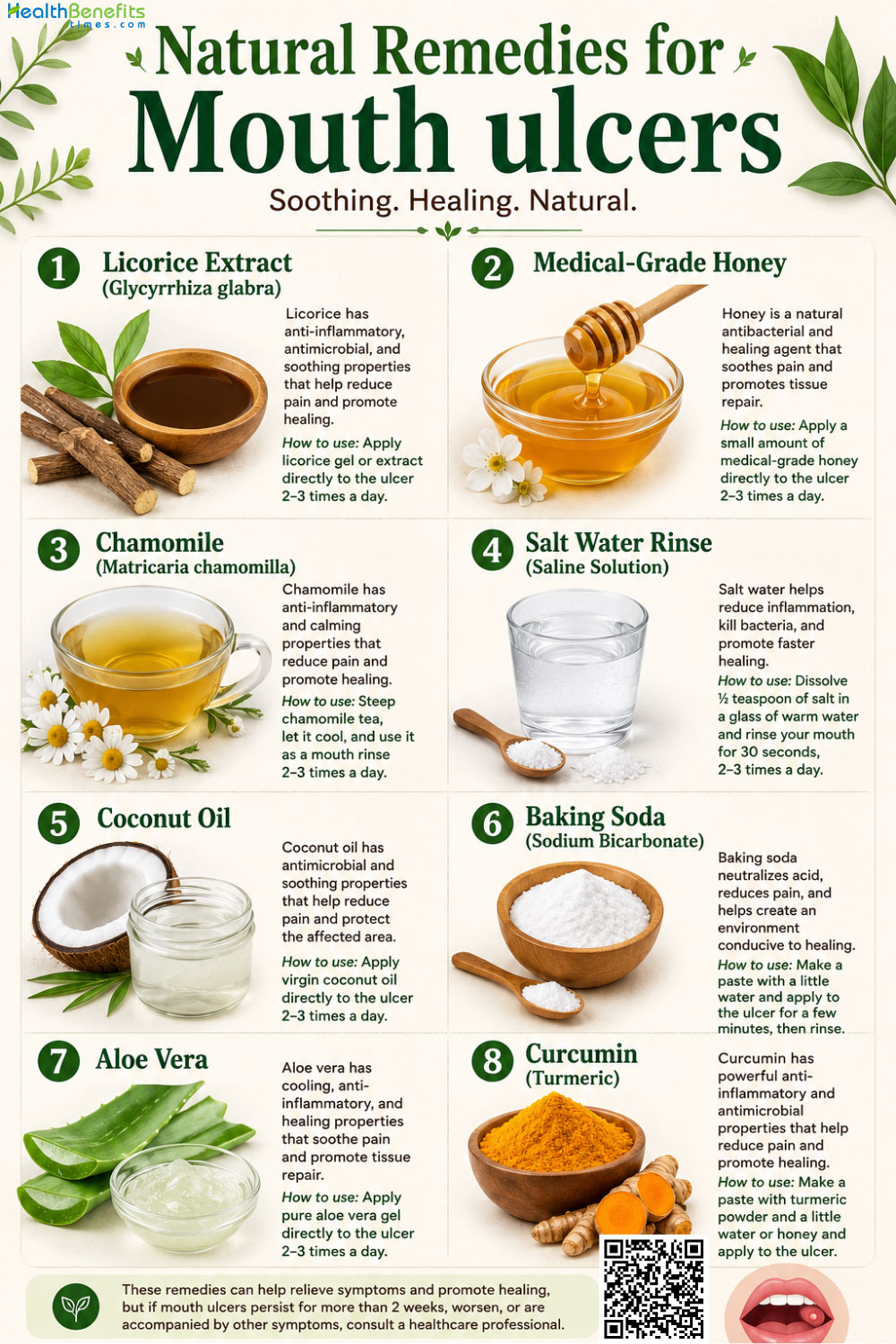
3. Chamomile (Matricaria chamomilla)
Traditional botanical medicine has long utilized chamomile for its profound soothing and analgesic characteristics. The fluid extract derived from the chamomile flower contains a high concentration of volatile oils and flavonoids that act directly on irritated nerve endings to gently desensitize the oral cavity 19. Clinical utilization of a 3% chamomile extract formulation drastically lowers the severity of mucosal inflammation without triggering adverse side effects. Because chamomile operates by lowering the intensity of localized pain while simultaneously creating an environment conducive to cellular regeneration, it serves as a highly effective, gentle alternative to aggressive synthetic anesthetics for daily management 20.
Note: You utilize chamomile by brewing a strong infusion of dried flowers to use as a lukewarm daily mouthwash, or by applying a concentrated, food-grade chamomile gel directly to the sore.
4. Salt Water Rinse (Saline Solution)
A mild saline solution composed of sodium chloride dissolved in water stands as one of the most thoroughly validated and easily accessible mechanisms for accelerating oral wound healing. While traditionally viewed merely as a mild antiseptic wash, saline actually interacts with oral tissue on a deep cellular level. Specifically, exposure to a roughly 1.8% to 2.2% concentration of sodium chloride actively stimulates the migration of human gingival fibroblasts, the critical cells responsible for repopulating and repairing damaged connective tissue 21. The chloride ions present in the salt water up-regulate the production of vital extracellular matrix proteins namely type-I collagen and fibronectin which provide the structural scaffolding necessary for the formation of healthy new mucosal layers.
Note: You swish a solution made by completely dissolving approximately one level teaspoon of table salt into one cup of warm water around your mouth for thirty seconds before spitting it out, repeating this action several times a day.
5. Coconut Oil
Virgin coconut oil is composed of nearly 92% saturated fatty acids, with lauric acid accounting for half of this total composition. Within the body, lauric acid acts as a powerful antimicrobial agent capable of dismantling the lipid membranes of various oral bacteria and fungi, preventing them from exacerbating the ulcer 22. When coconut oil is swished aggressively around the mouth, the alkali naturally present in human saliva reacts with the oil’s fat in a saponification process, essentially creating a mild, natural cleansing soap that drastically reduces the accumulation of irritating plaque 23. Additionally, the dense concentration of vitamin E and phenolic antioxidants in the oil prevents lipid peroxidation, effectively shielding the raw tissues from free radical injury and soothing the open sore 24.
Note: You perform oil pulling by swishing a tablespoon of virgin coconut oil gently around your mouth for ten to fifteen minutes in the morning on an empty stomach, or you simply dab a small drop directly onto the sore.
6. Baking Soda (Sodium Bicarbonate)
Baking soda operates within the mouth primarily as a powerful alkaline buffering agent. The consumption of acidic foods and the constant presence of bacterial byproducts frequently cause the oral environment to become overly acidic, which severely burns the exposed nerve endings inside a mouth ulcer. The direct application of an aqueous sodium bicarbonate solution rapidly neutralizes this localized acidity, forcibly altering the pH of the mouth to a level that is deeply hostile to pathogenic bacteria but highly optimal for rapid tissue recovery 25. It mechanically cleanses the lesion of painful inflammatory exudates. While the initial contact can induce a brief, sharp stinging sensation, it reliably leads to a prolonged reduction in mucosal pain by neutralizing the chemical environment 26. Note: You create a soothing alkaline rinse by dissolving half a teaspoon of baking soda powder in a cup of warm water and gargling, or by mixing a tiny amount of water with the powder to form a thick paste and applying it carefully to the ulcer.
7. Aloe Vera
Extracted directly from the dense, fleshy leaves of the Aloe plant, pure aloe vera gel is widely utilized for its exceptional mucosal hydration and protection capabilities. The viscous gel contains a complex profile of carbohydrates, specialized enzymes, and plant hormones such as auxins and gibberellins that act together to stimulate rapid cellular replication while dampening hyperactive inflammatory pathways 27. When properly formulated as a mucoadhesive application, aloe vera cures the tissue to form a highly durable, soothing physical film directly over the ulceration. This mechanical barrier protects the highly sensitive raw tissue from the physical friction generated during speech, as well as chemical burns from food consumption, allowing the underlying mucosal cells to regenerate undisturbed.
Note: You gently dab a small amount of pure, food-grade aloe vera gel directly onto the canker sore using a clean finger and allow it to sit undisturbed for a few minutes to form a protective coating over the wound.
8. Curcumin (Turmeric)
Curcumin is the principal biologically active polyphenolic compound found in the bright yellow rhizomes of the turmeric plant. It is internationally recognized for its profound anti-inflammatory and antioxidative capacities, which are highly beneficial in treating mucosal damage. In the direct context of oral ulcers, curcumin actively interrupts the localized inflammatory cascade by severely inhibiting pro-inflammatory enzymes and lowering the rapid synthesis of aggressive cytokines 28. Topical application of curcumin drastically decreases the total surface area of the ulcer and suppresses the localized immune response that is primarily responsible for exacerbating the pain of the lesion.
Note: You apply a thick paste made of pure turmeric powder mixed with a few drops of clean water directly to the sore, or vigorously rinse your mouth with a turmeric-infused warm water solution.
Is there any exercise or physical activities for Mouth ulcers
Because psychological distress, chronic anxiety, and fatigue are universally recognized as primary systemic triggers for the sudden eruption of recurrent mouth ulcers, engaging in specific physical activities aimed at managing circulating stress hormones provides a highly effective preventative strategy.
1. Yoga and Asanas
The consistent practice of yoga integrates physical postures (asanas) with intense mental focus. Regular engagement in these postures actively decreases the resting heart rate, systematically lowers blood pressure, and significantly reduces the systemic circulation of cortisol, the human body’s primary stress hormone 29. Furthermore, practicing specific yoga postures has been scientifically shown to naturally increase the salivary concentration of human beta-defensin-2, a vital antimicrobial peptide that continuously fortifies oral immunity against the pathogens that aggravate ulcers.
Note: You practice basic, restorative yoga postures, such as child’s pose or downward-facing dog, for twenty to thirty minutes daily in a quiet room to maintain systemic relaxation and baseline immunity.

2. Mindful Meditation and Deep Breathing (Pranayama)
Mindfulness techniques and structured yogic breathing exercises (Pranayama) forcibly shift the autonomic nervous system out of a heightened “fight or flight” stress state and into a regenerative resting state. Because acute psychological stress directly increases destructive leukocyte activity at the delicate sites of mucosal inflammation, actively regulating the nervous system prevents the hyperactive, misdirected immune response that initiates an ulcer crater 30.
Note: You sit comfortably in a completely silent space, close your eyes, and perform deep, controlled diaphragmatic breathing exercises for ten to fifteen minutes every day to permanently lower your baseline anxiety levels.
3. Routine Aerobic Exercise
Engaging in regular, moderate aerobic exercises such as brisk outdoor walking, light jogging, or continuous swimming triggers the immediate release of endorphins within the brain. These chemicals act as potent natural painkillers and mood elevators. Ensuring adequate, consistent daily exercise time correlates directly with a vastly lower overall prevalence of aphthous stomatitis, as it enforces physiological self-decompression and the strict maintenance of a positive mental state 11.
Note: You consistently engage in at least thirty minutes of moderate aerobic physical activity, such as brisk walking or stationary cycling, almost every day of the week to encourage robust systemic immune balance.
Foods and Activities to Avoid
Proper long-term management and immediate treatment of mouth ulcers require the strict elimination of specific dietary components and daily habits that severely aggravate the mucosal tissue and aggressively delay the healing process.
Foods to Avoid When You Suffer from Mouth Ulcers
1. Acidic Foods and Fruits
High-acid items physically burn the exposed connective tissue of an open ulcer. You must eliminate citrus fruits like lemons and oranges, pineapples, tomatoes, and standard commercial fruit juices from your diet entirely until the mucosal tissue has fully recovered 31.
2. Spicy Ingredients
Spices that generate intense heat actively stimulate the raw pain receptors inside the sore. You must avoid chili peppers, heavy paprika, complex curry powders, and liquid hot sauces, as they dramatically increase localized mucosal inflammation and induce severe stinging 32.
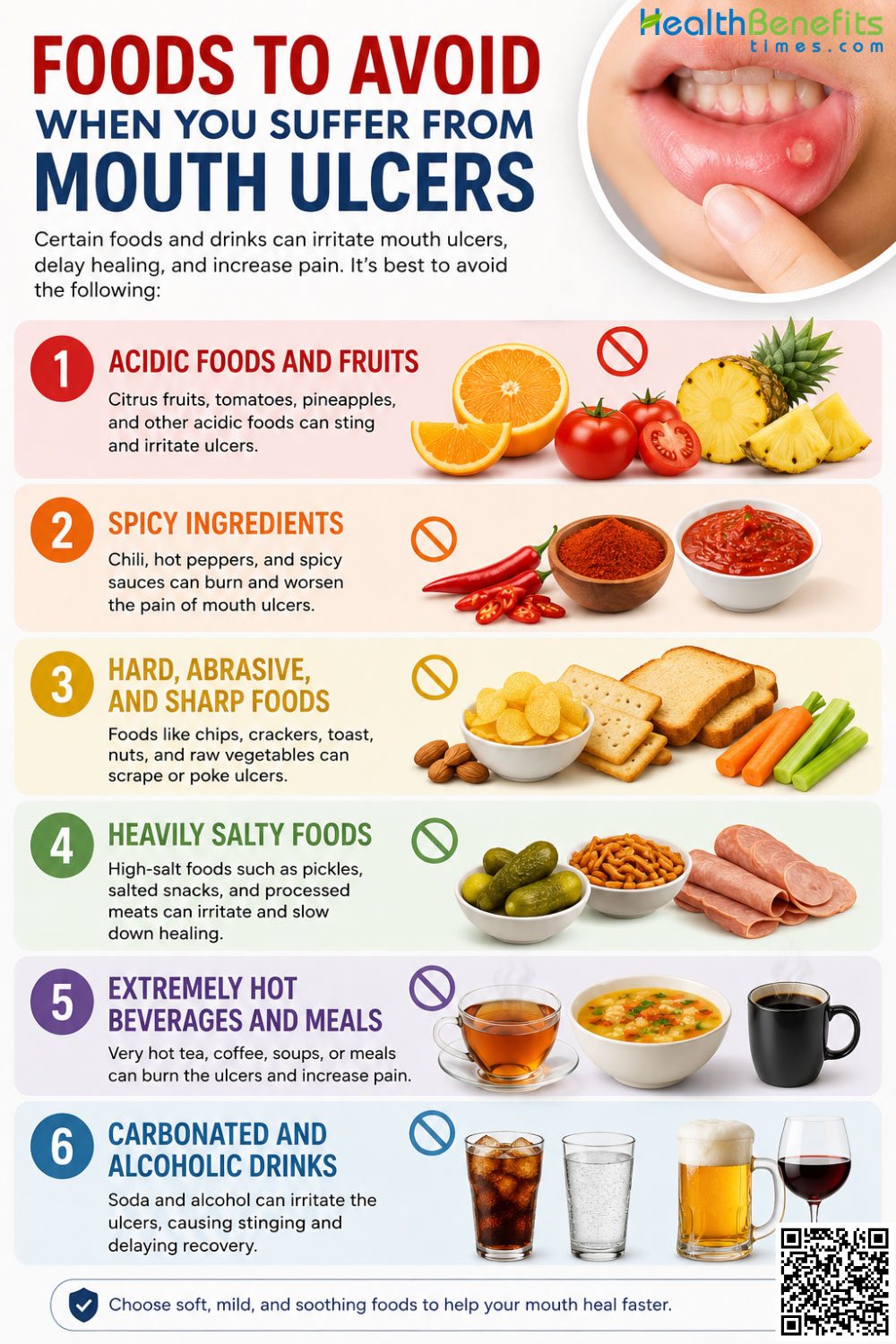
3. Hard, Abrasive, and Sharp Foods
Foods bearing rough or sharp edges physically scrape the delicate ulcer crater, tearing away the healing fibrin slough layer and causing the sore to bleed profusely. You should steer clear of raw, crunchy vegetables, hard crusty bread rolls, dry breakfast cereals, and sharp potato chips 33.
4. Heavily Salty Foods
A highly concentrated presence of salt in dry snack foods rapidly draws vital moisture away from the ulcerated tissue through osmosis. You should avoid eating heavily salted pretzels or nuts, as this rapid dehydration causes an acute, sharp stinging pain that lingers 34.
5. Extremely Hot Beverages and Meals
Extreme temperatures severely exacerbate existing tissue inflammation and can easily burn an already fragile sore. You must allow scalding hot coffee, boiling teas, or hot soups to cool down to a lukewarm or entirely cold state before attempting to consume them.
6. Carbonated and Alcoholic Drinks
The chemical fizziness present in carbonated sodas and the highly astringent nature of ethyl alcohol severely irritate the compromised oral lining. You must refrain from drinking fizzy beverages and alcoholic spirits, as they directly delay vital epithelial tissue repair.
Activities to Avoid When You Suffer from Mouth Ulcers
1. Using SLS-Containing Toothpaste
Sodium lauryl sulfate (SLS) is an aggressive synthetic foaming agent that fundamentally deteriorates the protective mucosal barrier inside the mouth. You should immediately avoid purchasing and using any toothpaste containing SLS, as switching to an SLS-free formula rapidly prevents chemical aggravation and noticeably reduces the total lifespan of the sore 8.
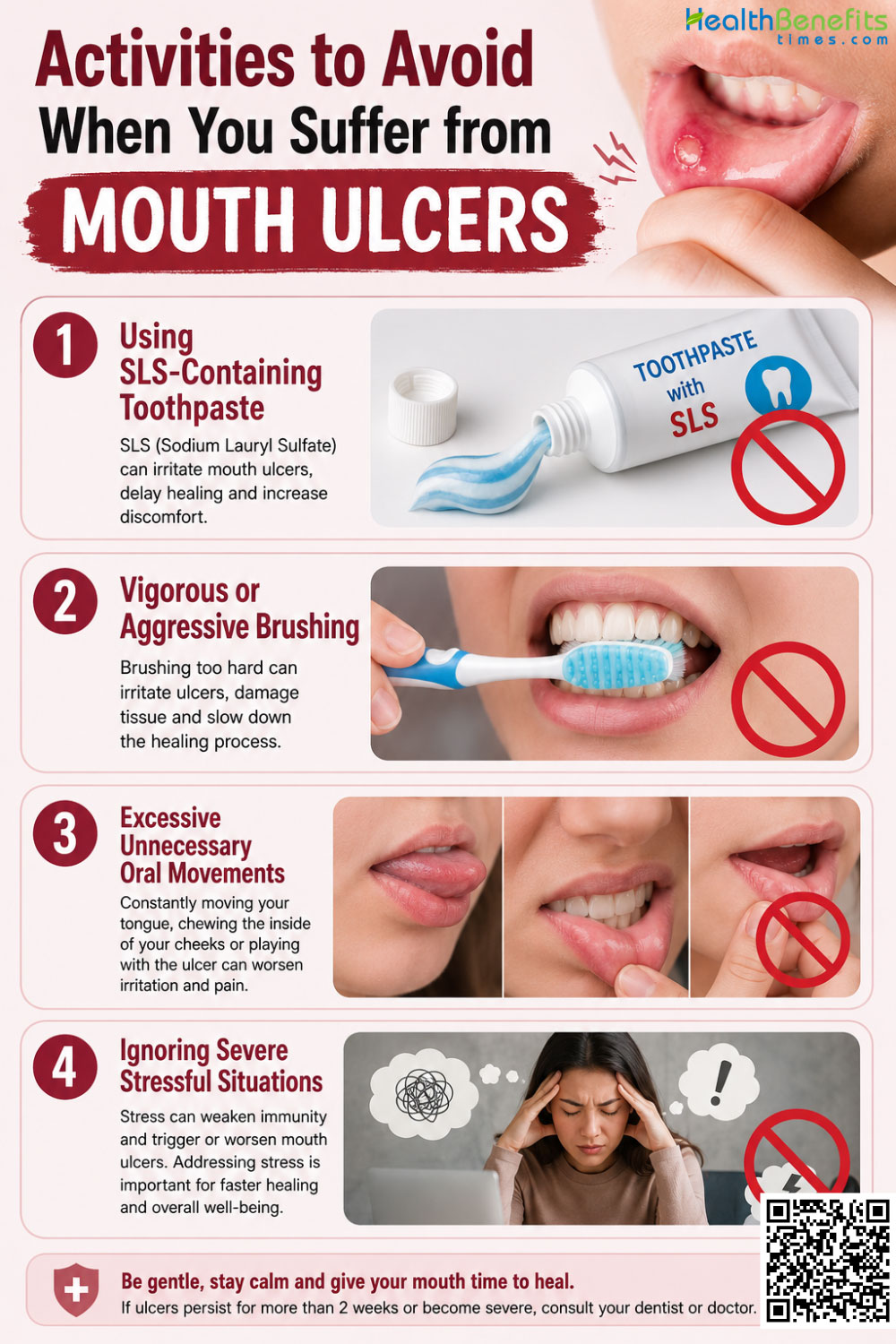
2. Vigorous or Aggressive Brushing
Using a stiff, hard-bristled toothbrush or applying extreme physical pressure against the teeth inflicts severe micro-trauma on the gums and inner cheeks. You must stop brushing aggressively, as this mechanical friction continuously rips open existing ulcers and physically creates new ones 35.
3. Excessive Unnecessary Oral Movements
Chewing heavily on hard, sticky gums or speaking loudly and excessively causes the surrounding mucosal folds to constantly stretch and aggressively rub against sharp teeth. You should try to rest your mouth as much as possible to prevent worsening the mechanical irritation of the lesion 1.
4. Ignoring Severe Stressful Situations
Allowing severe emotional stress to go unchecked during an active outbreak ensures that your body sustains a continuously high output of cortisol. You must actively avoid highly stressful situations and practice relaxation, because systemic stress severely impairs the very immune cells attempting to heal the ulcer crater 36.
Myths and Misconceptions
| Myth | Reality |
| Mouth ulcers and cold sores are the exact same medical condition. 37 | They are fundamentally distinct ailments. Cold sores, also called fever blisters, erupt on the outside of the lips and are caused by the highly contagious herpes simplex virus. True mouth ulcers occur exclusively inside the mouth and have absolutely no viral origin. |
| Mouth ulcers are highly contagious, meaning you cannot share drinks. 38 | Mouth ulcers are completely non-contagious. They represent a strictly localized inflammatory immune response, not an infectious or transmissible disease. Sharing utensils, drinking glasses, or kissing will not transmit the condition to another person. |
| Ulcers are strictly caused by a poor diet and vitamin deficiency. 39 | While a systemic lack of iron, vitamin B12, or folate can certainly act as a contributing factor, the origin of mouth ulcers is highly multifactorial. They are equally triggered by basic physical trauma, chronic stress, severe hormonal shifts, and deep genetic predispositions. |
| Applying harsh, burning chemicals to the sore forces it to heal faster. {% https://pmc.ncbi.nlm.nih.gov/articles/PMC6953949/ %} | Intentionally burning or chemically cauterizing a mouth ulcer destroys the delicate, healthy cells attempting to regenerate. This practice significantly increases overall pain, risks creating permanent, severe scarring, and drastically delays the body’s natural tissue repair processes. |
Special Considerations
1. Children
The overall clinical prevalence of recurrent aphthous stomatitis is exceptionally high among pediatric and adolescent demographics, with numerous epidemiological studies indicating that over a third of school-aged children will experience significant outbreaks during their development 9. In young children, the presence of multiple canker sores can cause severe distress and result in a dangerous inability to maintain adequate hydration and basic nutrition due to the intense pain associated with swallowing. When exploring natural, botanical remedies for pediatric populations, extreme caution must be consistently exercised regarding the use of honey. Raw or unpasteurized honey must absolutely be avoided in all infants under one year of age due to the severe, potentially fatal risk of infant botulism. This is a paralyzing neurological condition caused directly by the ingestion of Clostridium botulinum bacterial spores, which are occasionally found lurking naturally in raw honey supplies 40.
2. Pregnancy
Dramatic and rapid hormonal fluctuations experienced throughout pregnancy can heavily influence the frequency and severity of mouth ulcer outbreaks in expectant mothers. While natural botanical remedies are generally highly preferred during pregnancy to avoid the ingestion of synthetic, systemic medications, certain herbal interventions demand strict medical oversight. The topical application of licorice root on the oral mucosa is generally considered safe for short-term pain relief, but the oral consumption of high systemic doses of licorice extract is strongly discouraged. Systemic absorption of massive amounts of glycyrrhizin during pregnancy can negatively alter complex maternal hormone metabolism and significantly increase the statistical risk of experiencing a preterm delivery before 38 weeks of gestation 41. Pregnant individuals are heavily advised to rely primarily on deeply safe, localized physical treatments, such as simple saline rinses and mild chamomile applications 42.
3. Chronic conditions
Recurrent mouth ulcers frequently act as an irritating secondary manifestation of much more complex, underlying systemic diseases. Individuals formally diagnosed with severe autoimmune and inflammatory disorders such as Behçet’s syndrome, systemic lupus erythematosus, celiac disease, or the Inflammatory Bowel Diseases (specifically Crohn’s disease and ulcerative colitis) often experience incredibly severe, highly recurrent, and deeply painful aphthous stomatitis 43. For these particular individuals, utilizing natural topical remedies may effectively alleviate the acute localized pain of the sore, but botanical applications will completely fail to address the root systemic cause. Long-term management of these specific ulcers must involve highly targeted systemic immune regulation directed by a specialized physician.
4. Elderly
Extensive epidemiological data clearly indicates that the overall incidence rate and clinical severity of primary recurrent aphthous stomatitis generally experience a sharp decrease as individuals advance into old age 44. This notable reduction is partly attributed to distinct, age-related shifts in immune cell populations, permanently altered cytokine responsiveness, and generalized immune senescence, which biologically prevents the hyperactive, misfiring inflammatory response that triggers typical ulcers. However, elderly patients remain highly susceptible to developing secondary traumatic mucosal ulcers. These are typically caused by the constant physical friction of poorly maintained, ill-fitting dentures, or the severe mucosal drying effects (xerostomia) resulting from polypharmacy and the routine consumption of multiple daily medications 5.
Precaution Before Use of Natural Remedies When You Have Mouth ulcers
While natural and botanical remedies are highly accessible and generally quite safe for home administration, they remain potent biological treatments that interact directly with the vulnerable, damaged tissue of the human body.
- Test for Botanical Allergies First: Before heavily applying raw herbal derivatives like chamomile, pure aloe vera, or concentrated turmeric into your mouth, you must dab a tiny amount on healthy external skin to ensure you do not unknowingly possess a severe hypersensitivity or systemic allergy to the plant family, which could drastically worsen mucosal swelling and pain 45.
- Monitor Honey Usage Carefully: You must ensure that you strictly utilize pasteurized, sterilized, or certified medical-grade honey to minimize the introduction of dangerous foreign bacteria directly into a raw, open wound. Furthermore, you must never administer honey in any form to an infant under twelve months of age to categorically prevent life-threatening infant botulism 46.
- Regulate Licorice Exposure: If you are currently pregnant, suffer from chronic high blood pressure, or experience severe cardiovascular issues, you must avoid swallowing large quantities of concentrated licorice extract. Taking high systemic doses of glycyrrhizin can cause dangerous sodium retention, severe potassium depletion, and drastically elevated blood pressure readings 47.
- Dilute Essential Oils Correctly: If you intend to utilize potent botanical essential oils for oral pain relief, you must ensure they are properly and heavily diluted in a benign carrier liquid, such as plain water or raw coconut oil. Applying raw, concentrated essential oils directly to damaged oral mucosa will invariably cause severe chemical tissue burns and dramatically intensify the depth of the ulceration 27.
- Avoid Over-alkalization: While standard baking soda serves as an exceptionally excellent acid buffer, using it excessively or in incredibly dense concentrations can create a sudden, overly alkaline environment. You must use it sparingly, as throwing off the pH balance too far in the opposite direction may severely disrupt the natural salivary microbiome and significantly delay long-term mucosal healing 48.
When to See a Doctor
Although the vast and overwhelming majority of mouth ulcers are completely benign and eventually resolve spontaneously without any intervention, certain alarming clinical presentations warrant immediate and thorough professional medical evaluation to officially rule out chronic bacterial infections, undiagnosed systemic diseases, or dangerous oral malignancies.
- Prolonged Healing Time: You must actively seek a consultation with a physician or an oral dentist if a single, distinct ulcer persists continuously for more than three weeks without showing any sign of structural improvement or shrinkage 4.
- Unusual Size and Spread: You should immediately seek professional medical attention if the sores are unusually massive (greater than a full centimeter in diameter), if they are spreading rapidly and aggressively down your throat, or if they suddenly present as a massive, overwhelming cluster of hundreds of pinpoint lesions 49.
- Severe Functional Impairment: If the radiating pain from the oral ulcer becomes so intensely severe that it completely prevents you from consuming adequate daily fluids or achieving basic nutritional intake, you must seek medical pain management to prevent dangerous bodily dehydration.
- Accompanying Systemic Symptoms: You must see a doctor if the presence of an oral ulcer is suddenly accompanied by a high body fever, severe lethargy, unexplained weight loss, chronic diarrhea, or noticeably swollen, tender lymph nodes in the neck, as this directly points toward a severe underlying systemic infection or dangerous immune disorder 50.
- Suspicion of Malignancy: You must demand an immediate medical evaluation if you observe a solitary, strangely painless ulcer that has thickened, hardened, or possesses distinctly raised, rigid edges and entirely refuses to heal over time. This specific presentation must be evaluated for a tissue biopsy to exclude the distinct possibility of an oral carcinoma 51.