

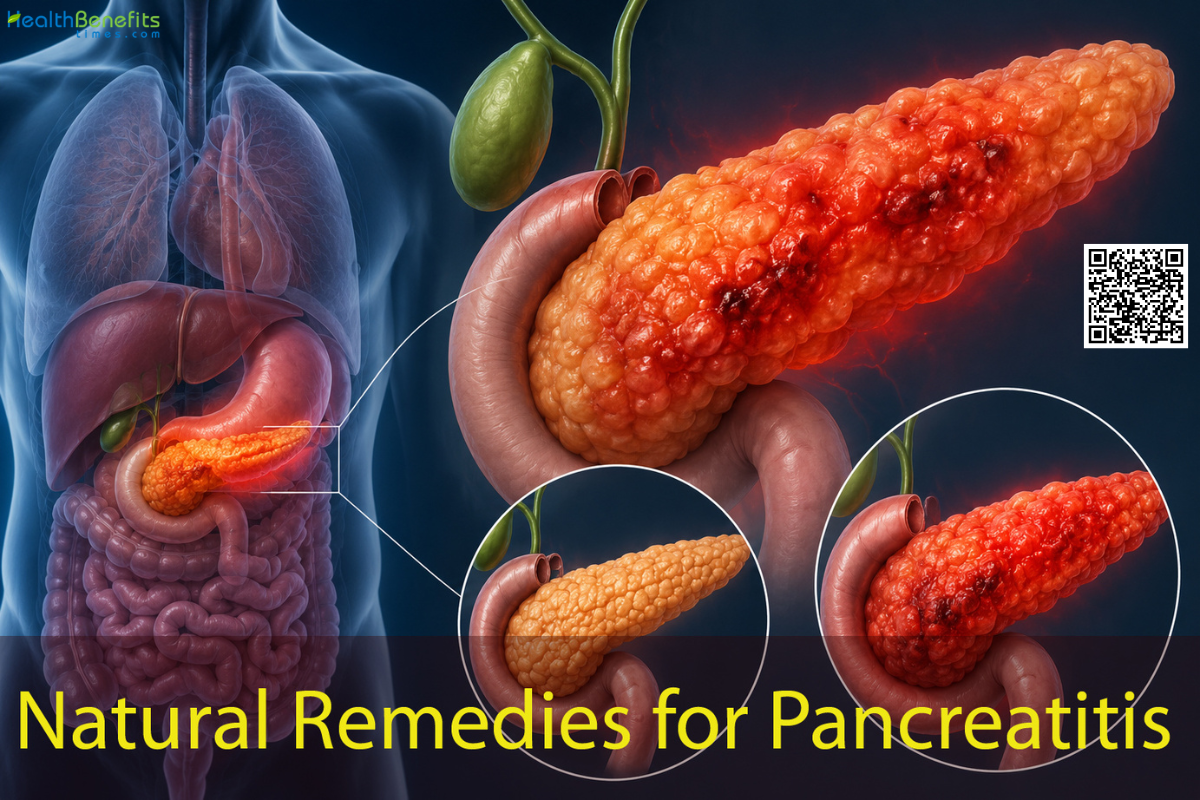
Pancreatitis is a medical condition characterized by the inflammation of the pancreas, a vital gland located behind the stomach that produces digestive enzymes and hormones like insulin 1. The condition primarily occurs in two main forms: acute and chronic. Acute pancreatitis is a sudden, short-term inflammation that is most often triggered by gallstones or heavy alcohol consumption 2. While it can be mild, severe cases may become life-threatening without prompt care. In contrast, chronic pancreatitis is a progressive, long-lasting disease where repeated inflammation leads to permanent organ damage, tissue scarring, and a loss of normal digestive function 3. Both forms frequently present with severe upper abdominal pain that can radiate to the back, accompanied by nausea and vomiting. Medical evaluation is critical, as treatment typically requires hospitalization, intravenous fluids, pain management, and addressing the underlying cause to prevent further complications.
Causes of Pancreatitis
1. Gallstones (Cholelithiasis)
Obstruction of the pancreatic duct by gallstones is the leading cause of acute pancreatitis worldwide, initiating acinar cell injury and inflammation.
2. Alcohol Consumption
Heavy and prolonged alcohol intake is a primary etiology that can sensitize the pancreas to other co-factors, precipitating both acute and chronic pancreatitis.
3. Infections
Specific microorganisms, including viruses (e.g., mumps, Coxsackie B, hepatitis, HIV), bacteria (e.g., Mycoplasma pneumoniae), and parasites (e.g., Ascaris lumbricoides), are estimated to account for approximately 10% of acute cases.
4. Medications and Toxins
Various pharmacological agents—such as azathioprine, 6-mercaptopurine, valproate, and thiazide diuretics—can induce pancreatic injury, typically diagnosed once other etiologies are ruled out.
5. Hypertriglyceridemia
Markedly elevated serum triglycerides are a recognized and established cause of acute pancreatic inflammation.
6. Genetic Mutations
Hereditary predispositions, including mutations in the cystic fibrosis transmembrane conductance regulator (CFTR) or the cationic trypsinogen gene, can lead to recurrent or chronic pancreatitis.
7. Metabolic Disorders
Hypercalcemia, frequently occurring secondary to hyperparathyroidism, can trigger the disease process.
8. Structural Anomalies and Obstructions
Benign or malignant strictures, tumors, and congenital anomalies like pancreas divisum can obstruct the main pancreatic duct and initiate inflammation.
9. Trauma and Ischemia
Physical trauma to the abdomen, diminished blood flow (ischemia), or mechanical obstruction can provoke the premature intracellular activation of digestive enzymes.
10. Tobacco Smoking
Smoking acts as an independent risk factor that increases susceptibility to both non-biliary acute pancreatitis and chronic pancreatitis.
11. Autoimmune Conditions
Autoimmune processes can selectively attack pancreatic tissue, leading to the development of autoimmune chronic pancreatitis.
12. Idiopathic
In a subset of patients, no distinct underlying cause can be identified despite comprehensive clinical and diagnostic investigation.
Symptoms of Pancreatitis
- Severe pain in the upper abdomen
- Abdominal pain that radiates to the back
- Swollen or tender abdomen
- Nausea
- Vomiting
- Fever
- Rapid heartbeat
- Indigestion
- Unintentional weight loss
- Oily, foul-smelling stools (steatorrhea)
- Diarrhea 4, 5, 6, 7
Natural Remedies for Pancreatitis
1. Strategic Fasting and Digestive Rest
How it may help
Temporary fasting halts the production of digestive enzymes within the pancreas. By eliminating food intake, the gland avoids active stimulation, which prevents enzymes from prematurely activating and damaging delicate pancreatic tissues. 8
What research says
Scientific findings demonstrate that brief fasting periods lessen the severity of acute pancreatic attacks by significantly reducing initial enzyme release. 9 Furthermore, evidence shows that short-term digestive rest triggers cellular cleanup processes that decrease structural tissue damage and lower systemic inflammatory responses. 10
How to use it safely
You must only undertake therapeutic fasting under strict medical supervision during an acute episode. Healthcare providers administer intravenous fluids to maintain hydration, and you should gradually reintroduce soft or solid diets only when clinical pain entirely subsides. 11
Potential precautions or side effects
Extended fasting may delay recovery and prolong hospital stays. Therefore, modern clinical approaches recommend immediate oral feeding in mild cases to accelerate healing and prevent adverse gastrointestinal events. 12
2. Adopting a Nutrient-Dense, Low-Fat Diet
How it may help
A nutrient-dense, low-fat diet helps control pancreatitis by minimizing the release of enzymes required for fat digestion, which rests the inflamed gland 13. Limiting fat intake reduces exocrine stimulation, helping to ease the workload on the digestive system and managing the symptoms of poor digestion 14.
What research says
Clinical findings indicate that initiating early oral nutrition with soft foods decreases the rate of complications and shortens hospital stays compared to traditional intravenous feeding 15. Furthermore, patients with mild pancreatic disease who consume restricted fat diets often experience notable improvements in abdominal dyspepsia and pain 16.
How to use it safely
Begin your oral food intake gradually only after acute clinical symptoms stabilize. Select easily digestible items and avoid complex, insoluble dietary fibers initially, as they can retain water and cause painful bloating 17. If you experience severe abdominal discomfort, immediately pause your dietary intake.
Potential precautions or side effects
Prolonged, overly restrictive diets can inadvertently cause severe malnutrition. Deficits in energy intake are particularly dangerous during the highly catabolic, inflammatory phases of the illness.
3. Consistent Oral Hydration and Fluid Management
How It May Help
Pancreatitis causes severe swelling and forces fluid to leak out of your blood vessels, leading to dangerous dehydration and low blood volume 18. Constant fluid intake counteracts this drop in volume to keep blood flowing properly to your digestive organs 19. Proper hydration stops the inflammation from worsening, shields vital tissues from permanent damage, and protects your organs from shutting down 20.
What Research Says
Medical studies reveal that controlled fluid therapy reduces severe body-wide swelling, cuts down on intensive care stays, and lowers organ failure rates 21. Clinical trials confirm that taking in a moderate, steady amount of fluid works much better than pumping in excessive amounts. Modern research proves that controlled, careful fluid delivery improves survival outcomes while safely avoiding major breathing complications 22.
How to Use It Safely
For mild cases where you can keep liquids down, drink water or electrolyte solutions steadily throughout the day. You should never try to handle severe flare-ups at home; standard medical protocols require controlled intravenous fluids given by a doctor to ensure safe and balanced dosing.
Potential Precautions or Side Effects
Drinking or receiving too much fluid too fast can overwhelm your body. This over-hydration can cause fluid buildup in the lungs, trigger breathing failure, and dangerously strain your heart.
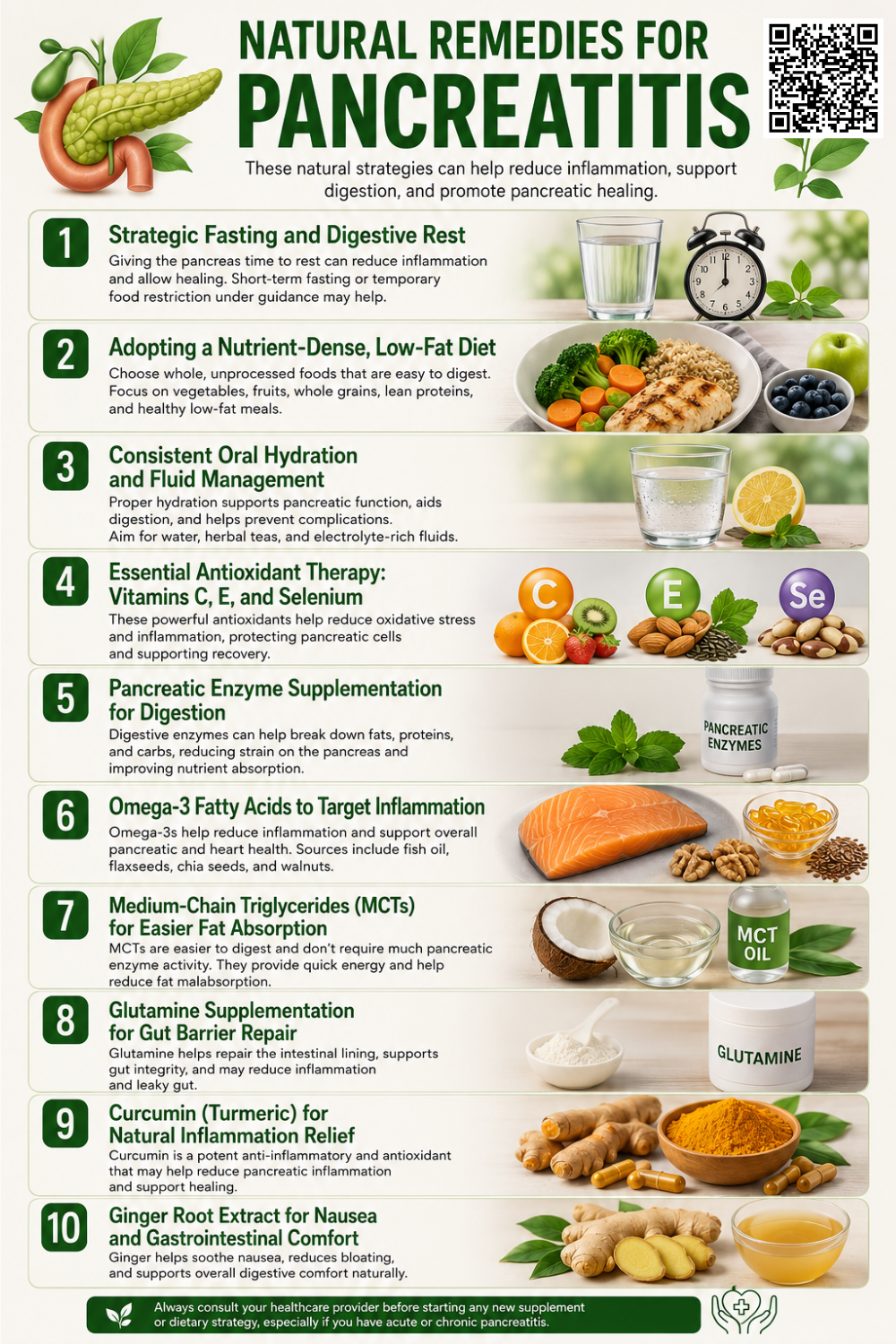 4. Essential Antioxidant Therapy: Vitamins C, E, and Selenium
How it may help
Antioxidants like vitamins C and E, along with the mineral selenium, work together to protect the pancreas from harmful molecules called free radicals 23. By neutralizing these damaging molecules, this combined therapy lowers inflammation and may help ease the severe abdominal pain linked to ongoing pancreas swelling 24.
What research says
Studies show that using a combination of antioxidants significantly increases the levels of protective vitamins in the blood 25. Evidence confirms that combining selenium with vitamins C and E effectively reduces daily pain and improves overall quality of life for many people with recurring pancreas problems 26.
How to use it safely
You should always talk to your doctor before starting any new vitamin or mineral supplement. For the best results, use a combined antioxidant formula exactly as prescribed by your healthcare provider, rather than trying to mix individual vitamin pills on your own 27.
Potential precautions or side effects
You must strictly follow doctor dosing instructions, as excessive antioxidant therapy may increase the risk of adverse outcomes and mild stomach discomfort without providing extra benefits 28.
5. Pancreatic Enzyme Supplementation for Digestion
How it may help
Pancreatic enzyme replacement therapy delivers active enzymes directly into the small intestine to restore proper digestion in individuals who lack natural enzymes 29. By correcting the poor absorption of fats, proteins, and carbohydrates, this treatment helps alleviate chronic discomfort, bloating, and excessive fat in the stool 30.
What research says
Research indicates that pancreatic supplementation significantly improves the bodily absorption of vital nutrients like fat and nitrogen compared to inactive treatments 31. Studies confirm it positively affects overall gastrointestinal health and improves daily quality of life by safely preventing severe malnutrition 32.
How to use it safely
You must correctly administer enzyme medications by swallowing the capsules whole—without crushing or chewing them—using cold or room-temperature liquids exactly at the start of your meal 33.
Potential precautions or side effects
Therapy remains highly safe, but excessively high doses can occasionally trigger minor stomach upset or diarrhea 34.
6. Omega-3 Fatty Acids to Target Inflammation
How it may help
Omega-3 fatty acids decrease pancreatic inflammation by suppressing the release of damaging inflammatory cytokines 35. These nutrients shift the body’s response to produce protective, anti-inflammatory mediators instead of harmful compounds 36. Furthermore, omega-3s actively lower excessively high triglyceride levels in the blood, which is a known trigger for acute pancreatic inflammation 37.
What research says
Medical evidence demonstrates that administering omega-3 fatty acids significantly improves overall recovery and clinical outcomes for severe acute pancreatitis patients 38. Early intervention with these healthy lipids substantially reduces the risk of developing secondary organ failure 39. Additionally, comprehensive reviews reveal it effectively decreases infectious complications, mortality rates, and total hospital stays 40.
How to use it safely
When using omega-3 fatty acids for pancreatitis management, you should primarily source them from purified supplements or prescription formulations to avoid environmental toxins 41. Always consult your physician to integrate these healthy fats safely into a comprehensive treatment plan containing strict dietary counseling and necessary lifestyle modifications 42.
Potential precautions or side effects
Highly concentrated omega-3 supplements are generally safe, but excessive consumption may theoretically inhibit platelet aggregation, mildly increasing the risk of bleeding during major surgical procedures 43.
7. Medium-Chain Triglycerides (MCTs) for Easier Fat Absorption
How it May Help
Medium-chain triglycerides (MCTs) are a specialized type of dietary fat that bypass normal digestion. Unlike regular fats, MCTs do not require bile or pancreatic enzymes to be broken down, making them highly beneficial for individuals with exocrine pancreatic insufficiency 44. They are absorbed rapidly into the bloodstream, providing an immediate energy source without straining the pancreas 45.
What Research Says
Clinical studies demonstrate that replacing standard dietary fats with MCTs significantly reduces steatorrhea and improves overall nutrient absorption in chronic pancreatitis 46. Evidence also indicates that incorporating MCT-enriched formulas into daily nutrition helps stabilize body weight and minimizes the severe abdominal pain caused by pancreatic exocrine stimulation 47.
How to Use it Safely
You should introduce MCT oil gradually into your meals to allow your digestive system to adjust. Start with one teaspoon daily, mixed into soft foods or beverages, and slowly increase the amount based on a clinical dietitian’s guidance 48.
Potential Precautions or Side Effects
Consuming excessive amounts of MCT oil rapidly can provoke mild gastrointestinal side effects, including nausea, stomach cramping, and diarrhea 49. Always adjust your dosage based on individual tolerance.
8. Glutamine Supplementation for Gut Barrier Repair
How it may help
Glutamine is the primary metabolic fuel for rapidly dividing intestinal mucosal cells, known as enterocytes. During severe physiological stress like acute pancreatitis, it helps maintain and restore the integrity of the intestinal lining 50. By strengthening this gut barrier, glutamine limits bacteria and toxins from leaking into the bloodstream, reducing systemic inflammation and secondary infections 51.
What research says
Clinical evidence indicates that intravenous glutamine supplementation significantly decreases the mortality rate and the incidence of infectious complications in severe acute pancreatitis 52. Patients receiving parenteral nutrition combined with glutamine demonstrated a reduced length of hospital stay 53. However, patients exclusively on enteral feeding may not experience the same clinical benefit 54.
How to use it safely
Glutamine can be administered intravenously during hospital care or taken orally as a powder mixed with cold liquids 55. For oral supplementation, a standard therapeutic dose ranges from 5 to 15 grams taken twice daily, based on body weight 56. You should always initiate therapy under direct medical supervision.
Potential precautions or side effects
Mild side effects include abdominal pain, nausea, and headaches 57. Use glutamine cautiously in older adults, and avoid it if you have severe hepatic or renal impairment.
9. Curcumin (Turmeric) for Natural Inflammation Relief
How it may help
Curcumin, the active compound in turmeric, acts as a potent anti-inflammatory and antioxidant agent in the digestive system. It helps reduce pancreatic swelling by blocking specific inflammatory pathways and oxidative metabolites that trigger cellular damage 58. This process protects the pancreas from the autodigestion and destruction associated with severe inflammation 59.
What research says
Scientific studies demonstrate that curcumin significantly lowers the severity of acute pancreatitis by reducing major inflammatory markers, including tumor necrosis factor-alpha and interleukin-6 60. Additional findings confirm that clinical administration of curcumin effectively decreases tissue injury and overall inflammatory response during pancreatic flare-ups 61.
How to use it safely
You should consume curcumin alongside black pepper extract, which contains piperine, to significantly improve the body’s ability to absorb the compound. Standard oral dietary supplements offer concentrated doses, but you must consult a healthcare provider to determine the highest quality formulation suitable for your condition 62.
Potential precautions or side effects
High doses of turmeric can cause stomach upset, nausea, or diarrhea. You must avoid curcumin supplements if you have gallstones, bleeding disorders, or currently take prescription blood-thinning medications 63.
10. Ginger Root Extract for Nausea and Gastrointestinal Comfort
How it may help
Ginger root extract contains active compounds that reduce stomach upset and inflammation in the digestive tract. It eases nausea and vomiting, which are common pancreatitis symptoms. By helping the stomach empty faster and reducing cramping, ginger provides natural relief for gastrointestinal discomfort without adding stress to the pancreas 64.
What research says
Studies show that ginger extract possesses strong antioxidant and anti-inflammatory properties that support pancreatic health 65. Research confirms ginger significantly reduces severe nausea, bloating, and indigestion. Furthermore, evidence indicates it may promote the healing and regeneration of damaged insulin-producing cells within the pancreas 66.
How to use it safely
You can safely take ginger as a daily supplement, commonly at a total dose of 1 gram per day to relieve nausea 67. To prevent irritation, you should always consume capsules with meals. Consult your doctor before starting to ensure it fits your medical needs.
Potential precautions or side effects
You should avoid ginger if taking blood thinners or if you have gallbladder disease. Mild side effects may occasionally include heartburn, mild diarrhea, or a slightly upset stomach.
Foods to Avoid When You suffer from Pancreatitis
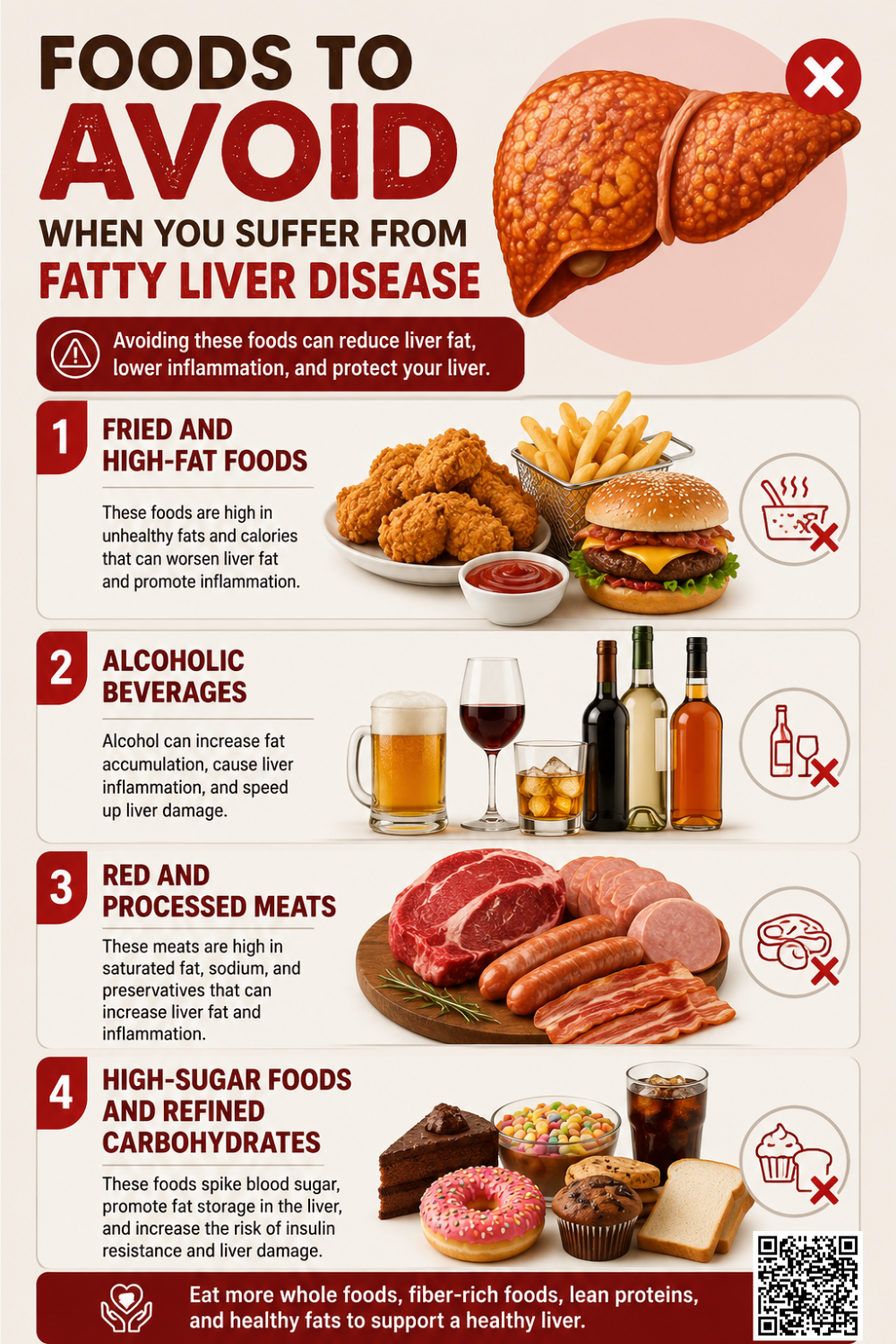 1. Fried and High-Fat Foods
High saturated fat intake elevates free fatty acids and accelerates lipolysis, which triggers fat necrosis and creates a highly inflammatory environment in the pancreas. 68, 69
2. Alcoholic Beverages
Alcohol consumption causes early digestive enzyme activation and direct cellular toxicity. Complete abstinence is crucial to prevent acute episodes from progressing to irreversible chronic pancreatic damage. 70, 71
3. Red and Processed Meats
Rich in saturated fats and cholesterol, consuming red and processed meats is positively associated with an increased risk of gallstone-related acute pancreatitis and prolonged systemic inflammation. 72, 73
4. High-Sugar Foods and Refined Carbohydrates
Foods with a high glycemic load spike blood glucose levels and induce insulin resistance, significantly worsening glycemic status and increasing individual susceptibility to pancreatitis complications. 74, 75
When To see Doctor when you have Pancreatitis
1. Severe Abdominal Pain
Sudden, intense upper abdominal pain that may radiate to your back is a hallmark symptom requiring immediate medical evaluation. 76
2. Persistent Nausea and Vomiting
Frequent vomiting paired with severe nausea can cause rapid dehydration, signaling a severe acute pancreatic episode. 77, 78
3. High Fever
A soaring body temperature often indicates widespread inflammation or an infected pancreas, requiring urgent hospital care. 79, 80
4. Rapid Heart Rate
An unusually fast heartbeat is a key sign of systemic inflammatory response syndrome and severe cardiovascular stress. 81, 82
5. Jaundice
Yellowing of the skin or eyes strongly suggests that a gallstone is blocking your bile duct, triggering a dangerous biliary obstruction. 83
6. Difficulty Breathing
Shortness of breath can signal severe systemic complications, including pulmonary issues linked to uncontrolled pancreatic inflammation. 84, 85