

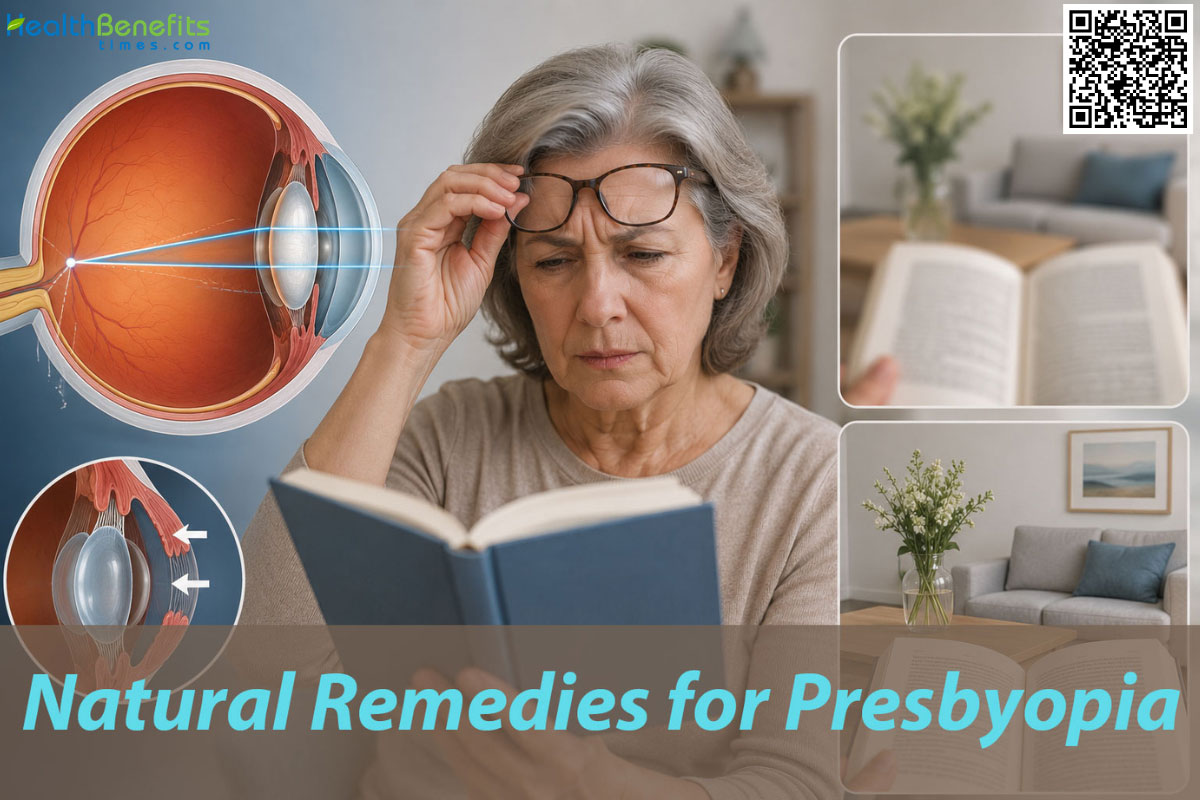
Presbyopia is a natural, age-related visual condition characterized by the gradual loss of your eye’s ability to focus clearly on nearby objects. In a youthful, healthy eye, the clear lens resting right behind the colored iris is highly flexible, effortlessly changing its shape to precisely bend incoming light onto the retina. However, as a person ages, typically beginning in their early to mid-forties, the proteins within this lens begin to harden, and the surrounding muscle fibers that control it gradually weaken. Because the lens becomes increasingly rigid and inflexible, it can no longer physically alter its shape enough to quickly adapt to close-range tasks. Consequently, when viewing things up close, the incoming light rays end up projecting just behind the retina rather than directly onto it. This biological change results in persistent blurriness, severe eyestrain, regular headaches, and the classic necessity of holding reading materials at arm’s length to see clearly. 1, 2, 3.
Causes of Presbyopia
Various physiological shifts, internal biochemical reactions, and prolonged environmental exposures drive the steady decline of the eye’s accommodative capabilities over the course of a lifetime. Peering into the biological mechanisms reveals that the loss of near vision is heavily multifaceted and driven by compounding factors.
1. Progressive Loss of Lens Elasticity
The primary and most significant driver of this visual shift is the biochemical alteration of proteins within the crystalline lens, which steadily causes the internal structure to stiffen and physically resist the dynamic shape changes required for near focus 4. As the lens hardens, it becomes locked into a shape that is only suitable for viewing objects at a distance.
2. Weakening of the Ciliary Muscles
The tiny, specialized ring of muscle tissue surrounding the lens slowly loses its contractive strength and resting tone over several decades. When these parasympathetic muscles weaken, they struggle to force the increasingly rigid lens into the convex shape necessary to bend light from close-up sources.
3. Accumulation of Advanced Glycation End Products (AGEs)
Naturally occurring, non-enzymatic reactions between circulating blood sugars and cellular proteins create complex cross-linked compounds that slowly brown and harden the ocular lens over a lifetime 5. These metabolic byproducts fundamentally destroy the flexibility of the lens fibers.
4. Decline in Chaperone Protein Activity
Within a healthy eye, specialized elements known as alpha-crystallin proteins act as guardians that prevent other proteins from clumping together and causing stiffness. With advancing age and continuous environmental stress, these protective chaperone proteins become depleted, allowing rapid structural degradation and rigidity to take hold 6.
5. Oxidative Stress Degradation
A continuous bombardment by free radicals from the environment and normal cellular metabolism damages the tissues of the eye. This unchecked oxidative stress significantly accelerates the loss of overall accommodative amplitude by degrading the cellular integrity of both the lens and the ciliary body 7.
6. Chronic Ultraviolet (UV) Radiation Exposure
Spending years outdoors under the sun without wearing adequate, protective eyewear allows harsh UVA and UVB rays to penetrate the eye. This invisible radiation destabilizes vulnerable lens proteins and acts as a major catalyst for the premature aging and hardening of the ocular tissues 8.
7. Toxic Exposure to Tobacco Smoke
Inhaling cigarette smoke introduces incredibly potent oxidants and harmful chemicals directly into the bloodstream. These toxic agents actively suppress lens flexibility, promote severe oxidative damage, and rapidly induce the early hardening of the crystalline lens 9.
Symptoms of Presbyopia
Recognizing the onset of this refractive error is generally straightforward for most people, as the visual deficits follow a highly predictable, daily pattern that interferes with routine activities.
- Experiencing noticeably blurred or hazy vision when attempting to focus on close-up text, such as restaurant menus, books, or smartphone screens.
- Feeling an involuntary, frustrating need to hold reading materials increasingly farther away at arm’s length just to make the words clear enough to comprehend 10.
- Developing physical eye strain, characterized by a tired, heavy, burning, or sore sensation in the eyes after engaging in near-vision tasks for extended periods.
- Suffering from dull, lingering headaches located primarily around the forehead or behind the eyes following sustained periods of close-up work or reading.
- Finding it exceptionally difficult to read, write, or distinguish small details in dim lighting or poorly lit environments, as the eyes require much more ambient light to focus.
- Noticing a distinct lag, delay, or temporary blurring when rapidly shifting your visual focus from a distant object to something situated right in front of your face.
- Experiencing a general sense of visual fatigue and drowsiness when forced to sustain concentration on nearby objects, severely limiting overall reading endurance.
Presbyopia Facts Table
| Category | Details |
| Symptoms |
|
| Causes |
|
| Types of Presbyopia |
|
| How does spread |
|
| Age Group |
|
| You might be at a higher risk for exposure of this disease if you: |
|
| How doctors diagnose |
|
| Other facts |
|
Natural Remedies for Presbyopia
Taking proactive steps to manage your visual health from within can drastically improve your daily comfort, enhance the endurance of your eyes, and potentially slow down further structural degradation of the lens. You can integrate specific, scientifically studied nutritional strategies into your diet to actively support the internal mechanical functions of your eyes.
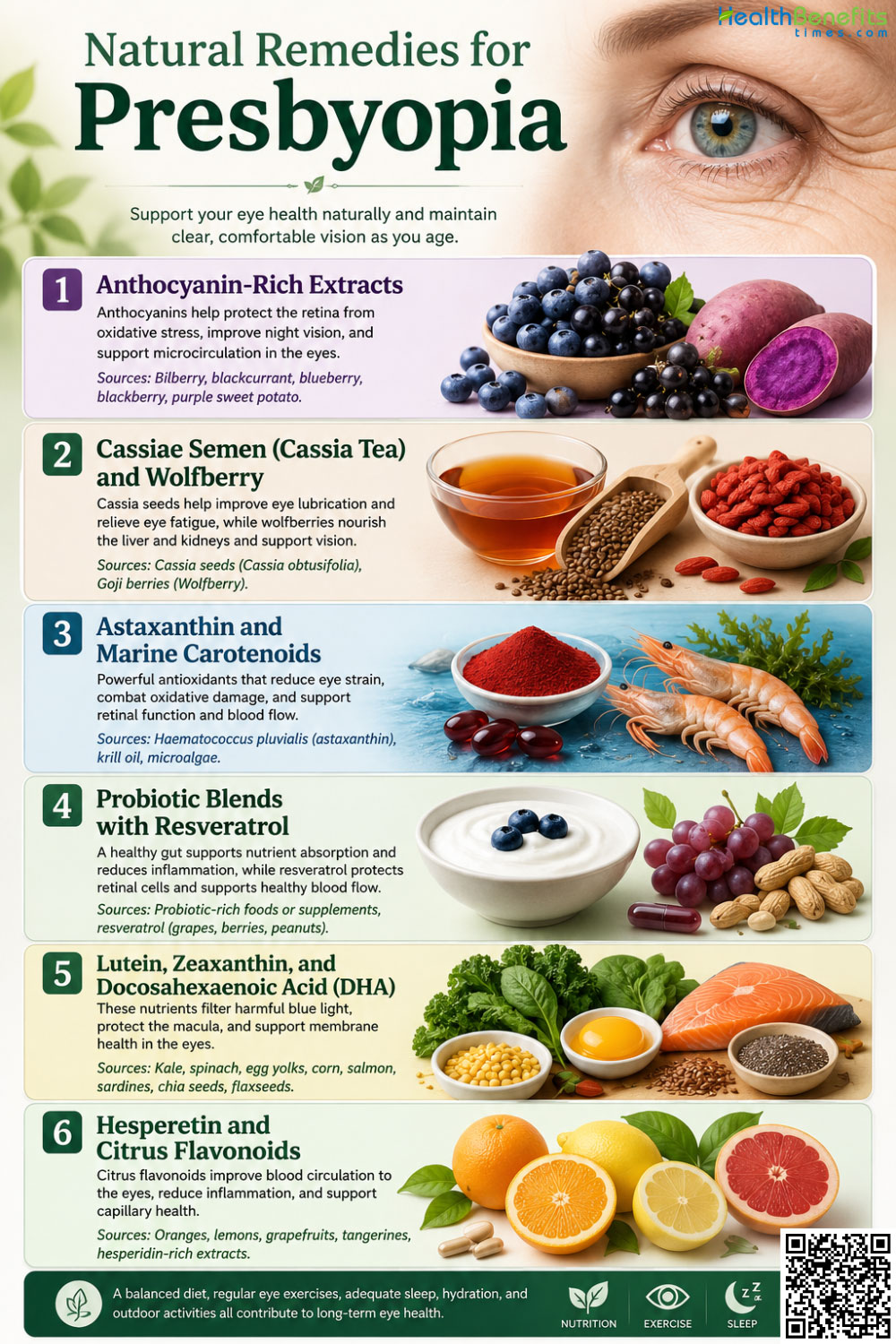
1. Anthocyanin-Rich Extracts
Safeguarding your visual endurance against the modern, relentless demands of digital screens requires highly targeted nutritional support. Anthocyanins are deeply pigmented, highly active antioxidants found abundantly in dark berries that actively relax the ciliary muscle and the surrounding microscopic blood vessels inside your eyes. By mediating specific cellular pathways namely the endothelin-B receptor and the nitric oxide system these potent compounds physically relieve muscular tension inside the eye. This targeted relaxation significantly reduces the frustrating, painful sensations of “tired eyes” and helps alleviate the temporary blurred vision that routinely occurs after long periods of reading or watching media on small digital devices.
Note: You can easily add anthocyanins to your routine by eating generous portions of bilberries, blueberries, or black soybeans, or by taking a concentrated dietary supplement daily to actively relax your eye muscles and improve reading endurance 14.
2. Cassiae Semen (Cassia Tea) and Wolfberry
Turning to the ancient wisdom of traditional herbal medicine offers a surprisingly effective, highly natural optical correction method for aging eyes. Extracts brewed from Cassia seeds possess unique pharmacological properties that enhance your eye’s parasympathetic function, essentially stimulating the weakened ciliary muscles to contract much more efficiently. More importantly, consuming this specific herbal extract increases serum acetylcholine in the body, which slightly constricts your pupils to create a natural “pinhole effect.” This smaller pupil diameter blocks scattered peripheral light rays, instantly expanding your depth of field, reducing visual aberrations, and dramatically sharpening your view of small, close-up details on modern screens.
Note: You can brew roasted Cassia seeds and dried wolfberries in hot water to create a soothing daily tea, drinking it up to twice a day to naturally constrict your pupils, improve your smartphone visibility, and reduce severe ocular strain 15.
3. Astaxanthin and Marine Carotenoids
Nourishing the tiny, hard-working muscles in your eyes depends entirely on maintaining excellent local blood circulation. Astaxanthin is a highly powerful, naturally occurring marine carotenoid that works directly by inhibiting aggressive inflammatory pathways within the eye’s ciliary body. By fighting off this localized, cellular inflammation, astaxanthin actively prevents the gradual functional loss of the ciliary muscles and significantly boosts the volume of oxygen-rich blood flowing through the retinal capillaries. This enhanced circulation directly aids in stabilizing your near-vision focusing capabilities and delays the onset of severe muscular fatigue during close-up tasks.
Note: You should consume astaxanthin as a daily oral gel capsule, preferably taken alongside a meal that contains healthy fats to ensure your digestive system properly absorbs the nutrient for maximum visual benefits 7.
4. Probiotic Blends with Resveratrol
Restoring physical elasticity to a hardened, aging lens may seem impossible, but specialized cellular therapies combining gut health with antioxidants are showing incredible promise. Combining specific, beneficial gut bacteria namely Enterococcus faecium and Lactobacillus pentosus with the powerful plant antioxidant resveratrol fundamentally alters how your body manages systemic oxidative damage. When taken regularly, this unique triad of nutrients has been shown to actively suppress the structural stiffening of the crystalline lens over time. By maintaining the pliability of the lens fibers, this combination offers a profound, systemic therapeutic approach to managing the slow, progressive loss of near vision.
Note: You can find these specialized combinations in advanced daily dietary supplements, which you should swallow with water every morning to build up your systemic defense and protect your lens elasticity over several months.
5. Lutein, Zeaxanthin, and Docosahexaenoic Acid (DHA)
Building a dense, highly effective defensive shield around your internal ocular tissues is absolutely essential for long-term clarity. Lutein and zeaxanthin are two yellow-pigmented antioxidants that naturally accumulate in the back of your eye, acting as an internal pair of sunglasses that continuously filter out harmful blue light and harsh environmental radiation. When combined with DHA a vital omega-3 fatty acid that maintains the cellular health of the ciliary body these specific nutrients work together to neutralize dangerous free radicals. This constant protection helps shield the vulnerable, transparent proteins of your crystalline lens from the severe oxidative stress that typically accelerates age-related hardening and clouding.
Note: You can secure these long-term benefits by eating plenty of dark leafy greens like spinach and kale alongside fatty fish, or by taking a standardized nutritional supplement of at least 10 mg of lutein per day for optimal ocular maintenance 16.
6. Hesperetin and Citrus Flavonoids
Combating the internal biological aging of your lens tissue requires intercepting specific, destructive chemical reactions before they can permanently damage your eyes. Hesperetin is an abundant plant flavonoid located primarily in the peels and juices of citrus fruits, and it possesses a remarkable ability to halt the generation of advanced glycation end products (AGEs). Because AGEs are the primary metabolic culprits that cause healthy lens proteins to cross-link, turn brown, and lose their flexibility with age, introducing hesperetin directly helps preserve the flexible, youthful state of your lens. Furthermore, it protects the vital chaperone proteins that keep the lens transparent and functional.
Note: You can absorb hesperetin by regularly eating fresh citrus fruits like oranges and grapefruits, or by utilizing specialized, high-concentration plant extract capsules specifically formulated to target and protect lens health 17.
Is there any exercise or physical activities for Presbyopia
Training your eyes and your brain to work together more efficiently can help you overcome the physical limitations of an aging, rigid lens. You can easily integrate specific, non-strenuous visual routines into your daily schedule to relieve pain and improve functional clarity.
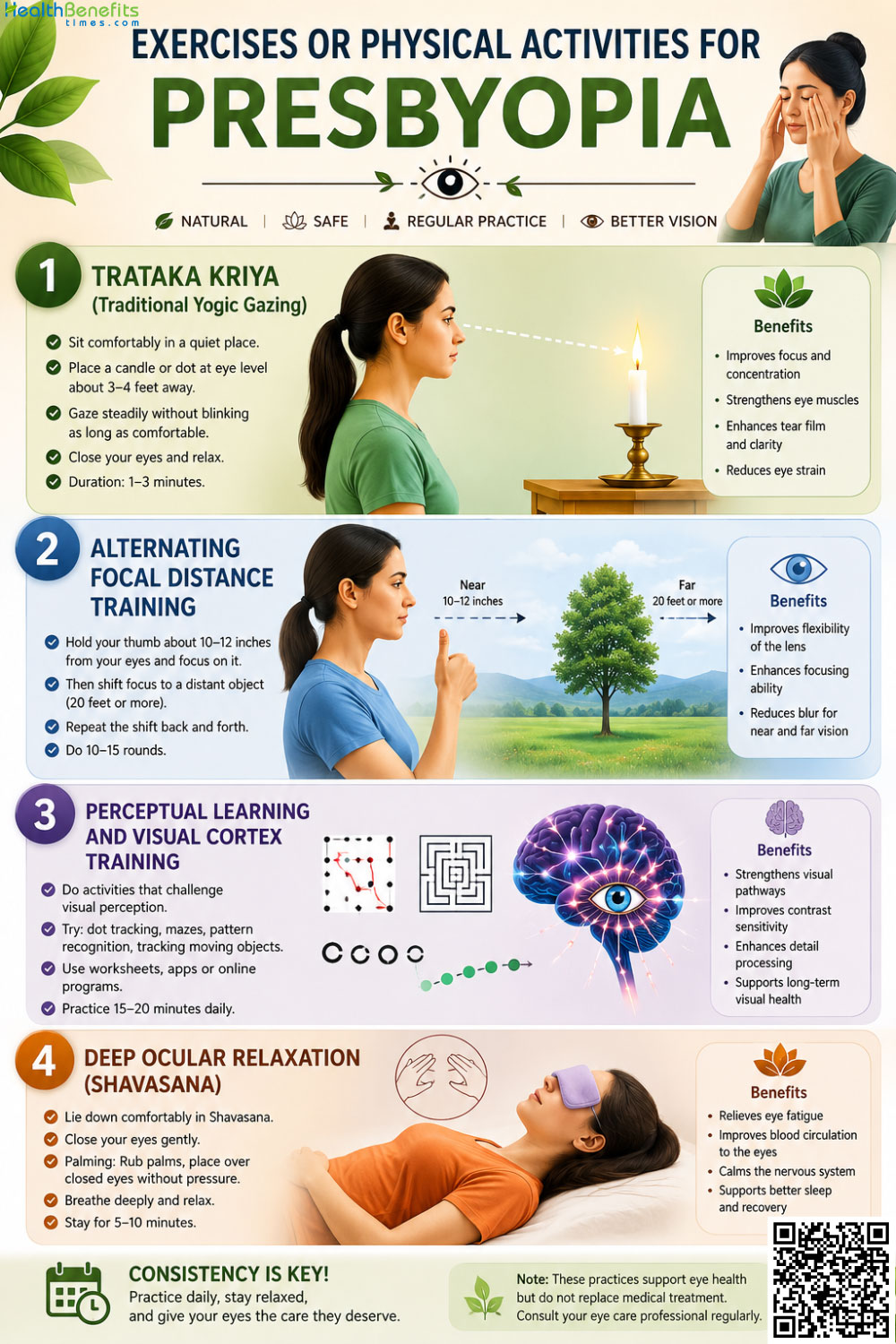
1. Trataka Kriya (Traditional Yogic Gazing)
Drawing upon ancient, holistic wellness practices can provide significant, tangible relief for overworked, fatigued eyes. Trataka Kriya is a traditional meditative and purificatory technique that requires you to maintain a steady, unbroken gaze on a single focal point, which heavily engages and strengthens the specific ocular muscles responsible for lens accommodation. Aside from building muscular endurance, this practice drastically improves the stability of your natural tear film, reducing the painful, dry, and gritty sensations that often accompany severe eye strain. It also lowers internal eye pressure and promotes deep relaxation of the entire visual system.
Note: To do this exercise, you must sit quietly in a dimly lit room, stare directly at a burning candle flame positioned about two meters away until your eyes naturally begin to water, and then gently close your eyelids to visualize the flame and rest your muscles 18.
2. Alternating Focal Distance Training
Teaching your visual system to switch gears quickly maintains the vital neurological and muscular pathways connecting your eyes to your brain. This specific training method challenges you to rapidly alternate your active fixation between an object located mere inches from your face and another target situated far across the room. Consistently forcing this rapid transition prevents the rapid deterioration of your visual acuity and exercises the fading flexibility of your ciliary muscles, keeping the accommodative reflex as responsive and agile as physically possible.
Note: To do this exercise, you should hold a pen six inches from your nose and focus sharply on the tip for three seconds, then instantly shift your gaze to a picture on a distant wall for three seconds, repeating this cycle continuously for five minutes every day 19.
3. Perceptual Learning and Visual Cortex Training
Sharpening your vision isn’t solely about the physical lens; it relies heavily on how your brain interprets incoming sensory data. Perceptual learning is a specialized, highly repetitive training process that tasks your brain with identifying faint, low-contrast, or highly demanding visual patterns at close range. Through repeated practice, your brain actually increases its processing speed and contrast sensitivity, effectively compensating for the blurred optical signals sent by a presbyopic eye. This allows you to read faster and more clearly without actually changing the eye’s physical optical structure.
Note: To do this exercise, you can download and use clinically designed smartphone or computer applications that guide you through daily, high-contrast visual discrimination games, which are explicitly tailored to improve your neurological reading abilities 20.
4. Deep Ocular Relaxation (Shavasana)
Releasing physical tension from your body directly influences how comfortably and smoothly your visual system operates. Psychological and physical stress causes involuntary tightening of the extraocular muscles, which severely exacerbates the burning, aching, and headache symptoms of presbyopia. Engaging in deep relaxation therapies quiets your nervous system, allowing the ciliary and facial muscles to completely disengage, resetting your visual baseline, and promoting better, unhindered blood circulation to the delicate tissues surrounding your eyes.
Note: To do this exercise, you need to lie flat on your back in a quiet space with your eyes softly closed, deliberately release every ounce of tension in your jaw, neck, and forehead, and breathe deeply for ten to fifteen minutes to achieve total muscular release 21.
Foods and Activities to Avoid
Shielding your eyesight from premature decline means identifying and actively eliminating daily habits that quietly damage your ocular anatomy. You must pay close attention to your dietary triggers and behavioral routines to preserve whatever natural focusing ability you have left.
Foods to Avoid When You suffer from Presbyopia and you are prone to Presbyopia
- Refined Sugars and Processed Sweets: High daily intakes of processed glucose severely accelerate the Maillard reaction throughout your body, resulting in the rapid creation of advanced glycation end products (AGEs) that irreversibly stiffen the transparent proteins in your eye’s lens 22.
- Ultra-Processed and Deep-Fried Foods: Consuming meals heavily laden with artificial trans fats and harsh chemical preservatives spikes your systemic inflammation and drives massive oxidative stress, actively damaging the delicate capillary networks that feed oxygen to the muscles in your eyes.
- Excessive Alcohol Consumption: Drinking large quantities of alcohol acts as a powerful systemic diuretic that dehydrates your ocular tissues and introduces toxic metabolic compounds that heavily deplete your body’s natural antioxidant defenses, leaving the lens vulnerable to early aging.
- Highly Caffeinated Beverages: Relying on vast amounts of coffee or high-energy drinks diminishes your body’s ability to produce high-quality, lubricating tears, worsening the gritty, intensely uncomfortable eye strain that already accompanies age-related focusing issues.
- Specific Dietary Allergens and Spices: For individuals dealing with sensitive skin or ocular rosacea, certain triggers like cinnamon, cloves, excessive citrus, or tomatoes can exacerbate facial and eyelid inflammation, indirectly compounding your daily eye discomfort and lid irritation 23.
Activities to Avoid When You suffer from Presbyopia
- Reading in Dim or Poor Lighting: Forcing your visual system to decipher small print in the dark causes your pupils to dilate widely, which drastically reduces your eye’s natural depth of field and forces your already weakened ciliary muscles to work twice as hard to find clarity.
- Prolonged, Uninterrupted Screen Time: Staring rigidly at digital monitors, tablets, or smartphones for consecutive hours without blinking adequately induces severe muscular fatigue and sets in motion painful, radiating tension headaches that can ruin your concentration 24.
- Cigarette Smoking and Vaping: Drawing tobacco smoke into your lungs saturates your bloodstream with highly destructive oxidants, directly accelerating the chemical hardening of your crystalline lens and massively increasing your overall risk for rapid presbyopia progression and early cataracts 25.
- Sun Exposure Without UV Protection: Allowing your unprotected eyes to absorb the harsh spectrum of ultraviolet A and B radiation from bright sunlight actively breaks down the fragile chaperone proteins inside your lens, guaranteeing premature stiffness and irreversible cellular damage.
Myths and Misconceptions
| Myth | Reality |
| Wearing reading glasses will weaken your eyes and make them dependent. | Utilizing corrective lenses does not alter the physical anatomy of the eye, make the muscles “lazy,” or worsen your baseline vision. Glasses simply provide the precise external focusing power that your aging, hardened lens can no longer achieve naturally. |
| Reading fine print or doing close-up work ruins your eyesight permanently. | While performing highly detailed near-tasks can certainly cause temporary muscle strain, dry eyes, and profound ocular fatigue, it absolutely does not wear out your eyes or cause long-term, irreversible physical damage to the internal optical structures. |
| Presbyopia is entirely preventable if you do enough eye exercises early on. | The loss of lens elasticity is a universal, biological truth of human aging caused by protein changes. While exercises can reduce muscle fatigue and improve brain processing speed, no physical movement can permanently stop or reverse the biochemical hardening of the lens proteins. |
| Vision loss and the inability to read are just unavoidable tragedies of old age. | Age-related vision issues do not have to result in a low quality of life or loss of independence. Modern optical corrections, dietary antioxidant interventions, and highly advanced surgical remedies effectively restore clear vision and allow individuals to function perfectly normally. |
| Only the elderly suffer from presbyopia. | The biochemical changes that lead to the loss of accommodation begin quite early in life. The condition frequently becomes noticeable and highly symptomatic for individuals precisely in their early to mid-forties, long before they are considered elderly or senior citizens |
Special Considerations
Addressing near-vision difficulties requires a nuanced understanding that a person’s specific stage of life, hormonal status, and underlying physiological health drastically change how the eye functions and how symptoms should be managed.
1. Children
Assuming that young, healthy children are completely immune to near-vision focusing problems is a dangerous and widespread misconception. While true presbyopia is exclusively tied to the age-related hardening of the crystalline lens, pediatric patients frequently develop a nearly identical set of symptoms known clinically as accommodative insufficiency. This specific binocular vision disorder occurs when a child’s parasympathetic ciliary mechanism becomes severely fatigued, often due to an overwhelming modern demand for prolonged, up-close digital screen time 27. Children suffering from this insufficiency will commonly complain of floating words while reading, severe eye strain, and an inability to sustain their focus during homework. Because the root cause is muscular fatigue and autonomic imbalance rather than lens hardening, these children require specialized vision therapy and orthoptics rather than standard aging interventions 28. Careful clinical diagnosis is absolutely paramount for children, as simple refractive correction with glasses alone often fails to alleviate their distinct asthenopic symptoms and discomfort 29.
2. Pregnancy
Navigating the immense physical transformations of gestation means being fully prepared for unexpected sensory fluctuations. Pregnant and lactating women undergo massive hormonal shifts, profound fluid retention, and hemodilution that frequently result in an alarming, though generally benign, transient loss of ocular accommodation 30. During the second and third trimesters, intense alterations in the curvature and thickness of the cornea can induce a temporary myopic shift, rendering previous contact lenses intensely uncomfortable and making routine near tasks suddenly blurry 31. Because these physiological and visual changes typically reverse themselves completely within a few months postpartum, medical experts strongly advise expecting women to delay any permanent refractive surgeries or expensive lens upgrades until their hormonal baseline fully stabilizes 32. However, it is vital to remember that sudden visual disturbances during pregnancy must still be monitored closely by a doctor to rule out severe, life-threatening complications like preeclampsia or gestational diabetes 33.
3. Chronic conditions
Managing long-term systemic diseases places heavy, continuous burdens on the micro-environments of your bodily tissues. Individuals diagnosed with metabolic disorders, particularly diabetes mellitus, face an incredibly high risk of developing premature presbyopia compared to their healthy peers. Chronically elevated blood glucose levels drastically accelerate the systemic Maillard reaction, resulting in a rapid, excessive accumulation of advanced glycation end products within the crystalline lens 34. This aggressive protein cross-linking not only brings about a much earlier onset of near-vision loss and severe lens hardening but also lays the dense structural groundwork for early, severe cataract formation. Consequently, maintaining strict glycemic control, managing blood pressure, and ensuring heavy antioxidant supplementation become absolutely mandatory for protecting the visual longevity of patients living with chronic metabolic conditions.
4. Elderly
Entering the later, advanced decades of life brings about the final, rigid stage of the eye’s focusing deficit. Once individuals progress past their sixties, they generally enter a physical state known as absolute presbyopia, meaning the crystalline lens has completely solidified and virtually zero natural accommodative ability remains 11. At this advanced stage, attempting to cure the blurriness through ciliary muscle exercises or mild herbal relaxation techniques yields incredibly diminishing returns. Furthermore, the hardened lens proteins inevitably begin to opacify and turn cloudy, transitioning the clinical diagnosis from simple presbyopia into age-related cataracts. For the elderly population, leaning heavily on precise optical corrections such as bifocals or progressive lenses and exploring eventual surgical lens replacement becomes the definitive standard of care for restoring clear vision and maintaining personal independence.
Precaution before use of natural remedies when you have Presbyopia
Taking charge of your visual health with alternative therapies requires a highly mindful, educated, and cautious approach. You must ensure that natural interventions do not inadvertently harm your delicate ocular ecosystem or interfere with your overall health.
- Consult Your Eye Care Professional First: Before starting any new herbal supplements, dietary changes, or vigorous eye exercises, you must undergo a comprehensive, dilated eye exam to ensure your blurry vision is truly just presbyopia and not an early symptom of a severe, blinding disease like macular degeneration or glaucoma.
- Verify the Quality of Your Supplements: You should exclusively purchase medicinal extracts, such as Astaxanthin or Lutein, from highly reputable, third-party tested manufacturers to entirely avoid ingesting hidden heavy metals, toxic pesticides, or useless inactive filler ingredients.
- Monitor for Unwanted Allergic Reactions: Pay close attention to your body’s signals when consuming new plant-based remedies like Cassia seed tea; you must stop usage immediately and seek help if you experience digestive distress, skin hives, or sudden, increased redness and swelling in your eyes.
- Check for Dangerous Medication Interactions: You need to thoroughly research and discuss with a pharmacist how potent herbal antioxidants might interact with your current prescription drugs, as certain active plant extracts can severely alter the efficacy of blood thinners, blood pressure medications, or diabetes control therapies.
- Do Not Discard Your Corrective Lenses: You must understand that while nutritional remedies effectively alleviate physical eye strain and support the biological health of the eye, they cannot magically reverse a lens that has already hardened into place; keep using your reading glasses to prevent daily, agonizing fatigue.
- Avoid Overexerting the Eye Muscles: When performing focal distance exercises or yogic gazing techniques, you should practice in gentle moderation, as pushing your ocular muscles past the point of pain will only trigger massive tension headaches and temporarily worsen your blurred vision.
When to see Doctor
Knowing the exact moment to step away from home remedies and seek professional medical intervention is critical for preserving your eyesight. You should immediately consult an ophthalmologist or optometrist if specific, highly alarming red flags arise during your daily routine.
- Experiencing Sudden, Unexplainable Vision Loss: If your ability to see clearly drops rapidly over the course of a few hours or days, you must bypass natural remedies entirely and seek emergency ophthalmic care, as this indicates a severe structural emergency rather than normal aging.
- Developing Severe, Unrelenting Headaches: If you suffer from intense, throbbing pain deep behind your eyes or across your forehead that does not vanish after resting your vision, you need to be clinically evaluated immediately for dangerous spikes in intraocular pressure.
- Noticing Flashes of Light or Sudden Floaters: The abrupt appearance of bright light flashes, a sudden shower of floating black spots, or the sensation of a dark curtain pulling over your field of vision strongly suggests a retinal tear or detachment that requires immediate, sight-saving surgical intervention.
- Struggling Profoundly Despite Using Interventions: If your daily tasks such as reading a text message or driving to the store remain immensely difficult even after you have utilized the correct reading glasses, improved your diet, and rested your eyes, it is time for a comprehensive medical reassessment.
- Seeing Halos Around Lights at Night: If streetlights or oncoming car headlights suddenly appear to have glowing rings, immense glare, or intense starbursts surrounding them, you should schedule a clinical exam to check for the development of age-related cataracts.
- Attending Your Routine Annual Screenings: Regardless of how perfectly your natural remedies and reading glasses seem to be working, you must visit an eye care specialist at least once a year to accurately track the internal physical density of your lens and rule out silent, painless diseases.