

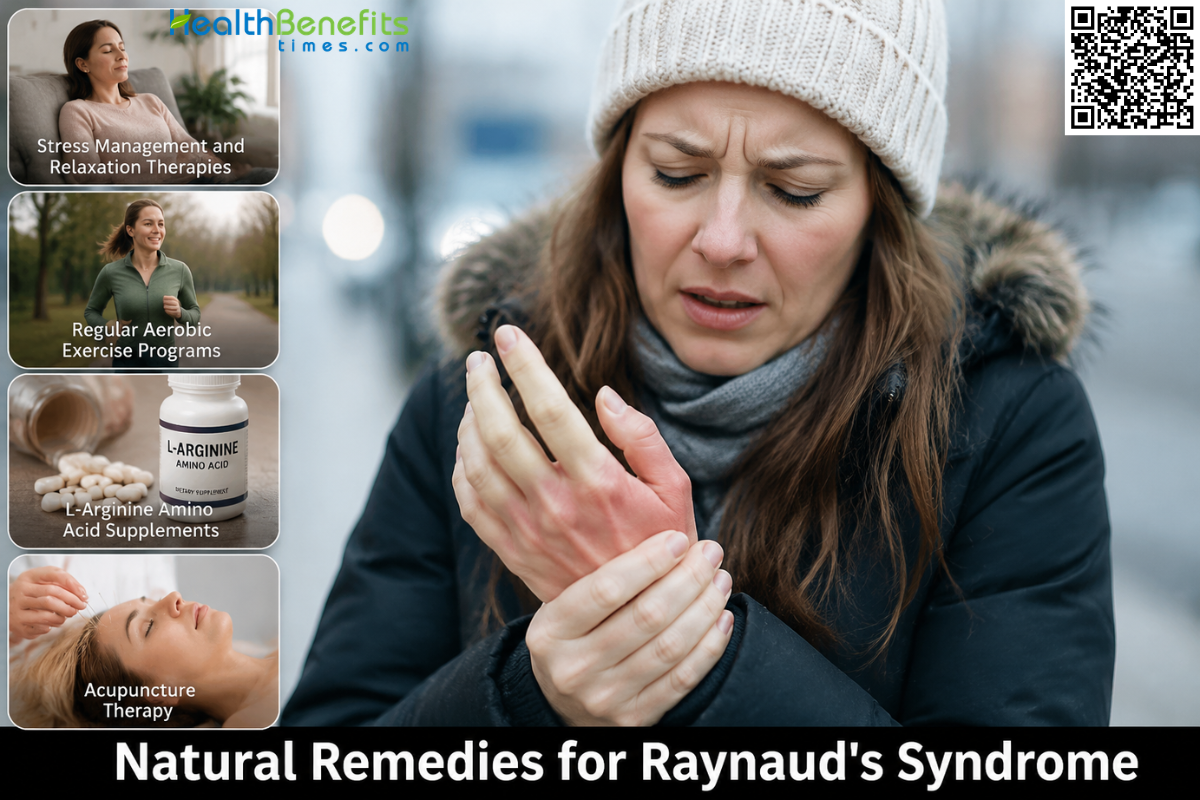
Raynaud’s syndrome is a vascular condition characterized by brief episodes of decreased blood flow to the body’s extremities, most often the fingers and toes. During an episode, small blood vessels react excessively to cold temperatures or emotional stress by rapidly constricting, a process clinically referred to as vasospasm 1. This sudden restriction of circulation causes the affected skin to temporarily turn pale or blue and feel numb, cold, or prickly 2. Once normal blood flow returns, the tissue typically reddens and may throb or tingle. The condition is categorized into two distinct types: primary Raynaud’s, which occurs independently without a known underlying cause, and secondary Raynaud’s, which stems from other health issues like connective tissue disorders such as lupus or scleroderma 3. While the primary form is generally mild, secondary Raynaud’s is more severe and can sometimes cause skin ulcers due to prolonged blood and oxygen deprivation 4.
Causes of Raynaud’s Syndrome
- Connective Tissue Diseases: Autoimmune and connective tissue disorders are the most common causes of secondary Raynaud’s, particularly scleroderma, lupus, and Sjögren’s syndrome 5. These diseases cause inflammation, scarring, and thickening of blood vessels and skin, which mechanically restricts normal blood flow to the extremities 6.
- Diseases of the Arteries: Conditions that damage or block arteries directly lead to this syndrome. Examples include atherosclerosis, where cholesterol plaques narrow the blood vessels, and Buerger’s disease, a rare disorder causing severe inflammation and blockages in the blood vessels of the hands and feet 7.
- Nerve Damage and Carpal Tunnel Syndrome: Carpal tunnel syndrome involves compression of a major nerve in the wrist, causing localized numbness and pain. This nerve compression also increases the susceptibility of the surrounding blood vessels to cold temperatures and stress, triggering vasospasm 6.
- Repetitive Motion and Vibration: Prolonged physical stress on the hands can permanently damage local nerves and blood vessels. Activities like typing for long hours or routinely operating vibrating equipment, such as jackhammers or chainsaws, are known physical causes 5.
- Certain Medications: Various prescription and over-the-counter drugs constrict blood vessels as a side effect. These include beta-blockers used to treat high blood pressure, certain migraine medications containing ergotamine, stimulant drugs for attention-deficit/hyperactivity disorder (ADHD), and decongestants containing pseudoephedrine 6.
- Smoking: Chemical compounds in tobacco, especially nicotine, act as powerful vasoconstrictors that force blood vessels to narrow. Smoking not only causes the condition but also severely worsens the symptoms in individuals who already suffer from vascular issues 6.
Symptoms of Raynaud’s Syndrome
- Skin Color Changes: The most recognizable symptom is a multi-phase color change in the skin during an episode. When blood vessels constrict from cold exposure or emotional stress, the affected extremities, typically the fingers and toes, first turn white due to a sudden drop in blood supply. As oxygen in the remaining blood is depleted, the skin then takes on a blue tint 8.
- Numbness and Coldness: During the restriction of blood flow, the affected fingers or toes will feel noticeably cold to the touch. This physical coldness is frequently accompanied by a feeling of numbness or a temporary loss of normal sensation, which can temporarily limit the mobility and function of the digits 5.
- Pain and Tingling During Recovery: When the trigger passes and normal blood circulation resumes, the skin typically flushes a bright red color. As the blood vessels widen and oxygenated blood rushes back into the tissue, individuals commonly experience a throbbing sensation, tingling, a “pins and needles” feeling, burning pain, or mild swelling 7.
- Skin Sores and Tissue Damage: In severe, chronic cases, which are almost exclusively associated with secondary Raynaud’s syndrome, the prolonged deprivation of oxygen can physically damage the skin and underlying tissues. This severe restriction of blood flow can result in the formation of painful, slow-healing sores or ulcers on the fingertips or toes, and in the most extreme instances, tissue death 4.
Natural Remedies for Raynaud’s Syndrome
1. Temperature Biofeedback Training
How it may help
Temperature biofeedback training utilizes electronic sensors to monitor skin temperature. By providing real-time data, this therapy teaches individuals to consciously control their body’s involuntary responses. Practitioners use mental exercises to actively widen blood vessels in the extremities, increasing blood flow and reducing the severity of cold-induced spasms 9.
What research says
Clinical studies indicate that temperature biofeedback is an effective non-drug therapy for primary Raynaud’s syndrome, significantly reducing the frequency and severity of attacks 10. However, research concludes this training is substantially less effective for individuals suffering from secondary Raynaud’s caused by underlying autoimmune diseases 11.
How to use it safely
To use this safely, consult a licensed psychologist or medical professional certified in clinical biofeedback. During your sessions, you will learn specific visualization techniques. You must practice these temperature-raising exercises regularly at home to successfully condition your vascular responses 12.
Potential precautions or side effects
Biofeedback is completely non-invasive and carries virtually no physical side effects. However, never use it to replace prescribed medical treatments, particularly if you have secondary Raynaud’s syndrome 9.
2. Ginkgo Biloba Extract Supplementation
How it may help
Ginkgo biloba extract is believed to improve blood circulation by widening blood vessels and reducing the stickiness of blood platelets. This natural vasodilation effect helps maintain continuous blood flow to the fingers and toes, which may prevent the severe circulation drops characteristic of Raynaud’s syndrome 13.
What research says
Clinical research offers mixed results regarding Ginkgo biloba for Raynaud’s syndrome. While some trials demonstrated a significant reduction in the frequency of attacks compared to a placebo 14, broader medical reviews conclude that overall evidence remains insufficient to strongly recommend it as a primary treatment 15.
How to use it safely
Always consult your doctor before starting Ginkgo biloba, as dietary supplements vary widely in quality. If approved, carefully follow your doctor’s instructions, as typical clinical doses for circulatory issues generally range from 120 to 240 milligrams per day 16.
Potential precautions or side effects
You must avoid Ginkgo biloba if you take blood-thinning medications, as it significantly increases bleeding risks. Minor side effects can include headaches, dizziness, stomach upset, and allergic skin reactions 13.
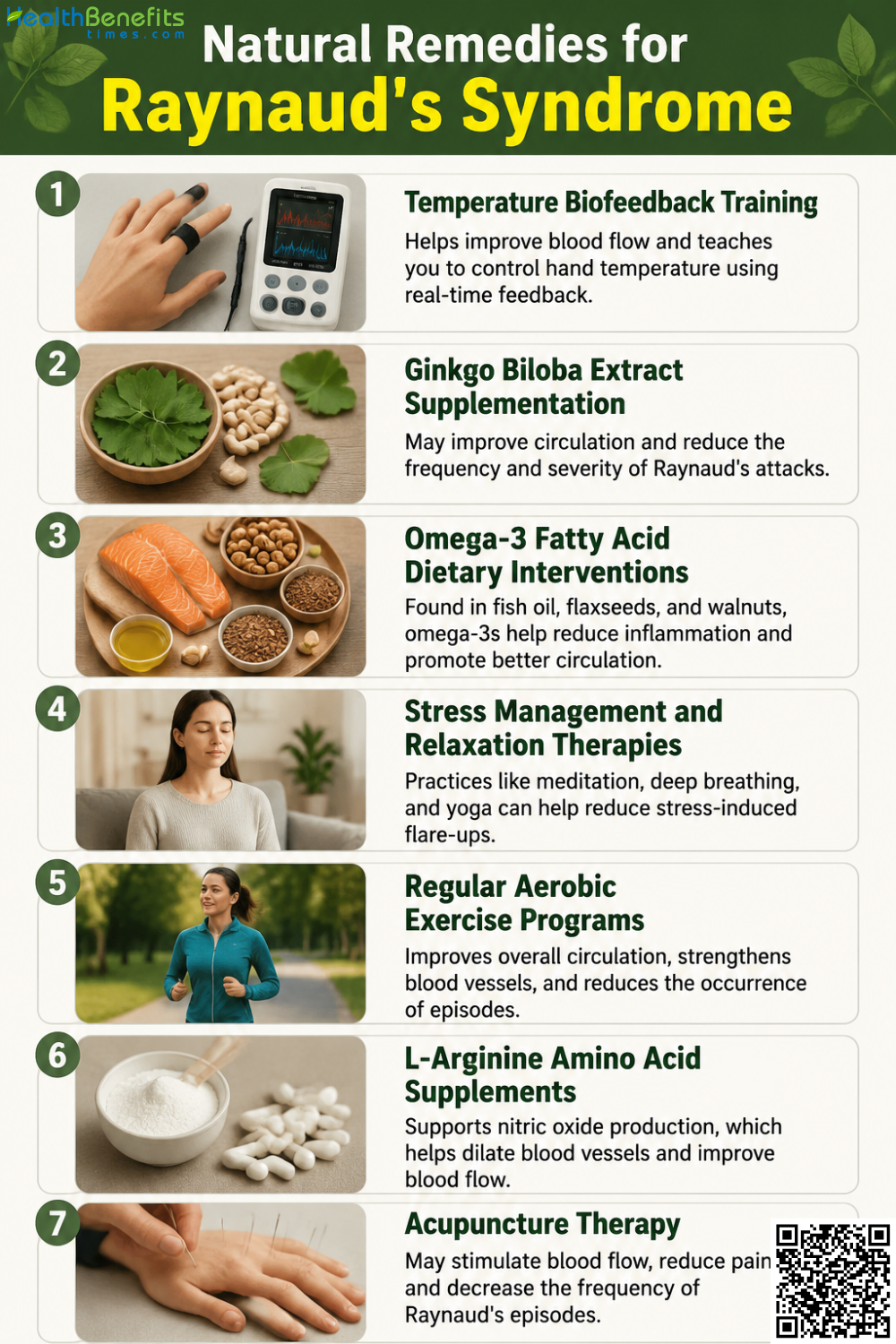
3. Omega-3 Fatty Acid Dietary Interventions
How it may help
Omega-3 fatty acids, primarily found in fish oil, naturally reduce bodily inflammation and improve blood vessel function. By enhancing vascular health and promoting better blood flow, these essential nutrients may help increase cold tolerance and delay the sudden narrowing of blood vessels that triggers a Raynaud’s episode.
What research says
Clinical trials demonstrate that taking omega-3 supplements significantly improves cold tolerance and delays the onset of vasospasm in individuals with primary Raynaud’s syndrome 17. However, research concludes that these fatty acids provide no significant clinical improvement for those suffering from secondary Raynaud’s caused by underlying connective tissue diseases 17.
How to use it safely
You should consult your doctor before starting omega-3 supplements to establish a safe dosage. You can naturally increase your intake by eating fatty fish like salmon twice weekly, or you can take a high-quality dietary supplement as directed by your healthcare provider 18.
Potential precautions or side effects
You must use caution if taking blood-thinning medications, as high omega-3 doses increase bleeding risks 19. Minor side effects often include fishy breath, mild nausea, and stomach upset.
4. Stress Management and Relaxation Therapies
How it may help
Emotional stress triggers a natural nervous system response that automatically narrows blood vessels in the extremities. Relaxation therapies calm this response and reduce stress hormones. By lowering these physical stress reactions, these techniques help keep blood vessels wide open, preventing the sudden circulation drops that cause Raynaud’s episodes 12.
What research says
Clinical guidelines identify emotional stress as a primary trigger for vasospasms, comparable to cold exposure. Medical research confirms that actively practicing stress reduction and relaxation techniques successfully decreases both the frequency and severity of Raynaud’s attacks, making it a highly recommended behavioral treatment 11.
How to use it safely
You can safely incorporate techniques like deep breathing exercises, mindfulness meditation, or yoga into your daily routine. For structured support, consider working with a licensed counselor to learn cognitive behavioral therapy strategies specifically tailored to identify and manage your emotional triggers 12.
Potential precautions or side effects
Relaxation therapies are entirely safe and carry no negative physical side effects. However, you must not use them to replace prescribed medical treatments for severe or secondary Raynaud’s syndrome.
5. Regular Aerobic Exercise Programs
How it may help
Regular aerobic exercise naturally increases heart rate and improves overall blood circulation throughout the body. By consistently raising core body temperature and promoting healthy blood vessel function, physical activity helps maintain steady blood flow to the fingers and toes, preventing the sudden cold-induced spasms typical of Raynaud’s syndrome 5.
What research says
Clinical guidelines strongly recommend regular aerobic exercise as a primary lifestyle treatment for managing primary Raynaud’s syndrome. Medical research confirms that maintaining active cardiovascular fitness significantly improves systemic blood flow and naturally increases cold tolerance, which successfully reduces the overall frequency of vascular spasms 11.
How to use it safely
You should consult your doctor before starting any new fitness routine. Engage in moderate activities like brisk walking or indoor cycling. If you exercise outdoors during colder weather, you must wear layered clothing, thick socks, and insulated gloves to protect your extremities from temperature drops 12.
Potential precautions or side effects
You must avoid freezing outdoor conditions if they trigger attacks. If you have secondary Raynaud’s with skin ulcers, avoid activities that place physical pressure on damaged tissue 5.
6. L-Arginine Amino Acid Supplements
How it may help
L-arginine is an amino acid that the body naturally uses to produce nitric oxide, a powerful natural vasodilator. By increasing nitric oxide levels, L-arginine helps relax and widen restricted blood vessels. This improved blood flow to the extremities can counteract the sudden, cold-induced vascular spasms characteristic of Raynaud’s episodes.
What research says
Clinical case reports demonstrate that oral L-arginine supplementation can effectively reverse severe tissue damage, such as digital necrosis, caused by restricted blood flow in Raynaud’s syndrome 20. Medical studies indicate it generally improves temperature recovery and symptoms in affected fingers by correcting underlying nitric oxide synthesis deficiencies.
How to use it safely
You must consult your doctor before taking L-arginine to determine an appropriate clinical dosage for your specific vascular condition. You can also safely increase your intake naturally by eating protein-rich foods, including poultry, fish, dairy products, and nuts, as part of your daily diet 21.
Potential precautions or side effects
You must avoid L-arginine if taking blood pressure or erectile dysfunction medications, as the combination causes dangerous blood pressure drops 21. It may also worsen asthma symptoms.
7. Acupuncture Therapy
How it may help
Acupuncture involves inserting ultra-thin needles into specific anatomical points. This practice is believed to stimulate the central nervous system, prompting the body to naturally widen blood vessels. This localized vasodilation improves blood circulation to the hands and feet, preventing the sudden circulation drops that characterize Raynaud’s 22.
What research says
Clinical trials demonstrate that acupuncture can significantly decrease the frequency and severity of attacks in primary Raynaud’s syndrome, reducing episodes by over half 23. However, comprehensive medical reviews conclude that current evidence remains limited, and larger clinical studies are necessary to fully confirm its long-term effectiveness 24.
How to use it safely
You must seek treatment exclusively from a licensed, state-certified acupuncturist. To ensure your safety and prevent dangerous infections, strictly verify that the practitioner uses only new, sterile, and single-use disposable needles during every therapy session 22.
Potential precautions or side effects
Avoid acupuncture if you take blood-thinning medications or have a bleeding disorder. Common minor side effects include temporary soreness, slight bruising, or mild bleeding at the needle insertion sites 22.
Foods to Avoid When You Suffer from Raynaud’s Syndrome
1. Caffeinated Coffee and Tea
Caffeine is a stimulant that naturally narrows blood vessels. Consuming these beverages reduces blood flow, which can trigger or worsen cold-induced circulation drops in your fingers and toes 25.
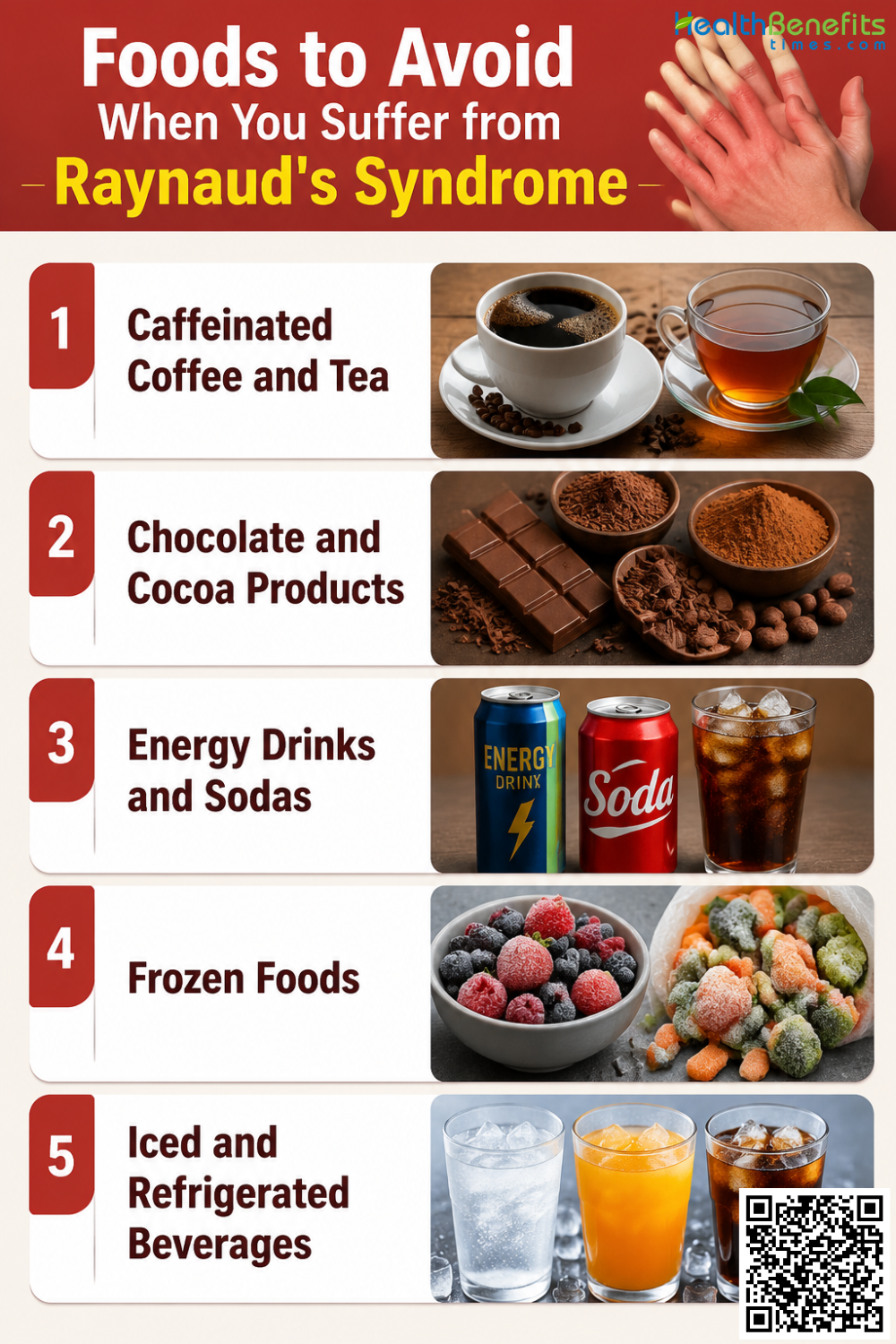
2. Chocolate and Cocoa Products
Like coffee, chocolate contains caffeine, which forces blood vessels to tighten. Eating these foods can narrow the small arteries in your hands, increasing the risk of painful flare-ups 26.
3. Energy Drinks and Sodas
These beverages contain high concentrations of caffeine. Drinking them forces blood vessels to squeeze shut, severely restricting essential blood and oxygen flow to your extremities 27.
4. Frozen Foods
Handling or eating freezing items like ice cream drops local or core body temperatures. This rapid temperature change is a primary physical trigger for sudden blood vessel spasms 28.
5. Iced and Refrigerated Beverages
Drinking ice-cold liquids can lower your core temperature and trigger a physical reflex that constricts blood vessels. To prevent symptoms, it is safer to drink room-temperature fluids 29.
When to See a Doctor When You Struggle from Raynaud’s Syndrome
1. Skin Sores or Ulcers
Seek immediate medical attention if you develop open sores on your fingers or toes. This indicates severe oxygen deprivation requiring urgent clinical treatment to prevent tissue damage 1.
2. Signs of Infection
You must contact a doctor if affected areas show signs of infection, like warmth, swelling, or pus. Impaired blood flow makes healing difficult and localized infections highly dangerous 5.
3. Asymmetric or Worsening Symptoms
Consult a physician if symptoms rapidly worsen or affect only one side of your body. Asymmetric attacks often signal underlying vascular diseases requiring comprehensive diagnostic evaluation 7.
4. First Appearance After Age 30
Schedule a medical evaluation if you experience your first episode after age 30. Late-onset symptoms strongly indicate secondary Raynaud’s, which is often linked to underlying autoimmune disorders 28.
5. Accompanied by Joint Pain or Rashes
See a doctor if cold-induced spasms are accompanied by joint pain or skin rashes. These combined symptoms frequently suggest an undiagnosed connective tissue disease like lupus or scleroderma 5.