

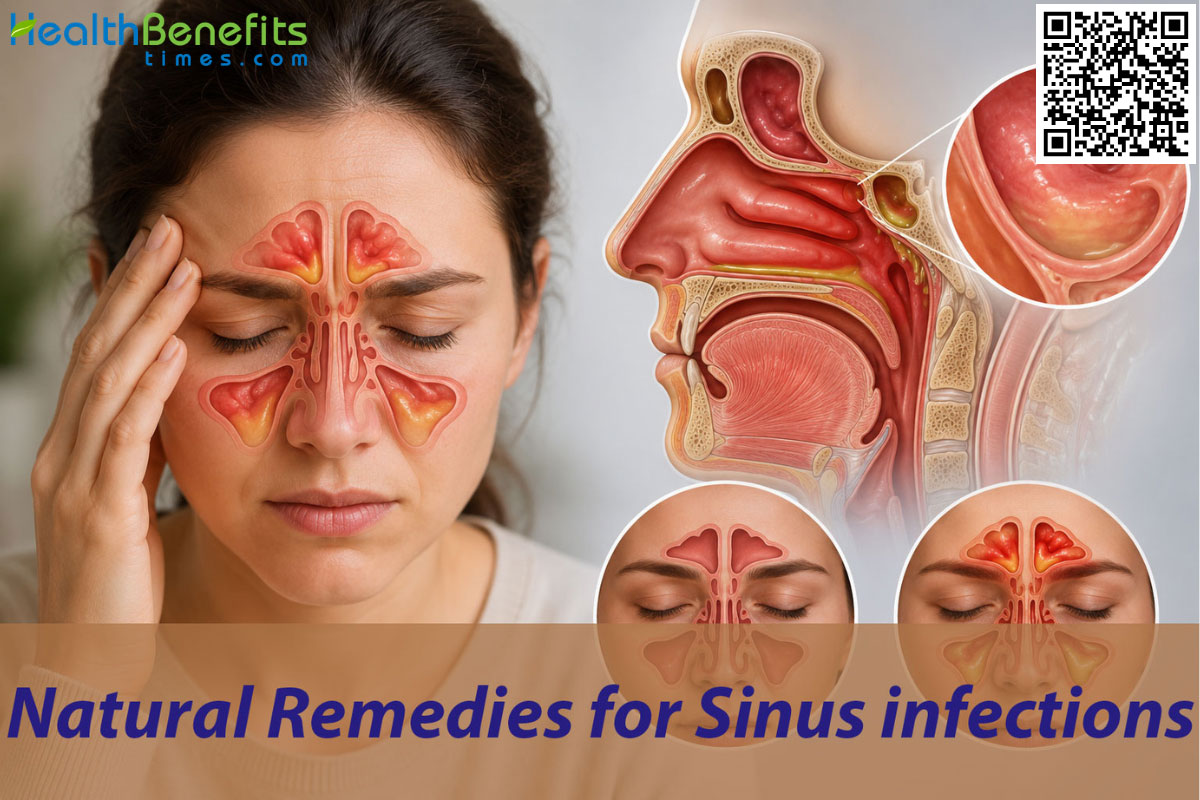
A throbbing ache behind the eyes and a persistently blocked nose are unmistakable signs of what clinicians call rhinosinusitis, universally known as a sinus infection. Medically defined, this condition is the symptomatic inflammation of the mucous membranes that line the paranasal sinuses the hollow, air-filled cavities situated within the bones of the face and skull 1. Under normal circumstances, these cavities produce thin mucus that traps dust and pathogens before draining harmlessly into the nasal passages. However, when a viral cold, bacterial infection, or allergic reaction triggers localized swelling, the narrow drainage pathways become mechanically obstructed 2. This trapped fluid creates an optimal environment for microbial overgrowth, leading to a buildup of internal pressure. Patients subsequently experience hallmark symptoms including facial pain, nasal congestion, thick or discolored drainage, and a diminished sense of smell. Depending on how long this inflammatory cascade persists, the condition is clinically classified as either acute (resolving in under four weeks) or chronic (lasting beyond twelve weeks) 3.
Causes of Sinus infections
Understanding the precise underlying trigger of the initial tissue inflammation is essential for selecting the most effective and appropriate relief strategy. A wide variety of both environmental and biological factors can independently initiate the severe swelling of the nasal passages.
- Viral Infections: The vast majority of episodes actually begin as a standard, everyday viral respiratory cold that causes initial mucosal swelling and completely prevents the sinus cavities from flushing themselves out normally 4.
- Bacterial Infiltration: When thick, trapped mucus is allowed to sit stagnant in the facial cavities for extended periods, opportunistic bacteria can easily colonize the area, leading to secondary bacterial sinusitis which routinely lasts much longer than a standard week 5.
- Allergic Reactions: Seasonal or perennial allergies to common environmental triggers like pollen, mold spores, dust mites, or pet dander can prompt an aggressive, localized immune response, dramatically swelling the nasal passages even in the total absence of any virus.
- Structural Abnormalities: Physical and anatomical blockages within the nasal airway, such as a severely deviated septum or the presence of nasal polyps (which are small, benign, tear-drop-shaped growths on the lining of the nose), physically impede the proper, daily drainage of mucus 6.
- Environmental Irritants: Routine exposure to harsh, airborne chemicals, exceptionally strong synthetic perfumes, high levels of indoor pollution, or active and passive tobacco smoke can directly burn and irritate the fragile mucosal lining.
- Fungal Pathogens: In relatively rare clinical cases, particularly among individuals possessing weakened immune systems or specific, severe allergic profiles, inhaled microscopic fungal spores can permanently colonize the dark, moist sinus cavities.
Symptoms of Sinus infections
Recognizing the highly specific physical signs helps patients greatly in differentiating this painful condition from routine, harmless allergies or a fleeting viral cold.
- Thick, highly discolored (often yellow or dark green) mucus continuously draining from the nose.
- Uncomfortable mucus dripping persistently down the back of the throat, commonly known as post-nasal drip.
- Intense, localized facial pain, tenderness, and heavy pressure, particularly isolated around the eyes, cheeks, forehead, and the bridge of the nose.
- Severe, immovable nasal congestion that entirely restricts normal, effortless breathing through the nasal airway.
- A persistent, dull, throbbing headache that frequently worsens in intensity when leaning forward or bending down toward the floor.
- Raw irritation in the throat tissues leading to a chronic, nagging, and unproductive cough.
- Noticeable, unpleasant bad breath (halitosis), directly resulting from the physical accumulation of stagnant, infected mucus in the airway.
- Decreased or completely lost sense of smell and taste due to the blockage of olfactory receptors.
- General, systemic physical fatigue, muscular weakness, and occasionally a mild, low-grade fever.
Sinus infections Facts table
| Feature | Details |
| Symptoms |
|
| Causes |
|
| Types of Sinus infections |
|
| How does spread |
|
| Age Group |
|
| You might be at a higher risk for exposure of this disease if you: |
|
| How doctors diagnose |
|
| Other facts |
|
Natural Remedies for Sinus infections
Addressing the immense physical discomfort of inflamed facial sinuses often involves gently encouraging internal drainage, naturally reducing delicate tissue swelling, and keeping the entire respiratory system deeply hydrated. An expansive array of natural, non-pharmacological interventions has proven highly effective in resolving acute symptoms and restoring normal breathing.
1. High-Volume Saline Nasal Irrigation
Washing out the internal nasal passages remains a fundamental cornerstone of holistic and natural sinus care. By mechanically flushing a specially prepared mixture of salt and pure water through the complex nasal cavity, accumulated stagnant mucus, trapped environmental antigens, and harmful inflammatory cells are directly removed from the irritated area 7. The liquid saline solution not only thoroughly cleans the mucosal surface but also actively dilutes thick, immovable secretions, making it significantly easier for the tiny, microscopic hair-like structures (known as cilia) in the nose to sweep cellular debris away. Routine, daily irrigation has been clinically demonstrated to significantly reduce long-term symptom severity and decrease a patient’s overall reliance on harsh over-the-counter medications 8. Furthermore, incorporating natural additives like pharmaceutical-grade xylitol or sodium hyaluronate into the saline water can enhance the soothing effects and promote faster mucosal healing.
Note: You can easily apply this remedy by filling a sterile neti pot or medical squeeze bottle with a properly prepared saline solution. Lean safely over a sink, tilt your head sideways, and gently pour the liquid into your upper nostril, letting it drain freely out the lower one.
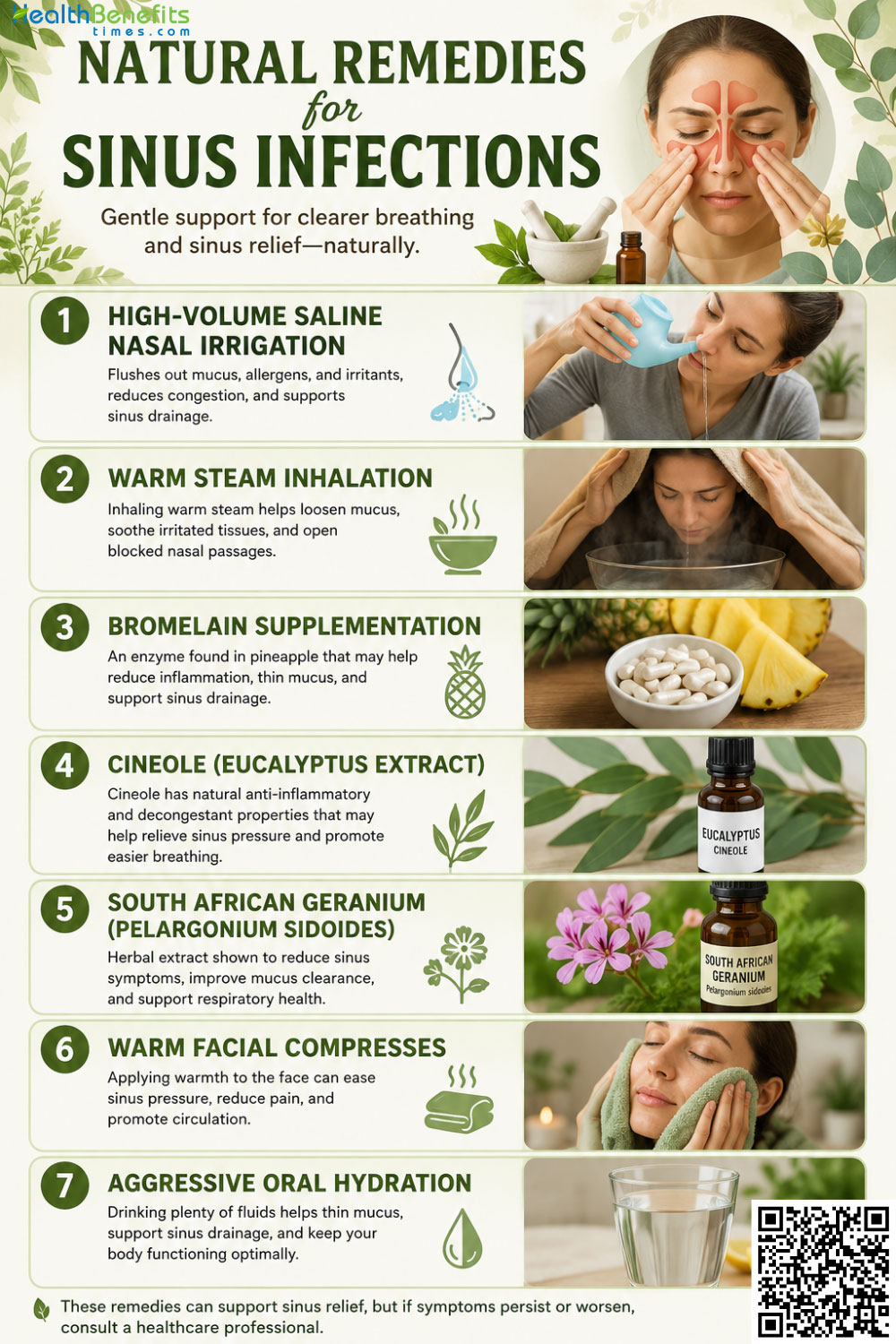
2. Warm Steam Inhalation
Introducing consistent, warm moisture into the upper respiratory tract helps instantly soothe painfully irritated mucosal tissues. Vaporized steam acts as a highly effective, natural expectorant, gently raising the ambient temperature of the nasal passages and adding much-needed physical humidity to dry, hardened mucus blockages. This specific thermal process effectively liquifies the stubborn, thick secretions currently blocking the sinus ostia (the very small, natural openings to the sinuses), facilitating much easier natural drainage and providing immediate, albeit temporary, relief from intense facial pressure 9.
Note: You should perform this comforting technique by sitting quietly in a closed bathroom with a hot shower running, allowing the small room to fill entirely with thick steam. Alternatively, you can hover your face safely over a large bowl of hot water with a thick towel draped completely over your head for 10 to 15 minutes.
3. Bromelain Supplementation
Extracted primarily from the fibrous stem and fleshy fruit of the tropical pineapple plant, bromelain is a highly complex, natural mixture of protein-digesting enzymes. In multiple clinical evaluations, this botanical extract has exhibited exceptionally potent anti-inflammatory and mucolytic (mucus-thinning) properties within the human body. The unique enzymes actively help break down the dense, complex protein structures found in thick, infected mucus and tangibly reduce the overall swelling of the delicate nasal tissues, leading to a marked, measurable improvement in breathing capacity and a distinct reduction of facial pain 10. Bromelain notably possesses an excellent physiological capacity to distribute directly from the human bloodstream into the rhinosinusal mucosa, making it a highly effective, targeted natural agent for various sinus pathologies 11.
Note: You can consume bromelain easily in the form of natural dietary supplement capsules, which are typically taken on an empty stomach to maximize their systemic, whole-body anti-inflammatory benefits rather than acting merely as a simple digestive aid.
4. Cineole (Eucalyptus Extract)
Cineole, the primary active medicinal compound found abundantly in the essential oil of eucalyptus leaves, offers profound therapeutic relief for severely congested human airways. This naturally occurring monoterpene directly and positively influences the inflammatory immune response within the respiratory tract. It works diligently to decrease the physical viscosity of nasal secretions, significantly reduce the painful swelling of the mucous membranes, and actively control the frustrating hypersecretion of mucus 12. Furthermore, cineole possesses mild but effective antimicrobial properties that gently assist the body in maintaining a healthy, balanced microbial environment within the deep nasal cavities, preventing further bacterial overgrowth.
Note: You can apply this remedy safely by adding a few drops of pure, high-quality eucalyptus essential oil to your hot steam inhalation bowl, or you may find isolated cineole formulated into oral dietary supplements specifically designed for respiratory health.
5. South African Geranium (Pelargonium sidoides)
Traditional herbal medicine has long utilized the potent root extract of the Pelargonium sidoides plant for treating severe respiratory ailments. Modern therapeutic applications frequently rely on this specific botanical for its impressive immunomodulatory effects on the human body. The root extract, particularly a highly standardized clinical formulation known as EPs7630, assists the immune system by actively inhibiting the excessive inflammatory chemical pathways that trigger extreme sinus swelling. It also successfully stimulates the natural activity of specific white blood cells, promoting a much faster resolution of lingering post-viral and acute bacterial sinus symptoms 13.
Note: You can use this natural botanical remedy by taking it as a standardized liquid extract or oral tablet, usually consumed at the very earliest signs of a cold or sinus congestion, to help drastically shorten the overall duration of the illness.
6. Warm Facial Compresses
Applying external, gentle heat directly to the face is a remarkably simple yet highly effective traditional method for addressing localized sinus pressure. The soothing warmth penetrates the outer skin layers to safely increase local blood circulation in the precise areas around the eyes, cheeks, and forehead. This gentle, thermal vasodilation helps deeply soothe inflamed facial tissues, actively relaxes surrounding muscle tension caused by constant squinting or pain, and gently encourages the internal, trapped mucus to thin out and drain properly into the throat 14.
Note: You can apply this physical remedy by soaking a clean, soft washcloth in comfortably hot water, wringing out the excess liquid, and resting it gently across the bridge of your nose and upper cheeks for 5 to 10 minutes, repeating the process several times throughout the day.
7. Aggressive Oral Hydration
Systemic bodily hydration directly dictates the physical consistency of the body’s internal mucus production. When the human body is even mildly dehydrated, it automatically attempts to conserve internal water, resulting in thick, sticky, and highly viscous nasal secretions that are incredibly difficult for the body to clear naturally. By consuming an absolute abundance of clear, healthy fluids, the body is able to naturally dilute and drastically thin the mucus from within. Pure water, clear warm broths, and decaffeinated herbal teas all contribute effectively to keeping the mucous membranes highly moist and fully functional, allowing the microscopic self-cleaning mechanism of the sinuses to operate at peak efficiency 15.
Note: You should confidently drink a large glass of pure water every few hours, aiming for continuous, aggressive hydration throughout the entire day, and prioritize warm liquids like chamomile or ginger tea to provide immediate, soothing relief to your raw throat as well.
Is there any exercise or physical activities for Sinus infections
While engaging in strenuous physical exertion can sometimes dangerously exacerbate feelings of pressure in the head, certain carefully targeted physical activities and ancient breathing exercises are highly beneficial for properly ventilating the sinuses and promoting internal healing.
1. Bhramari Pranayama (Humming Bee Breath)
Ancient yogic practices have successfully introduced specific breathing techniques that rely purely on internal sound vibrations to promote deep sinus health. Bhramari Pranayama intimately involves making a loud, continuous humming sound during a heavily prolonged exhalation. The physical vibrations produced by the internal hum act as a powerful “sonic cleanser,” mechanically shaking the stagnant air within the nasal passages. This vibration effectively helps to physically dislodge stubborn, thick mucus and gently open up blocked sinus ostia. Additionally, the continuous humming action dramatically increases the body’s natural production of nitric oxide inside the nasal cavity by up to 15-fold; this is a vital natural gas that dilates blood vessels, reduces local inflammation, and actively inhibits bacterial growth 16.
Note: You can do this exercise safely by sitting comfortably, closing your eyes, lightly placing your index fingers directly over your eyebrows and thumbs over your ear canals, taking a deep breath in, and exhaling very slowly while making a steady, loud humming sound.
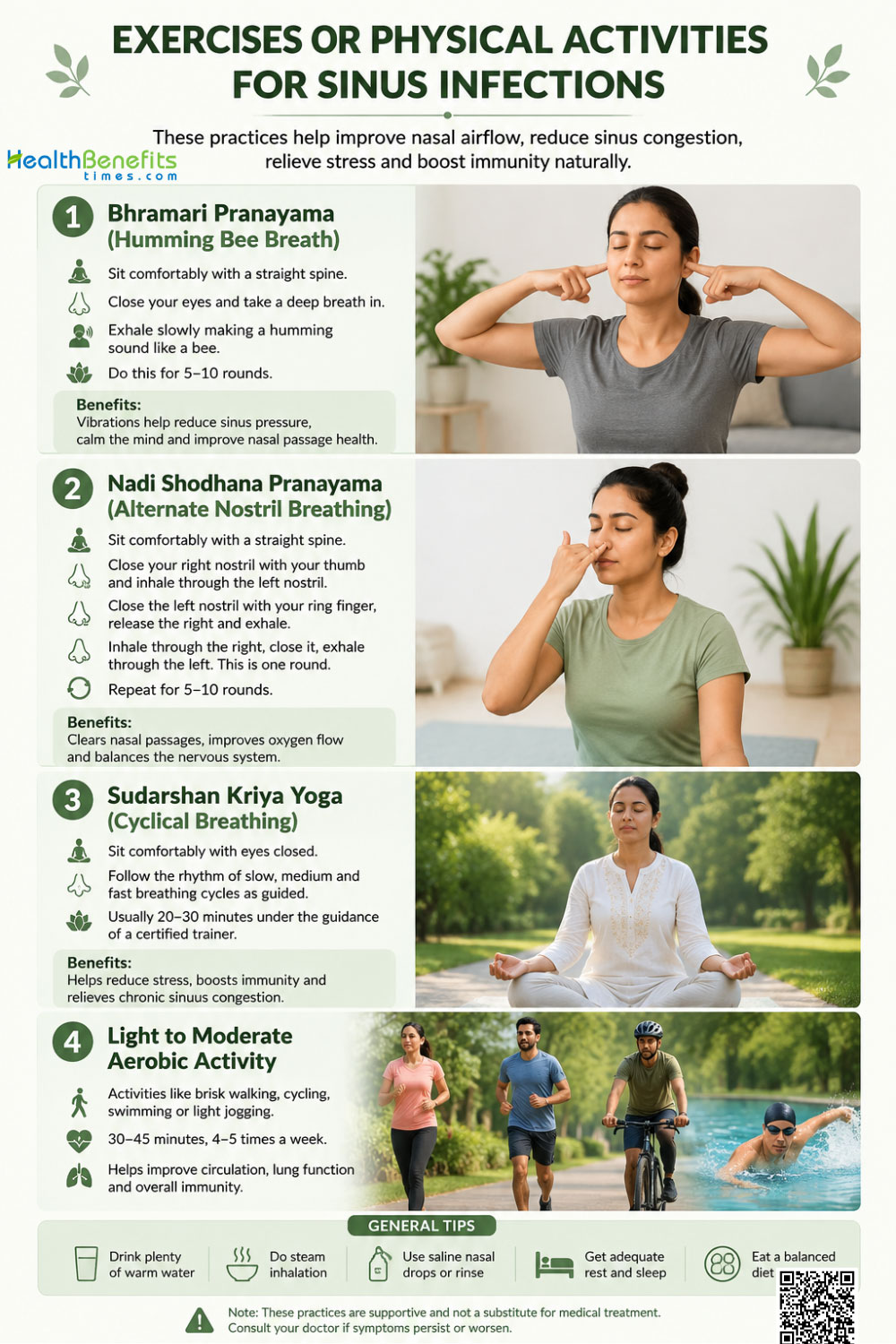
2. Nadi Shodhana Pranayama (Alternate Nostril Breathing)
Regulating the physical flow of air evenly through the respiratory system can rapidly calm the central nervous system and efficiently clear mild nasal congestion. Alternate nostril breathing forces the practitioner to focus entirely on controlled, incredibly slow respiration, actively preventing the rapid, shallow chest breathing that so often accompanies a severely stuffy nose. By intentionally shifting the physical airflow from one nostril to the other in a rhythmic pattern, this exercise gently encourages the swollen nasal passages to remain physically open and perfectly balances the uneven pressure inside the head 17.
Note: You can do this by sitting comfortably, using your right thumb to gently close your right nostril while you inhale deeply through the left. Then, effortlessly close the left nostril with your ring finger, open the right nostril, and exhale fully. Reverse the process and repeat for several calming cycles.
3. Sudarshan Kriya Yoga (Cyclical Breathing)
Modulating the breath through structured rhythms is known to profoundly impact the body’s autonomic nervous system. Sudarshan Kriya Yoga involves progressing through highly specific types of cyclical breathing patterns, carefully ranging from very slow and calming rhythms to rapid, highly stimulating breaths. These structured variations in air intake help regulate the body’s baseline stress response, which is crucial because high physiological stress actively exacerbates physical inflammation and depresses the immune system’s ability to fight off a lingering sinus infection 18.
Note: You can do this carefully under the guidance of a trained instructor, beginning with slow, deeply rhythmic breathing that matches your heart rate, gradually increasing the pace to stimulate airflow, and ending with a prolonged, relaxing meditative breath cycle.
4. Light to Moderate Aerobic Activity
Engaging in very gentle aerobic exercise, such as taking a brisk, unhurried walk outdoors, can successfully and temporarily relieve frustrating nasal obstruction. Physical activity immediately stimulates the body’s sympathetic nervous system, prompting the adrenal glands to release small amounts of adrenaline. This natural hormonal shift causes the tiny blood vessels within the severely swollen nasal mucosa to rapidly constrict, physically shrinking the inflamed tissues and temporarily opening the airway, which immediately lowers nasal resistance to airflow 19.
Note: You should strictly keep the physical exercise light, such as a gentle 20-minute walk on a completely flat surface, and immediately stop if you feel dizzy, experience heavy chest pressure, or notice your facial headache worsening.
Foods and Activities to Avoid When You Suffer From Sinus infections
Your daily lifestyle habits and dietary choices heavily influence exactly how quickly your body is able to resolve internal inflammation. Certain physiological inputs can actively thicken your mucus or unfortunately trigger further tissue swelling.
Foods to Avoid
1. Dairy Products
While the scientific idea that dairy creates entirely new mucus is debated, you should avoid it because many people experience a distinct thickening of existing saliva and nasal secretions after consuming milk or cheese, which can make your congestion feel significantly worse 20.
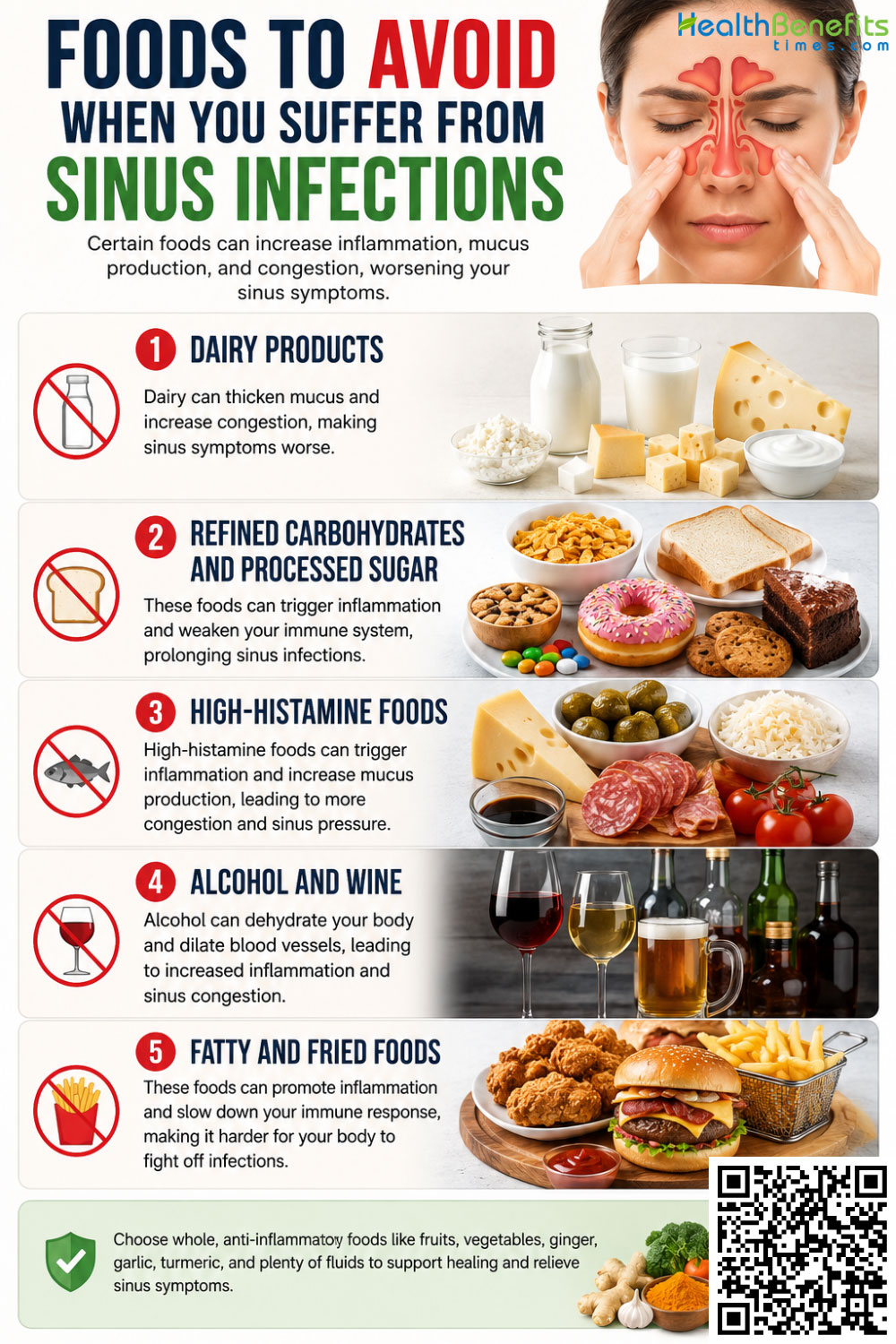
2. Refined Carbohydrates and Processed Sugar
You need to strictly limit processed sugars, as high intake causes rapid spikes in your blood sugar, triggering a massive cascade of pro-inflammatory cytokines in your body that can prolong your sinus swelling 21.
3. High-Histamine Foods
You should actively avoid foods like fresh tomatoes, aged cheeses, and certain fermented products, because they contain naturally high levels of chemical histamines, which can easily mimic allergic reactions and drastically increase your nasal congestion 22.
4. Alcohol and Wine
You must avoid alcohol entirely during an infection, as it acts as a potent dehydrating agent and often contains added histamines or sulfites, both of which provoke intense tissue swelling and dramatically worsen nasal stuffiness.
5. Fatty and Fried Foods
You should step away from diets heavy in saturated fats and heavily processed fast foods, as they actively promote systemic, whole-body inflammation, making it exceptionally harder for your immune system to efficiently resolve the sinus infection.
Activities to Avoid
1. Air Travel
You must avoid flying in a pressurized airplane cabin while severely congested, as it forces extreme barometric pressure changes onto your blocked sinuses, leading to agonizing facial pain and potential physical damage to your eardrums 23.
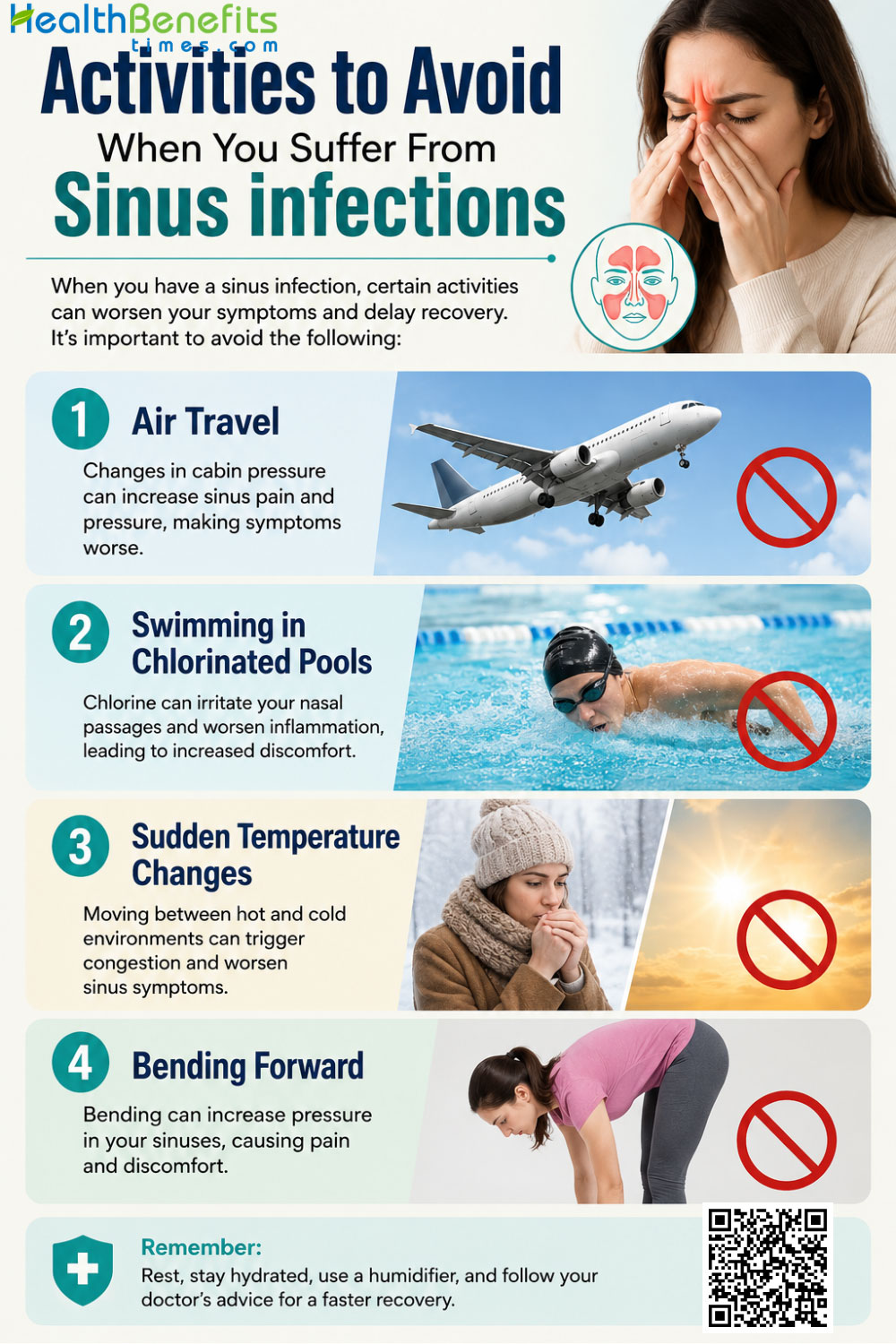
2. Swimming in Chlorinated Pools
You should skip the pool, because chlorine is a highly harsh chemical irritant. Swimming, and particularly diving underwater, can aggressively force chlorinated water deep into your nasal passages, irritating the mucosa and exacerbating the active infection.
3. Sudden Temperature Changes
You need to avoid moving rapidly between a heavily air-conditioned, freezing room and the hot, humid outdoors, as this thermal shock can trigger the sensitive nasal membranes to suddenly swell or produce a severely runny nose.
4. Bending Forward
You should absolutely avoid hanging your head downward or practicing inverted yoga poses, because this directly shifts the heavy fluid dynamics inside your facial cavities, substantially increasing the localized pressure and instantly intensifying sinus headaches.
Myths and Misconceptions
| Myth | Reality |
| Antibiotics are always entirely necessary to cure a sinus infection. | Most routine cases are caused directly by viral pathogens, against which pharmaceutical antibiotics are entirely useless. Non-pharmacological treatments are often the absolute best first-line defense. |
| Sinusitis itself is a highly contagious disease that spreads easily. | The resulting sinus infection is definitively not contagious. However, the underlying, initial cold virus that originally triggered the inflammation can spread from person to person through casual coughing or sneezing. |
| Yellow or green mucus automatically means you have a severe bacterial infection. | Both viral and bacterial infections can easily cause highly discolored mucus. The distinct color change is primarily a result of dead white blood cells accumulating heavily in the mucus, not necessarily the exact type of germ present |
| Sinus infections only ever occur during the cold, freezing winter months. | While seasonal weather changes certainly affect the immune system, rampant allergies, high environmental pollutants, and poor indoor air quality can provoke intense sinus inflammation at any point in the calendar year. |
| If you don’t have severe, blinding facial pain, it’s definitely not a sinus infection. | Symptoms vary incredibly widely among patients. While extreme facial pressure is common, some individuals only experience persistent nasal congestion, post-nasal drip, deep fatigue, or an altered sense of smell. |
Special Considerations
1. Children
The pediatric immune system and developing nasal anatomy are highly vulnerable, making young children exceptionally susceptible to upper respiratory tract infections. Paranasal rhinosinusitis is a very common, frustrating complication of routine viral colds in children. Because their internal sinus cavities are physically smaller, they block much more easily than an adult’s. Establishing strong, daily preventative measures, such as encouraging regular outdoor physical activity and strictly limiting the intake of highly salty snacks and carbonated sweet drinks, has been clinically correlated with a significantly lower risk of a child developing recurrent sinusitis 27. For managing active infections in toddlers and children, relying on gentle saline drops and utilizing a cool-mist room humidifier are generally considered the safest and absolute most effective natural remedies available.
2. Pregnancy
During the course of a normal pregnancy, massive hormonal fluctuations specifically heavily elevated levels of estrogen and progesterone naturally increase the volume of blood flowing to the mucous membranes, causing them to physically swell. This specific medical condition, widely known as pregnancy rhinitis, makes expectant mothers highly prone to severe sinus blockages. Given the strict medical restrictions on pharmaceutical medications during gestation, non-pharmacologic physical interventions are highly prioritized by physicians. Standard saline nasal irrigation is considered entirely safe across all three trimesters, as is sleeping with an elevated head using multiple pillows and constantly utilizing humidified air in the bedroom to drastically reduce mucosal dryness 28.
3. Chronic Conditions
Individuals actively battling chronic rhinosinusitis (which refers to severe symptoms continuously lasting over 12 full weeks) frequently require highly detailed, long-term maintenance rather than a simple, quick cure. For these suffering individuals, underlying systemic issues such as chronic asthma, diagnosed immune deficiencies, or incredibly severe environmental allergies play a massive, defining role in their disease. In such complex scenarios, establishing daily natural interventions, particularly strict, high-volume saline irrigation, becomes a necessary, non-negotiable routine to continually manage persistent bacterial biofilm buildup and preserve mucosal function, often acting in powerful tandem with carefully prescribed topical corticosteroids 29.
4. Elderly
The inevitable process of aging brings distinct, often challenging physiological changes to the entire respiratory system. Elderly patients frequently experience an overall, systemic decrease in mucosal hydration and a noticeable weakening of the mucociliary clearance system, making it significantly harder for their bodies to naturally sweep away routine infections. When actively managing complex sinus issues in older populations, medical supportive care focuses heavily on aggressive room humidification, applying safe hot compresses, and performing gentle saline rinses. This holistic approach is vital because older adults are far more biologically sensitive to the severe, adverse side effects commonly associated with systemic antibiotics and heavy oral decongestants 30.
Precaution before use of natural remedies when you have Sinus infections
While natural therapies are overwhelmingly safe and effective, improper application or poor hygiene can inadvertently introduce entirely new dangers or severely worsen your existing symptoms.
- Mandatory Use of Sterile Water: If you are utilizing a neti pot or nasal squeeze bottle, you must ensure the water is strictly distilled, medically sterile, or previously boiled and completely cooled. Using untreated tap water carries a rare but utterly fatal risk of introducing deadly brain-eating amoebas, such as Naegleria fowleri or Acanthamoeba, directly into your central nervous system 31.
- Disinfection of Equipment: You must rigorously clean and thoroughly air-dry your nasal irrigation devices after every single use. Harmful bacteria can easily colonize a damp, improperly stored neti pot, turning a highly effective healing tool into a dangerous source of constant reinfection.
- Care with Essential Oils: You must never apply pure eucalyptus or other essential oils directly inside your nostrils or swallow them, as they are highly concentrated plant chemicals and can cause severe, agonizing chemical burns to your delicate mucous membranes.
- Limits on Over-the-Counter Sprays: If you choose to use natural remedies alongside commercial medicated decongestant sprays, you must strictly restrict the chemical spray usage to no more than 3 to 5 consecutive days. Prolonged use directly causes a physiological rebound effect, making your nasal stuffiness significantly worse and leading to drug dependence 14.
- Temperature Caution: When you are utilizing hot steam or applying warm facial compresses, you must ensure the physical temperature is perfectly comfortable and safe against the skin. Inhaling scalding, boiling steam can easily result in dangerous, permanent thermal burns to the face and lower respiratory tract.
When to see Doctor
Home remedies provide incredible, robust support for the immune system, but certain glaring warning signs strongly indicate that the infection has progressed far beyond the scope of natural care and requires immediate, professional medical evaluation.
- You should seek immediate medical help if your painful symptoms show absolutely no physical improvement or continue to steadily worsen after 10 to 14 days of dedicated, rigorous home treatment.
- You must see a doctor if you suddenly develop a high fever exceeding 102.2°F (39°C), which strongly indicates a severe, rapidly spreading systemic bacterial infection.
- You need urgent care if you experience severe tissue swelling, sudden redness, or profound, throbbing pain localized around one or both of your eyes, which may strongly indicate the sinus infection is dangerously spreading directly into the optical cavity.
- You should consult a physician immediately if you suffer from an incredibly severe headache that feels distinctly different and much worse than a typical sinus headache, especially if it is accompanied by a stiff neck, visual confusion, or extreme lethargy.
- You must make an appointment if your thick nasal discharge remains continuously dark green, heavily blood-tinged, or highly foul-smelling after multiple weeks of strict, daily intervention.