

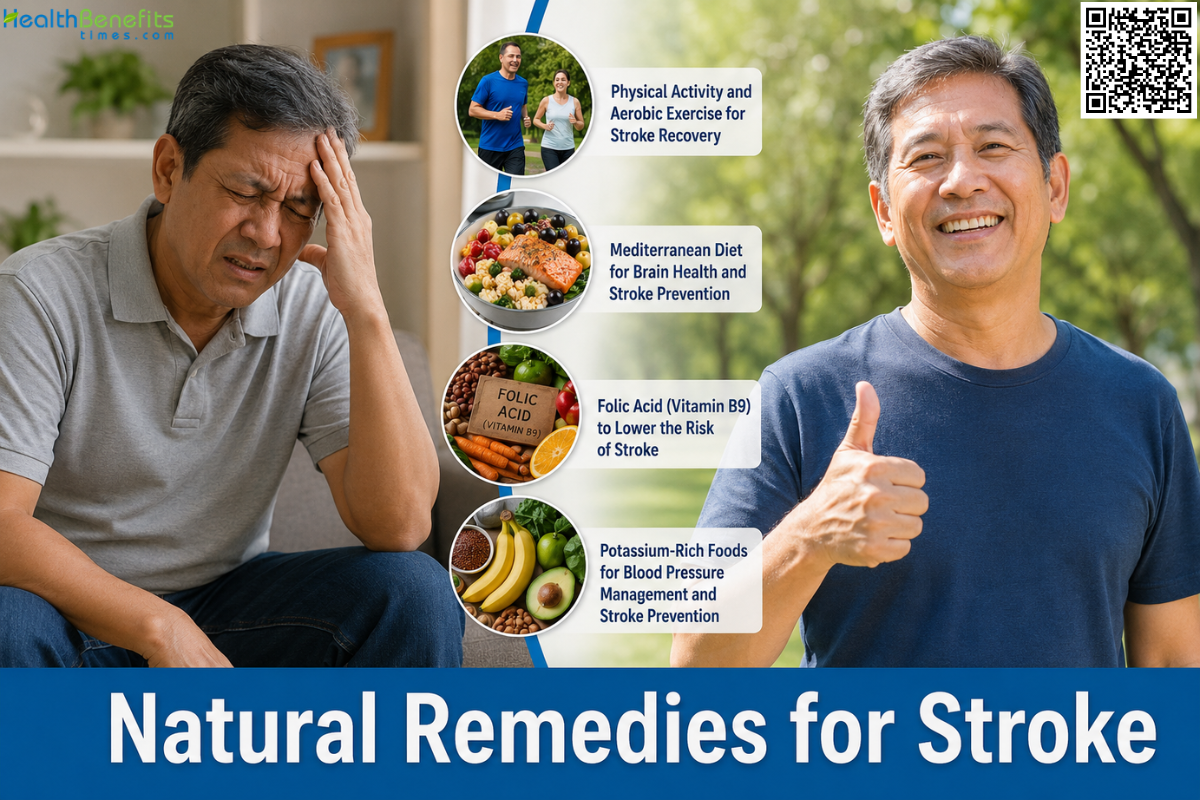
A stroke, often described as a “brain attack,” is a critical medical emergency that occurs when the blood supply to part of the brain is interrupted or reduced. Without a steady flow of oxygen-rich blood, brain cells begin to die rapidly within minutes 1. Clinically, strokes are classified into two primary categories: ischemic strokes, which account for roughly 85% of cases and result from a clot blocking a blood vessel, and hemorrhagic strokes, which occur when a weakened blood vessel leaks or bursts in the brain 2. Some individuals may also experience a transient ischemic attack (TIA), a temporary blockage known as a “mini-stroke” that serves as a severe warning sign for future events. Because of the rapid onset of tissue damage, stroke is a leading global cause of long-term neurological disability and mortality, making immediate medical intervention essential to restore blood flow and minimize permanent injury 3.
Causes of Stroke
1. Blood Clots (Thrombosis and Embolism)
A stroke most frequently occurs when a blood clot physically blocks an artery supplying the brain. Clots can form directly within a narrowed brain artery, or they can originate elsewhere—commonly the heart—and travel through the bloodstream until they become wedged in a smaller brain vessel 4.
2. Fatty Plaque Buildup (Atherosclerosis)
Over time, cholesterol and cellular waste can accumulate on the inner walls of arteries, creating hard plaques. This buildup progressively narrows the blood vessels, severely restricting oxygen delivery to the brain and creating an irregular surface that encourages clots to form 5.
3. Chronic High Blood Pressure (Hypertension)
Uncontrolled high blood pressure is the primary cause of bleeding in the brain. The continuous, excessive force of blood flow damages the structural integrity of brain arteries over time, making them brittle and prone to bursting 6.
4. Irregular Heartbeat (Atrial Fibrillation)
This common rhythm disorder causes the heart’s upper chambers to beat chaotically rather than in a synchronized rhythm. Because the heart fails to pump efficiently, blood can pool and coagulate into clots that are subsequently pumped out into the brain’s circulation.
5. Weakened Blood Vessel Walls (Aneurysms)
An aneurysm is an abnormal, balloon-like bulge in an artery caused by a localized weakness in the vessel wall. If internal blood pressure strains the thinned tissue too far, the aneurysm can rupture, flooding the surrounding brain tissue with blood 7.
6. Abnormal Blood Vessel Connections (Arteriovenous Malformations)
An arteriovenous malformation (AVM) is a congenital condition where arteries and veins in the brain tangle and connect directly, bypassing the normal capillary network. These defective blood vessels have abnormally thin walls and can spontaneously rupture, triggering a sudden bleeding stroke 8.
Symptoms of Stroke
1. Sudden Numbness or Weakness
A sudden loss of sensation or muscle strength in the face, arm, or leg is a primary indicator of an acute stroke, typically presenting on only one side of the body. Because the brain’s hemispheres control opposite sides of the physical body, localized brain damage causes asymmetrical paralysis, which is often observed as an involuntary facial droop or an inability to hold both arms elevated.
2. Speech and Comprehension Difficulties
A stroke can rapidly disrupt the specialized language processing centers of the brain, leading to sudden cognitive confusion and communication failures. Affected individuals may produce slurred or unintelligible speech, use incorrect words, or completely lose the ability to understand what others are saying.
3. Sudden Vision Loss or Changes
Interrupted blood flow to the visual cortex or the optic nerve pathways frequently causes immediate sensory deficits. Individuals may experience double vision, blurred or darkened areas in their field of view, or a complete, sudden loss of sight in one or both eyes 9.
4. Loss of Balance and Dizziness
When a stroke damages the cerebellum or brainstem—the neurological centers responsible for regulating motor control and spatial awareness—it triggers sudden dizziness and a severe loss of coordination. This disruption commonly results in an unsteady gait, making it exceptionally difficult for the person to walk or stand without falling 10.
5. Severe, Unexplained Headache
An extraordinarily sudden and intense headache, frequently described by patients as the worst headache of their lives, is a classic clinical sign of a hemorrhagic stroke. This extreme pain is generated by the rapid accumulation of pressure within the skull when a weakened blood vessel ruptures and floods the surrounding brain tissue with blood.
Natural Remedies for Stroke
1. Physical Activity and Aerobic Exercise for Stroke Recovery
How it may help
Regular aerobic exercise helps the brain heal after a stroke by encouraging new connections between brain cells. It also strengthens the heart, improves blood flow to the brain, lowers high blood pressure, and directly reduces the chances of having another stroke.
What research says
Studies confirm that aerobic exercise significantly improves physical movement, walking speed, and balance in stroke survivors 11. Clinical guidelines emphasize that targeted, routine physical activity lowers overall cardiovascular risk and improves long-term survival rates after a stroke 12.
How to use it safely
You should only start an exercise program after getting clearance from your doctor. Begin with short, gentle sessions, such as five to ten minutes of supported walking. Gradually increase your activity level while working with a physical therapist to ensure proper form and prevent falls.
Potential precautions or side effects
Overexertion can cause extreme fatigue, muscle strain, or dizziness. Stop exercising immediately and seek medical help if you experience chest pain, shortness of breath, or a sudden uneven heartbeat.
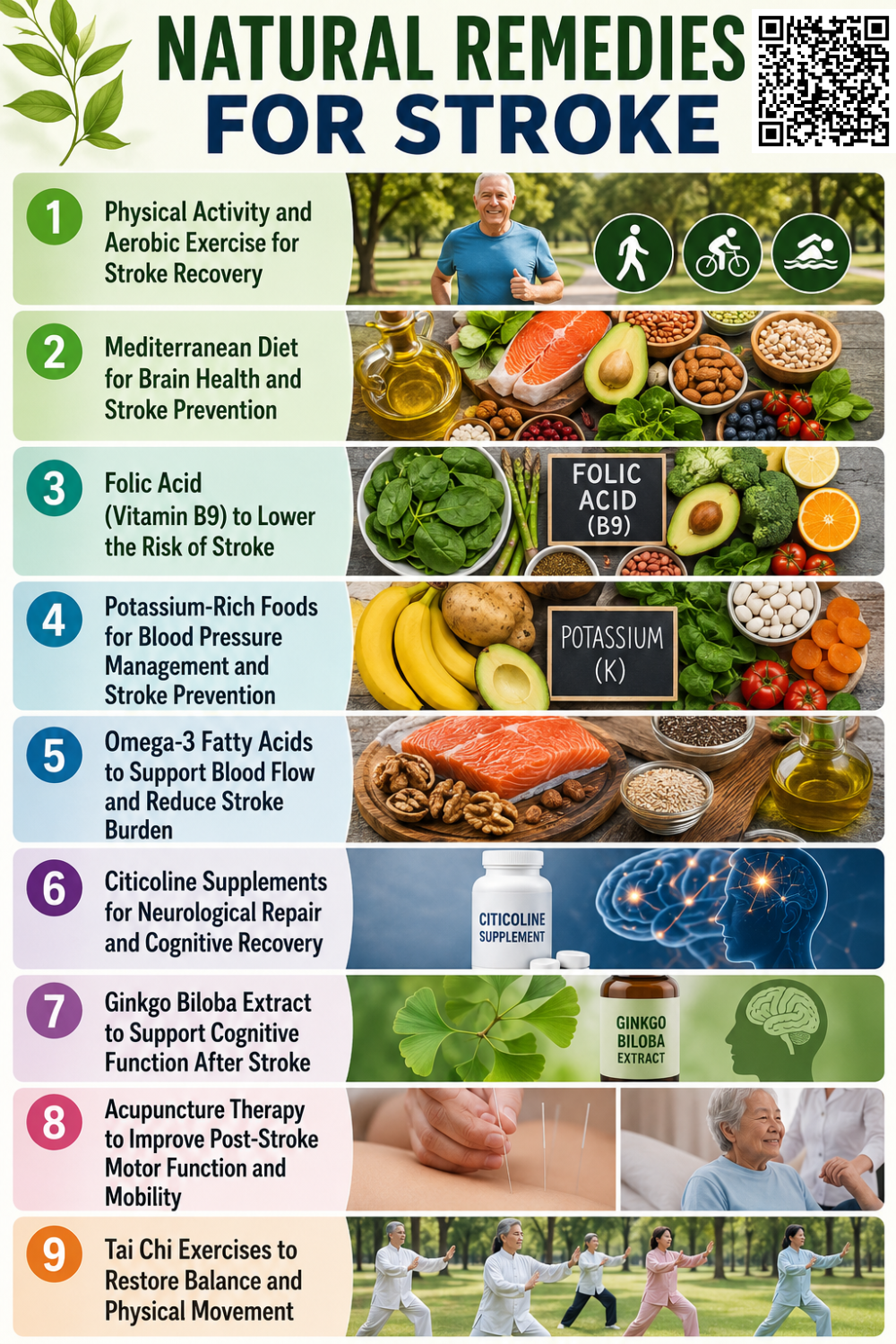 2. Mediterranean Diet for Brain Health and Stroke Prevention
How it may help
The Mediterranean diet focuses on plant-based foods, healthy fats, and lean proteins, which help lower inflammation and keep blood vessels healthy. By naturally reducing high blood pressure and bad cholesterol levels, this dietary pattern directly lowers the risk of blocked arteries that can trigger a stroke.
What research says
Extensive research concludes that a Mediterranean diet supplemented with extra-virgin olive oil or mixed nuts substantially reduces the risk of major cardiovascular events, specifically stroke 13. Clinical evidence also confirms that sticking to this diet helps protect memory and thinking skills in stroke survivors 14.
How to use it safely
Base your daily meals on vegetables, fruits, whole grains, and beans. Use extra-virgin olive oil as your primary fat and eat fish or poultry at least twice a week. Limit red meat, processed foods, and added sugars to maximize the benefits for your brain.
Potential precautions or side effects
While extremely safe, you should monitor your portion sizes of nuts and olive oil to prevent unwanted weight gain. Be cautious if you have known allergies to nuts or seafood.
3. Folic Acid (Vitamin B9) to Lower the Risk of Stroke
How it may help
Folic acid helps the body break down homocysteine, a naturally occurring chemical in the blood. When homocysteine levels become too high, it can damage blood vessel walls and increase the chances of blood clots. By lowering this chemical, folic acid helps protect arteries and reduces stroke risk.
What research says
Clinical trials demonstrate that folic acid supplementation significantly reduces the risk of experiencing a first stroke, particularly in adults with high blood pressure 15. Extensive research confirms this protective benefit is directly linked to the vitamin’s ability to safely lower elevated homocysteine levels in the bloodstream 16.
How to use it safely
You can safely increase your intake by eating dark leafy greens, beans, and fortified grains. If you choose supplements, ask your doctor for the correct dosage. The standard recommendation for most adults is 400 micrograms daily to support heart and brain health.
Potential precautions or side effects
Taking high doses of folic acid can mask the symptoms of a vitamin B12 deficiency. If left untreated, a hidden B12 deficiency can cause permanent nerve damage.
4. Potassium-Rich Foods for Blood Pressure Management and Stroke Prevention
How it may help
Potassium is a vital mineral that helps the body remove excess sodium and relaxes the walls of blood vessels. By easing tension in the arteries, potassium naturally lowers high blood pressure, which is the leading cause of strokes. This relaxation allows blood to flow more freely to the brain.
What research says
Comprehensive studies show that higher potassium intake significantly lowers blood pressure in adults and directly reduces the overall risk of stroke by 24 percent 17. Health authorities conclude that increasing dietary potassium is a highly effective, evidence-based strategy to prevent cardiovascular events 18.
How to use it safely
Focus on getting potassium from whole foods rather than supplements. You should eat a variety of fruits and vegetables daily, such as spinach, sweet potatoes, bananas, beans, and avocados. Aim to incorporate these naturally potassium-rich foods into balanced meals to safely support your heart.
Potential precautions or side effects
If you have kidney disease or take certain blood pressure medications, excess potassium can dangerously build up in your blood. Always consult your doctor before increasing your potassium intake.
5. Omega-3 Fatty Acids to Support Blood Flow and Reduce Stroke Burden
How it may help
Omega-3 fatty acids help reduce inflammation and lower the levels of fats in the blood. They also prevent blood cells from sticking together, which stops dangerous blood clots from forming. By keeping blood vessels flexible and clear, these healthy fats ensure smooth blood flow to the brain.
What research says
Scientific studies confirm that regular consumption of omega-3 fatty acids significantly lowers the risk of stroke caused by blocked arteries 19. Clinical evidence also shows that these nutrients help protect brain tissue from severe damage and improve long-term physical recovery after a stroke occurs 20.
How to use it safely
You can naturally boost your omega-3 levels by eating fatty fish like salmon, mackerel, and sardines at least twice a week. If you choose to take fish oil supplements, always ask your doctor for the safest daily dose based on your current heart health.
Potential precautions or side effects
High doses of omega-3 supplements can increase the risk of bleeding, especially if you take blood-thinning medications. Mild side effects may include stomach upset or a fishy aftertaste.
6. Citicoline Supplements for Neurological Repair and Cognitive Recovery
How it may help
Citicoline is a naturally occurring chemical that helps build and repair cell membranes in the brain. After a stroke, it protects surviving nerve cells, reduces brain tissue damage, and supports the recovery of memory and thinking skills by increasing vital brain chemicals.
What research says
Clinical trials show that citicoline improves cognitive function and overall independence when administered after a stroke caused by a blocked artery 21. Research confirms it safely aids neurological repair and enhances memory restoration during the long-term post-stroke rehabilitation phase 22.
How to use it safely
You should only take citicoline under the strict guidance of a neurologist. It is available as a daily oral supplement or prescription medication. Always follow your doctor’s specific dosage instructions, as they will tailor the amount based on your individual recovery progress.
Potential precautions or side effects
Side effects are uncommon but may include mild stomach upset, headaches, insomnia, or unexpected blood pressure changes. Always consult your doctor before taking citicoline alongside other prescribed neurological medications.
7. Ginkgo Biloba Extract to Support Cognitive Function After Stroke
How it may help
Ginkgo biloba extract contains powerful antioxidants that protect brain cells from further damage. It also widens blood vessels and reduces blood stickiness, which improves healthy blood flow to the brain. This increased circulation helps support the recovery of memory, focus, and overall thinking skills after a stroke.
What research says
Clinical trials demonstrate that combining Ginkgo biloba extract with standard treatments significantly improves memory, learning, and daily functioning in stroke survivors 23. Furthermore, research concludes that this extract protects nerve cells from injury and speeds up the overall recovery of cognitive abilities 24.
How to use it safely
You must consult your neurologist before taking Ginkgo biloba, as it strongly affects blood clotting. If approved, purchase only standardized extracts to ensure safety and quality. Always follow the exact dosage prescribed by your doctor to carefully support your cognitive recovery.
Potential precautions or side effects
Ginkgo biloba dangerously increases the risk of severe bleeding when combined with blood-thinning medications. Mild side effects can include headaches, dizziness, allergic skin reactions, and stomach upset.
8. Acupuncture Therapy to Improve Post-Stroke Motor Function and Mobility
How it may help
Acupuncture involves inserting thin needles into specific points on the body to stimulate nerves and muscles. This traditional therapy increases blood flow to the brain and helps the nervous system create new pathways. By reducing muscle stiffness, it can improve movement and overall physical independence after a stroke.
What research says
Clinical reviews conclude that acupuncture, when combined with standard physical rehabilitation, significantly improves physical movement and reduces muscle stiffness in stroke survivors 25. Studies confirm it is an effective supplementary treatment that safely helps restore basic motor function and daily mobility during post-stroke recovery 26.
How to use it safely
You should only receive treatment from a licensed and certified acupuncturist who has experience with stroke rehabilitation. Always discuss this therapy with your neurologist beforehand to ensure it fits safely into your overall treatment plan. Ensure the practitioner strictly uses sterile, single-use needles.
Potential precautions or side effects
Mild side effects include slight pain or bruising at the needle sites. You must inform your practitioner if you take blood-thinning medications to prevent dangerous bleeding complications.
9. Tai Chi Exercises to Restore Balance and Physical Movement
How it may help
Tai Chi uses slow, deliberate movements and controlled breathing to retrain the brain and body. This gentle exercise strengthens leg muscles, enhances flexibility, and improves weight distribution. By teaching the body how to shift weight safely, it helps stroke survivors regain overall balance and coordination.
What research says
Clinical studies demonstrate that practicing Tai Chi significantly improves balance and physical mobility in stroke survivors 27. Furthermore, research concludes that this mindful exercise reduces the fear of falling and directly lowers the rate of actual falls during the post-stroke recovery period 28.
How to use it safely
You should begin with a certified instructor who specializes in physical rehabilitation. Start with modified, seated versions of the movements if your balance is unsteady. Always practice in a clear, well-lit room and use a sturdy chair or wall for support.
Potential precautions or side effects
The primary risk is accidentally falling while practicing. You may also experience mild muscle soreness or joint fatigue when first starting this new physical routine.
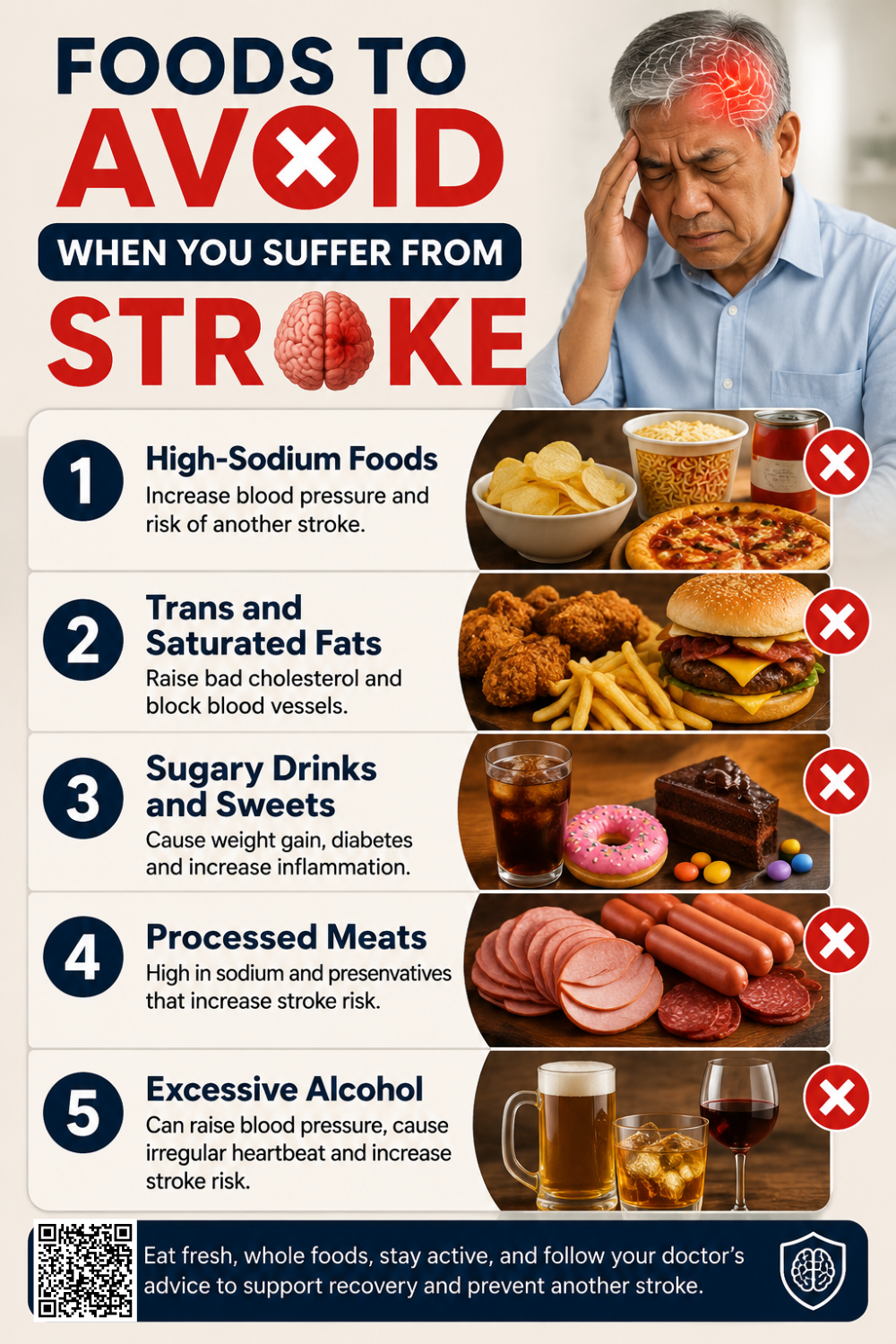 Foods to Avoid When You Suffer from Stroke
1. High-Sodium Foods
Consuming excessive salt raises blood pressure, a primary trigger for recurrent strokes. Avoid processed meals and canned soups to safely protect your recovering blood vessels 29.
2. Trans and Saturated Fats
Fried foods and fatty red meats build dangerous cholesterol plaque in arteries. This restricts essential blood flow to the brain and increases overall cardiovascular risk 30.
3. Sugary Drinks and Sweets
High intakes of added sugar drive weight gain and diabetes. These metabolic conditions severely damage blood vessel walls and heighten the probability of subsequent strokes 31.
4. Processed Meats
Bacon, sausages, and deli meats contain harmful chemical preservatives alongside high sodium. Dietary guidelines confirm that eating these meats significantly elevates long-term stroke risk 32.
5. Excessive Alcohol
Heavy drinking directly spikes blood pressure and dangerously interacts with prescribed blood thinners. You should strictly limit alcohol intake to safely support your ongoing neurological recovery 33.
When To See a Doctor When You Suffer from Stroke
1. Sudden Face or Limb Weakness
Seek immediate emergency care if you experience sudden numbness in the face, arm, or leg. This strongly indicates a new brain injury.
2. Speech Difficulties and Confusion
Go to a hospital immediately if sudden confusion or slurred speech occurs. Rapid medical help is strictly required to prevent permanent brain damage 34.
3. Sudden, Severe Headaches
An intense, unexplained headache can signal dangerous bleeding in the brain. You must seek emergency medical evaluation without delay to ensure survival 35.
4. Unusual Bleeding or Bruising
If you take prescribed blood thinners and notice excessive bruising, consult your doctor immediately. This requires prompt dosage adjustments to prevent dangerous blood loss 36.
5. Severe Mood Changes
Contact your healthcare provider if you experience persistent sadness. Clinical evidence shows post-stroke depression hinders physical recovery and requires targeted medical treatment 37.