

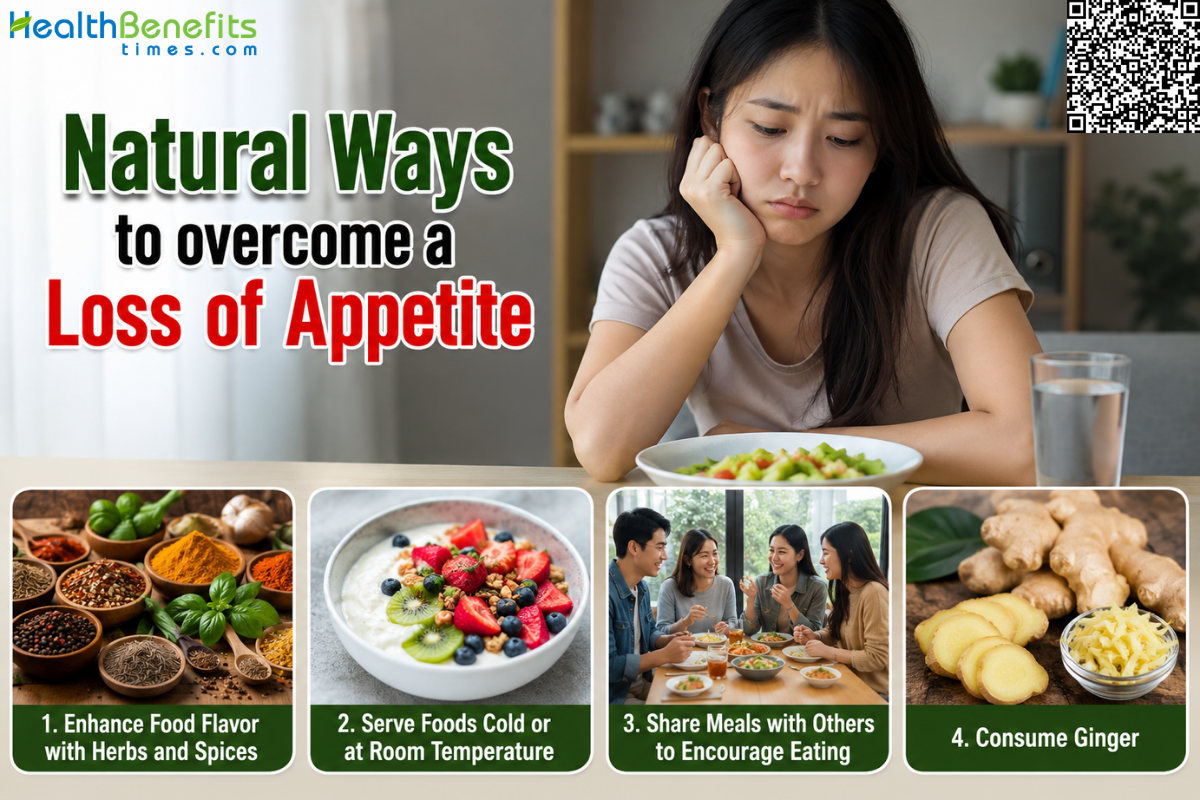
Loss of appetite is a condition characterized by a reduced or complete lack of desire to eat. While occasional changes in hunger are normal, a persistent decrease in appetite is often a symptom of an underlying physical or psychological issue. Common triggers include short-term viral infections, digestive problems, chronic diseases, and mental health challenges such as depression or severe stress 1. Medical professionals refer to this general decrease in hunger as anorexia, which is a physical symptom rather than a specific eating disorder. When the body goes without adequate food for extended periods, it fails to receive the vital nutrients needed to function properly. If left untreated, a prolonged lack of appetite can result in severe fatigue, unintentional weight loss, and clinical malnutrition 2. You should consult a healthcare provider if your reduced desire to eat lasts for more than a few days or causes rapid weight loss.
Causes of Loss of Appetite
1. Infections
Bacterial and viral infections, such as influenza, gastroenteritis, and respiratory infections, frequently cause a temporary decrease in hunger as the body redirects energy to the immune system 1.
2. Psychological and Emotional Factors
Mental health conditions, including clinical depression, acute anxiety, and chronic stress, can alter brain chemistry and digestive function, leading to a reduced desire for food 3.
3. Medications and Treatments
Many prescription drugs directly suppress appetite, cause nausea, or alter the sense of taste. Common culprits include certain antibiotics, strong pain medications, and cancer treatments like chemotherapy and radiation therapy 4.
4. Chronic Medical Conditions
Long-term illnesses such as chronic kidney disease, congestive heart failure, liver disease, and various forms of cancer often trigger persistent appetite loss due to systemic inflammation, organ dysfunction, or the accumulation of waste products in the blood 1.
5. Aging
Older adults commonly experience a natural, age-related reduction in appetite. This occurs due to a slowing metabolism, changes in digestive hormones, and a gradual decline in the senses of taste and smell 5.
Symptoms of Loss of Appetite
1. Reduced Food Intake: Consuming significantly less food than normal, frequently skipping daily meals, or experiencing a sensation of being completely full after eating only a small amount of food. 4
2. Unplanned Weight Loss: A noticeable decrease in overall body weight that occurs without active dieting, exercise, or lifestyle changes, driven by a prolonged lack of caloric intake. 6
3. Persistent Fatigue: Experiencing an ongoing lack of physical energy and mental focus because the brain and muscles are not receiving enough fuel from daily nutrition to maintain normal functions. 2
4. Food Aversion and Nausea: Developing a strong physical or emotional rejection to eating, which often includes feeling sick to the stomach or gagging at the smell, sight, or thought of food. 1
5. Signs of Malnutrition: Over extended periods, a severe lack of essential vitamins and minerals can lead to physical deterioration, including muscle loss, pale skin, frequent dizzy spells, and thinning hair. 7
Natural Ways to Overcome a Loss of Appetite
1. Eat Small, Frequent Meals Instead of Three Large Meals
How it may help
Facing a large plate of food can feel overwhelming when hunger is absent. Transitioning to smaller, more frequent meals reduces the sensation of early fullness and decreases the likelihood of triggering nausea 4. This approach makes it physically and mentally easier to consume necessary daily energy.
What research says
Clinical nutritional guidelines conclude that dividing daily food intake into six to eight small meals significantly improves overall calorie consumption in patients experiencing severe appetite loss. This strategy is recognized as a standard, highly effective medical intervention to prevent malnutrition and stabilize body weight during illness 2.
How to use it safely
You should schedule five to six small meals every two to three hours throughout the day. Keep high-calorie, nutrient-rich snacks readily available, and make an effort to eat at these designated times even if you do not feel natural hunger signals 8.
Potential precautions or side effects
Do not fill up on low-calorie liquids like water, tea, or plain broth just before eating, as this takes up limited stomach space needed for essential, calorie-dense nutrients 4.
2. Choose Nutrient-Dense and High-Calorie Foods
How it may help
When a person cannot consume large amounts of food, maximizing the energy in every bite is crucial. Nutrient-dense, high-calorie foods deliver essential fats and proteins in much smaller portions. This approach prevents early fullness while ensuring the body receives enough energy to maintain strength and function 8.
What research says
Clinical nutrition guidelines confirm that prioritizing high-calorie and high-protein foods effectively prevents weight loss and muscle wasting during illness. Medical protocols recommend adding extra fats and proteins to everyday meals to significantly increase total caloric density without increasing the physical amount of food a patient must eat 4.
How to use it safely
You should fortify your meals by stirring in healthy fats such as olive oil, butter, avocado, or peanut butter. Opt for whole milk and full-fat cheeses rather than skim products, and keep small portions of nuts or seeds nearby to easily boost your daily calorie intake 8.
Potential precautions or side effects
Avoid filling up on empty-calorie foods like candy or sugary drinks. These items lack essential vitamins, provide poor nutritional value, and can cause sudden blood sugar fluctuations 8.
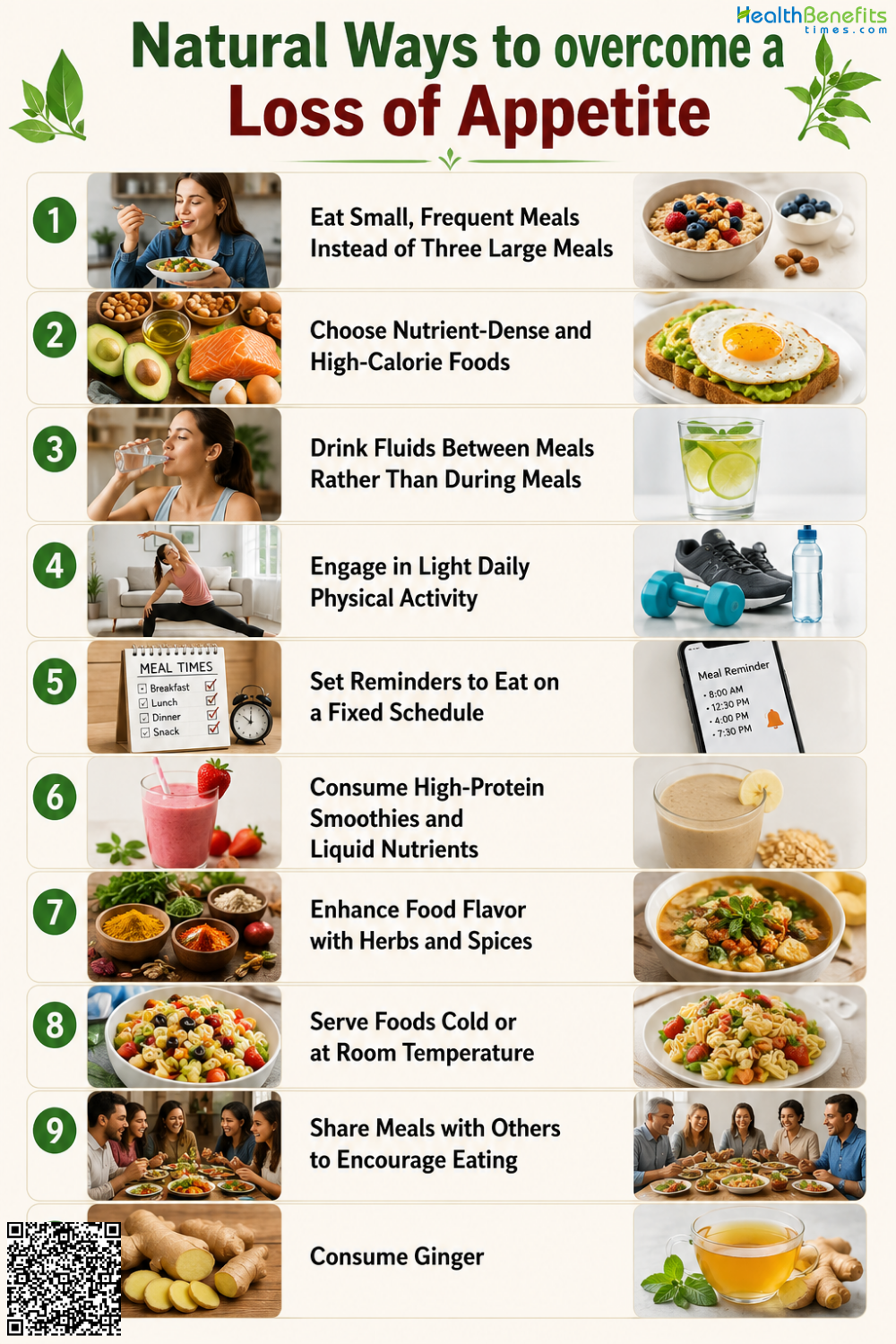
3. Drink Fluids between Meals Rather Than During Meals
How it may help
Consuming liquids alongside solid food rapidly fills limited stomach space, which can prematurely trigger a feeling of fullness. By drinking beverages between meals rather than during them, a person preserves stomach capacity for solid foods, maximizing daily caloric intake when appetite is already low 4.
What research says
Clinical nutritional guidelines state that separating fluid intake from solid meals is a standard, highly effective intervention for managing early satiety. Medical authorities confirm this practice significantly increases total caloric consumption by preventing the physical stretching of the stomach by low-calorie liquids during mealtimes 8.
How to use it safely
You should aim to drink water and other necessary fluids at least thirty to sixty minutes before or after your meals. If you must drink while eating, take only small sips to help swallow your food safely without suppressing your hunger 4.
Potential precautions or side effects
Restricting fluids at mealtimes can increase the risk of severe dehydration if you forget to drink enough water throughout the rest of the day to maintain adequate hydration levels 9.
4. Engage in Light Daily Physical Activity
How it may help
Engaging in light physical movement increases the body’s overall energy demands, which naturally signals the brain to trigger hunger. Routine activity also speeds up digestion and helps empty the stomach faster, creating physical space for meals while improving mood and reducing nausea 8.
What research says
Medical guidelines confirm that incorporating low-intensity exercise into a daily routine effectively stimulates appetite. Research indicates that even brief, gentle movement improves digestive motility and safely encourages the body to seek out necessary calories, particularly for older adults and patients recovering from chronic illnesses 5.
How to use it safely
You should aim for short, gentle activities like a ten-minute walk before mealtimes to naturally stimulate hunger. Pace yourself according to your energy levels, and consult a healthcare provider before starting any movement routine if you are managing a severe medical condition 4.
Potential precautions or side effects
Avoid intense or exhausting workouts. Burning too many calories without consuming enough food can dangerously accelerate unintended weight loss and worsen severe fatigue 8.
5. Set Reminders to Eat on a Fixed Schedule
How it may help
When the body fails to produce natural hunger signals, waiting to feel hungry often leads to dangerous calorie deficits. Establishing a fixed eating schedule shifts the focus from an unreliable physical sensation to a planned daily task, ensuring consistent nutritional intake even without an appetite 4.
What research says
Clinical nutritional protocols indicate that eating by the clock rather than by appetite is a highly effective medical intervention for patients experiencing food aversions. Research confirms that structured meal times help stabilize body weight and prevent clinical malnutrition when biological hunger cues are disrupted by chronic illness or aging 2.
How to use it safely
You should set alarms on a phone or clock to prompt eating every two to three hours during the day. When the reminder occurs, consume at least a few bites of a nutrient-dense food, even if you lack a strong desire to eat 8.
Potential precautions or side effects
Do not force yourself to consume large portions if doing so causes severe nausea or stomach discomfort, as this can worsen food aversions and potentially trigger vomiting 4.
6. Consume High-Protein Smoothies and Liquid Nutrients
How it may help
Liquid nutrition is easier to consume than solid food when chewing and swallowing feel exhausting. High-protein smoothies pack significant calories and proteins into a small volume, allowing individuals to drink their nutrients slowly and bypass the physical barriers or early fullness associated with solid meals 4.
What research says
Clinical nutrition guidelines confirm that liquid meal replacements and protein-fortified shakes successfully increase total daily caloric intake for patients experiencing severe appetite loss. Medical research shows these dense liquid interventions effectively prevent dangerous muscle wasting and support physical strength when solid food consumption becomes severely limited 2.
How to use it safely
You should blend calorie-rich ingredients like Greek yogurt, whole milk, or nut butters into your smoothies. Sip these liquids slowly between your scheduled meals to maximize energy intake without triggering stomach discomfort or nausea 8.
Potential precautions or side effects
Avoid commercial nutritional shakes containing excessive added sugars, which can cause sudden blood sugar spikes or diarrhea. Choose lactose-free alternatives if dairy products trigger digestive distress 8.
7. Enhance Food Flavor with Herbs and Spices
How it may help
Many underlying illnesses, aging, and medical treatments severely dull the senses of taste and smell, making food seem bland and unappealing. Adding potent herbs and spices stimulates the sensory receptors in the mouth and nose, increasing the overall palatability of meals and naturally reviving the desire to eat 5.
What research says
Clinical nutrition guidelines show that flavor enhancement successfully combats disease-related and age-related anorexia. Medical research concludes that amplifying the sensory properties of food with herbs and spices significantly increases meal enjoyment and total caloric intake, especially in patients experiencing taste alterations from medical therapies 5.
How to use it safely
You should experiment with mild, aromatic seasonings like basil, oregano, mint, and rosemary to improve the taste of your meals. Try adding marinades or lemon juice to meats and vegetables before cooking to safely boost flavor without relying on excessive amounts of unhealthy salt 8.
Potential precautions or side effects
Avoid excessively spicy or highly acidic seasonings if you suffer from mouth sores, acid reflux, or throat irritation, as these can cause severe pain and worsen feeding difficulties 4.
8. Serve Foods Cold or at Room Temperature
How it may help
Hot foods naturally release strong aromas that can trigger severe nausea and overpower a weak stomach. Serving meals cold or at room temperature significantly reduces these potent smells, making the food much more tolerable and easier to eat when your appetite is already compromised 10.
What research says
Clinical nutritional guidelines recommend modifying food temperatures as a standard intervention for disease-related anorexia. Research confirms that cooling foods reduces the emission of aromatic compounds that stimulate the nausea center in the brain, thereby improving overall food intake in patients experiencing severe food aversions 11.
How to use it safely
You should let cooked meals cool down to room temperature before eating them. Opt for naturally cold options like sandwiches, pasta salads, yogurt, or fruit smoothies, which provide essential daily calories and nutrients without the overwhelming odors associated with steaming hot dishes 12.
Potential precautions or side effects
Do not leave perishable foods sitting out at room temperature for more than two hours, as this rapidly increases the risk of dangerous bacterial growth and severe foodborne illnesses 13.
9. Share Meals with Others to Encourage Eating
How it may help
Sharing meals with family or friends transforms eating from a stressful task into an enjoyable social activity. Engaging in conversation distracts from feelings of fullness or a lack of hunger. This social setting naturally extends the time spent at the table, which often encourages individuals to consume more food without feeling pressured. 14
What research says
Studies confirm that social interactions during meals significantly boost food intake, a phenomenon known as the social facilitation of eating. Research indicates that individuals naturally consume substantially more calories when dining with companions compared to eating alone, making socialization a scientifically proven strategy to combat a poor appetite. 15
How to use it safely
To benefit from this approach, schedule regular meals with supportive friends, family, or community groups. Keep the atmosphere relaxed and positive. Focus on the social connection rather than the amount of food you are eating, which helps reduce mealtime anxiety and naturally promotes a better appetite. 1
Potential precautions or side effects
Avoid dining with individuals who pressure you to eat or create stressful conversations, as mealtime stress can increase anxiety and further suppress your overall appetite. 16
10. Consume Ginger
How it may help
Persistent nausea and slow digestion often suppress the desire to eat. Ginger naturally alleviates stomach discomfort, settles feelings of nausea, and stimulates gastric movement. By helping the stomach empty more efficiently, it reduces digestive fullness and helps restore a healthy appetite. 17
What research says
Clinical studies confirm that ginger contains bioactive compounds that accelerate gastric emptying and stimulate digestive contractions. Research shows it is an effective natural intervention for relieving nausea associated with pregnancy, chemotherapy, and general digestive sluggishness, allowing patients to tolerate food more easily. 18
How to use it safely
You can sip warm ginger tea about thirty minutes before your meals or add freshly grated ginger root to your food. Ginger candies or small amounts of dried ginger can also help ease stomach unease and encourage eating. 8
Potential precautions or side effects
High doses may cause mild heartburn, abdominal discomfort, or diarrhea. Consult your doctor before using concentrated ginger supplements if you take blood thinners or diabetes medications. 17
Foods to Avoid When You Suffer from Loss of Appetite
1. Greasy and Deep-Fried Foods
High-fat items digest slowly, prolonging stomach fullness and frequently triggering nausea or gastrointestinal discomfort in individuals with low appetite. 8
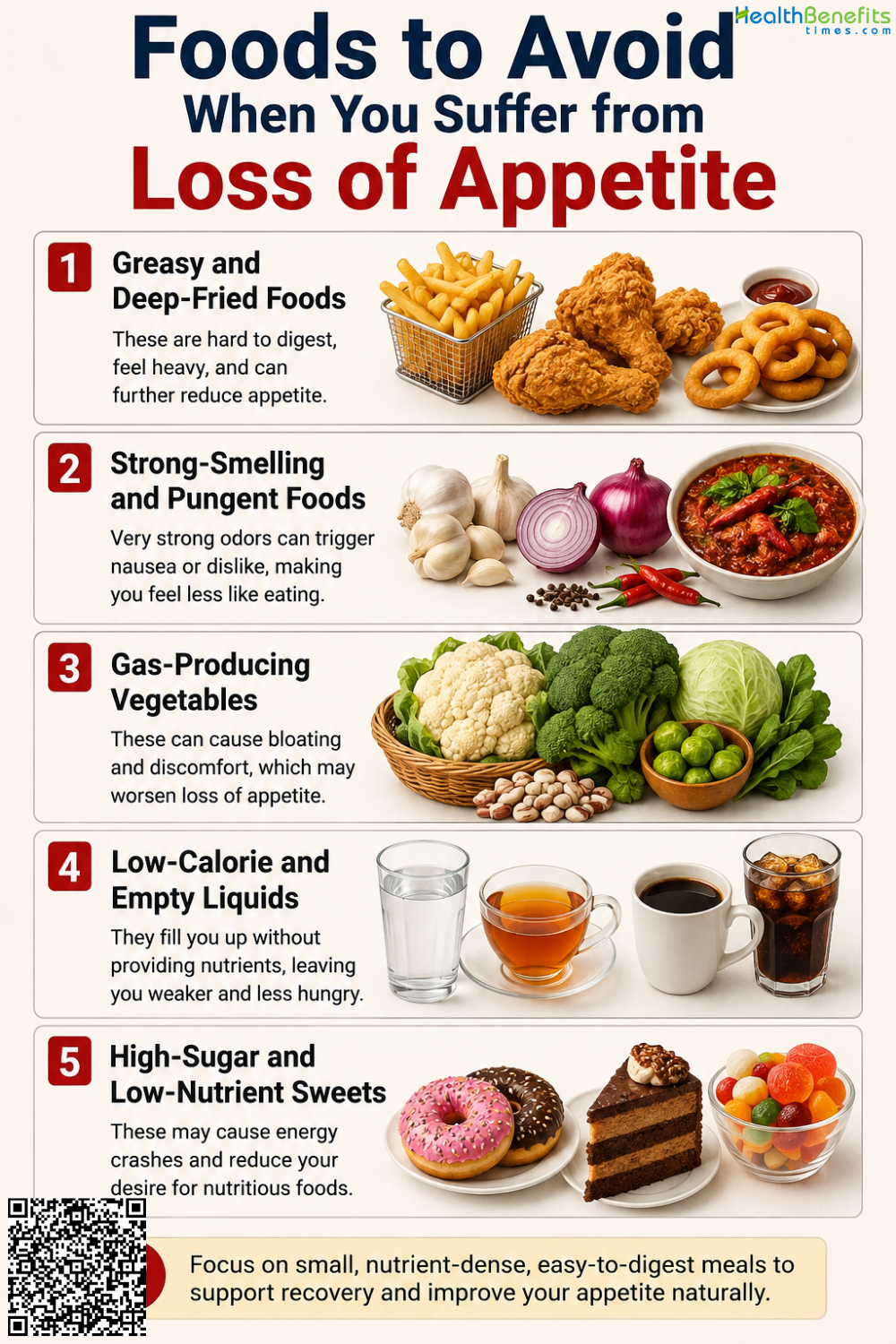
2. Strong-Smelling and Pungent Foods
Hot, heavily aromatic meals release strong food odors that can quickly activate the brain’s nausea center and trigger severe food aversions. 4
3. Gas-Producing Vegetables
Cruciferous vegetables like broccoli, cabbage, and beans create intestinal bloating and abdominal tightness, creating an artificial feeling of fullness that suppresses hunger. 1
4. Low-Calorie and Empty Liquids
Plain water, black coffee, and clear broths fill valuable stomach capacity right before meals without providing the essential calories needed for recovery. 4
5. High-Sugar and Low-Nutrient Sweets
Candies and sugary snacks cause rapid blood sugar fluctuations that diminish natural hunger cues while offering minimal protein and vital micronutrients. 8
When to see Doctor when you struggle from Loss of Appetite
- Unintentional Weight Loss: If you drop more than 10 pounds or 5 percent of your body weight without trying, seek a medical evaluation to identify any underlying conditions 6.
- Accompanying Psychological Symptoms: Consult a doctor if your decreased appetite occurs alongside signs of severe depression, extreme grief, or behaviors that suggest an eating disorder.
- Difficulty Swallowing or Pain: A physician should evaluate you immediately if your lack of appetite is paired with trouble swallowing, persistent nausea, or physical pain when trying to eat.
- Medication Side Effects: If you suspect a prescription drug is causing your appetite loss, contact your healthcare provider to safely adjust the dosage instead of stopping the medication yourself 1.
- Prolonged Duration: Seek medical care if your appetite does not return to normal after a few days, especially if you cannot identify a clear cause for the change.