

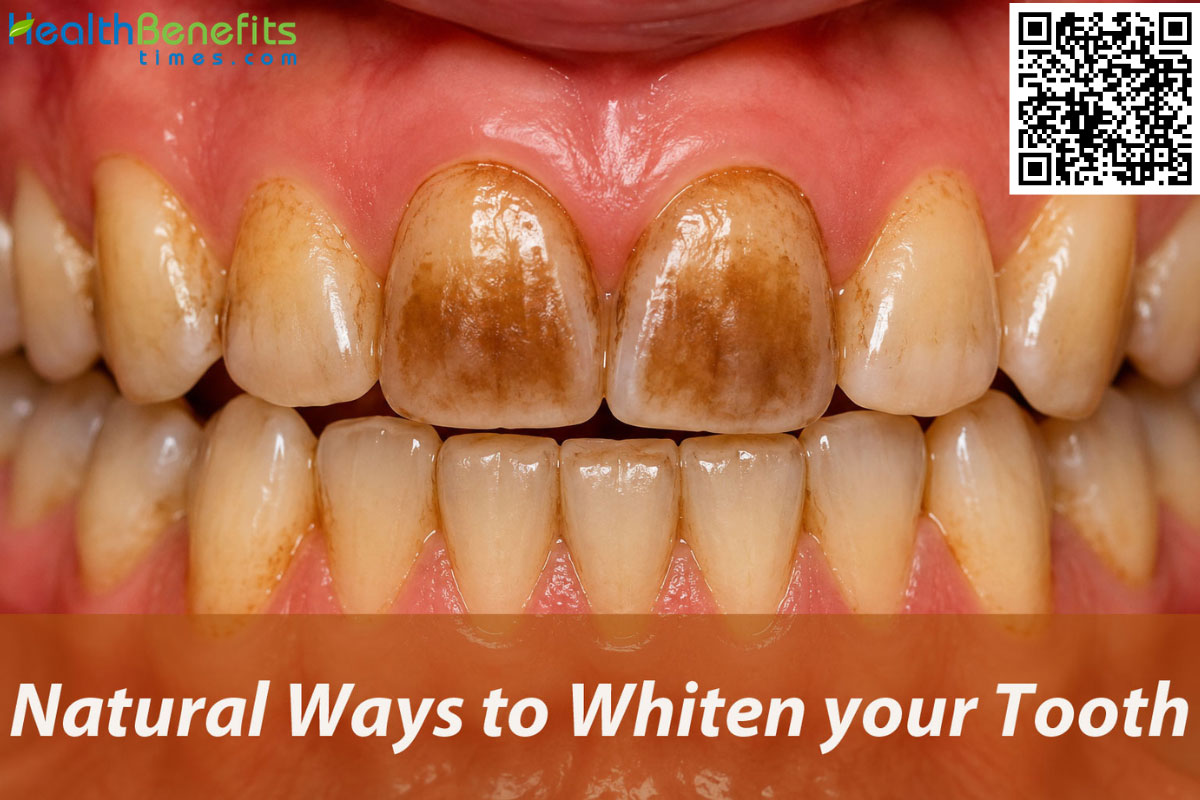
Brown tooth discoloration happens when a tooth loses its natural white color, developing brown spots, streaks, or an overall dark appearance 1. This darkening can originate on the outside of the tooth or from deep within. External brown stains are most often caused by frequent consumption of dark-colored foods and beverages, such as coffee, tea, and cola, as well as tobacco use or poor oral hygiene, which allows hardened yellow-brown plaque (tartar) to build up on the surface 2. Internally, a brown spot is frequently the first visible sign of active tooth decay (a cavity) eating away at the enamel 3. It can also result from early childhood factors like overexposure to fluoride (fluorosis) while the teeth were developing. Additionally, a sudden dark brown or grayish color change in a single tooth often indicates prior dental trauma that has damaged the internal nerve 4. While surface stains can often be polished away with professional cleanings, underlying decay or nerve damage requires medical treatments like fillings or root canals.
Causes of Brown Tooth
Many different factors in our daily lives can contribute to the darkening of a smile. Knowing exactly what causes these changes helps in choosing the right prevention and treatment methods.
1. Strongly Colored Foods and Drinks
Consuming dark beverages is one of the most common reasons people experience surface stains. Drinks like black coffee, dark tea, and red wine contain high levels of tannins and complex color molecules known as chromophores 5. These tiny color particles act like natural dyes. Over time, they attach themselves strongly to the sticky, invisible protein film that naturally coats your teeth every day.
2. Tobacco Products
Smoking or chewing tobacco leaves a very distinct, stubborn brown mark on the teeth. The smoke from burning tobacco contains tar and chemical ashes that easily stick to the surface of the mouth 6. For people who use smokeless tobacco, the dark juices soak directly into the microscopic pores of the enamel, causing deep yellow and dark brown spots that are incredibly difficult to brush away with normal toothpaste.
3. Certain Prescription Mouthwashes
People are often surprised to learn that products meant to clean the mouth can sometimes cause stains. Medical mouthwashes prescribed by dentists to treat gum disease often contain strong antibacterial ingredients like chlorhexidine or cetylpyridinium chloride 7. While these liquids are excellent at killing germs, they can cause a chemical reaction with the natural proteins in your saliva, leaving a noticeable brown or yellowish layer on the teeth after a few weeks of use.
4. Excessive Fluoride Ingestion
Receiving too much fluoride while the teeth are still growing under the gums can lead to a condition known as dental fluorosis. This usually happens in young children who swallow too much fluoride toothpaste or drink water with extremely high natural fluoride levels 8. While mild fluorosis just leaves tiny white streaks, severe cases prevent the enamel from forming correctly, resulting in rough, pitted teeth covered in dark brown patches.
5. Childhood Medications
Taking specific medicines during critical periods of growth can change the color of teeth from the inside out. If a pregnant mother or a young child takes antibiotics belonging to the tetracycline family, the medicine actually binds to the calcium inside the growing teeth 9. Once the teeth finally push through the gums, they often display permanent, dark gray or brown horizontal bands that cannot be removed by normal brushing.
6. Tooth Decay and Cavities
Ignoring regular dental checkups allows harmful bacteria to eat away at the tooth structure. As these germs feed on sugars in the mouth, they produce strong acids that melt the hard outer enamel, eventually creating a hole or cavity 10. As the cavity grows deeper into the tooth, it traps old food, dead bacteria, and debris, which clearly shows up as a dark brown or black spot on the tooth surface 11.
7. Physical Trauma to the Mouth
Experiencing a hard hit to the mouth during sports or a bad fall can severely injure a tooth. If the impact is strong enough, it can cut off the natural blood supply inside the tooth’s core 12. When the nerve inside dies, the red blood cells break down and leak dark pigments into the surrounding tooth layers, causing the entire tooth to look bruised, gray, or dark brown from the inside.
8. The Natural Aging Process
Growing older naturally changes the way a smile looks. Over decades of chewing, biting, and brushing, the thick, white outer layer of enamel slowly wears thinner. Right beneath the enamel is a softer tissue called dentin, which is naturally yellow or light brown. As the bright enamel fades away, the darker dentin shines through more clearly, making the whole smile appear more brown or yellow over time.
Symptoms When Your Tooth Starts to Become Brown
Paying close attention to how your teeth feel and look can help you spot discoloration before it becomes a serious medical issue. You might notice several distinct warning signs as the darkening begins.
- A dull or flat appearance: Before turning completely brown, the affected tooth may lose its natural shine, looking chalky or less transparent than the healthy teeth next to it.
- Small, sticky dark spots: You may see tiny brown or black dots forming in the deep chewing grooves of your back teeth, which often indicates the very beginning of a cavity.
- Sensitivity to hot and cold: As the protective white enamel wears away or dissolves, exposing the sensitive brown layers underneath, you might feel a sharp pain or dull ache when drinking ice water or hot coffee 13.
- Roughness on the tooth surface: When you run your tongue over your teeth, the brown areas might feel scratchy, pitted, or uneven compared to the smooth white areas 14.
- Puffy or bleeding gums: If the brown tooth is caused by a deep infection or severe plaque buildup, the pink gums surrounding that specific tooth might look red, swollen, or bleed easily when you brush 15.
- One tooth looking darker than the rest: Finding a single tooth that is slowly turning dark gray or brown while the others stay white is a strong sign that the nerve inside that specific tooth is damaged or dying.
Brown Tooth Facts
To fully grasp the impact of tooth discoloration, it is helpful to look at the larger picture. The following table highlights important facts, risk factors, and basic information regarding how and why teeth turn brown.
| Feature | Details |
| Symptoms |
|
| Causes |
|
| How does Begin |
|
| Age Group |
|
| You might be at a higher risk for exposure of this disease if you: |
|
| Other facts 16, 17, 18.
|
|
Natural Ways to Whiten your Tooth
Exploring ways to brighten a smile without harsh chemicals has become very popular. While dentists offer strong bleaching treatments, there are several gentle, natural methods you can use at home to slowly lift surface stains. It is important to remember that these methods only work on outside (extrinsic) stains and will not change the color of a tooth that is dark on the inside.
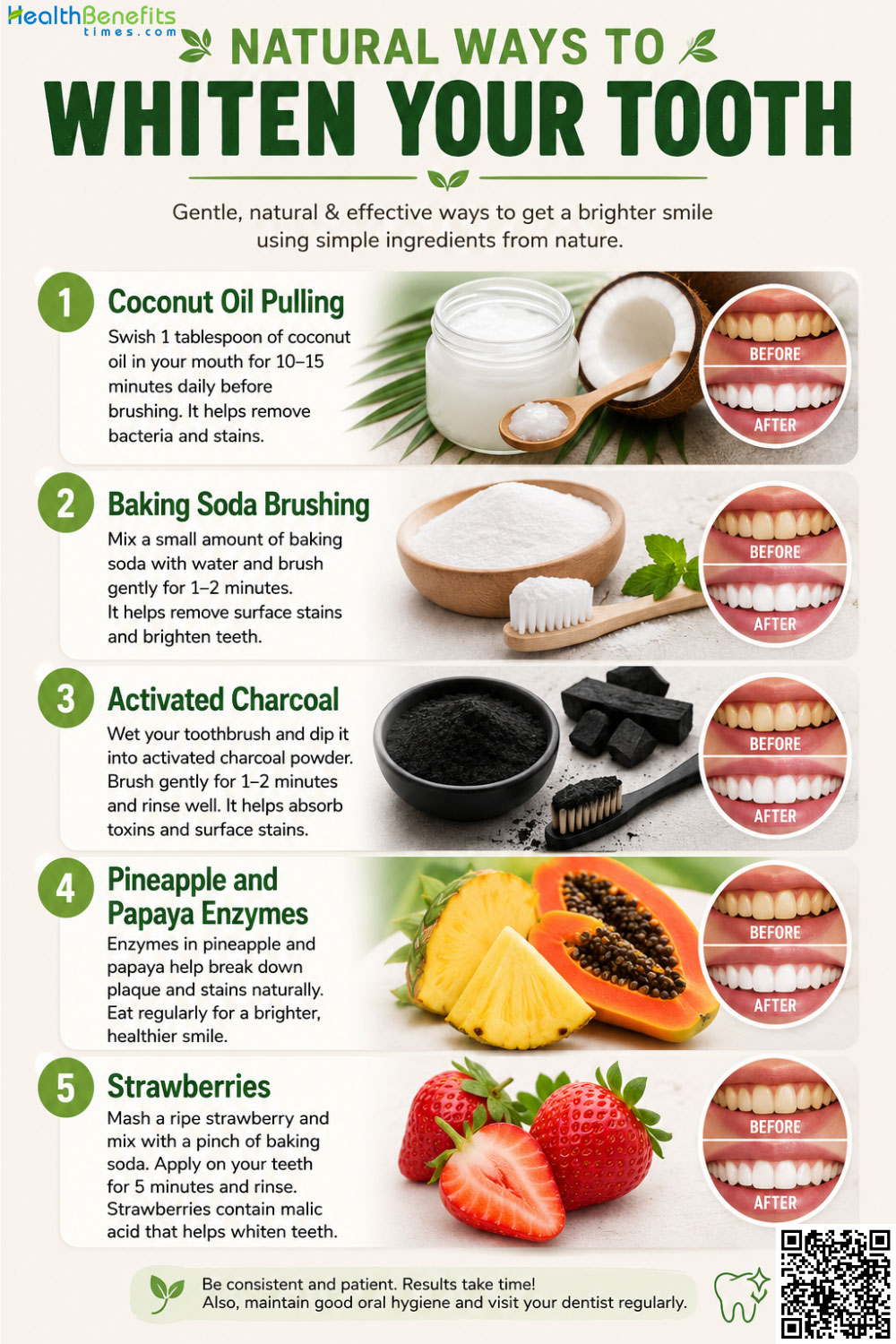
1. Coconut Oil Pulling
Using pure oils to clean the mouth is a traditional practice that dates back thousands of years in natural medicine. Oil pulling involves taking a spoonful of edible oil, like coconut, sesame, or sunflower oil, and swishing it around your teeth and gums for several minutes. Instead of acting like a chemical bleach, this method works by completely changing the environment inside your mouth.
The secret behind oil pulling lies in how the oil interacts with your saliva. When you actively swish coconut oil, it mixes with the natural watery fluids in your mouth. Coconut oil contains a special fat called lauric acid. When this acid meets the natural baking-soda-like elements in human saliva, it creates a chemical reaction called saponification, which essentially makes a safe, natural soap directly inside your mouth 19.
This soapy mixture is excellent at unsticking plaque and bacteria from the teeth. Because plaque is the sticky substance that grabs onto dark food stains, having less plaque means your teeth naturally look cleaner and brighter 20. Additionally, coconut oil acts as a natural antibacterial agent, significantly reducing the overall amount of bad germs floating around your teeth without causing the brown chemical stains that some harsh medical mouthwashes leave behind 21.
Note: Commonly used as a daily morning routine, swishing one tablespoon of oil for 10 to 15 minutes before spitting it out, applied to gently cleanse the mouth, reduce bad breath, and stop stains from sticking.
2. Baking Soda Brushing
Keeping a small box of baking soda in the bathroom is a classic home remedy for a brighter smile. Scientifically known as sodium bicarbonate, baking soda is a mildly rough powder that works as a very gentle sandpaper on the teeth. When you brush with it, the tiny crystals physically scrub away the dark pigments left behind by coffee and tea without being rough enough to scratch or permanently damage your hard enamel 22.
Beyond just scrubbing, baking soda has a unique chemical superpower: it fights acid. Many of the foods that stain our teeth are highly acidic. Acid makes the enamel soft and porous, allowing dark colors to soak in deeply. Because baking soda is highly alkaline (the opposite of acidic), it immediately neutralizes the harmful acids in your mouth, stopping the softening process in its tracks.
By balancing the mouth’s chemistry, baking soda makes it much easier for the physical scrubbing motion of the toothbrush to lift away the surface stains 23. Regular use has been shown to effectively clean away the sticky outer film where stains live, gradually revealing a lighter, cleaner tooth surface underneath over a few weeks of consistent brushing 24.
Note: Commonly applied as a damp paste on a wet toothbrush one to two times a week to safely polish away food stains and neutralize harmful mouth acids.
3. Activated Charcoal
Seeing people brush their teeth with jet-black paste might look strange, but activated charcoal has become a highly popular natural cosmetic treatment. Activated charcoal is a fine black powder made from natural materials like coconut shells that have been heated to extreme temperatures. This heating process makes the charcoal incredibly porous, acting like a microscopic sponge.
The way charcoal whitens is entirely based on its ability to grab onto other materials. When you place activated charcoal on your teeth, it works like a magnet, binding tightly to the dark tannins, plaque, and food particles that are causing your teeth to look brown or yellow 25. When you finally rinse the black powder out of your mouth, it carries those trapped stains away with it, leaving the tooth surface looking lighter 26.
However, caution is highly advised when using this method. Activated charcoal is quite abrasive. If you brush too hard or use it every single day, the rough powder can actually wear down the shiny outer layer of your teeth. Over time, losing this protective layer can make the teeth look duller and feel much more sensitive to hot and cold drinks 27.
Note: Commonly used as a fine powder mixed with water to gently dab onto the teeth, left for two minutes to absorb stains, and rinsed thoroughly without heavy scrubbing to protect the enamel.
4. Pineapple and Papaya Enzymes
Looking toward the fruit bowl offers a surprisingly gentle and chemical-free way to improve your smile. Pineapples and papayas contain special natural compounds called enzymes. Specifically, pineapples contain an enzyme named bromelain, while papayas contain one called papain 28. These enzymes are nature’s gentle cleaners.
Most dark stains from coffee and tea stick to your teeth because they attach to a thin, invisible layer of protein that coats your enamel every day. The enzymes in pineapple and papaya are highly skilled at breaking down proteins. When applied to the teeth, these fruit enzymes effectively dissolve the sticky protein glue holding the dark stains in place, allowing the stains to simply wash away 29.
The greatest benefit of using fruit enzymes is how safe they are for your tooth structure. Unlike rough powders that physically scratch the stains away, enzymes work purely through a mild chemical reaction. They do not scratch the teeth, ensuring that the smooth, shiny surface of the enamel remains completely intact and healthy while the dark spots disappear 30.
Note: Commonly applied by using specialized natural toothpastes that list papain or bromelain as active ingredients, used daily to dissolve sticky stain proteins without scratching the teeth.
5. Strawberries
Mashing up bright red berries to create white teeth sounds impossible, but it is a widely used traditional remedy. Strawberries are naturally rich in an organic compound known as malic acid, as well as high amounts of vitamin C 31. This specific type of acid acts as a very mild, natural bleaching agent.
When you coat your teeth with strawberry juice, the malic acid slightly lowers the pH in your mouth. This creates a very gentle oxidizing effect, which essentially means it helps to lighten the dark color molecules sitting on the surface of the enamel 32. Additionally, the tiny seeds and fibrous texture of the strawberry act as a very soft scrub brush, while the pleasant taste naturally causes your mouth to produce more saliva, which washes away loose debris.
Because the acid in strawberries is very weak compared to lemons or synthetic bleaches, the whitening effect is slow and subtle. However, this weakness is actually a benefit. It means that using strawberries is generally very safe and will not severely melt or permanently damage the hard outer shell of your teeth when used occasionally 33.
Note: Commonly used by crushing a fresh strawberry into a pulp, occasionally mixing it with a pinch of baking soda, and applying it to the teeth for five minutes as a gentle, fruity mask before rinsing.
Foods to Avoid When You Have a Brown Tooth
Trying to whiten your teeth will not be very successful if you continue to cover them in dark pigments. To stop the browning process, you need to limit the foods and drinks that cause the most damage to your enamel.
1. Coffee and Dark Teas
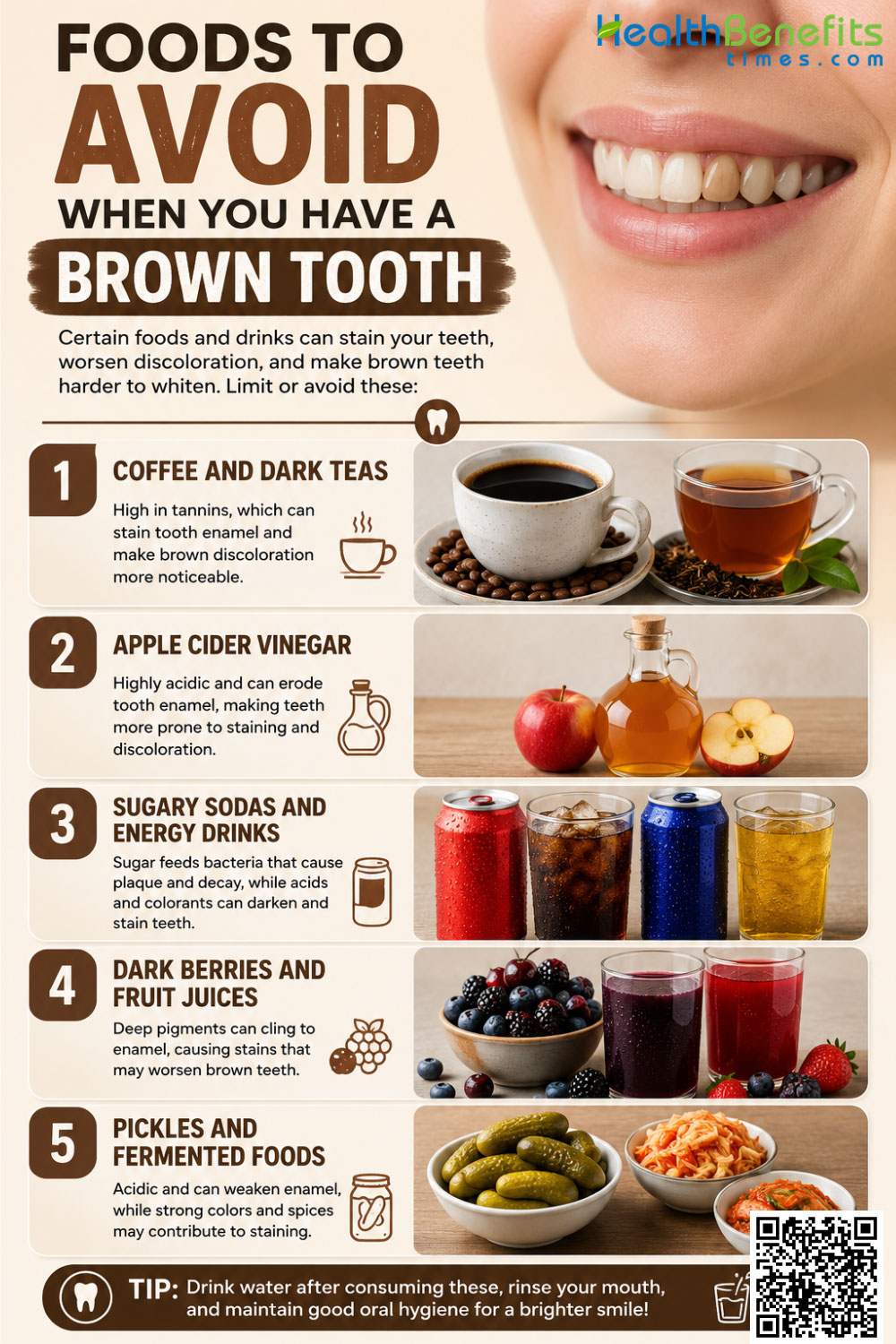
Waking up to a hot cup of coffee or tea is a global habit, but it is also the top reason for brown smiles. These drinks are packed with dark tannins that act like glue, grabbing onto the enamel and holding the dark brown colors firmly against your teeth 34. If you must drink them, using a straw can help the liquid bypass your front teeth entirely.
2. Apple Cider Vinegar
Drinking vinegar for health reasons has become a major trend, but it is a disaster for dental health. Vinegar is an extremely strong acid that rapidly melts the hard calcium right out of your teeth 35. When the white enamel washes away, the dark yellow layer underneath becomes permanent, making the teeth look heavily stained and damaged.
3. Sugary Sodas and Energy Drinks
Reaching for a cold soda damages your smile in two different ways. First, the harsh bubbling acids soften the outer shell of the tooth 36. Second, the massive amount of sugar feeds the bacteria in your mouth, which then produce even more acid. Dark colas also add artificial brown dyes straight into the softened tooth pores, guaranteeing a darker smile.
4. Dark Berries and Fruit Juices
Snacking on blackberries, blueberries, and pomegranates is wonderful for your body but tough on your teeth. The deep red and purple juices from these fruits are highly pigmented. Because fruit is naturally acidic, it opens up the microscopic pores in your teeth just enough for these dark colors to sink in and leave a lasting dullness.
5. Pickles and Fermented Foods
Enjoying a crunchy pickle introduces a heavy amount of vinegar-based acid into your mouth. Foods that sit in sour brines constantly attack the strength of your enamel. Eating them frequently leaves the teeth soft and weak, making it much easier for other foods you eat later in the day to leave permanent brown stains on the weakened surface.
Myths and Misconceptions
There is a lot of confusing advice floating around the internet regarding natural dental care. It is vital to separate safe, scientific facts from harmful rumors to protect your smile.
| Myth | Reality |
| Drinking pure apple cider vinegar every day safely cleans and whitens the teeth. 37 | Swishing or drinking undiluted vinegar is highly destructive. The severe acid melts the protective enamel away permanently, causing severe pain and eventually making the teeth look darker as the inner yellow layers are exposed. |
| Oil pulling is so effective that you no longer need to use a toothbrush or floss. 38 | Oil pulling is strictly a helpful extra step, not a replacement. While it reduces bacteria and plaque, it cannot physically scrub away stuck food or fix existing cavities. Daily brushing and flossing remain absolutely necessary for oral health. |
| Scrubbing your teeth with raw lemon juice is the best natural bleaching method. 39 | Lemons are dangerously acidic. While they might make teeth look temporarily chalky white, they do this by severely damaging and frosting the enamel. This leaves the teeth incredibly weak, sensitive, and prone to rapid rotting. |
| Brushing very hard with activated charcoal will give you a bright white smile instantly. | Scrubbing aggressively with charcoal powder acts like taking sandpaper to your teeth. It will scratch away the shiny outer layer, causing permanent damage and making it much easier for new stains to stick in the future. |
| All types of brown teeth can be completely fixed with natural home remedies. | Home remedies only work on surface stains caused by food and drink. If your tooth is brown because it is dead inside, or because of a childhood medication, no amount of natural scrubbing will change its color. You need a dentist for internal issues. |
When to see a Doctor
While natural methods are great for managing everyday coffee or tea stains, a brown tooth can sometimes be a red flag for a serious medical problem. Knowing when to stop trying home remedies and call a professional can save your tooth from needing to be pulled. You should schedule an appointment with your dentist if you notice any of the following warning signs.
1. You See a Physical Hole or Deep Pit
If the brown spot on your tooth feels like a small hole or a sticky crater when you run your tongue over it, you are likely dealing with an active cavity. Natural remedies cannot regrow missing tooth structure or stop a deep infection. A dentist needs to clean out the decaying brown material and seal the hole with a filling to save the tooth.
2. You Experience Sharp Pain or Aching
A simple surface stain from drinking tea will never cause you pain. If your brown tooth hurts severely when you drink something cold, bite down on hard food, or aches constantly throughout the night, the protective enamel is likely destroyed. This means the sensitive nerve inside the tooth is under attack and requires immediate medical attention.
3. Your Gums are Swollen or Leaking Pus
Noticing that the gums around your darkened tooth are bright red, puffy, or bleeding heavily is a major warning sign. If you see a small bump resembling a pimple on the gums that oozes bad-tasting liquid, you have a severe bacterial infection. This requires professional cleaning and potentially antibiotics to prevent the infection from spreading into your jawbone 40.
4. Only One Tooth Suddenly Turns Dark
If your entire smile is generally white, but one single tooth suddenly turns dark gray, blue, or brown after you bump your mouth or suffer a fall, you must see a doctor immediately. This drastic color change usually means the blood vessels inside the tooth have died 41. A dentist must evaluate the tooth to prevent internal rotting.
5. You Have a Rare Genetic Condition
Sometimes, despite perfect brushing and a healthy diet, teeth come in brown and crumble easily. If you or your child have teeth that are extremely discolored right as they grow in, it could be a sign of a rare genetic disorder affecting the bone and tooth structure 42. A dental professional needs to perform a full evaluation, possibly including x-rays, to create a specialized protection plan 43