Health Benefits
    Facebook Twitter Instagram
    Friday, December 5
    Facebook Twitter Pinterest
    Health Benefits
    • Home
    • Dental Health
    • Mental Health
    • Weight Loss
    • Health Wiki
    • Nutrition
    • Healthy Recipe
    • BMI Calculator
    Health Benefits
    Home»Herbs and Spices»Health Benefits of Oleander
    Herbs and Spices

    Health Benefits of Oleander

    By s mJuly 22, 2019Updated:July 22, 2019No Comments5 Mins Read
    Facebook Twitter Pinterest LinkedIn Tumblr Email

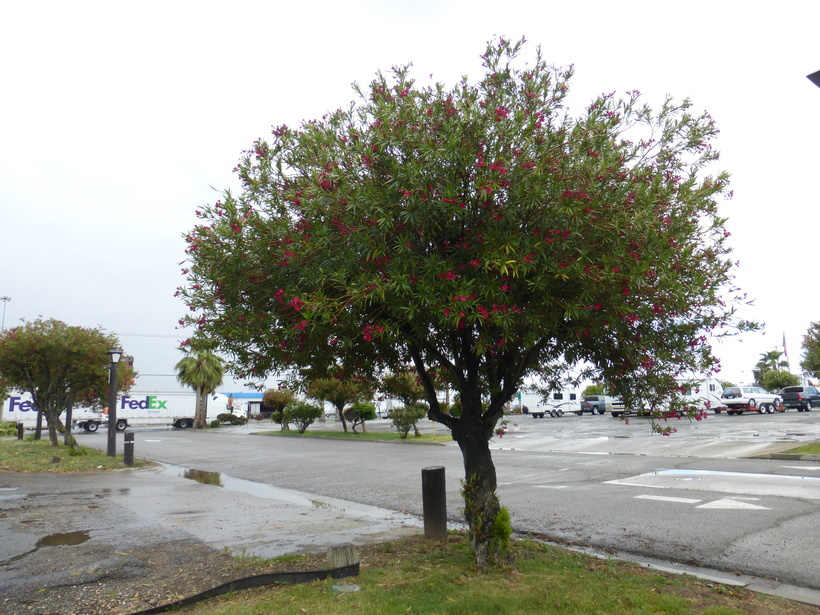
    An evergreen ornamental shrub belonging to dogbane family Apocynaceae and reaches the height of 12 feet. It is an exclusive species which is classified in genus Nerium. Native to Mediterranean region, it could also be found in Southern Europe and Southwest Asia. It is naturalized in Morocco, Mauritania and Portugal eastward through Mediterranean region and Sahara, Southern Asia, Arabian peninsula and as fat East as Yunnan in southern parts of China. It prefers warm subtropical regions and is extensively grown as ornamental plant in landscapes, parks and along roadsides.

    It ordinarily occurs around dry stream beds. The plant thrives in hot and mild climates and is tolerable to drought, high salt content in soil and poor drainage. Oleander is propagated by seed but as a highly heterozygous and allogamous, it has greater variability in seedling populations. Furthermore, the alluring flowers of this plant are a hazard for accidental ingestion. But the plant is used in homicides and folk medicines. All parts of the plant possess cardiac glycosides which includes roots.

    Other common names for Oleander are Adelfa,  Cascabela  thevetia,  Baladre,  Common  Oleander, Cerbera thevetia, Exile Tree, Jia  Zhu Tao, Huang Hua  Jia, Kaner,  Karvir,  Laurel  Rosa,  Karvira,  Laurier-Rose,  Laurier  Rose, Nérier  à  Feuilles  de  Laurier,  Laurose,  Nérion,  Nerium  Oleander,  Nerium  indicum, Nerium  odorum,  Oleandre, Oleander  blatter,  Oleandri  folium,  Rose  Laurel,  Rose  Bay,  Sweet  Scented  Oleander, Thevetia peruviana, Thevetia neriifolia and Yellow Oleander.

    Plant description

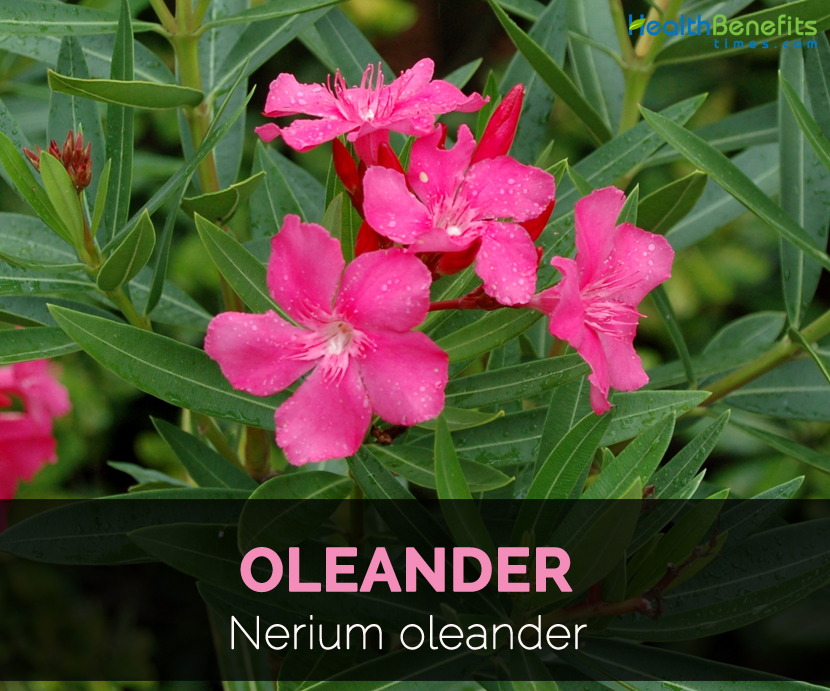
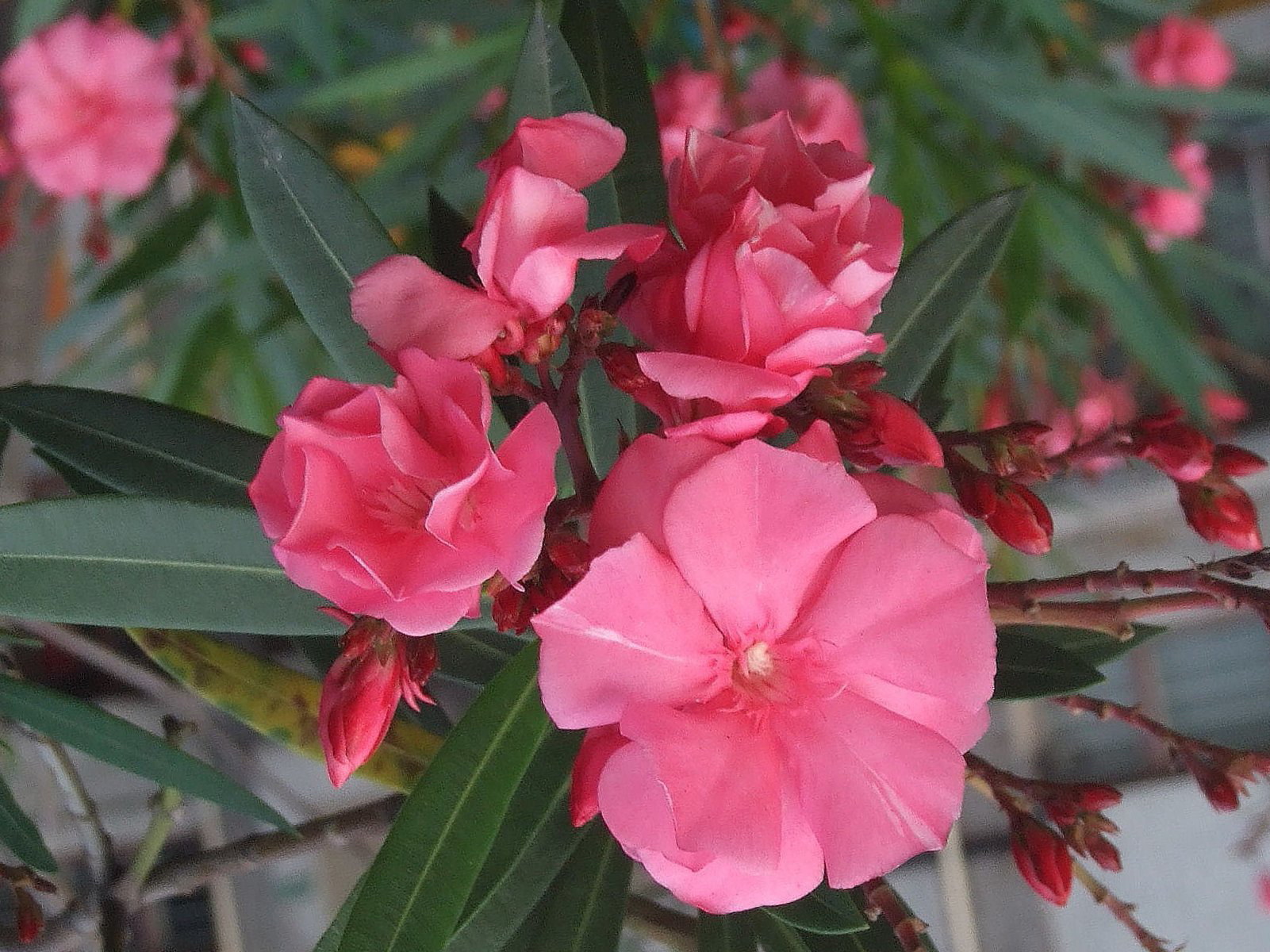
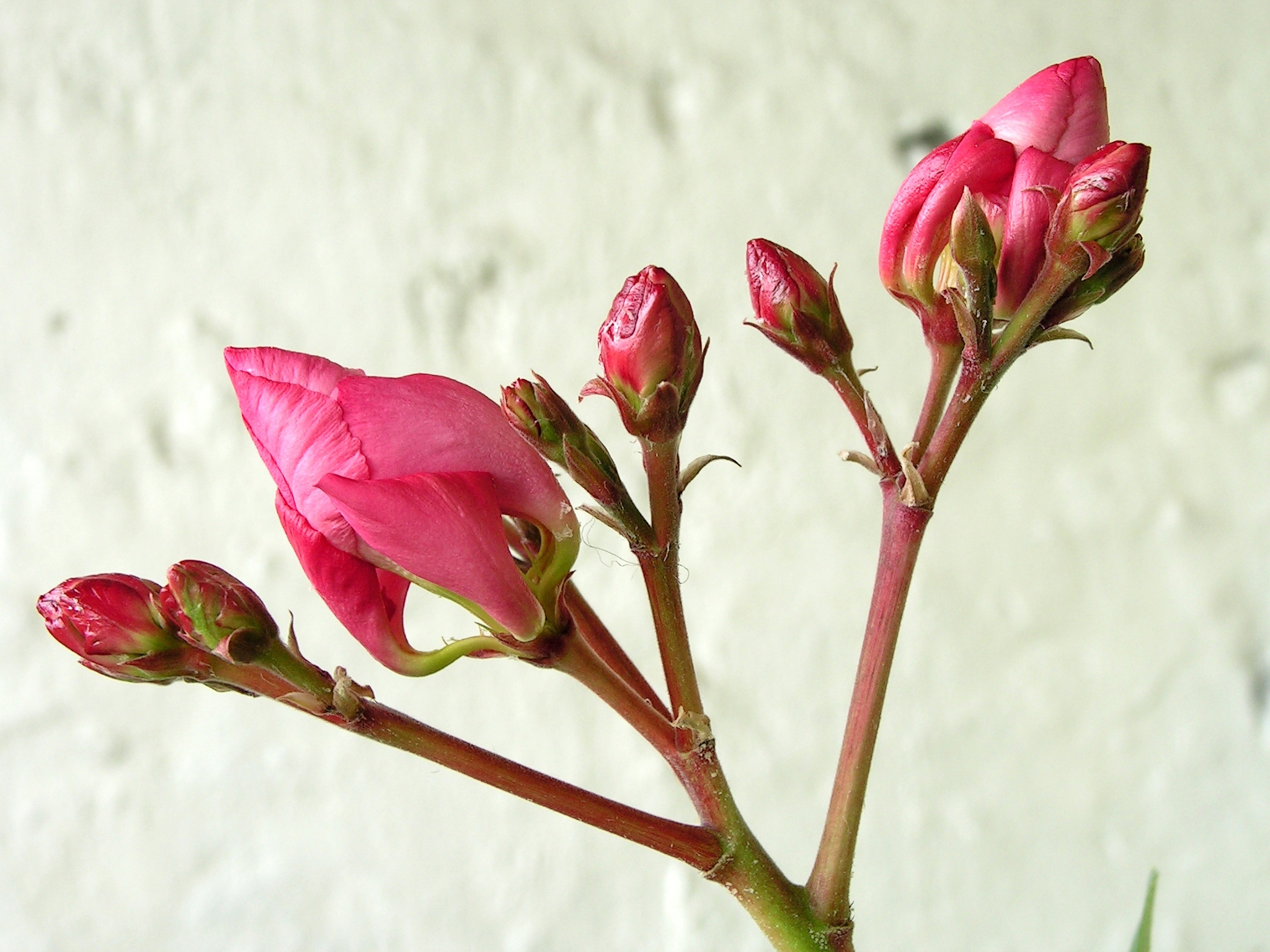
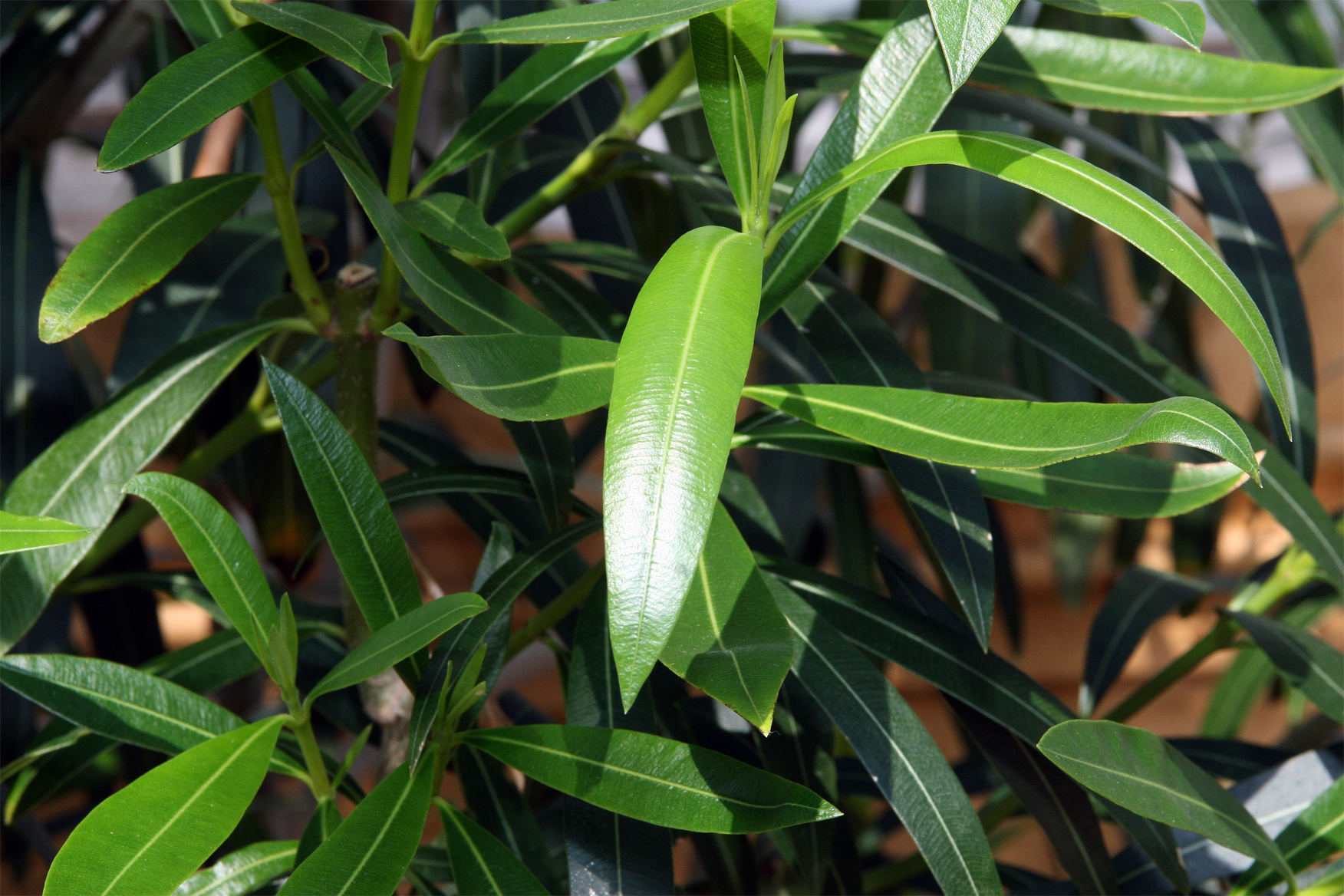
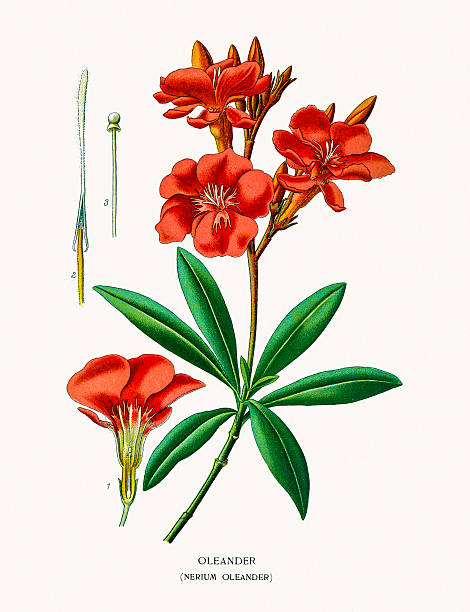
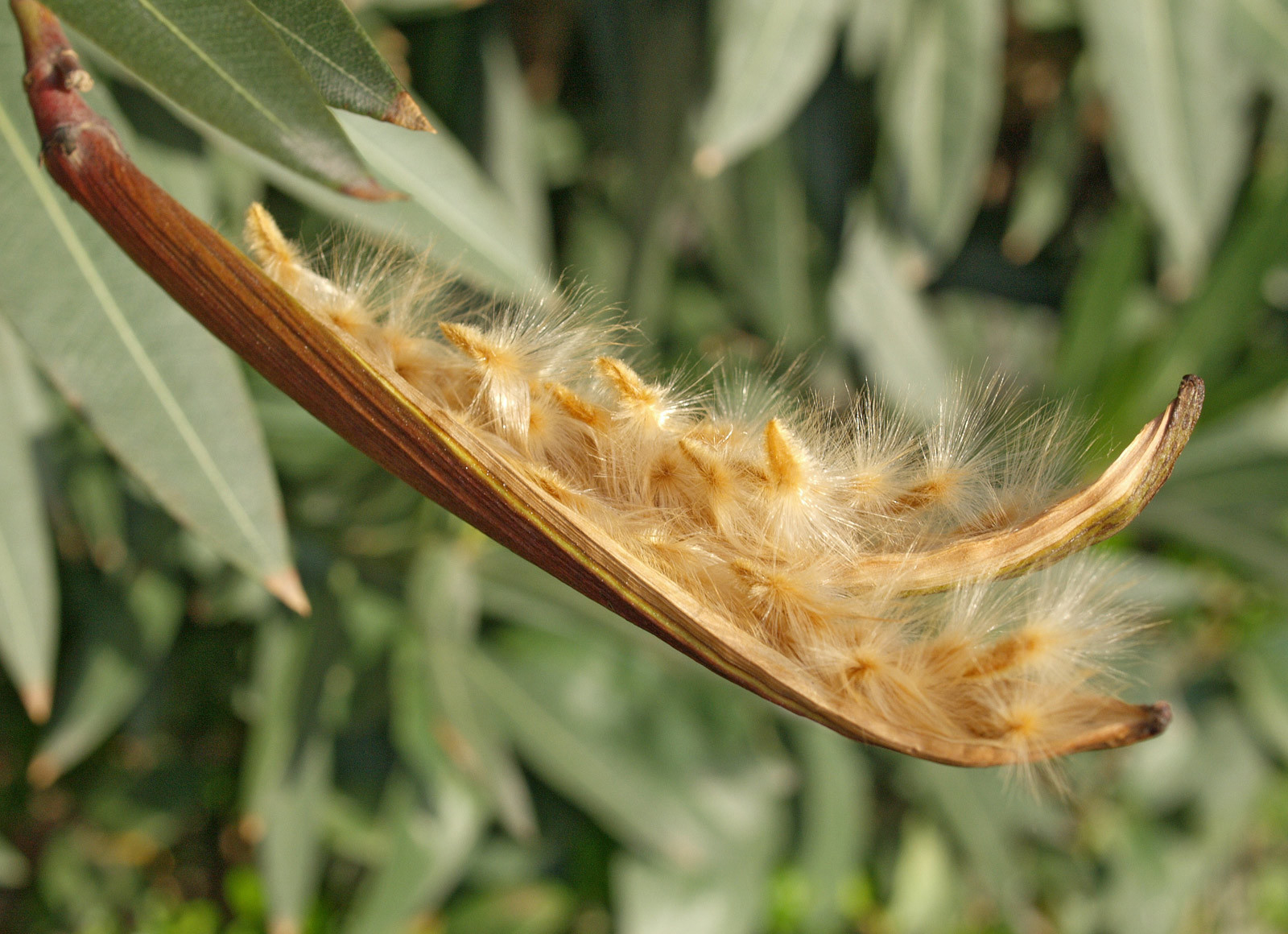
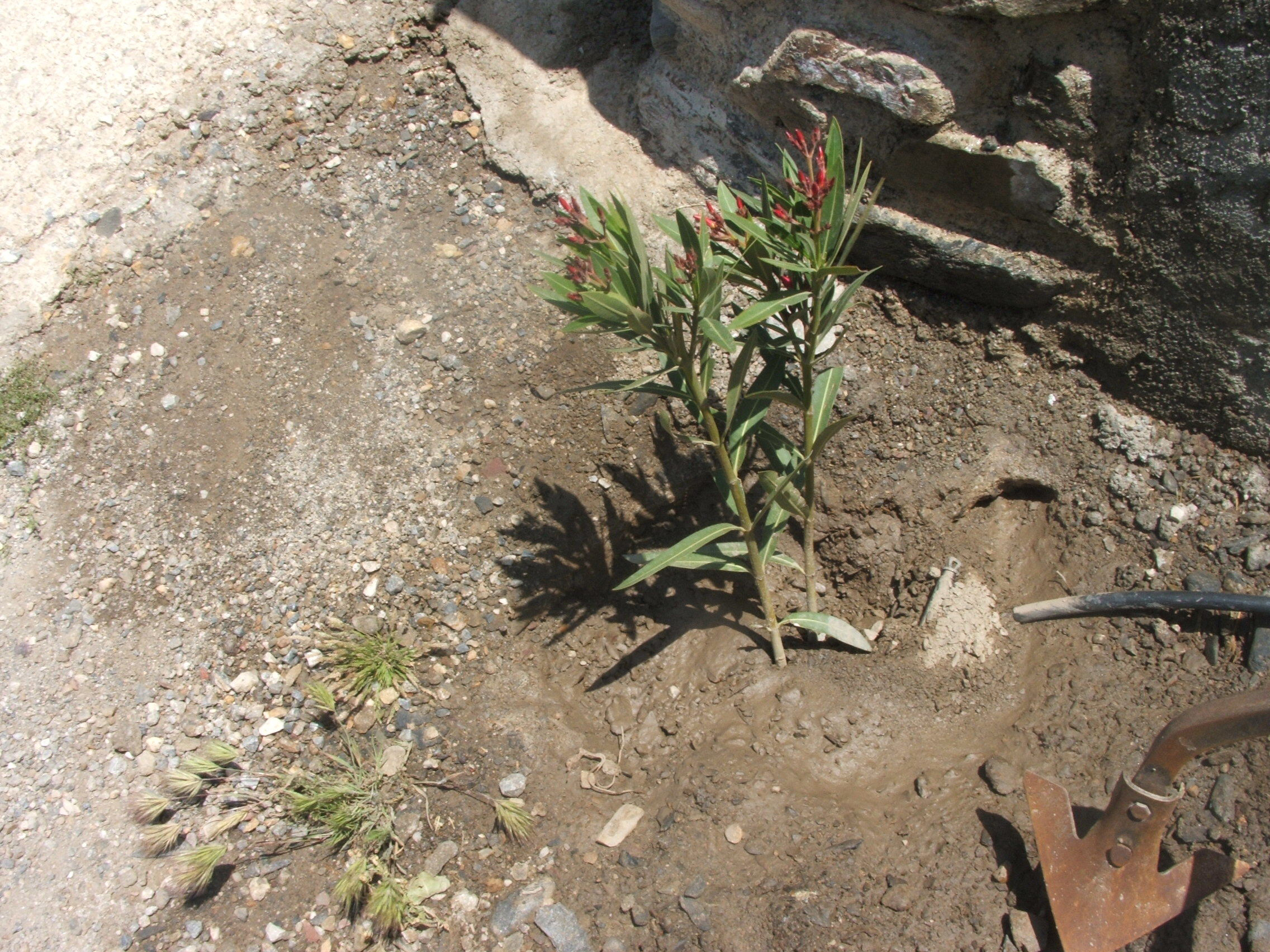
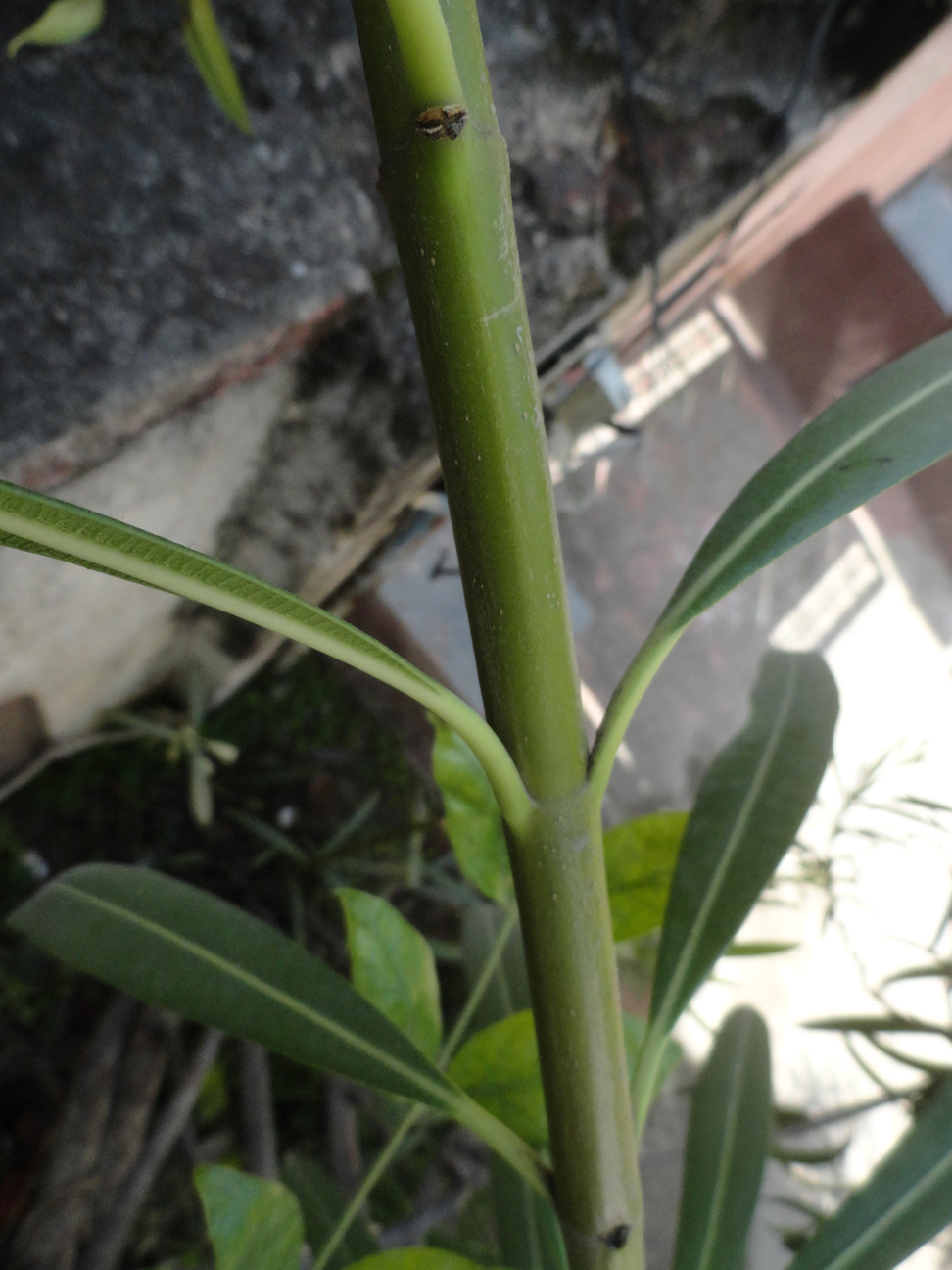
    Oleander grows 12 feet high with erect stems splaying outward when mature. In the first year, stems are glaucous and when matured have grayish bark. Leaves form in pairs or whorls of three, usually leathery, thick, dark green, narrow lanceolate and measures 5 to 21 cm long and 1-3.5 cm (0.39-1.4 in) broad with entire margin. It resembles the leaves of olive and bay trees. Flowers bloom in clusters at the end of each branch usually in spring and summer. Flowers are white, pink to red about 2.5-5 cm (0.98-2 in) diameter and have five petals with deeply 5-lobed fringed corolla round the central corolla tube. It resembles a tiny rose. Flowers give way to a long and narrow capsule 3-6 inches long which splits open when matured in order to release diverse downy seeds.

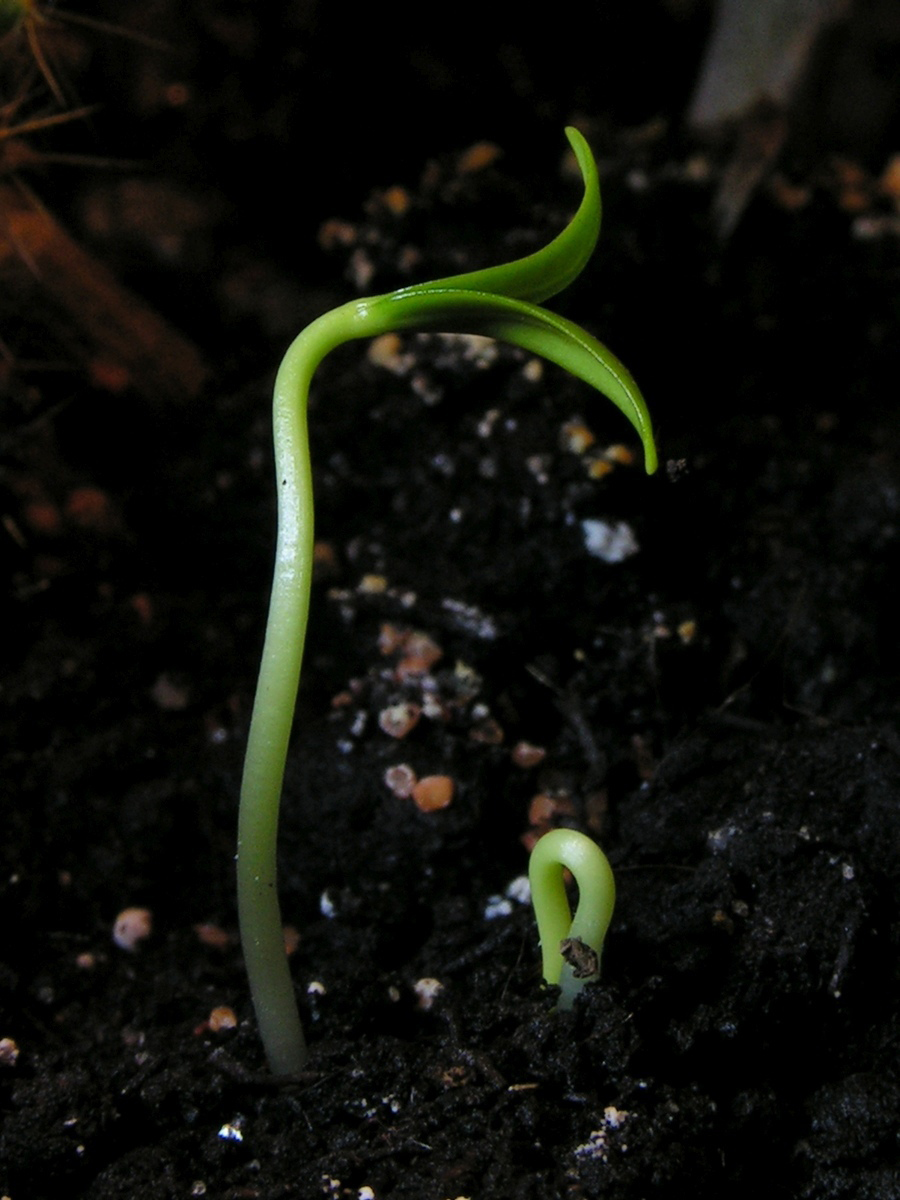
    Close-up-flower Flower-buds Leaves Plant-Illustration Seedlings Seeds Tree Young-plant Stem
    [Show thumbnails]
    Traditional uses

    • The plant parts such as bark, flowers, leaf juice and latex leaves are used to treat microbial and fungal diseases.
    • Leaves and bark acts as a heart tonic, expectorant, emetic, diuretic and diaphoretic.
    • Boil the roots in water and use it for herpes, ringworm infection and skin complaints.
    • Apply the leaves juice (in small dose) for snake and other venomous bites.
    • Young leaves juice is used to cure eye diseases.
    • Use the root paste for hemorrhoids, ulceration, cancer and leprosy.
    • Oil extracted from root is used for skin diseases as well as leprosy.
    • Apply the leaves decoction externally for treating scabies and lower swellings.
    • It is used to cause abortion.
    • Macerated leaves are used for hair loss, scabies, toothache, diabetes and lice in Morocco, Africa.
    • Roots are used to form plaster and also applied to tumors.
    • Use the root bark oil to scaly skin diseases.
    • Leaves, flowers, latex or leaf juice, roots and bark are used as a treatment for warts, corns, hard tumors, carcinoma and cancerous ulcers.
    • Apply the paste for alopecia.
    • Use the powdered root with water to treat venereal diseases.
    • Leaves powder is used for treating epilepsy.
    • In India, people use twigs and thin branches of the plant as toothbrush. It strengthens loose teeth.

    Medicinal applications

    • Face pack

    Apply the flowers paste on the face. It improves skin complexion and texture.

    • Hemorrhoids

    Roots paste is applied externally on hemorrhoids.

    • Joint pain

    Mix the leaves paste with oil and apply it to affected joints.

    • Skin diseases

    Boil the decoction of Oleander in mustard oil. Apply this oil to the affected areas of the body.

    • Itching

    Apply the medicated oil (prepared from Oleander leaves) externally.

    • Ear pain

    Boil the stem bark juice with gingelly oil. Put 2 drops of this oil to ear for treating ear pain.

    • Scorpion sting, snake bite, ulcers, leprosy, skin diseases

    Apply the roots paste externally.

    • Swelling ulcers on penis

    Use the leaves decoction to wash the affected areas.

    • Venomous bite

    Apply the leaves juice externally.

    • Heart pain

    Take 100 to 200 mg of root bark after meals. It causes heavy urination curing heart pain. It also cures other problems associated to heart.

    • Headache

    Crush Oleander flowers with Indian gooseberry in kanji (a fermented drink made with beets, carrots and mustard). Apply this paste on forehead for immediate relief.

    • Piles

    Apply the root paste to boils.

    • Eczema

    Use the root bark oil on affected areas. It is a cure for all types of eczema, dermatose and itching.

    • Contagious diseases

    Massage the leaves oil for any contagious/monsoonal diseases. It prevents the micro-organisms growth.

    • Itching

    Apply the oil prepared from Oleander leaves.

    Precautions

    • The entire plant consists of toxic cardiac glycosides. Roots and seeds contain more.
    • The smoke from the plant and also the water in which plant is immersed is toxic.
    • The symptoms for oleander toxicity: nausea, pain in oral cavity, abdominal pain, emesis, diarrhea and cramping.
    • Any part when ingested causes vomiting, nausea, bloody diarrhea, irritation to mucosal membranes, increased salivation, burning around mouth, dizziness, confusion, weakness, drowsiness, cardiac abnormalities, visual disturbances, bradycardia, tachyarrhuthmias, ventricular dysrhuthmias and heart block.
    • Intake of flowers is also harmful.
    • Rash occurs with a skin contact with sap of oleander leaves.
    • It is regarded to be toxic for consumption for humans as well as animals.
    • Not recommended to use in lactation, pregnancy and in children.

    References:

    https://www.itis.gov/servlet/SingleRpt/SingleRpt?search_topic=TSN&search_value=30184#null

    http://www.hear.org/pier/species/nerium_oleander.htm

    https://botanical.com/botanical/mgmh/o/oleand04.html

    https://www.researchgate.net/publication/323803305_NERIUM_OLEANDER_IT’S_APPLICATION_IN_BASIC_AND_APPLIED_SCIENCE_A_REVIEW

    http://hort.ufl.edu/database/documents/pdf/tree_fact_sheets/nerolea.pdf

    http://www.tropicalplantresearch.com/archives/2016/vol3issue2/23.pdf

    http://impactfactor.org/PDF/IJPPR/6/IJPPR,Vol6,Issue3,Article31.pdf

    https://www.bimbima.com/ayurveda/oleander-nerium-indicum-information-uses-and-warnings/200/

    https://www.theayurveda.org/ayurveda/herbs/10-health-benefits-of-oleander-flower

    https://www.diethealthclub.com/dietary-supplements/oleander.html

    85%
    85%
    Awesome

    Comments

    comments

    Herbs and Spices O
    Share. Facebook Twitter Pinterest LinkedIn Tumblr Email
    Previous ArticleFacts about Barringtonia
    Next Article The Most Common Drugs People Use In Addictions

    Related Posts

    Uses of Monkey Pitcher plant

    April 16, 2024

    Traditional uses and benefits of Wild Marigold

    March 21, 2024

    Traditional uses and benefits of Drooping fig

    March 12, 2024

    Comments are closed.


    Oleander Quick Facts
    Name: Oleander
    Scientific Name: Nerium oleander
    Origin Mediterranean region and is also found in Southern Europe and Southwest Asia
    Shapes Elongated, 3 to 6 inches long
    Name Oleander
    Scientific Name Nerium oleander
    Native Mediterranean region and is also found in Southern Europe and Southwest Asia
    Common/English Name Adelfa,  Cascabela  thevetia,  Baladre,  Cerbera thevetia, Common  Oleander, Huang Hua  Jia, Exile Tree, Jia  Zhu Tao, Karvir,  Kaner,  Karvira,  Laurier-Rose,  Laurel  Rosa,  Laurose,  Laurier  Rose, Nérier  à  Feuilles  de  Laurier,  Nerium  indicum, Nérion,  Nerium  Oleander,  Oleander  blatter,  Nerium  odorum,  Oleandre, Oleandri  folium,  Rose  Laurel,  Sweet  Scented  Oleander, Rose  Bay,  Thevetia peruviana, Thevetia neriifolia, Yellow Oleander
    Name in Other Languages Arabic: zaqqum;
    Argentina, Uruguay: Laurel de jardín, Laurel rosa;
    Assamese: Diflee, Sammulhimar;
    Bengali: Karbbe, Karabi, Karbee;
    Brazil: Espirradeira, Flor de Sao Jose;
    Bulgarian: zakum (закум);
    Catalunya: Baladre;
    Chamorro: adelfa, rosa laurel;
    Chinese: jia zhu tao;
    Chuukese: wiliancher;
    Cuba: Rosa Francesa;
    English: mountain rose, rose-laurel, oleander, rosebay;
    Fijian: rusi, vasa;
    France: Laurier rose;
    French: laurier rose, laurier blanc, oleander;
    Gujarati: Kaner;
    Hawaii: Oleana, Oliwa;
    Hawaiian: ‘oleana, ‘oliana, ‘oliwa
    Hebrew: harduf (הרדוף);
    Hindi: Karavira, Kaner;
    Hungarian: leander;
    I-Kiribati: te orion, te orian;
    Kannada: Kanagilu, Kanigale, Kharjahar, Kanagile;
    Malayalam: Arali, Kanaveeram;
    Maori (Cook Islands): tārona;
    Marathi: Kanher;
    Marshallese: olianta, oliaanta;
    Mexico: Rosa Laurel;
    Niuean: talona;
    Puerto Rico: Adelfa, Alheli Extranjero;
    Pukapukan: tālona;
    Punjabi: Kanir;
    Romanian: leandru;
    Samoan: oliana;
    Sinhalese: Kaneru;
    Spanish: adelfa, laurel, balandre, laurel de jardín, laurel en flor, laurel rosa, Pascua;
    Tahitian: tarona uouo, tarona;
    Tamil and Malayalam: arali (அறளி);
    Tamil: Sivappu, Sevvarali, Arali, Alari, Aatrulari;
    Telugu: Errugumeru, Kastooripatte, Ganneru;
    Tokelauan: oliana;
    Tongan: lolie;
    Tongarevan: tiare tālona;
    Turkish: zakum, zakhum, zakkum;
    UK: Rose bay;
    Urdu: Kaner
    Plant Growth Habit Evergreen  shrub
    Growing Climate Hot, mild
    Plant Size 12 feet high
    Leaves Simple, shiny, smooth (or rough), 5 to 21 cm long and 1-3.5 cm (0.39-1.4 in) broad
    Flower Pink or white, 5 cm in diameter
    Fruit shape and size Elongated, 3 to 6 inches long

    Oleander Scientific Classification

    Scientific Name: Nerium oleander

    Rank Scientific Name & (Common Name)
    Kingdom Plantae (Plants)
    Subkingdom Viridiplantae  (Green plants)
    Infrakingdom Streptophyta (Land plants)
    Superdivision Embryophyta
    Division Tracheophyta (Vascular plants, tracheophytes)
    Class Magnoliopsida
    Order Gentianales
    Family Apocynaceae  (Dogbane, apocyns)
    Genus Nerium L. (Oleander)
    Species Nerium oleander L. (Oleander)
    Synonyms
    • Nerion oleandrum St.-Lag.
    • Nerion Tourn. ex St.-Lag.
    • Nerium carneum Dum.Cours.
    • Nerium flavescens Spin
    • Nerium floridum Salisb.
    • Nerium grandiflorum Desf.
    • Nerium indicum Mill.
    • Nerium indicum var. plenum Makino
    • Nerium japonicum Gentil
    • Nerium kotschyi Boiss.
    • Nerium latifolium Mill.
    • Nerium lauriforme Lam.
    • Nerium luteum Nois. ex Steud.
    • Nerium madonii M.Vincent
    • Nerium mascatense A.DC.
    • Nerium odoratissimum Wender.
    • Nerium odoratum Lam.
    • Nerium odorum Aiton
    • Nerium odorum Salisb., 1796
    • Nerium odorum Sol.
    • Nerium splendens Paxton
    • Nerium thyrsiflorum Paxton
    • Nerium verecundum Salisb.
    • Oleander indica (Mill.) Medik.
    • Oleander Medik.
    • Oleander vulgaris Medik.
    Categories
    • Beverages (78)
    • Dairy (28)
    • Dental Health (15)
    • Equipment (5)
    • Essential OIls (196)
    • Facts (2,939)
    • Foods (255)
    • Fruits (516)
    • Giveaway (1)
    • Grains and Cereals (36)
    • Health & Beauty (763)
    • Herbs and Spices (1,249)
    • Medicines (9)
    • Mental Health (19)
    • Nutritional value (27)
    • Nuts and seeds (73)
    • Oils (81)
    • Pets (4)
    • Poultry & Seafoods (67)
    • Pulses and Beans (16)
    • Reviews (25)
    • supplement (2)
    • Vegetables (304)
    • Weight Loss (22)

    What is Lupin Bean Flour?

    Science Backed Health Benefits of Durian (Durio zibethinus)

    Science Backed Health Benefits of Feijoa (Pineapple Guava) (Acca sellowiana)

    Science Backed Health Benefits of Gac Fruit (Momordica cochinchinensis)

    Science Backed Health Benefits of Amaranth Leaves (Amaranthus spp)

    Science Backed Health Benefits of Arrowhead (Sagittaria sagittifolia)

    ABOUT
    Home
    About us
    Contact us
    Privacy Policy
    Terms & conditions
    Disclaimer
    Direct Communication
    e-mail: [email protected]
    Gmail: [email protected]
    Whatsapp: +977-9841146511
    Viber: +977-9841146511
    Useful
    Health Wiki
    Nutrition
    Facebook Twitter Pinterest
    © 2025 www.healthbenefitstimes.com All rights reserved.

    Type above and press Enter to search. Press Esc to cancel.

    ×

    Log In

    Forgot Password?

    Not registered yet? Create an Account