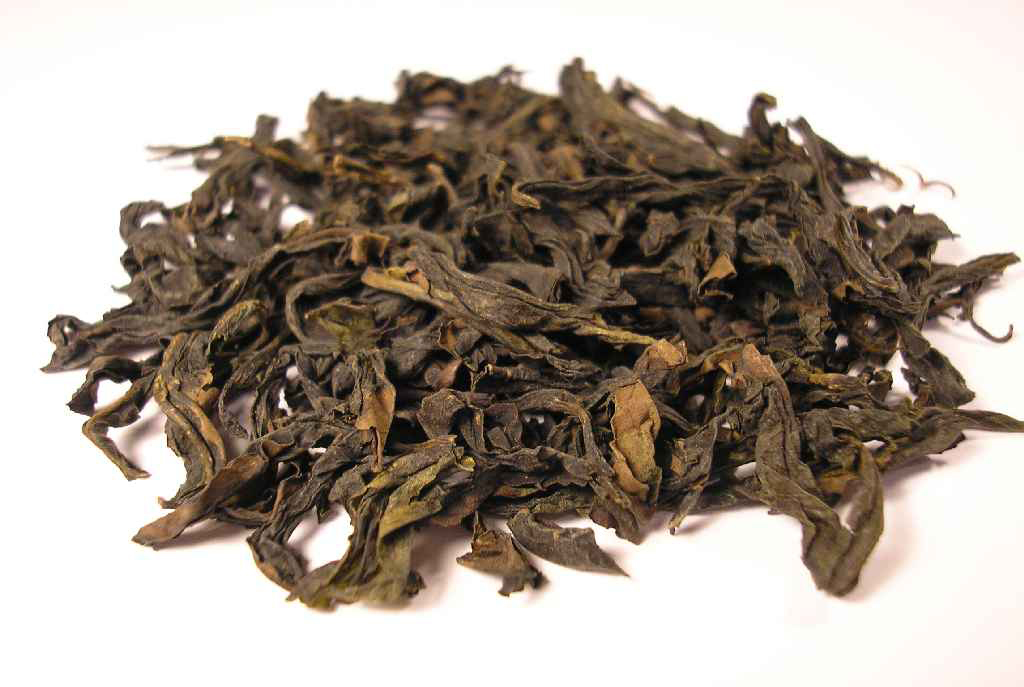
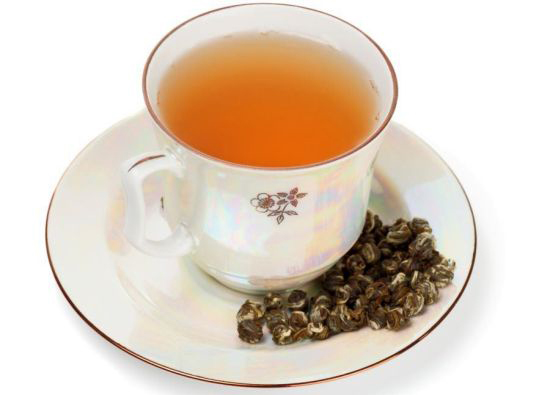
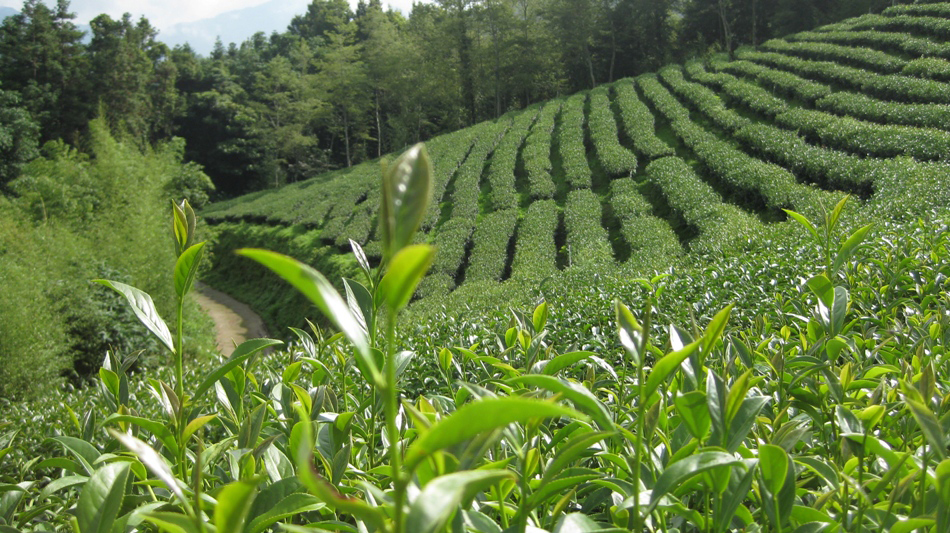
Oolong tea is a Chinese tea which is extracted from the plant named Camellia sinensis. The plant is withered in the sun and oxidized before twisting and curling. It requires the degree of oxidation from 8 to 85%. It has become widely popular in South China and Southeast Asia. The oolong tea differs in the flavor with, fruity, honey, woody and roasted aromas. It requires the same process of making green tea and black tea. It is loaded with antioxidants, the leaf of Oolong if mixed with caffeine and catechin helps to eradicate free radicals. It is widely known for its various healing properties.
History
Oolong tea was originated in Fujian province. It stretches back to more than 1000 years which is called Beiyuan tea. It was called tribute tea which was created in Fujian that was produced during the period of Song Dynasty. During Qing dynasty, in Fujian, the tea farmer decided to hunt the deer when he was picking tea instead to process the picked tea. The edge of leaves was oxidized and provides a good aroma. He got surprised when he resulted that the tea got a strong and sweet flavor without any bitterness. Then it was named Oolong.
Nutritional value
100 grams of Oolong tea displays 99.84 g of water, 1 calories, 0.02 g of ash and 0.15 g of carbohydrate. The same serving size offers 0.21 mg of manganese, 0.06 mg of niacin, 12 mg of potassium, 1 mg of magnesium, 3 mg of sodium, 1 mg of phosphorus, 0.15 g of carbohydrate, 1 mg of calcium and 0.01 mg of zinc.
Types of Oolong Tea
Wuyi Rock Oolong Tea
It is made in Fujian province, Wuyi mountain. It is a typical oolong tea which requires thirteen process for the production. It becomes bright and golden when brewed with a fragrance of spearmintgbeenglishnepalienglishnepalidictionary. It is also known as King of tea due to its fabulous quality. It provides numerous health benefits. It contains sodium protocatechuate and caffeine.
Iron Goddess
It is regarded as the high grade tea which is produced in Anzi of Fujian Province. It has deep and acidic soil which is suitable to grow tea. It has dark green leaves which are soft and smooth. The edge of the leaf is dark green in middle and red. It is also divided as summer tea, spring tea, autumn tea and late summer tea. It is less withered and fermented in order to maintain the flavor and polyphenols. It is very resistant for brewing.
Dongding Oolong Tea
It has good color, excellent quality and flavor. It was originated in Taiwan (Dongding Mountain). It is considered as the Tiwanese tea that is typical. The leaf is dark green having the white frost. The tea becomes bright, golden and clear when brewed. It has caramel color and sweet scent. It has got strong and mellow taste.
Caffeine in Oolong tea promotes the central nervous system, enhances the mental alertness and sharpens the thinking skills. The consumption of Oolong tea lowers the chances of ovarian cancer. It aids digestion, cleanses alcohol and smoke and also cures headaches. Oolong tea also helps to control the body weight as it interrupts in the absorption of carbohydrates and fats. The daily intake of Oolong tea assists the weight loss such as balanced diet, sleep and exercise.
Helps to lose weight
Oolong tea possesses a polyphenol compound that helps to lower the fat metabolism in the body. It helps to enhance the activities of fat cells. The daily intake of Oolong tea lowers the chances of obesity. The research in which the mice was provided polyphenols along with high sugar and high fat diet, their fat and body was reduced. Some studies show that the content of caffeine helps to lower the weight. Rare Tea Company also agrees with this, stating that the caffeine in oolong tea helps to boost your metabolism.
Eliminates free radicals
Oolong tea contains polyphenolic compound that helps to eliminate free radicals from the body. It acts as an antioxidant property. The regular intake of Oolong tea prevents the human body from atherosclerosis, cancer, rheumatoid arthritis, stroke, diabetes and neurodegeneration. (1)
Skin health
The daily intake of three cups of Oolong tea is helpful for the eczema patients. The positive results were observed in a week with an improvement. It provides relief from the chronic skin conditions such as atopic dermatitis and irritation. (2)
Strong bones
Antioxidants in Oolong teas prevent the teeth decay, osteoporosis, strengthen bones and enhance the growth of body. The study shows the effects on the mineral density of bones. (3)
Treat diabetes
Oolong tea treats the disorders of type 2 diabetes. It manages the blood sugar as well as insulin in bloodstream. It lowers the chances of spikes and dips in the blood sugar. (4)
Treats cancer
The fact is well known the intake of tea lowers the chances of skin cancer. Oolong tea has polyphenolic compound that enhance apoptosis in the stomach. It helps to prevent the development of cancers. It activates the carcinogenic cells which prevents the N-nitroso compounds formation and lure genotoxic agents. (5)
Manage stress
Oolong tea has polyphenols that acts as a stress buster. The leaves have L-theanine which blocks L-glutamic acid to glutamate brain receptors. It raises the cognitive activity and stress response of neurals. (6)
Mental health
Oolong tea enhances the mental alertness and performance. The daily intake of caffeine promotes the mental performance as well as alertness during the whole day.
Precautions
The excessive intake could lead to the side effects such as nervousness, headache, vomiting, sleep problems, irritability, diarrhea, tremor, irregular heartbeat, heartburn, ear ringing, dizziness, confusion and convulsions.
The consumption of more than two cups during pregnancy leads to low birth weight and premature delivery.
It should be used in limited amounts for children.
It might worsen the anxiety disorders.
It could slow down the clotting of blood.
It causes the irregular heartbeats.
The high intake of Oolong tea could worsen diarrhea and irritable bowel syndrome.
One should consult a doctor to use it for managing weight.
Incorporating oolong tea into your diet gives you the above health benefits. You can steep oolong tea leaves in hot water (190-200°F or 87-93°C) for 3 to 5 minutes. Also, you can add ice cubes for a refreshing drink. Enhance the flavor with honey or fruit juice and add freshness with mint leaves or citrus slices.
Indulge in creamy oolong tea lattes by blending brewed tea with steamed milk (dairy or plant-based) and your preferred sweetener. Elevate your routine with oolong tea smoothies, combining brewed and cooled tea with fruits, greens, and protein sources like yogurt or protein powder.
Oolong tea is available for purchase from various online and offline sources. Local grocery stores often have oolong tea in their tea or beverage aisles. For a more specialized experience, you can visit specialty tea shops offering high-quality oolong tea selections and knowledgeable staff to guide your choices.
Online retailers provide a convenient platform for browsing and buying a wide range of oolong tea options. Alternatively, you can explore the websites of tea companies to directly purchase different varieties of oolong tea and learn about their unique origins.
You may find oolong tea, particularly in establishments that focus on Chinese or Taiwanese products. Consider origin, quality, flavor, and certifications when buying oolong tea. Reading reviews and seeking recommendations can help ensure a good purchase.