Health Benefits
    Facebook Twitter Instagram
    Friday, December 5
    Facebook Twitter Pinterest
    Health Benefits
    • Home
    • Dental Health
    • Mental Health
    • Weight Loss
    • Health Wiki
    • Nutrition
    • Healthy Recipe
    • BMI Calculator
    Health Benefits
    Home»Foods»What is Protein Bread and its benefits?
    Foods

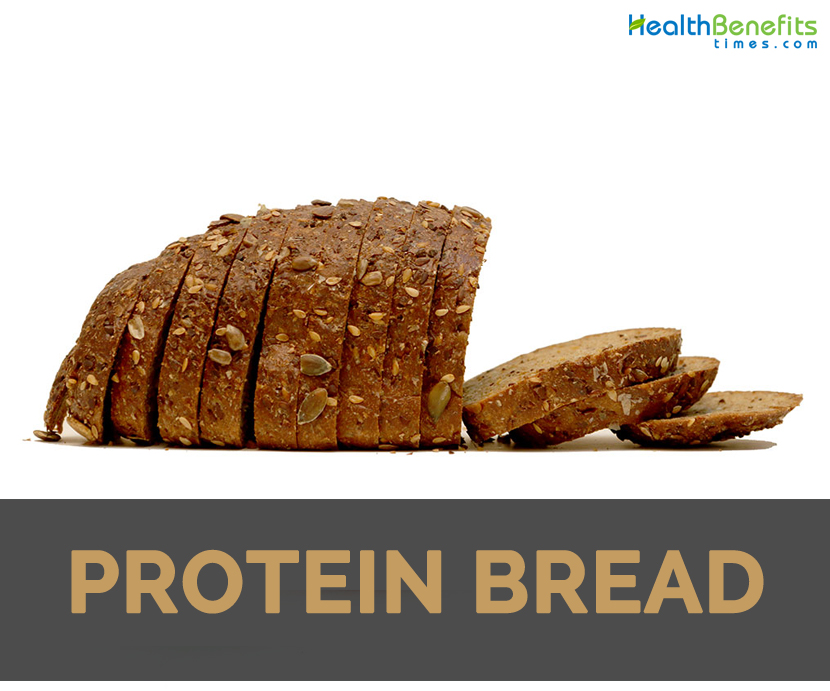
    What is Protein Bread and its benefits?

    By s mJune 22, 2018Updated:June 22, 2018No Comments8 Mins Read
    Facebook Twitter Pinterest LinkedIn Tumblr Email

    Generally protein bread is stickier and more expensive containing more calories and fat in comparison to normal bread. Protein bread is a best alternative for those who want to discard carbohydrates but still like to have bread. When the carbs is cut out from diet, it assists in losing weight. This bread is also considered to be dieters dream and also known as Diet Bread.

    Modern bakery is the first bakery which produces this formulated bread. It comprises 28% of protein and five times more protein in comparison to conventional bread loaf and even higher content of protein than steak. The carbohydrate is 8% which is six times lower in comparison to regular bread. It is a smart choice for dieters following high protein and low carb diet.

    This bread is helpful for diabetic patients as it assist in control and also to regulate amount of sugar in bloodstream. It limits carbohydrate intake. Carbohydrate is the main source of energy and when it is broken down in the body, it promotes glucose level in blood. The diabetic patients may not produce enough insulin to break down glucose.

    History

    It is expected to be popular among fitness people. It is predicted that protein bread is effective for those who wants to meet weight loss goals or reap benefits from nutrient packed bread.

    The three brothers in Syracuse, N.Y. with help of personal trainer tried to develop healthy bread products that could be enjoyed on daily basis by achieving fitness goals. In 2008, P28 protein bread was developed after a year of development. It is the first original high protein bread on the market. Its demand got high popularity as the consumers were aware about the benefits of high protein diet.

    However in Australia, it was founded that the Protein Bread Co. helped health focused as well as athletic individuals to get their daily nutritional requirements with protein packed and low carbohydrate bread.

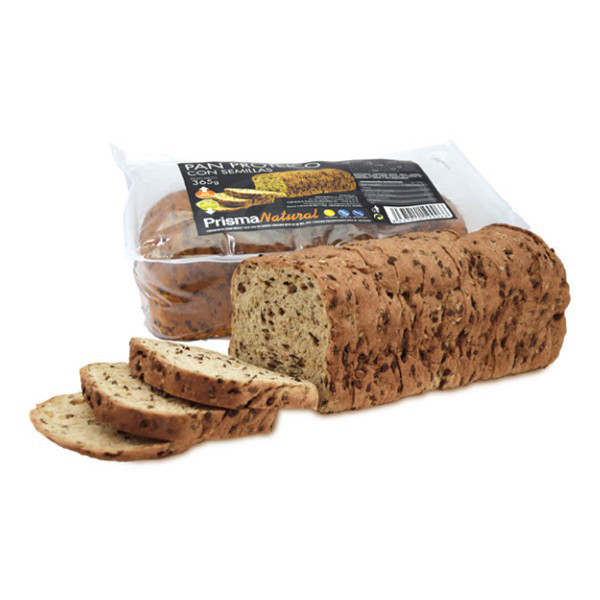
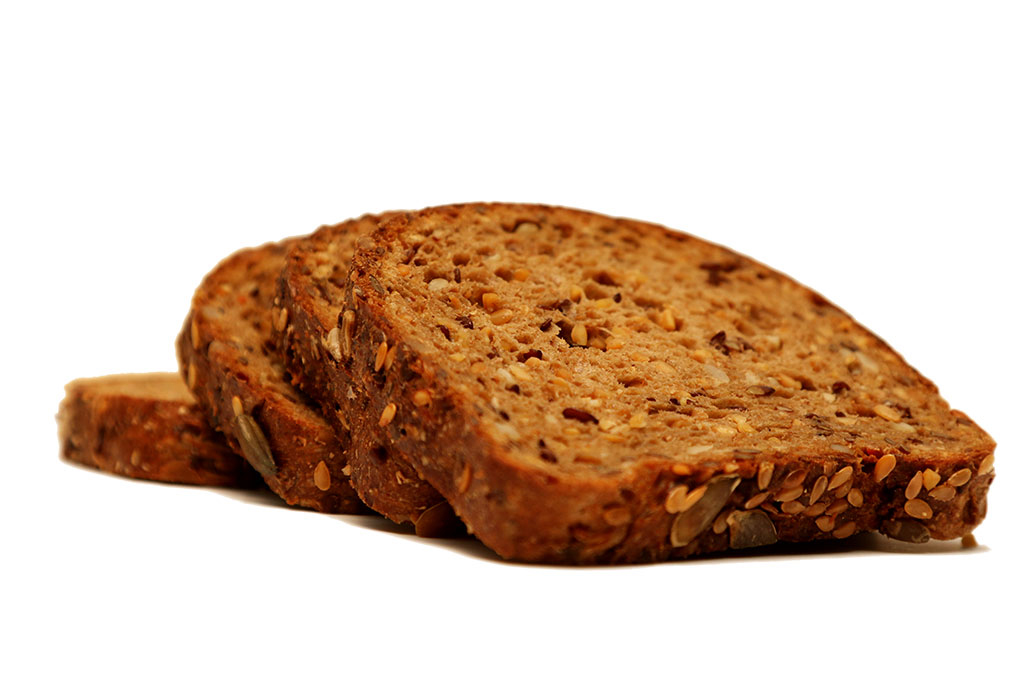
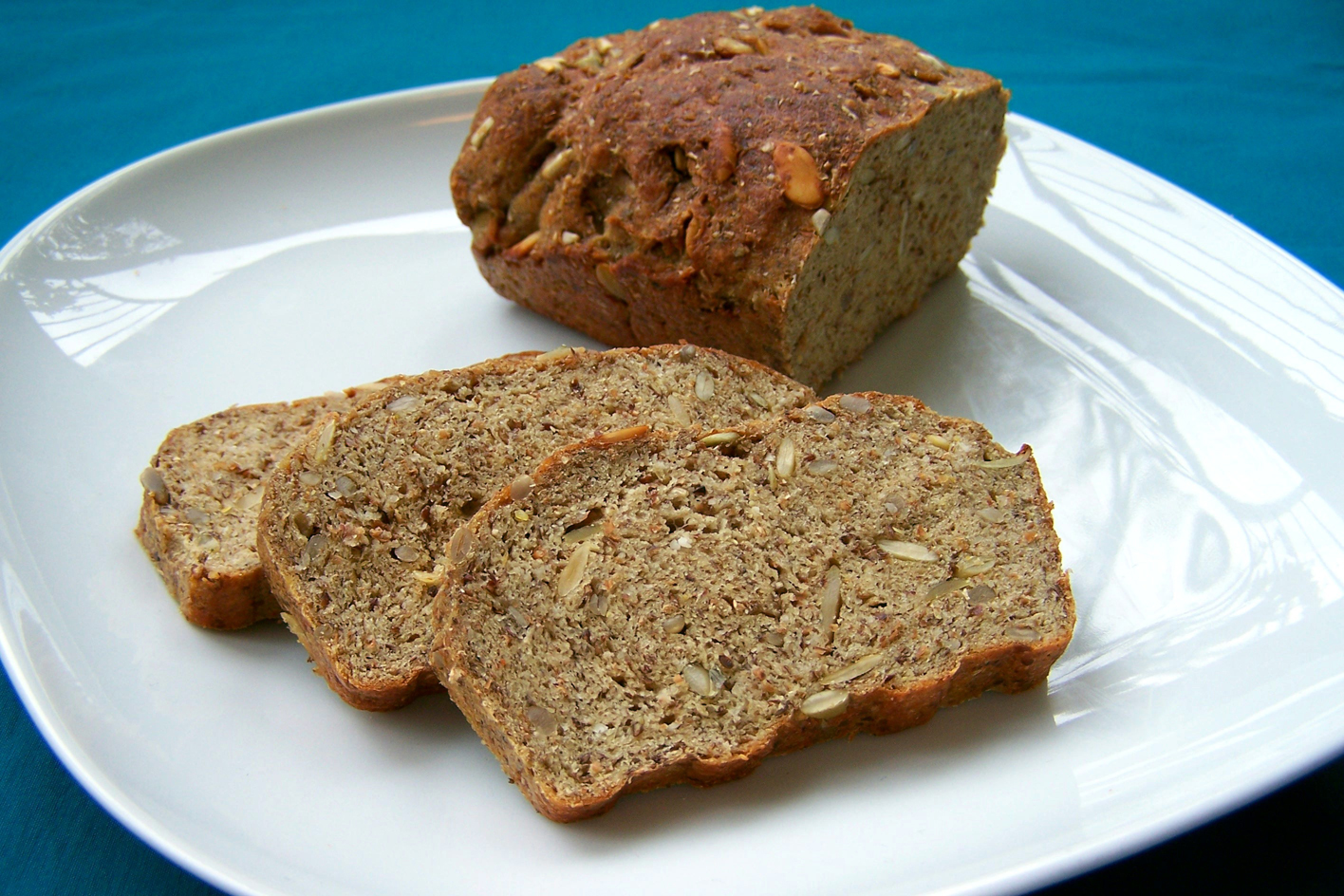
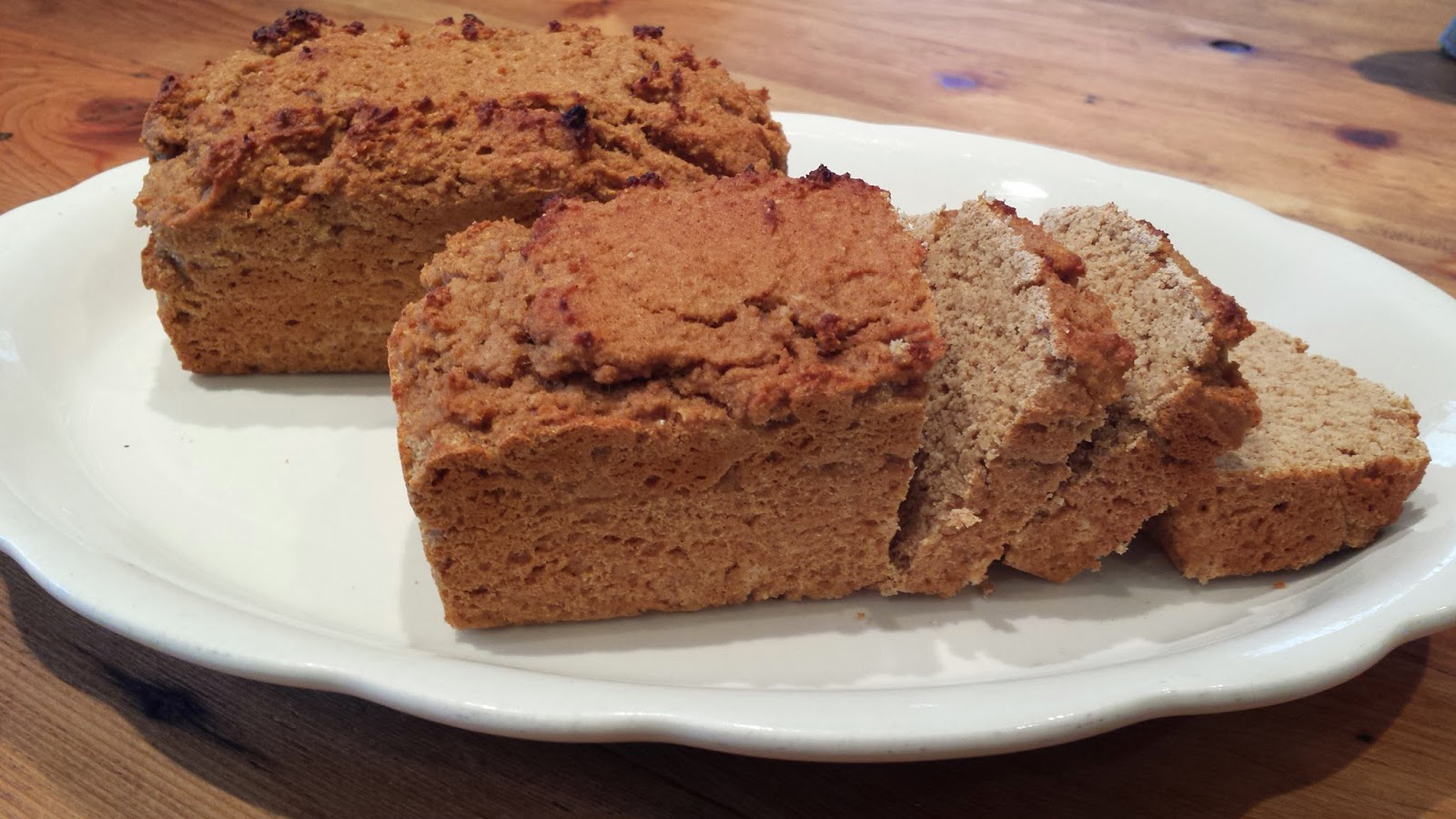
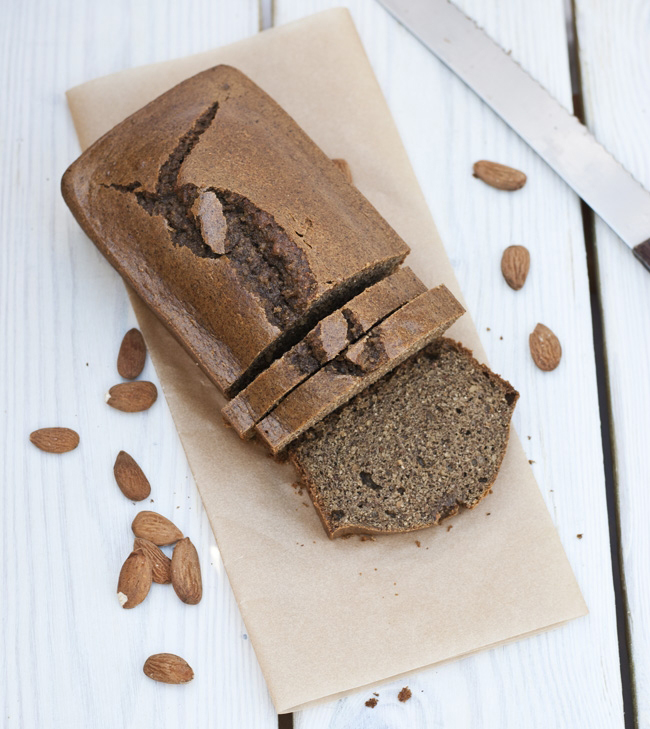
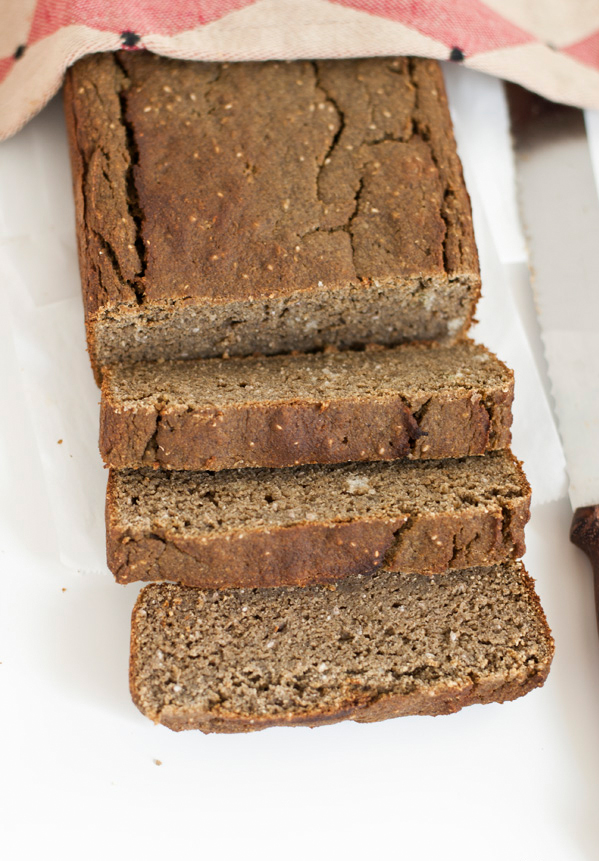
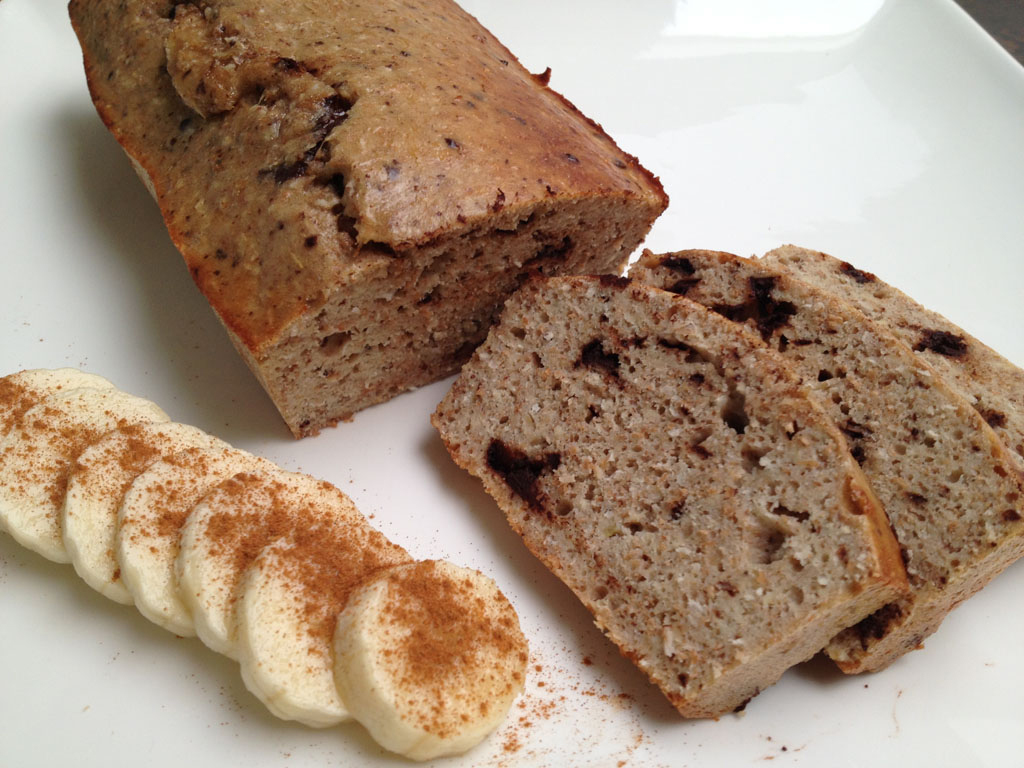
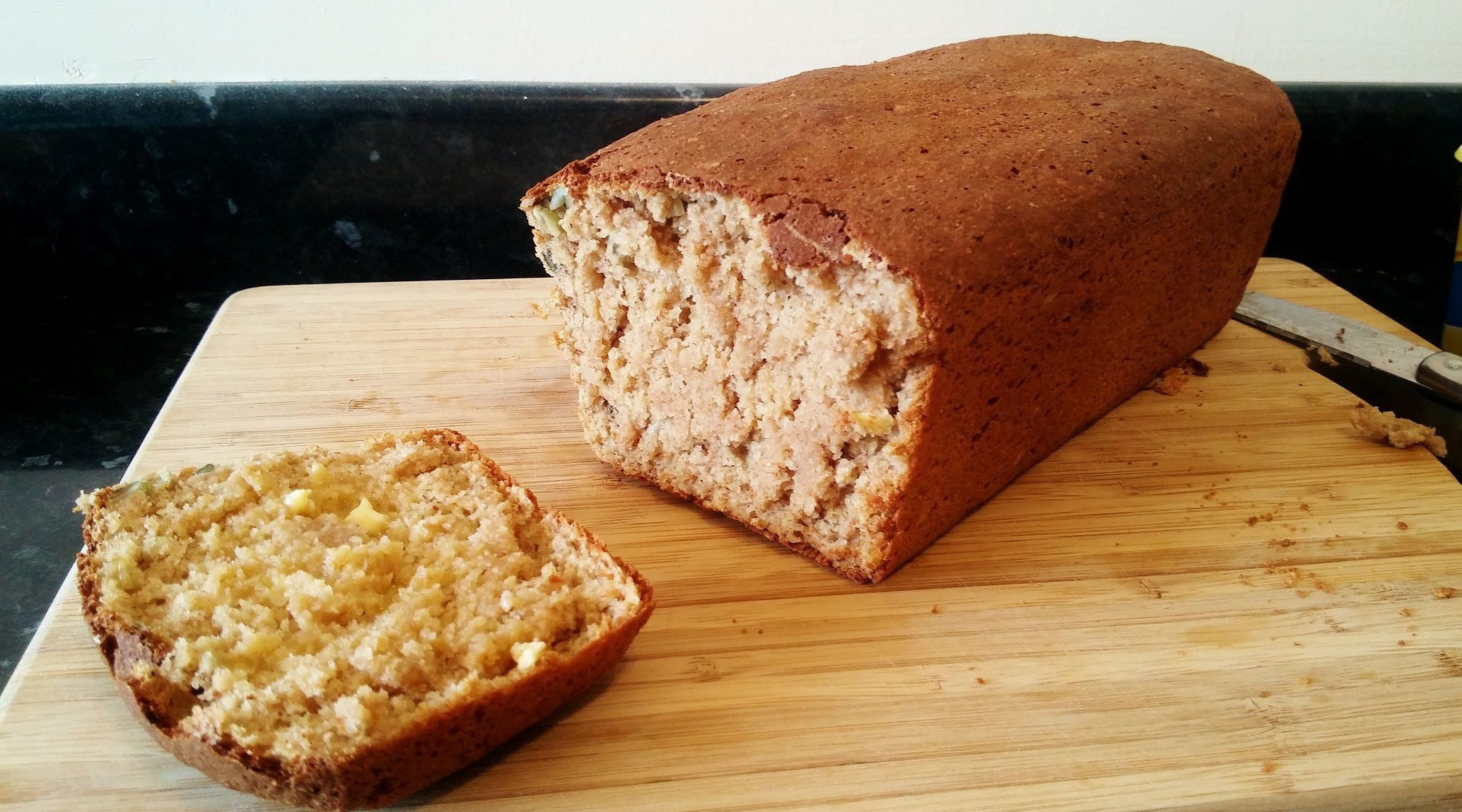
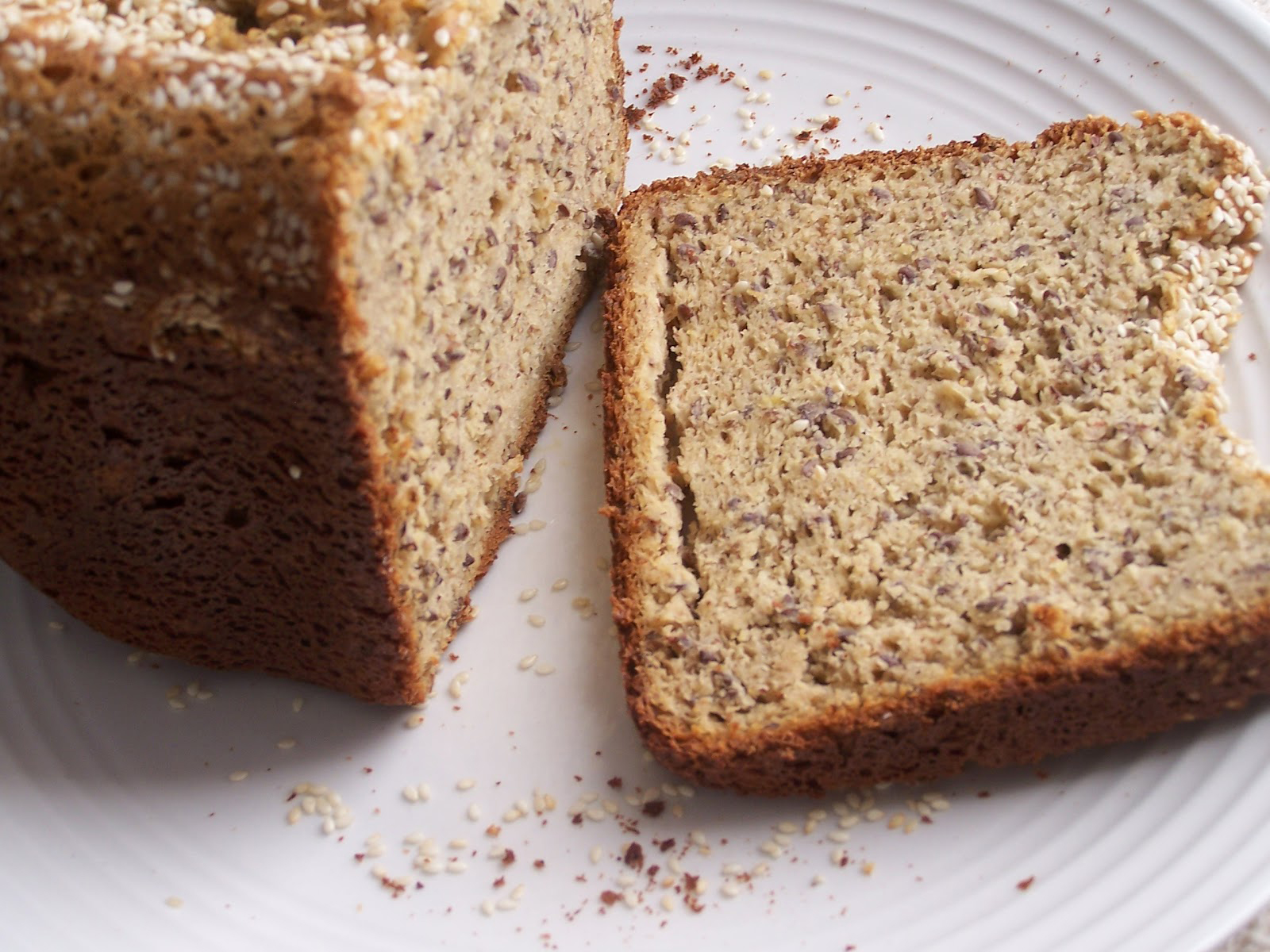
    Protein Bread Image Gallery
    Protein-Bread-1 Protein-Bread-1
    Protein-Bread-2 Protein-Bread-2
    Protein-Bread-3 Protein-Bread-3

    Protein-Bread-4 Protein-Bread-4
    Protein-Bread-5 Protein-Bread-5
    Protein-Bread-6 Protein-Bread-6

    Protein-Bread-7 Protein-Bread-7
    Protein-Bread-8 Protein-Bread-8
    Protein-Bread-9 Protein-Bread-9

    Health Benefits of Protein Bread

    Let us take a look on the health benefits provided by Protein bread:

    1. Control in appetite

    The study was conducted for determining dietary protein effects and eating frequency on satiety and appetite during weight loss. It included 27 obese or overweight men who consumed energy restriction diet either normal protein or higher protein for 12 weeks. On the beginning of week 7, they consumed respective diets as either 6 eating occasions per day or 3 eating occasions per day for three consecutive days in randomized order. The satiety or indexes of appetite were evaluated on third day. The desire to eat, daily hunger and preoccupation with thoughts of foods were not different. HP group experienced greater fullness and lower late night desire to eat when compared to NP group. 3 vs 6-EO patterns did not become able to influence fullness, daily hunger, desire to eat and preoccupation with thoughts of food within groups. 3-EO pattern resulted in greater evening and late night fullness and 6-EO in only within HP group. The data supported consuming HP intake in limited frequency for appetite control and satiety in obese men during energy restriction persuaded weight loss. (1)

    1. Promotes satiety

    Obesity is responsible for cardiovascular diseases and metabolic syndrome. The change in lifestyle or dietary and controlled energy intake with moderate intake of protein represents in effective weight loss. The ingestion of protein results in these outcomes such as increment in satiety, increased thermogenesis and accretion or maintenance of fat free mass. However to reap the health benefits, protein should be consumed in moderate with customary dietary practices and individual variability. (2)

    1. Muscle health

    Sarcopenia is the loss of muscle strength and mass which is experienced as aging occurs. To maintain skeletal muscle function throughout life span and old age is essential for good health and independent living. Studies have indicated protein as a vital macronutrient for older adults. But one should avoid excessive intake of protein in order to avoid negative nitrogen balance which helps to promote bone health and prevent sarcopenia. The right intake of protein enhances the function in older adults with the promotion in ability to recover from trauma and disease.

    1. Prevent cardiovascular problems

    Cardiovascular disease is the leading cause for death in the world. An intake of dietary fiber is considered to be a part of healthy diet and keeps serum cholesterol levels at bay. High intake of dietary fiber is related with the chances of cardiovascular disease. It provides beneficial effects on cardiovascular health by reducing serum cholesterol levels by promoting an excretion of bile acids and prevent synthesis of fatty acid in liver. The foods rich in fiber such as protein bread assist to manage body weight due to greater satiety and slow digestion.

    1. Enhance cognition

    Brain is the most active bodily organ which represents 2 percent of body weight and over 20 percent of body’s total energy expenditure. Vitamin B supports metabolic functions besides their role in neurochemical synthesis. Protein bread is the great source of Vitamin B that has vital impact on cognitive function. Homocysteine for brain atrophy is a risky factor for dementia and cognitive impairment. Protein bread helps to reduce plasma concentrations of homocyteine. Study shows that Vitamin B slows down rate of increased brain atrophy in patients having cognitive impairment. As we start to age, our brain slowly atrophy which is accelerated in patients with Alzheimer’s disease. Recent study shows that participants who took Vitamin B for two years have lower rate of brain shrinkage. The high homocysteine levels cut down the rate of atrophy.

    1. Prevent colorectal cancer

    Studies suggest that environmental risk factors are responsible for causing colorectal cancer. The dietary habits should be healthy. An intake of red meat and alcohol are the convincing dietary risk factors for colorectal cancer. Protein bread has dietary fiber that assists gastrointestinal peristalsis to eliminate constipation and absorption of harmful substances in gut and promotes their elimination. Additionally, dietary fiber promote intestinal flora and provide nutrition and energy for healthy bacteria in the gut. An increase in consumption of whole grain promotes the frequency of bowel movement in six weeks. It also prevents the colorectal cancer.

    1. Bodily functions

    A body requires 22 amino acids in order to function. Among these 13 could be created by the body itself which is known as non-essential amino acids. Other remaining should be derived from diet called essential amino acids. The essential amino acids could be found in form of complete and incomplete protein sources.

    How to make protein bread?

    Ingredients:

    • 30 g of fresh yeast
    • 1 cup of oil
    • 2 Eggs
    • 1 table spoon of sugar
    • 3 cups of warm milk
    • 1 cup of texturized soy protein
    • 1 table spoon of salt
    • 8 cups of flour

    Procedure:

    1. Heat milk till it is about to boil. Add salt and soy protein. It should be well dissolved. Let it remain until warm again.
    2. Put milk and other ingredients including yeast on the blender. Blend it for a few seconds till it is homogeneous.
    3. In a bowl, pour the mixture and add the flour and mix it to make the bread homogeneous.
    4. With the use of hands, work on bread by keeping it smooth. Add some extra flour if required. Do till the bread become sticky.
    5. With a constant temperature, let it rest for 25 minutes at a warm place.
    6. Make several small balls of bread.
    7. Put it in an oven tray by keeping some distance between them and leave it for another 15 minutes.
    8. Pre heat oven at 200°C and put the tray inside the oven in a medium position.
    9. Let it cook for 20 minutes.

    Precautions

    1. Kidney Disease

    Too much protein causes in taking more nitrogen than required. This puts strain on kidneys which should expel extra nitrogen through urine. The kidney patients should consume low protein diets as it helps to lower excess level of nitrogen and assist to prevent kidney problems.

    1. Cancer

    Fat is a dietary substance which increases the risk of cancer and protein also has some role in it. The people who consume meat daily are more prone to colon cancer. Research shows that protein, fat, natural carcinogens and absence of fiber in meat has roles. It has been noted that diets rich in protein such as meats were associated with some types of cancer.

    1. Osteoporosis

    The diets with high animal protein cause the kidneys to excrete more calcium than normal which increases the chances of osteoporosis. Diets with low protein have lower chances of hip fractures and osteoporosis.

    1. Kidney stones

    An increase in excretion of calcium promotes the chances of kidney stones. Research concluded that consumption of five ounces of fish in normal diet increases the chances of forming urinary tract stones by 250 percent.

    How to store?

    • Keep it in a cool and dry area.
    • In an original packaging, keep it close in a room temperature.
    • When properly stored at room temperature, it lasts for 5 to 7 days.

    References:

    http://www.pcrm.org/health/diets/vsk/vegetarian-starter-kit-protein

    https://en.wikibooks.org/wiki/Cookbook:Soy_Protein_Bread

    http://www.modernbakery.com/healthy-bread/protein-bread

    http://www.stilltasty.com/fooditems/index/18096

    https://draxe.com/protein-bread/

    https://theproteinbreadco.com.au/7-facts-protein/

    74%
    74%
    Awesome

    Comments

    comments

    Foods P
    Share. Facebook Twitter Pinterest LinkedIn Tumblr Email
    Previous ArticleHealth Benefits of Hibiscus
    Next Article The useful Emetic nut

    Related Posts

    Health benefits of Patchouli

    December 22, 2023

    Health benefits of Prickly Caterpillar Plant

    November 22, 2023

    Health benefits of Prayer Plant

    November 6, 2023

    Comments are closed.


    Facts of Protein Bread

    Protein Bread Quick Facts
    Name: Protein Bread
    Colors Light Brown to Brown
    Calories 47 Kcal./cup
    Major nutrients Manganese (12.17%)
    Selenium (11.45%)
    Iron (9.88%)
    Copper (8.78%)
    Carbohydrate (6.40%)
    Health benefits Control in appetite, Promotes satiety, Muscle health, Prevent cardiovascular problems, Enhance cognition
    Name Protein Bread
    Major Nutritions Manganese, Mn 0.28 mg (12.17%)
    Selenium, Se 6.3 µg (11.45%)
    Iron, Fe 0.79 mg (9.88%)
    Copper, Cu 0.079 mg (8.78%)
    Carbohydrate 8.32 g (6.40%)
    Tryptophan 0.028 g (6.36%)
    Vitamin B2 (Riboflavin) 0.075 mg (5.77%)
    Vitamin B1 (Thiamin) 0.068 mg (5.67%)
    Vitamin B9 (Folate) 22 µg (5.50%)
    Isoleucine 0.089 g (5.32%)
    Health Benefits
    • Control in appetite
    • Promotes satiety
    • Muscle health
    • Prevent cardiovascular problems
    • Enhance cognition
    • Prevent colorectal cancer
    • Bodily functions
    Calories in 1 slice (19 g) 47 Kcal.
    • Gluten added
    • Toasted
    Nutritional value of Bread, protein (includes gluten)
    Serving Size:1 slice, 19 g

    Calories 47 Kcal. Calories from Fat 3.78 Kcal.


    Proximity Amount % DV
    Water 7.6 g N/D
    Energy 47 Kcal N/D
    Energy 195 kJ N/D
    Protein 2.3 g 4.60%
    Total Fat (lipid) 0.42 g 1.20%
    Ash 0.36 g N/D
    Carbohydrate 8.32 g 6.40%
    Total dietary Fiber 0.6 g 1.58%
    Total Sugars 0.27 g N/D

     
    Minerals Amount % DV
    Calcium, Ca 24 mg 2.40%
    Iron, Fe 0.79 mg 9.88%
    Magnesium, Mg 12 mg 2.86%
    Phosphorus, P 35 mg 5.00%
    Potassium, K 61 mg 1.30%
    Sodium, Na 77 mg 5.13%
    Zinc, Zn 0.35 mg 3.18%
    Copper, Cu 0.079 mg 8.78%
    Manganese, Mn 0.28 mg 12.17%
    Selenium, Se 6.3 µg 11.45%


    Vitamins Amount % DV
    Water soluble Vitamins
    Vitamin B1 (Thiamin) 0.068 mg 5.67%
    Vitamin B2 (Riboflavin) 0.075 mg 5.77%
    Vitamin B3 (Niacin) 0.815 mg 5.09%
    Vitamin B5 (Pantothenic acid) 0.08 mg 1.60%
    Vitamin B6 (Pyridoxine) 0.013 mg 1.00%
    Vitamin B9 (Folate) 22 µg 5.50%
    Folic Acid 15 µg N/D
    Folate, food 7 µg N/D
    Folate, DEF 33 µg N/D
    Choline 3.6 mg 0.65%
    Fat soluble Vitamins
    Vitamin A, IU 1 IU N/D
    Beta Carotene 1 µg N/D
    Lutein + zeaxanthin 15 µg N/D
    Vitamin E (alpha-tocopherol) 0.07 mg 0.47%
    Vitamin K (phylloquinone) 0.2 µg 0.17%

     
    Lipids Amount % DV
    Fatty acids, total saturated 0.063 g N/D
    Palmitic acid 16:00 (Hexadecanoic acid) 0.054 g N/D
    Stearic acid 18:00 (Octadecanoic acid) 0.004 g N/D
    Fatty acids, total monounsaturated 0.035 g N/D
    Oleic acid 18:1 (octadecenoic acid) 0.035 g N/D
    Fatty acids, total polyunsaturated 0.192 g N/D
    Linoleic acid 18:2 (octadecadienoic acid) 0.18 g N/D
    Linolenic acid 18:3 (Octadecatrienoic acid) 0.011 g N/D

     
    Amino acids Amount % DV
    Tryptophan 0.028 g 6.36%
    Threonine 0.07 g 3.98%
    Isoleucine 0.089 g 5.32%
    Leucine 0.163 g 4.41%
    Lysine 0.071 g 2.12%
    Methionine 0.038 g N/D
    Cystine 0.047 g N/D
    Phenylalanine 0.113 g N/D
    Tyrosine 0.069 g N/D
    Valine 0.098 g 4.64%
    Arginine 0.104 g N/D
    Histidine 0.051 g 4.14%
    Alanine 0.079 g N/D
    Aspartic acid 0.139 g N/D
    Glutamic acid 0.701 g N/D
    Glycine 0.084 g N/D
    Proline 0.232 g N/D
    Serine 0.115 g N/D

    *Above mentioned Percent Daily Values (%DVs) are based on 2,000 calorie diet intake. Daily values (DVs) may be different depending upon your daily calorie needs. Mentioned values are recommended by a U.S. Department of Agriculture. They are not healthbenefitstimes.com recommendations. Calculations are based on average age of 19 to 50 years and weighs 194 lbs.


    Source:
    https://ndb.nal.usda.gov/

    Nutritional value of Bread, protein, (includes gluten), toasted
    Serving Size:1 slice, 17 g

    Calories 46 Kcal. Calories from Fat 3.69 Kcal.


    Proximity Amount % DV
    Water 5.78 g N/D
    Energy 46 Kcal N/D
    Energy 192 kJ N/D
    Protein 2.24 g 4.48%
    Total Fat (lipid) 0.41 g 1.17%
    Ash 0.36 g N/D
    Carbohydrate 8.18 g 6.29%
    Total dietary Fiber 0.6 g 1.58%
    Total Sugars 0.24 g N/D

     
    Minerals Amount % DV
    Calcium, Ca 23 mg 2.30%
    Iron, Fe 0.78 mg 9.75%
    Magnesium, Mg 10 mg 2.38%
    Phosphorus, P 32 mg 4.57%
    Potassium, K 59 mg 1.26%
    Sodium, Na 75 mg 5.00%
    Zinc, Zn 0.2 mg 1.82%
    Copper, Cu 0.035 mg 3.89%
    Manganese, Mn 0.137 mg 5.96%
    Selenium, Se 6.2 µg 11.27%


    Vitamins Amount % DV
    Water soluble Vitamins
    Vitamin B1 (Thiamin) 0.054 mg 4.50%
    Vitamin B2 (Riboflavin) 0.066 mg 5.08%
    Vitamin B3 (Niacin) 0.721 mg 4.51%
    Vitamin B5 (Pantothenic acid) 0.051 mg 1.02%
    Vitamin B6 (Pyridoxine) 0.012 mg 0.92%
    Vitamin B9 (Folate) 17 µg 4.25%
    Folic Acid 12 µg N/D
    Folate, food 5 µg N/D
    Folate, DEF 25 µg N/D
    Choline 3.5 mg 0.64%
    Fat soluble Vitamins
    Vitamin A, IU 1 IU N/D
    Beta Carotene 1 µg N/D
    Lutein + zeaxanthin 12 µg N/D
    Vitamin E (alpha-tocopherol) 0.06 mg 0.40%
    Vitamin K (phylloquinone) 0.2 µg 0.17%

     
    Lipids Amount % DV
    Fatty acids, total saturated 0.062 g N/D
    Palmitic acid 16:00 (Hexadecanoic acid) 0.054 g N/D
    Stearic acid 18:00 (Octadecanoic acid) 0.004 g N/D
    Fatty acids, total monounsaturated 0.034 g N/D
    Oleic acid 18:1 (octadecenoic acid) 0.034 g N/D
    Fatty acids, total polyunsaturated 0.189 g N/D
    Linoleic acid 18:2 (octadecadienoic acid) 0.177 g N/D
    Linolenic acid 18:3 (Octadecatrienoic acid) 0.011 g N/D

     
    Amino acids Amount % DV
    Tryptophan 0.028 g 6.36%
    Threonine 0.068 g 3.86%
    Isoleucine 0.088 g 5.26%
    Leucine 0.16 g 4.33%
    Lysine 0.07 g 2.09%
    Methionine 0.037 g N/D
    Cystine 0.046 g N/D
    Phenylalanine 0.111 g N/D
    Tyrosine 0.067 g N/D
    Valine 0.097 g 4.59%
    Arginine 0.102 g N/D
    Histidine 0.05 g 4.06%
    Alanine 0.077 g N/D
    Aspartic acid 0.137 g N/D
    Glutamic acid 0.689 g N/D
    Glycine 0.083 g N/D
    Proline 0.228 g N/D
    Serine 0.113 g N/D

    *Above mentioned Percent Daily Values (%DVs) are based on 2,000 calorie diet intake. Daily values (DVs) may be different depending upon your daily calorie needs. Mentioned values are recommended by a U.S. Department of Agriculture. They are not healthbenefitstimes.com recommendations. Calculations are based on average age of 19 to 50 years and weighs 194 lbs.


    Source:
    https://ndb.nal.usda.gov/

    WordPress Tabs
    Categories
    • Beverages (78)
    • Dairy (28)
    • Dental Health (15)
    • Equipment (5)
    • Essential OIls (196)
    • Facts (2,939)
    • Foods (255)
    • Fruits (516)
    • Giveaway (1)
    • Grains and Cereals (36)
    • Health & Beauty (763)
    • Herbs and Spices (1,249)
    • Medicines (9)
    • Mental Health (19)
    • Nutritional value (27)
    • Nuts and seeds (73)
    • Oils (81)
    • Pets (4)
    • Poultry & Seafoods (67)
    • Pulses and Beans (16)
    • Reviews (25)
    • supplement (2)
    • Vegetables (304)
    • Weight Loss (22)

    What is Lupin Bean Flour?

    Science Backed Health Benefits of Durian (Durio zibethinus)

    Science Backed Health Benefits of Feijoa (Pineapple Guava) (Acca sellowiana)

    Science Backed Health Benefits of Gac Fruit (Momordica cochinchinensis)

    Science Backed Health Benefits of Amaranth Leaves (Amaranthus spp)

    Science Backed Health Benefits of Arrowhead (Sagittaria sagittifolia)

    ABOUT
    Home
    About us
    Contact us
    Privacy Policy
    Terms & conditions
    Disclaimer
    Direct Communication
    e-mail: [email protected]
    Gmail: [email protected]
    Whatsapp: +977-9841146511
    Viber: +977-9841146511
    Useful
    Health Wiki
    Nutrition
    Facebook Twitter Pinterest
    © 2025 www.healthbenefitstimes.com All rights reserved.

    Type above and press Enter to search. Press Esc to cancel.

    ×

    Log In

    Forgot Password?

    Not registered yet? Create an Account