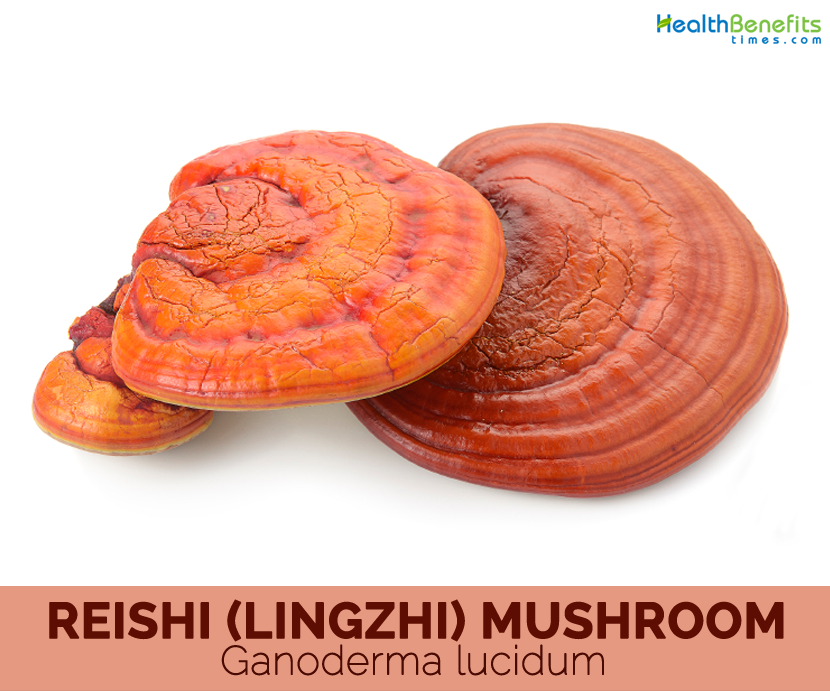
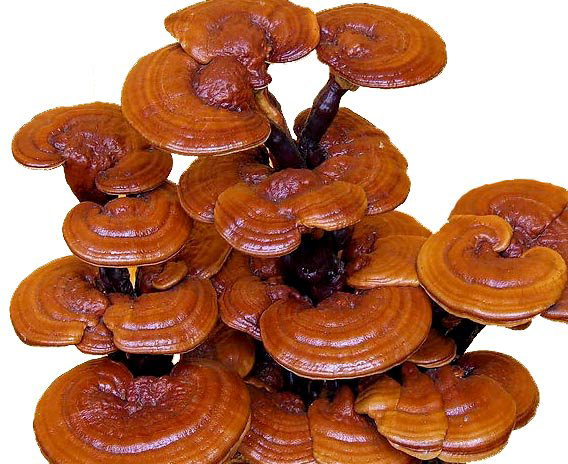
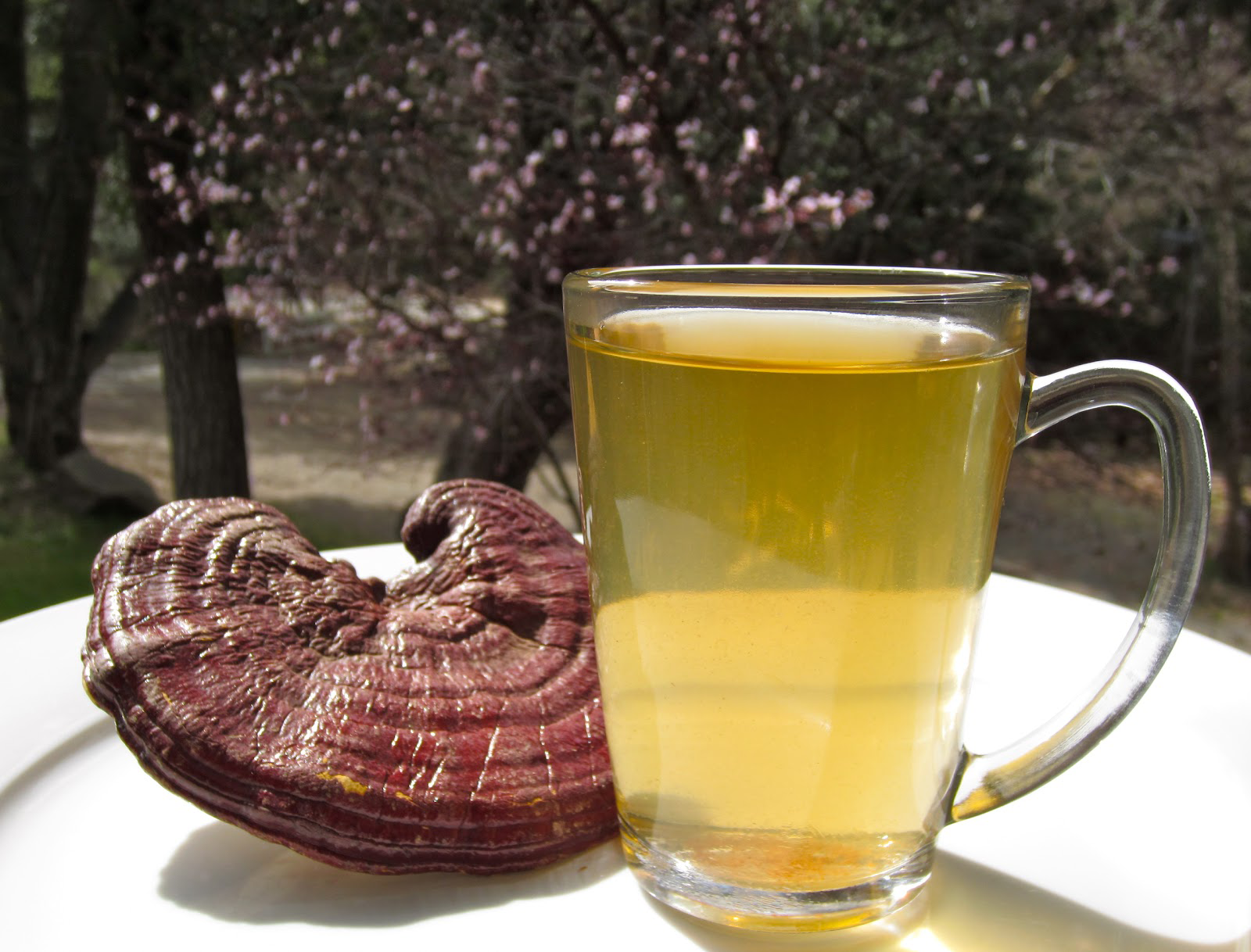
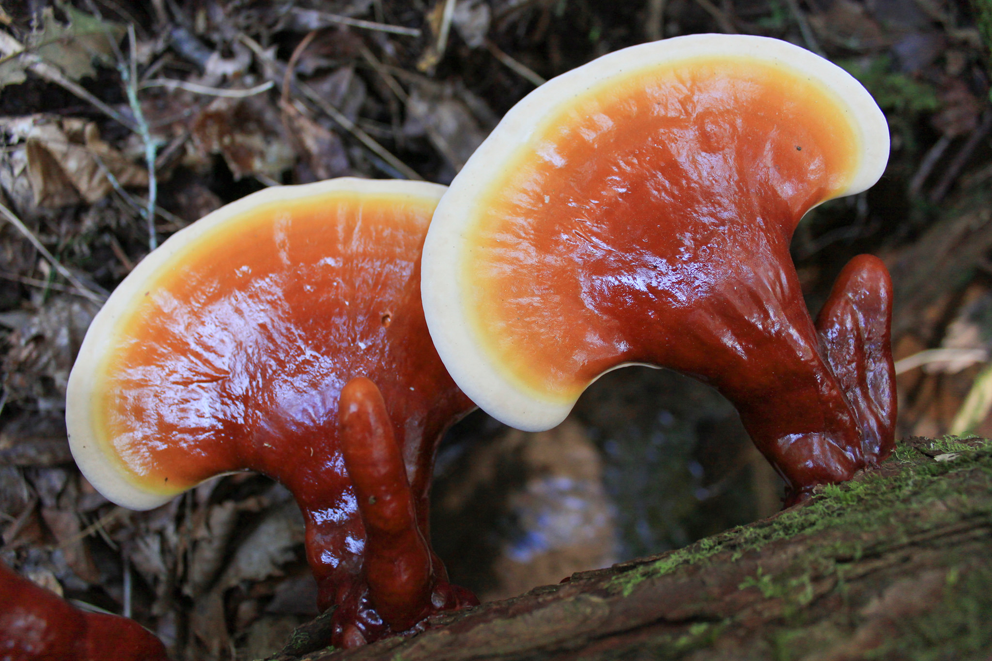
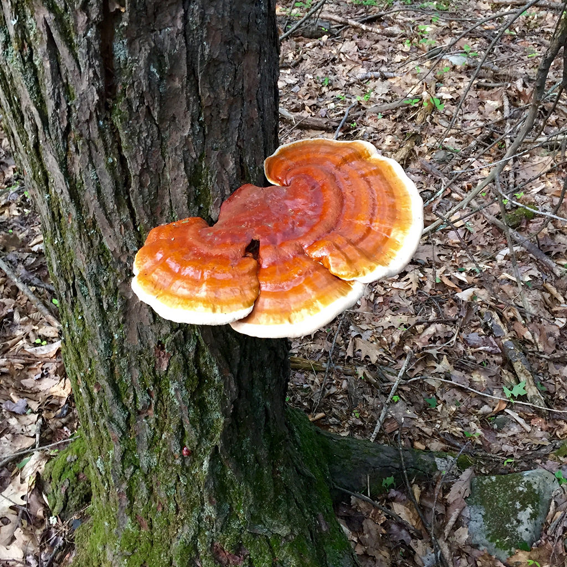
Lingzhi mushroom or reishi mushroom is a purplish-brown fungus with a long stalk, brown spores, and a fan-shaped cap with a shiny, varnish-coated appearance. It belongs to the Ganodermataceae family of mushroom, which is a branch of the Mycetes Kingdom. Many medicinal mushrooms come from the Ganodermataceae family. Reishi is the Japanese word meaning “ancient goddess of health, life and eternal youth,” a rare mushroom with amazing healing qualities. It is native to China, Japan and North America but now is cultivated throughout the Asian countries. It grows on decaying woods or tree stumps, preferring the Japanese plum tree but also found on Oak.
Lingzhi, in Chinese mean “divine herb that rejuvenates the chi or life force,” or Ganoderma Lucidum, its scientific name, is also known as the “King of Herbs” or “Gods Herb”. This mushroom practically takes care of the entire body which beats multi-vitamins thus the “Miracle Herb” title is so fitting. It has been used as a medicinal mushroom in traditional Chinese medicine for more than 2,000 years, making it one of the oldest mushrooms known to have been used medicinally. Reishi grows in 6 colors, each thought to have different characteristics and known as: Aoshiba (blue reishi), Akashiba (red reishi), Kishiba (yellow reishi), Shiroshiba (white reishi), Kuroshiba (black reishi), and Murasakishiba (purple reishi). A variety of commercial G. lucidum products are available in various forms, such as powders, dietary supplements, and tea.
Description
Lingzhi (reishi mushroom) is a polypore mushroom that is soft (when fresh), corky, and flat, with a conspicuous red-varnished, kidney-shaped cap and, depending on specimen age, white to dull brown pores underneath. It lacks gills on its underside and releases its spores through fine pores, leading to its morphological classification as a polypore.
It grows annually at the base and on stumps of specific hardwood trees, in particular maple and oak. Unlike Chaga, another medicinal polypore mushroom, which is growing on living trees only, Reishi, grows on both dead and living trees, which makes cultivation much easier to do.
The benefits of Reishi are so well known and proven that you can get them in forms that are much convenient that slicing them up and cooking with them. You can buy them dried, in concentrated tablets, capsules, or even as an extract. In any of these forms Reishi can be used as a dietary supplement. Here is a list of the benefits that Reishi have as a daily dietary supplement or in helping to treat certain medical conditions:
1. Fights Allergies and Asthma
Reishi mushrooms consist of good amount of triterpenes, a type of ganoderic acid that is tied to a reduction in allergies and histamine reactions related with asthma. Because of this reason reishi mushroom is an asthma natural remedy. Triterpenes have the capacity of lowering allergic reactions because of the way they affect the immune system, strengthen the digestive organs, protect the gut lining, lower inflammation, inhibit a histamine release, improve oxygen utilization and improve liver functions. (1)
2. Anti-inflammatory
Reishi have anti-inflammatory properties and are therefore used occasionally for patients who have Alzheimer’s and heart disease. This is based on the idea that inflammation plays a part in each of these conditions. The pain that accompanies other inflammatory conditions like neuralgia and arthritis may also be decreased by ganoderma supplements.
3. Lowers cholesterol
Reishi mushroom improves the flow of blood to the heart and reduce the amount of oxygen the heart consumes. It can help to lower cholesterol and some of the ingredients may help combat high blood pressure.
4. Helps Balance Hormones and Fight Diabetes
Research suggests that several antioxidants and anti-inflammatory compounds found in reishi mushrooms change the way that nerves transmit messages to the brain, improving various functions within the endocrine and central nervous systems and balancing hormones naturally. Reishi mushroom supplementation is used to lower symptoms of diabetes, fatigue and hormonal imbalances, while improving fertility and reproductive health.(2)
5. Cancer Prevention and Treatment
Cancer is one of the most extensive and fatal diseases faced by the whole World, thus thousands of research on cancer are conducting worldwide. A handful of those research have also concentrated on reishi mushrooms and it has been determined that the triterpenoids found in reishi mushrooms have the ability to reduce the metastasis of cancerous cells and prevent tumor growth. Additionally, a second research found that the active ingredients of reishi mushroom extract can seek out and neutralize cancerous cells within the body.(3)
6. Cognitive Disorders
Neurological diseases are also one of the most painful and unsolvable mysteries in human health and for cognitive disorders like Alzheimer’s or Huntington’s disease, there is no proven cure. However, research has shown that the extracts in reishi mushrooms can encourage cognitive activity and display certain neuro-protective effects, mostly in the stimulation of nerve growth factor, which is a key part of health cognitive function.(4)
7. Respiratory Conditions
For those suffering from asthma, bronchitis, or other chronic respiratory conditions, reishi mushroom extract can have a strong effect on reducing irritation and eliminating the allergic reactions from this part of the body. By preventing the release of histamine from mast cells in the body, reishi mushrooms prevent allergic reactions, from mild skin irritation to possibly life-threatening anaphylaxis.(5)
8. High Blood Pressure
Hypertension is one of the most common and prevalent problems in the world today, and cardiovascular disease and complications remain the major killer in our global society. Reishi mushrooms have been proven to improve the efficiency of blood flow to the heart and lower blood pressure; it also reduces the amount of oxygen consumed in the heart, meaning that there is more oxygenation for the rest of the body and organ systems. Additionally, certain elements of reishi mushroom extract can reduce the level of “bad” cholesterol in your system, further protecting you from strokes and heart attacks.(6)
9. Immune System Aid
Although we’ve already mentioned antioxidants are a key component of the immune system, reishi mushrooms consists of beta-glucans, one of the most effective and powerful immune system boosters that we know of. By increasing the amount of beta-glucans in your body, you can protect against a vast range of potential diseases and reduce the signs of aging. Some experts believe that it is this high glucan content that linked it historically with immortality and vitality.(7)
10. Insomnia
Treatment of insomnia is yet another traditional usage of reishi. Long-term use might help promote slow-wave sleep. In China, monks used reishi for hundreds of years to calm their minds in preparation for meditation.
11. Rheumatoid Arthritis
The effect of reishi on the immune system have been analyzed in vitro experiments. In the experiment utilizing synovial fluid from patients with rheumatoid arthritis, researchers shown an inhibitory effect of a polysaccharide extract on the proliferation of synovial fibroblasts, possibly via the nuclear factor-kappa B transcription pathway.Two clinical studies have been carried out involving patients along with rheumatoid arthritis. Both trials used a mix of lingzhi plus San-Miao-San, therefore making it hard to attribute the positive outcomes to the individual agents.
12. Herpes and Cold Sore Treatment
Preliminary proof shows that reishi mushrooms might have antiviral benefits. They’re documented to exhibit direct anti-viral effects along with herpes simplex virus 1 and herpes simplex virus 2. These effects have shown to be strongest in avoiding the contraction of herpes and cold sores, and in speeding rest from symptoms. Several Japanese research examined the properties of reishi mushrooms and discovered that most of the fungus’s benefits appear to derive from a compound they include called GLP, which inhibits viral replication by interfering with the early events of viral absorption and entry into target cells.
13. Slows Premature Hair Loss and Balding
This can be among the historical Chinese cures to avoid balding because of premature hair loss. Whenever combined with other anti-hair loss herbs, this particular functions as a restorative tonic for the hair. Full of antioxidants, additionally, it helps reduce the stress levels and fights free-radicals – the main causes behind hair loss as well as balding.
14. Combats Depression
This particular mushroom has well-known, efficient, and effective effect on the state of the mind. Noted for its mood improving as well as soothing qualities, Reishi is among the most sought after anti-depressant herbs. It helps reduce irritability as well as anxiety, calms the mind, calms the body, and helps you conquer depressive disorders.
15. Eases Skin Problems
Numerous research carried out on these mushrooms show that they possess the capability to cure numerous external skin issues, like wounds, sunburns, rashes, and insect bites. And how does this happen? A harmonized functioning of the anti-histaminic, anti-inflammatory, anti-microbial, as well as anti-allergenic properties – once the mixture starts operating, your immunity peps up, blood flow enhances, as well as healing starts.
16. Shed your Excess Weight
Obesity as well as being overweight is definitely the outcome of a sluggish metabolism. The greater your metabolic process, the better the likelihood of burning fat rapidly. By using this herb in the judicious method allows you to boost the body’s metabolism rate, assisting it slim down in the healthy, irreversible way.
17. Radiation Damage Protection
Studies show that reishi mushrooms augment the effects of radiation therapy whilst acting instantly against the tumor. Investigation also unveils reishi mushrooms assist to reinforce the defense mechanisms, to better manage radiation therapy as well as chemotherapy treatment as well as help to enhance the quality of life of the sufferer. They also have been discovered to help ease the signs of chemotherapy, like nausea, vomiting, headaches, fever, infection, weight-loss as well as hair loss.
18. Promotes Hair Growth
This particular mushroom has got anti-inflammatory qualities and in addition enhances the blood circulation. Additionally it is a powerhouse of antioxidants. All these actions be employed in coordination, allowing a stronger set of hair follicles. It encourages the hair shaft, paving way for a lavish hair growth.
History
Reishi, Lingzhi or Ganoderma Lucidum is a fungus from the Ganodermataceae family. The Reishi mushroom is found worldwide, especially in subtropical and moderate climates. Reishi is a parasitic mushroom that grows on and inside of deciduous trees. It is particularly fond of maple trees for sustenance.
Lingzhi is the Chinese name for Reishi. Lingzhi can be translated along the lines of “herb of spiritual power”. Ever since the 10th century BC, Reishi has been an important element of Chinese medicine. Reishi was first described by Huang Di, the Yellow Emperor. Huang Di ascribed many rejuvenating and life-enhancing properties to Reishi. In ancient China, a royal decree ensured that all antler-shaped Reishi belonged to the emperor, for the benefit of the country and the people. In Chinese arts, Reishi symbolizes good health and immortality. Guanyin, the goddess of mercy and healing, is regularly found depicted holding a Reishi mushroom in her hands.
Preparations
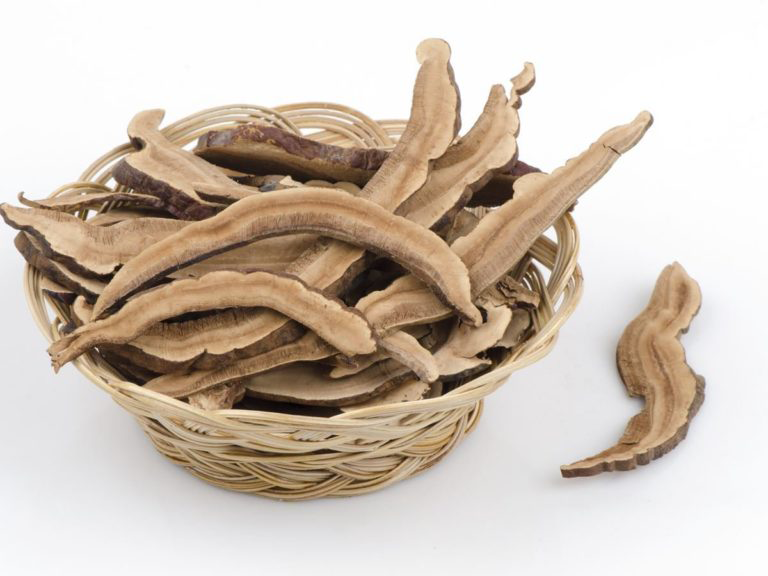
Virtually all reishi available commercially are from cultivated mushrooms. Different preparations are made using the cap, the spores, and the mycelium. These preparations are available in the form of fresh and dried whole mushrooms, capsules, concentrated drips, extracts, tablets, tea bags, tea granules, and tinctures. A common dose is 1,800–2,400 mg in capsule form per day. However, doses vary extremely depending on the condition being treated and the strength and part of the mushroom being used.
How To Use
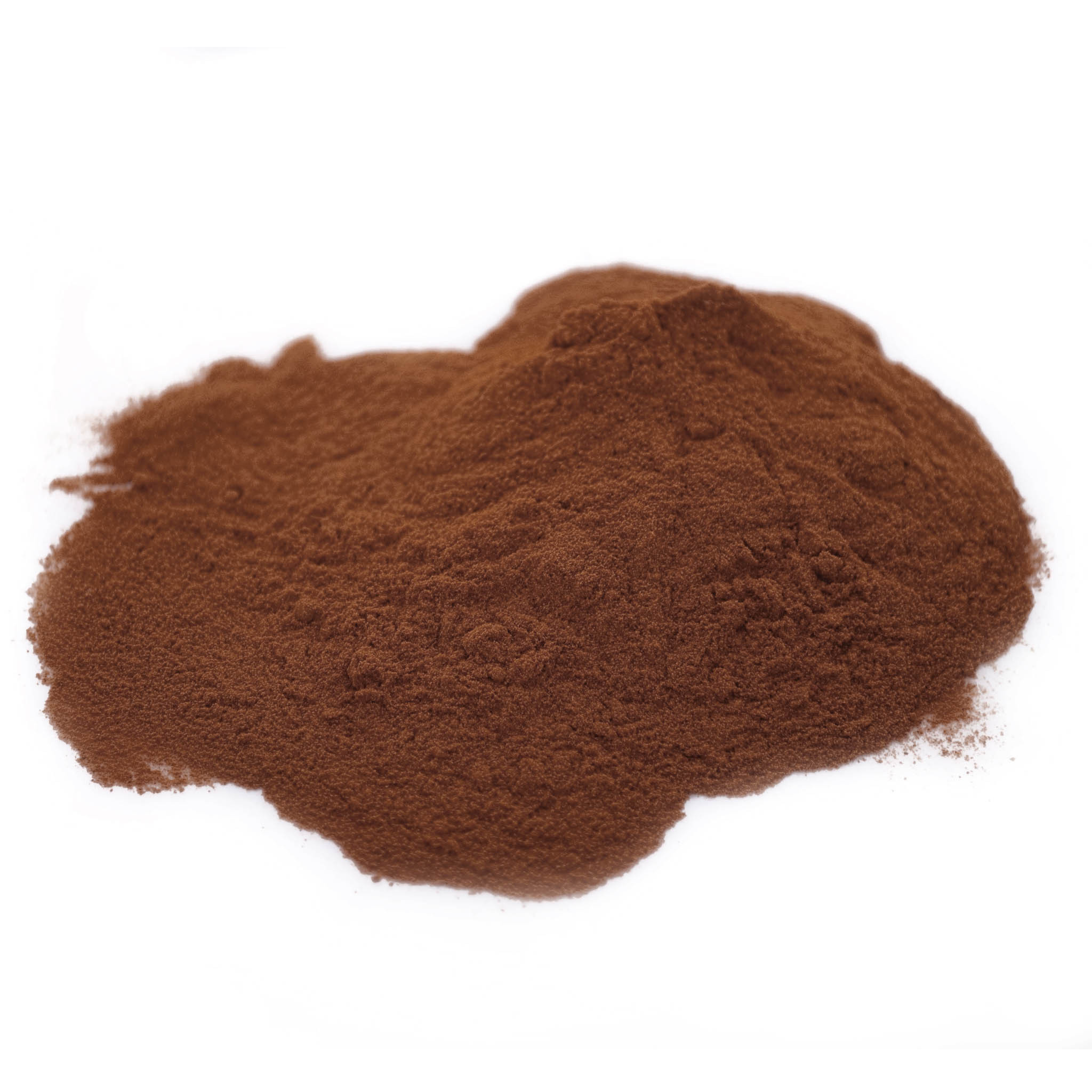
Dried or even powdered reishi mushrooms and also reishi extracts can be obtained at health food stores. Even though no suggested dosage have been identified, the Chinese Pharmacopoeia suggests 6 to 12 grams of extract daily. Reishi mushroom is usually regarded as safe and with no considerable negative effects, even though it might interact with a few medicines, which includes anti-biotics, antiviral drugs, blood-thinning medications and drugs recommended for high blood pressure level. Do not self-treat for any condition along with reishi mushroom. Discuss its use in detail together with your doctor to find out if it may be ideal for your situation.
How to Get More Reishi Mushroom in Your Diet
Reishi is extremely woody as well as fibrous, therefore it is not a mushroom you will want to use fresh.
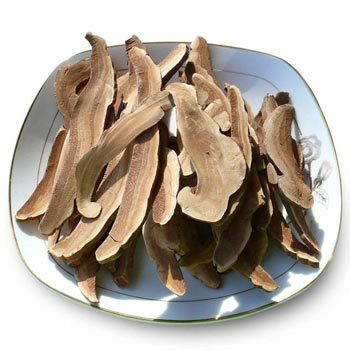
Use dried reishi slices to make tea simply by simmering in water for around two hours or even soaking overnight, then straining out the solid pieces.
Use reishi in the broth-based soup, like this Reishi as well as Miso Soup.
For something different, try this Reishi Chocolate Sauce recipe (that really consists of no chocolate!).
Add reishi tincture or even powder in your morning smoothie.
Reishi Mushroom Tea
Traditionally, reishi is used in tea or in tincture. The taste is very bitter and a lot like a common mushroom.
For tea
Take 1-2 large reishi slices and put them in about a quarter of water on the stove. You can add other herbs too if you want; licorice root is great because it adds a sweet note to the bitterness.
Let the water boil for at least 15 minutes.
You can let it boil for a very long time, just make sure to add more water as it evaporates off. You can also do this in a crockpot on high for a few hours and it works wonderfully.
Strain it off and drink it when it’s cool!
Dosage and Precautions
In accordance with vitamin-supplements.org, the therapeutic dosage of reishi for health maintenance as well as prevention is 2.5 grams each day, divided into four doses and taken before eating anything. Reishi may cause negative effects, like dry nose and throat, nausea, vomiting, dizziness and gastrointestinal upset. Reishi may also hinder the action of particular medicines, which includes immuno suppressants, anticoagulants and certain chemotherapy drugs. Talk with your healthcare specialist just before supplementing along with reishi.
Special precautions & warnings:
Pregnancy and breast-feeding: There is not enough reliable information about the safety of taking reishi mushroom if you are pregnant or breast feeding. Stay on the safe side and avoid use.
Bleeding disorder: High doses of reishi mushroom might increase the risk of bleeding in some people with certain bleeding disorders.
Low blood pressure: Reishi mushroom seems to be able to lower blood pressure. There is a concern that it might make low blood pressure worse and could interfere with treatment. If your blood pressure is too low, it is best to avoid reishi mushroom.
A clotting disorder called thrombocytopenia: High doses of reishi mushroom might increase the risk of bleeding in people with thrombocytopenia. If you have this condition, do not use reishi mushroom.
Surgery: High doses of reishi mushroom might increase the risk of bleeding in some people if used before or during surgery. Stop using reishi mushroom at least 2 weeks before a scheduled surgery.
Diabetes: Taking reishi mushroom along with diabetes medications might cause your blood sugar to go too low. Monitor your blood sugar closely.
Chemotherapy: Reishi may make some chemotherapy drugs less effective.
Immune suppressants: Reishi can stimulate immune responses.
Large doses (2–9 g) of Reishi taken regularly over the course of 3–6 months may result in diarrhea, upset stomach, and dizziness.
Nosebleeds from high doses of Reishi have also been reported.
Interactions
For the treatment of serious situations, large dosages of vitamin C , from 1-10 g each day, might be recommended along with reishi mushrooms. Recommending vitamin C is noticed to lessen the side effect of diarrhea that could occur along with patients who’re provided big doses of reishi mushrooms.
Reishi mushrooms have already been documented to intensify the effects of blood-thinning (anticoagulant) drugs, such as aspirin, dalteparin sodium , enoxaparin sodium, and warfarin. Patients using these types of medicines should avoid using tonics or any other preparations that contains reishi mushrooms without conferring with their medical professionals.