Health Benefits
    Facebook Twitter Instagram
    Friday, December 5
    Facebook Twitter Pinterest
    Health Benefits
    • Home
    • Dental Health
    • Mental Health
    • Weight Loss
    • Health Wiki
    • Nutrition
    • Healthy Recipe
    • BMI Calculator
    Health Benefits
    Home»Herbs and Spices»Health benefits of Seakale
    Herbs and Spices

    Health benefits of Seakale

    By s mJuly 1, 2019Updated:July 2, 2019No Comments3 Mins Read
    Facebook Twitter Pinterest LinkedIn Tumblr Email

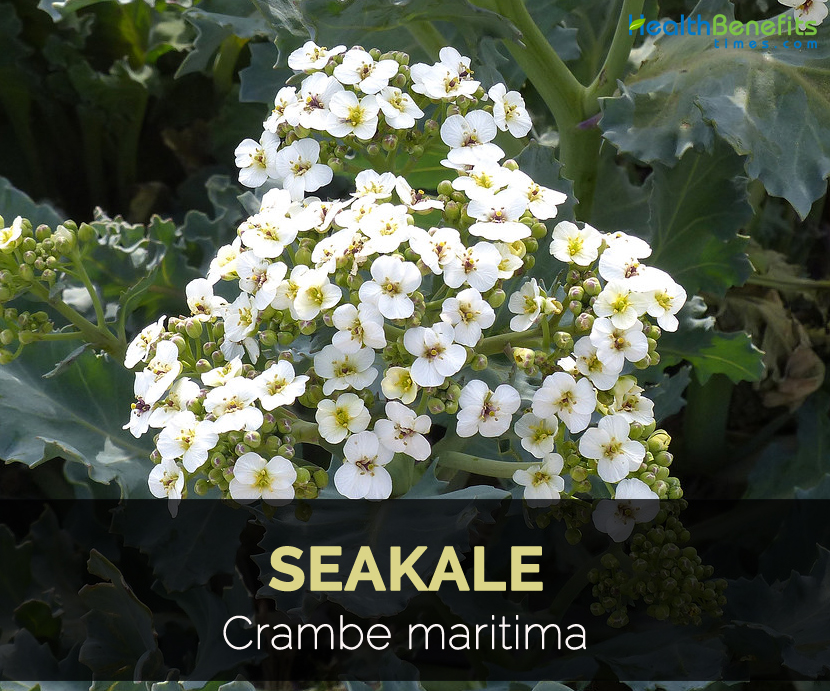
    Commonly known as sea cole, sea kale, crambe and sea colewort, is a species of halophytic flowering plant in Crambe genus of Brassicaceae family which grows wild along the coasts of Europe, from North Atlantic to Black sea. Sea kale can tolerate salty soils and is cultivated for its leaves and shoots which are edible. Young and blanched leaves are cooked and consumed like spinach or kale and shoots are cooked like asparagus.

    It is a hardy drought tolerant plant which grows well in sandy well-drained soils. Leaves are waxy, coarsely toothed and green leaves which are about 30-90 cm (1-3 feet) long. The fragrant and white four petaled flowers which arises from basal leaves in early summer. A plant needs cross pollination and forms round corky seed pods.

    History

    In England, Seakale is cultivated since at least the time of Queen Anne. It is popular at the end of 1800s and at the beginning of 1900s. It is revived as salad vegetable in 2014 in kitchen gardens at Hampton Court in London.

    Seakale Image Gallery
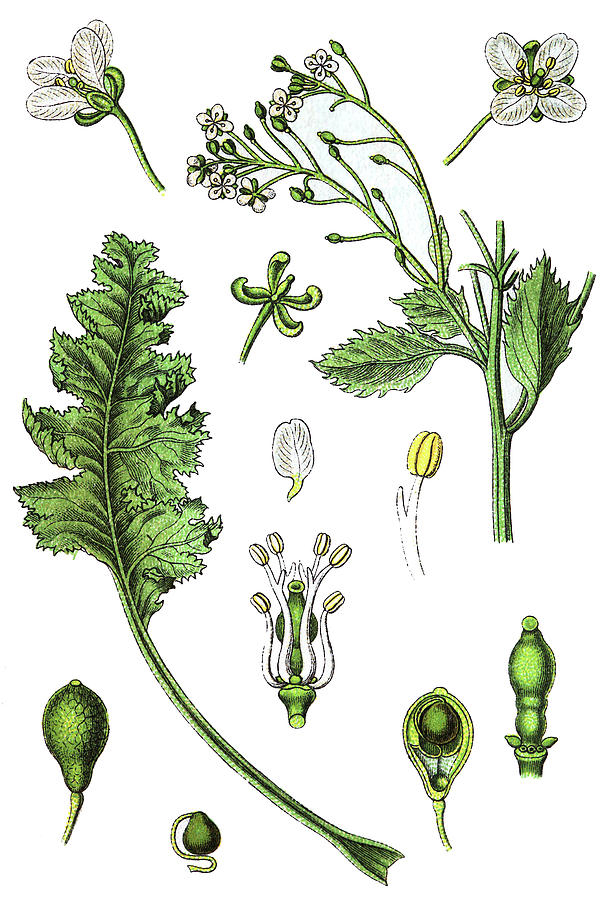
    Illustration-of-Seakale Illustration-of-Seakale
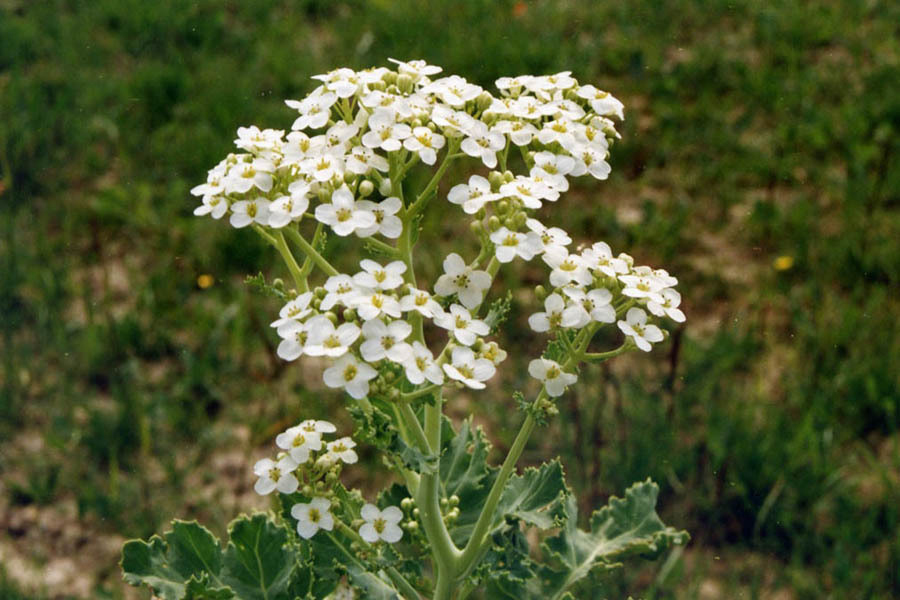
    Seakale-flower Seakale-flower
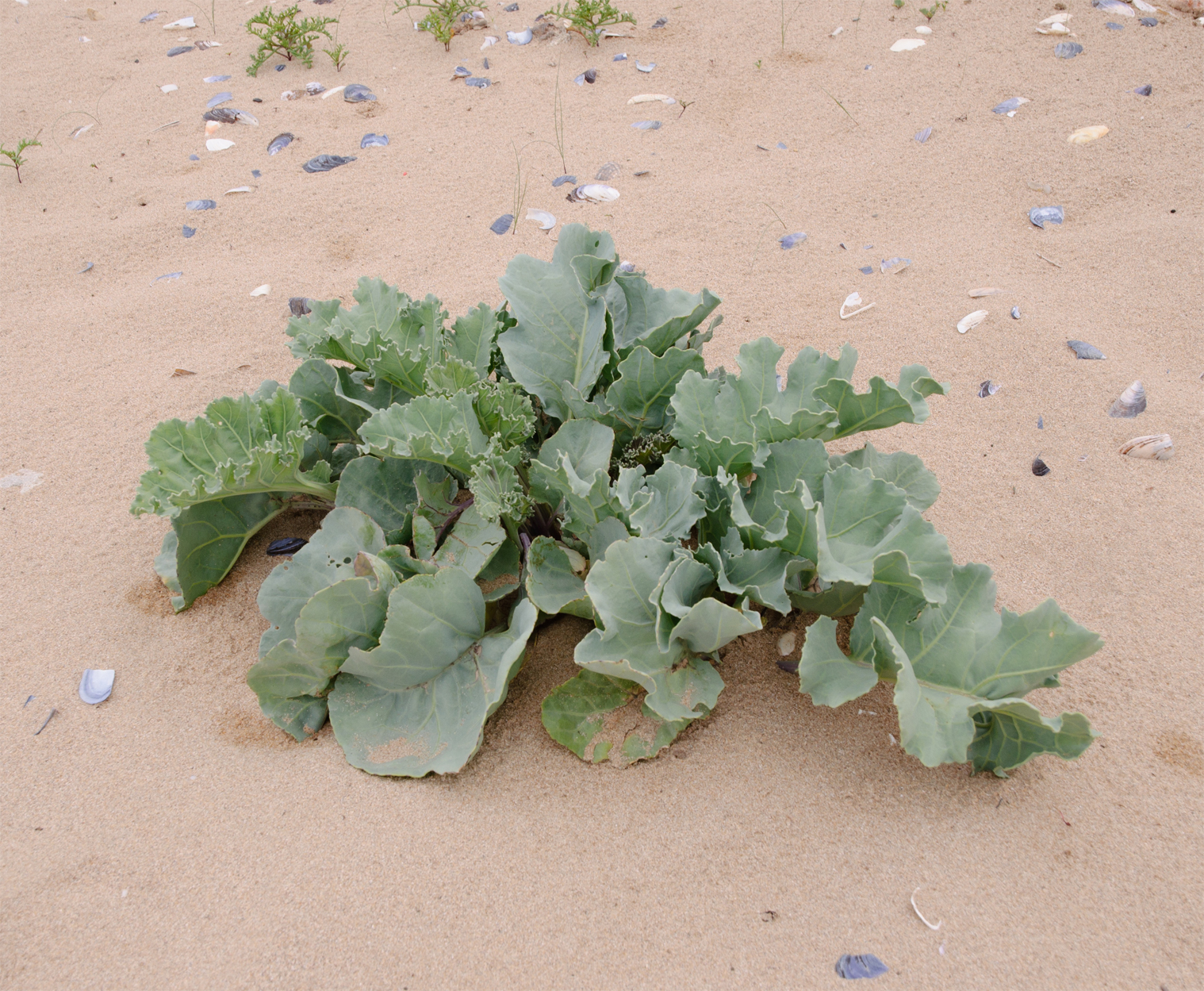
    Seakale-plant Seakale-plant
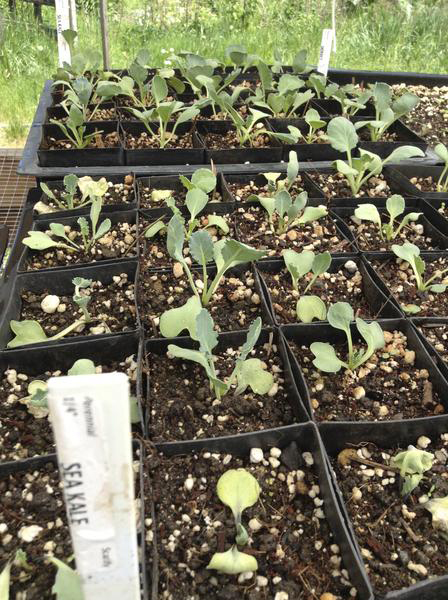
    Seakale-seedlings Seakale-seedlings
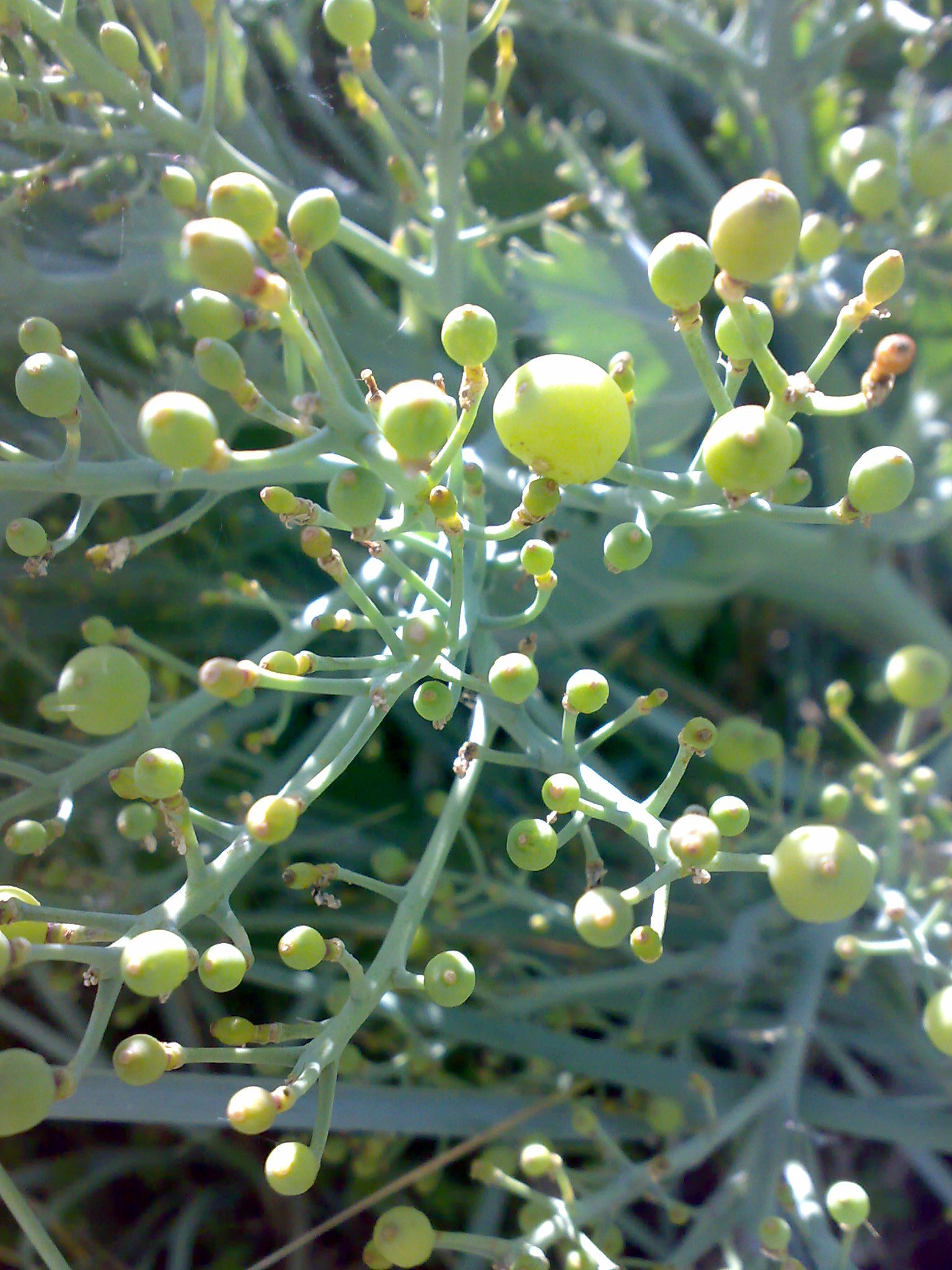
    Seakale-seed-pods Seakale-seed-pods
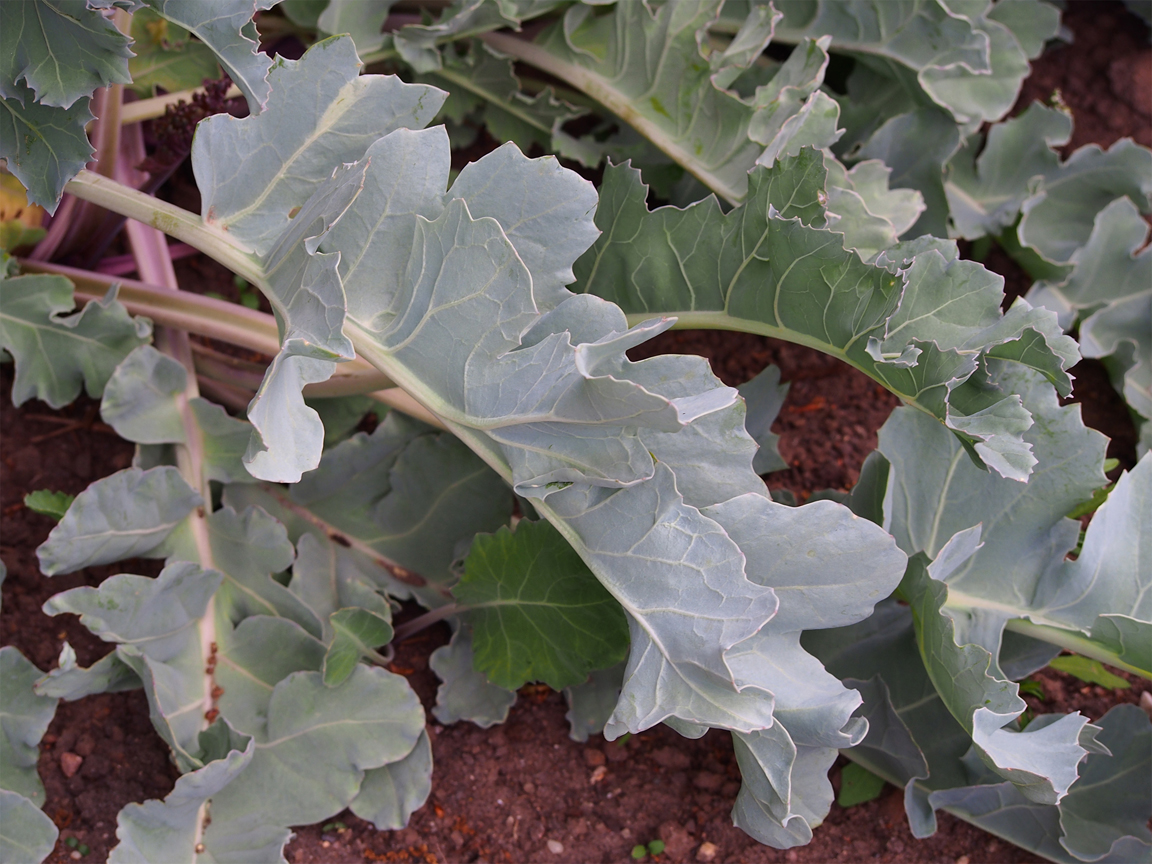
    Seakale-leaves Seakale-leaves

    Health Benefits of Seakale

    1. Digestive Health

    Seakale contains high dietary fiber that is useful for processing. Fibers add bulk to the stool and move through digestive tract and prevent issues such as bloating, clogging, abundance gas and looseness of bowels. It promotes digestive health and avoids gastrointestinal ailments such as colon malignancy.

    1. Diuretic Properties

    The minerals found in seakale provide diuretic properties that empower pee. It flushes the toxins from the body so that the kidneys could perform the work at more useful level. It serves to free mobilize of overabundance of salts, fat and water as pee is made of more or less 4% fat.

    1. Resistant System Health

    Sea kale offers ample amounts of Vitamin C. Ascorbic corrosive is a standout amongst fundamental vitamins in the body and fortifies insusceptible framework for formation of white platelets. Seakale upgrades insusceptible framework and guards against normal cool to anticipating of malignancy due to cell reinforcement exercises of Vitamin C.

    1. Regulates hormones

    Iodine is the crucial minerals to maintain overall well-being. The thyroid organ requires iodine to deliver various to hormones. Effective directing of endocrine framework with iodine level, sea kale can maintain proper functioning of body and guarantee that major hormonal courses of action are adjusted. Likewise, it supports digestive system.

    1. Weight Gain

    People are stressed over getting thinner and lots of individuals needs to put on their weight. The levels of sugars imply that seakale helps the one to put on the weight after top activity, recperation from damage/surgery and diseases.

    1. Stimulate urination

    Sea kale contains mineral and metabolism stimulating and diuretic properties that stimulate urination. It flushes out the toxins from the body as the kidneys are able to function properly. It eliminates excess salts, fat and water since urine composes of 4% fat.

    https://www.youtube.com/watch?v=zSNr9RL_UUo

    Traditional uses

    • Leaves are used to heal wounds.
    • Seeds juice is helpful for gastritis and fruits are used to eliminate worms.

    Culinary uses

    • Young leaves are consumed raw or cooked like spinach.
    • Prepare the leaves like asparagus.
    • Roots contains more starch than potatoes and tastes good raw or cooked.
    • The root tastes good raw or cooked, has more starch than potatoes and some protein as well.
    • Roots are roasted and boiled.

    Other facts

    • It is propagated by cuttings.
    • Sea kale is also used as a food source for sheep, cattle, poultry and pigs.
    • Sea kale is a perennial plant having an average lifespan of 10 to 12 years.

    References:

    https://www.itis.gov/servlet/SingleRpt/SingleRpt?search_topic=TSN&search_value=23108#null

    https://pfaf.org/user/Plant.aspx?LatinName=Crambe+maritima

    https://en.wikipedia.org/wiki/Crambe_maritima

    https://www.bethchatto.co.uk/plants-for-dry-conditions/crambe-maritima.htm

    https://www.britannica.com/plant/sea-kale

    https://www.jstor.org/stable/2258826?seq=1#page_scan_tab_contents

    https://www.cooksinfo.com/seakale

    http://1bestkitchenof.blogspot.com/2015/02/health-benefits-of-sea-kale.html

    http://www.softschools.com/facts/vegetables/sea_kale_facts/2788/

    https://www.organicfacts.net/health-benefits/other/sea-kale.html

    https://healthcautions.com/the-most-fabulous-health-benefits-of-sea-kale/

    78%
    78%
    Awesome

    Comments

    comments

    Herbs and Spices S
    Share. Facebook Twitter Pinterest LinkedIn Tumblr Email
    Previous ArticleHealth benefits of Red Physic Nut
    Next Article 4 Common Dog Health Issues That Owners Should Watch Out For

    Related Posts

    Uses of Monkey Pitcher plant

    April 16, 2024

    Traditional uses and benefits of Wild Marigold

    March 21, 2024

    Traditional uses and benefits of Drooping fig

    March 12, 2024

    Comments are closed.


    Seakale Quick Facts
    Name: Seakale
    Scientific Name: Crambe maritima
    Origin Native to seashores and cliffs of Eurasia
    Name Seakale
    Scientific Name Crambe maritima
    Native Seashores and cliffs of Eurasia
    Common/English Name Sea Kale, Scurvy Grass, Crambe, Halmyrides
    Name in Other Languages Chinese: Hǎi gānlán  (海甘藍), Hǎibiān jiè lán ( 海邊芥藍), Hǎi jì  (海 薺);
    Danish: Almindelig strandkål,  Strandkål;
    Dutch: Zeekool;
    English: Seakale, Colewort;
    Finnish: Merikaali;
    French: Chou-marin, Crambé, Crambe, Crambé maritime;
    German:  Crambe, Küsten-Meerkohl, Echter Meerkohl, Meerkohl;
    Hungarian: Tengerparti tátorján;
    Italian:  Cavolo marino, Brassica marina, Cavolo selvatico.
    Japanese: Shīkēru (シーケール);
    Polish:  Modrak morski;
    Portuguese: Couve-marinha;
    Russian: Kapusta morskoia (Kapusta morskaja) (Капуста морская), Katran morskoi (Katran morskoj) (Катран морской);
    Spanish: Col maritime,  Col marina;
    Swedish: Strandkål
    Plant Growth Habit Robust herbaceous perennial
    Soil Light, well-drained
    Plant Size 30-36 inches tall and to 24-30 inches wide
    Root Young, fleshy, white
    Stem Abundantly branched, rigid, glabrous
    Leaves Ovate-oblong, wavy-edged, basal, 30-90 cm (1-3 feet) long
    Flowering Season June–July
    Flower Fragrant, creamy-white
    Fruit shape & size 12-14 × 6-10 mm
    Taste Bitter, slightly nutty
    Seed 2 × 5 mm diameter, black
    Seeds weight 0.02 g

    Seakale Scientific Classification

    Scientific Name: Crambe maritima

    Rank Scientific Name & (Common Name)
    Kingdom Plantae (Plants)
    Subkingdom Viridiplantae  (Green plants)
    Superdivision Embryophyta
    Division Tracheophyta (Vascular plants, tracheophytes
    Class Magnoliopsida
    Order Brassicales
    Family Brassicaceae  (Mustards, moutardes, crucifers)
    Genus Crambe L.
    Species Crambe maritima L. (Sea kale)     
    Synonyms
    • Cakile pontica Prokudin
    • Caulis maritimus (L.) E.H.L.Krause, 1900
    • Cochlearia maritima (L.) Crantz
    • Crambe gigantea Kit.
    • Crambe gigantea Kit. ex Janka
    • Crambe pontica Steven ex Rupr.
    • Crambe pontica Steven, 1869
    • Crambe suecia Mill.
    • Crambe suecica Mill.
    • Crambe suecica Mueller & Johann Sebastian
    • Crucifera maritima (L.) E.H.L.Krause
    Categories
    • Beverages (78)
    • Dairy (28)
    • Dental Health (15)
    • Equipment (5)
    • Essential OIls (196)
    • Facts (2,939)
    • Foods (255)
    • Fruits (516)
    • Giveaway (1)
    • Grains and Cereals (36)
    • Health & Beauty (763)
    • Herbs and Spices (1,249)
    • Medicines (9)
    • Mental Health (19)
    • Nutritional value (27)
    • Nuts and seeds (73)
    • Oils (81)
    • Pets (4)
    • Poultry & Seafoods (67)
    • Pulses and Beans (16)
    • Reviews (25)
    • supplement (2)
    • Vegetables (304)
    • Weight Loss (22)

    What is Lupin Bean Flour?

    Science Backed Health Benefits of Durian (Durio zibethinus)

    Science Backed Health Benefits of Feijoa (Pineapple Guava) (Acca sellowiana)

    Science Backed Health Benefits of Gac Fruit (Momordica cochinchinensis)

    Science Backed Health Benefits of Amaranth Leaves (Amaranthus spp)

    Science Backed Health Benefits of Arrowhead (Sagittaria sagittifolia)

    ABOUT
    Home
    About us
    Contact us
    Privacy Policy
    Terms & conditions
    Disclaimer
    Direct Communication
    e-mail: [email protected]
    Gmail: [email protected]
    Whatsapp: +977-9841146511
    Viber: +977-9841146511
    Useful
    Health Wiki
    Nutrition
    Facebook Twitter Pinterest
    © 2025 www.healthbenefitstimes.com All rights reserved.

    Type above and press Enter to search. Press Esc to cancel.

    ×

    Log In

    Forgot Password?

    Not registered yet? Create an Account