Health Benefits
    Facebook Twitter Instagram
    Friday, December 5
    Facebook Twitter Pinterest
    Health Benefits
    • Home
    • Dental Health
    • Mental Health
    • Weight Loss
    • Health Wiki
    • Nutrition
    • Healthy Recipe
    • BMI Calculator
    Health Benefits
    Home»Herbs and Spices»Facts about Sheep Fescue
    Herbs and Spices

    Facts about Sheep Fescue

    By SylviaJune 7, 2019Updated:June 7, 2019No Comments3 Mins Read
    Facebook Twitter Pinterest LinkedIn Tumblr Email

    Sheep’s fescue or sheep fescue scientifically known as Festuca ovina is a species of grass of genus Festuca L. (fescue) and Poaceae ⁄ Gramineae (Grass family). It is occasionally confused with hard fescue (Festuca trachyphylla). The plant is native throughout Europe (with the exception of some Mediterranean areas) and eastwards across much of Asia; it has also been introduced to North America. Few of the popular common names of the plants are Common fescue, Sheep fescue, ovina and Blue Fescue. It is classified under the British NVC community CG2, i.e. Festuca ovina – Avenula pratensis grassland, one of the calcicolous grassland communities. This is one of the food plants for the caterpillars of several butterflies and moths, including the Gatekeeper and the Meadow Brown, the Small Heath, and the grass moth Agriphila inquinatella.

    Plant Description

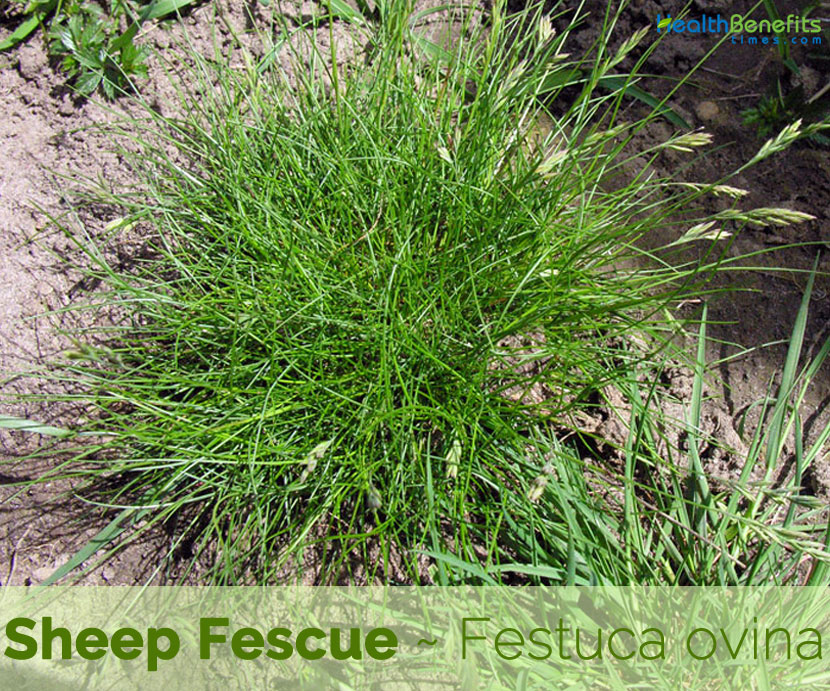
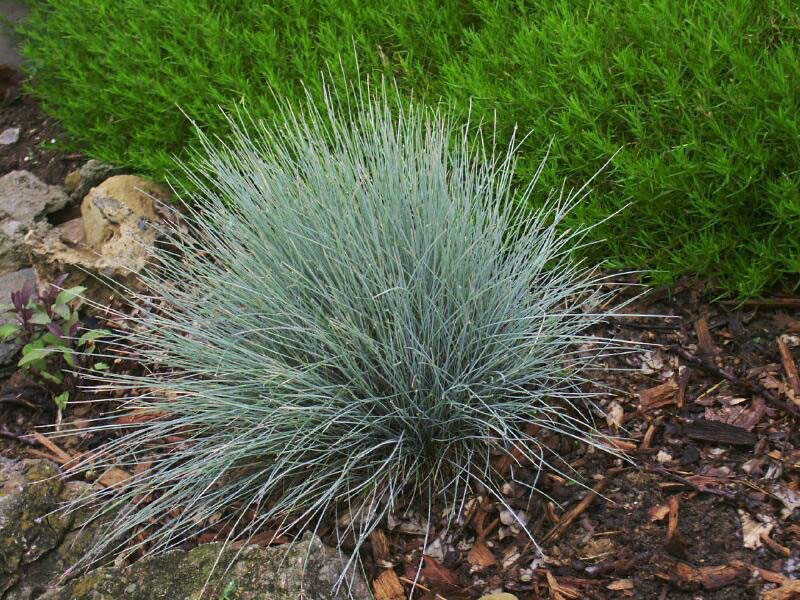
    Sheep fescue is a low-growing stress tolerant, perennial cool season turf grass that grows about 40 inches. The plant is found growing in mesic open hillsides, meadows, or open woodlands, exposed bench lands, hillsides and ridges, parks, meadows, forestlands, and open ponderosa and lodge pole pine stands, lowland calcareous grasslands, upland heaths, moors, mountain slopes, rock ledges, and sea-cliffs. It often grows on all exposures in a wide variety of soil conditions. It is often found in dry, well-drained, sandy, gravelly, or rocky soils; however is occasionally found on loamy sand soils, and on shallow, dry, gravelly soils. It is sometimes used as a drought-tolerant lawn grass. It has excellent winter hardiness and develops a large root mass making this a long-lived variety. Sheep Fescue differs from hard fescue in that it is shorter (5-10 cm or 2-4 inches), slightly more drought tolerant, and has a blue-green color.

    Leaves

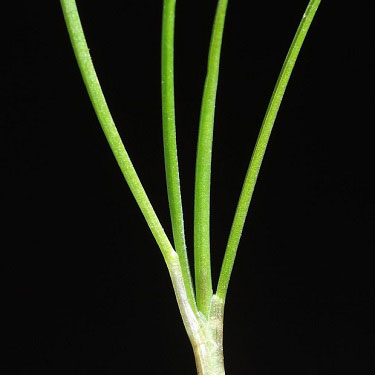
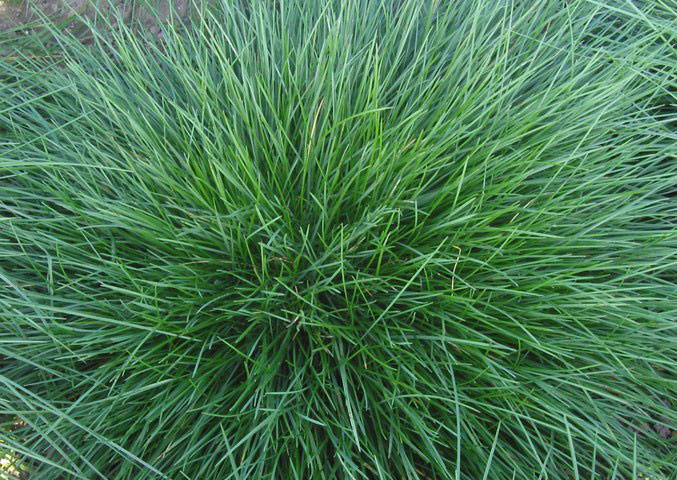
    Leaves are mainly basal, numerous, and rolled. They are very slender, rough to the touch on the margins, and 2-5 inches long. They are less than half the length of the stem; the stem leaves are few and very short. The sheaths are open, auricles are absent, and the ligule is membranous. The leaves are blue-green-gray in color which helps identify this species from other similar grasses.

    Flowers

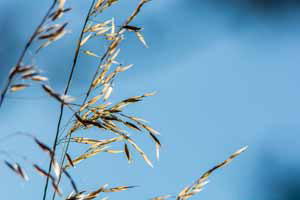
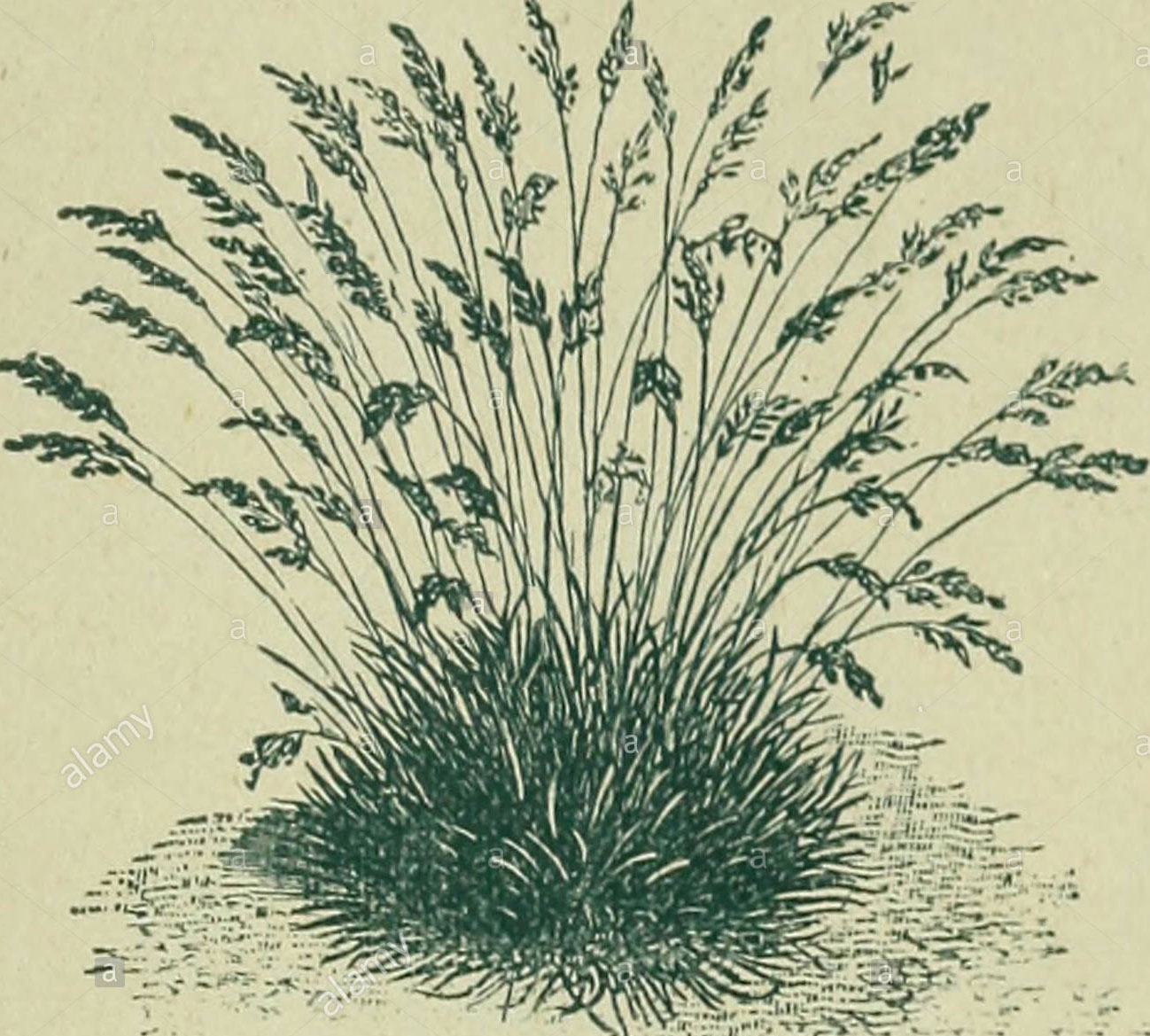
    Panicle is approximately 15 cm long with 1 side branch at the lower nodes. It is initially upright, and then spread horizontally. Spikelets have long pedicels, usually 5–9 florets which flower from May to June. Glumes are rounded at the top; lemmas are ovate, awn-tipped, and often purple. The flowers are hermaphrodite (have both male and female organs) and are normally pollinated by wind.

    Sheep fescue Image Gallery
    Flower-spike-of-sheep-fescue Flower-spike-of-sheep-fescue
    Leaf-blade-of-Sheep-fescue Leaf-blade-of-Sheep-fescue
    Leaves-of-Sheep-fescue Leaves-of-Sheep-fescue
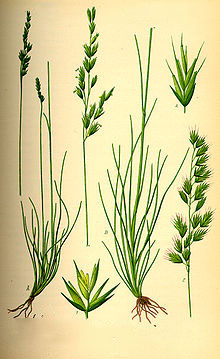
    Plant-Illustration-of-Sheep-fescue Plant-Illustration-of-Sheep-fescue
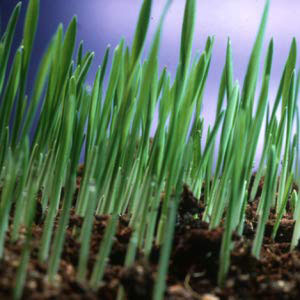
    Saplings-of-Sheep-fescue Saplings-of-Sheep-fescue
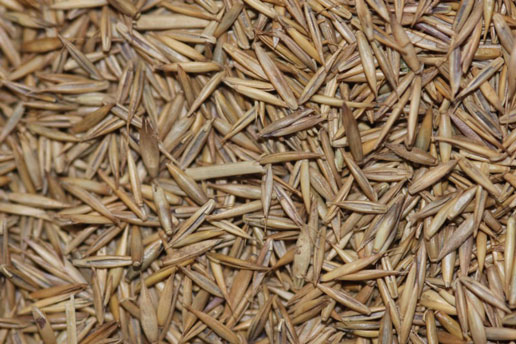
    Seeds-of-Sheep-fescue Seeds-of-Sheep-fescue
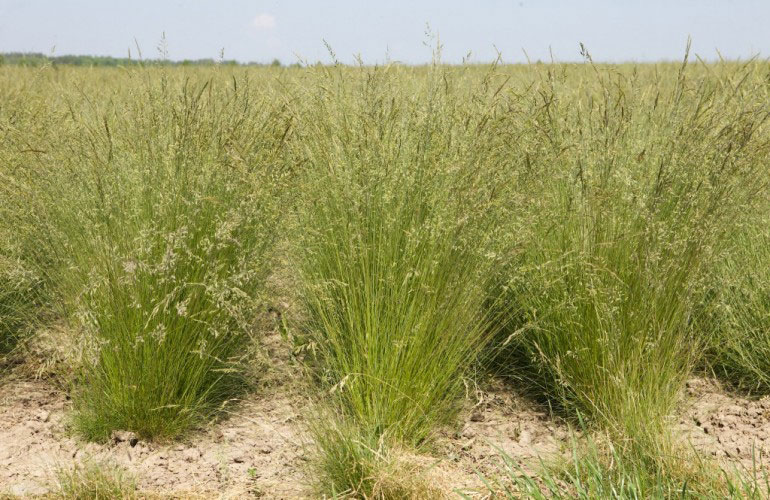
    Sheep-fescue-growing-wild Sheep-fescue-growing-wild
    Sheep-fescue-plant Sheep-fescue-plant
    Sketch-of-Sheep-fescue Sketch-of-Sheep-fescue
    Fruits

    Fertile flowers are followed by grain short and plump (mussel-shaped), lemma sharply pointed at the top, mostly awnless, but may also be awn-tipped. Pedicel is 0.5-1 mm long (shorter than that of red fescue), widening towards the top and covered in short hairs.

    History

    Sheep fescue is a cool season perennial grass native to Europe. Within North America, sheep fescue has been planted in open forests and mountain and foothill slopes from Alaska to North Dakota and south to Arizona and New Mexico. It has also been introduced to many locations in eastern North America.


    References:

    https://www.itis.gov/servlet/SingleRpt/SingleRpt?search_topic=TSN&search_value=40804#null

    https://npgsweb.ars-grin.gov/gringlobal/taxonomydetail.aspx?id=16688

    https://pfaf.org/user/Plant.aspx?LatinName=Festuca+ovina

    https://plants.usda.gov/core/profile?symbol=FEOV

    http://www.theplantlist.org/tpl1.1/record/kew-415853

    http://www.eu-nomen.eu/portal/taxon.php?GUID=907B7888-8662-4006-83DD-63B759EEA6E3

    https://extension.usu.edu/rangeplants/grasses-and-grasslikes/sheep-fescue

    https://gd.eppo.int/taxon/FESOV

    https://en.wikipedia.org/wiki/Festuca_ovina

    70%
    70%
    Awesome

    Comments

    comments

    Herbs and Spices S
    Share. Facebook Twitter Pinterest LinkedIn Tumblr Email
    Previous ArticleRaw Banana health benefits and nutrition value
    Next Article Wild Blueberries facts and nutrition

    Related Posts

    Uses of Monkey Pitcher plant

    April 16, 2024

    Traditional uses and benefits of Wild Marigold

    March 21, 2024

    Traditional uses and benefits of Drooping fig

    March 12, 2024

    Comments are closed.


    Sheep Fescue Facts

    Sheep Fescue Quick Facts
    Name: Sheep Fescue
    Scientific Name: Festuca ovina
    Origin Throughout Europe (with the exception of some Mediterranean areas) and eastwards across much of Asia
    Shapes Grain short and plump (mussel-shaped), lemma sharply pointed at the top, mostly awnless, but may also be awn-tipped
    Name Sheep fescue
    Scientific Name Festuca ovina
    Native Throughout Europe (with the exception of some Mediterranean areas) and eastwards across much of Asia
    Common Names Common fescue, Sheep fescue, ovina, Blue Fescue
    Name in Other Languages Albanian: Bishtpelëza leshtake, bishtpelëza pak e forte
    Arabic: Fustawkat al’aghnam  (فستوكة الأغنام), fustawkat ghanmia (فستوكة غنمية)
    Bulgarian: Ovcha vlasatka (овча власатка)
    Catalan: Fanals, festuca duriúscula, festuca ovina            
    Chinese:  Yang mao (羊茅)
    Croatian: Vlasulja ovčja, obična vlasulja
    Czech:  Kostřava ovčí
    Danish:  Fåre-svingle, Stivbladet svingel, Ruig en Zinkschapengras
    Dutch:  Schapegras, Schapen-zwenkgras, Ruig en Zinkschapengras, Genaald schapengras
    English:  Common fescue, Sheep fescue, ovina, Blue Fescue
    Estonian: Lamba-aruhein
    Finnish: Lampaannata
    French:   Coquiole, Fétuque des moutons, Fétuque ovine, petit foin, poil de chien, poil de loup
    Galician: Feisciú caorach
    Georgian: Tskhvris ts’ivana (ცხვრის წივანა)
    German: Echter Schwingel,  Kleiner Bockbart, Meitschihaar,  Schafschwingel, Schaf-Schwingel, Echter Schaf-Schwingel, fétuque des moutons,  eigentlicher Schafschwingel,      
    Greek:  Festoúka ktinotrofikí (Φεστούκα κτηνοτροφική)
    Hungarian: Iuhcsenkesz              
    Irish: Féar caorach, Feisciú caorach
    Italian: Festuca dei montoni, Festuca ovina, Gramigna betaiola,  Gramigna fusaiola, gramigna stefaiola, paleo capillare
    Japanese:  Ushi no ke gusa (ウシノケグサ)
    Korean: Gim ui teol (김의털)
    Latvian: Aitu auzene
    Lithuanian: Avinis eraičinas
    Macedonian: Овчи виук
    Norwegian Bokmål: Bakkesvingel, sauesvingel
    Persian: علف‌بره
    Polish:  Kostrzewa owcza
    Portuguese:  Festuca-ovelha, laborinho
    Romanian: Păiușul oilor
    Russian:  Ovsianitsa ovech’ia (Овсяница овечья)
    Serbian:  Vijuk obični, obični vijuk  (обични вијук), jančarica vlasulja  (јанчарица власуља)
    Slovak: Kostrava ovčia  
    Slovenian:  Ovčja bilnica
    Spanish:  Cañuela de oveja, barcea, cañotilla, escobilla, pan de corderos
    Swedish: Fårsvingel, Lampaannata, Vanlig fårsvingel
    Turkish:  Koyunyumağı
    Ukrainian: Костриця овеча
    Welsh: Peiswellt y defaid
    Plant Growth Habit Low-growing stress tolerant, perennial cool season turf grass  
    Growing Climates Mesic open hillsides, meadows, or open woodlands, exposed bench lands, hillsides and ridges, parks, meadows, forestlands, and open ponderosa and lodge pole pine stands, lowland calcareous grasslands, upland heaths, moors, mountain slopes, rock ledges, sea-cliffs
    Soil It grows on all exposures in a wide variety of soil conditions. It is often found in dry, well-drained, sandy, gravelly, or rocky soils; however is occasionally found on loamy sand soils, and on shallow, dry, gravelly soils
    Plant Size About 40 inches
    Culms Culms upright to inclined, usually with 2 nodes. Culm heights range from 15–40–60 cm depending on form
    Stem Erect stems, 6-24 inches tall (average is less than 14 inches tall).
    Leaf Leaf folded in the bud. Leaf blade needle-like, very slender, impossible to unfurl. Leaf color has many transitions from grey-green to sea-green to blue-green. The ligule is short and lobed at the sides
    Flowering season May to June
    Flower Panicle approx. 15 cm long with 1 side branch at the lower nodes. Upright initially, then spread horizontally. Spikelets have long pedicels, usually 5–9 florets which flower in April/May. Glumes rounded at the top, lemmas ovate, awn-tipped, and often purple
    Fruit Shape & Size Grain short and plump (mussel-shaped), lemma sharply pointed at the top, mostly awnless, but may also be awn-tipped. Pedicel 0.5-1 mm long (shorter than that of red fescue), widening towards the top and covered in short hairs.
    Propagation By seed

    Sheep fescue Scientific Classification

    Scientific Name: Festuca ovina

    Rank Scientific Name & (Common Name)
    Kingdom Plantae (Plants)
    Subkingdom Tracheobionta (Vascular plants)
    Infrakingdom Streptophyta  (land plants)
    Superdivision Spermatophyta (Seed plants)
    Division Magnoliophyta (Flowering plants)
    Subdivision Spermatophytina  (spermatophytes, seed plants, phanérogames)
    Class Liliopsida (Monocotyledons)
    Subclass Commelinidae
    Superorder Lilianae  (monocots, monocotyledons, monocotyledons)
    Order Cyperales
    Family Poaceae ⁄ Gramineae (Grass family)
    Genus Festuca L. (fescue)
    Species Festuca ovina L. (sheep fescue)
    Synonyms
    • Avena ovina Salisb.
    • Bromus ovinus (L.) Scop.
    • Festuca agrestis Wulfen
    • Festuca agrestis Wulfen ex Steud.
    • Festuca agrestis infrasubsp. publ
    • Festuca baumgarteniana Schur
    • Festuca capillaris Wulfen
    • Festuca centroapenninica (Markgr.-Dann.) Foggi, F.Conti & Pignatti
    • Festuca chiisanensis (Ohwi) E.B.Alexeev
    • Festuca cinerea var. scabrifolia (Hack.) M.Toman
    • Festuca diffusa V.N.Vassil.
    • Festuca duriuscula var. alpina Wimm. & Grab.
    • Festuca duriuscula var. hirsuta Schur
    • Festuca eskia Lej.
    • Festuca filifolia Link
    • Festuca fontqueriana (St.-Yves) Romo
    • Festuca glauca var. exilior (St.-Yves) Bidault
    • Festuca glauca var. firmuloides (St.-Yves) Bidault
    • Festuca glauca var. hallerioides Schur
    • Festuca glauca var. scabrifolia Hack.
    • Festuca glauca var. scabrifolia Hack. ex Rohlena
    • Festuca glaucantha Blocki
    • Festuca glaucoidea (Vetter) E.B.Alexeev
    • Festuca guestphalica Boenn.
    • Festuca guestphalica Boenn. ex Rchb.
    • Festuca guinochetii (Bidault) S.Arndt
    • Festuca hallerioides Schur
    • Festuca heterophylla Wahlenb.
    • Festuca jumpeiana (Ohwi) Kitag.
    • Festuca laevis var. ruprechtii (Boiss.) B.Fedtsch.
    • Festuca lasiantha Schur
    • Festuca leucantha Schur
    • Festuca livida Schur
    • Festuca malzevii (Litv.) Reverd.
    • Festuca malzewii (Litv.) Reverd.
    • Festuca marchandii (Litard.) Claustres, 1965
    • Festuca mariettana E.B.Alexeev
    • Festuca maskerensis (Litard.) Romo
    • Festuca multiflora Suter
    • Festuca nigra Gilib.
    • Festuca nigra infrasubsp. oppr
    • Festuca oligosantha Schur
    • Festuca ovina f. aculeolata Soó
    • Festuca ovina f. breviaristata Krajina
    • Festuca ovina f. breviculmis Krajina
    • Festuca ovina f. ciliolata Krajina
    • Festuca ovina f. communis Krajina
    • Festuca ovina f. exilior St.-Yves
    • Festuca ovina f. firmuloides St.-Yves
    • Festuca ovina f. flaccida Krajina
    • Festuca ovina f. flavida Scoggan
    • Festuca ovina f. glabra Krajina
    • Festuca ovina f. glaucoides St.-Yves
    • Festuca ovina f. laevifolia (Hack.) Krajina
    • Festuca ovina f. longiaristata Krajina
    • Festuca ovina f. morrisonensis Hayata
    • Festuca ovina f. multiflora Krajina
    • Festuca ovina f. nitida Beldie
    • Festuca ovina f. ovina L.
    • Festuca ovina f. sciaphila (Schur) Hack.
    • Festuca ovina f. submucronata Soó
    • Festuca ovina f. supinoides Krajina
    • Festuca ovina f. umbrosa Hack.
    • Festuca ovina f. variegata Krajina
    • Festuca ovina f. violascens Krajina
    • Festuca ovina f. viridiflora Krajina
    • Festuca ovina f. viridis Krajina
    • Festuca ovina f. viridis Pamp.
    • Festuca ovina f. vulgaris Krajina
    • Festuca ovina subsp. coreana (St.-Yves) E.B.Alexeev
    • Festuca ovina subsp. elata (Drobow) Tzvelev
    • Festuca ovina subsp. firmulacea (Markgr.-Dann.) Prob.
    • Festuca ovina subsp. guestphalica (Boenn. ex Rchb.) K.Richt.
    • Festuca ovina subsp. kandavanica Vetter
    • Festuca ovina subsp. litoralis (Tzvelev) E.B.Alexeev
    • Festuca ovina subsp. maroccana (St.-Yves) Dobignard
    • Festuca ovina subsp. nipponica (Ohwi) E.B.Alexeev
    • Festuca ovina subsp. ovina L.
    • Festuca ovina subsp. ruprechtii (Boiss.) Tzvelev
    • Festuca ovina subsp. sphagnicola (B.Keller) Tzvelev
    • Festuca ovina subsp. sytschuanica E.B.Alexeev
    • Festuca ovina subsp. vylzaniae Vylzan
    • Festuca ovina subsp. vylzaniae Vylzan ex E.B.Alexeev
    • Festuca ovina var. alpina (Wimm. & Grab.) Godr.
    • Festuca ovina var. angustifolia Parn.
    • Festuca ovina var. calligera Piper
    • Festuca ovina var. centroapenninica Markgr.-Dann.
    • Festuca ovina var. chiisanensis Ohwi
    • Festuca ovina var. chosenica Ohwi
    • Festuca ovina var. coreana (St.-Yves) St.-Yves
    • Festuca ovina var. coreensis T.Mori
    • Festuca ovina var. curvula Wahlenb.
    • Festuca ovina var. elata Drobow
    • Festuca ovina var. firmulacea (Markgr.-Dann.) Stohr
    • Festuca ovina var. fissa Vetter
    • Festuca ovina var. fontqueriana St.-Yves
    • Festuca ovina var. glaucofirmula St.-Yves
    • Festuca ovina var. glaucoidea Vetter
    • Festuca ovina var. guinochetii Bidault
    • Festuca ovina var. hibernica (Markgr.-Dann.) M.J.Wilk.
    • Festuca ovina var. hirta G.Mey.
    • Festuca ovina var. jumpeiana Ohwi
    • Festuca ovina var. juncifolia Vetter
    • Festuca ovina var. kandavanica Vetter
    • Festuca ovina var. koreanoalpina Ohwi
    • Festuca ovina var. laevifolia (Hack.) Kozlowska
    • Festuca ovina var. litoralis Tzvelev
    • Festuca ovina var. livida Schur
    • Festuca ovina var. malzevii Litv.
    • Festuca ovina var. malzewii Litv.
    • Festuca ovina var. marchandii Litard.
    • Festuca ovina var. maritima Dumort.
    • Festuca ovina var. maroccana St.-Yves
    • Festuca ovina var. maskerensis Litard.
    • Festuca ovina var. nipponica Ohwi
    • Festuca ovina var. ovina L.
    • Festuca ovina var. pseudogenuina Krajina
    • Festuca ovina var. pseudovaria Volkart
    • Festuca ovina var. pubiculmis Ohwi
    • Festuca ovina var. purpusiana St.-Yves
    • Festuca ovina var. rohlenae Krajina
    • Festuca ovina var. rorida Wallr.
    • Festuca ovina var. ruprechtii Boiss.
    • Festuca ovina var. ruscinonensis Litard.
    • Festuca ovina var. senneniana Litard.
    • Festuca ovina var. sulcifera Ohwi
    • Festuca ovina var. tateyamensis Ohwi
    • Festuca ovina var. vulgaris Schrad
    • Festuca ovina var. vulgaris W.D.J.Koch
    • Festuca ovina var. vulgaris Wallr.
    • Festuca ovina var. weileri Litard.
    • Festuca ovina var. yarochenkoi St.-Yves
    • Festuca pallens subsp. scabrifolia (Hack.) Zielonk.
    • Festuca pallens var. scabrifolia (Hack. ex Rohlena) Markgr.-Dann.
    • Festuca pauciflora Schleich.
    • Festuca pietrosii Zapal.
    • Festuca pratensis Honck.
    • Festuca pumila Willk.
    • Festuca purpusiana (St.-Yves) Tzvelev
    • Festuca rupicola var. sulcatiformis (Markgr.-Dann.) Markgr.-Dann. ex Stohr
    • Festuca ruprechtii (Boiss.) V.I.Krecz. & Bobrov
    • Festuca sauvagei Romo
    • Festuca saximontana subsp. purpusiana (St.-Yves) Tzvelev
    • Festuca saximontana var. purpusiana (St.-Yves) Fred. & Pavlick
    • Festuca scabrifolia (Hack.) Patzke & G.H.Loos
    • Festuca sciaphila Schur
    • Festuca sphagnicola B.Keller
    • Festuca sulcatiformis infrasubsp. publ
    • Festuca trachyphylla f. firmulacea Markgr.-Dann.
    • Festuca trachyphylla var. pubescens (Hack.) Tzvelev
    • Festuca valesiaca var. lasiantha Schur
    • Festuca verguinii Sennen
    • Festuca vorobievii Prob.
    • Festuca vulgaris (Wallr.) Hayek
    • Festuca vylzaniae (Vylzan ex E.B.Alexeev) Tzvelev
    • Festuca weilleri (Litard.) Romo
    • Festuca yarochenkoi (St.-Yves) E.B.Alexeev
    • Gnomonia ovina (L.) Lunell
    • Poa ovina var. nemoralis Wimm. & Grab.
    • Poa setacea Koeler
    Categories
    • Beverages (78)
    • Dairy (28)
    • Dental Health (15)
    • Equipment (5)
    • Essential OIls (196)
    • Facts (2,939)
    • Foods (255)
    • Fruits (516)
    • Giveaway (1)
    • Grains and Cereals (36)
    • Health & Beauty (763)
    • Herbs and Spices (1,249)
    • Medicines (9)
    • Mental Health (19)
    • Nutritional value (27)
    • Nuts and seeds (73)
    • Oils (81)
    • Pets (4)
    • Poultry & Seafoods (67)
    • Pulses and Beans (16)
    • Reviews (25)
    • supplement (2)
    • Vegetables (304)
    • Weight Loss (22)

    What is Lupin Bean Flour?

    Science Backed Health Benefits of Durian (Durio zibethinus)

    Science Backed Health Benefits of Feijoa (Pineapple Guava) (Acca sellowiana)

    Science Backed Health Benefits of Gac Fruit (Momordica cochinchinensis)

    Science Backed Health Benefits of Amaranth Leaves (Amaranthus spp)

    Science Backed Health Benefits of Arrowhead (Sagittaria sagittifolia)

    ABOUT
    Home
    About us
    Contact us
    Privacy Policy
    Terms & conditions
    Disclaimer
    Direct Communication
    e-mail: [email protected]
    Gmail: [email protected]
    Whatsapp: +977-9841146511
    Viber: +977-9841146511
    Useful
    Health Wiki
    Nutrition
    Facebook Twitter Pinterest
    © 2025 www.healthbenefitstimes.com All rights reserved.

    Type above and press Enter to search. Press Esc to cancel.

    ×

    Log In

    Forgot Password?

    Not registered yet? Create an Account