

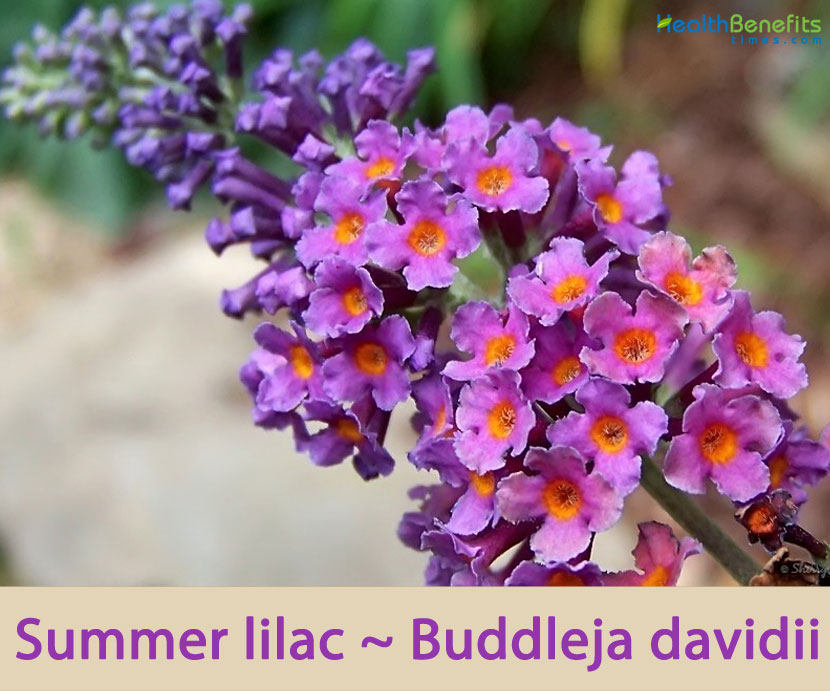
| Summer lilac Quick Facts | |
|---|---|
| Name: | Summer lilac |
| Scientific Name: | Buddleja davidii |
| Origin | Eastern Asia and has been introduced as an ornamental world-wide, first to Europe (1890s) and then later to the Americas, Australia, New Zealand, and some parts of Africa |
| Colors | Initially green turning to brownish in color as they mature |
| Shapes | Elongated (i.e. narrowly-ellipsoid or narrowly-ovoid) capsule with two compartments containing numerous seeds. These capsules are 5-10 mm long and 1.5-2 mm wide |
| Health benefits | Beneficial for night blindness, cataracts, eyestrain, asthma and coughing with blood, wounds, muscle spasms, bladder problems, headache, gonorrhea, hepatitis and hernias |
| Name | Summer lilac (Butterfly bush) |
|---|---|
| Scientific Name | Buddleja davidii |
| Native | Eastern Asia (i.e. western and central China) and has been introduced as an ornamental world-wide, first to Europe (1890s) and then later to the Americas, Australia, New Zealand, and some parts of Africa because of its fragrant and colorful flowers |
| Common Names | Buddleia, buddleja, butterfly bush, butterfly-bush, orange eye, orange eye butterflybush, orange-eye butterfly-bush, orange-eye butterflybush, purple buddleia, summer lilac |
| Name in Other Languages | Abkhazian: Somer lila Afrikaans: Skoenlapper Albanian: Tufë future, budlejë Amharic: Bīrabīro ch’aka (ቢራቢሮ ጫካ) Arabic: Shajirat farashatan (شجيرة فراشة) Armenian: Բուդդլեյա Դավիդի Armenian: T’it’erri t’p’ (թիթեռի թփ) Austria: Schmetterlingsstrauch; Sommerflieder Azerbaijani: Kəpənək kolu, David buddleyası Bengali: Prajāpati gulma (প্রজাপতি গুল্ম) Bulgarian: Peperuden khrast (пеперуден храст), Давидова будлея, Burmese: Liutpyaar hkyaone (လိပ်ပြာချုံ) Catalan: Budleia Chinese: Da ye zui yu cao, Húdié bùshí (蝴蝶布什), 大叶醉鱼草 Croatian: Leptir grm, Budleja Czech: Motýlí keř, Komule Davidova, Danish: Sommerfuglbusk, Almindelig sommerfuglebusk, Dutch: Vlinderstruik English: Butterfly bush, Summer lilac, Orange eye butterflybush, Orange-eye, Buddleia Esperanto: Papilia arbeto Estonian: Liblikpõõsas, Davidi budleia Filipino: Butterfly bush Finnish: Perhonen pensas, Syrikkä, Syyssyrikkä French: Arbre à papillons, Arbre aux papillons, Buddleja du père David, Buddléa de David, Buddléa, Lilas d’été, Buddléia de David, Buddléia changeant, Buddléia du Père David, arbuste aux papillons, buddleia de David, lilas de Chine Georgian: P’ep’ela buchki (პეპელა ბუჩქი) German: Schmetterlingsstrauch , Buddleja, Fliederspeer, Gewöhnlicher Sommerflieder, Sommerflieder, Spitzaehriger Schmetterlingsstrauch, Herbstflieder, spitzähriger Sommerflieder, Zottelstrauch Greek: Petaloúda (πεταλούδα) Gujarati: Baṭaraphlāya jhāḍavuṁ (બટરફ્લાય ઝાડવું) Hausa: Malam buɗe ido daji Hebrew: פרפר, בודלית דוד Hindi: Titalee jhaadee (तितली झाड़ी) Hungarian: Pillangó bokor, Illatos nyáriorgona, Nyáriorgona Icelandic: Fiðrildisrós Indonesian: Semak kupu-kupu Irish: Tor féileacán, Tor an fhéileacáin Italian: Cespuglio di farfalle, Buddleja, albero delle farfalle, buddleia di David Japanese: Batafuraibusshu (バタフライブッシュ), チチブフジウツギ, フサフジウツギ, chichibu-fujiutsugi; fusa-fujiutsugi Javanese: Kupu semak Kannada: Ciṭṭe buṣ (ಚಿಟ್ಟೆ ಬುಷ್) Kazakh: Köbelektiñ butağı (көбелектің бұтағы) Korean: Nabi busi (나비 부시), 부들레야 Kurdish: Sîşka pez Lao: Phummai butterfly (ພຸ່ມໄມ້ butterfly) Latin: Papilio Bush Latvian: Tauriņa krūms Lithuanian: Drugelio krūmas Macedonian: Grmuška od peperutka (грмушка од пеперутка), Leten jorgovan (Летен јоргован) Malagasy: Lolo bozaka Malay: Belukar rama-rama Malayalam: Baṭṭarphlai buṣ (ബട്ടർഫ്ലൈ ബുഷ്) Maltese: Bush farfett Marathi: Phulapākharū buśa (फुलपाखरू बुश) Mongolian: Erveekhei but (эрвээхэй бут) Nepali: Putalee jhaadee (पुतली झाडी) Norwegian: Sommerfuglbusk Oriya: ପ୍ରଜାପତି ବୁଦା Pashto: تیتلی بوټی Persian: بوته پروانه Polish: Krzak motyla, Omżyn (Budleja) Dawida, Budleja Dawida Portuguese: Arbusto de borboleta, Budleia, Flor-de-mel, arbusto-das-borboletas Punjabi: Titalī jhāṛī (ਤਿਤਲੀ ਝਾੜੀ) Romanian: Tufiș fluture Russian: Babochka kust (бабочка куст), Buddleâ Davida (Буддлея Давида), buddleya izmenchivaya (буддлея изменчивая) Serbian: Leptir grm (лептир грм), Budleja (Будлеја) Sindhi: تیتلي جوڙي Sinhala: Samanala pan̆dura (සමනල පඳුර) Slovak: Budleja (Будлеја), budleja Davidova Slovene: Davidova budleja Slovenian: Metulj grm Spanish: Arbusto de mariposa, Arbusto de las mariposas, Baileya, Bardana menor, Buddleia, Budleya, Lilo de verano Sudanese: Kukupu rungkun Swedish: Fjärilsbuske, Liten syrenbuddleja, Syrenbuddleja Switzerland: Schmetterlingsstrauch; Sommerflieder Tajik: Buttai babochka (буттаи бабочка) Tamil: Paṭṭāmpūcci puṣ (பட்டாம்பூச்சி புஷ்) Telugu: Sītākōkaciluka buṣ (సీతాకోకచిలుక బుష్) Thai: Phùm mị̂ p̄hīs̄eụ̄̂x (พุ่มไม้ผีเสื้อ) Turkish: Kelebek çalı, Kelebek çalısı Ukrainian: Kushch metelyka (кущ метелика) Upper Sorbian: Mjetelowy bóz Urdu: تتلی جھاڑی Uzbek: Kelebek tupi Vietnamese: Bụi bướm Welsh: llwyn pili pala, Bwdleia, Llwyn Iâr Fach, Y Gynffon Las Western Frisian: Flinterstrûk Zulu: Ibhabhathane isihlahla |
| Plant Growth Habit | Fast growing, perennial, semi-deciduous, shrub or small multi-stemmed tree |
| Growing Climates | Weed of disturbed sites, waste areas, roadsides, drainage lines, creek-banks, riparian areas, dry river beds, open woodlands and forestry plantations in temperate and cooler sub-tropical regions, nutrient-rich watercourses, rocky riverside habitats, walls and rock faces, riparian corridors, quarries, clear cut forests, and along transport corridors |
| Soil | Prefers a rich loamy well-drained soil. Very tolerant of alkaline soils, atmospheric pollution and maritime exposure. Grows best on dry soils of low fertility, where it can seed itself freely |
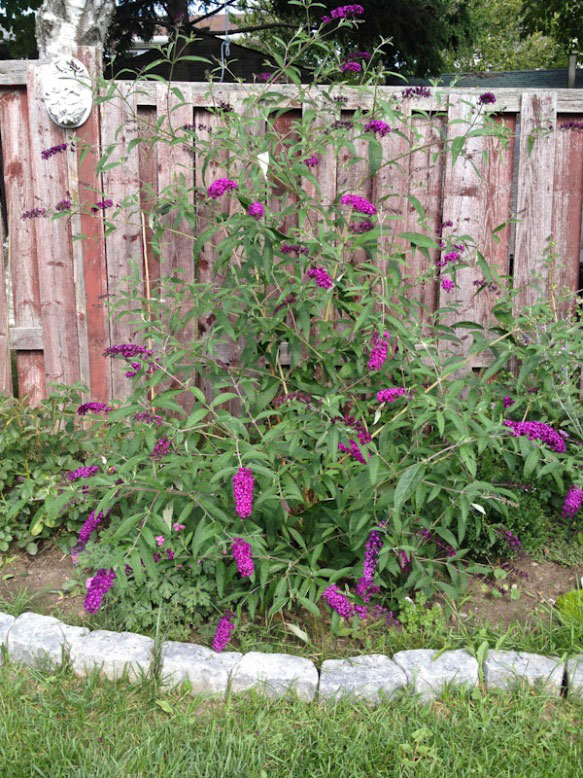
| Plant Size | Usually growing 1-3 m (4-10 ft.) tall, but occasionally reaching up to 5 m (16 ft.) in height |
| Bark | Pale brown bark becomes deeply fissured with age. The branches are quadrangular in section, the younger shoots covered in a dense indumentum |
| Twigs | Moderately stout, very angled twigs, initially green and tomentose, later turning light brown and glabrous, large white pith, small buds |
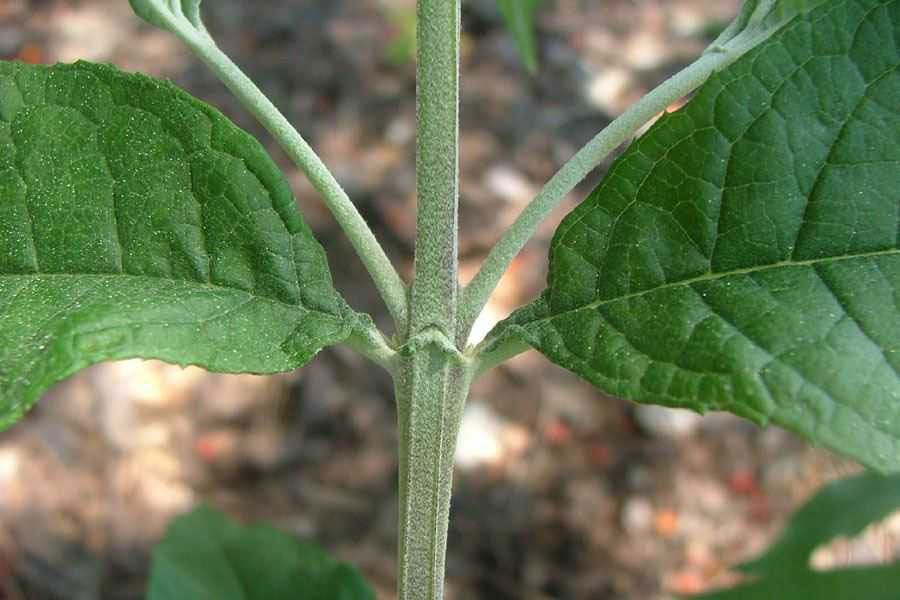
| Stem | Stems are bluntly angled, clad in tufts of easily-removed soft woolly hair (downy hairs when young), and become lax when long |
| Leaf | Oppositely arranged leaves are elongated (i.e. narrowly-ovate) to somewhat egg-shaped in outline (i.e. oblong-ovate) and are borne on short stalks (i.e. petioles) 1-5 mm long. These leaves are 4-20 cm long and 1-8 cm wide and have toothed (i.e. crenate to crenulate) margins and pointed tips |
| Flowering season | July to October |
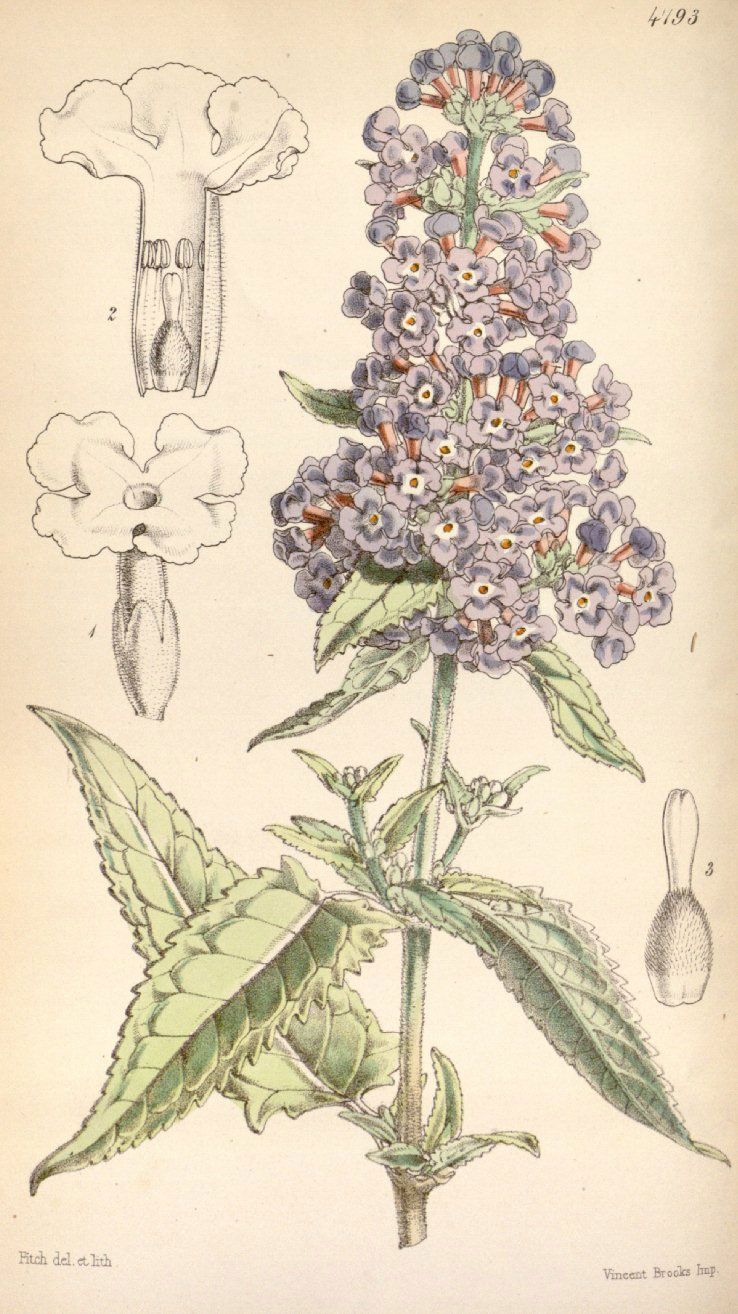
| Flower | Small tubular flowers are 8-14 mm long and about 5 mm across and are borne in un-branched or branched elongated clusters (i.e. racemes or thyrsoid cymes) 12-30 cm long and 2-5 cm wide, that are formed at or near the tips of the branches. Each flower has four mauve or purple (occasionally white to dark purple) petals that are fused together into a tube (i.e. corolla tube) for most of their length (i.e. tube 6-11 mm long). The four spreading petal lobes (i.e. corolla lobes) are 1.5-3 mm long and the mouth of the tube is usually orange-yellow in color |
| Fruit Shape & Size | Elongated (i.e. narrowly-ellipsoid or narrowly-ovoid) capsule with two compartments containing numerous seeds. These capsules are 5-10 mm long and 1.5-2 mm wide |
| Fruit Color | Initially green turning to brownish in color as they mature |
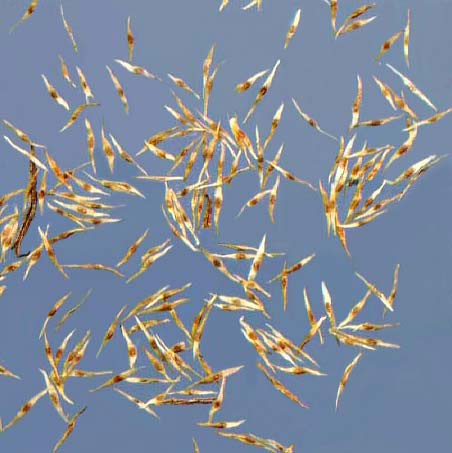
| Seed | Seeds are brown, thread-like, and long-winged at both ends. They are 2-4 mm long and about 0.5 mm wide and are oval in shape (i.e. ellipsoid) with wings at both ends with the center slightly thickened |
| Propagation | By seed and by cuttings |
| Plant Parts Used | Leaves, flowers, and roots |
| Lifespan | Do not live for more than 20 years |
| Season | September to October |
Plant Description
Summer lilac is a fast growing, perennial, semi-deciduous shrub or small multi-stemmed tree that normally grows about 1-3 m (4-10 ft.) tall, but occasionally reaching up to 5 m (16 ft.) in height. The plant is found growing in disturbed sites, waste areas, roadsides, drainage lines, creek-banks, riparian areas, dry river beds, open woodlands and forestry plantations in temperate and cooler sub-tropical regions, nutrient-rich watercourses, rocky riverside habitats, walls and rock faces, riparian corridors, quarries, clear cut forests, and along transport corridors.
The plant prefers a rich loamy well-drained soil. It is very tolerant of alkaline soils, atmospheric pollution and maritime exposure. It grows best on dry soils of low fertility, where it can seed itself freely. Moderately stout angled twigs are initially green and tomentose, later turning to light brown and glabrous with large white pith and small buds. Branches and trunk are covered with a pale brown bark. This bark is smooth on a young shrub, but becomes deeply fissured as the plant ages. The branches are quadrangular in section, the younger shoots covered in a dense indumentum.
Stems
The arching stems are densely covered with whitish or greyish hairs and are bluntly four-angled when young. They become almost hairless (i.e. glabrescent) and rounded as they mature.
Leaves
The oppositely arranged leaves are elongated (i.e. narrowly-ovate) to somewhat egg-shaped in outline (i.e. oblong-ovate) and are borne on short stalks (i.e. petioles) 1-5 mm long. These leaves are 4-20 cm long and 1-8 cm wide and have toothed (i.e. crenate to crenulate) margins and pointed tips (i.e. acute or acuminate apices). The upper surface of the leaves is dark green and mostly hairless (i.e. glabrous), while the lower surface is covered in velvety whitish hairs (i.e. tomentose) and is greyish-green in color.
Flowers
Small tubular flowers are 8-14 mm long and about 5 mm across and are borne in un-branched or branched elongated clusters (i.e. racemes or thyrsoid cymes) 12-30 cm long and 2-5 cm wide, that are formed at or near the tips of the branches. Each flower has four mauve or purple (occasionally white to dark purple) petals that are fused together into a tube (i.e. corolla tube) for most of their length (i.e. tube 6-11 mm long). The four spreading petal lobes (i.e. corolla lobes) are 1.5-3 mm long and the mouth of the tube is usually orange-yellow in color. The flowers also have four small green sepals that are 2-3.5 mm long and are also fused together (i.e. into a calyx tube) for half of their length. Each flower also has four stamens and an ovary topped with a style (0.5-1.5 mm long) and a club-shaped (i.e. clavate) stigma. These sweetly scented flowers are either stalk less (i.e. sessile) or shortly stalked (i.e. sub-sessile). Flowering occurs mostly during spring and summer (i.e. from November to February).
Fruit
Fertile flowers are followed by elongated (i.e. narrowly-ellipsoid or narrowly-ovoid) capsule with two compartments containing numerous seeds. These capsules are 5-10 mm long and 1.5-2 mm wide and turn from green to brownish in color as they mature. Fruit are present from later summer to early winter (i.e. from February to June). Seeds are brown, thread-like, and long-winged at both ends. They are 2-4 mm long and about 0.5 mm wide and are oval in shape (i.e. ellipsoid) with wings at both ends with the center slightly thickened. Approximately 500-100 seeds are arranged tightly packed with their long sides aligned with the axis of the capsule.
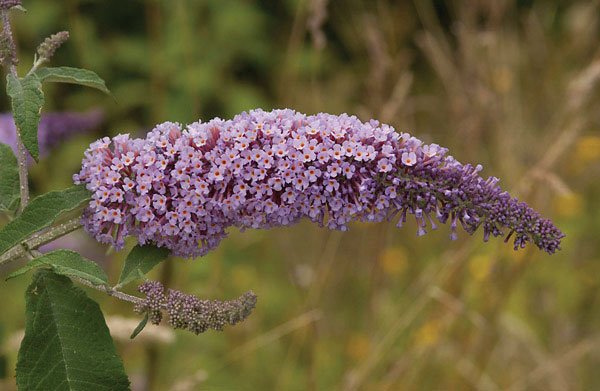 Flower-of-Summer-lilac
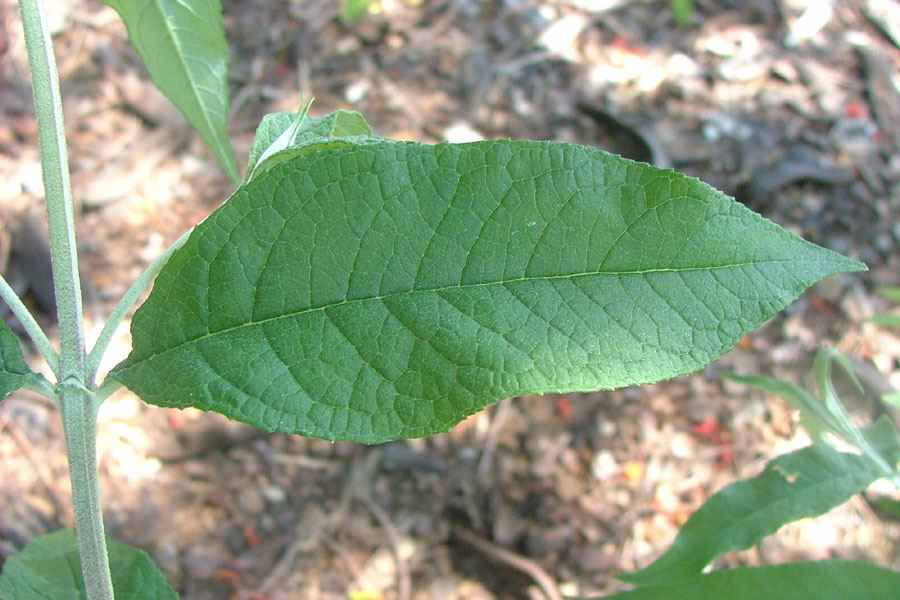 Leaf-of-Summer-lilac
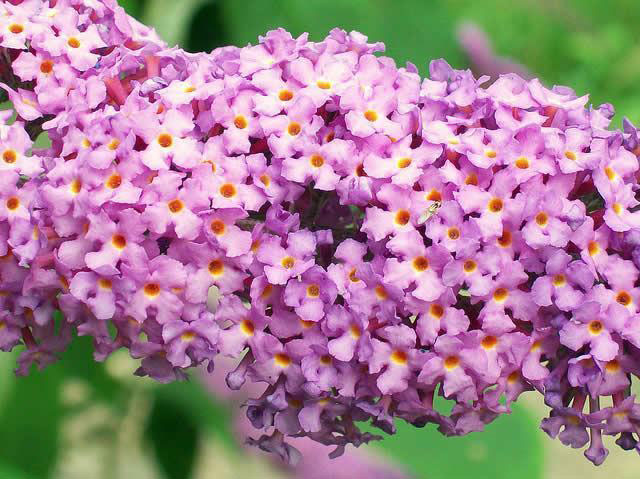 Closer-view-of-flowers-of-Summer-lilac
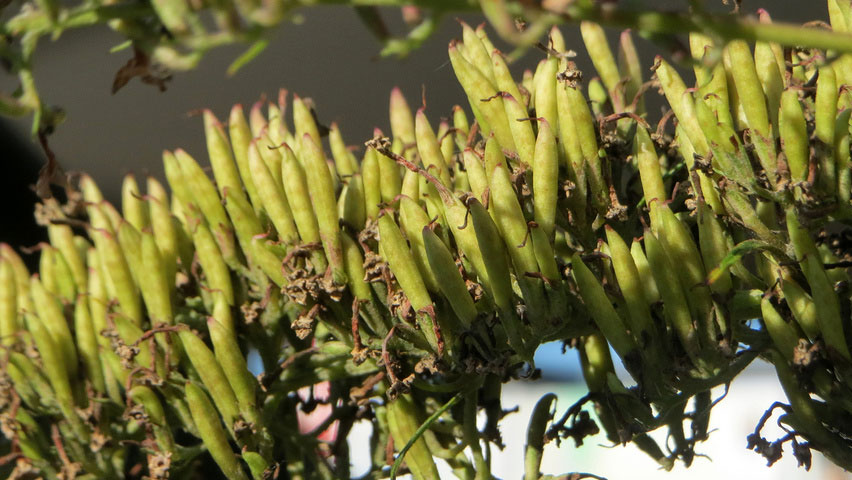 Immature-fruits-of-Summer-lilac
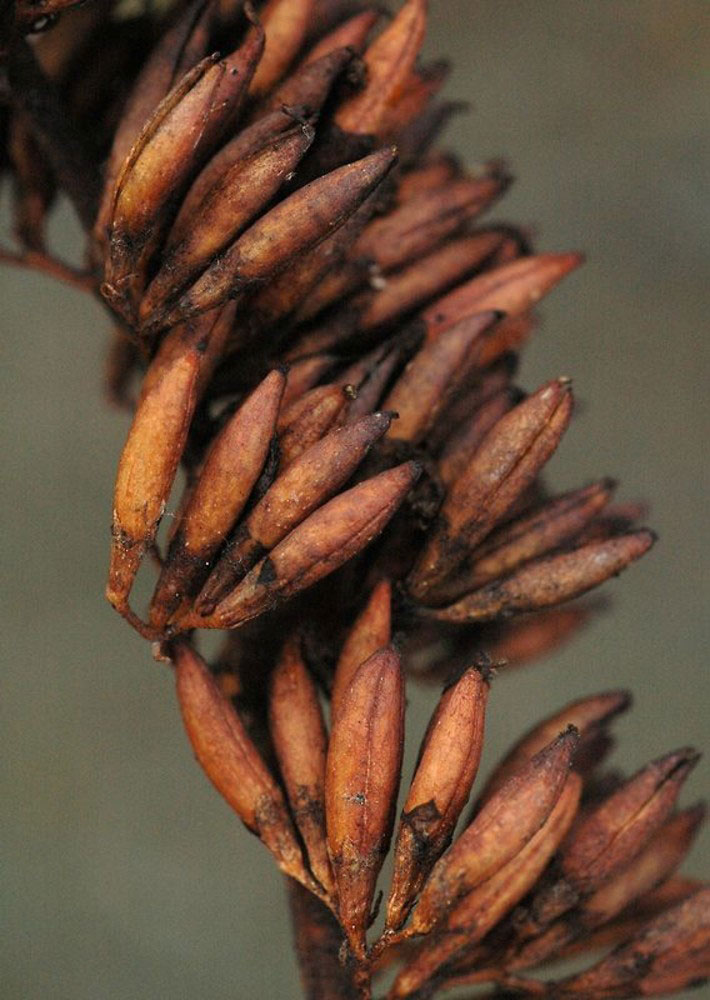 Mature-Fruits-of-Summer-lilac
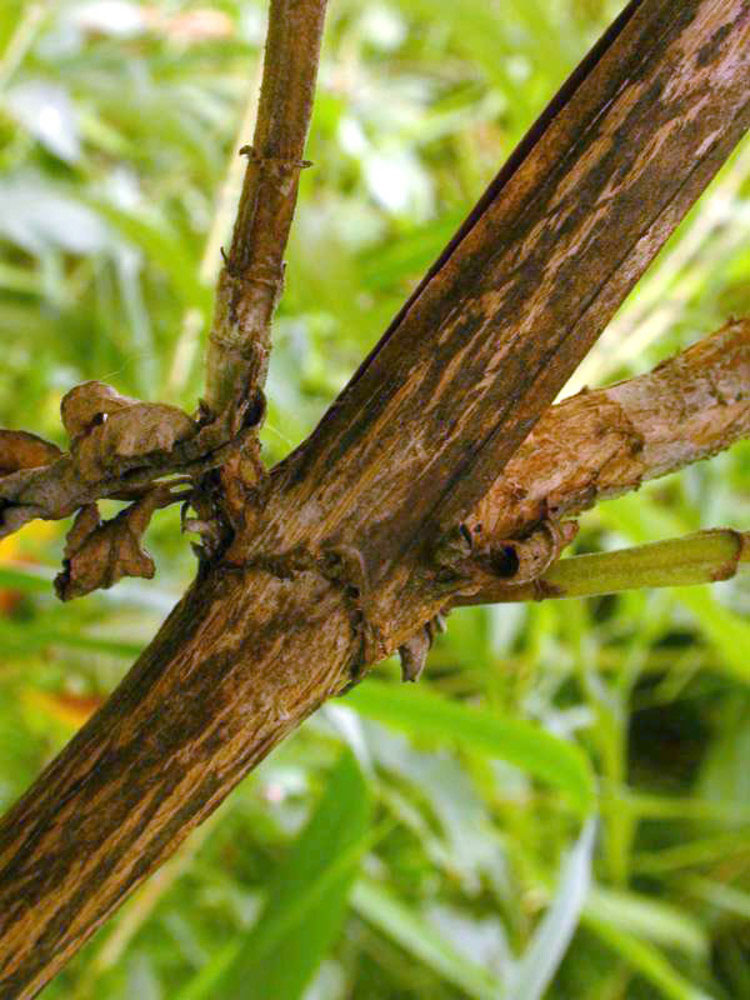 Bark-of-Summer-lilac
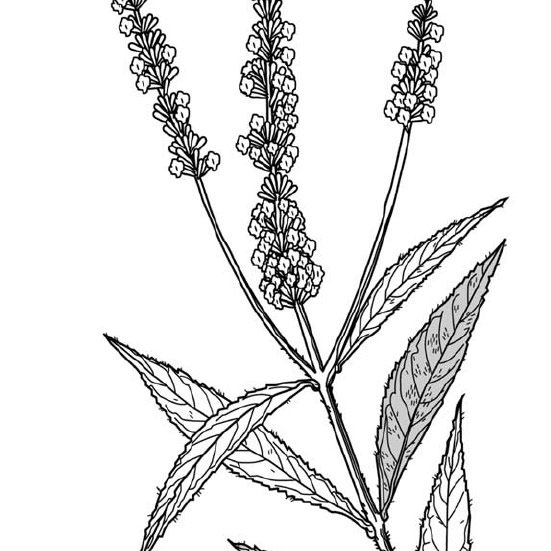 Sketch-of-Summer-lilac
 Plant-illustration-of-Summer-lilac
 Seeds-of-Summer-lilac
 Stem-of-Summer-lilac
 Summer-lilac-Plant-growing-wild
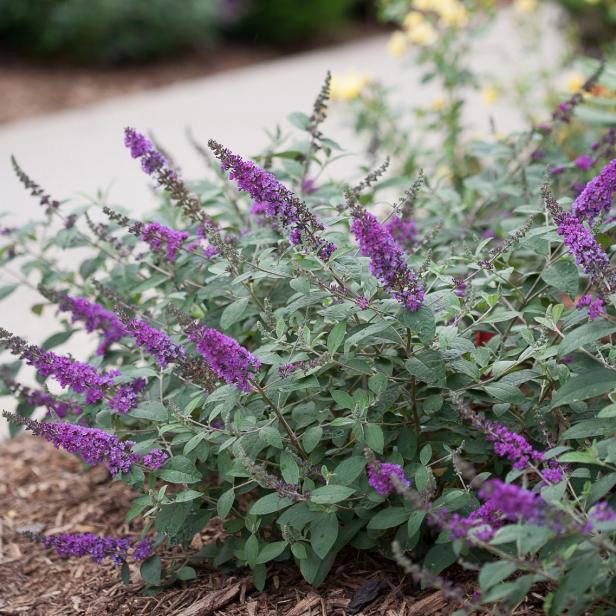 Summer-lilac-plant
Health benefits of summer lilac
Here’s a quick look at a few of the uses and benefits of this plant. Summer lilac consists of antioxidants that can help prevent premature aging. It also has amino acids and moisturizing properties that can help hydrate, soothe, calm, and protect the skin against harmful UVA rays. Listed below are some of the popular health benefits of summer lilac
1. Antioxidant properties
Summer lilac is loaded with antioxidants that help fight back against skin aging and inflammation. It also helps stimulate your skin’s self-repair functions, improving the overall texture and appearance of your skin.
2. Soothes skin
Summer lilac is high in amino acids, phytosterols, and polysaccharides, which help contribute moisturizing properties to skincare products, and soothe dry, irritated, or damaged skin.
3. Protects from the sun
Summer lilac has been clinically proven to help protect against damage from UVA rays. This wavelength of UV light from the sun is associated with accelerated skin aging, so products with Summer lilac extract can help you avoid skin damage and stay safe in the sun.
Traditional uses and benefits of Summer lilac
- Flower buds are commonly used for eye care.
- It has been used in Chinese medicine to treat night blindness, cataracts, eyestrain.
- The root has been used for asthma and coughing with blood.
- This plant was used to heal wounds in ancient China.
- It can be useful for prematurely aging or environmental stress affected skin.
- Flowers are also helpful for skin firming, offers to strengthen of peptide bonds on the surface of the skin.
- The species are used to treat eye problems, muscle spasms, bladder problems, headache, gonorrhea, hepatitis and hernias.
Other Facts
- Black or green dyes can be obtained from the flowers, leaves and stems combined.
- An orange-gold to brown dye can be obtained from the flowers.
- It is an extremely popular garden plant due to its low maintenance, long flowering season, colorful and fragrant flowers, and its attractiveness to butterflies.
- The flowering Summer lilac has been closely linked with butterflies, moths and hummingbirds.
- Flowers emit a musk-like fragrance like heather honey.
- Buddleia represents rebirth, resurrection and new beginning.
- It is used to stun fish and as an insecticide.
Control
Cultural control and sanitary measures
Ream documented the management of Summer lilac in different production and retail nurseries in Oregon and discovered that retail nurseries are not the source of Summer lilac escapes. Plants are either discarded or severely pruned and stored in enclosed houses for winter protection. Most production nurseries prune plants before seed mature, eliminating the seed source. Where this was not the case, seedlings were found around the nursery. Moreover, some of the nurseries prevent the spread of Summer lilac and other plants by regular herbicide applications.
Physical/mechanical control
Physical removal on a small spatial scale may help in the early stages of invasion. Young shrubs can be dug up, but this method is not recommended for mature plants. Remaining stumps should be treated with glyphosate herbicide.
In New Zealand, Summer lilac is controlled by aerial sowing of cover grasses such as Holcus lanatus in the autumn, prior to planting, which has been found to effectively suppress the growth of young Summer lilac seedlings.
Movement control
Dead-heading is the recommended method to reduce the spread of Summer lilac by seeds, but this practice has been linked to reducing the quality of the shrub in subsequent years and increasing the plant’s susceptibility to disease.
Biological control
In 2006, Cleopus japonicus was introduced and released as a potential bio-control agent for Summer lilac in New Zealand. Further releases were made in 2007 and 2008 following careful monitoring of weevil behavior and establishment. As of 2009, it was still considered too early to judge the field effectiveness of C. japonicus. A second species under consideration for biological control of Summer lilac in New Zealand is the stem weevil, Mecysolobuserro. The adults feed on the tender terminal shoots causing tips to wither and die. Host-range testing of this species is still underway (Kay, 2002).
Chemical control
Glyphosate herbicide without surfactans has been reported to be effective against small shrubs, whereas large shrubs with heavy pubescent leaves were less vulnerable to foliar application. Direct and precise application, such as painting cut stumps is more effective than spraying. Treatment with triclopyr or imazapyr has not been effective. In New Zealand, Summer lilac is typically controlled in recent clear cut stands using herbicides that are usually aerially applied immediately before (i.e. glyphosate and metsulfuron) and then again after (i.e. terbuthylazine and hexazinone) planting of plantation conifers.
Because stem and root fragments readily regenerate, debris piles should be burned, composted or otherwise treated in such a way to kill all seeds, stems and root fragments.
References:
https://www.itis.gov/servlet/SingleRpt/SingleRpt?search_topic=TSN&search_value=29914#null
http://www.hear.org/pier/species/buddleja_davidii.htm
https://npgsweb.ars-grin.gov/gringlobal/taxon/taxonomydetail?id=8081
https://pfaf.org/User/Plant.aspx?LatinName=Buddleia+davidii
https://www.cabi.org/isc/datasheet/10314
https://www.missouribotanicalgarden.org/PlantFinder/PlantFinderDetails.aspx?kempercode=b750
https://en.wikipedia.org/wiki/Buddleja_davidii
https://indiabiodiversity.org/species/show/265717
https://keyserver.lucidcentral.org/weeds/data/media/Html/buddleja_davidii.htm
http://www.theplantlist.org/tpl1.1/record/kew-2685390
http://www.iucngisd.org/gisd/species.php?sc=650
https://gd.eppo.int/taxon/BUDDA
https://plants.usda.gov/home/classification/49305
http://temperate.theferns.info/plant/Buddleja+davidii