

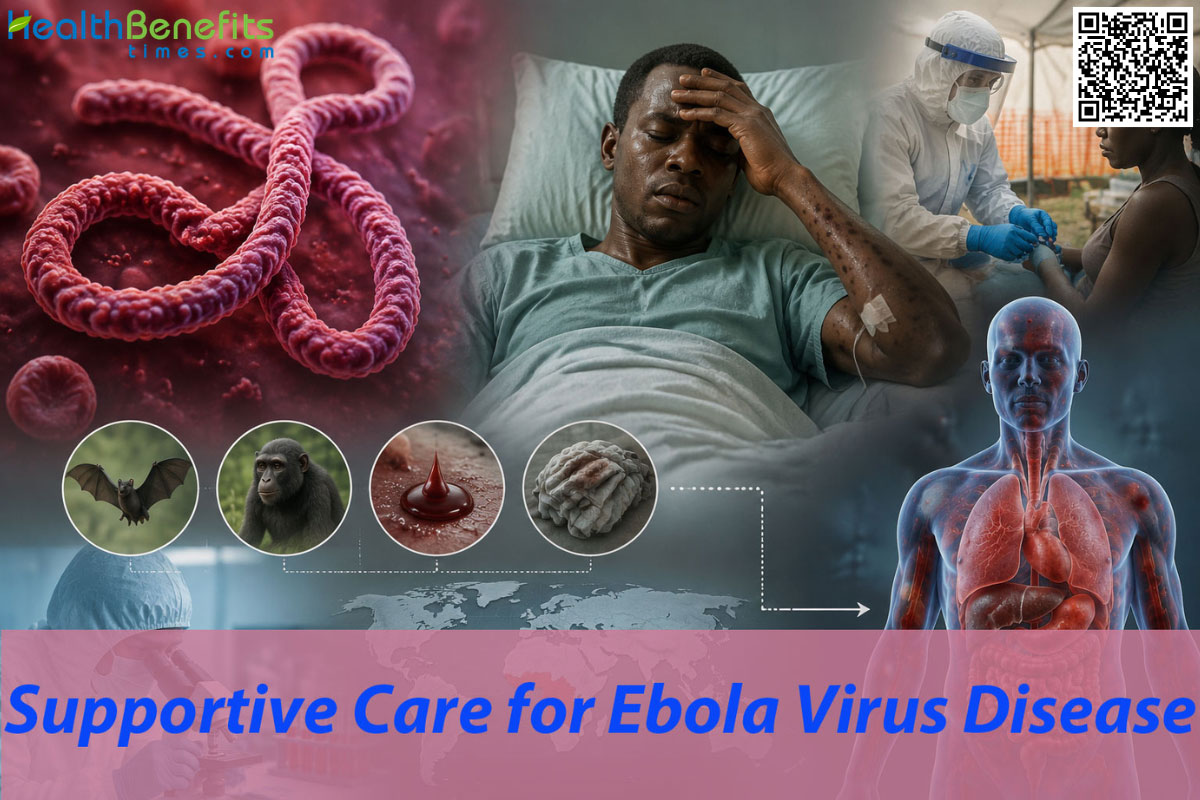
Ebola virus disease isn’t a minor health threat it attacks the immune system, damages blood vessel walls, and can cause severe internal and external bleeding. That’s what makes understanding it so important. The disease is rare, but its effects are serious. It can affect humans and nonhuman primates, including monkeys, gorillas, and chimpanzees. It’s caused by viruses from the orthoebolavirus group, which circulate in parts of sub-Saharan Africa. The illness was once called Ebola hemorrhagic fever, a name that reflects how severe it can get high fever, intense body aches, and in advanced cases, uncontrolled bleeding.
The mortality rate is one of the most striking things about this disease. On average, about 50% of people who contract it do not survive 1. Across historical outbreaks, that figure has ranged from 25% to 90%, depending on the circumstances. But survival is possible and treatment matters. Getting medical care early, especially supportive care that includes rehydration, can make a real difference in whether someone recovers 2.
Causes of Ebola Virus Disease
Looking closely at the origins of this illness helps us understand how it moves from nature into our communities. The virus does not simply appear out of thin air; it follows very specific, traceable pathways of transmission.
1. Animal to Human Transmission
Scientists generally agree that the natural hosts for the virus are African fruit bats, which can carry the pathogen without getting sick themselves 3. When people come into close physical contact with these bats, or with other infected wild animals like monkeys or forest antelopes, the virus can jump from the animal into the human population. This crossover most frequently happens through hunting, butchering, or preparing the meat of these wild animals, which is commonly referred to as handling bushmeat 4.
2. Human to Human Transmission
Once the illness enters a community, it relies heavily on direct physical contact to move from one person to another. It spreads when broken skin, or mucous membranes like the eyes, nose, or mouth, come into direct contact with the blood or bodily fluids of a sick individual 5. These highly infectious fluids include a wide range of substances such as saliva, sweat, vomit, feces, urine, breast milk, and amniotic fluid.
3. Contact with Contaminated Surfaces
Everyday objects can also become hidden dangers if they are not cleaned properly during an outbreak. Another common way people contract the illness is by interacting with items that have been soiled by an infected person’s bodily fluids 6. Objects such as clothing, bedsheets, blankets, hospital equipment, and even used medical needles can harbor the virus for extended periods. If a healthy person handles these contaminated items and then accidentally touches their face or an open cut, the virus can easily enter their system.
4. Sexual Transmission After Recovery
Interestingly enough, the journey does not always end the moment a patient feels better. Even after a person has fully recovered from the acute illness and feels completely healthy, the virus can sometimes hide in specific areas of the body that are shielded from the immune system, such as the testes 7. Because of this unique hiding ability, the virus can remain present in seminal fluid for many months. Consequently, the illness can be transmitted through unprotected oral, vaginal, or anal sex with a male survivor who has not yet cleared the virus completely from his body.
Symptoms of Ebola Virus Disease
Spotting the warning signs early is one of the most critical steps in seeking timely, life-saving care. The illness typically unfolds in distinct phases, often starting out looking like a common flu before progressing to much more severe and frightening challenges.
1. Early “Dry” Symptoms
- Sudden, high fever that comes on without warning 8
- Deep muscle aches, joint pain, and generalized body soreness
- Severe, throbbing headache
- Overwhelming physical weakness and deep fatigue
- A scratchy, painful sore throat
- General loss of appetite and disinterest in eating
2. Later “Wet” Symptoms
- Frequent, severe watery diarrhea that leads to rapid dehydration 2
- Intense nausea and recurring bouts of vomiting
- Sharp abdominal or stomach pain and cramping
- Unexplained bruising or abnormal bleeding, such as oozing from the gums or nose
- Dark, tarry stools or vomit that looks like wet coffee grounds
3. Severe and Neurological Complications
- Noticeable confusion, disorientation, or changes in mental state 9
- Red, highly bloodshot eyes
- A patchy skin rash or tiny red blood spots under the surface of the skin
- Shortness of breath or sudden chest pain
- Seizures, convulsions, or total organ failure in the most advanced stages
Ebola Virus Disease Facts Table
Having a quick reference guide is a great way to remember the most important details about this illness. Please review the simple table below, which organizes the essential facts into an easy-to-read format.
| Facts Category | Details |
| Symptoms |
|
| Causes |
|
| Types of Ebola Virus Disease |
|
| How does spread |
|
| Age Group |
|
| You might be at a higher risk for exposure of this disease if you: |
|
| How doctors diagnose |
|
| Other facts |
|
Supportive Care for Ebola Virus Disease
When it comes to treating this terrifying illness, the most powerful and effective tool doctors currently rely on is optimized supportive care. Because the virus attacks the body so aggressively, the main goal of the medical team is to constantly support the body’s natural systems, keeping the patient strong enough to develop their own immune response and naturally clear the virus from their system 10.
1. Providing Intravenous and Oral Fluid Resuscitation
Water is the foundation of life, and during this illness, the body loses it at a catastrophic rate. As the infection progresses to the “wet” phase, a patient can lose massive amounts of water through constant vomiting and severe, watery diarrhea. To combat this rapid and dangerous fluid loss, nurses and doctors work quickly to replace what the body is missing. If a patient is awake and able to swallow safely, they are heavily encouraged to drink oral rehydration solutions, which are specially mixed, life-saving drinks that contain pure water, sugars, and salts 11. However, if the stomach is too upset to keep any liquids down, medical professionals will bypass the stomach entirely and deliver fluids directly into the bloodstream through an intravenous (IV) line. Sometimes, patients require massive volumes of these IV fluids because the virus causes the blood vessels to leak fluid into the surrounding tissues, a medical complication known as “third-spacing” 12.
Note: This supportive care method is commonly used to replenish lost bodily fluids, prevent the kidneys from shutting down, and keep the patient from going into fatal shock.
2. Correcting Electrolyte Imbalances
Beyond just water, the human body runs on tiny electrical messengers called electrolytes, which include vital minerals like potassium, sodium, and calcium. During frequent bouts of sickness, these essential minerals are flushed out of the body along with the water. These minerals act like the electrical wiring of the body, telling the heart exactly when to beat and the muscles how to move. When these levels drop too low or spike too high, it can quickly become a life-threatening emergency, leading to heart arrhythmias or seizures 13. To prevent this, doctors constantly take small blood samples to monitor the patient’s internal chemistry. By carefully looking at these lab results, the healthcare team can add exact, tailored amounts of liquid potassium or sodium directly into the patient’s IV fluid drip.
Note: This supportive care method is commonly used to ensure the heart maintains a steady, safe rhythm and to protect the delicate nervous system from sudden damage.
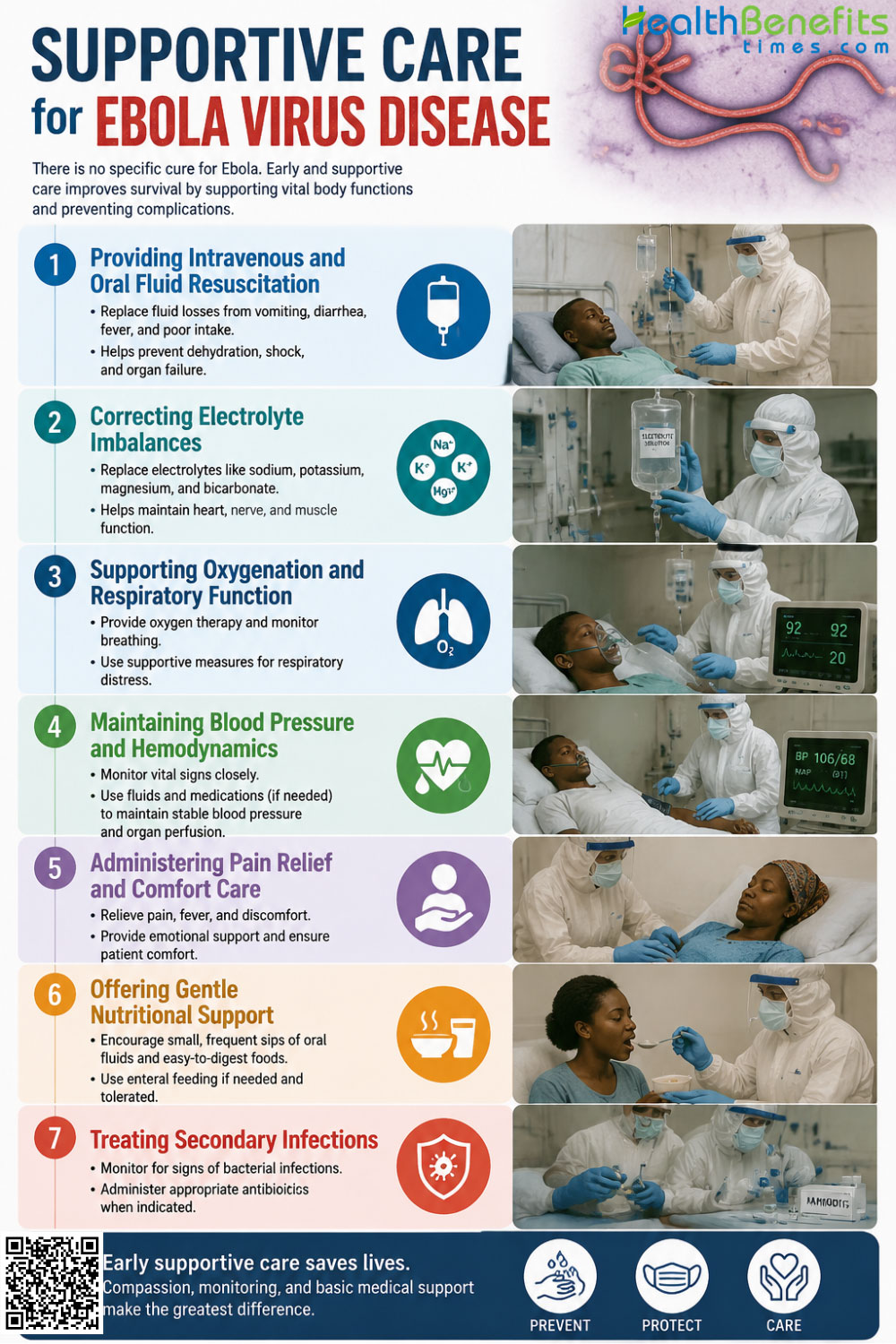
3. Supporting Oxygenation and Respiratory Function
Breathing can sometimes become a difficult chore as the virus takes a heavier toll on the lungs and the rest of the body. Sometimes the lung tissues become inflamed, or the patient simply becomes too physically exhausted to take deep, nourishing breaths on their own. To help ease this heavy burden, caregivers will place a soft plastic tube beneath the patient’s nose or a mask over their face to deliver a steady stream of pure oxygen 12. This extra flow of fresh air means the heart and lungs do not have to work quite as hard to supply the body. Keeping blood oxygen levels high ensures that the brain, kidneys, and liver receive the vital fuel they need to keep fighting the infection.
Note: This supportive care method is commonly used to reduce the stressful workload on the lungs and deliver life-sustaining air to all vital organs.
4. Maintaining Blood Pressure and Hemodynamics
Keeping the blood flowing strongly is a tricky complication of this illness, as patients often suffer a sudden and dangerous drop in blood pressure. Because the virus damages the walls of the blood vessels, they lose their natural tightness and become leaky, making it incredibly difficult for the heart to pump blood effectively to the far reaches of the body. When giving IV fluids alone is not enough to bring the blood pressure back up to a safe level, doctors turn to special medications called vasopressors 14. These powerful medicines work by gently squeezing the blood vessels back together, much like tightening a loose garden hose to increase the water pressure inside. Nurses monitor the patient’s blood pressure around the clock, adjusting the medication drop by drop to ensure stability.
Note: This supportive care method is commonly used to safely raise falling blood pressure and ensure that enough blood reaches the brain and kidneys to keep them alive.
5. Administering Pain Relief and Comfort Care
Enduring such a massive viral attack is an incredibly painful experience, characterized by severe, splitting headaches, throbbing joint pain, and intense stomach cramps. It is very difficult for a body to focus on healing when it is rigid with severe pain and psychological stress. For this reason, providing strong, effective pain relief is considered a cornerstone of compassionate and effective medical care 13. Doctors will prescribe standard analgesics, and if the pain is exceptionally severe, they will not hesitate to use stronger medications, including targeted opioids, to bring the patient immediate relief. By taking away the physical agony, the medical team allows the patient to rest peacefully, which greatly conserves their energy.
Note: This supportive care method is commonly used to eliminate unnecessary physical suffering, reduce emotional stress, and promote the deep, restful sleep needed for healing.
6. Offering Gentle Nutritional Support
Food is medicine, but fighting off a major viral invader burns a tremendous amount of calories while simultaneously making patients feel completely repulsed by the idea of eating. The throat may be incredibly sore, and the stomach is usually highly sensitive and prone to cramping. Dietitians and nurses focus on providing soft, easy-to-swallow meals that will not irritate the fragile digestive tract 15. Porridges, clear soups, mashed potatoes, and soft fruits are excellent choices, alongside high-quality, easily digestible proteins like pureed chicken or fish to help rebuild damaged tissues. Heavy, greasy, or highly processed foods are strictly avoided, as the body simply cannot digest them properly during this crisis.
Note: This supportive care method is commonly used to safely restore lost energy reserves, provide building blocks for tissue repair, and support the body’s natural immune response.
7. Treating Secondary Infections
While the immune system is completely distracted by a massive viral attack, other sneaky germs often take advantage of the body’s weakened state. Patients might easily develop secondary bacterial infections in their lungs, digestive tract, or blood. Additionally, in many tropical regions where this illness naturally occurs, other serious diseases like malaria or typhoid fever are incredibly common. A patient might arrive at the clinic suffering from two or three major illnesses at the exact same time. To give the patient the absolute best chance of survival, doctors will promptly administer broad-spectrum antibiotics or anti-malarial medications alongside their standard viral treatments 11.
Note: This supportive care method is commonly used to clear out opportunistic bacteria and parasites, lifting a massive extra burden off a severely compromised immune system.
Foods and Activities to Avoid When You suffer from Ebola Virus Disease
When you are on the path to recovery, what you choose not to do is just as important as the medicine you take. While your medical team works hard to heal you, there are specific things you must actively avoid to protect your fragile body and the people around you.
1. Avoiding Hard, Crunchy, or Spicy Foods
Your digestive system is incredibly raw and sensitive right now. Eating rough, scratchy foods or highly seasoned, spicy meals can severely irritate your sore throat and delicate stomach lining. You should stick to soft, bland foods that glide down easily and won’t trigger further painful bouts of nausea or vomiting.
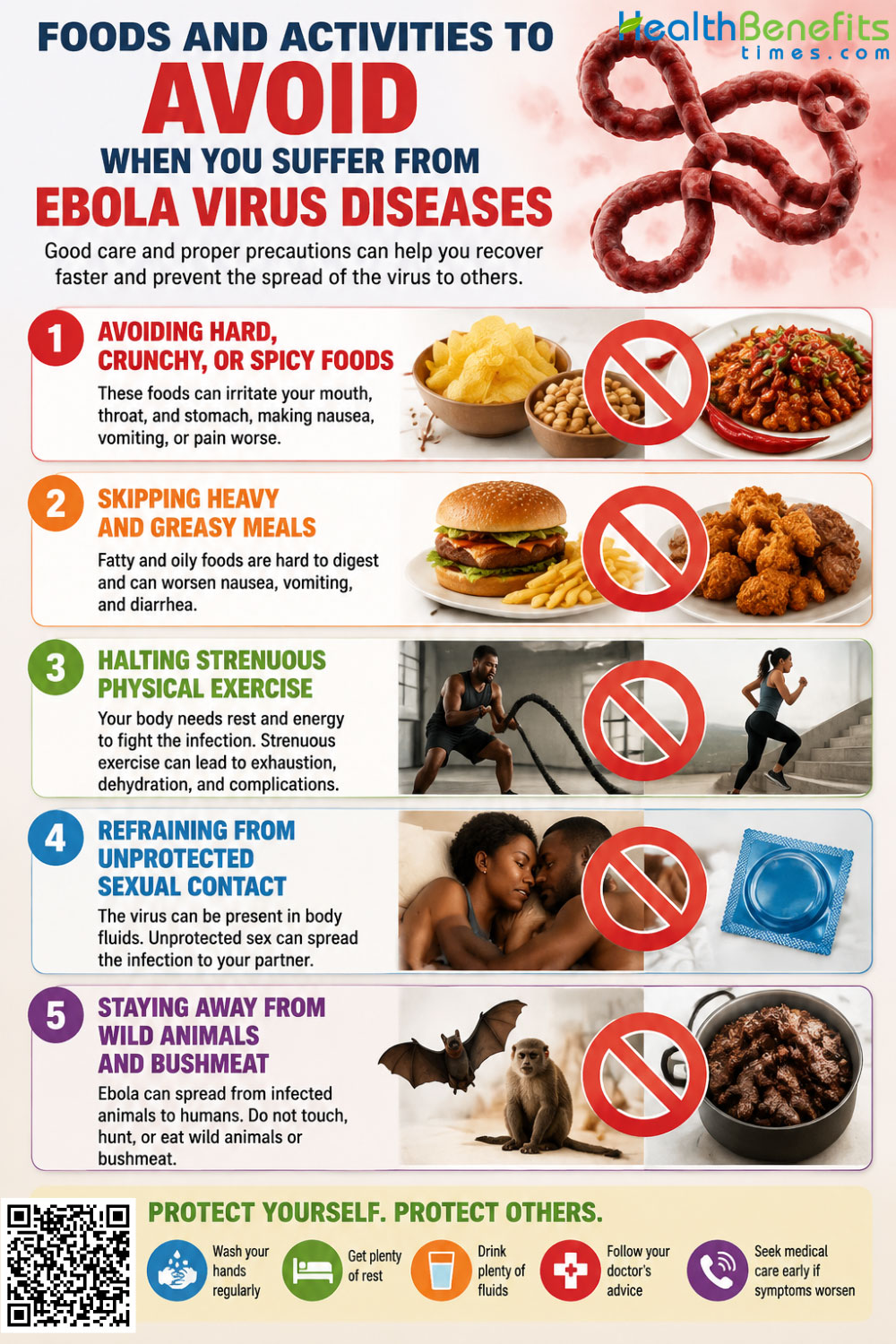
2. Skipping Heavy and Greasy Meals
Heavy meals loaded with trans fats and frying oils are incredibly hard for a weakened digestive system to process. Consuming these rich foods can lead to much worse stomach cramping and trigger sudden diarrhea, so it is best for you to avoid them entirely until your digestion is fully back to normal.
3. Halting Strenuous Physical Exercise
Rest is absolutely vital because your body is using every single ounce of energy it has to fight the virus. Pushing yourself physically can be dangerous right now. You must avoid heavy lifting, rigorous exercise, or even prolonged standing; strict bed rest is essential for your immediate recovery and long-term health.
4. Refraining from Unprotected Sexual Contact
Intimate relationships require special caution, as even after you feel totally better, the virus can linger in certain bodily fluids, particularly semen, for a year or more. You must avoid unprotected sexual activity, including oral, vaginal, or anal sex, for at least 12 months, or until your medical tests confirm the virus is entirely gone from your system 16.
5. Staying Away from Wild Animals and Bushmeat
Returning to normal life means changing some old habits, and since the disease originates in nature, you should completely avoid handling, hunting, or eating wild animals. Staying far away from bushmeat protects you from potential re-exposure and helps break the dangerous chain of transmission in your community.
Myths and Misconceptions
During times of fear and medical emergencies, rumors tend to spread much faster than actual facts. It is incredibly important to separate the medical truth from dangerous fiction to keep yourself and your community safe.
| Myth | Reality |
| Bathing in or drinking hot salt water will prevent or cure the disease. | Consuming large amounts of salt water is incredibly dangerous, will not cure the virus, and can actually worsen underlying conditions like high blood pressure, leading to further harm. |
| Eating bitter kola nut kills the virus in the human body. | There is no scientific evidence that bitter kola nut cures the illness; relying on it instead of seeing a doctor gives the virus time to multiply, which can easily cost a patient their life. |
| The illness can spread freely through the air like the common cold or flu. | The virus is absolutely not airborne; you cannot catch it just by breathing the same air. It can only be passed by coming into direct physical contact with infected bodily fluids. |
| Mosquito bites or common houseflies can transmit the disease. | Insects do not carry or transmit this particular virus; it requires direct human-to-human or animal-to-human fluid contact to spread successfully. |
| Once you get the disease, you will be contagious for the rest of your life. | Patients who fully recover and clear the virus from their hidden body compartments are no longer contagious and cannot infect others through casual, everyday contact. |
Special Considerations
Medical teams face unique challenges because every patient’s body reacts differently to the virus. Healthcare providers must carefully adjust their treatment approaches based on age, underlying health, and specific life circumstances.
1. Children
Little bodies require extreme delicacy and highly specialized medical knowledge. Because their overall blood volume is much smaller, children can lose vital fluids much faster than adults, putting them at immediate, critical risk for severe dehydration and permanent organ damage. Nurses must monitor their intravenous fluid intake meticulously, adjusting the fluid drops to perfectly match their tiny frames. Furthermore, infants who are currently breastfeeding face heartbreaking unique risks, as the virus can easily be passed from a sick mother to her baby through breast milk 19. In these difficult situations, mothers and babies must temporarily stop nursing, and the child must be provided with safe breast milk substitutes while being closely watched by doctors for any signs of illness.
2. Pregnancy
Expecting mothers face some of the most profound and dangerous challenges when dealing with this infection. The illness takes a tremendously heavy toll on the body, and tragically, the virus is almost universally fatal to the developing fetus inside the womb 20. Pregnant women appear just as susceptible to catching the infection as anyone else, but the intense physical strain of pregnancy combined with the virus requires highly individualized obstetric care. Medical teams must carefully balance the life-saving treatments needed for the mother while managing the extreme risks of severe bleeding during labor and delivery. Decisions surrounding reproductive health and the continuation of the pregnancy must always be made with immense compassion, presenting the mother with all available options and fully supporting her deeply personal choices.
3. Chronic Conditions
Living with everyday health issues, such as diabetes, chronic heart disease, or high blood pressure, means these patients enter the treatment center at a severe disadvantage. The virus places enormous, sudden stress on the heart and kidneys, meaning pre-existing weaknesses can quickly turn into major, life-threatening emergencies. For someone living with diabetes, the sudden shifts in their diet, combined with the extreme physical stress of the infection, can cause their blood sugar levels to spike wildly out of control. Doctors must carefully monitor their glucose levels alongside their viral symptoms, administering insulin or sugar as needed to keep their metabolism stable. Those with hypertension are also closely watched, as the dramatic blood pressure swings caused by the disease require a masterful balancing act with IV fluids and cardiovascular medications to prevent a stroke or heart attack.
4. Elderly
Growing older brings wisdom, but it also means elderly patients naturally have immune systems that are a bit more tired and less robust than those of young adults. Because of this, older age is widely recognized by doctors as a major factor that increases the risk of serious complications and mortality 21. Seniors often simply do not have the physical reserves to withstand days of severe diarrhea and soaring high fevers. Medical staff must intervene very early with elderly patients, starting supportive care like fluid replacement and oxygen therapy before their bodies become too exhausted to fight back. Gentle, attentive care that fully respects their physical fragility, alongside vigilant monitoring of their kidney and heart function, gives older patients the best possible chance to weather this terrible viral storm.
Precaution before Use of Natural Remedies When You Have Ebola Virus Disease
Before you reach for a traditional cure, you must understand that when modern medicine seems intimidating, it is completely natural to look for comfort in home remedies. However, you must be extremely careful, as many of these unproven practices can do far more harm to your body than good.
1. Do Not Rely on Bitter Kola Nut
If you hear that chewing bitter kola nut will cure you, do not believe it. While this nut is a popular traditional snack known for soothing mild colds, it is absolutely powerless against this aggressive virus, and relying on it instead of rushing to a medical center gives the virus more time to multiply and destroy your organs 22.
2. Avoid Bathing in or Drinking Saltwater
There is a widespread rumor that drinking or bathing in hot saltwater will magically wash the virus away. In reality, drinking excess salt will cause severe dehydration, dangerously spike your blood pressure, and make you much sicker than you already are.
3. Be Skeptical of Essential Oils
You might read online that compounds like eugenol, found in clove and cinnamon oils, have strong antiviral properties. However, you must know that these have only been tested in laboratory dishes, not in human bodies; drinking concentrated essential oils can be highly toxic to your liver and will not cure your illness.
4. Never Consume Cleaning Chemicals
Out of sheer desperation, some people mistakenly believe that drinking bleach or heavy chlorine will kill the germs inside their stomach. You must never, ever ingest these harsh chemicals, as they will cause severe chemical burns to your internal organs and can easily kill you long before the virus does 23.
When to See Doctor
Knowing exactly when to seek professional help is the most important part of keeping yourself and your family safe. Timing is everything when it comes to surviving this illness, so if you notice any of the following, you need to act quickly and safely.
1. Spiking a Sudden Fever After Travel
If you have recently returned from an area known to have an active outbreak, or if you have been around someone who is sick, and you suddenly develop a high fever, chills, and intense muscle aches, you must seek professional medical evaluation immediately rather than assuming it is just a cold 24.
2. Experiencing Severe Stomach Distress
When you find yourself suddenly overwhelmed by severe vomiting, uncontrollable watery diarrhea, and gripping stomach pain, especially if you have recently cared for a sick relative, do not try to ride it out at home. You need IV fluids from a clinic to survive this phase of the illness.
3. Noticing Unexplained Bleeding
Spotting unexpected bruises or bleeding is a massive warning sign. If you see unusual red spots under your skin, or notice that your gums are bleeding or your stool is dark and tarry, you are experiencing a true medical emergency that requires urgent hospital care.
4. Struggling with Lingering Symptoms After Recovery
Even after you have officially beaten the virus and gone home, you must pay attention to your body. If you start to experience new vision problems, severe joint pain, or intense headaches months later, you must return to the clinic, as the virus may be causing lingering, long-term complications in your eyes or nervous system.