

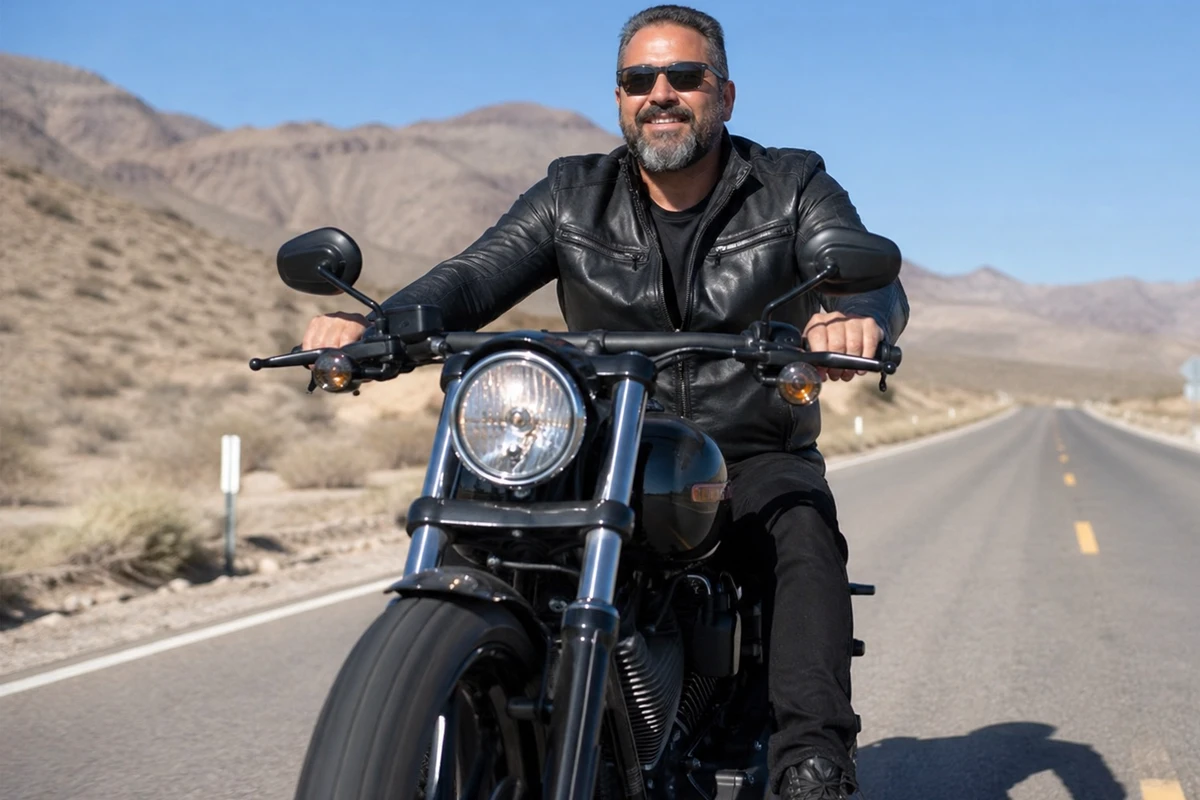
If you’re a biker, riding a motorcycle isn’t just a hobby. You probably feel like it’s part of who you are at your core. And if you’ve been at it for decades, the idea of hanging up the helmet isn’t something that sits well. Thankfully, it shouldn’t have to.
That said, riding as you get older does require honest self-assessment and some intentional adjustments. The physical realities of aging are real, and ignoring them will make you a less safe rider. With this in mind, it’s time to shift how you think about biking.
Here are a few tips:
1. Acknowledge Things Are Different
Aging affects the body in a number of ways. Most commonly, this has to do with how you feel on the bike (as well as how you interact with the road). For example:
- Reaction times slow gradually over time. It’s not always obvious right away, but it’s enough to matter when a vehicle cuts across your lane at 70 miles per hour.
- Joint stiffness, particularly in the knees and hips, can make holding certain positions more uncomfortable over the course of a long ride.
- Vision changes are another significant factor. Things like reduced night vision, slower adjustment between light and dark environments, and narrowing of peripheral vision all affect how you process the road.
- Grip strength and overall stamina can decline as well, leaving you feeling tired sooner.
None of these changes mean you have to stop riding. But pretending they aren’t happening is where things get dangerous. Riders who continue well into their 60s, 70s, and beyond are typically the ones who adapt rather than being stubborn.
2. Reconsider Your Bike
The motorcycle that suited you perfectly at 40 might not be the right fit at 65, and there’s no shame in that. Heavy touring bikes can become difficult to manage at low speeds or in parking lot situations as your strength and balance shift. So if you find yourself struggling to hold the bike upright at stops, it may be worth considering a lighter model. (You might even think about a trike configuration that removes the balance requirement altogether.)
Ergonomics matter more as you age, too. Aggressive, forward-leaning riding positions put lots of strain on the wrists, back, and neck over long periods. A more upright seating position reduces that strain and lets you ride longer and more comfortably. There are also aftermarket modifications like adjustable foot pegs, handlebar risers, and custom seats that you can try.
3. Invest in Better Gear
If there was ever a time to upgrade your protective gear, it’s now. Motorcycle injury risks are real at any age – including road rash, fractures, traumatic brain injuries, and spinal injuries. But older riders are more vulnerable and may face longer recovery times if an accident does occur. The same crash that a 25-year-old might walk away from with bruises can put an older rider in the hospital for weeks.
4. Be Strategic About When and Where You Ride
Experienced riders often talk about managing risk, and that skill becomes even more valuable with age. Riding smarter as an older biker might look like avoiding high-traffic commute hours or sticking to roads that you know don’t have as much traffic. You may also need to limit how much you ride in any given day or week, ensuring you’re getting the rest needed to feel focused and in control of your bike.
5. Keep Your Skills Sharp
If you aren’t careful, your skills can quietly slip over time, especially if you ride seasonally and spend several months away from the bike each year. That’s why one of the most valuable things you can do, regardless of age, is take a refresher course every few years.
Formal training courses designed for returning or experienced riders are widely available all over the country. They offer a structured course to sharpen your reflexes and develop techniques that keep you safe in real situations.
Staying physically active off the bike helps too. Try exercises that build core strength and help you maintain balance, as these translate directly to better control and endurance on your motorcycle.
Knowing When to Make a Change
There may come a point where continuing to ride no longer makes sense. The key is to know yourself and to handle that transition with grace when the time comes (rather than being involved in an accident that forces you to stop).
As you age, pay attention to feedback from people who ride with you or know you well. If your reaction times feel \ slower, or the bike becomes harder to control than it used to, these may be signals worth taking seriously.
Riding is supposed to make your life better. The goal isn’t to ride forever at all costs – it’s to ride for as long as it’s still safe and enjoyable. With the right adjustments, that can be a very long time.