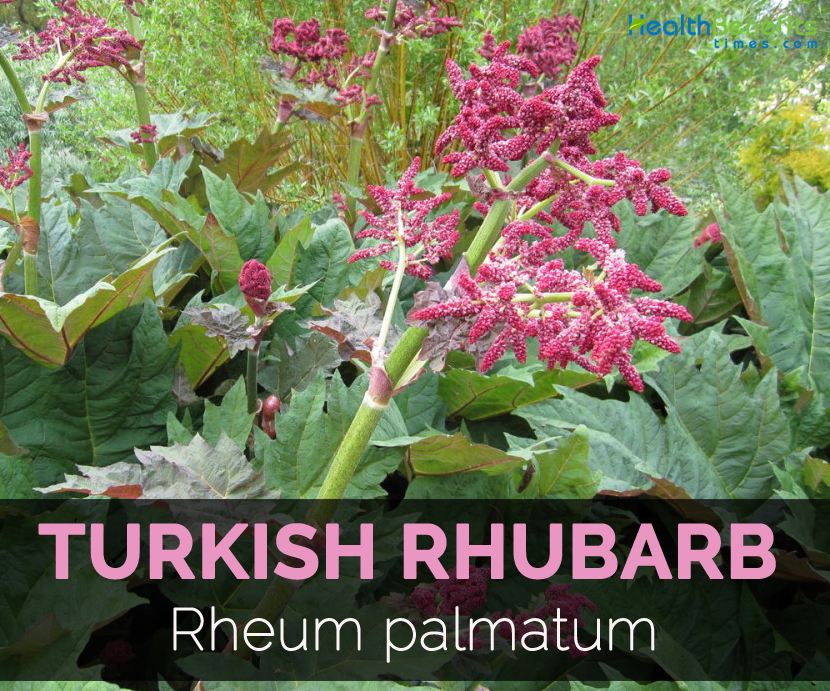
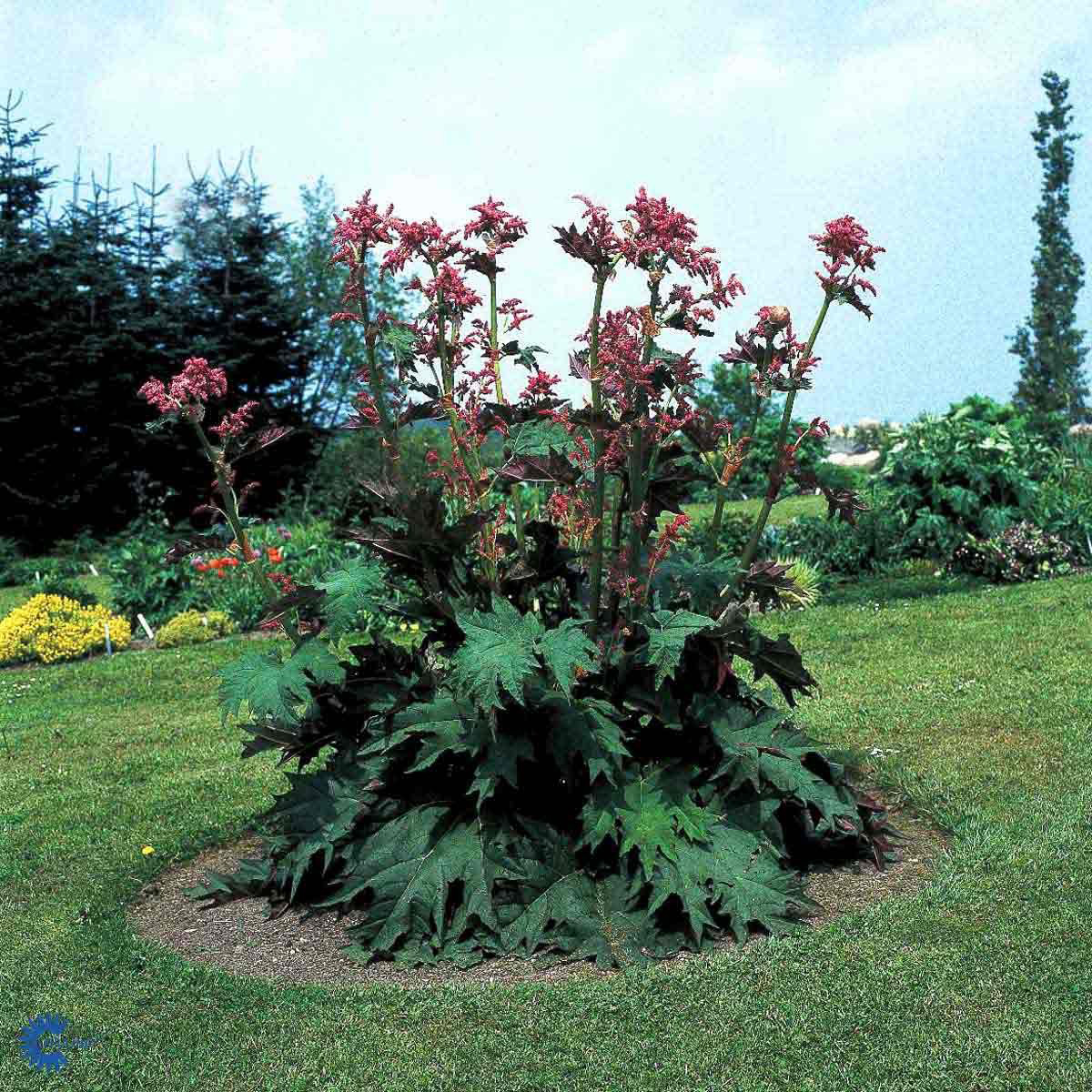
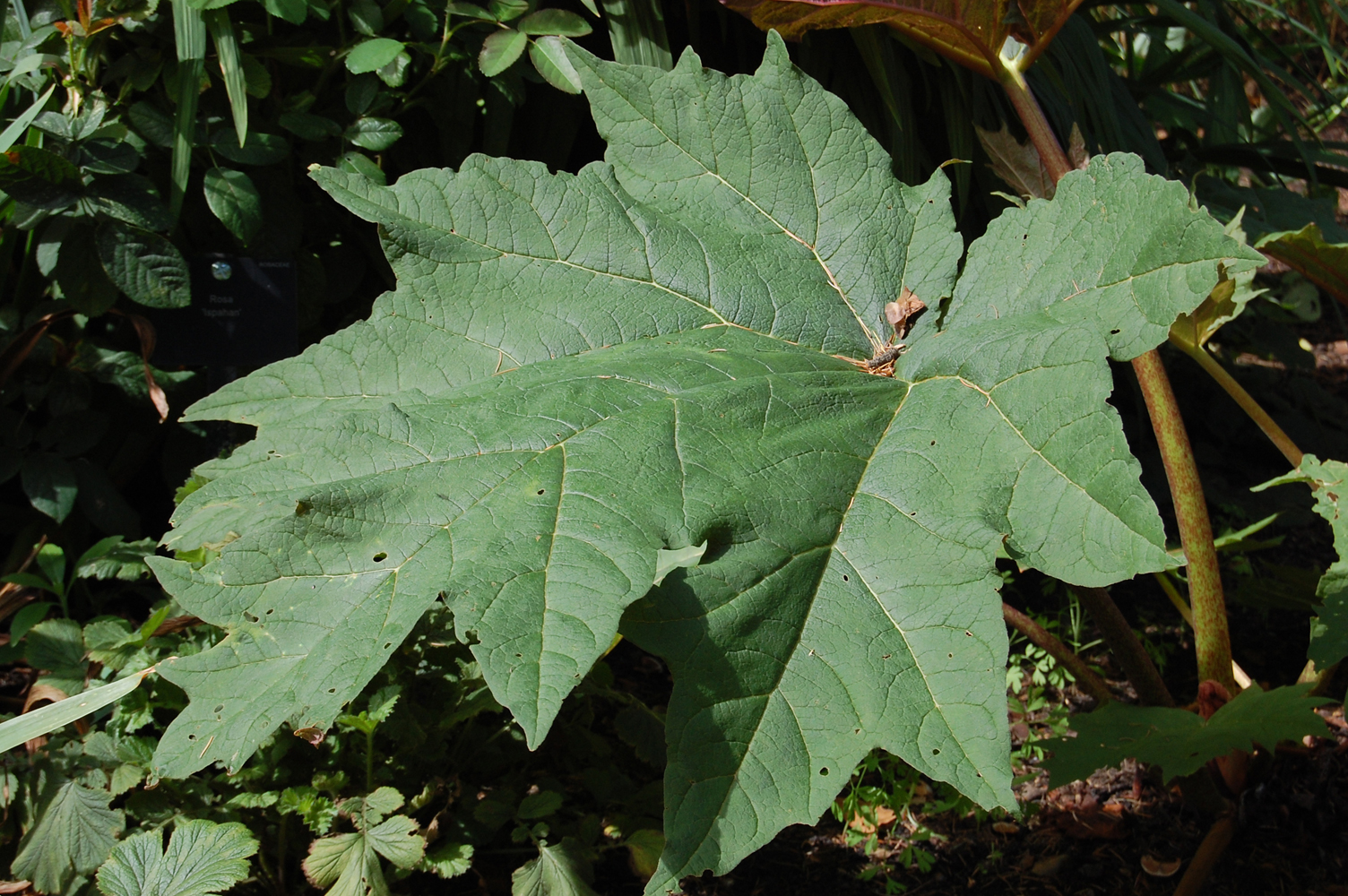
| Turkish rhubarb Quick Facts |
| Name: |
Turkish rhubarb |
| Scientific Name: |
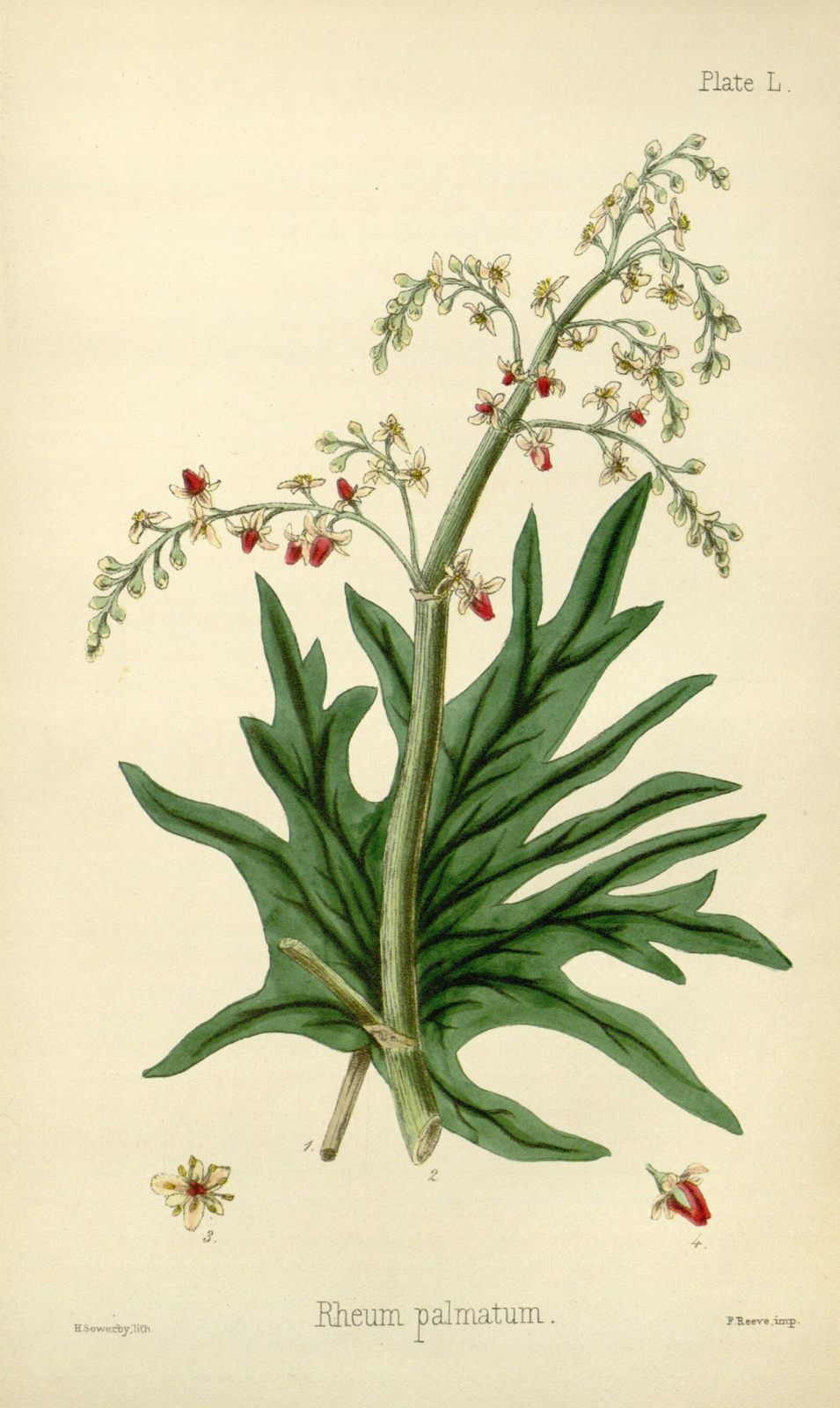
Rheum Palmatum |
| Origin |
Western China, Northern Tibet and The Mongolian Plateau |
| Taste |
Bitter |
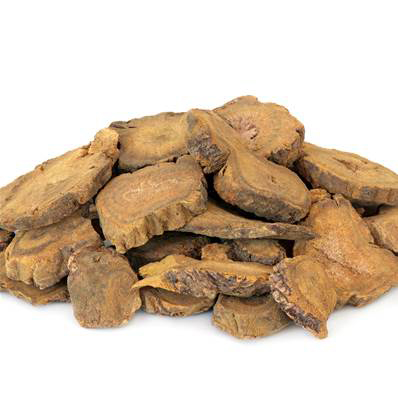
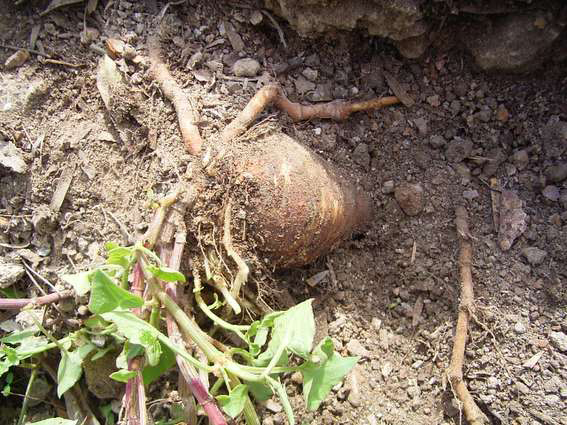
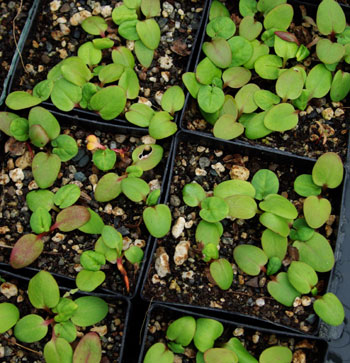
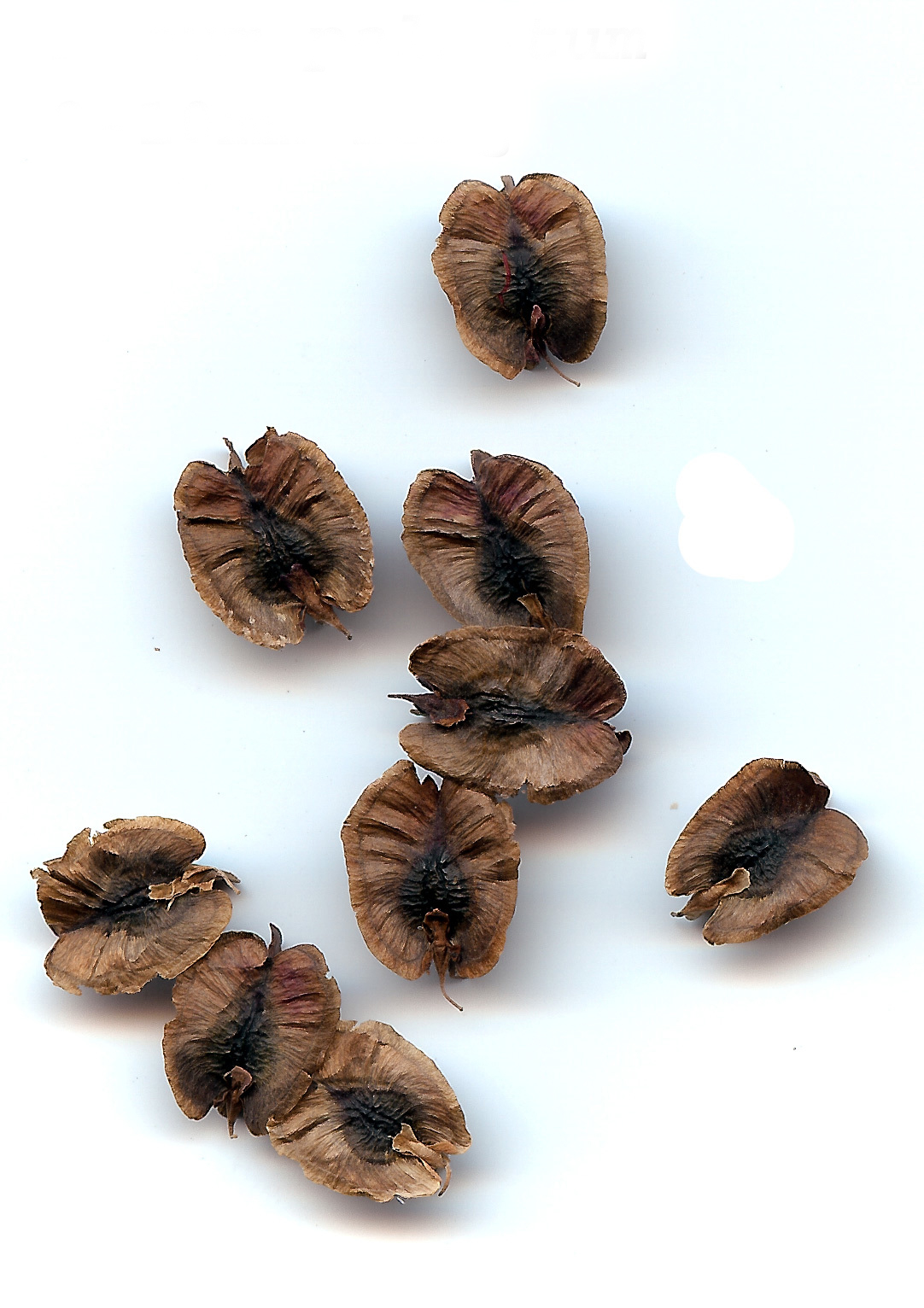
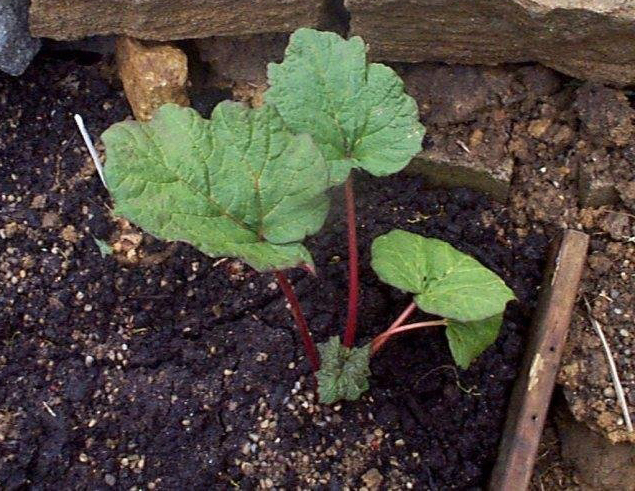
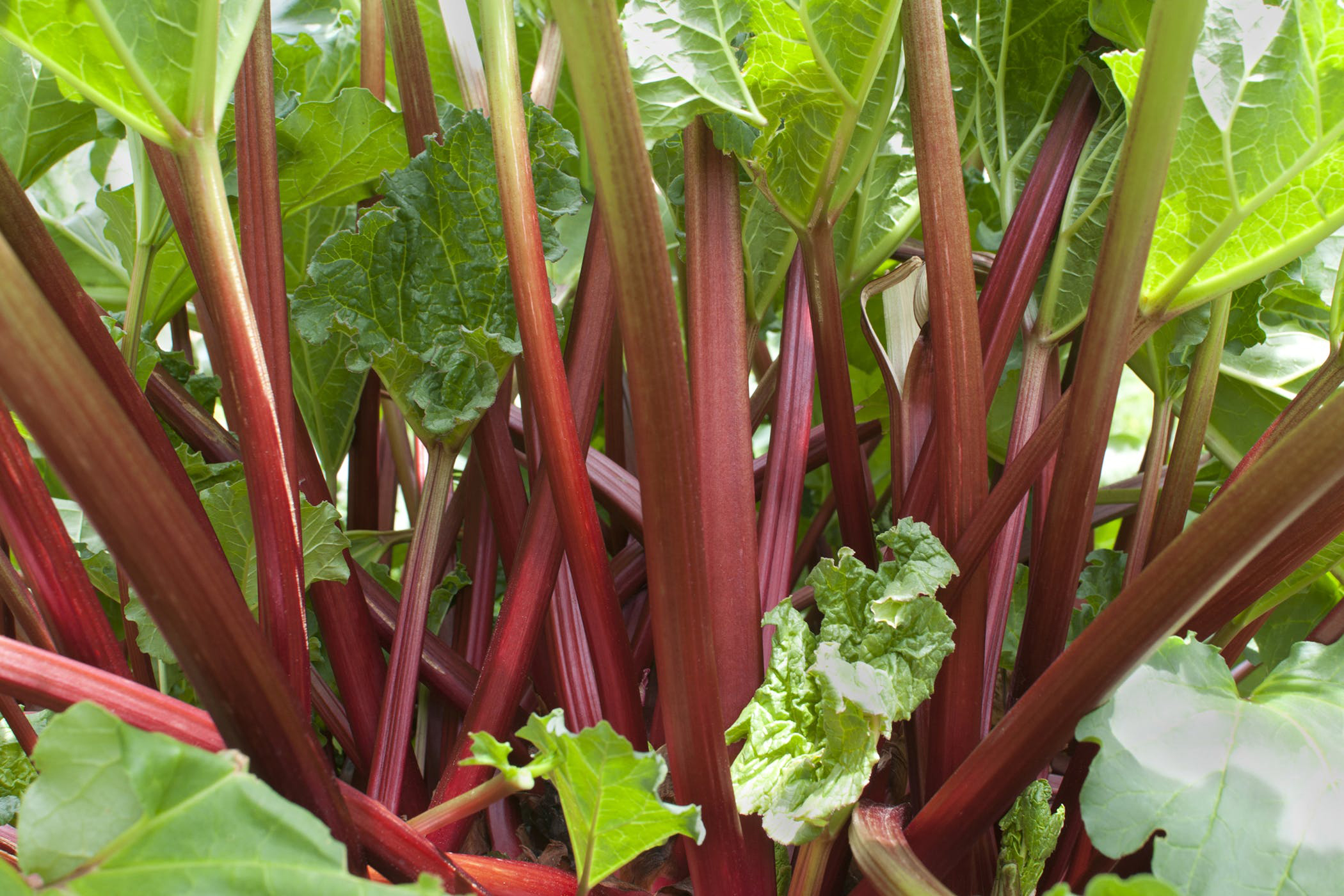
Turkish rhubarb with botanical name Rheum Palmatum belongs to rhubarb family. The root helps to stimulate activity in various body systems. It is used for at least 2000 years in Chinese traditional and alternative medicine. Rhubarb root was mentioned in Chinese medical text Divine Husbandman’s Classic of Materia Medica nearly two centuries before Christ. The herb is inherent to Western China, Northern Tibet and the Mongolian Plateau which is also cultivated extensively in other parts of the world. Roots are harvested in September-October and only when the plants are at least 6 years old for effectiveness.
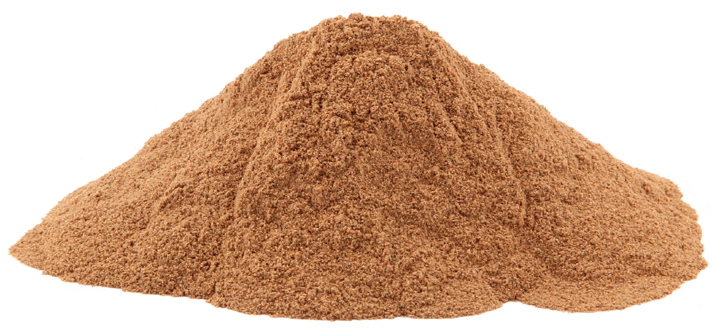
Root is a remedy that promotes activity of stomach, bowels and liver by promoting the flow of digestive juices including bile. It is used for treating various health problems such as gastrointestinal problems, cancer, high cholesterol, hypertension, burns and peptic ulcers. As it acts as a purgative, it is found in herbal colon cleansing formulas. It is well known for its anti-inflammatory, antibacterial and antioxidant activities.
It is rich in various vitamins and minerals containing Vitamin A, Vitamin C and some of the B complex vitamins. Minerals are chlorine, calcium, iodine, magnesium, iron, phosphorous, manganese, sodium, silicon, potassium, zinc and sulfur. The active principles are anthraquinones with purgative properties and bitters as well as tannins with opposite effect.
Health Benefits of Rhubarb Roots
- Women’s health
The double blinded and randomized study shows that rhubarb when included to the diet by perimenopausal women for 12 weeks showed significant decrease in severity as well as frequency of menopausal symptoms. It has blood clotting properties that promotes clotting as well as prevention of excess bleeding during menopause.
- Cleanse colon
Turkey rhubarb has purgative activity that helps to wipe out bad bacteria from the gut. It helps to cure diarrhea.
- Weight Loss
Chinese rhubarb assists to promote weight loss. It has purgative properties enhance effective elimination. Studies show that rhubarb root helps in accumulation of fat in intestine by aiding weight loss.
- Skin conditions
Turkey rhubarb has high content of astringent and antibacterial properties. It effectively treats various skin conditions such as sores and burns. It promotes bleeding and used as a cure for various minor injuries.
- Renal failure
Rhubarb root helps to alleviate and thwart the risk related with renal failure.
- Intestinal bleeding
It helps to heal bleeding due to gastrointestinal conditions. It helps to eliminate excessive bleeding, controls bleeding and cut down need of using blood clotting drug.
- Lowers cholesterol levels
It helps to lower the levels of low density lipoprotein. The presence of excess bad cholesterol has negative impact on health including heart. Add roots to the daily diet to maintain heart health and lower the chances of arteriosclerosis.
- Menstrual health
Turkey rhubarb has anti-inflammatory properties which come due to tannins and anthraquinones. It also helps to control bleeding. Women can use it during painful menstruation for easing cramps and control excessive bleeding.
- Lowers the chances of cancer
Turkey rhubarb has tannins and anthraquinones that offer anti-inflammatory and antioxidant properties which help to eliminate free radicals and reduce oxidative damages by lowering the chances of cancer. The presence of anthraquinones eliminates tumor cells by preventing metastasis. Emodin is an anthraquinone that induce suicidal tendency in cancer cells and prevents progression of cell cycle. It prevents absorption of glucose by cancer cells and modifies membranes of these cells to slaught them.
Traditional uses
- Leaves stem are consumed raw or cooked.
- The plant is effective in treating cancer.
- Consume the roots internally for treating diarrhea chronic constipation, gall bladder and liver complaints, menstrual problems, haemorrhoids and skin eruptions due to toxins accumulation.
- Use the roots externally for treating burns.
- Use it for treating diarrhea in teething children.
- In Chinese medicine, roots are used for treating various medical conditions such as diarrhea, constipation, immunosuppression, peptic ulcers, cancer and high blood pressure.
- In ancient China, roots are used to cure stomach ailments and also used as a poultice for edema and fevers.
Precautions
- People with arthritis, rheumatism, kidney stones, gout and hyperacidity should take it with caution because it could worsen the condition.
- Its laxative effect may result electrolyte imbalances.
- Usage of rhubarb root for longer time period results problems with water and electrolyte balance such as potassium loss.
- The rhubarb root causes the side effects such as nausea/vomiting, abdominal discomfort, kidney and liver damage and severe allergic reaction.
References:
http://www.plantnames.unimelb.edu.au/Sorting/Rheum.html
https://www.itis.gov/servlet/SingleRpt/SingleRpt?search_topic=TSN&search_value=506564#null
https://pfaf.org/user/Plant.aspx?LatinName=Rheum+palmatum
https://www.derpharmachemica.com/pharma-chemica/therapeutic-effects-of-rheum-palmatum-l-dahuang-a-systematic-reviewsepideh-miraj.pdf
https://en.wikipedia.org/wiki/Rheum_palmatum
https://practicalplants.org/wiki/Rheum_palmatum
https://www.koop-phyto.org/en/medicinal-plants/rhubarb.php
http://thesourcesamui.com/detox-health-blog/turkey-rhubarb-root/
https://www.anniesremedy.com/rheum-palmatum-turkey-rhubarb.php
https://www.instah.com/herbs/top-10-health-benefits-of-turkey-rhubarb/
http://essiacfacts.com/turkish-rhubarb/
Comments
comments