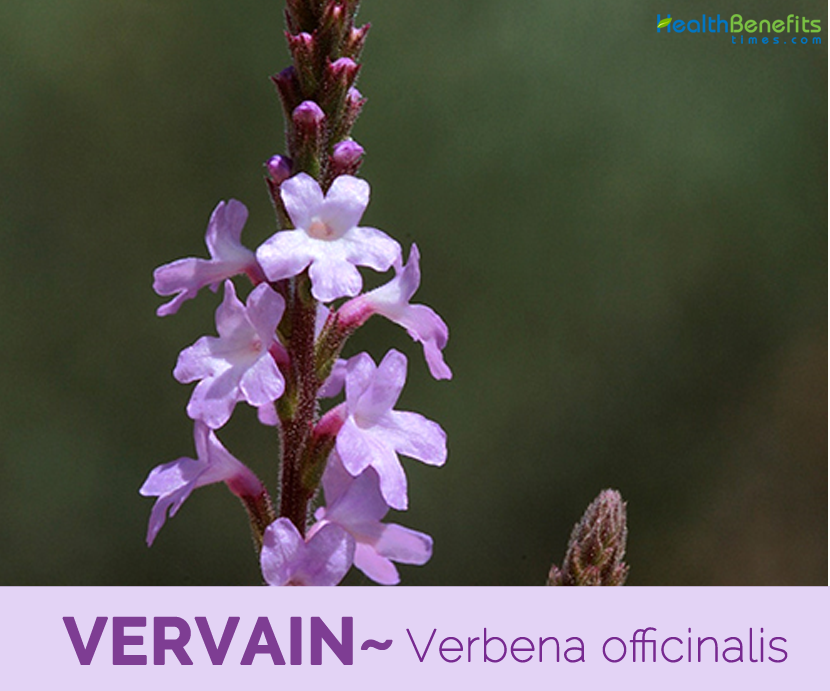
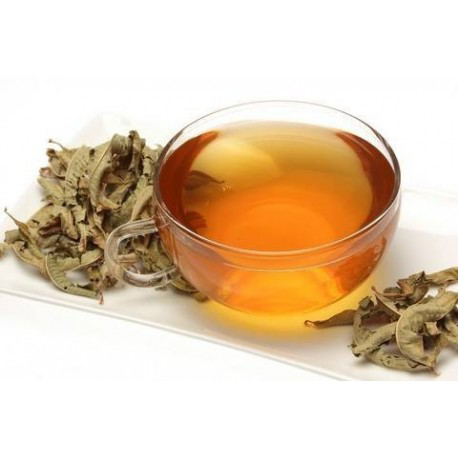
Verbena officinalis commonly known as common vervain, common verbena, simpler’s joy, holy herb, or mosquito plant, wild hyssop, blue vervain, Vervain, Herb of the cross, Prostrate verbena, Enchanter’s Plant, Juno’s Tears, Pigeon’s Grass, Pigeon weed, Herb of Grace, Iron-weed, Wild Verbena, and Indian Hyssop is a perennial herbaceous plant native to Europe, North Africa and Western Asia. The name Vervain is derived from the Celtic ferfaen, from fer (to drive away) and faen (a stone), as the plant was much used for affections of the bladder, especially calculus. Vervain belongs to the plant family Verbenacea, not to be confused with lemon verbena. Lemon verbena is a totally different plant, but lemon verbena and vervain are in the same plant family. There are also varieties of vervain, including blue vervain (Verbena hastata) and white vervain (Verbena urticifolia).
Plant Description
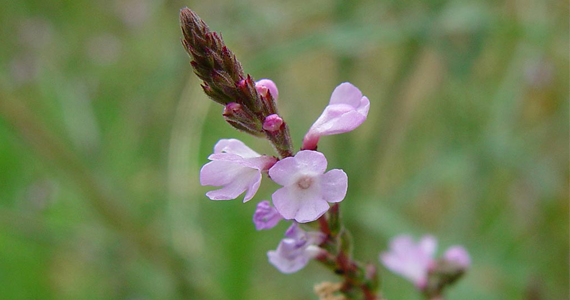
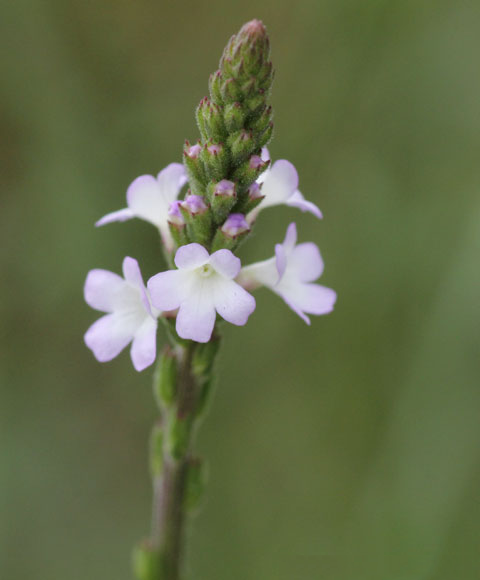
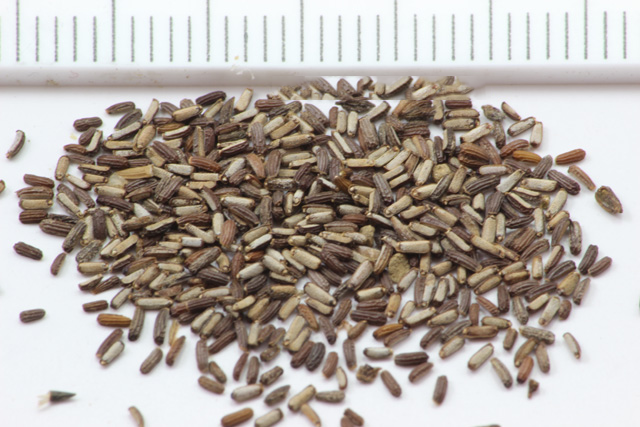
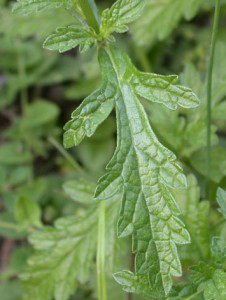
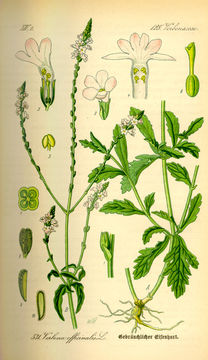
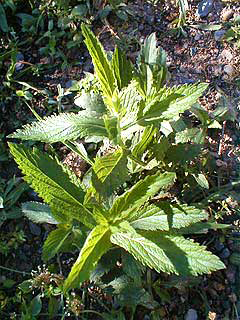
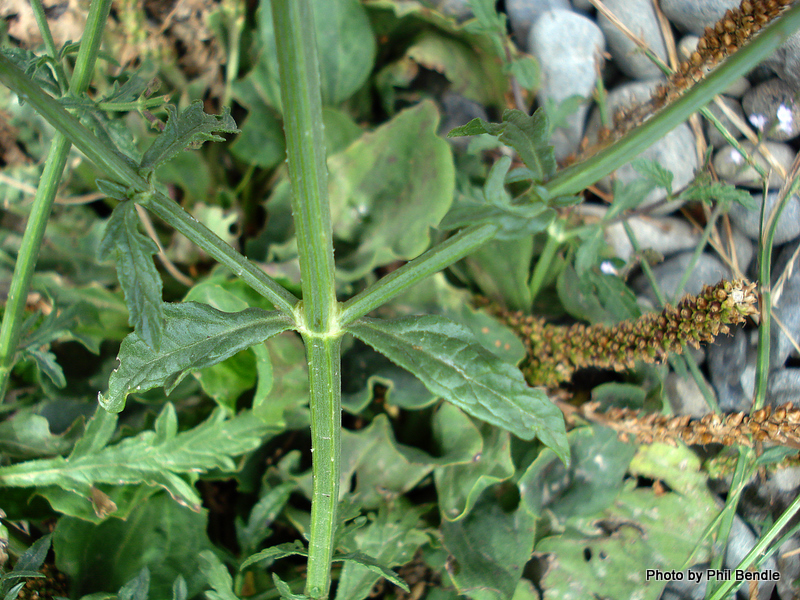
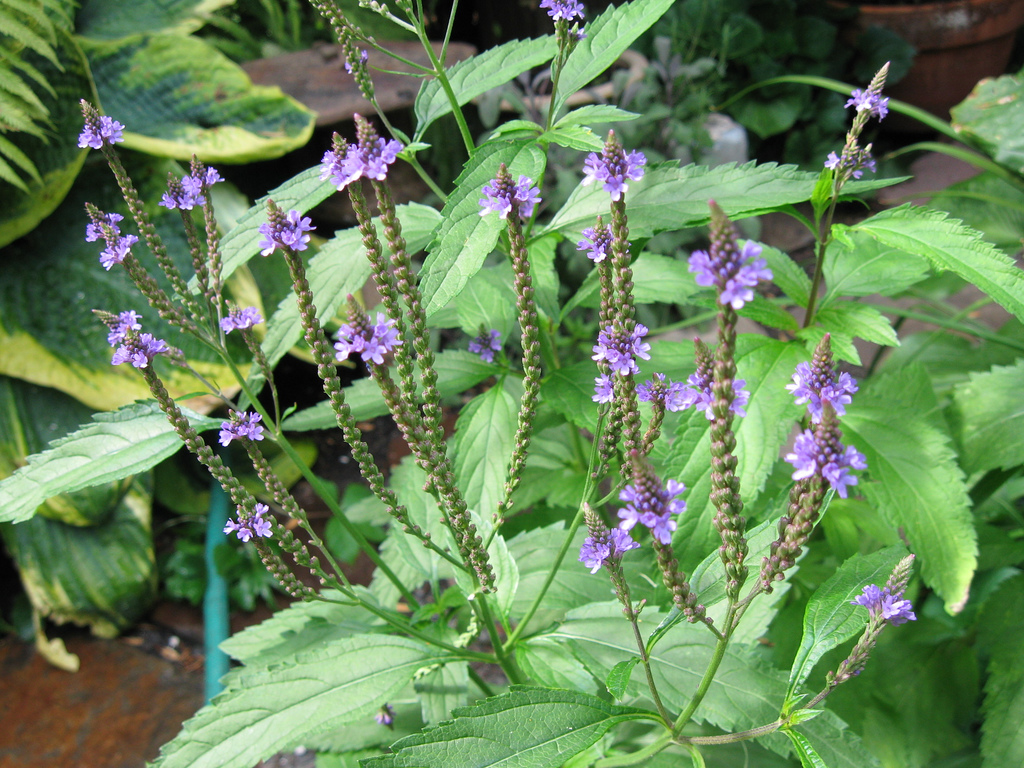
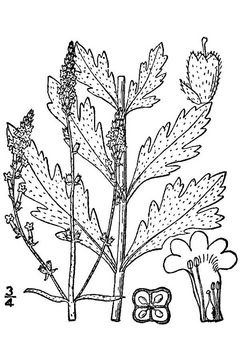
Vervain is a perennial herbaceous plant that grow about one meter high. It grows freely in the wild and is often to be found along roadsides and in dry or stony grounds and prefers well-drained soil. Stem is rough, branched above, leafy, 4-sided. Leaf is opposite, stemmed; lance-shaped, saw-edged rough, lower ones lobed at base, leaves are hairy and grow in opposite sequences. Flower is small, purplish blue, in numerous slender, erect, compact spikes. Calyx is 5-toothed; corolla tubular, unequally 5-lobed; 2 pairs of stamens and 1 pistil. Flowering normally takes place from Jul to September. Fruit is coral red, round or oval. It has no odor and has slightly bitter and astringent taste. It is occasionally grown as an ornamental plant but perhaps more often for the powerful properties some herbalists ascribe to it.
Since ancient times herbalists used this herb to ease childbirth, increase the flow of breast milk, jaundice, dropsy, gout, worms, stomach complaints, wound healing, ulcers and piles. Have a look at some of the top benefits of vervain in detail here.
1. Natural Mood Enhancer
The power of vervain to ease the feelings associated with anxiety and stress is well-acknowledged. Consuming a cup of vervain tea has a calming effect on the central nervous system that in turn triggers a sensation of calmness and relaxation. Thus, this herb has been extensively used to aid people suffering from depression and stress. Vervain is also supposed to be effective in easing post-traumatic stress as well as insomnia. Just drinks a cup of warm vervain tea 30 minutes before you go to your bed for a good night’s sleep. It is a natural tranquilizing agent that is a good antidote for restlessness and irritation.
2. Natural Analgesic
This herb has got anti-inflammatory qualities. It is very much effective in curing cold as well as fever. The herb also provides relief from sinusitis and migraine and lowers the body temperature levels during fever. This is also consumed as a tonic in order to overcome any weakness that is caused during fever.
3. Beneficial For Skin
Natural astringent and anti-inflammatory properties of this herb supports it to be used as a natural remedy for numerous skin infections. Research also suggests that this herb is beneficial in safeguarding wounds from infections. It also helps to get rid of the toxins inflicted from insect bites.
4. Anticancer
Vervain herb helps in lessening the risk of cancer in a person. It has been shown that it prevents cancer and hosts the body systems that affect them. It has been found that this is also very much effective in easing the stress of post-traumatic and insomnia.
5. For Better Oral Health
Regular chewing of this herb gives your gums and teeth a dose of goodness. It is one of the very effective traditional medications for bleeding gums. This herb is also known to ease the pain and redness experienced due to mouth ulcers.
6. Good for Kidney Stones
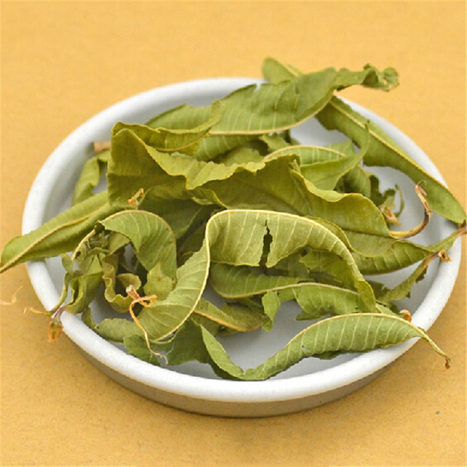
Regular use of this herb is quite beneficial for curing Kidney stones. Just prepare an infusion by soaking 1 tbsp dry vervain leaves in one pint boiling water for 10 minutes. Consume about 6 tbsp every day, spread over 6 doses, to get rid of urinary bladder infections and kidney stones.
7. Nervous System
Various soothing properties of vervain can effectively treat the number of ailments; comprise nervous disorders, chronic anxiety, stress, & sleeplessness. Sometimes, our body’s release & management of hormones are smaller than optimal, & over time, this can cause important health problems & wear on your body. A cup of vervain tea can calm our nerves & re-balance hormone levels, assuring that our body can rest.
8. Healthy Gut
Vervain herb consumed especially in form of tea is very useful in easing the digestive disorders, thus keeping a healthy gut. It eases several problems that affect the stomach that includes cramps, bloating and flatulence. This is a natural herb for curing diarrhea and vomiting and also boosts nutrient absorption.
9. Good For Women’s Health
Packed with intense mood improving properties, this herb helps in easing the anxiety and mood swings experienced by women during the premenstrual period. Vervain is also used to induce menstrual cycle in women whose periods has been delayed.
The herb has the potential to trigger uterine contractions, and hence, it can be used to induce labor and hasten child birth. Research also indicates that using vervain aids in improving lactation levels naturally after delivery.
10. Prevent Malaria
Roots of this herb are cure for people that are infected by malaria. This natural herb helps to cure malaria by using the roots of the plant.
11. Respiratory Disorders
If you often suffer from chest congestion, colds, chronic bronchitis, sore throats, or respiratory inflammation, vervain tea can be the easy and enjoyable means of clearing up the tracks and reducing irritation. Coughs & colds from Rome to California have cured by vervain, as it also serves as the expectorant, assisting in expelling mucus & phlegm that have gathered in the respiratory tracts.
12. Pain Relief
Vervain serves as the powerful analgesic and is especially powerful on arthritic pain & the pain from kidney stones. The organic mixtures present in vervain can numb specific areas & stop the pain from recording in those nerves, whereby giving you some relief. Anti-inflammatory characteristics of the herb are the perfect supplement to this pain relief, as it further reduces swelling & inflammation, so as in cases of gout, inflammation, or arthritis, in the gastrointestinal system.
Traditional uses and benefits of Vervain
Verbena officinalis herb has been used in the traditional Austrian medicine internally (as tea or liqueur) for treatment of infections and fever.
It is occasionally used as a domestic herbal remedy.
It is useful when taken internally in the treatment of headaches, fevers, nervous exhaustion, depression, gall bladder problems, insufficient lactation etc.
Externally, it is used to treat minor injuries, eczema, sores, neuralgia and gum disease.
Leaves and flowering stems are analgesic, antibacterial, anticoagulant, antispasmodic, astringent, depurative, diaphoretic, mildly diuretic, emmenagogue, galactogogue, stimulant, tonic and vulnerary.
Root is astringent and it is used in the treatment of dysentery.
It is still used as a febrifuge in autumn fevers.
It helps to treat Dysmenorrhea, Jaundice, Anxiety, stimulation of Lactation and insomnia.
It boosts mood and energy when you are fatigued.
It strengthens the nervous system and relieves tension and stress.
It eases depression and Melancholy.
It is good for treatment for irritable bowel syndrome, colon and bladder conditions and menstrual disorders.
Leaves of Vervain are used as a blood purifier.
It is commonly used as a natural remedy for nervous tension, insomnia, anxiety, irritability, lethargy, and even depression.
It is often used as an herbal remedy for women’s health issues.
It is used as a natural remedy for bruises, skin infections, insect bites, eczema, and other skin disorders.
It has also been used to alleviate sprains.
It is considered a liver tonic, thought to stimulate appetite and aid digestion.
Additionally it has been used to treat diarrhea.
It is used in the treatment of colds, fever, asthma, colic, jaundice, gout, gallstones and parasitic worms.
Chewing the plant’s roots was also believed to strengthen teeth and gums.
Herb is often recommended by herbalists to treat jaundice, asthma, gallstone, pre-menstrual anxiety, insomnia and even fevers, especially at the beginning of flu.
The infusion is useful to enhance the liver function and also treat poor appetite and sluggish digestive performance.
Many herbalists recommend sipping the vervain infusion with a view to stimulate muscle contraction during labor and help to increase lactation in the post-natal scenario.
Vervain tincture may be blended with other herbs and taken to cure stones, disorders linked to surplus uric acid like in the case of gout.
Pads soaked in vervain tincture may be applied externally on the body areas affected by insect stings, alleviate sprains and also to cure bruises.
Ointments or lotions prepared with vervain are effective in curing eczema, injuries and even weeping sores. The ointment may also be applied to get relief from excruciating neuralgia or nerve pain.
Infusion prepared with vervain aerial parts may also be used as a mouthwash to treat ulcers in the mouth and soft, spongy gums.
Ayurvedic Health benefits of Vervain
Leucorrhoea: Use Vervain as a douche for the private parts to get relief in leucorrhoea.
Tonic: Add 2 tbsp of rootstock in 2 cups of boiling water. Steep for 5-10 minutes. Cool and store. Take 2-3 tbsp 4-5 times a day.
Nerve Damage: Prepare a decoction, made of 1 tsp of powdered vervain root and one cup of water. Drink it twice a day.
Aphrodisiac: Steep vervain herb in one cup of hot water for 10 minutes. Strain and drink it. It cures Erectile Dysfunctional.
Allergy: Prepare a concoction of Elder flower, sheep sorrel, cowslip, vervain, Gentian root. Take it two times a day.
Culinary Uses
Leaves are parboiled, seasoned and then eaten.
The leaves are used as a tea substitute.
The flowers are used as a garnish.
In manufacturing, vervain flowers are used as a flavoring agent in alcoholic beverages.
How to Make Vervain Tea
A good way to reap some of vervain health benefits is by making vervain tea. The tea-making process is similar to that of making an infusion.
Ingredients
1 teaspoon of dried vervain or 3 teaspoons of freshly crushed herb per glass of water
Cooking Directions
Boil water and pour it onto the herb in another container.
Let it steep for 5 to 10 minutes. If you want to make the tea sweeter, try adding raw honey or grass-fed milk. If the weather outside is warm, you might need to make a fresh batch every day, although you can also refrigerate the tea, which can be good for up to a week.
Precautions
It cannot be considered safe to use during pregnancy as it might cause miscarriages.
High doses of Verbena officinalis can cause nervous system paralysis resulting in stupor & convulsion.
It may cause high blood pressure if taken in high doses.