

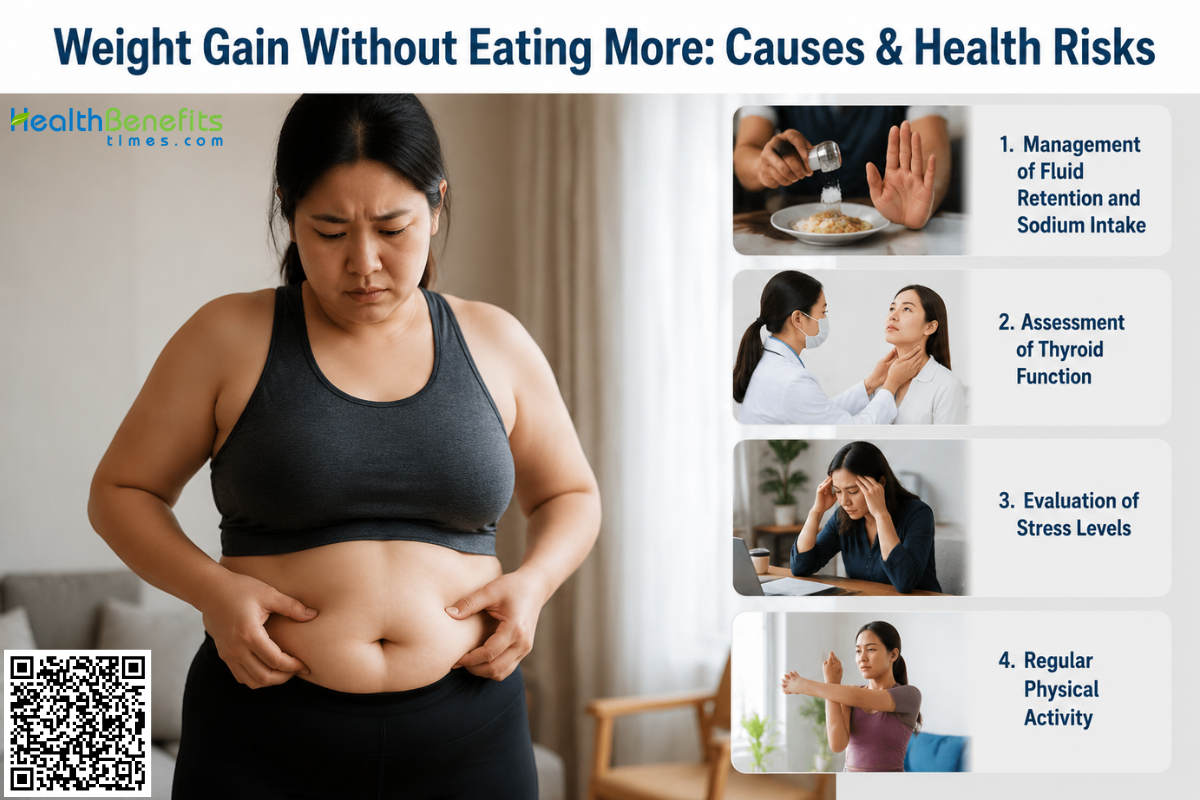
Weight gain occurs when the body consistently consumes more energy through food and beverages than it expends through daily physical activity and metabolic processes. Scientifically, this energy imbalance leads to the storage of excess calories as adipose tissue, or body fat. While minor fluctuations in weight are normal due to shifts in hydration and salt intake, persistent weight gain is primarily driven by the interplay between caloric intake, metabolic rate, and systemic physical activity levels. Maintaining a stable weight requires achieving an energy balance, where caloric intake aligns with energy expenditure. Understanding this fundamental process is essential for managing body composition and reducing the risk of developing chronic metabolic conditions, such as cardiovascular disease and type 2 diabetes. By monitoring dietary habits and physical activity, individuals can effectively regulate their body mass over time. 1, 2
Causes of Weight Gain
1. Hormonal Imbalances
Conditions such as hypothyroidism occur when the thyroid gland does not produce enough hormones to regulate the body’s metabolism, often leading to a slower metabolic rate and subsequent weight gain despite unchanged dietary habits. Additionally, conditions like Cushing’s syndrome cause the body to produce excess cortisol, which can lead to fat redistribution and weight accumulation. 3 4
2. Medication Side Effects
Many prescription medications, including those used to treat mental health conditions, diabetes, and high blood pressure, can alter metabolic pathways or increase appetite. These drugs may influence how the body stores energy or retains fluid, resulting in weight gain even when caloric intake remains stable. 2
3. Fluid Retention
Known as edema, this condition involves the abnormal accumulation of fluid in the body’s tissues. It is frequently caused by heart, kidney, or liver dysfunction, causing the body to hold onto excess water weight that is distinct from adipose tissue gain. 5
4. Sleep Deprivation
Chronic sleep restriction disrupts the hormones that control hunger and fullness, specifically increasing ghrelin and decreasing leptin. This hormonal shift often leads to metabolic changes that favor weight gain, regardless of intentional food consumption. 6
Symptoms of Weight Gain
- Changes in Body Measurements: An increase in the circumference of the waist, hips, or thighs is a primary indicator of fat accumulation. This change is often first observed through a tighter fit of clothing, particularly around the midsection. 7
- Elevated Body Mass Index (BMI): A consistent rise in the numerical value of an individual’s BMI, calculated based on height and weight, serves as a clinical marker for increasing body mass. 8
- Visible Tissue Swelling: When weight gain is linked to fluid retention rather than adipose tissue, individuals may notice physical swelling, or edema, particularly in the lower legs, ankles, and feet. This may be accompanied by a feeling of heaviness or skin that retains an indentation when pressed. 5
- Increased Physical Fatigue: Excess body mass can increase the workload on the musculoskeletal and cardiovascular systems. This often manifests as reduced endurance during physical activity and a heightened sense of exhaustion following routine daily tasks. 9
Weight Gain Without Eating More: Causes & Health Risks
1. Medical Evaluation for Underlying Hormonal Conditions
How it may help
A medical evaluation identifies endocrine imbalances—such as hypothyroidism or Cushing’s syndrome—that disrupt metabolic regulation. By diagnosing these specific conditions through blood work and clinical examination, physicians can prescribe targeted therapies, such as hormone replacement or medication, to restore metabolic homeostasis and stabilize weight.
What research says
Extensive clinical research confirms that hormonal dysfunction is a primary driver of weight gain independent of caloric intake. Studies show that correcting these imbalances significantly improves weight management outcomes and reduces cardiometabolic risk factors 10.
How to use it safely
Consult a board-certified endocrinologist to discuss symptoms rather than relying on self-diagnosis. Follow your doctor’s prescribed treatment plan strictly, monitor changes in your physical health, and attend all scheduled follow-up blood tests to ensure your hormone levels remain within the optimal target range.
Potential precautions or side effects
Be aware that hormone therapies may cause temporary side effects, including mood changes, digestive discomfort, or fluid retention. Always report any unusual symptoms to your healthcare provider immediately.
2. Review of Prescription Medications
How it may help
Certain prescription drugs, including specific treatments for mental health, diabetes, and blood pressure, can inadvertently trigger weight gain by altering metabolic processes or increasing appetite. A clinical review allows healthcare providers to identify these agents and, when appropriate, substitute them with weight-neutral alternatives to restore metabolic balance without compromising the treatment of the primary condition.
What research says
Clinical evidence demonstrates that medication-induced weight gain is a recognized adverse effect across various drug classes. Research indicates that pharmacists and physicians can effectively mitigate this issue through medication reconciliation, which involves adjusting dosages or switching to therapeutic alternatives that do not adversely affect body mass index 11.
How to use it safely
Discuss your current prescriptions with your primary doctor or a pharmacist. Never stop or change your medication dosage on your own, as this may destabilize your underlying health condition. Always ask your provider if a weight-neutral alternative is available and appropriate for your specific clinical needs.
Potential precautions or side effects
Potential side effects vary by medication and may include fatigue, changes in blood pressure, or shifts in mood. Promptly report any new or worsening symptoms to your physician.
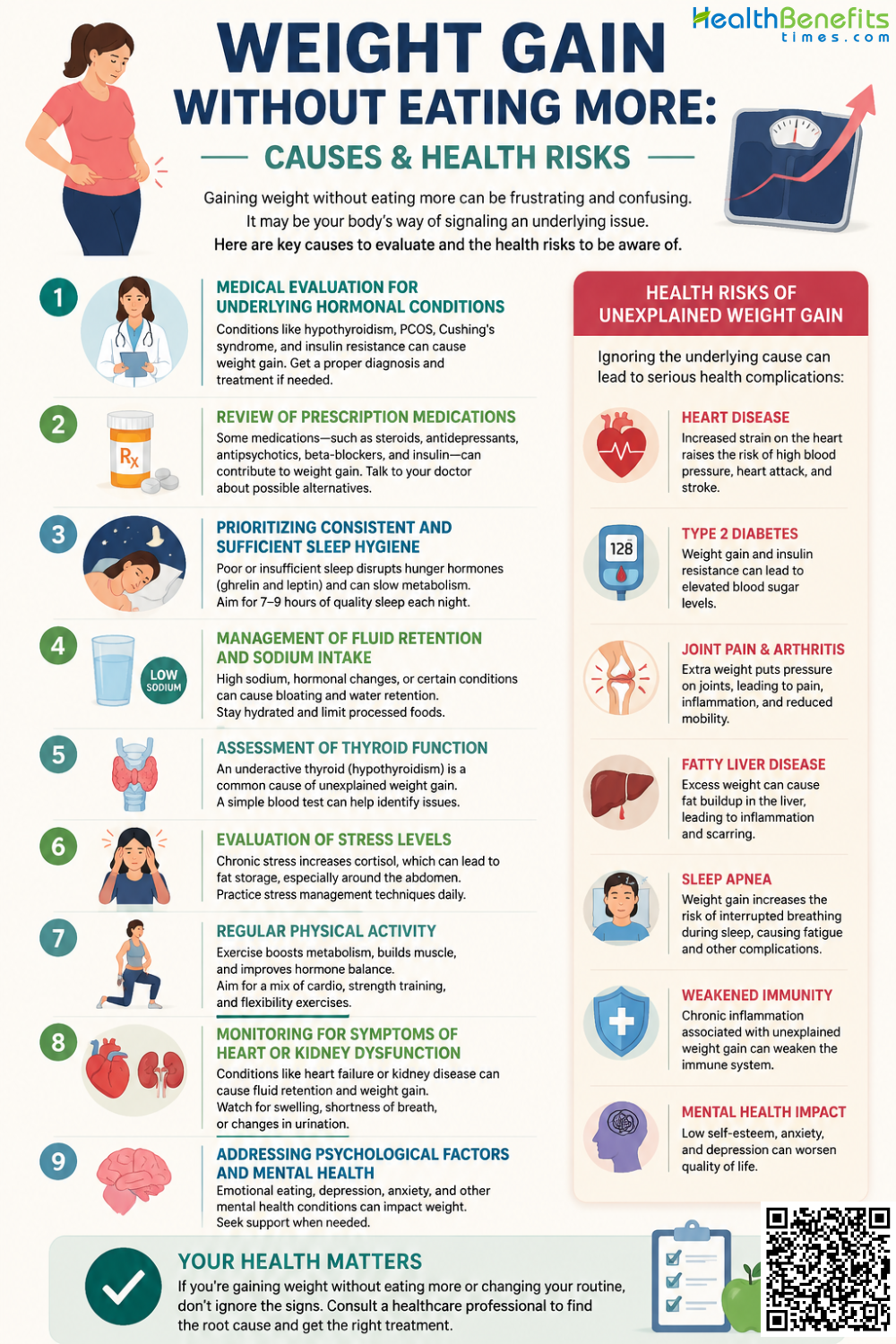
3. Prioritizing Consistent and Sufficient Sleep Hygiene
How it may help
Adequate sleep helps regulate hormones that manage hunger and energy use. Consistent sleep patterns prevent the disruption of these natural cycles, which otherwise can lead to metabolic slowdowns and involuntary weight gain. By maintaining stable sleep, the body better processes energy and regulates the physiological signals that influence weight control.
What research says
Research consistently demonstrates that insufficient sleep alters the hormones ghrelin and leptin, which increases hunger and promotes weight gain. Evidence confirms that prioritizing regular, restorative sleep is a critical component for stabilizing metabolic health and preventing unhealthy increases in body weight 6.
How to use it safely
Maintain a consistent bedtime and wake-up time, even on weekends. Ensure your bedroom is dark, quiet, and cool. Avoid screens or stimulating activities for at least an hour before sleep. If you continue to struggle with insomnia or persistent fatigue, consult a qualified medical professional for a sleep assessment.
Potential precautions or side effects
Excessive focus on sleep tracking can sometimes lead to anxiety about sleep quality. If you notice persistent daytime sleepiness, consult your doctor to rule out underlying sleep disorders.
4. Management of Fluid Retention and Sodium Intake
How it may help
Excessive dietary sodium causes the body to retain fluid, which often presents as sudden, unexplained weight gain. Managing salt consumption helps maintain proper fluid balance and blood pressure, preventing the physical discomfort and weight fluctuations associated with water retention. This practice ensures that body mass measurements more accurately reflect true metabolic changes.
What research says
Clinical research indicates that high sodium intake significantly impairs fluid regulation, contributing to fluid overload and increased body weight. Evidence demonstrates that adhering to recommended daily sodium limits is a vital clinical intervention for managing fluid-related weight changes and reducing the strain on cardiovascular systems 12.
How to use it safely
Read food labels to identify hidden salt in processed items and favor fresh, whole foods. Gradually reduce your sodium intake to allow your palate to adjust. If you notice rapid swelling, especially in your legs or abdomen, consult a physician to rule out underlying heart or kidney conditions.
Potential precautions or side effects
Reducing salt too drastically without medical guidance may cause electrolyte imbalances. If you experience lightheadedness or muscle cramps, seek medical advice to adjust your intake safely.
5. Assessment of Thyroid Function
How it may help
The thyroid gland regulates metabolism, the process by which the body converts food into energy. When the gland produces insufficient hormones, metabolic processes slow down, often leading to unintended weight gain. Clinical assessment identifies these deficiencies, allowing physicians to restore proper hormonal levels and normalize energy expenditure, which is essential for managing body weight effectively.
What research says
Clinical research consistently identifies hypothyroidism as a frequent, treatable cause of weight gain. Evidence shows that correcting thyroid hormone levels through clinical intervention restores metabolic rate, helping patients achieve more stable weight management and reversing symptoms associated with an underactive thyroid gland 3.
How to use it safely
Speak with your primary care provider if you experience unexplained weight gain alongside fatigue or cold sensitivity. They will perform a blood test to measure thyroid-stimulating hormone levels. If treatment is prescribed, take it exactly as directed and attend all follow-up appointments to ensure your dosage remains appropriate for your needs.
Potential precautions or side effects
Thyroid medication requires precise dosing; taking too much or too little can cause heart palpitations, anxiety, or further weight fluctuations. Always report new symptoms to your doctor immediately.
6. Evaluation of Stress Levels and Cortisol Regulation
How it may help
Chronic stress triggers the prolonged release of cortisol, a hormone that influences metabolism and fat storage. Persistent elevation of this hormone can drive weight gain, particularly in the abdominal area. Evaluating and managing stress helps normalize cortisol production, thereby stabilizing the body’s metabolic processes and reducing stress-related weight accumulation.
What research says
Research confirms that long-term exposure to high cortisol levels directly impacts energy balance and promotes the accumulation of adipose tissue. Studies conclude that implementing stress-reduction strategies and addressing psychological stressors are essential clinical steps for mitigating cortisol-driven weight gain and improving overall metabolic outcomes 13.
How to use it safely
Incorporate evidence-based stress management techniques, such as mindfulness, deep breathing, or cognitive behavioral strategies. If you suspect chronic stress is impacting your health, consult a licensed mental health professional or physician to develop a structured plan. Ensure that any lifestyle changes are sustainable and support your long-term physical well-being.
Potential precautions or side effects
Attempting to manage complex chronic stress without professional support may be ineffective. Be mindful that certain stress-reduction activities may require time to show physiological improvements.
7. Regular Physical Activity
How it may help
Regular physical activity increases daily energy expenditure and improves insulin sensitivity, both of which are vital for metabolic health. By preserving muscle mass and enhancing the body’s ability to process glucose, consistent movement counteracts sedentary-related weight gain and maintains a stable metabolic rate, regardless of total caloric intake.
What research says
Extensive clinical research indicates that consistent aerobic and resistance training is essential for long-term weight management. Data confirms that regular activity helps regulate body composition and reduces the risk of metabolic dysfunction by optimizing the way the body utilizes stored energy and manages systemic inflammation 14.
How to use it safely
Begin with low-impact activities like walking or swimming and gradually increase intensity as your fitness improves. Aim for the recommended duration of moderate-intensity activity each week. Consult your physician before starting a new exercise regimen, particularly if you have pre-existing health conditions that may limit your physical capacity.
Potential precautions or side effects
Overexertion can lead to injuries, such as strains or fractures. If you experience persistent joint pain or unusual fatigue, pause your activity and seek professional medical guidance.
8. Monitoring for Symptoms of Heart or Kidney Dysfunction
How it may help
When the heart or kidneys function poorly, the body often struggles to filter waste and manage fluids, leading to fluid accumulation and rapid, unexplained weight gain. Monitoring for swelling in the limbs or abdomen allows for the early detection of these serious conditions, facilitating timely medical intervention to address the root cause of the weight increase.
What research says
Clinical research establishes that sudden, unexplained weight gain is a common indicator of impaired cardiac and renal function. Studies confirm that prompt medical assessment for these conditions is critical for preventing further complications and managing the underlying systemic issues that cause abnormal fluid retention throughout the body 15.
How to use it safely
Monitor your weight daily and observe for physical signs of swelling, such as puffiness in your feet, ankles, or abdomen. If you notice rapid weight increases or persistent swelling, consult a physician immediately for a professional evaluation, which may include blood tests or imaging.
Potential precautions or side effects
Do not attempt to treat unexplained swelling with over-the-counter diuretics without professional supervision, as this can severely disrupt electrolyte levels and damage already compromised organs.
9. Addressing Psychological Factors and Mental Health
How it may help
Mental health challenges often disrupt the brain’s regulation of appetite and metabolism. Conditions like depression or anxiety can trigger hormonal changes that promote fat storage and reduce physical activity. By managing these psychological factors through clinical therapy, individuals can stabilize their emotional well-being and restore the biological processes that maintain a healthy body weight.
What research says
Research indicates that there is a strong bidirectional relationship between mental health disorders and metabolic dysregulation. Clinical evidence demonstrates that psychological interventions effectively reduce systemic inflammation and hormone-related weight gain, significantly improving long-term metabolic outcomes for those experiencing significant emotional distress or underlying mood disorders 16.
How to use it safely
Seek support from a licensed mental health professional, such as a psychologist or psychiatrist, for a formal evaluation. Engage in evidence-based treatments like cognitive-behavioral therapy. Always discuss your symptoms openly with your healthcare team to ensure a coordinated approach to both your mental and physical health goals.
Potential precautions or side effects
Therapeutic interventions can sometimes lead to temporary emotional discomfort or fatigue as you process complex feelings. If symptoms worsen, inform your therapist immediately to adjust your treatment plan.
Foods to Avoid When Experiencing Unexplained Weight Gain
To assist in stabilizing metabolic health and reducing fluid retention, clinical guidelines recommend limiting the consumption of highly processed foods that lack nutritional density.
1. Sugar-Sweetened Beverages
These drinks contribute significant empty calories and promote insulin resistance, a condition that disrupts metabolic regulation and encourages unnecessary fat accumulation 17.
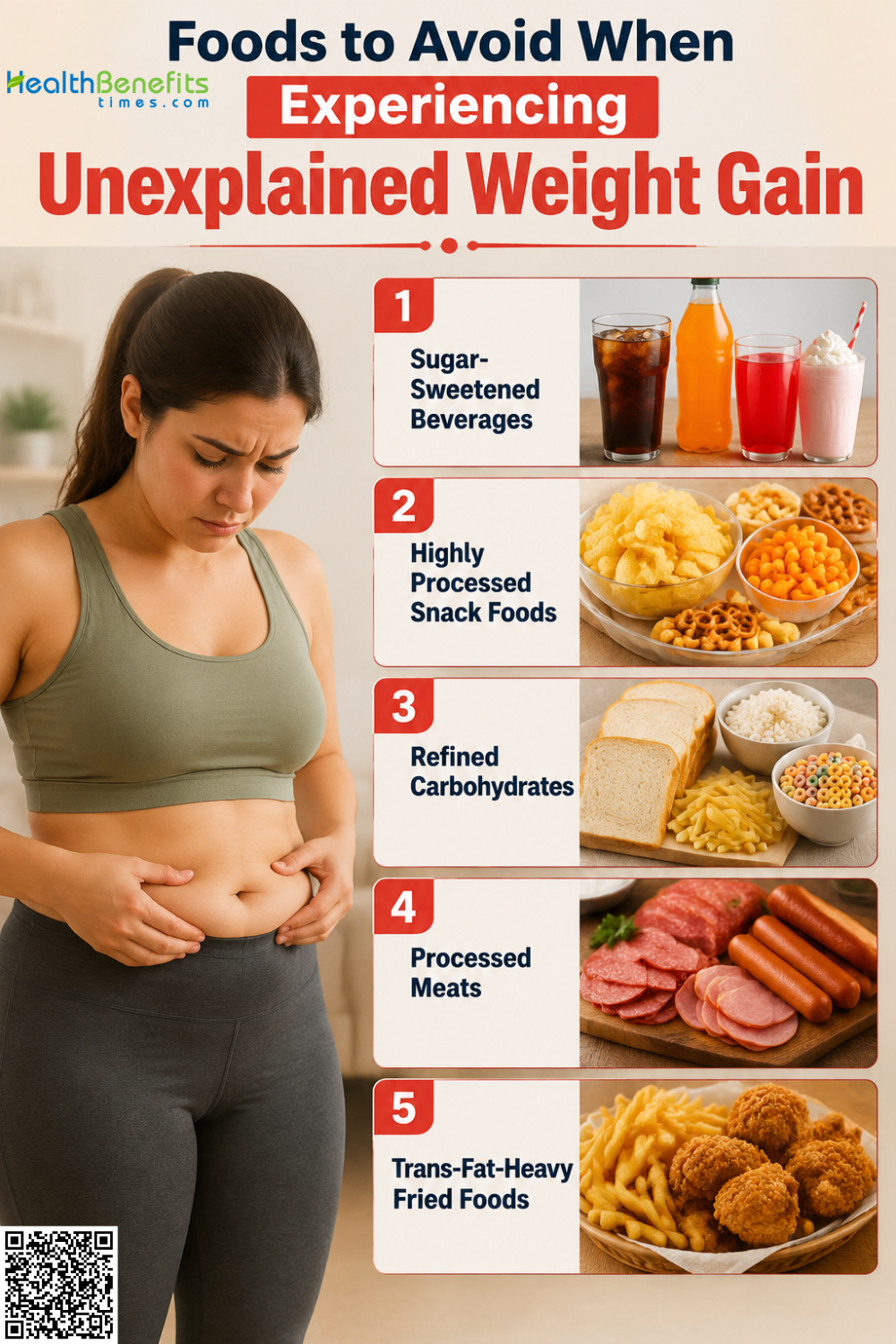
2. Highly Processed Snack Foods
Often containing hidden sodium and unhealthy fats, these foods trigger fluid retention and systemic inflammation, which can complicate efforts to manage body weight effectively 12.
3. Refined Carbohydrates
Items such as white bread and pastries lack fiber, causing rapid blood glucose spikes that interfere with energy metabolism and promote fat storage over time 18.
4. Processed Meats
Frequently high in sodium and preservatives, these products can lead to significant water retention, masking actual changes in body composition and affecting cardiovascular health markers 19.
5. Trans-Fat-Heavy Fried Foods
These fats impair lipid metabolism and are strongly linked to increased inflammatory markers, which can hinder the body’s ability to maintain a healthy weight balance 19.
When to Consult a Physician Regarding Unexplained Weight Gain
Prompt medical evaluation is essential when weight changes are sudden, severe, or accompanied by symptoms indicative of underlying metabolic or systemic dysfunction.
1. Rapid or Unexplained Weight Increase
Consult a physician if you experience significant, unintended weight gain over a short period without changes to your caloric intake or physical activity levels 20.
2. Visible Fluid Retention
Seek medical attention if you notice persistent swelling in your feet, ankles, or abdomen, as this may indicate underlying heart or kidney dysfunction requiring clinical management 15.
3. Associated Endocrine Symptoms
If you experience extreme fatigue, cold intolerance, or changes in heart rate, these may suggest thyroid or other hormonal imbalances that necessitate specialized endocrine testing 3.
4. Mental Health or Stress Indicators
When weight gain accompanies signs of depression, chronic anxiety, or prolonged high stress, professional psychological assessment is warranted to address the physiological effects of cortisol regulation 16.
5. Medication-Related Concerns
If you believe your weight increase correlates with a new prescription, contact your provider to discuss potential weight-neutral alternatives without discontinuing your treatment plan independently 11.