

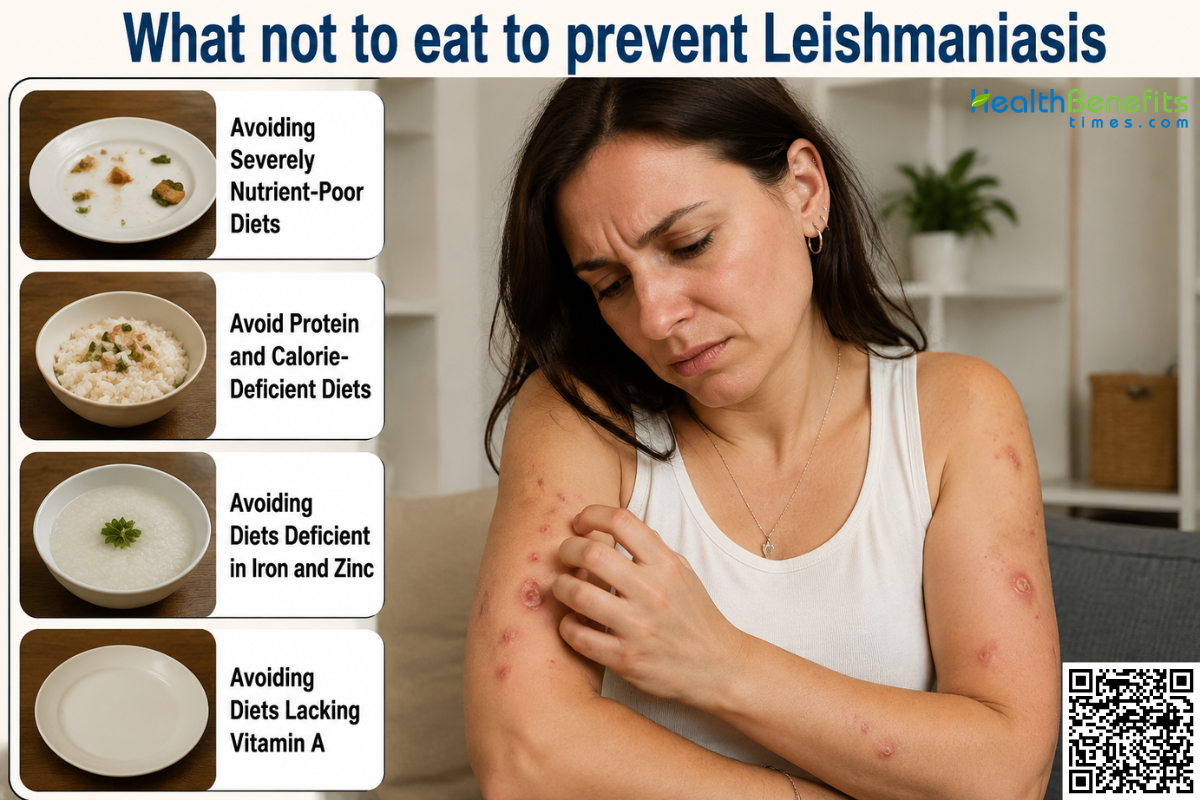
Leishmaniasis is a tropical and subtropical infectious disease caused by Leishmania parasites. It spreads to humans primarily through the bites of infected sandflies, which are much smaller than typical mosquitoes. The illness presents in three main forms: cutaneous, visceral, and mucocutaneous. Cutaneous leishmaniasis is the most common type, causing skin ulcers that often leave permanent, severe scarring. Visceral leishmaniasis, sometimes called kala-azar, is the most dangerous form; it attacks vital internal organs like the liver, spleen, and bone marrow, and is typically fatal without prompt medical treatment 1. Meanwhile, mucocutaneous leishmaniasis causes the partial or total destruction of the mucous membranes in the nose, mouth, and throat 2. Overall, the infection impacts populations across approximately 90 countries, with outbreaks heavily associated with malnutrition, poverty, population displacement, and poor housing conditions 1.
Causes of Leishmaniasis
- Leishmania Parasites: The root cause of the disease is an infection by microscopic protozoan parasites belonging to the Leishmania genus, with more than 20 distinct species known to cause illness in humans 1.
- Sandfly Bites: The primary way humans contract the parasite is through the bites of infected female phlebotomine sandflies, which acquire and transmit the parasite when they feed on blood to produce their eggs 1.
- Animal Reservoirs (Zoonotic Transmission): In many regions, local animals—most commonly dogs, rodents, and small wild mammals—naturally host the parasite. Sandflies bite these infected animals and subsequently spread the infection to human populations 1.
- Human-to-Human Transmission (Anthroponotic Transmission): In certain heavily affected areas, humans serve as the primary host. An uninfected sandfly bites a person who already has the disease and directly transfers the parasite to the next person it bites 1.
- Blood Transfusions and Needle Sharing: Although highly uncommon, the parasite can survive in blood products. It can be transmitted directly from one person to another through contaminated blood transfusions or by sharing contaminated intravenous needles 2.
- Congenital Transmission: In very rare cases, an infected pregnant woman can pass the Leishmania parasite across the placenta to her developing baby during pregnancy or childbirth 2.
Symptoms of Leishmaniasis
Because leishmaniasis presents in different forms, the symptoms depend entirely on which type of the disease a person contracts.
Symptoms of Cutaneous Leishmaniasis
- Skin Bumps and Ulcers: The most noticeable sign is the appearance of skin sores, which often start as small bumps and progress into open, volcano-like ulcers with raised edges 2.
- Painless Sores: The skin ulcers are usually painless, but they can become painful if they develop a secondary bacterial infection 2.
- Swollen Glands: People frequently develop swollen lymph nodes in the areas close to the skin sores, such as in the armpits or groin 2.
Symptoms of Visceral Leishmaniasis
- Prolonged Fever: This dangerous form of the disease typically causes an irregular, persistent fever that can last for weeks or even months 1.
- Severe Weight Loss: Patients experience rapid, unexplained, and significant weight loss as the parasite attacks internal systems 1.
- Enlarged Internal Organs: The infection causes the spleen and liver to swell drastically, often resulting in a noticeably swollen or enlarged abdomen 1.
- Blood Abnormalities: The disease damages the bone marrow, causing severe anemia (a lack of healthy red blood cells), increased bleeding risks, and an inability to fight off other infections 1.
Symptoms of Mucocutaneous Leishmaniasis
- Chronic Nasal Issues: Early symptoms frequently involve persistent nasal congestion, runny nose, and frequent nosebleeds 2.
- Tissue Destruction: As the infection advances, it produces painful ulcers that progressively destroy the mucous membranes and surrounding cartilage in the nose, mouth, and throat, leading to permanent disfigurement 1.
What Not to Eat to Prevent Leishmaniasis
1. Avoiding Severely Nutrient-Poor Diets
How it may help
Consuming a balanced diet rich in essential vitamins, minerals, and proteins strengthens the body’s natural immune defenses. A robust immune system can often suppress the Leishmania parasite after a sandfly bite, preventing the infection from developing into full-blown, life-threatening clinical illness.
What research says
The World Health Organization concludes that severe malnutrition and diets lacking protein, energy, iron, vitamin A, and zinc drastically increase the risk of Leishmania infections progressing to severe visceral leishmaniasis 1. Clinical evidence shows that nutrient deficiency impairs adaptive immunity and the ability to control parasite replication 3.
How to use it safely
Focus on a consistent, well-rounded diet that provides sufficient calories and nutrients. Ensure your meals regularly include high-quality proteins, iron-rich foods, and fresh produce high in vitamins A and zinc. Avoid relying solely on empty-calorie or highly processed foods that lack these essential nutritional building blocks.
Potential precautions or side effects
A healthy diet supports immunity but cannot prevent sandfly bites. You must still use insect repellent, wear protective clothing, and utilize insecticide-treated bed nets in high-risk areas.
2. Avoid Protein and Calorie-Deficient Diets
How it may help
Ensuring adequate intake of protein and calories prevents protein-energy malnutrition, which severely weakens cellular immunity. A well-nourished body can properly activate specific immune cells required to destroy the Leishmania parasite. Avoiding these deficiencies helps keep the infection dormant and stops it from advancing into a severe disease.
What research says
Global health authorities conclude that diets lacking sufficient protein and energy strongly increase the risk that a Leishmania infection will progress to a full, life-threatening clinical illness 1. Clinical studies confirm that protein deficiency specifically impairs the cellular immune responses necessary to control the parasite 4.
How to use it safely
You should consume a daily diet that meets your total calorie needs and includes adequate protein sources, such as lean meats, beans, lentils, or dairy. Avoid severe calorie restriction or crash diets, which can suddenly lower your immune resistance if you live in or visit high-risk areas.
Potential precautions or side effects
Rapidly increasing protein and calories after a period of severe malnutrition can cause a dangerous condition called refeeding syndrome. Always seek medical guidance when recovering from extreme weight loss.
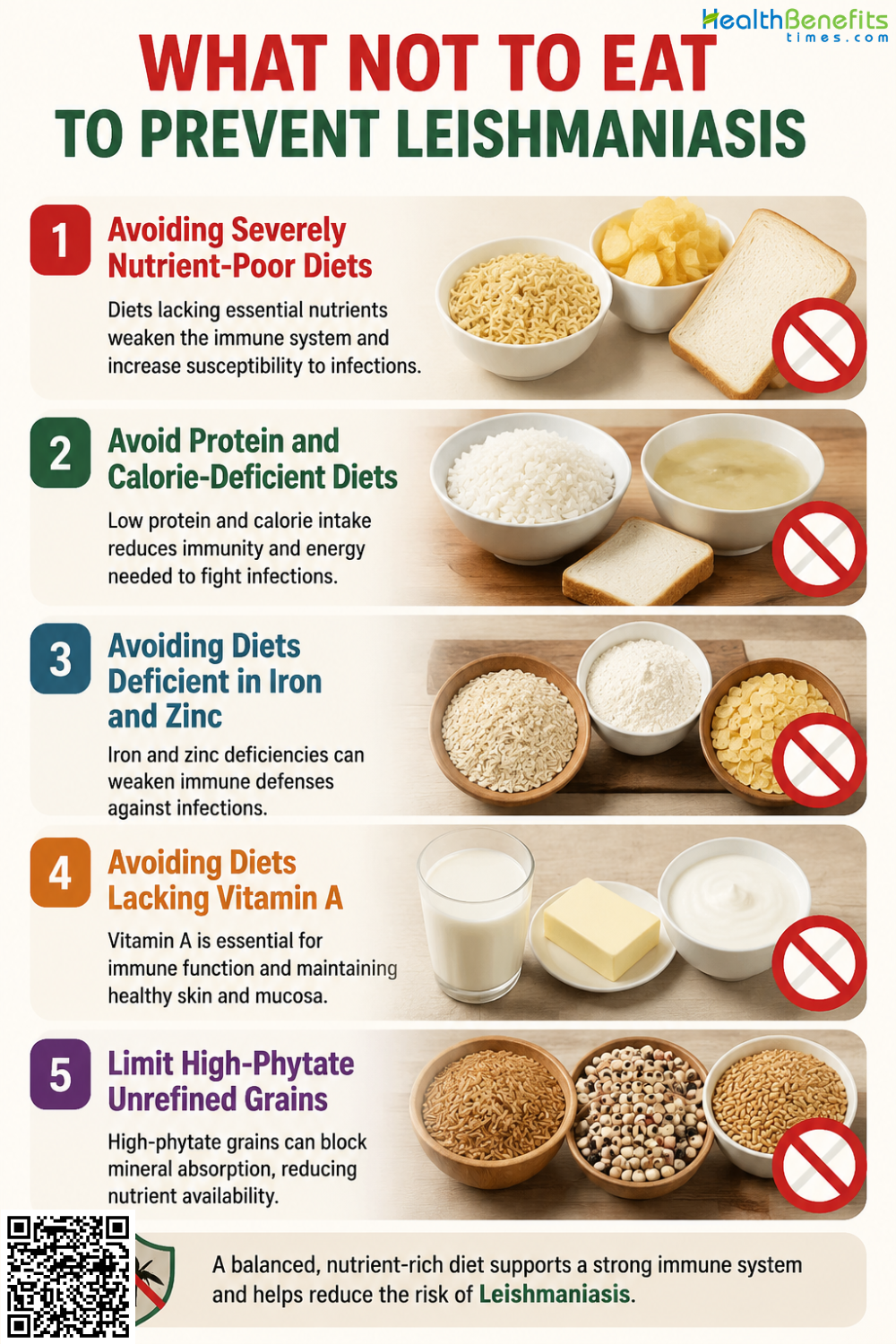
3. Avoiding Diets Deficient in Iron and Zinc
How it may help
Avoiding diets lacking iron and zinc maintains proper immune system function. Zinc is vital for the development and activity of immune cells, while iron supports the body’s ability to mount a strong defense against infections. Adequate mineral levels prevent the immune weakness that allows the Leishmania parasite to multiply.
What research says
The World Health Organization identifies diets lacking iron and zinc as major risk factors that increase the likelihood of Leishmania infections developing into full clinical disease 1. Clinical research concludes that deficiencies in these trace minerals severely disrupt cellular immunity, weakening the body’s natural defense against the parasite 4.
How to use it safely
You should maintain a balanced diet including natural sources of iron and zinc, such as lean meats, poultry, beans, nuts, and whole grains. Avoid heavily processed foods that strip away these nutrients. Always consult a doctor before taking high-dose mineral supplements to correct suspected deficiencies.
Potential precautions or side effects
Taking excessive iron or zinc supplements without medical supervision can cause toxicity, severe stomach pain, and organ damage. High zinc intake can also dangerously lower your body’s copper levels.
4. Avoiding Diets Lacking Vitamin A
How it may help
Vitamin A is crucial for maintaining the skin and immune cells, which act as the body’s natural defense barriers. By avoiding diets deficient in this vitamin, your immune system remains strong enough to fight the Leishmania parasite, preventing a dormant infection from worsening into a severe clinical disease.
What research says
The World Health Organization concludes that diets lacking essential nutrients, specifically vitamin A, significantly increase the risk of a Leishmania infection progressing into a life-threatening illness 1. Clinical evidence demonstrates that vitamin A deficiency severely compromises the cellular immune responses required to restrict parasite growth 4.
How to use it safely
You should eat a varied diet featuring natural sources of vitamin A, such as sweet potatoes, carrots, spinach, and eggs. Avoid heavily restricted diets that eliminate these nutrient-dense foods. If you suspect a deficiency, consult a doctor before taking any dietary supplements.
Potential precautions or side effects
Taking excessive vitamin A supplements can cause severe liver damage, blurred vision, and bone pain. You should prioritize getting this essential nutrient primarily from food rather than high-dose pills.
5. Limit High-Phytate Unrefined Grains
How it may help
Phytates found in raw, unrefined grains block the digestive system from absorbing vital minerals. Limiting these compounds ensures the body successfully absorbs iron and zinc. Maintaining adequate mineral levels supports the strong cellular immunity required to prevent a Leishmania infection from advancing into a severe clinical disease.
What research says
Health authorities establish that dietary phytates strongly bind to trace minerals, severely inhibiting iron and zinc absorption in the human gut 5. Clinical research confirms that these diet-induced mineral deficiencies severely weaken the immune system, significantly elevating the risk of progressive, life-threatening Leishmaniasis 1.
How to use it safely
You do not need to eliminate unrefined grains completely. Instead, you should prepare grains, legumes, and seeds by soaking, sprouting, or fermenting them before cooking. These specific traditional methods naturally break down phytates, allowing your body to properly absorb essential trace minerals 6.
Potential precautions or side effects
Eliminating whole grains entirely can cause harmful dietary fiber and vitamin B deficiencies. You should use proper food preparation methods rather than strictly avoiding all unrefined plant foods.
When to see a Doctor when you struggle from Leishmaniasis
If you live in or have recently traveled to regions where sandflies are common, early diagnosis is critical. You should seek immediate medical evaluation if you experience any of the following specific warning signs.
1. Persistent Skin Sores
Seek medical care if you develop painless skin ulcers or nodules that do not heal after several weeks, which strongly indicates a cutaneous infection 1.
2. Prolonged, Irregular Fever
Consult a doctor immediately if you experience continuous, irregular fevers lasting for weeks, as this is a primary symptom of life-threatening visceral leishmaniasis 1.
3. Significant Weight Loss
Unexplained, rapid weight loss combined with extreme fatigue requires urgent clinical evaluation, indicating the parasite is severely compromising the body’s internal systems 1.
4. Abdominal Swelling
You should seek emergency medical attention if your abdomen becomes noticeably swollen, which results from dangerous enlargement of the spleen and liver 1.
5. Nose and Mouth Lesions
See a specialist if you develop chronic stuffiness, frequent nosebleeds, or destructive sores inside the nasal passages or mouth, which indicate mucocutaneous leishmaniasis 7.