Health Benefits
    Facebook Twitter Instagram
    Friday, December 5
    Facebook Twitter Pinterest
    Health Benefits
    • Home
    • Dental Health
    • Mental Health
    • Weight Loss
    • Health Wiki
    • Nutrition
    • Healthy Recipe
    • BMI Calculator
    Health Benefits
    Home»Herbs and Spices»Information about Wild Clary
    Herbs and Spices

    Information about Wild Clary

    By s mDecember 27, 2018Updated:December 27, 2018No Comments4 Mins Read
    Facebook Twitter Pinterest LinkedIn Tumblr Email

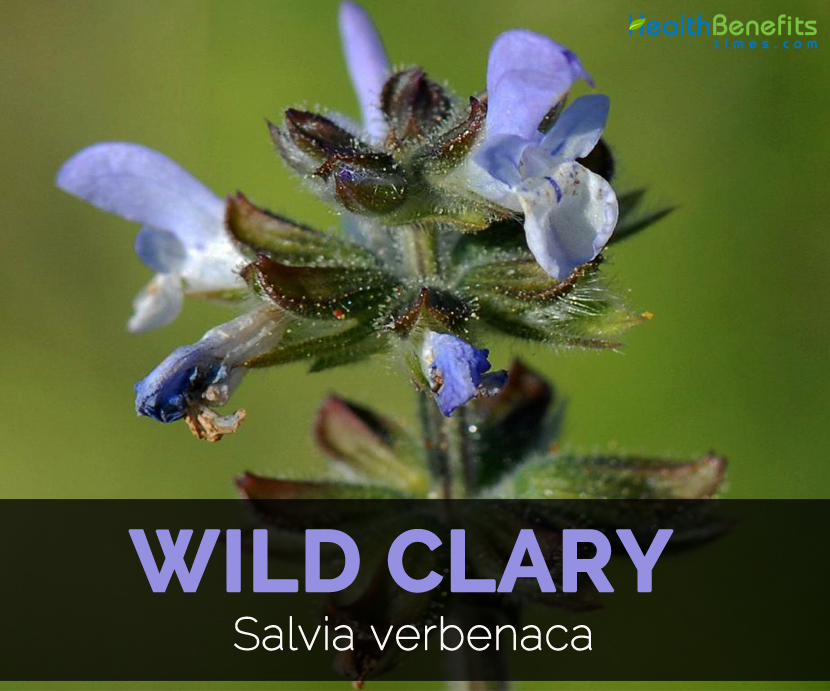
    Wild Clary with scientific name as Salvia verbenaca, is also known as wild sage. It is endemic to the British Isles, the Mediterranean region in Southern Europe, Near East, North Africa, and in the Caucasus. It is regarded as an introduced species which have got naturalized in the Eastern United States.

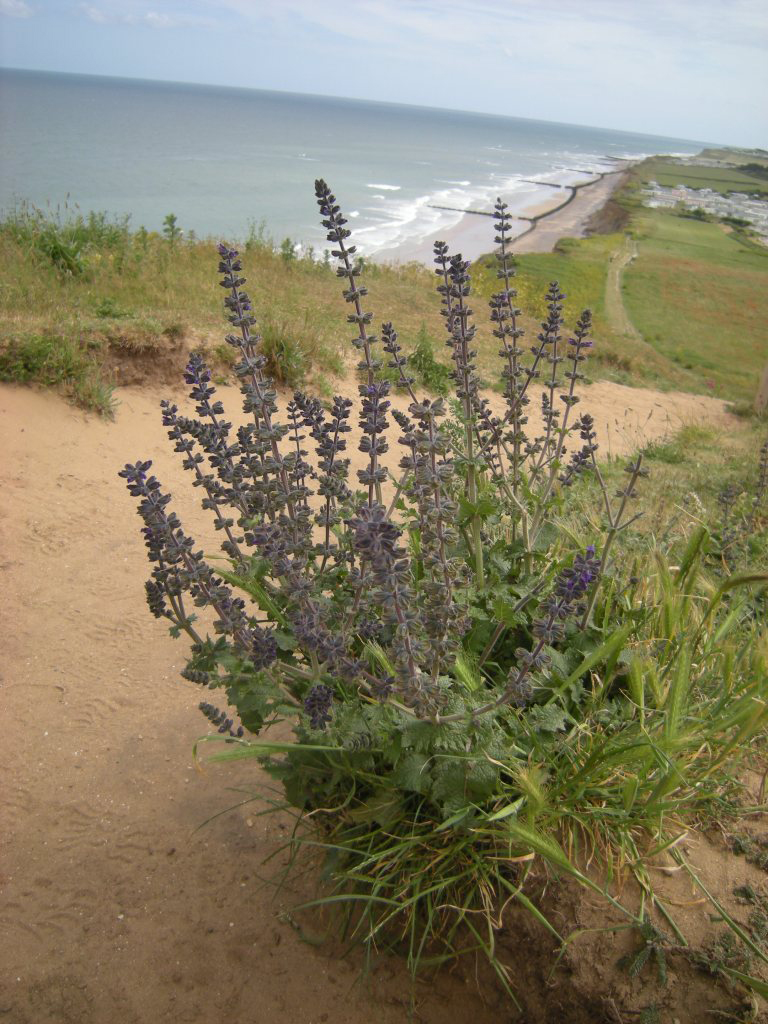
    Wild Clary is a tall perennial herb having hairy stems and branches which erectly sprawl out. Leaves are toothed, basal varying from 3 to 10 cm (1.2 to 3.9 in) long. Flowers are soft purple to violet in mid-summer.  The flower blooms from June to September and seeds ripen from July to October. Flowers are bisexual and are pollinated by bees. This plant attracts pollinators and wildlife. It does well in neutral and alkaline soils and requires full sun.

    Plant

    It is a perennial herb which measures about 18 inches (46 cm) high with hairy stems and branches bearing soft purple to violet lipped flowers. In order to preserve the honey from rain and flies, the tube of the corolla is lined with hairs. A bee inserting head in the mouth of the flower touches an inner end of anther, and raising it acts as a lever and cause outer surface to rub on its back, so deposits pollen.

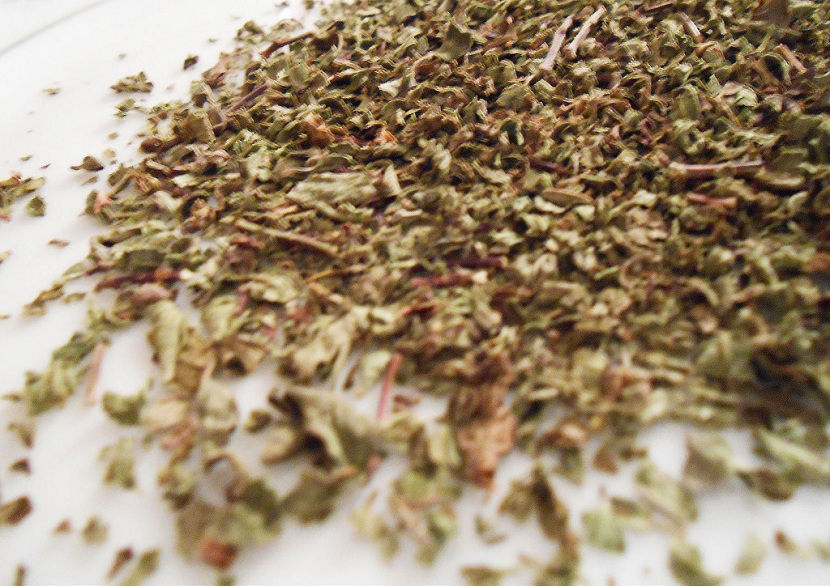
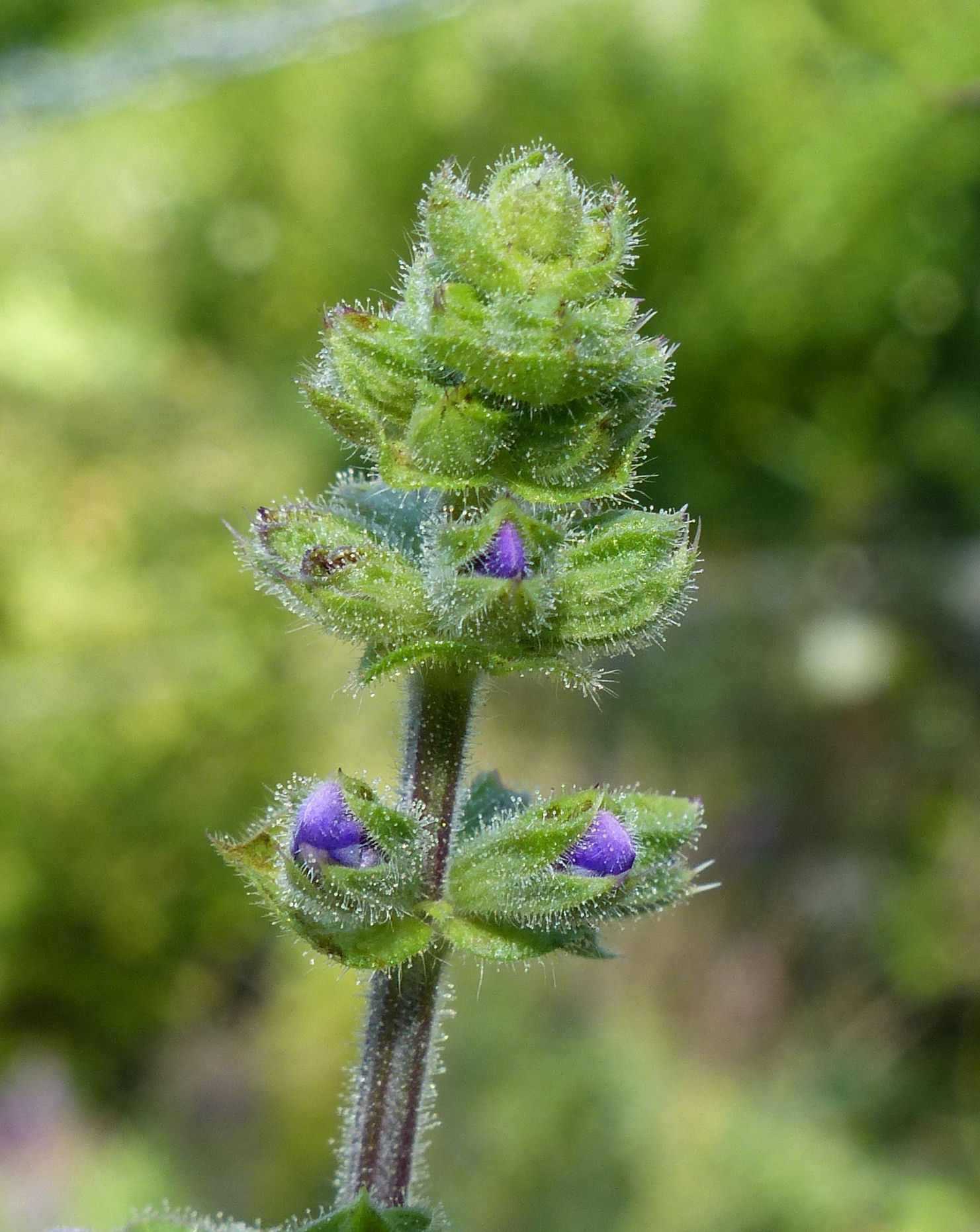
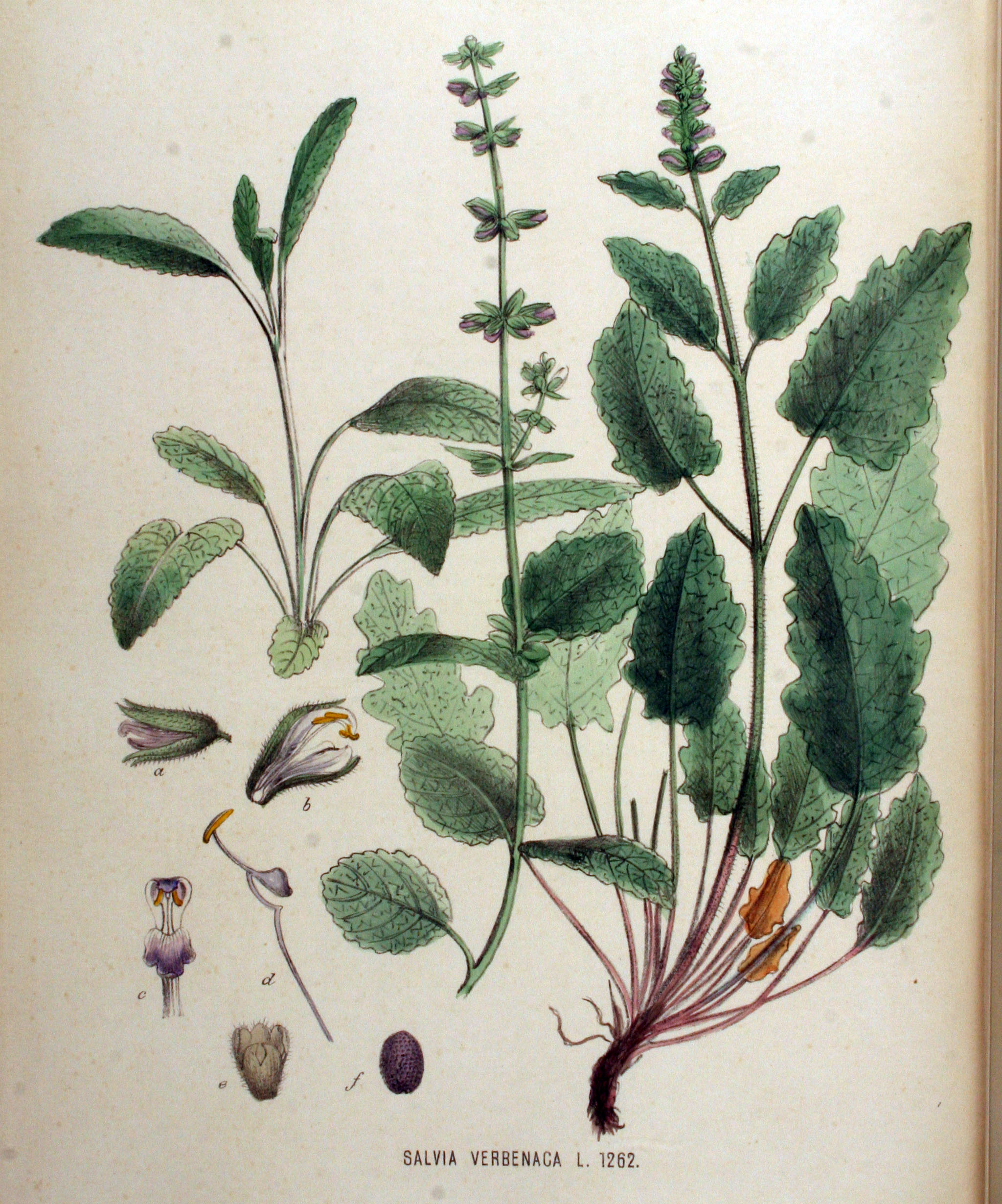
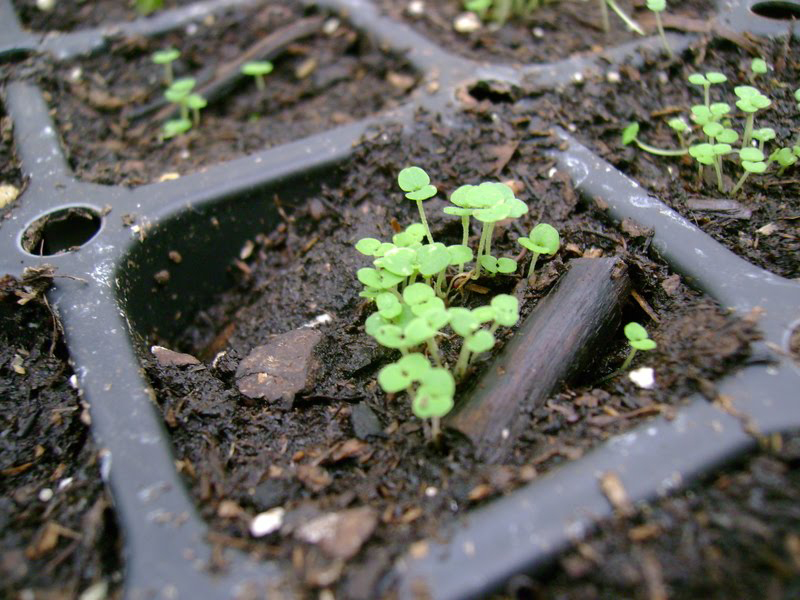
    Close-up-of-mature-fruit Close-view-of-Wild-Clary-flower Close-view-of-Wild-Clary-leaf Dried-Wild-Clary Flower-bud-of-Wild-Clary Plant-Illustration-of-Wild-Clary Seedlings-of-Wild-Sage Seeds-of-Wild-Clary Stem-of-Wild-Clary Wild-Clary-flower Wild-Clary-fruit Wild-Clary-plant
    [Show thumbnails]

    Stems and Leaves

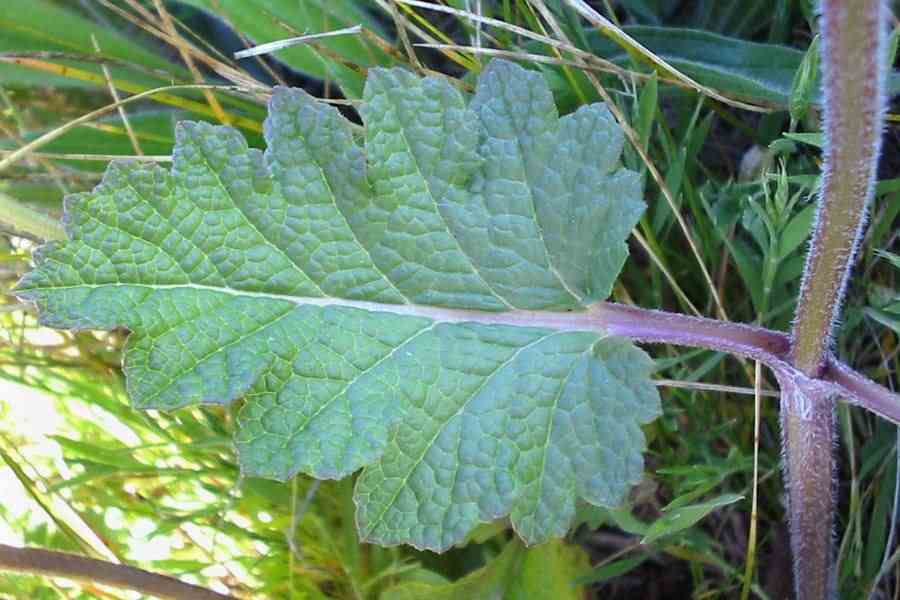
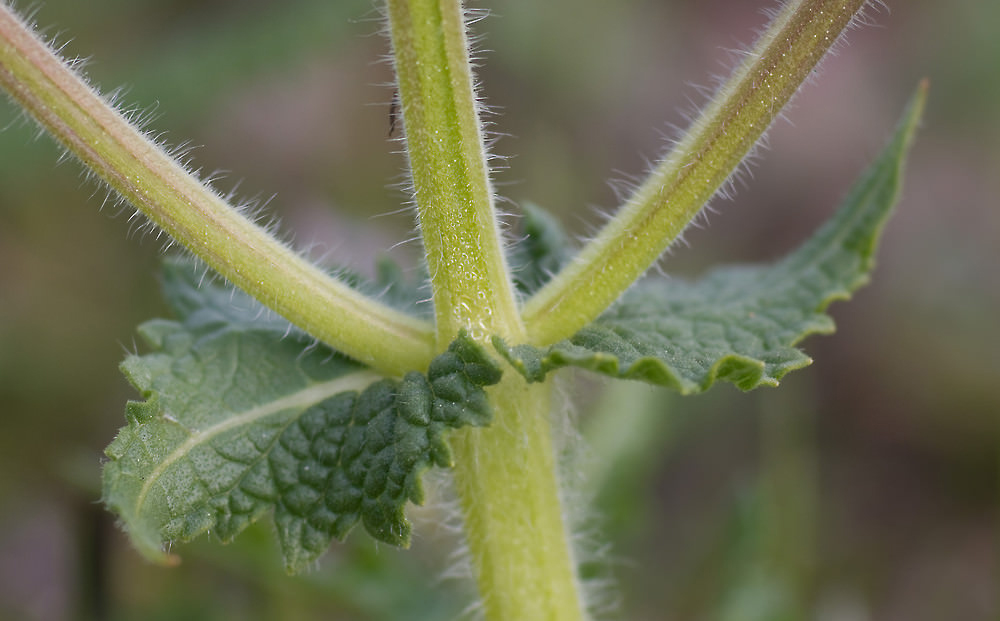
    Stems are moderately to densely hairy and four angled. Hairs on upper parts of stems are sticky. Leaves are borne in pairs along stems and have variable shape ranging from oval to egg shaped in outline having irregularly toothed margins to lobed or deeply divided. Lower leaves measure 2.5-10 cm long and 1.5-8 cm wide which are borne on stalks and have pointed or occasionally rounded tips. Upper leaves are stalkless and smaller. Leaves are hairy somewhat having pimply surface texture.

    Flowers and Fruit

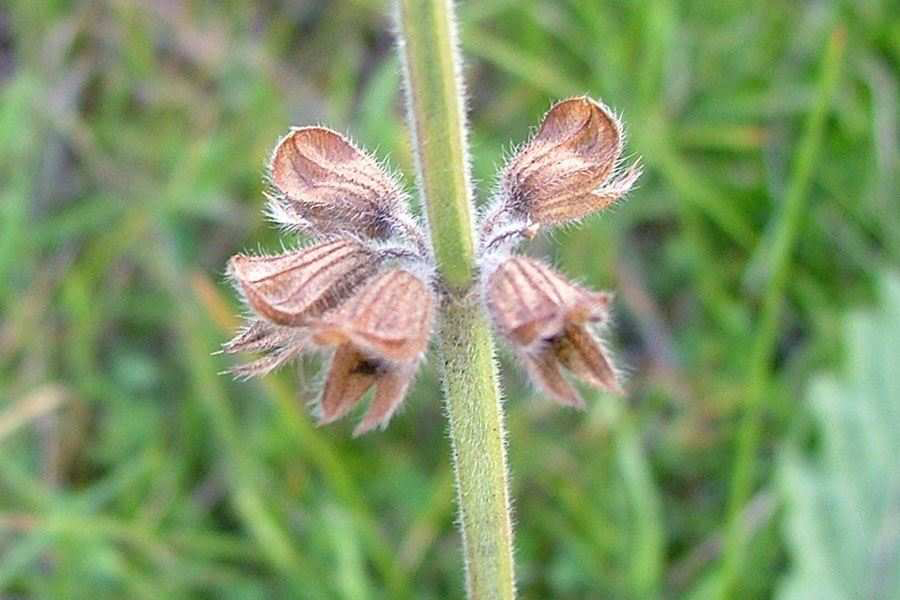
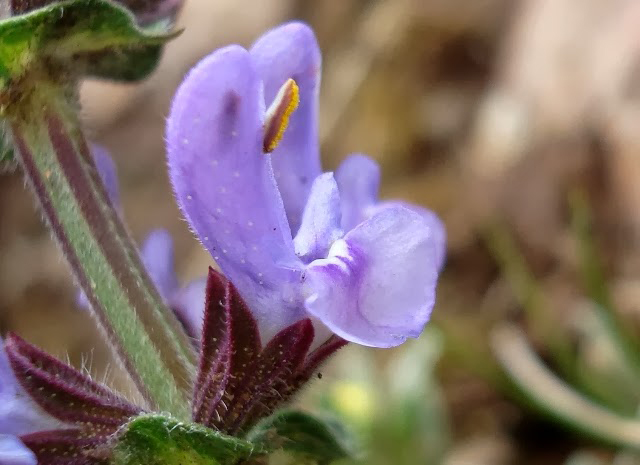
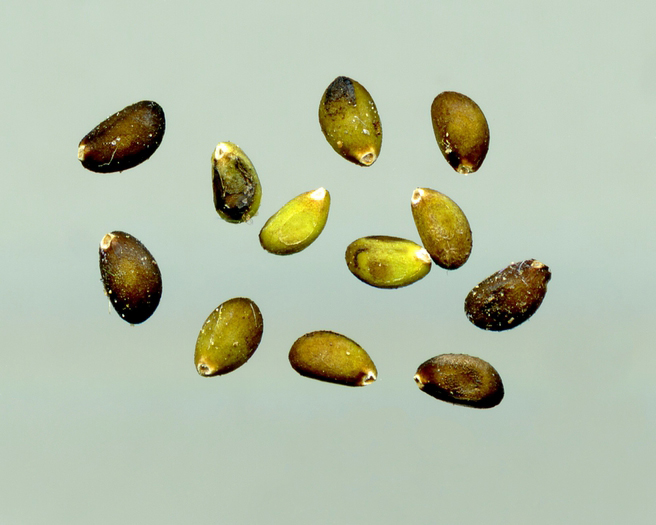
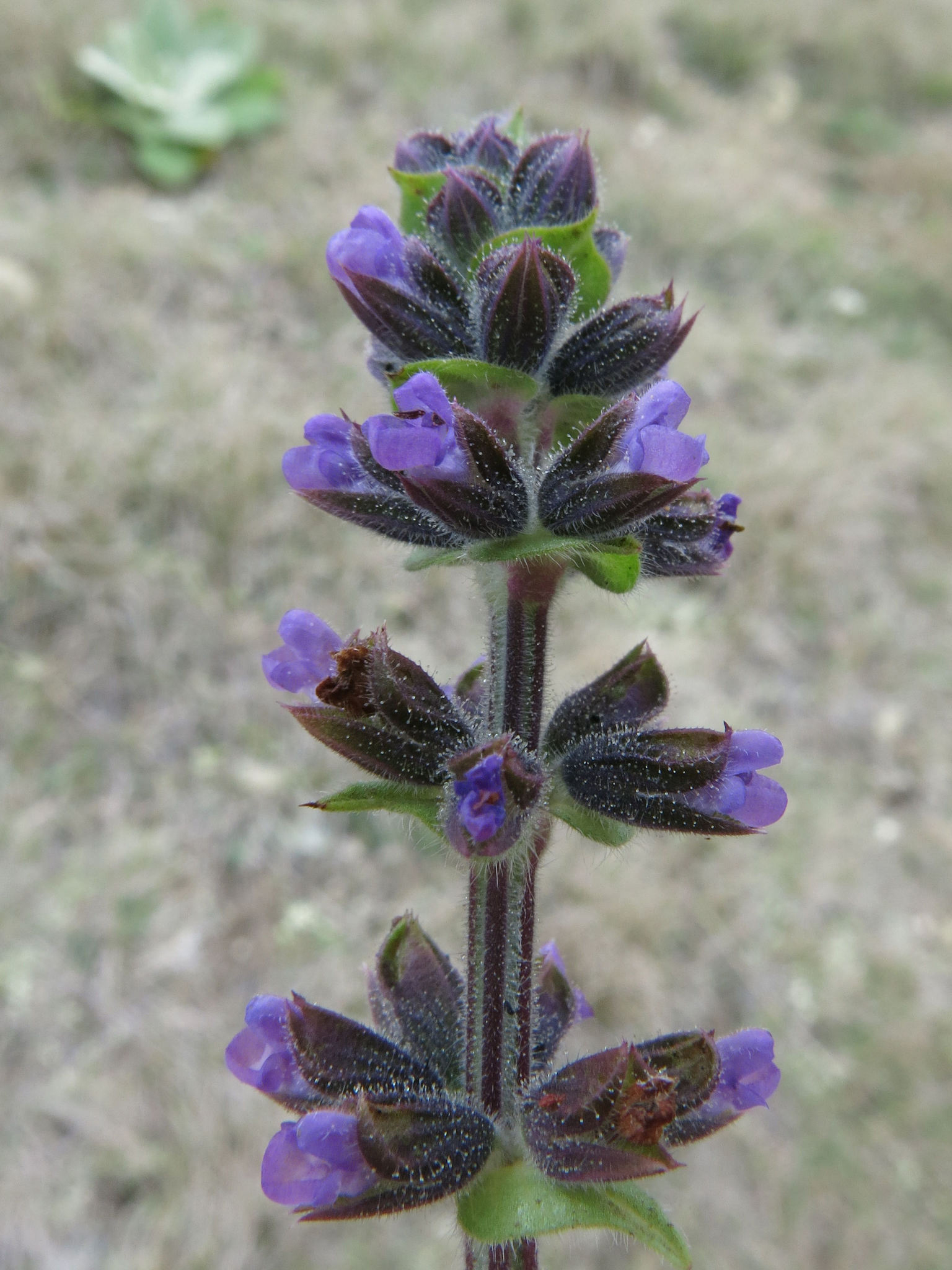
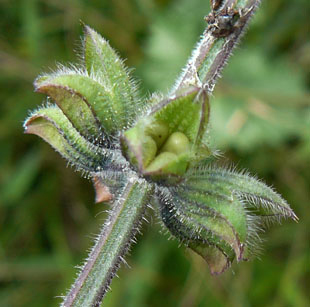
    Flowers are tubular measuring 7-13 mm long, borne in elongated clusters at tips of branches which are often branched at base. Flowers form in groups of 6 to 10 above small leafy bracts. Flowers are stalkless or borne on very short stalk measuring 2 mm long. Flowers have five purplish or green sepals (about 3.5-9 mm long) which are hairy moderately. Sepals are fused together into finely ribbed tube which has broad three toothed upper lobe and narrow two toothed lower lobe. Petals are hairless fused together at base into tube. They are purple, blue, lilac or pink in color and separate into two lobes. Lower lip is three lobed and upper lip is hooded. Each flower has two stamens and ovary topped with style and unequal two lobed stigma. Fruit is a schizocarp which splits into four one-seeded segments which matured. Seeds are broadly egg shaped and brown measuring 2-3 mm long & 1.8-2 mm wide. It has smooth texture.

    History

    This aromatic sage was used as flavoring in foods and to make tea. The flowers can be added to salads. Eyeseeds was a name given because it was “a plant whose seeds if blown into the eye are said to remove bits of dust, cinders, or insects that may be lodged there.”

    Traditional uses

    • A decoction of the leaves when drunk warms the stomach.
    • It helps digestion, scatters congealed blood in any part of the body, and helps dimness of the sigh.
    • The distilled water thereof cleans the eyes of redness, wateriness and heat.
    • It is a remedy for dimness of sight.
    • Take seeds of it and put it into the eyes, and let it remain till it drops out of itself, the pain will be gone.
    • Seed forms a thick mucilage when soaked in water for few minutes. It is effective in removing small particles of dust from eyes.

    Culinary uses

    • This aromatic sage was used as flavoring in foods and to make tea.
    • The flowers can be added to salads.
    • Young leaves are eaten fried and candied.
    • Leaves are used to prepare herb tea which promotes digestion.
    • Flowers are added to salads.

    Clearing the Eyes

    This type of clary was thought to be more beneficial to the eye than the garden clary variety, clary sage. The seeds, like those of the garden clary, produce a great quantity of soft, tasteless mucilage when moistened. If seeds were inserted under the eyelids for a few moments, the tears dissolved the mucilage, which then enveloped any dust or motes and brought irritating matter out safely.

    References:

    https://www.itis.gov/servlet/SingleRpt/SingleRpt?search_topic=TSN&search_value=832901#null

    https://en.wikipedia.org/wiki/Salvia_verbenaca

    https://keyserver.lucidcentral.org/weeds/data/media/Html/salvia_verbenaca.htm

    79%
    79%
    Awesome

    Comments

    comments

    Herbs and Spices W
    Share. Facebook Twitter Pinterest LinkedIn Tumblr Email
    Previous ArticleAnemia: Everything You Need To Know About It
    Next Article Health benefits of Long Pepper

    Related Posts

    Uses of Monkey Pitcher plant

    April 16, 2024

    Traditional uses and benefits of Wild Marigold

    March 21, 2024

    Traditional uses and benefits of Drooping fig

    March 12, 2024

    Comments are closed.


    Wild Clary Quick Facts
    Name: Wild Clary
    Scientific Name: Salvia verbenaca
    Origin Native to the British Isles, the Mediterranean region in Southern Europe, North Africa, and Near East, and in the Caucasus.
    Colors Brown
    Shapes Broadly egg shaped
    Health benefits Stomach cure, Assist digestion, Cleanse eye
    Name Wild Clary
    Scientific Name Salvia verbenaca
    Native Native to the British Isles, the Mediterranean region in Southern Europe, North Africa, and Near East, and in the Caucasus.
    Common/English Name Wild sage, vervain sage, wild clear-eye, vervain salvia, wild English clary, oculus Christi, Christ’s eye, eyeseeds
    Plant Growth Habit

    Tall perennial herb

    Soil Well-drained, base-rich
    Plant Size 70 cm tall
    Stem Upright, hairy, four-angled
    Leaf Basal, toothed, 3 to 10 cm (1.2 to 3.9 in) long
    Flowering Season June to September
    Flower 15mm, pale purple to blue
    Fruit shape & size Broadly egg shaped, 2-3 mm long & 1.8-2 mm wide
    Fruit color Brown

    Wild Clary Scientific Classification

    Scientific Name: Salvia verbenaca

    Rank Scientific Name & (Common Name)
    Kingdom Plantae  (Plantes, Planta, Vegetal, plants)
    Subkingdom Viridiplantae  (Green plants)
    Infrakingdom Streptophyta  (Land plants)
    Superdivision Embryophyta
    Division Tracheophyta  (Vascular plants, tracheophytes)
    Class Magnoliopsida
    Order Lamiales
    Family Lamiaceae  (Mints, menthes)
    Genus Salvia L. (Sage)
    Species Salvia verbenaca L. (Wild sage, wild clary, vervain sage)
    Synonyms
    • Gallitrichum anglicum Jord. & Fourr.
    • Gallitrichum arvale Jord. & Fourr.
    • Gallitrichum candollei Timb.-Lagr.
    • Gallitrichum clandestinum (L.) Fourr.
    • Gallitrichum dichroanthum Jord. & Fourr.
    • Gallitrichum horminioides (Pourr.) Timb.-Lagr.
    • Gallitrichum maculatum Jord. & Fourr.
    • Gallitrichum pallidiflorum (St.-Amans) Jord. & Fourr.
    • Gallitrichum ptychophyllum Jord. & Fourr.
    • Gallitrichum rosulatum Jord. & Fourr.
    • Gallitrichum rubellum Jord. & Fourr.
    • Gallitrichum stereocaulon Jord. & Fourr.
    • Gallitrichum verbenacum (L.) Fourr.
    • Gallitrichum virgatum Jord. & Fourr.
    • Horminum sylvestre Gray
    • Horminum verbenacum (L.) Mill.
    • Larnastyra claytonii (Nutt.) Raf.
    • Larnastyra verbenaca (L.) Raf.
    • Salvia acutata Brot.
    • Salvia agrestis Vill.
    • Salvia ambigua Rochebr. & Sav.
    • Salvia anglica (Jord. & Fourr.) Verl., Arv.-Touv. & Faure
    • Salvia anselmii Sennen
    • Salvia barcinonensis Sennen
    • Salvia barnolae Sennen
    • Salvia basilii Sennen
    • Salvia betonicifolia Lam.
    • Salvia byzantina hort.
    • Salvia byzantina hort. ex Benth., 1834
    • Salvia candollei (Timb.-Lagr.) Timb.-Lagr.
    • Salvia ceratophylla C.A.Mey.
    • Salvia clandestina L.
    • Salvia clandestina subsp. multifida (Sm.) Nyman
    • Salvia clandestina var. angustifolia Benth.
    • Salvia clandestina var. clandestina
    • Salvia clandestina var. hiemalis (Brot.) Nyman
    • Salvia clandestina var. multifida Benth., 1848
    • Salvia clandestina var. obtusata Nyman
    • Salvia clandestina var. pallidiflora (St.-Amans) Nyman
    • Salvia clandestinoides Link
    • Salvia claytonii Elliott
    • Salvia claytonii Nutt.
    • Salvia cleistogama de Bary & Paul
    • Salvia collina Lowe
    • Salvia controversa Ten.
    • Salvia discolor Sennen
    • Salvia disermas Sm.
    • Salvia domenechii Sennen
    • Salvia dubia Lowe
    • Salvia electa Sennen
    • Salvia eriocaulis Sennen
    • Salvia erosa Desf.
    • Salvia fontii Sennen
    • Salvia gracilis Sennen
    • Salvia hiemalis Brot.
    • Salvia horminioides Pourr.
    • Salvia horminoides Pourr., 1788
    • Salvia illyrica Schult.
    • Salvia intricata Sennen
    • Salvia laciniata Willd.
    • Salvia laciniata Willd. ex Schltdl., 1813
    • Salvia linnaei Rouy
    • Salvia linnaei subsp. clandestina (L.) Rouy, 1909
    • Salvia linnaei subsp. horminoides (Pourr.) Rouy, 1909
    • Salvia linnaei subsp. multifida (Sm.) Rouy, 1909
    • Salvia linnaei subsp. oblongata (Vahl) Rouy, 1909
    • Salvia linnaei subsp. verbenaca (L.) Rouy, 1909
    • Salvia littoralis Ferrary, 1836
    • Salvia lowei Steud.
    • Salvia mediterranea Sennen
    • Salvia mixta Timb.-Lagr., 1870
    • Salvia multifida Sm.
    • Salvia multifida var. delicatula Sennen
    • Salvia neglecta Ten.
    • Salvia oblongata De Not.
    • Salvia oblongata De Not. ex Briq.
    • Salvia oblongata Vahl
    • Salvia obtusata Brot.
    • Salvia ochroleuca Coss. & Balansa
    • Salvia pallidiflora St.-Amans
    • Salvia parviflora Brot.
    • Salvia polymorpha Hoffmanns. & Link
    • Salvia praecox Savi
    • Salvia pyrenaica L.
    • Salvia rhodantha Zefir.
    • Salvia sabulicola Pomel
    • Salvia sennenii Font Quer
    • Salvia sennenii Font Quer ex Sennen
    • Salvia sibthorpii Bory & Chaub.
    • Salvia spielmanniana M.Bieb.
    • Salvia spielmannii Willd.
    • Salvia subscaposa Sennen
    • Salvia theodori Sennen
    • Salvia variabilis Loisel.
    • Salvia variabilis Loisel. ex Benth.
    • Salvia verbenaca subsp. battandieri Maire
    • Salvia verbenaca subsp. clandestina (L.) Batt., 1890
    • Salvia verbenaca subsp. clandestina (L.) Briq.
    • Salvia verbenaca subsp. controversa (Ten.) Arcang.
    • Salvia verbenaca subsp. controversa Batt., 1890
    • Salvia verbenaca subsp. foetens Maire
    • Salvia verbenaca subsp. horminioides (Pourr.) Nyman
    • Salvia verbenaca subsp. horminoides (Pourr.) Nyman, 1881
    • Salvia verbenaca subsp. multifida (Vis.) Briq.
    • Salvia verbenaca subsp. oblongata (Ten.) Arcang., 1882
    • Salvia verbenaca subsp. oblongata (Vahl) Nyman
    • Salvia verbenaca subsp. ochroleuca (Coss. & Balansa) Maire
    • Salvia verbenaca subsp. sabulicola (Pomel) Quézel & Santa
    • Salvia verbenaca subsp. sabulicola (Pomel) Quézel & Santa ex Greuter, Burdet & G.Long
    • Salvia verbenaca var. amplifrons Briq.
    • Salvia verbenaca var. anglica (Jord. & Fourr.) P.D.Sell
    • Salvia verbenaca var. australis Caruel
    • Salvia verbenaca var. bicolor Maire
    • Salvia verbenaca var. clandestina (L.) Briq.
    • Salvia verbenaca var. controversa (Ten.) Briq.
    • Salvia verbenaca var. delicatula (Sennen) O.Bolòs & Vigo
    • Salvia verbenaca var. disermas Nyman
    • Salvia verbenaca var. dubia (Lowe) Menezes
    • Salvia verbenaca var. horminioides (Pourr.) Briq.
    • Salvia verbenaca var. multifida Vis.
    • Salvia verbenaca var. oblongata (Vahl) Briq.
    • Salvia verbenaca var. praecox (Savi) Lange
    • Salvia verbenaca var. sabulicola (Pomel) Batt.
    • Salvia verbenaca var. serotina Boiss.
    • Salvia verbenaca var. sinuata Vis.
    • Salvia verbenaca var. spielmannii K.Koch
    • Salvia verbenaca var. vernalis Boiss.
    • Salvia verbenacea L.
    • Salvia verbenacoides Brot.
    • Salvia verbenifolia Salisb.
    • Salvia vivianii Sieber
    • Salvia vivianii Sieber ex Rchb.
    • Salvia weihaiensis C.Y.Wu & H.W.Li
    • Sclarea decidua Moench
    • Sclarea rhodantha (Zefir.) Soják
    • Sclarea sibthorpii (Sm.) Soják
    • Sclarea verbenaca (L.) Soják
    • Sclarea verbenacea (L.) Soják
    • Sclarea viscosissima Moench
    Categories
    • Beverages (78)
    • Dairy (28)
    • Dental Health (15)
    • Equipment (5)
    • Essential OIls (196)
    • Facts (2,939)
    • Foods (255)
    • Fruits (516)
    • Giveaway (1)
    • Grains and Cereals (36)
    • Health & Beauty (763)
    • Herbs and Spices (1,249)
    • Medicines (9)
    • Mental Health (19)
    • Nutritional value (27)
    • Nuts and seeds (73)
    • Oils (81)
    • Pets (4)
    • Poultry & Seafoods (67)
    • Pulses and Beans (16)
    • Reviews (25)
    • supplement (2)
    • Vegetables (304)
    • Weight Loss (22)

    What is Lupin Bean Flour?

    Science Backed Health Benefits of Durian (Durio zibethinus)

    Science Backed Health Benefits of Feijoa (Pineapple Guava) (Acca sellowiana)

    Science Backed Health Benefits of Gac Fruit (Momordica cochinchinensis)

    Science Backed Health Benefits of Amaranth Leaves (Amaranthus spp)

    Science Backed Health Benefits of Arrowhead (Sagittaria sagittifolia)

    ABOUT
    Home
    About us
    Contact us
    Privacy Policy
    Terms & conditions
    Disclaimer
    Direct Communication
    e-mail: [email protected]
    Gmail: [email protected]
    Whatsapp: +977-9841146511
    Viber: +977-9841146511
    Useful
    Health Wiki
    Nutrition
    Facebook Twitter Pinterest
    © 2025 www.healthbenefitstimes.com All rights reserved.

    Type above and press Enter to search. Press Esc to cancel.

    ×

    Log In

    Forgot Password?

    Not registered yet? Create an Account