

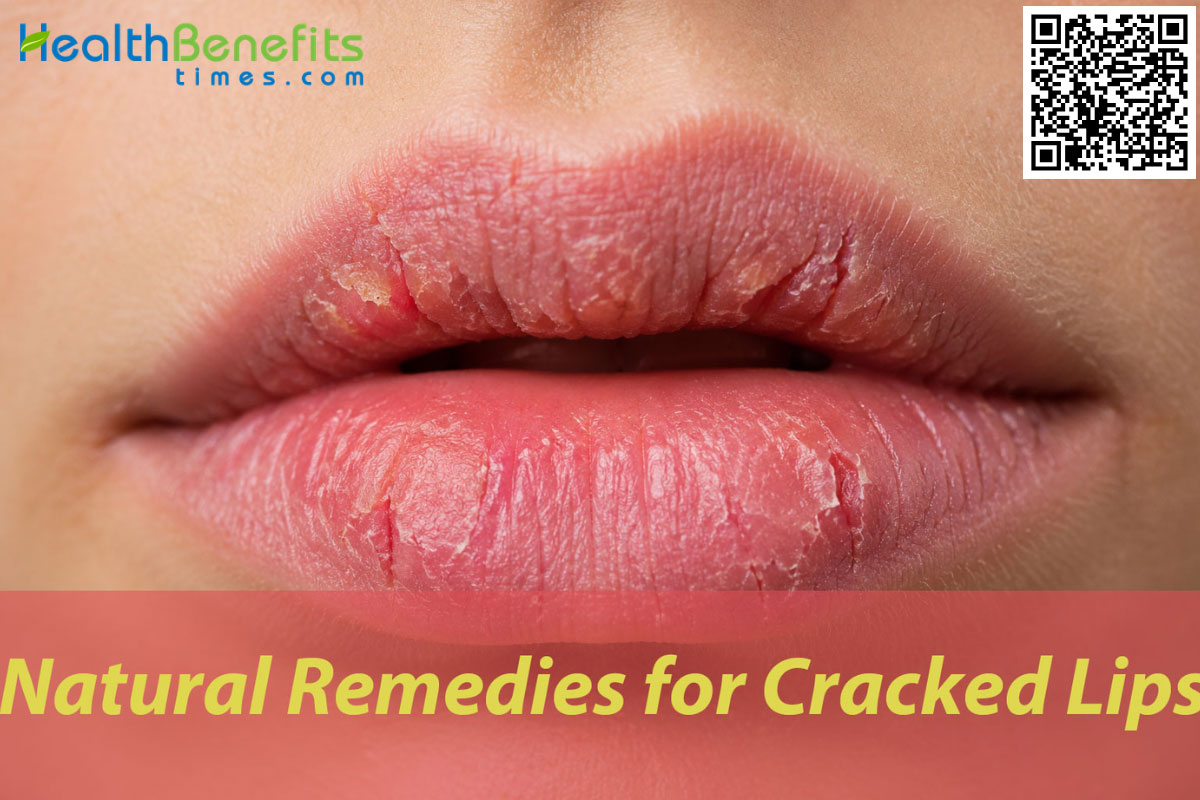
Cracked lips, medically known as cheilitis, is a common condition characterized by dry, red, peeling, and painfully split skin on the lips 1. Unlike the skin on the rest of your body, the skin on your lips is extremely thin and completely lacks oil and sweat glands, making it highly vulnerable to severe moisture loss. This painful cracking is most frequently caused by harsh environmental factors like cold winter weather, dry indoor air, and excessive sun exposure. A common but harmful habit is frequent lip licking; as the saliva rapidly evaporates, it draws even more moisture out of the delicate skin, worsening the dryness. In some cases, severe or persistent cracking, especially at the corners of the mouth (known as angular cheilitis), can be a warning sign of an underlying fungal or bacterial infection, severe dehydration, or a nutritional deficiency in B vitamins and iron 2. While regular application of a protective lip balm usually restores the skin’s moisture barrier, chronic cases may require a professional medical evaluation to rule out deeper deficiencies.
Causes of Cracked Lips
Investigating the underlying origins of lip inflammation uncovers a complex intersection of environmental forces, systemic health factors, and daily mechanical habits. The precise etiology of this condition is highly multifactorial, meaning a combination of the following triggers is often responsible for breaking down the protective epidermal layer.
1. Environmental and Climatic Aggression
Prolonged exposure to extreme weather conditions, such as freezing temperatures, arid winds, and low indoor humidity, rapidly evaporates residual cellular moisture from the vermilion zone 3. Furthermore, chronic ultraviolet radiation from sun exposure induces cellular damage that can trigger a severe, precancerous inflammatory state known as actinic cheilitis.
2. Nutritional and Micronutrient Deficiencies
The biological processes responsible for tissue repair require specific raw materials to function effectively. A systemic lack of B-complex vitamins specifically riboflavin (B2), niacin (B3), pyridoxine (B6), folate (B9), and cyanocobalamin (B12) alongside deficiencies in iron and zinc, severely impairs epithelial regeneration and frequently manifests as structural cracking 4.
3. Mechanical Friction and Oral Habits
Unconscious physical behaviors actively dismantle the skin’s defensive barriers. The habitual licking of the lips, clinically referred to as perlèche, deposits powerful digestive enzymes from saliva directly onto the skin, which macerates and digests the delicate tissues rather than hydrating them 5.
4. Allergic and Irritant Contact Dermatitis
Daily exposure to seemingly benign personal care products can provoke potent localized immune reactions. Flavoring agents like peppermint oil and cinnamon, preservatives in lip cosmetics, and chemical compounds in certain toothpastes often trigger a delayed-type hypersensitivity reaction that destroys the epidermal integrity of the mouth 6.
5. Opportunistic Microbial Infections
When moisture pools in the deep creases at the corners of the mouth, it creates an ideal microenvironment for pathogenic overgrowth. The fungal yeast Candida albicans and the bacterium Staphylococcus aureus are the most common infectious agents responsible for driving angular cheilitis 7.
6. Medication-Induced Xerostomia
Certain pharmacological treatments inherently reduce the body’s ability to produce saliva and maintain mucous membrane hydration. The systemic use of prescription retinoids for acne, anticholinergic medications, and various anticancer drugs routinely cause profound systemic dryness that directly impacts the lips.
Symptoms of Cracked Lips
Observing the physical changes on the surface of the mouth provides critical clues regarding the severity and specific classification of the inflammation. The clinical presentation varies significantly based on the root cause and the duration of the cellular damage.
- Persistent erythema, characterized by an abnormal, inflamed redness spreading across the vermilion zone and occasionally bleeding past the lip borders.
- Visible exfoliative scaling, flaking, and peeling of the uppermost epidermal layers.
- Deep tissue fissuring and rhagades, which appear as painful, vertical cracks that frequently split open and bleed during basic mouth movements 8.
- A localized burning, itching, or hyper-sensitive tenderness that severely disrupts eating and speaking.
- The formation of gray-white, softened, macerated tissue specifically localized at the labial commissures (the corners of the mouth).
- Honey-colored crusts or purulent fluid exudate, which strongly indicate the presence of a secondary bacterial infection overriding the initial dryness.
- A persistent, sandpapery texture accompanied by scaly plaques that fail to heal, serving as a primary warning sign for sun-induced premalignant cellular changes 9.
Cracked Lips Facts
Synthesizing global medical data reveals clear patterns regarding how this condition develops, who it impacts, and how clinical professionals diagnose it.
| Category | Details |
| Symptoms |
|
| Causes |
|
| Types of Cracked Lips |
|
| How does spread |
|
| Age Group |
|
| You might be at a higher risk for exposure of this disease if you: |
|
| How doctors diagnose |
|
| Other facts |
|
Natural Remedies for Cracked Lips
Turning to nature provides a highly effective, scientifically validated arsenal of lipid-rich botanicals and bioactive compounds capable of repairing a broken epidermal barrier. If you are seeking to heal damaged lip tissue at home, dermatological research emphasizes the use of natural ingredients that offer both humectant properties (to draw water into the skin) and occlusive properties (to trap that moisture and prevent transepidermal water loss) 10.
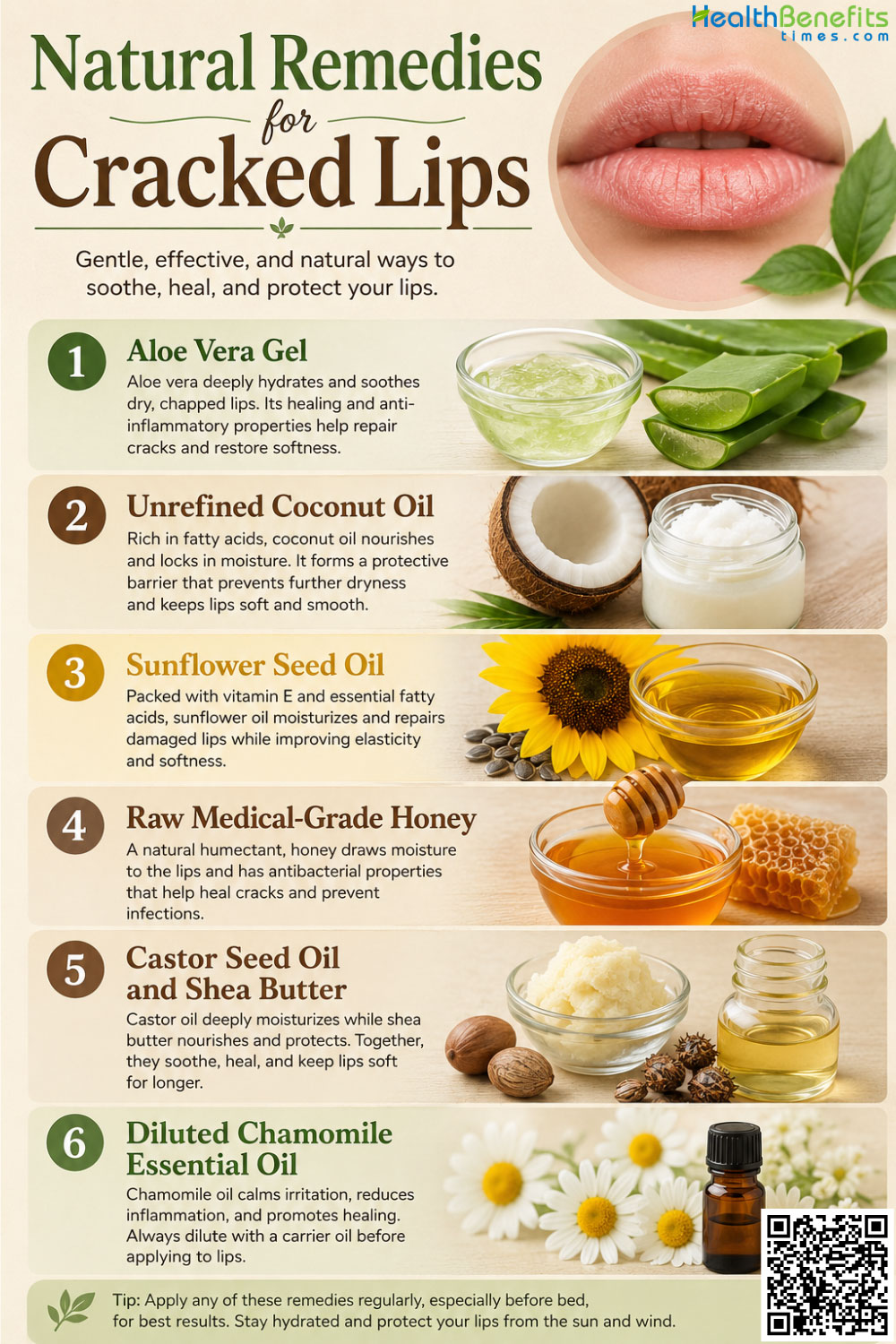
1. Aloe Vera Gel
Harnessing the internal matrix of the Aloe vera leaf provides profound wound-healing and anti-inflammatory advantages. The transparent inner gel of this succulent contains a potent concentration of active biomolecules, including glucomannans, amino acids, sterols, and specialized vitamins 11. When you apply this gel to damaged epithelial tissue, these active compounds stimulate the localized production of new collagen and epidermal cells, vastly accelerating the biological regeneration process. Furthermore, it acts as a gentle, broad-spectrum antimicrobial agent, actively inhibiting bacterial proliferation inside open lip fissures without causing cellular toxicity or stinging.
Note: You can apply the pure gel extracted directly from the plant leaf as a thin, soothing medicinal ointment over the affected area up to three times daily.
2. Unrefined Coconut Oil
Extracting the natural fats from the mature fruit of the coconut yields a highly effective occlusive barrier that possesses inherent therapeutic qualities. Scientific analysis demonstrates that the specific lipid deposition of coconut oil penetrates into the stratum corneum, creating a physical coating over the mucosa that drastically reduces moisture evaporation 12. Additionally, the unique fatty acid profile of coconut oil, combined with its ability to maintain intense mucosal hydration, provides you with a remarkably safe and low-cost strategy for managing chronic oral dryness and preventing secondary microbial infections 13.
Note: You can use clean fingertips to apply this cold-pressed oil directly to the lips as a natural balm throughout the day, applying a thicker layer before sleep for intensive overnight hydration.
3. Sunflower Seed Oil
Sourcing oil directly from sunflower seeds provides an exceptionally high concentration of linoleic acid, an essential fatty acid that plays a structural role in skin barrier function. Clinical evaluations indicate that topical linoleic acid actively stimulates peroxisome proliferator-activated receptor-alpha (PPAR-alpha) within the skin 14. By triggering this specific cellular receptor, you enhance your skin’s keratinocyte differentiation and improve localized lipid metabolism, which fundamentally repairs the damaged architectural structure of your lip tissue rather than merely placing a temporary coating over the cracks 15.
Note: You should gently massage a few drops of the pure oil into the vermilion zone to facilitate deep tissue absorption, utilizing it specifically for its cellular barrier-repairing benefits.
4. Raw Medical-Grade Honey
Utilizing beehive products offers a historically proven and scientifically backed method for complex tissue repair. Honey functions as a powerful natural humectant, meaning it actively attracts and binds water molecules from the ambient environment deep into the cellular matrix of your lips. Beyond intense hydration, honey possesses robust antimicrobial and anti-inflammatory properties, making it an exceptionally useful remedy when your chapped lips present with minor bleeding, painful weeping, or are at high risk of secondary candidal or bacterial infections 16.
Note: You can apply raw, unpasteurized honey directly as a topical mask over the lips, leaving it in place for 10 to 15 minutes before gently rinsing it away with lukewarm water.
5. Castor Seed Oil and Shea Butter
Integrating dense, natural emollients like castor seed oil and shea butter is highly recommended by board-certified dermatologists for severe cases of scaling and flaking. Castor oil possesses a unique molecular weight that allows it to penetrate deeply, softening the rigid, hyperkeratotic scales of severely dry lips so they can shed naturally without tearing. Meanwhile, shea butter provides a thick, protective matrix of natural stearic and oleic acids that fills in the microscopic gaps between shedding skin cells, rendering the surface smooth, pliable, and highly resistant to environmental windburn.
Note: You can combine these thick butters and heavy oils, or use them individually, as an overnight occlusive mask applied generously to seal in moisture during your body’s natural regenerative sleep cycle.
6. Diluted Chamomile Essential Oil
Extracting the active botanical compounds from German chamomile yields a specialized oil known to suppress hyperactive immune responses in irritated skin. Research notes that precise applications of chamomile oil significantly decrease serum IgG1 and IgE levels in models of atopic dermatitis, which correlates directly with a profound reduction in localized redness, painful swelling, and allergic itching on the lips. If your lip cracking is driven by an underlying eczema flare-up or an allergic reaction, this botanical provides targeted immunomodulatory relief.
Note: You must heavily dilute a single drop of essential chamomile oil into a carrier oil (such as coconut or olive oil) before applying it to the lips to medically soothe inflamed and irritated eczematous lesions.
Is there any exercise or physical activities for Cracked Lips
Altering the physical mechanics of your face, specifically regarding daily respiration and resting oral posture, dictates the microclimate of your labial tissues. Correcting dysfunctional habits through targeted physical activities fundamentally transforms the moisture retention capabilities of your mouth, allowing you to heal from the inside out.
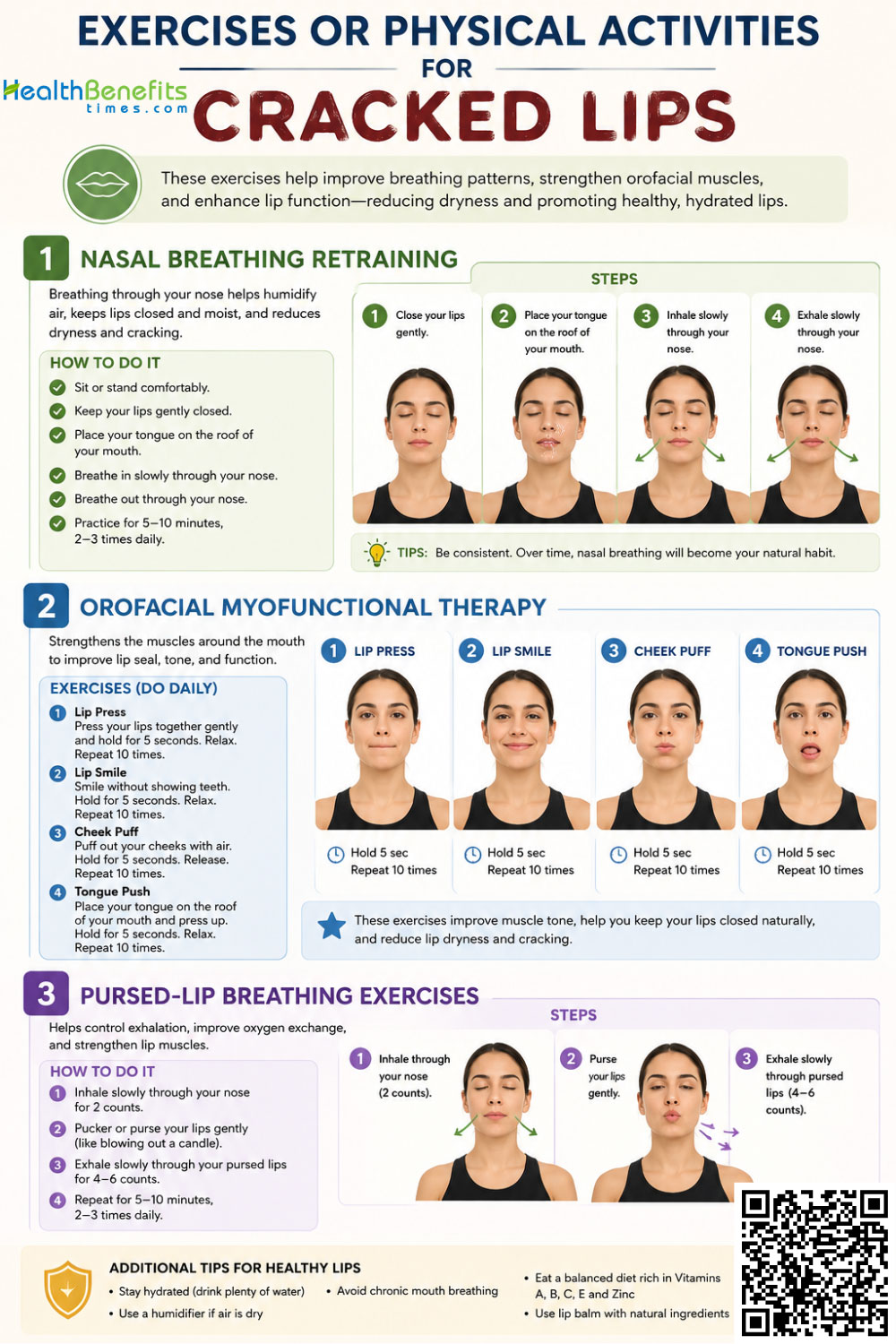
1. Nasal Breathing Retraining
Breaking the habit of chronic mouth breathing prevents the rapid depletion of the sol layer—a critically thin barrier of water that overlays the vocal folds and the oral mucosa 17. Retraining your respiratory system to default exclusively to nasal breathing limits the abrasive, continuous airflow that evaporates moisture off your lips. Clinical observations confirm that consciously converting from a mouth-breathing pattern to a strict nasal-breathing pattern significantly reduces the incidence of incompetent lip seals, oral dryness, and resultant recurrent cheilitis 18.
Note: You should consciously practice inhaling deeply through your nose for three to five seconds, followed by a controlled exhalation through the nose, repeating this process frequently throughout the day to build autonomic habituation.
2. Orofacial Myofunctional Therapy
Engaging in myofunctional therapy involves practicing customized regimens of oral and peri-oral exercises specifically designed to retrain your adaptive patterns of muscle function 19. By boosting your overall tongue strength, correcting the tongue’s resting posture flat against the hard palate, and increasing the muscular tonicity of the orbicularis oris muscle around the mouth, you can naturally achieve a comfortable, closed-mouth resting posture. This sustained physical closure traps ambient humidity inside your oral cavity, effectively hydrating the inner mucosa and the outer vermilion border simultaneously.
Note: You perform this exercise by placing the entire tip and body of your tongue firmly against the roof of your mouth, just behind your front teeth, holding this muscular posture continuously to retrain your facial muscle tone.
3. Pursed-Lip Breathing Exercises
Executing pursed-lip breathing requires the conscious, controlled engagement of your lip musculature while maintaining strict moisture control. This technique forces you to close your lips firmly and regulate the expulsion of air, an action that indirectly strengthens the orbicularis oris muscle and promotes localized blood flow to the vermilion zone without subjecting the skin to excessive, uncontrolled desiccation 20.
Note: You execute this by inhaling fully through the nose for two seconds, puckering your lips tightly together as if preparing to whistle, and slowly exhaling the breath through that tiny opening over a duration of four to six seconds.
Foods and Activities to Avoid
Examining your daily dietary choices reveals surprising triggers that can provoke perioral inflammation, just as unconscious habits can systematically dismantle your lip’s structural defenses. Recognizing and eliminating these specific irritants is mandatory if you want to achieve complete and lasting tissue healing.
Foods to Avoid When You Suffer from Cracked Lips
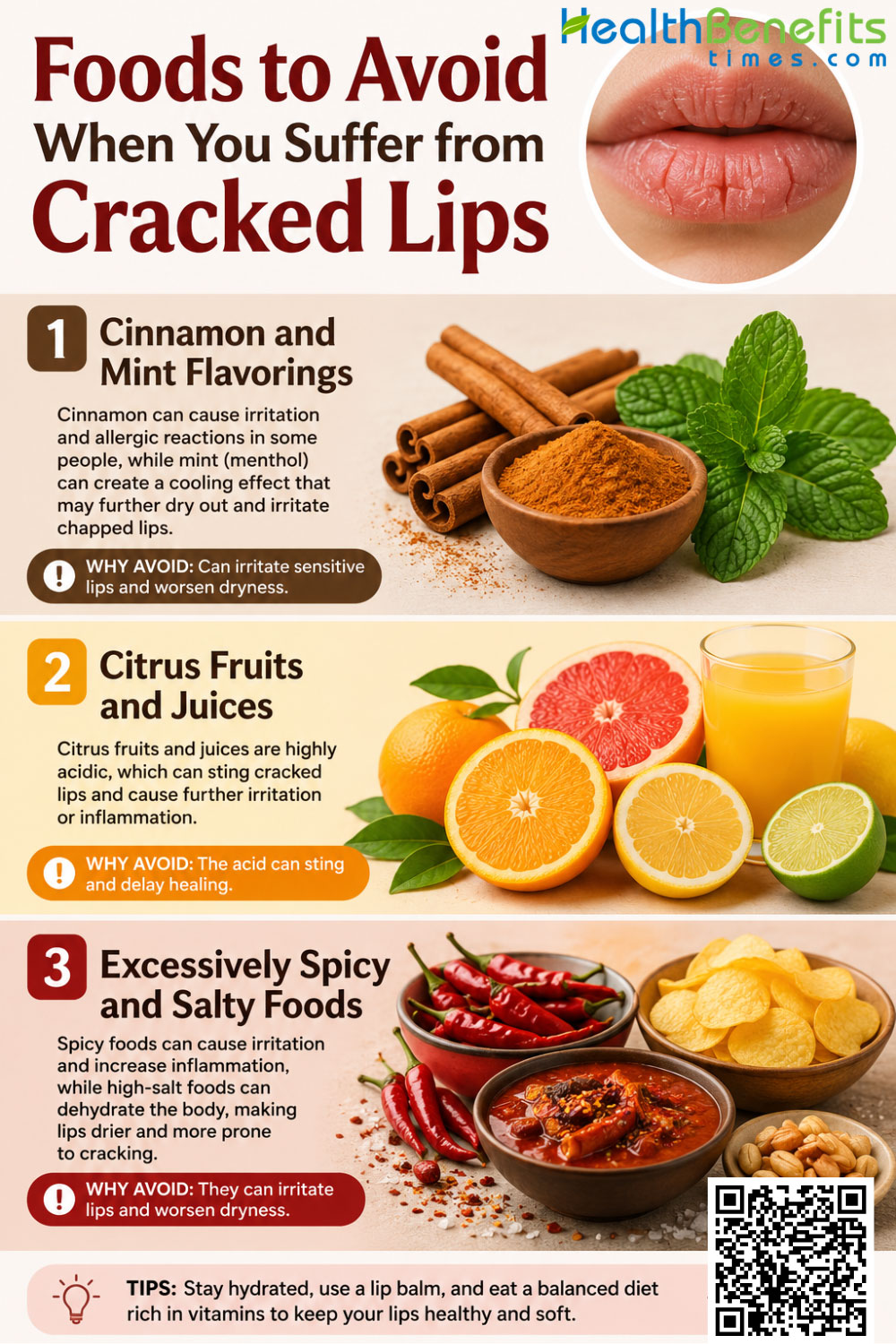
1. Cinnamon and Mint Flavorings
You should meticulously avoid candies, gums, and foods containing cinnamates, menthol, and peppermint essential oils, as these volatile organic compounds are notorious for causing allergic contact cheilitis and triggering severe eczematous dermatitis around the mouth 21.
2. Citrus Fruits and Juices
You must eliminate high-acid items like lemons, limes, oranges, and grapefruits from your diet while healing; the acidic pH acts as a direct chemical irritant, inducing a severe stinging sensation and further eroding the compromised keratin layer of your open fissures.
3. Excessively Spicy and Salty Foods
You should avoid meals heavily coated in capsaicin (chili peppers) or dense sodium concentrations, as these compounds actively draw water out of your already desiccated tissues through osmosis while simultaneously inflaming the exposed nerve endings deep within the cracks.
4. Known Systemic Food Allergens
If you have an underlying history of atopic dermatitis, you must strictly avoid your known systemic triggers (such as egg, dairy, or soy allergies), as internal immune reactions frequently manifest topically as severe exfoliative lip scaling 22.
Activities to Avoid When You Suffer from Cracked Lips
1. Chronic Lip Licking and Picking
You must consciously stop licking your lips. Human saliva is not a hydrating water source; it is a complex digestive fluid containing amylase and maltase enzymes designed to break down starches, which will literally digest your fragile skin cells. Furthermore, you should never pick at the resultant scales, as this mechanical trauma causes microscopic bleeding and drastically increases your risk of bacterial entry 23.
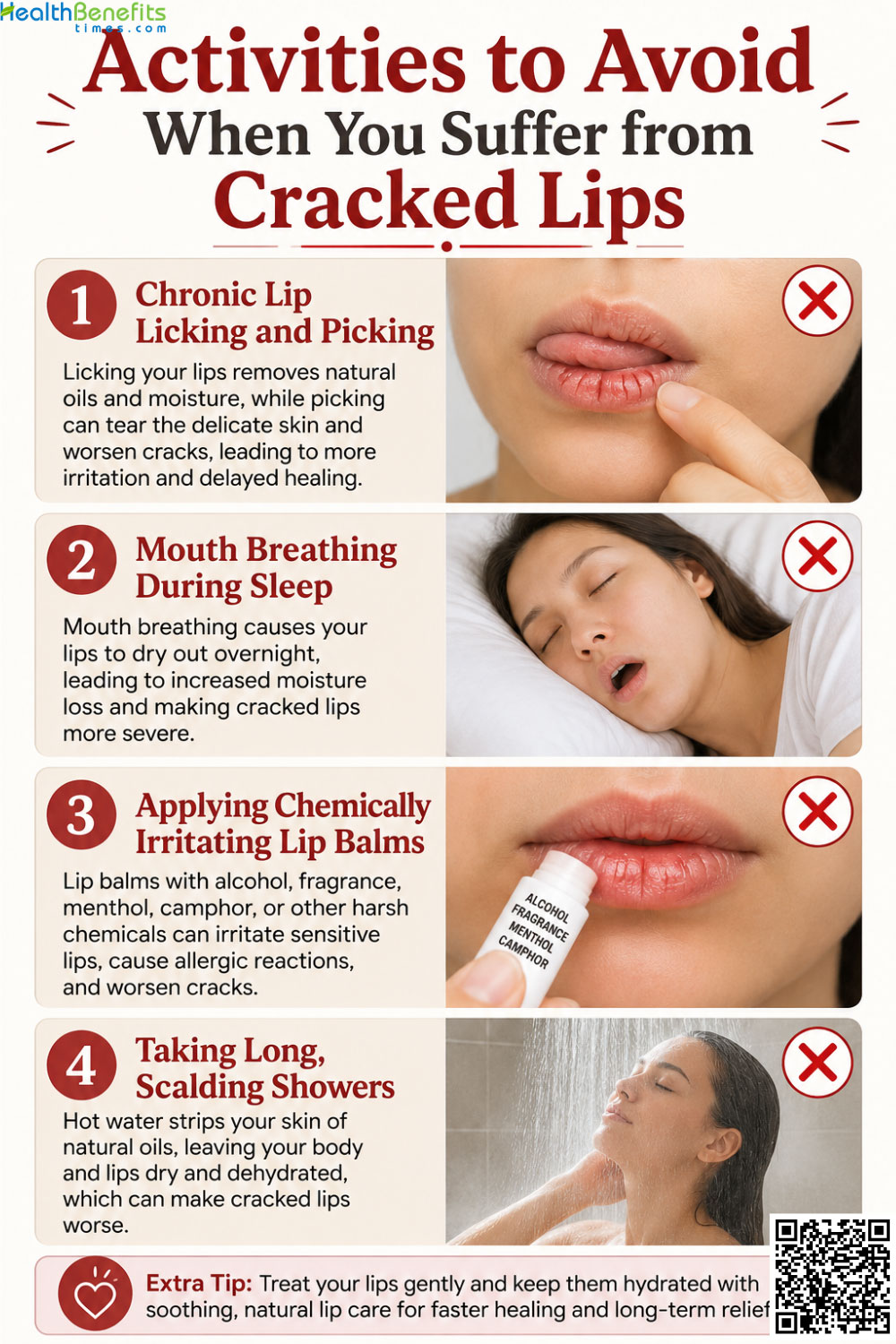
2. Mouth Breathing During Sleep
You should avoid allowing your jaw to hang open during sleep, as this forces unhumidified environmental air across your mucosal surfaces all night, evaporating critical moisture and promoting an incompetent, continuously dry lip seal.
3. Applying Chemically Irritating Lip Balms
You must strictly avoid applying commercial cosmetic products that contain camphor, eucalyptus, artificial fragrance, lanolin, octinoxate, phenol, propyl gallate, or salicylic acid, as these agents aggressively degrade the protective barrier and perpetuate the cycle of dryness.
4. Taking Long, Scalding Showers
You should avoid exposing your face to steaming hot water for prolonged periods; while water feels hydrating in the moment, excessive heat strips the skin of its natural, microscopic lipid layer, actively accelerating transepidermal water loss the moment you step out of the shower.
Myths and Misconceptions
Navigating the overwhelming landscape of skin care advice frequently leads individuals to adopt counterproductive habits that ultimately prolong their suffering. Clarifying these clinical realities is absolutely essential to prevent the accidental worsening of cheilitis.
| Myth | Reality |
| Licking dry, chapped lips provides necessary moisture and hydration. | Saliva evaporates extremely rapidly, pulling intrinsic cellular moisture out of the skin with it. Additionally, the digestive enzymes present in saliva actively break down and damage the delicate lip epidermis. |
| Applying any commercial lip balm will cure severely chapped lips. | Many popular commercial balms contain menthol, camphor, phenol, or artificial fragrances. While these ingredients provide a temporary cooling or tingling sensation, they act as severe chemical irritants that disrupt the barrier and perpetuate the cycle of dryness. |
| Cracked lips are exclusively caused by cold winter weather and wind. | While arid and freezing climates certainly contribute, severe cracking can routinely stem from underlying vitamin B deficiencies, mouth-breathing habits, systemic autoimmune diseases, or localized fungal infections regardless of the current season. |
| Vigorously exfoliating raw, flaky lips speeds up the healing process. | Aggressive physical exfoliation (using scrubs or brushes) or picking at flakes removes living tissue prematurely. This induces microscopic bleeding, creates entry points for bacteria, and severely delays the biological wound-healing cascade. |
Special Considerations
Evaluating different demographic groups highlights unique physiological challenges that significantly alter the prevention, clinical presentation, and overall treatment protocols for cracked lips.
1. Children
The pediatric demographic remains uniquely susceptible to both contact and irritant cheilitis due to high frequencies of prolonged drooling, repetitive thumb-sucking, and constant pacifier use. These common childhood habits create a state of permanent moisture and enzymatic maceration around the perioral area, which inevitably leads to the breakdown of the stratum corneum. Furthermore, young children possessing a genetic predisposition to atopy often present with atopic cheilitis as a primary localized symptom of broader systemic allergies. Clinical management in this specific group heavily relies on establishing physical barriers, such as applying thick layers of pure petroleum jelly or zinc oxide, to safely shield the delicate skin from continuous salivary contact without using complex active ingredients.
2. Pregnancy
Navigating gestation involves profound fluctuations in endocrine hormones alongside drastically increased metabolic demands, placing immense stress on the maternal body’s nutritional reserves. Pregnant individuals frequently experience an accelerated depletion of critical resources like iron, folate, and the broader B-complex vitamins, as these vital micronutrients are rapidly diverted to support fetal development 24. This sudden, sustained nutritional deficit commonly manifests on the skin as angular stomatitis or generalized, painful cheilosis. Addressing these specific deficiencies through clinician-guided prenatal vitamin supplementation serves as a critical component of dermatological management in pregnant populations.
3. Chronic conditions
Patients actively managing chronic systemic illnesses face heavily compounded risks regarding lip health. Individuals diagnosed with Sjögren syndrome suffer from severe hyposialia (a significantly diminished salivary output), which prevents the mouth from naturally lubricating the lips and flushing away microscopic fungal spores; this results in persistent oral candidiasis and secondary cheilitis. Similarly, patients living with poorly controlled diabetes mellitus exhibit elevated salivary glucose levels combined with compromised cellular immune responses, generating a highly favorable environment for Candida albicans proliferation directly at the labial commissures. Immunosuppressed individuals, such as those undergoing intense chemotherapy regimens or managing HIV, face identical opportunistic fungal risks that require aggressive systemic management.
4. Elderly
The geriatric population demands careful clinical observation due to natural, unavoidable structural regressions in the facial architecture. The process of aging inevitably leads to a substantial loss of skin turgor and facial volume, creating deep, persistent mucosal folds (often called marionette lines) at the corners of the mouth. When this sagging is combined with edentulism (significant tooth loss) or the daily use of poorly fitted dentures, the vertical dimension of the patient’s jaw overcloses 25. This mechanical overclosure causes resting saliva to continuously pool and become trapped in the deep folds of the commissures, instigating a chronic, highly resistant form of angular cheilitis. Proper prosthodontic adjustments and rigorous denture hygiene are mandatory, non-negotiable therapeutic interventions to resolve the condition in this age group.
Precaution before use of natural remedies when you have Cracked Lips
Integrating any new botanical compound or natural oil into a healing regimen requires careful consideration, as natural substances possess the potential for potent adverse biological reactions.
- Implement Mandatory Patch Testing: You must understand that “natural” does not universally mean non-allergenic. You should apply a microscopic amount of the natural oil or extract to your inner forearm or behind your ear, waiting a full 24 to 48 hours to observe for delayed-type hypersensitivity reactions (such as erythema, swelling, or vesicular eruptions) before ever applying the substance to your highly sensitive lip mucosa 26.
- Rule Out Underlying Microbial Infections: You need to be cautious with occlusive therapies, such as heavy shea butter or pure coconut oil, because they create a dark, moist, and oxygen-deprived environment on the skin. If your cracked lips are actually a manifestation of an active bacterial (Staphylococcus aureus) or fungal (Candida) infection, tightly sealing the area can trap the pathogens and actively exacerbate the microbial proliferation.
- Identify Botanical Cross-Reactivities: If you have known systemic allergies to bee stings or environmental pollen, you must exercise extreme caution when utilizing raw honey or beeswax products. These natural items frequently contain trace amounts of propolis a highly potent and well-documented contact allergen responsible for triggering severe allergic contact cheilitis 27.
- Verify Product Purity and Extraction Methods: You should strictly prioritize cold-pressed, unrefined, and certified organic formulations. Commercial botanical oils are frequently adulterated with synthetic fragrances, harsh chemical preservatives (such as parabens or tertiary-butyl hydroquinone), or cheap filler oils that act as hidden, highly reactive irritants 28.
When to see Doctor
Recognizing the limitations of home care is vital, as professional medical intervention becomes absolutely necessary when self-guided strategies fail or when your symptoms indicate a more severe systemic or malignant underlying pathology.
- Failure to Heal within an Expected Timeframe: You should promptly consult a board-certified dermatologist if regular, diligent application of thick emollients and barrier creams fails to yield significant tissue repair within a span of two to three weeks, as this indicates the root cause is likely not simple environmental dryness.
- Clear Signs of a Secondary Infection: You must seek medical attention if you observe the appearance of purulent exudate (pus), golden or honey-colored crusting, extreme localized swelling, or a sudden, sharp increase in painful burning; these are cardinal signs of a secondary bacterial or fungal invasion that requires prescription topical or oral antimicrobial agents.
- Presence of Precancerous Indicators: You need immediate medical evaluation if you develop a persistently dry, white, or red scaly plaque on the lower lip that exhibits a rough, sandpaper-like texture and refuses to heal, as this is a primary indicator of actinic cheilitis, a UV-induced precancerous condition that can progress to squamous cell carcinoma.
- Unilateral or Asymmetrical Presentation: You should have a professional evaluate your condition if the severe cracking, swelling, or persistent lesions appear strictly on one side of your mouth without an obvious mechanical cause, as this asymmetry is required to rule out local nerve trauma, localized herpetic viral outbreaks, syphilitic chancres, or isolated malignancies.
- Accompaniment by Severe Systemic Symptoms: You must undergo comprehensive serological testing if your cracked lips are accompanied by chronic fatigue, unexplained weight loss, severe gastrointestinal distress, persistent diarrhea, or generalized skin rashes, as these combinations strongly suggest severe nutritional malabsorption issues, Crohn’s disease, or underlying autoimmune dysfunctions 29