

Stabbing pain is a sudden, sharp, and intense physical sensation that typically occurs when nerve fibers are irritated, compressed, or damaged. Unlike a dull ache that builds gradually, stabbing pain strikes quickly and often feels like a piercing or electric shock-like jolt 1. This symptom is frequently classified as a form of neuropathic pain, which arises from abnormal signals sent by the peripheral or central nervous system to the brain 2. While commonly linked to specific nerve conditions, such as intercostal neuralgia or diabetic neuropathy, stabbing pain can also result from acute musculoskeletal injuries, tissue inflammation, or centralized pain syndromes 3. Because this type of pain indicates heightened nerve sensitivity or active tissue damage, it serves as a critical bodily warning sign. If you experience severe, unexplained, or persistent stabbing pain, you should seek a prompt medical evaluation to identify and properly treat the underlying cause.
Causes of Stabbing Pain
- Trigeminal neuralgia
- Primary stabbing headache (ice pick headache)
- Central pain syndrome
- Peripheral neuropathy (including diabetic neuropathy)
- Intercostal neuralgia
- Postherpetic neuralgia (shingles)
- Sciatica and radiculopathy
- Migraines and cluster headaches
- Pleurisy (pleuritis)
- Pulmonary embolism
- Angina and myocardial infarction
- Aortic dissection
- Peptic ulcer disease
- Appendicitis
- Gallstones (biliary colic)
- Ruptured ovarian cyst
- Muscle strains and severe spasms
- Tabes dorsalis (late neurosyphilis) 4, 5, 6, 7, 3, 8
Symptoms of Stabbing Pain
- Sharp, jabbing, or shooting sensations
- Sudden, paroxysmal bursts of pain
- Transient attacks lasting from fractions of a second to a few minutes
- Electrical shock-like or lightning-like sensations
- Throbbing or dull, aching pain following the initial stab
- Burning, tingling, or scalding sensations
- Allodynia (pain elicited by normally non-painful stimuli, such as a light touch)
- Hyperesthesia (increased sensitivity to sensory stimuli)
- Numbness, hypoesthesia, or sensory disturbances
- Photophobia (sensitivity to light)
- Nausea and vomiting
- Vertigo or dizziness
- Visual disturbances (e.g., blurred vision, halos, blind spots, or transient monocular vision loss)
- Pain radiating to adjacent areas (e.g., neck, face, or arms)
- Involuntary head movements (“jolts”) or vocalizations during severe attacks 6, 9, 10, 11, 12, 13
Natural Remedies for Stabbing Pain
1. Omega-3 Fatty Acids
How it may help
Omega-3 fatty acids, specifically docosahexaenoic acid (DHA) and eicosapentaenoic acid (EPA), exhibit powerful anti-inflammatory, neuroprotective, and anti-oxidative properties 14. They preserve nerve cell membrane integrity by activating specific cellular receptors, which helps downregulate pro-inflammatory pathways and prevents the abnormal nerve signaling responsible for sharp, shooting pain sensations 15.
What research says
Clinical evidence demonstrates that omega-3 supplementation significantly improves painful neuropathic symptoms, including reductions in mechanical allodynia and thermal hyperalgesia 16. Patients suffering from severe nerve injuries and diabetic neuropathy experienced marked reductions in sensory pain scores and showed improved restoration of axonal nerve density following regular high-dose fish oil treatment 17.
How to use it safely
You must consult a healthcare provider before beginning any new supplementation. Clinical protocols for managing neuropathic pain typically utilize oral high-quality fish oil or algae-based extracts ranging from 2,000 to 7,200 milligrams daily 18. Always take these supplements with food to enhance gastrointestinal absorption.
Potential precautions or side effects
High doses of omega-3s may increase bleeding risks, especially for individuals actively taking blood-thinning medications. Mild side effects can occasionally include gastrointestinal discomfort, nausea, or a noticeable fishy aftertaste.
2. Probiotic Therapy
How it may help
Probiotics may alleviate stabbing nerve pain by restoring the balance of gut bacteria and supporting the microbiota-gut-brain axis 19. By reducing oxidative stress and lowering inflammation, these beneficial microbes help protect nerve fibers and calm the hyperactive pain signals sent to the central nervous system 20.
What research says
Recent studies show that probiotic therapy significantly reduces painful symptoms and helps reverse nerve fiber damage in diabetic neuropathy models 21. Specific bacterial strains also promote healing by shifting immune cells toward an anti-inflammatory state, which preserves nerve health and limits chronic pain after nerve injuries 22.
How to use it safely
You should choose well-tested probiotic supplements that clearly identify specific bacterial strains, as product quality directly impacts therapeutic success 23. Follow the manufacturer’s suggested daily dosage carefully, and always consult your healthcare provider to ensure the supplement is appropriate for your specific health needs.
Potential precautions or side effects
While mild temporary digestive upset may occur, severely immunocompromised individuals or patients with central venous catheters face a risk of serious systemic infections and should avoid probiotics completely 24.
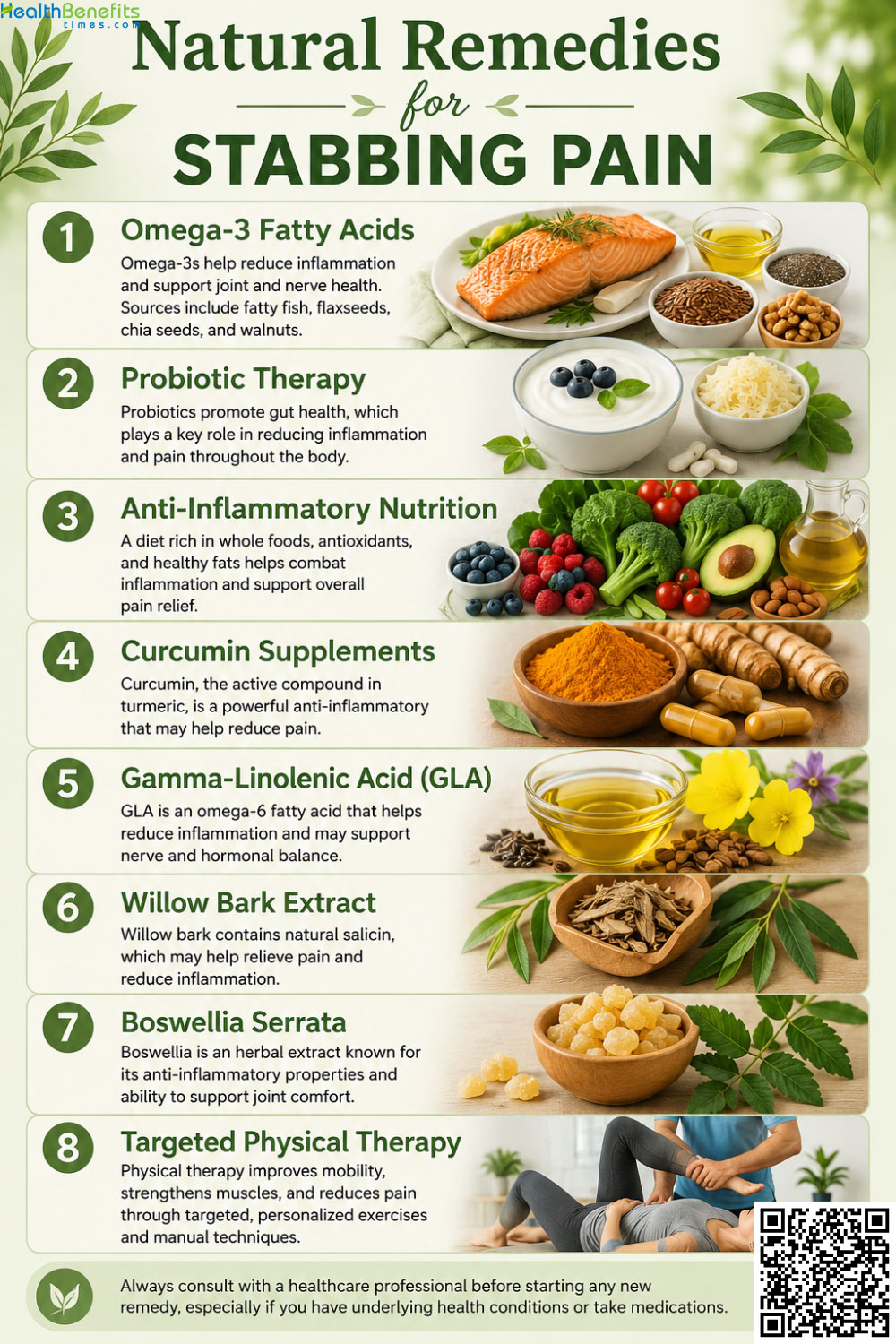
3. Anti-Inflammatory Nutrition
How it may help
Anti-inflammatory nutrition helps control stabbing pain by supplying the body with antioxidants and healthy fats that neutralize harmful free radicals and calm overactive immune responses 25. By reducing systemic inflammation, these nutrients help manage the internal biological environment, potentially decreasing the intensity of pain signals sent through the nervous system 26.
What research says
Clinical research indicates that diets rich in vegetables, fruits, whole grains, and omega-3 fatty acids are associated with a lower inflammatory burden and improved quality of life for individuals experiencing chronic pain 27. Studies have shown that consistent intake of these nutrient-dense foods can reduce the activity of enzymes and cytokines that drive inflammatory pain pathways 28.
How to use it safely
To use this approach safely, focus on a balanced, whole-food diet that prioritizes fresh produce and unsaturated fats while minimizing processed sugars and ultra-processed ingredients 29. Always consult your physician before adding concentrated supplements, such as fish oil or turmeric, to ensure they do not interact with your current medications 30.
Potential precautions or side effects
Use caution with supplements, as high doses may cause digestive upset or interfere with blood-thinning medications 30. Always seek professional medical guidance before starting any new dietary regimen for pain management.
4. Curcumin Supplements
How it may help
Curcumin, the primary active compound found in turmeric, may help manage stabbing pain by blocking inflammatory pathways that trigger nerve and tissue irritation 31. By regulating signaling proteins and reducing oxidative stress, it helps calm the internal body responses that often contribute to intense, localized pain sensations 32.
What research says
Research indicates that curcumin is effective in reducing pain severity and improving physical function in conditions associated with chronic inflammation, such as arthritis 33. Clinical trials suggest that regular supplementation can provide noticeable relief for individuals suffering from persistent joint or inflammatory pain by targeting these underlying biological triggers 34.
How to use it safely
To use curcumin safely, choose high-quality supplements and look for formulations that include piperine or liposomal delivery, as these significantly improve how well your body absorbs the compound 35. Always consult your doctor to determine an appropriate dose, as clinical studies have evaluated a wide range of daily amounts 36.
Potential precautions or side effects
While generally considered safe, high doses of curcumin may cause mild digestive issues like bloating or nausea in some individuals 35. Seek professional medical advice before starting, especially if you take blood-thinning medications 36.
5. Gamma-Linolenic Acid (GLA)
How it may help
Gamma-linolenic acid (GLA) is an essential omega-6 fatty acid that supports nerve health by maintaining the structure and fluidity of cell membranes, which is critical for proper nerve signaling 37. By acting as a precursor to anti-inflammatory compounds, GLA may help reduce nerve-related discomfort and improve the conduction of signals along damaged nerve fibers 38.
What research says
Clinical research suggests that GLA can be beneficial for managing symptoms of nerve damage, such as diabetic peripheral neuropathy, by potentially correcting metabolic imbalances that impair nerve function 39. Randomized trials have shown that GLA treatment can lead to meaningful improvements in pain intensity and sensory symptoms, performing comparably to other established nerve-protective agents 37.
How to use it safely
When using GLA, follow the dosage recommended by your healthcare provider or the product label, as therapeutic amounts can vary based on individual needs 38. Always choose high-quality, standardized supplements, such as evening primrose or borage oil, and consult with a doctor before beginning, especially if you have existing health conditions 37.
Potential precautions or side effects
While generally well-tolerated, potential side effects may include mild gastrointestinal upset, such as nausea or diarrhea. Use caution if you have a seizure disorder or are taking blood-thinning medications 38.
6. Willow Bark Extract
How it may help
Willow bark extract contains salicin, a compound the body converts into salicylic acid, which helps reduce pain and inflammation by inhibiting specific pain-producing enzymes 40.
What research says
Clinical trials indicate that standardized extracts providing 240 mg of salicin daily may effectively reduce discomfort in conditions like low back pain and osteoarthritis 41, 42.
How to use it safely
To use it safely, seek products standardized for salicin content and consult a healthcare provider regarding the appropriate daily dosage, which typically ranges from 120 to 240 mg of salicin 42, 43.
Potential precautions or side effects
Because willow bark can increase bleeding risks and interact with blood thinners or other pain medications, it must be avoided by those with aspirin allergies, children under 16, or individuals with bleeding disorders 41, 43.
7. Boswellia Serrata
How it may help
Boswellia serrata extract, derived from Indian frankincense, may help manage stabbing pain associated with chronic inflammation by inhibiting specific enzymes that trigger inflammatory responses 44. By reducing the production of compounds that promote tissue irritation and swelling, it may help quiet the pathways that cause sharp, sudden discomfort in joints 44, 45.
What research says
Research indicates that standardized Boswellia extracts significantly reduce pain intensity and improve physical function in individuals with conditions like osteoarthritis 46. While studies confirm its effectiveness in reducing chronic joint-related pain and stiffness, evidence for its use in acute, nerve-related stabbing pain remains limited and requires further clinical validation 47, 48.
How to use it safely
To use this supplement safely, you should choose standardized extracts, such as 5-Loxin or ApresFLEX, often taken at daily doses ranging from 100 mg to 1,000 mg 49. Always consult a healthcare provider before beginning treatment, especially if you take other medications, as it may interact with how your liver processes certain drugs 49.
Potential precautions or side effects
Potential side effects include mild stomach discomfort, nausea, diarrhea, or heartburn 49. Use caution if you have an autoimmune condition, as this supplement may overstimulate your immune system 49.
8. Targeted Physical Therapy
How it may help
Targeted physical therapy helps manage stabbing pain by addressing underlying nerve or musculoskeletal dysfunction through structured movement, manual techniques, and postural adjustments 50. These interventions improve blood flow, reduce inflammatory processes, and release natural pain-relieving chemicals called endorphins 51.
What research says
Research indicates that multimodal exercise programs—combining aerobic, strengthening, and flexibility activities—significantly reduce pain intensity and improve physical function in various chronic pain conditions 52. Evidence also supports the use of manual therapy to promote neural mobilization and muscle relaxation, which can decrease pain interference in daily activities 53.
How to use it safely
To use physical therapy safely, you should consult a licensed professional to develop an individualized plan tailored to your specific diagnosis and tolerance levels 54. Always start with slow, supervised progression to avoid overexertion 52.
Potential precautions or side effects
Potential precautions include temporary muscle soreness or fatigue; consult your therapist if you experience increased pain or unusual symptoms, as adjustments may be necessary to ensure the routine remains safe and effective 55.
Foods to Avoid When You Suffer from Stabbing Abdominal Pain
If you are experiencing sharp, stabbing abdominal pain, certain dietary choices may exacerbate symptoms by increasing gas production, irritating the gut lining, or stimulating acid reflux. Consider limiting these categories:
1. High-FODMAP Foods
Items such as wheat, onions, garlic, and specific fruits (e.g., apples, pears) contain fermentable carbohydrates that can cause significant bloating, gas, and pain in sensitive individuals. 56 57
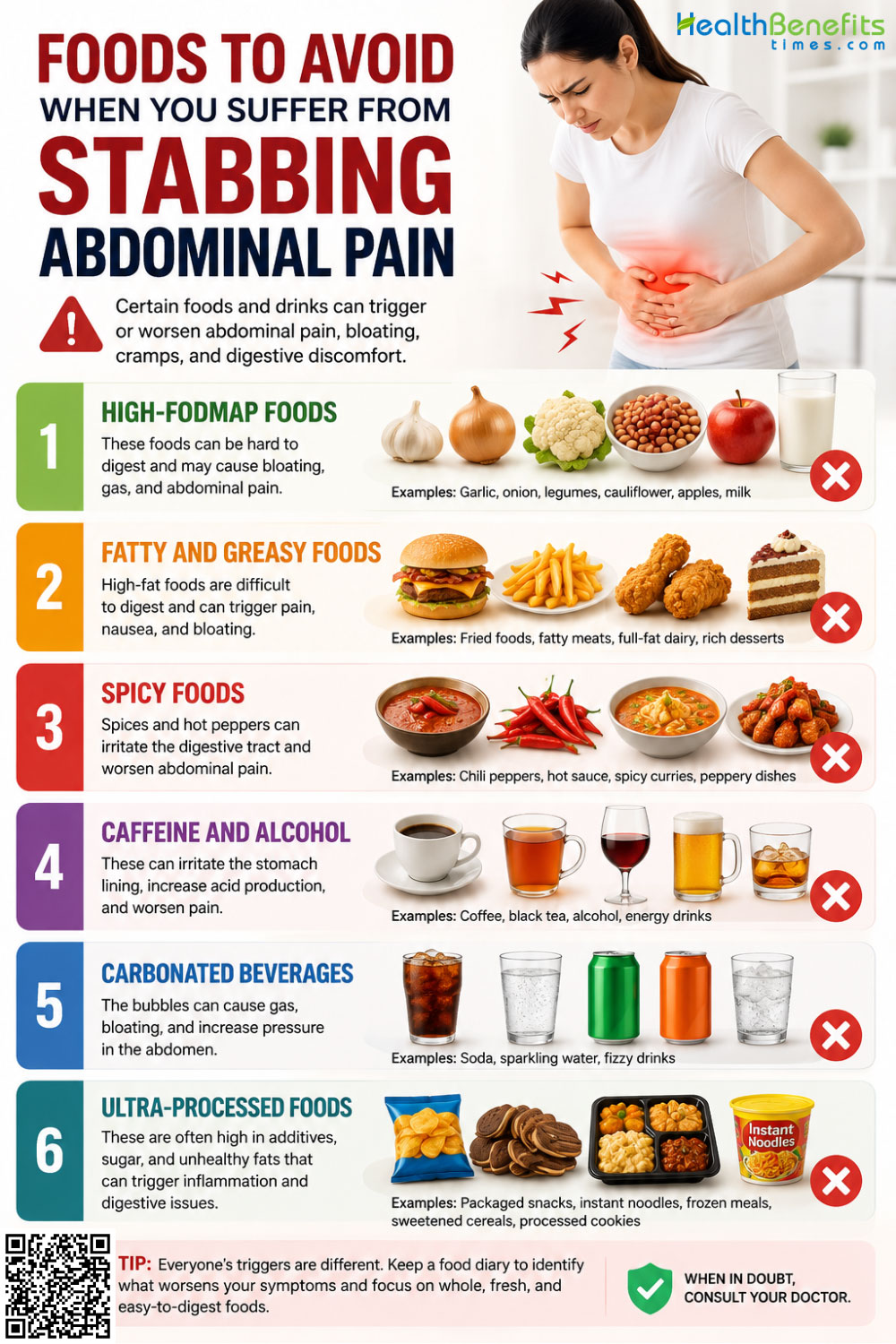
2. Fatty and Greasy Foods
High-fat meals can slow stomach emptying and trigger symptoms of gastroesophageal reflux or gallbladder-related discomfort, often leading to sharp, localized pain. 58, 59
3. Spicy Foods
Ingredients containing capsaicin, such as chili peppers, can irritate the esophageal and intestinal linings, potentially worsening inflammation and the sensation of stabbing pain or heartburn. 58, 57
4. Caffeine and Alcohol
Both substances can irritate the gastrointestinal tract, alter gut motility, and increase stomach acid production, which may aggravate underlying functional bowel disorders. 60, 58
5. Carbonated Beverages
Fizzy drinks introduce extra gas into the digestive system. For those with visceral hypersensitivity, this gas causes intestinal distension and sharp, stabbing abdominal discomfort. 60, 56
6. Ultra-Processed Foods
Foods high in refined sugars and additives can disrupt the gut microbiome and potentially increase intestinal permeability, contributing to chronic inflammation and digestive distress. 61, 62
When To See a Doctor for Stabbing Pain
If you experience sudden, sharp, or stabbing pain, it is essential to monitor for associated “red flag” symptoms that may indicate a serious medical emergency.
1. Chest Pain and Breathing Difficulties
Seek emergency care if you experience intense, stabbing chest pain that worsens with inhalation, especially if accompanied by shortness of breath, dizziness, or fainting, which may indicate pulmonary embolism or heart conditions. 63 64
2. Sudden Neurological Changes
Stabbing pain accompanied by new numbness, weakness, tingling in your limbs, or sudden loss of bladder or bowel control requires immediate medical evaluation, as these may signal spinal cord compression or injury. 65 66
3. Severe Abdominal or Pelvic Pain
Consult a doctor immediately if sharp abdominal pain is accompanied by fever, vomiting, rigid or distended abdomen, or bloody stools, as these may suggest surgical emergencies like appendicitis or organ perforation. 67
4. Pain Following Trauma or Infection
Stabbing pain that occurs after a physical injury, or when associated with systemic symptoms like a high fever, chills, or unexplained rapid weight loss, warrants prompt professional investigation. 65 66
5. Recurring or Persistent Severe Pain
If your stabbing pain is chronic, increasing in frequency, or does not improve with conservative measures, schedule an appointment to rule out underlying structural problems, tumors, or progressive nerve conditions. 68 69