


Bronchitis is defined as an inflammation of the bronchial tubes, which are the primary airways that carry air to and from your lungs. This condition typically manifests as either acute or chronic. Acute bronchitis is commonly caused by viruses—the same types responsible for colds and the flu—resulting in a temporary inflammation that triggers a persistent cough and mucus production. In contrast, chronic bronchitis is a more serious, long-term condition often linked to smoking or prolonged exposure to air pollutants, characterized by ongoing airway irritation that significantly impacts lung function. While acute cases usually resolve on their own without lasting damage, chronic bronchitis requires ongoing medical management to mitigate persistent respiratory symptoms and prevent further decline in pulmonary health 1 2.
Causes of Bronchitis
1. Viral Infections
The majority of acute bronchitis cases stem from the same viruses that cause the common cold and influenza. These pathogens directly infect the lining of the bronchial tubes, triggering localized inflammation and increased mucus production as the immune system responds to the infection.
2. Bacterial Infections
While less common than viral causes, certain bacteria can lead to bronchitis. These infections may occur as primary events or as secondary complications following a viral respiratory illness, sometimes requiring professional medical evaluation for appropriate management.
3. Irritants and Environmental Factors
Chronic bronchitis is frequently caused by long-term exposure to substances that irritate and damage the airways. The most significant factor is cigarette smoke, whether inhaled directly or through secondhand exposure. Additionally, prolonged contact with air pollution, chemical fumes, dust, or other toxic vapors can cause persistent inflammation and permanent damage to the lung tissues over time 3.
Symptoms of Bronchitis
1. Persistent Cough
The hallmark symptom of bronchitis is a lingering cough, which serves as the body’s mechanism to expel excess mucus from the inflamed airways. This cough may remain for several weeks even after other signs of infection have subsided.
2. Mucus Production
Individuals often experience the production of mucus, which may be clear, white, yellow, or greenish in color. The presence of colored mucus indicates the immune system’s activity at the site of inflammation rather than necessarily confirming a bacterial infection.
3. Respiratory Discomfort
Inflammation of the bronchial tubes frequently leads to chest tightness, soreness, or a dull ache behind the breastbone, particularly when coughing. Some individuals may also experience wheezing or a whistling sound while breathing, caused by narrowed air passages.
4. Systemic Symptoms
It is common to experience mild fatigue, a low-grade fever, or slight body aches, particularly during the early stages of acute bronchitis. These systemic signs reflect the body’s general inflammatory response to an underlying respiratory infection.
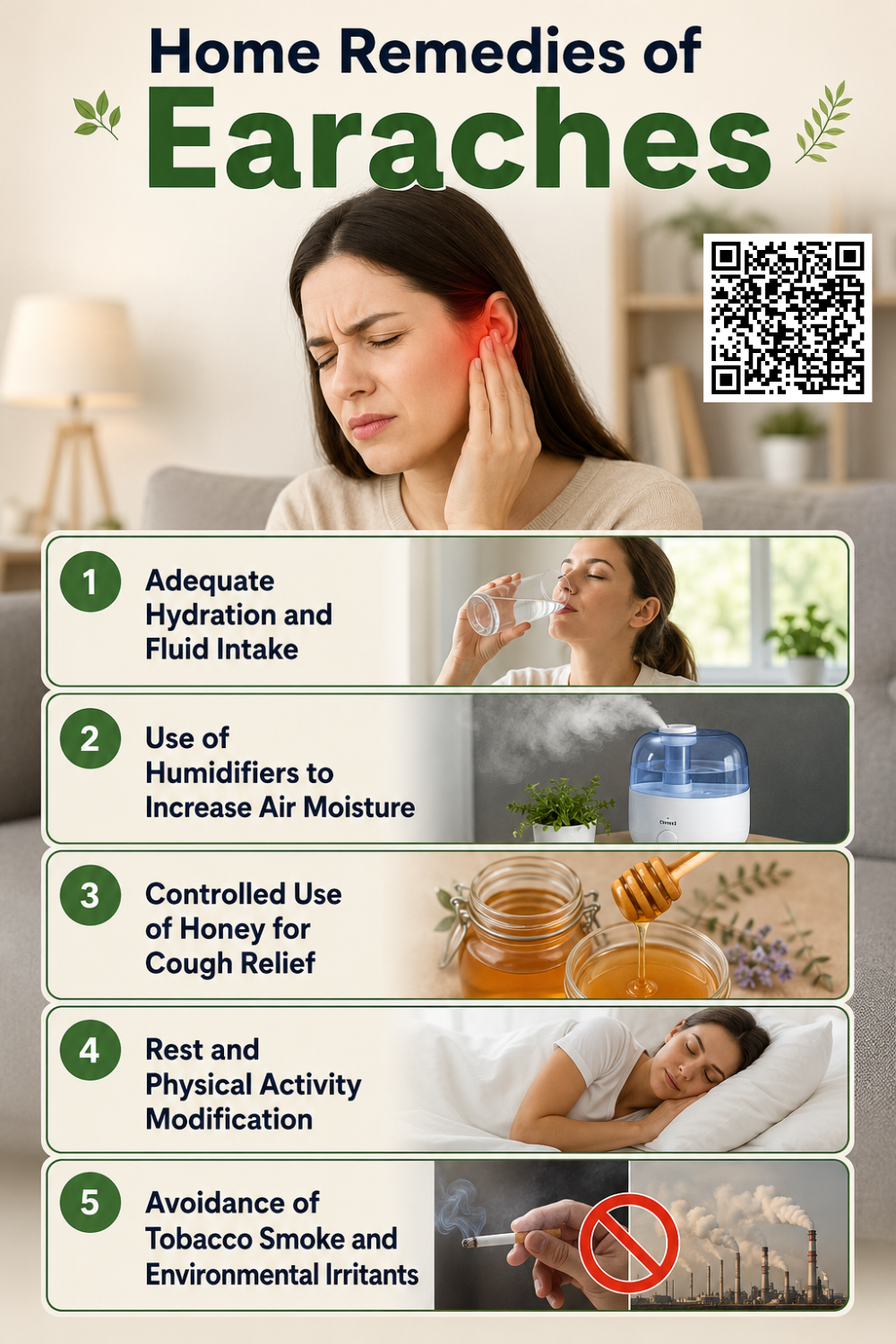 Natural Remedies for Bronchitis
1. Adequate Hydration and Fluid Intake
How it may help
Increasing fluid intake helps thin mucus in the bronchial tubes, making it significantly easier to cough up and expel from the airways. This process helps clear obstructed passages, which improves airflow and reduces the respiratory discomfort often associated with bronchial inflammation.
What research says
Clinical guidance suggests that consistent hydration supports the body’s natural ability to clear secretions. Maintaining optimal fluid levels is recognized as a fundamental component in managing respiratory symptoms and supporting overall recovery during bouts of acute bronchitis.
How to use it safely
Drink plenty of water, clear broth, or warm caffeine-free herbal teas throughout the day. Consuming warm liquids may provide additional soothing effects for an irritated throat. Aim to drink enough fluids so that your urine remains light yellow, indicating proper hydration levels.
Potential precautions or side effects
Individuals with heart failure or kidney disease must consult a healthcare professional before increasing fluid intake, as excessive amounts may lead to harmful fluid retention in the body.
2. Use of Humidifiers to Increase Air Moisture
How it may help
Increasing the humidity in your environment helps soothe irritated, dry airways. Moist air thins mucus, making it less sticky and easier to clear from your bronchial tubes. This can reduce the frequency and intensity of coughing fits, providing relief from the chest congestion and respiratory irritation commonly associated with bronchitis.
What research says
Evidence indicates that maintaining adequate indoor humidity levels supports the protective mucous membranes of the respiratory tract. Research suggests that keeping the air moist can alleviate symptoms of respiratory distress and improve comfort for those suffering from airway inflammation 4.
How to use it safely
Use a cool-mist humidifier in your room to avoid the risk of accidental burns. Always follow the manufacturer’s instructions to clean the device daily; this prevents the growth of mold and bacteria, which could be released into the air and worsen your respiratory symptoms.
Potential precautions or side effects
Always ensure the water reservoir is kept clean. High humidity can promote the growth of dust mites and mold, which may trigger allergic reactions in sensitive individuals.
3. Controlled Use of Honey for Cough Relief
How it may help
Honey acts as a demulcent, coating the throat to provide a soothing effect that can temporarily calm the irritation causing a cough. Its viscous consistency helps suppress the urge to cough, providing physical relief for individuals suffering from the persistent airway irritation associated with bronchitis 5.
What research says
Clinical evidence indicates that honey is effective in reducing the frequency and severity of coughs, particularly in acute respiratory conditions. Studies suggest that it can serve as a beneficial option for symptom management, often outperforming many common over-the-counter cough suppressants in providing relief for nighttime coughs and promoting better sleep quality.
How to use it help
Take one to two teaspoons of honey directly, or stir it into warm water or caffeine-free tea. You may use this as needed to soothe your throat, but do not exceed recommended amounts to avoid excessive sugar intake.
Potential precautions or side effects
Never give honey to infants under one year old due to the risk of infant botulism. Diabetics should use caution, as honey can impact blood sugar levels.
4. Rest and Physical Activity Modification
How it may help
Rest allows the immune system to concentrate its resources on fighting the underlying infection. By limiting physical exertion, the body can better manage the metabolic demands of illness, which helps reduce systemic fatigue and promotes a more efficient recovery process for the inflamed bronchial tissues.
What research says
Clinical consensus highlights that rest is essential during the acute phase of respiratory illness. Research suggests that avoiding strenuous activity prevents the unnecessary escalation of respiratory rate and oxygen demand, which helps stabilize lung function while the body clears the infection and begins tissue repair.
How to use it safely
Prioritize sleep and allow your body to rest when you feel fatigued. Gradually ease back into light daily activities only after your fever has subsided and your symptoms begin to improve. Listen to your body and avoid pushing through pain or significant shortness of breath.
Potential precautions or side effects
Avoid strenuous exercise, as overexertion can prolong recovery time. Seek medical guidance if you experience sudden dizziness or significant difficulty breathing during your period of recovery.
5. Avoidance of Tobacco Smoke and Environmental Irritants
How it may help
Avoiding smoke and pollutants prevents further damage to the delicate lining of your airways. These irritants trigger inflammation and paralyze the tiny hairs responsible for clearing mucus, which worsens congestion. By removing these triggers, you allow your bronchial tubes to heal without constant irritation, significantly reducing the frequency and severity of your cough.
What research says
Extensive clinical evidence confirms that smoking is the primary cause of chronic airway damage and significantly delays recovery from acute respiratory infections. Research shows that eliminating exposure to tobacco smoke and chemical fumes is the most effective way to improve lung function and prevent the progression of long-term respiratory issues 6.
How to use it safely
Strictly avoid cigarette smoke, secondhand vapor, and areas with high air pollution or strong chemical odors. If you are currently a smoker, seek professional support for smoking cessation programs to protect your long-term lung health and ensure a faster recovery from current symptoms.
Potential precautions or side effects
Immediate cessation of exposure is necessary for healing. Continued contact may lead to permanent airway scarring and chronic obstructive lung conditions. Consult a doctor if respiratory distress persists.
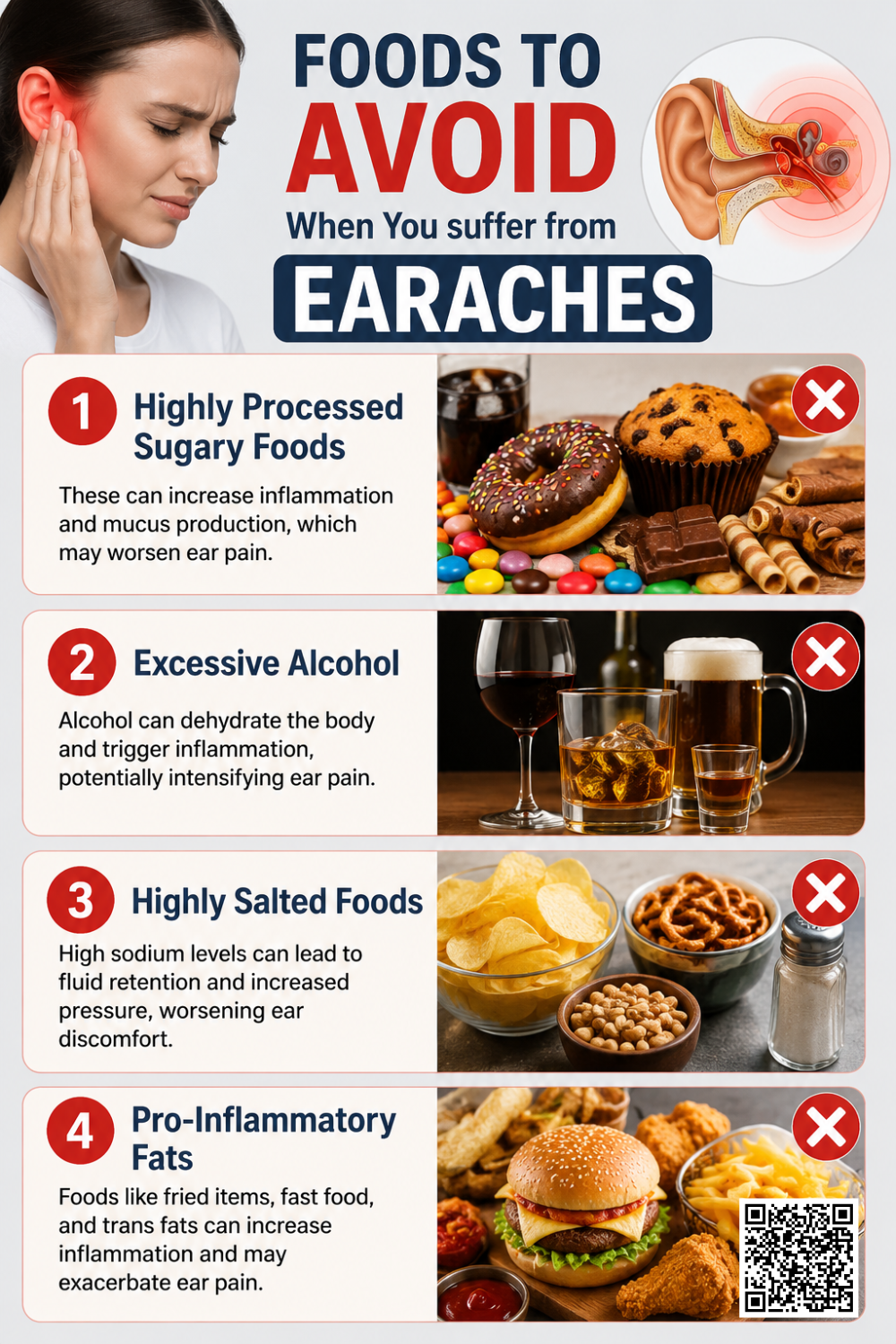 Foods to Avoid When You Suffer From Bronchitis
1. Highly Processed Sugary Foods
Excessive sugar consumption may promote systemic inflammation. Reducing refined sugars can support your immune system’s ability to combat respiratory infections and aid overall healing processes 7.
2. Excessive Alcohol
Alcohol can dehydrate the body and weaken immune responses. It also interferes with essential medications, potentially slowing recovery and increasing the risk of respiratory complications.
3. Highly Salted Foods
High sodium intake can contribute to fluid retention and elevated blood pressure. Maintaining a balanced diet with moderate salt supports better respiratory function and overall cardiovascular health.
4. Pro-Inflammatory Fats
Consuming excessive trans fats or heavy saturated fats may intensify inflammation. Focusing on anti-inflammatory nutrients helps reduce irritation within the bronchial tubes during an active infection {%.
When to See a Doctor When You Suffer From Bronchitis
1. Prolonged Coughing
Consult a physician if your cough persists for longer than three weeks, as this may indicate an underlying condition or a secondary infection requiring medical intervention.
2. High or Persistent Fever
Seek medical evaluation if you experience a fever exceeding 100.4°F (38°C) that lasts for more than three days, as this can signal a more severe infection.
3. Breathing Difficulties
You must seek immediate care if you experience significant shortness of breath, wheezing, or chest pain, as these symptoms can indicate reduced oxygen intake or serious respiratory complications.
4. Coughing Up Blood
Any instances of blood or blood-tinged mucus when coughing should be evaluated immediately by a healthcare professional to rule out more serious lung conditions or injuries.
5. Underlying Health Conditions
If you have chronic heart or lung disease, such as asthma or heart failure, contact your doctor early, as bronchitis can rapidly worsen your existing health status.