

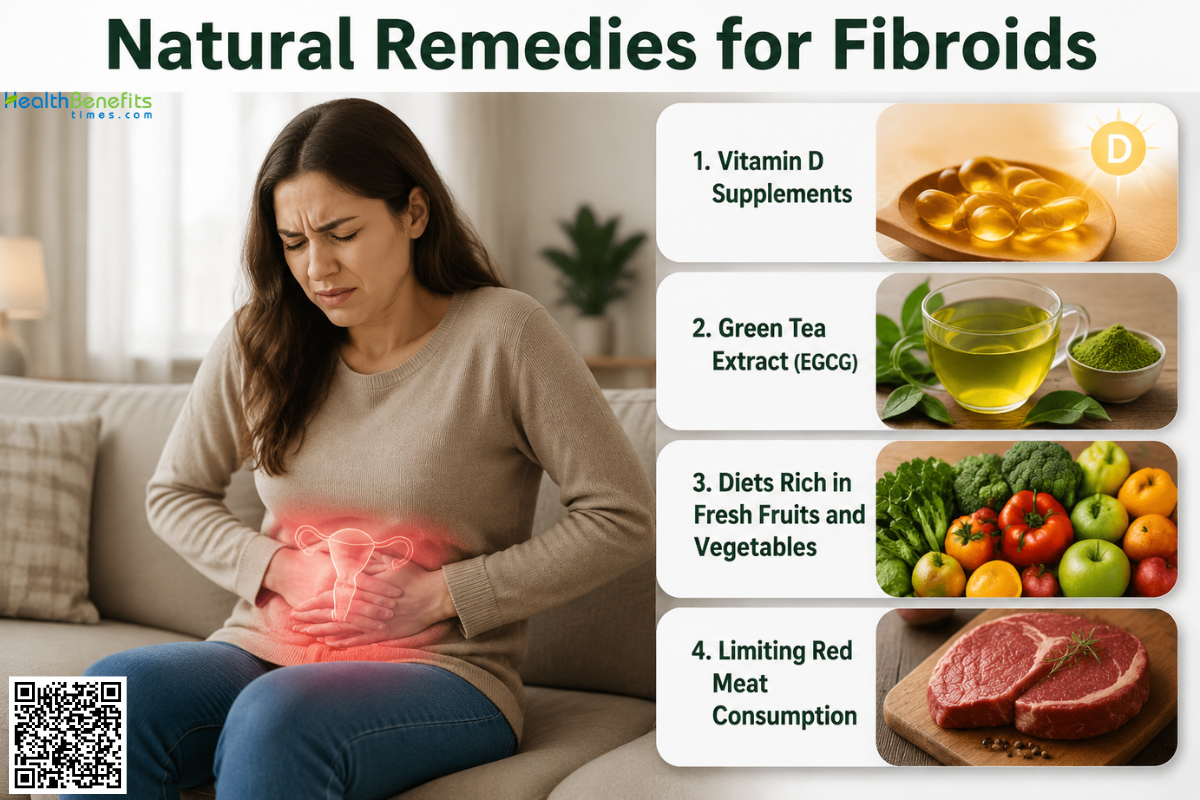
Uterine fibroids, also known as leiomyomas, are common, non-cancerous tumors that develop from the smooth muscle tissue of the uterus. These growths are highly prevalent, affecting up to 70% to 80% of women by the time they reach menopause 1. While many individuals remain completely asymptomatic, approximately 25% to 30% develop clinical complications that require medical intervention 2. When symptoms occur, they most frequently manifest as heavy or prolonged menstrual bleeding often severe enough to cause anemia alongside chronic pelvic pressure, back pain, and bladder dysfunction. Although the exact initiating cause of these tumors remains unidentified, clinical research confirms their growth is heavily dependent on circulating reproductive hormones, specifically estrogen and progesterone. Because fibroids vary drastically in size, quantity, and location within the uterine wall, their physical impact ranges from completely unnoticeable to severe enough to impair fertility and complicate pregnancies 3.
Causes of Fibroids
1. Genetic Mutations
The formation of a fibroid begins with spontaneous genetic changes within a single smooth muscle stem cell in the uterus 4. The most common genetic anomaly is a mutation in the MED12 gene, which is present in roughly 70% of all fibroid tumors and directly disrupts normal cell regulation and replication 2.
2. Hormonal Stimulation
The reproductive hormones estrogen and progesterone are the primary biological drivers required for fibroid growth 5. Fibroid tissues contain significantly higher concentrations of estrogen and progesterone receptors than normal uterine muscle, making these tumors highly sensitive to natural hormonal fluctuations during a woman’s reproductive years 2.
3. Excessive Structural Tissue
Fibroids are physically characterized by an overproduction of the extracellular matrix, which is a biological mesh made of proteins like collagen that holds cells together 1. This abnormal accumulation of binding tissue is responsible for creating the dense, hard bulk of the tumor 5.
4. Systemic Inflammation and Nutrient Deficiencies
Chronic inflammation and severe Vitamin D deficiency can increase the likelihood of genetic instability within the uterus 6. This inflamed biological environment promotes cellular damage, enabling normal uterine cells to transform and multiply into benign tumors 1.
5. Cellular Reprogramming
The cellular origin of these tumors is also linked to early-life environmental factors, such as exposure to endocrine-disrupting chemicals 1. These exposures can permanently alter the baseline behavior of normal uterine stem cells, predisposing them to abnormal growth and tumor formation later in life 1.
Symptoms of Fibroids
1. Heavy and Prolonged Menstrual Bleeding
Excessive blood loss is the most frequently reported clinical symptom. Fibroids can distort the inner lining of the uterus and hinder normal muscle contractions, causing menstrual periods to last longer than a week and heavily increasing blood volume, which often leads to clinical anemia 2.
2. Pelvic Pressure and Pain
As tumors grow, they significantly increase the mass and physical volume of the uterus. This expansion creates a persistent, heavy sensation, fullness, or a dull, continuous ache throughout the lower abdomen and pelvic region 2.
3. Bladder and Urinary Issues
The physical bulk of a fibroid can compress surrounding pelvic organs. When a tumor presses forward against the bladder, it reduces bladder capacity, resulting in a frequent urge to urinate, waking up multiple times at night to urinate, or difficulty completely emptying the bladder 2.
4. Bowel Dysfunction and Constipation
Similar to bladder compression, fibroids that grow on the lower or back portion of the uterus can press directly against the rectum. This physical obstruction interferes with normal bowel movements and causes chronic constipation 2.
5. Lower Back and Leg Pain
Exceptionally large fibroids can compress the major nerve pathways located deep within the pelvic cavity. When these tumors press against the spinal nerves, the pain radiates outward, causing severe discomfort in the lower back or traveling down the backs of the legs 2.
6. Pain During Intercourse
Depending on the specific location of the tumors, particularly those growing near the cervix or deep in the pelvic cavity, physical pressure during sexual intercourse can trigger severe discomfort or sharp, localized pain 7.
7. Reproductive Complications
Tumors that alter the shape of the uterine cavity can block the fallopian tubes or prevent a fertilized egg from successfully attaching to the uterine wall. This structural interference is linked to difficulties in becoming pregnant, as well as an increased risk of miscarriages and premature labor 3.
Natural Remedies for Fibroids
1. Vitamin D Supplements
How it may help
Vitamin D acts as a strong biological anti-tumor agent within the uterus. It directly restricts the rapid division of uterine muscle cells and prevents the overproduction of the dense, structural tissue that creates the tumor’s bulk 8. This process restricts the physical growth of current tumors and helps prevent new ones.
What research says
Clinical studies confirm that severe Vitamin D deficiency is a major risk factor for uterine fibroid development 9. Furthermore, therapeutic trials demonstrate that restoring normal Vitamin D levels through routine oral supplementation can significantly shrink the size of existing tumors, offering an effective, non-surgical management option 10.
How to use it safely
First, you should request a blood test from your doctor to measure your baseline 25-hydroxyvitamin D levels. Always take the exact daily dosage prescribed by your healthcare provider. Because it is fat-soluble, you must consume your supplement with a meal containing dietary fats to ensure proper absorption 11.
Potential precautions or side effects
Taking excessive unmonitored doses causes Vitamin D toxicity, leading to dangerously high blood calcium. This severe condition can trigger kidney damage, persistent vomiting, severe dehydration, and dangerous heart abnormalities 12.
2. Green Tea Extract (EGCG)
How it may help
EGCG is a powerful antioxidant compound found in green tea. It starves uterine fibroids by blocking the formation of new blood vessels needed to feed the tumors 13. Furthermore, it forces abnormal fibroid cells to naturally self-destruct, which halts the tumor’s physical expansion and reduces overall tissue bulk.
What research says
Clinical trials confirm that daily supplementation with EGCG significantly shrinks the total size of uterine fibroids over several months 13. Additionally, patients taking green tea extract experience dramatic improvements in their clinical symptoms, reporting a substantial reduction in severe pelvic pain and heavy menstrual bleeding 13.
How to use it safely
You should consult your doctor before starting green tea extract supplements to establish the correct therapeutic dosage. Always take EGCG capsules with solid food rather than on an empty stomach to safely maximize absorption and significantly reduce the risk of organ stress 14.
Potential precautions or side effects
Concentrated green tea extract can trigger acute liver damage if misused 14. Additional common side effects include stomach upset, rapid heartbeat, and harmful interactions with certain prescription medications.
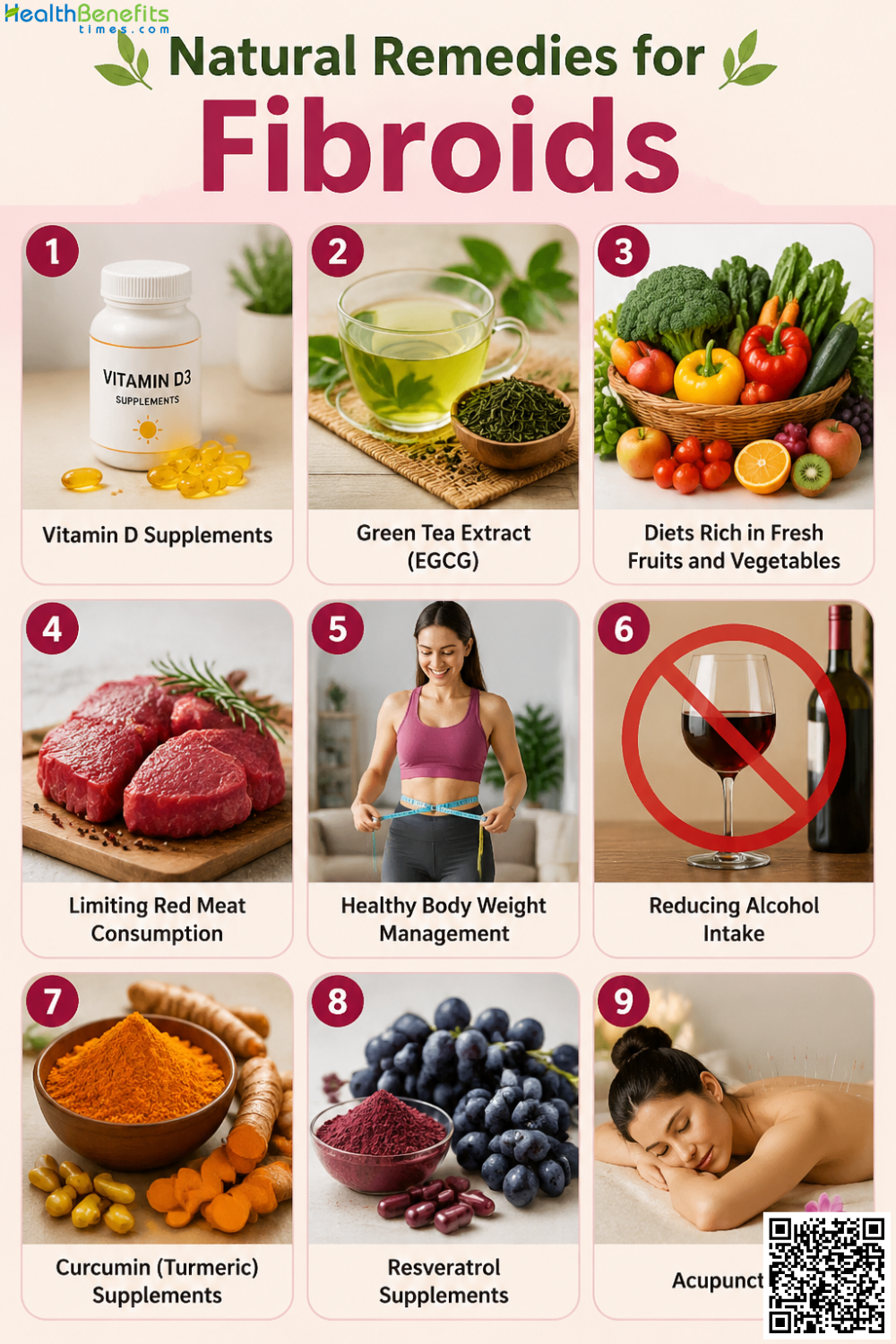
3. Diets Rich in Fresh Fruits and Vegetables
How it may help
Fresh fruits and vegetables are densely packed with essential dietary fiber, antioxidants, and phytochemicals. These biological compounds work synergistically to reduce chronic systemic inflammation and help the body efficiently metabolize excess estrogen 15. By lowering circulating estrogen levels, this dietary approach prevents uterine muscle cells from multiplying and forming dense tumors.
What research says
Large-scale prospective cohort studies reveal a strong inverse correlation between high fruit and vegetable consumption and uterine fibroid development 16. Clinical observations confirm that women who consume higher daily servings of apples, citrus fruits, and cruciferous vegetables experience a significantly lower incidence of symptomatic tumors compared to those with nutrient-poor diets 15.
How to use it safely
Incorporate a diverse variety of fresh, whole produce into your daily meals to secure a broad spectrum of nutrients. Always wash your fruits and vegetables thoroughly under running water before consumption to effectively remove harmful agricultural pesticides and microbial contaminants 16.
Potential precautions or side effects
Consuming unwashed produce with high pesticide residues can disrupt hormones and potentially worsen fibroid growth 16. Additionally, rapidly increasing dietary fiber may cause temporary abdominal bloating or gas.
4. Limiting Red Meat Consumption
How it may help
Red meat contains elevated levels of saturated fats and environmental pollutants that promote systemic inflammation. Consuming high amounts significantly increases circulating estrogen levels within the body 17. Because uterine fibroids rely on excessive estrogen to grow, limiting these inflammatory dietary triggers starves the tumors of their primary hormonal fuel source 16.
What research says
Epidemiological research consistently identifies a strong positive correlation between high red meat intake and the formation of uterine tumors. Clinical studies conclude that women who consume beef and other red meats daily have a substantially higher risk of developing symptomatic fibroids compared to those consuming plant-based diets 16.
How to use it safely
You should gradually replace red meat with lean protein alternatives, such as poultry, fish, beans, and lentils. When you do consume beef or pork, limit your portions to a few times monthly and choose lean, unprocessed cuts to minimize your chemical and hormonal exposure 17.
Potential precautions or side effects
Eliminating red meat can cause severe iron and vitamin B12 deficiencies. You must monitor your iron levels carefully, especially if you already experience heavy menstrual bleeding from existing fibroids 18.
5. Healthy Body Weight Management
How it may help
Excess body fat actively produces high amounts of estrogen through a biological conversion process 2. Because uterine fibroids depend on estrogen to expand, reducing overall body fat directly lowers circulating hormone levels, which removes the primary fuel source for tumor growth and reduces systemic inflammation 17.
What research says
Clinical studies consistently confirm a strong link between clinical obesity and uterine tumor development. Research concludes that women with a high body mass index (BMI) face a significantly greater risk of developing larger, more numerous, and highly symptomatic fibroids compared to those maintaining a normal body weight 2.
How to use it safely
You should achieve a healthy weight through gradual, sustainable habits like regular physical exercise and balanced nutrition. Consult your doctor to create a safe weight management plan that effectively targets fat reduction without depriving your body of essential energy and vital daily nutrients 19.
Potential precautions or side effects
You must avoid severe crash diets. Rapid, unmonitored weight loss causes dangerous nutritional deficiencies, severe fatigue, and sudden hormonal disruptions that can temporarily worsen irregular menstrual bleeding 19.
6. Reducing Alcohol Intake
How it may help
Alcohol forces the liver to prioritize detoxification, which impairs its ability to effectively break down and remove excess estrogen from the bloodstream 17. Because uterine fibroids rely on estrogen to expand, reducing alcohol directly lowers circulating hormone levels and starves the tumors of their biological fuel 16.
What research says
Epidemiological studies confirm a strong positive link between routine alcohol consumption and uterine tumor development 17. Clinical observations conclude that women who consume alcohol daily, particularly beer, face a significantly higher risk of developing symptomatic fibroids compared to those who completely abstain from drinking 17.
How to use it safely
You should gradually reduce your alcohol consumption by replacing alcoholic beverages with water or herbal teas. If you choose to drink, strictly limit your intake to no more than one standard drink per day to minimize liver stress and hormonal disruption 20.
Potential precautions or side effects
If you consume alcohol heavily, abruptly stopping can trigger severe and potentially dangerous withdrawal symptoms. You must seek direct medical supervision to safely manage physical dependence 21.
7. Curcumin (Turmeric) Supplements
How it may help
Curcumin, the active chemical compound in turmeric, possesses potent anti-inflammatory properties. It targets specific biological pathways to halt the rapid multiplication of abnormal uterine muscle cells 22. Furthermore, curcumin forces these cells to naturally self-destruct and prevents the overproduction of the dense structural tissue that creates the tumor’s bulk.
What research says
Preclinical studies demonstrate that curcumin significantly inhibits the active proliferation of uterine fibroid cells and reduces overall tumor volume 22. Research confirms it acts as an effective cellular regulator, decreasing critical inflammatory markers and directly suppressing the abnormal accumulation of the biological matrix responsible for physical fibroid expansion 23.
How to use it safely
You should consult your doctor to determine a safe therapeutic dosage. Because natural curcumin has very low biological absorption, you must take it alongside black pepper extract or choose a liposomal formulation to ensure the active compound successfully enters your bloodstream 24.
Potential precautions or side effects
Taking excessive curcumin doses causes stomach upset and nausea. You must exercise caution if using prescription blood thinners, as concentrated turmeric supplements significantly increase your risk of clinical bleeding 25.
8. Resveratrol Supplements
How it may help
Resveratrol is a powerful plant-based antioxidant that possesses significant anti-tumor properties. It targets uterine fibroids by actively suppressing cell multiplication and preventing the buildup of dense structural tissue that creates the tumor’s bulk. Additionally, it forces abnormal fibroid cells into a natural process of self-destruction 26.
What research says
Laboratory studies demonstrate that resveratrol significantly suppresses uterine tumor growth and decreases overall physical mass 26. Furthermore, clinical research confirms that it aggressively reduces the biological production of collagen and fibronectin, the exact structural proteins responsible for making fibroid tissue exceptionally hard and resistant 23.
How to use it safely
You must consult your doctor before starting resveratrol to establish a safe therapeutic dose. Because the body struggles to absorb it efficiently, choose high-quality formulations and take your capsules exactly as directed. Regular medical monitoring is necessary to evaluate your clinical response over time 23.
Potential precautions or side effects
High doses can trigger mild side effects like nausea and diarrhea. Because it alters blood clotting, you must strictly avoid it if taking prescription blood thinners 27.
9. Acupuncture
How it may help
Acupuncture stimulates the nervous system and regulates local blood circulation within the pelvic cavity 28. By activating specific neural pathways, it significantly reduces localized inflammation and helps balance reproductive hormones, which indirectly restricts abnormal cell growth and manages the severe menstrual pain associated with the tumors.
What research says
Recent clinical meta-analyses demonstrate that acupuncture, particularly electroacupuncture, effectively reduces the physical volume of uterine fibroids and lowers overall symptom severity scores 29. Studies confirm it significantly decreases heavy menstrual bleeding, relieves chronic pelvic pain, and substantially improves daily quality of life without invasive surgery 30.
How to use it safely
You must seek treatment only from a licensed, board-certified acupuncturist with experience in clinical gynecological conditions. Because it requires consistent biological stimulation to maintain clinical benefits, you should commit to a regular schedule of multiple weekly sessions as prescribed by your practitioner 31.
Potential precautions or side effects
Minor side effects include slight bruising or temporary soreness at the insertion sites. You must avoid acupuncture if you have a severe bleeding disorder or an active skin infection.
Foods to Avoid When You Suffer from Fibroids
1. Red Meat
Frequent consumption of beef, pork, or lamb increases systemic inflammation and circulating estrogen levels, which directly promotes the rapid growth of uterine fibroid tumors 16.
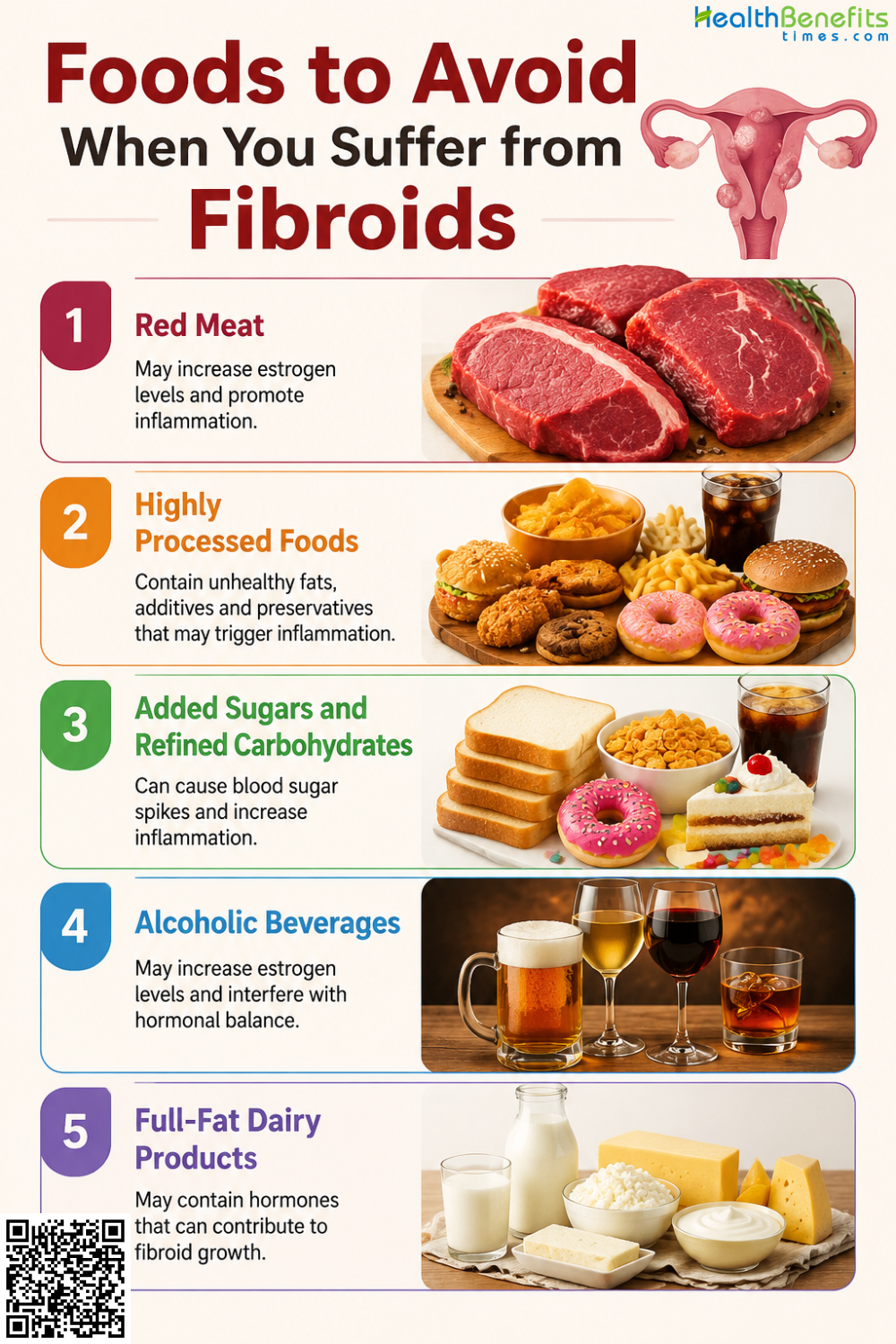
2. Highly Processed Foods
These items often contain high amounts of unhealthy fats and synthetic additives that induce chronic inflammation and hormonal imbalances, both of which worsen fibroid-related symptoms 17.
3. Added Sugars and Refined Carbohydrates
High-glycemic foods cause rapid insulin spikes, which increase local growth factors and hormone activity, potentially accelerating the development of uterine muscle cell tumors 17.
4. Alcoholic Beverages
Regular alcohol intake impairs the liver’s ability to clear excess estrogen from your bloodstream, leading to higher hormone concentrations that fuel existing fibroid expansion 17.
5. Full-Fat Dairy Products
Certain dairy products may contain elevated levels of hormones and inflammatory compounds that have been linked to an increased risk of developing symptomatic uterine fibroids 16.
When to See a Doctor When You Suffer from Fibroids
1. Severe or Prolonged Bleeding
Seek immediate care if you experience heavy menstrual bleeding that requires changing pads or tampons every hour, or if periods consistently last longer than seven days 2.
2. Chronic Pelvic Pain
Consult a physician if you develop persistent, sharp, or dull pain in your lower abdomen or pelvic region that does not resolve with standard over-the-counter medication 2.
3. Signs of Anemia
Visit your doctor if you experience symptoms of low red blood cells, such as extreme fatigue, pale skin, shortness of breath, or persistent dizziness during your period 2.
4. Urinary or Bowel Obstruction
Schedule an evaluation if you face a frequent urge to urinate, difficulty fully emptying your bladder, or chronic constipation caused by physical pressure from pelvic growths 2.
5. Infertility Concerns
If you are trying to conceive and have been unable to do so after one year, consult a specialist to determine if fibroids are obstructing your reproductive tract 3.