

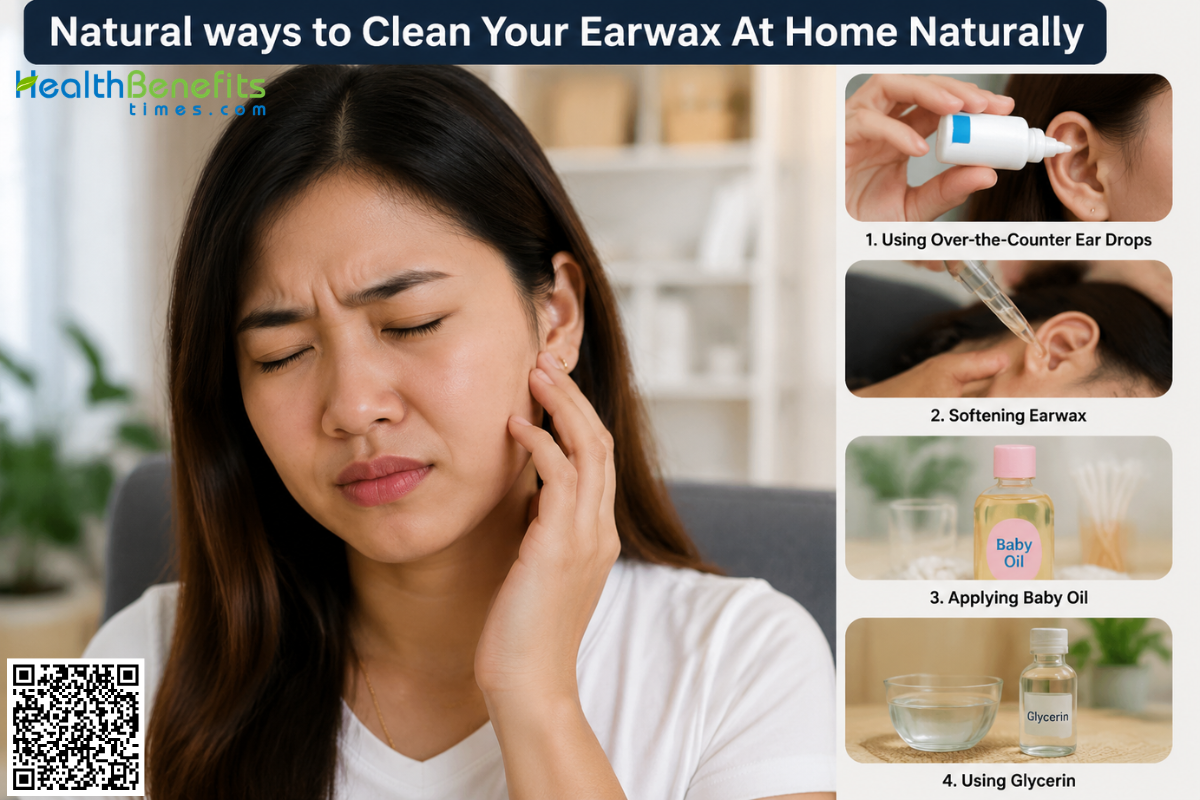
Earwax, medically known as cerumen, is a natural, protective substance produced by specialized glands located in the outer portion of the ear canal. It is composed of a complex mixture of dead skin cells, fatty acids, cholesterol, and secretions that serve essential physiological functions. Primarily, earwax acts as a self-cleaning agent, trapping dust, debris, and microorganisms to prevent them from reaching and damaging the delicate eardrum. Furthermore, its acidic properties and specific protein content provide a chemical barrier that inhibits the growth of certain bacteria and fungi, effectively maintaining the health of the ear canal environment. Under normal circumstances, the ear utilizes a natural conveyor-belt mechanism to migrate old wax outward, where it dries and falls away. Attempting to manually remove this substance often disrupts this healthy process and risks damaging the internal structure of the ear. 1, 2
Causes of Earwax Deposition
1. Mechanical Obstruction
The insertion of foreign objects, such as cotton-tipped swabs, bobby pins, or keys, into the ear canal often forces cerumen deeper into the narrow sections of the canal. This action reverses the natural outward migration path and leads to the formation of dense, impacted plugs. 1
2. Excessive Production
Some individuals possess glands that naturally produce a greater volume of earwax than others. When the rate of production exceeds the ear’s inherent self-cleaning capacity, the wax accumulates faster than it can be expelled. 2
3. Device Interference
Frequent use of hearing aids, earbuds, or earplugs can act as a physical barrier. These items may prevent the natural outward movement of wax and stimulate increased production through constant contact with the canal walls.
4. Structural Impediments
Variations in the anatomy of the ear canal, such as narrowing or excessive hair growth, can obstruct the pathway for normal wax transit. These physical bottlenecks prevent debris from reaching the outer ear, resulting in gradual deposition.
Symptoms of Earwax Deposition
- Hearing Loss: A common indication of significant wax accumulation is a gradual or sudden decrease in hearing sensitivity, often described by individuals as a muffled sensation or a feeling that the ear is plugged. 1
- Aural Fullness: Many individuals report a persistent, uncomfortable sensation of pressure or “fullness” within the ear canal, resulting from the physical presence of impacted material against the canal walls and the eardrum. 2
- Otalgia: Earwax impaction can cause localized pain or discomfort, known as otalgia. This occurs when hardened wax exerts pressure on the sensitive skin lining the ear canal.
- Tinnitus: The presence of an obstruction can lead to the perception of ringing, buzzing, or clicking noises within the affected ear.
- Dizziness: In some cases, severe impaction can place pressure on the ear structures involved in balance, potentially leading to sensations of vertigo or unsteadiness. 1
Natural Ways to Clean Earwax at Home
1. Using Over-the-Counter Ear Drops
How it may help
Over-the-counter ear drops function as softening agents that break down the chemical structure of impacted earwax. This process loosens the buildup, allowing the wax to move naturally toward the outer ear for easier removal 3.
What research says
Clinical evidence confirms that using these specialized drops is a safe and effective initial treatment for managing uncomplicated wax impaction. Studies suggest that these preparations significantly improve symptoms of blockage and reduce the necessity for manual removal by a physician 3.
How to use it safely
To use these drops safely, lie on your side with the affected ear facing upward. Administer the recommended number of drops, then remain in that position for several minutes to ensure the solution fully saturates the wax. Do not insert cotton swabs or other objects into the ear canal.
Potential precautions or side effects
Do not use these drops if you have a history of a ruptured eardrum, ear surgery, or current ear drainage, as this may lead to serious complications or infection 3.
2. Softening Earwax
How it may help
Applying softening agents helps break down the rigid, dry consistency of impacted earwax. By moisturizing the buildup, these substances allow the wax to loosen its grip on the ear canal walls, facilitating its gradual migration toward the outer ear where it can be removed safely.
What research says
Clinical research indicates that using softening agents, such as mineral or baby oil, is an effective and evidence-based method to prepare wax for removal. Studies show these substances successfully reduce wax density, which helps alleviate symptoms of obstruction and minimizes the need for mechanical intervention by medical professionals 3.
How to use it safely
To use these oils safely, tilt your head and gently place a few drops into the ear canal. Remain in this position for several minutes to allow the oil to penetrate the wax. Afterward, use a clean cloth to wipe away any excess liquid that drains from the outer ear.
Potential precautions or side effects
Avoid these methods if you have a perforated eardrum or ear tubes, as introducing fluids can cause irritation or middle ear infections. Stop use immediately if you experience sharp pain.
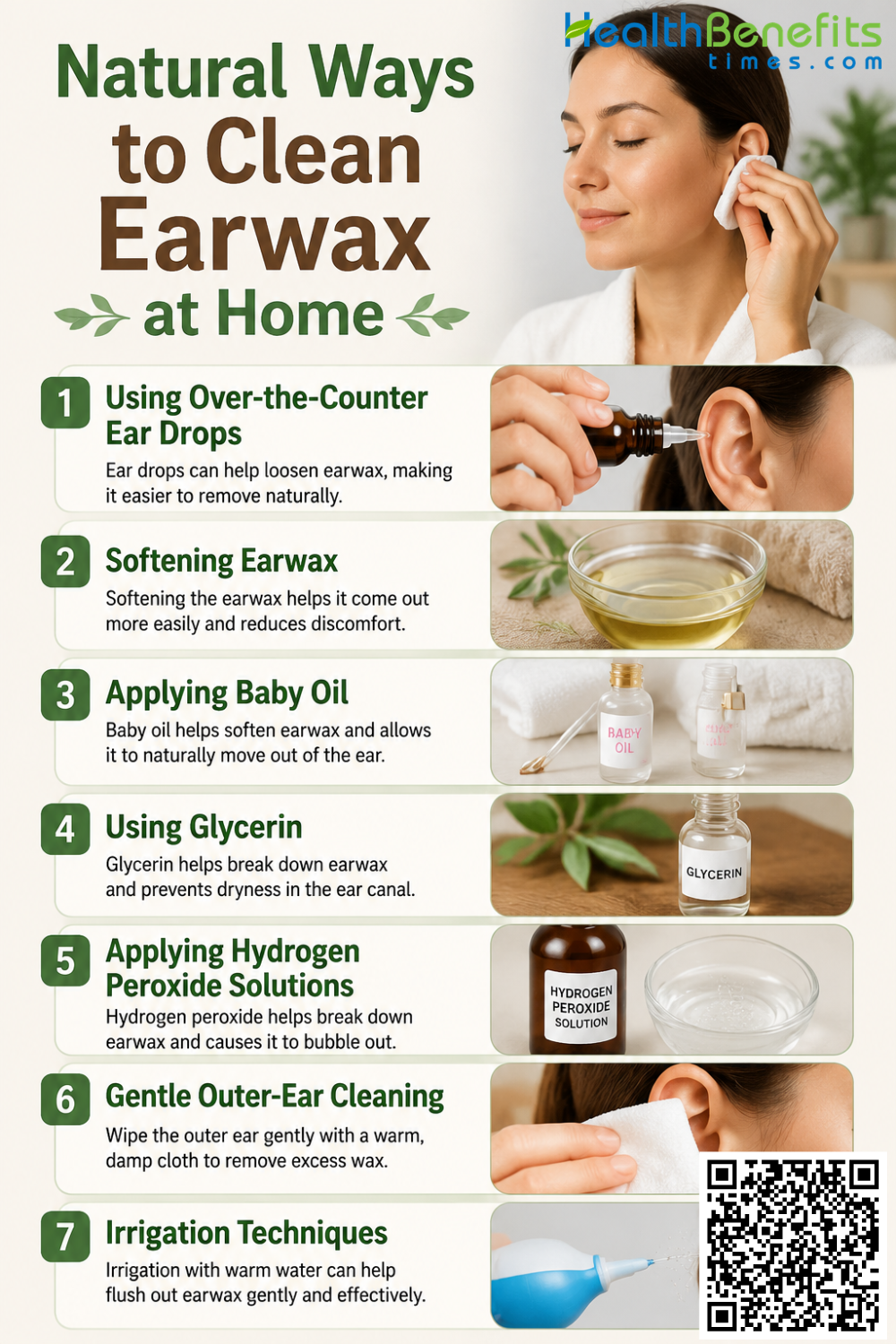
3. Applying Baby Oil
How it may help
Applying baby oil serves as an effective lubricant that softens dry, hardened earwax. By adding moisture to the impacted wax, the oil reduces its adherence to the ear canal walls. This process naturally encourages the wax to dislodge and migrate outward without requiring mechanical force.
What research says
Clinical guidelines classify baby oil, which is essentially formulated mineral oil, as a safe softening agent. Studies confirm that using oil-based softeners effectively reduces wax impaction and improves blockage symptoms. Research indicates these natural lubricants perform comparably to commercial preparations in facilitating safe earwax clearance 3.
How to use it safely
To use it safely, warm the baby oil slightly in your hands. Tilt your head and use a clean dropper to place two to three drops into the ear canal. Remain resting on your side for five minutes, then gently wipe away any excess oil.
Potential precautions or side effects
Never use baby oil if you have ear tubes, active drainage, or suspect a ruptured eardrum, as introducing fluids can cause severe middle ear infections or permanent damage 4.
4. Using Glycerin
How it may help
Glycerin acts as an effective cerumenolytic, a substance that softens compacted earwax. By drawing moisture into the hardened wax, glycerin disrupts its solid structure, making it looser. This softening process enables the ear’s natural self-cleaning mechanism to expel excess wax easily, or optimally prepares the ear for gentle water irrigation 5.
What research says
Clinical evidence indicates that glycerin, often used alongside carbamide peroxide, successfully degrades impacted cerumen. Studies demonstrate that glycerin-based drops significantly accelerate wax softening and disintegration compared to no treatment. This reduces the time required for subsequent earwax removal while maintaining a high safety profile without causing tissue damage 6.
How to use it safely
To safely use glycerin, tilt your head sideways and apply a few drops into the ear canal. Allow a day or two for the wax to fully soften. Then, gently flush the ear with warm water using a rubber-bulb syringe, and carefully dry the outer ear 7.
Potential precautions or side effects
Never use glycerin if you have a ruptured eardrum, fluid drainage, or an active ear infection. Improper rinsing may push softened wax deeper, potentially worsening the blockage 8.
5. Applying Hydrogen Peroxide Solutions
How it may help
Hydrogen peroxide acts as a cerumenolytic agent that releases oxygen bubbles upon contact with earwax. This gentle bubbling action chemically softens and physically breaks apart hardened wax blockages, lifting debris away from the ear canal walls so it can naturally drain or be easily flushed out 9.
What research says
Clinical trials indicate that solutions containing hydrogen peroxide effectively break down impacted earwax. However, research concludes that hydrogen peroxide is not significantly more effective than plain sterile water or saline drops; all of these liquids successfully improve wax clearance rates compared to using no treatment at all 10.
How to use it safely
Tilt your head sideways and place a few drops of a 3% hydrogen peroxide solution into the affected ear. Let it bubble for three to five minutes. Next, tilt your head back to drain, then gently rinse the ear with warm water 7.
Potential precautions or side effects
Avoid hydrogen peroxide if you have ear tubes, a ruptured eardrum, or an active infection. Overuse can cause skin irritation, dryness, and inflammation inside the delicate ear canal 9.
6. Gentle Outer-Ear Cleaning
How it may help
The ear possesses a natural self-cleaning mechanism where normal jaw movements migrate earwax from the inner canal to the outer opening. Wiping the external ear collects this expelled wax and debris, maintaining hygiene without interfering with delicate internal structures or pushing wax deeper inside 9.
What research says
Clinical guidelines strongly emphasize that ear canals do not require active internal cleaning. Medical consensus concludes that routine hygiene should be strictly limited to wiping the external ear, as inserting objects disrupts the natural wax expulsion process and is a leading cause of wax impaction 11.
How to use it safely
To safely clean your outer ear, drape a soft washcloth moistened with warm water over your index finger. Gently wipe only the visible, external folds of the ear and the outer opening to remove visible wax. Never insert the cloth inside the ear canal 12.
Potential precautions or side effects
Strictly avoid inserting cotton swabs, fingers, or pins into the ear canal. This practice forces wax deeper, causes physical trauma, and significantly increases the risk of a ruptured eardrum 11.
7. Irrigation Techniques
How it may help
Ear irrigation uses a gentle stream of warm water to manually flush out earwax. This mechanical action dislodges softened wax from the ear canal walls and washes it out, effectively clearing stubborn blockages that the ear cannot naturally expel on its own 9.
What research says
Clinical guidelines support ear irrigation as a highly effective treatment for symptomatic wax impaction. Medical consensus concludes that irrigation is significantly more successful when preceded by cerumenolytic softening drops, which increases the overall clearance rate and reduces the need for manual clinical extraction 11.
How to use it safely
First, soften the wax with drops for a few days. Fill a rubber-bulb syringe with body-temperature water. Tilt your head, gently pull your outer ear upward and backward to straighten the canal, and squirt the water lightly against the canal wall 12.
Potential precautions or side effects
Never use irrigation if you have ear tubes, a ruptured eardrum, or an active infection. Forceful flushing or using cold water can cause severe dizziness, pain, or eardrum damage 9.
Foods to Avoid When You suffer from Earwax deposition
Medical evidence indicates that earwax (cerumen) impaction is primarily driven by genetics, ear canal anatomy, age, and the insertion of foreign objects like cotton swabs, rather than dietary habits. Current clinical guidelines from authoritative medical institutions confirm that no specific foods directly cause or worsen earwax deposition. Consequently, there are no established dietary restrictions for preventing wax buildup. However, managing systemic health and maintaining normal chewing mechanics remain clinically relevant, as these factors influence the ear canal’s local environment and its self-cleaning ability during an impaction 9.
1. Excessively Sugary Foods (for Diabetics)
Poor blood sugar management in diabetes mellitus alters cerumen pH, which significantly increases susceptibility to severe bacterial infections when earwax becomes impacted 9.

2. Strict Liquid Diets
Natural earwax expulsion relies heavily on jaw movement; strictly avoiding solid, chewable foods may impede the mechanical self-cleaning process of the ear canal 9.
3. Dairy Products (Unsubstantiated)
Despite anecdotal internet claims that dairy thickens earwax, no authoritative research or clinical protocol supports avoiding dairy to treat or prevent cerumen impaction.
4. Gluten (Unsubstantiated)
Alternative health sources frequently suggest avoiding gluten to reduce earwax, but peer-reviewed clinical guidelines demonstrate absolutely no correlation between dietary gluten and earwax deposition.
When to See a Doctor When You Suffer from Earwax Deposition
While home management is often sufficient for mild earwax buildup, certain clinical presentations require professional medical evaluation to prevent permanent structural damage. Physicians utilize specialized diagnostic instruments to differentiate between simple wax impaction and severe underlying conditions, such as a middle ear infection or a ruptured eardrum 11. You should immediately seek professional medical care if home remedies fail or if specific clinical warning signs emerge.
1. Severe Ear Pain
Sudden or intense ear pain indicates potential inflammation, active infection, or eardrum rupture, requiring immediate clinical assessment rather than continued home cleaning attempts 13.
2. Fluid Drainage
Any discharge—especially clear fluid, pus, or blood—suggests a perforated eardrum or an active middle ear infection, strictly prohibiting all at-home earwax removal methods 11.
3. Sudden Hearing Loss
While wax causes gradual muffling, sudden or profound hearing loss requires immediate clinical evaluation to rule out nerve damage or severe impaction requiring specialized extraction 13.
4. Dizziness or Vertigo
Experiencing a spinning sensation or loss of balance can occur if compacted wax presses against the eardrum, which disrupts the inner ear and requires professional intervention 11.
5. Persistent Tinnitus
Continuous ringing, buzzing, or roaring noises caused by hardened wax pressing against delicate ear structures must be evaluated clinically to prevent long-term auditory damage 13.