

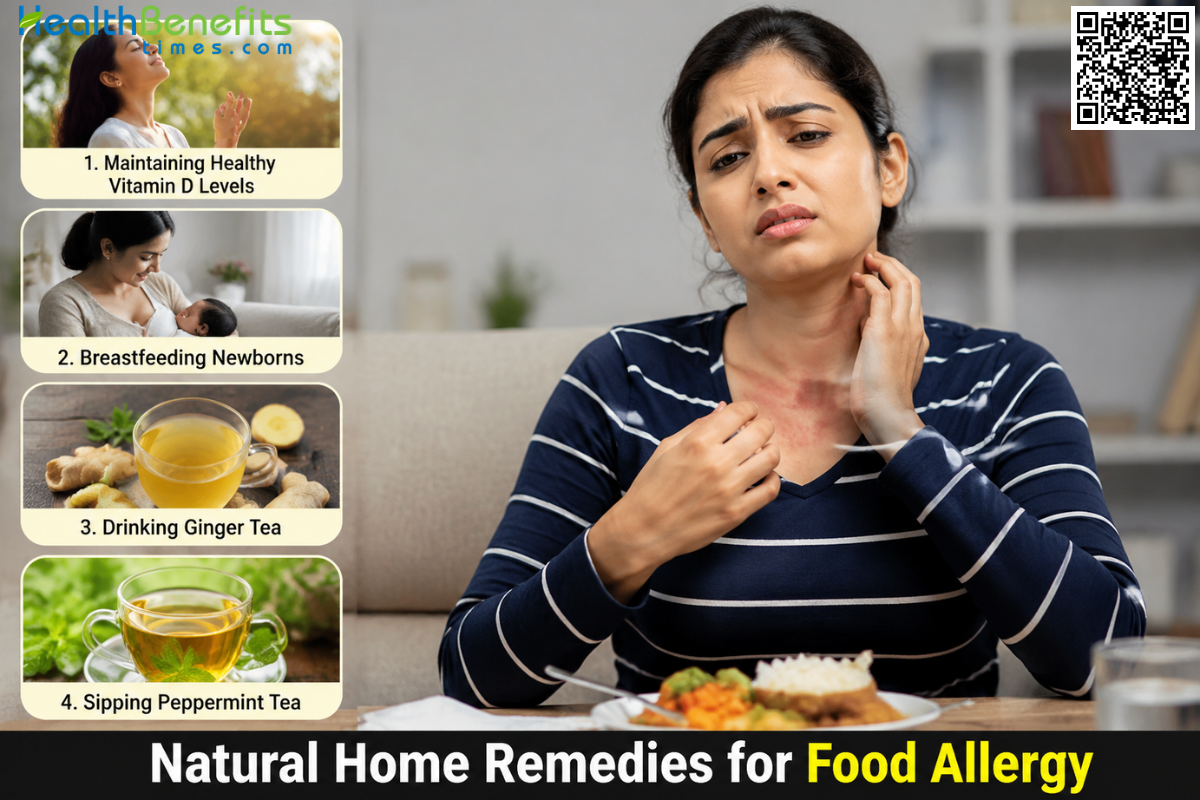
A food allergy occurs when the body’s immune system mistakenly identifies a specific protein in a food as a harmful threat. In response, the immune system triggers a defense mechanism that releases chemicals, causing symptoms that can range from mild skin rashes to a life-threatening reaction known as anaphylaxis 1. While many foods can trigger allergic responses, a small number of common foods—including milk, eggs, peanuts, tree nuts, fish, shellfish, wheat, and soy—are responsible for the vast majority of food allergy reactions 2. Because there is currently no cure for food allergies, the cornerstone of management is the strict avoidance of the trigger food and the preparation for emergency treatment if accidental exposure occurs 3. Understanding these triggers is essential for individuals to effectively manage their health and prevent severe allergic emergencies.
Causes of Food Allergy
1. Immune System Overreaction
The primary cause of a food allergy is the immune system incorrectly identifying specific food proteins as harmful invaders, triggering an immediate defensive response to neutralize them 1.
2. Genetic Predisposition
Individuals with a family history of allergies, including hay fever, asthma, or eczema, have a significantly higher clinical risk of developing food allergies due to inherited genetic factors 4.
3. Early Childhood Development
The timing of initial exposure to certain foods during infancy can influence immune system development; research shows that introducing specific allergens early, such as peanut-containing foods, may actually help prevent the development of an allergy 5.
4. Compromised Skin Barrier
Conditions such as severe eczema can weaken the skin’s barrier, allowing food allergens to penetrate the body through the skin rather than the gut, which can sensitize the immune system and lead to the development of a clinical food allergy 4.
5. Microbiome Imbalance
An imbalance of healthy bacteria in the digestive tract, often influenced by diet, environment, or early use of antibiotics, can disrupt immune system regulation and contribute to the development of food-specific sensitivities 4.
Symptoms of Food Allergy
- Skin Reactions: The most common early symptoms include sudden hives, which are red, itchy welts on the skin, as well as general skin redness, itching, or swelling of the face, lips, and eyelids 2.
- Gastrointestinal Distress: Individuals may experience sudden abdominal pain, nausea, vomiting, or diarrhea shortly after consuming a trigger food as the digestive system reacts to the allergen 2.
- Respiratory Issues: Allergic reactions can involve the respiratory tract, leading to symptoms such as a runny or stuffy nose, persistent sneezing, wheezing, coughing, or a sensation of chest tightness 2.
- Mouth and Throat Irritation: A common, early sign is a tingling or itching sensation in the mouth, often accompanied by swelling of the tongue or throat, which can indicate a rapidly progressing reaction 2.
- Anaphylaxis: This is a severe, life-threatening reaction characterized by a rapid drop in blood pressure, a weak or rapid pulse, extreme difficulty breathing, and a loss of consciousness, requiring immediate emergency medical intervention 2.
Natural Home Remedies for Food Allergy Relief
1. Strict Avoidance of the Allergy-Causing Food at Home
How it may help
Completely removing the specific trigger food from your diet is the most effective way to prevent an allergic reaction. By ensuring the body is not exposed to the offending proteins, you stop the immune system from overreacting, which prevents mild symptoms like hives and life-threatening reactions like anaphylaxis 3.
What research says
Clinical guidelines confirm that there is currently no cure for food allergies, making strict dietary avoidance the primary and most proven management strategy. Research emphasizes that preventing accidental exposure is the only reliable method to eliminate the risk of severe, sudden allergic reactions 3.
How to use it safely
You must carefully read all food and beverage labels to check for hidden allergens before consumption. At home, use separate cutting boards, plates, and utensils when preparing meals to prevent cross-contamination between safe foods and those containing your specific allergens 6.
Potential precautions or side effects
Eliminating major food groups can cause nutritional deficiencies. You should consult a registered dietitian to find safe alternative foods that provide necessary vitamins and minerals for your body 7.
2. Using Cool, Wet Cloths
How it may help
Applying a cool, damp cloth to the skin helps soothe mild allergic reactions, such as hives or rashes, triggered by food allergies. The cool temperature shrinks local blood vessels, which reduces visible swelling and numbs nerve endings to temporarily relieve intense itching and skin discomfort 8.
What research says
Clinical guidelines indicate that cooling the skin helps manage localized hives caused by allergic reactions. Medical evidence confirms that cold temperatures constrict blood vessels and decrease local blood flow, which slows the skin’s inflammatory response and significantly reduces the urge to scratch the affected area 8.
How to use it safely
Soak a clean, soft towel in cold water, wring out the excess, and place it gently over the itchy skin for ten to twenty minutes. You can repeat this process several times a day, but always use a freshly washed cloth to prevent skin infections 8.
Potential precautions or side effects
A cool cloth only treats surface skin symptoms; it cannot stop a dangerous internal reaction. Seek emergency medical care immediately if you experience breathing difficulties or sudden throat swelling 3.
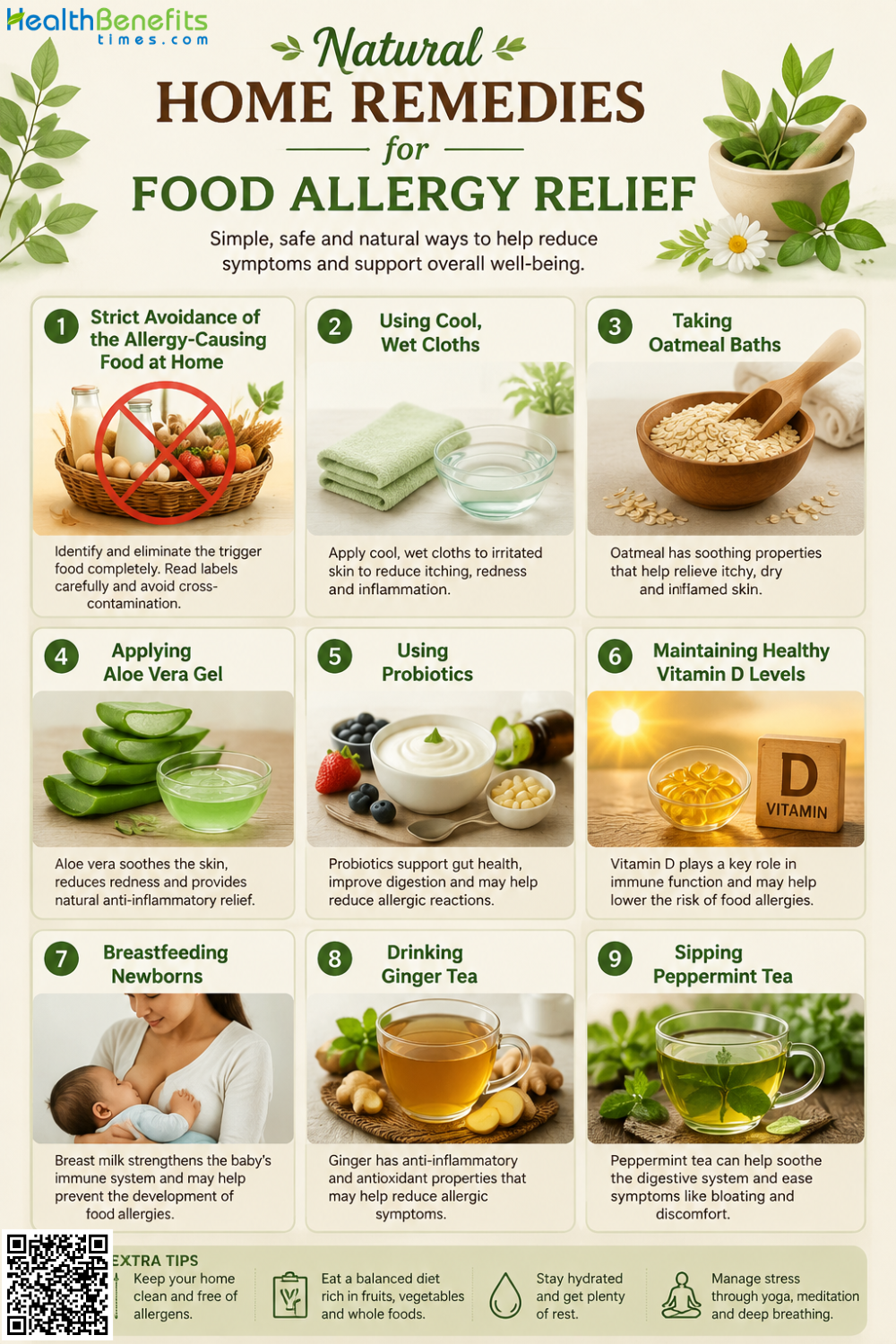
3. Taking Oatmeal Baths
How it may help
Taking a colloidal oatmeal bath provides temporary relief for skin symptoms, such as widespread hives or intense itching, caused by a mild food allergy reaction. The finely ground oats create a protective barrier on the skin’s surface, which helps lock in moisture and calm localized skin inflammation 8.
What research says
Dermatological studies show that colloidal oatmeal contains specific plant compounds called avenanthramides. Research concludes these natural compounds possess significant anti-inflammatory and antioxidant properties that directly reduce skin itching, redness, and swelling associated with allergic skin reactions and a disrupted skin barrier 9.
How to use it safely
You should sprinkle one cup of unflavored, finely ground colloidal oatmeal into a lukewarm bath. Soak in the tub for ten to fifteen minutes, then gently pat your skin dry with a soft towel instead of rubbing, which can worsen skin irritation 8.
Potential precautions or side effects
Oatmeal makes bathtubs extremely slippery. Additionally, it only relieves surface symptoms; you must seek emergency medical care immediately for severe internal allergic reactions like breathing difficulty 3.
4. Applying Aloe Vera Gel
How it may help
Applying pure aloe vera gel to the skin can help soothe mild surface reactions caused by food allergies. The gel provides a natural cooling effect that calms inflamed, intensely itchy skin and helps reduce the redness associated with allergic hives, offering temporary physical comfort during a mild reaction 10.
What research says
Clinical information indicates that clear aloe vera gel contains natural chemical compounds with proven anti-inflammatory and cooling properties. Evidence confirms that applying this botanical extract topically helps soothe irritated skin and reduces localized inflammation, making it a supportive option for managing minor allergic skin rashes 10.
How to use it safely
You should apply a thin layer of pure, fragrance-free aloe vera gel directly to the itchy areas of your skin. Always test the gel on a small, unaffected patch of skin first to ensure you do not have a separate topical allergy to the aloe plant itself 10.
Potential precautions or side effects
Topical aloe vera can rarely cause mild skin irritation. It only treats external symptoms, so you must seek emergency medical care immediately for severe internal allergic reactions like throat swelling 3.
5. Using Probiotics
How it may help
Probiotics are beneficial live bacteria that help maintain a healthy digestive system. By introducing these microorganisms into the gut, probiotics support the immune system and reduce intestinal inflammation. This improved digestive balance can potentially assist the body in safely regulating its immune response to harmless food proteins 11.
What research says
Clinical studies reveal a connection between an imbalanced gut microbiome and food allergy development. Research indicates that specific probiotic strains, such as Lactobacillus, may improve immune tolerance to food allergens when combined with clinical oral immunotherapy, although they cannot cure allergies on their own 12.
How to use it safely
You should consult a healthcare provider before starting any probiotic regimen. Always read supplement labels carefully to ensure the product is certified allergen-free and does not contain hidden traces of your specific food triggers, such as milk or soy ingredients 6.
Potential precautions or side effects
Probiotics can occasionally cause mild gas or bloating. Individuals with severely weakened immune systems or serious underlying illnesses must avoid them due to a rare risk of dangerous infections 11.
6. Maintaining Healthy Vitamin D Levels
How it may help
Vitamin D plays a vital role in regulating a healthy immune system. Maintaining sufficient levels helps ensure immune cells function properly, preventing the body from mistakenly overreacting to harmless food proteins. This proper immune balance is essential for potentially reducing the severity of allergic responses 13.
What research says
Clinical studies demonstrate a strong connection between vitamin D deficiency and an increased risk of developing food allergies. Research concludes that adequate vitamin D levels are necessary to build natural immune tolerance to dietary allergens, although supplementation alone cannot cure an existing food allergy 13.
How to use it safely
You should ask a doctor for a blood test to check your current vitamin D levels. If you are deficient, a healthcare provider will recommend a safe daily supplement dose or suggest increasing your intake through safe sunlight exposure and fortified foods 14.
Potential precautions or side effects
Taking excessively high doses of vitamin D supplements causes dangerous calcium buildup in the blood, which can lead to severe nausea, weakness, and kidney damage 14.
7. Breastfeeding Newborns
How it may help
Breast milk provides essential antibodies and immune-boosting nutrients that strengthen a newborn’s developing digestive system. This natural nourishment helps the infant’s body safely process different proteins and establish a healthy gut environment, which lowers the likelihood of the child developing severe allergic reactions to foods early in life 15.
What research says
Clinical guidelines from major health organizations conclude that exclusively breastfeeding infants for the first six months significantly protects against various immune conditions. Research indicates that this early nutritional support helps build natural immune tolerance, thereby reducing the infant’s overall risk of developing food allergies and childhood asthma 5.
How to use it safely
You should aim to exclusively breastfeed your newborn for the first six months. If your baby develops allergic symptoms, such as a rash or bloody stool, you must consult a pediatrician to determine if you need to eliminate specific allergy-causing foods from your own diet 15.
Potential precautions or side effects
Tiny amounts of food proteins from a mother’s diet pass into breast milk, which can rarely trigger a sudden allergic reaction in a highly sensitive infant 3.
8. Drinking Ginger Tea
How it may help
Drinking ginger tea helps relieve mild digestive symptoms caused by a food allergy, such as nausea and stomach cramps. The warm liquid and natural compounds soothe the digestive tract, easing stomach discomfort while the body recovers from a minor, localized allergic reaction 16.
What research says
Clinical evidence shows that ginger contains natural active compounds with significant anti-inflammatory and anti-nausea properties. Research confirms that while ginger cannot stop an allergic immune response, it is highly effective at safely reducing mild nausea and settling gastrointestinal distress safely 16.
How to use it safely
You can steep fresh ginger root in hot water to make tea. Slowly sip the warm liquid to relieve mild stomach discomfort. You must verify your symptoms are minor; never use home remedies to treat severe, dangerous allergic reactions like breathing difficulty 3.
Potential precautions or side effects
Consuming excess ginger can cause heartburn, diarrhea, and mouth irritation. You should consult a doctor if you take blood-thinning medications, as ginger may increase bleeding risks 16.
9. Sipping Peppermint Tea
How it may help
Drinking peppermint tea can help relieve mild digestive discomfort, such as stomach cramps and gas, caused by a minor allergic reaction to food. The natural menthol in peppermint acts as a muscle relaxant, calming the gastrointestinal tract and easing mild stomach pain safely 17.
What research says
Clinical studies confirm that peppermint oil and its active compound, menthol, possess significant antispasmodic properties. Research concludes that these compounds effectively relax the smooth muscles of the digestive tract, safely reducing gastrointestinal spasms and bloating, though they cannot stop an allergic immune response 17.
How to use it safely
You can steep peppermint leaves in hot water and slowly sip the warm tea to relieve mild stomach cramps. You must only use this for minor symptoms; always seek emergency medical attention for severe allergic reactions like difficulty breathing 3.
Potential precautions or side effects
Peppermint can relax the esophageal sphincter, which may severely worsen acid reflux or heartburn. People with gastroesophageal reflux disease should avoid peppermint completely 17.
Foods to Avoid When You suffer from Food Allergy
When managing a diagnosed food allergy, preventing accidental exposure to the specific proteins that trigger your immune system is the only way to avoid a severe reaction. You must strictly avoid your known allergens and any high-risk foods that could contain hidden traces of them.
1. Your Specific Trigger Foods
You must strictly eliminate any food diagnosed as an allergen by a doctor, as even trace amounts can trigger life-threatening anaphylaxis 3.
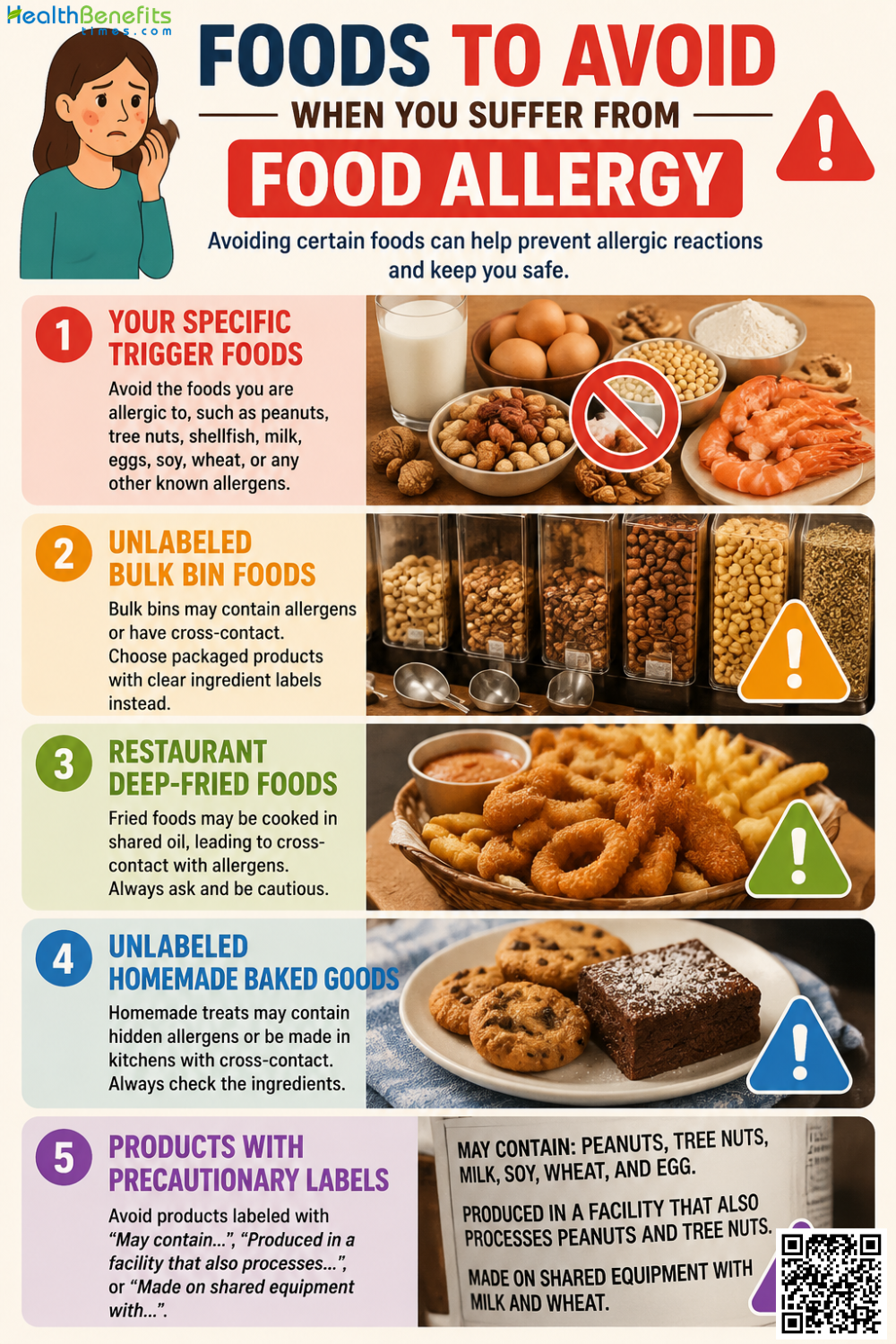
2. Unlabeled Bulk Bin Foods
Avoid purchasing items from open grocery bins. Scoops are frequently shared, creating a severe risk of invisible cross-contamination with common allergens like nuts 6.
3. Restaurant Deep-Fried Foods
Avoid eating deep-fried items at restaurants. Kitchens frequently use shared fryers, causing safe foods to become dangerously coated with severe food allergens 6.
4. Unlabeled Homemade Baked Goods
Strictly avoid homemade foods where you cannot perfectly verify every ingredient, as they frequently contain hidden allergens like milk, eggs, or nuts 18.
5. Products with Precautionary Labels
Avoid manufactured foods labeled with “may contain” or “processed in a shared facility,” as these warnings indicate a genuine risk of accidental allergen exposure 6.
When to see Doctor when you suffer from Food Allergy
If you suspect you have a food allergy, it is essential to seek a professional medical evaluation to receive an accurate diagnosis and a personalized emergency action plan. Food allergies can lead to life-threatening reactions that require immediate, specialized care. You must contact a doctor or seek emergency services if you experience any of the following symptoms.
1. Signs of Anaphylaxis
Seek emergency care immediately for difficulty breathing, throat tightening, a swollen tongue, or a rapid, weak pulse, as these indicate a life-threatening allergic reaction 3.
2. Rapid Skin Reactions
See a doctor if you develop sudden, widespread hives, intense itching, or swelling of the face, lips, or eyes shortly after consuming a particular food 2.
3. Severe Digestive Distress
If eating a specific food consistently causes severe vomiting, abdominal cramping, or persistent diarrhea, you should consult an allergist for formal testing and management 2.
4. Recurrent Mild Symptoms
Even if reactions seem minor, such as localized mouth itching or mild rashes, you must see a doctor to confirm the allergy and prevent future, potentially more severe episodes 3.
5. Post-Emergency Follow-Up
If you have already received emergency treatment for an allergic reaction, you must schedule a follow-up appointment with an allergy specialist to develop a comprehensive prevention and management plan 3.