

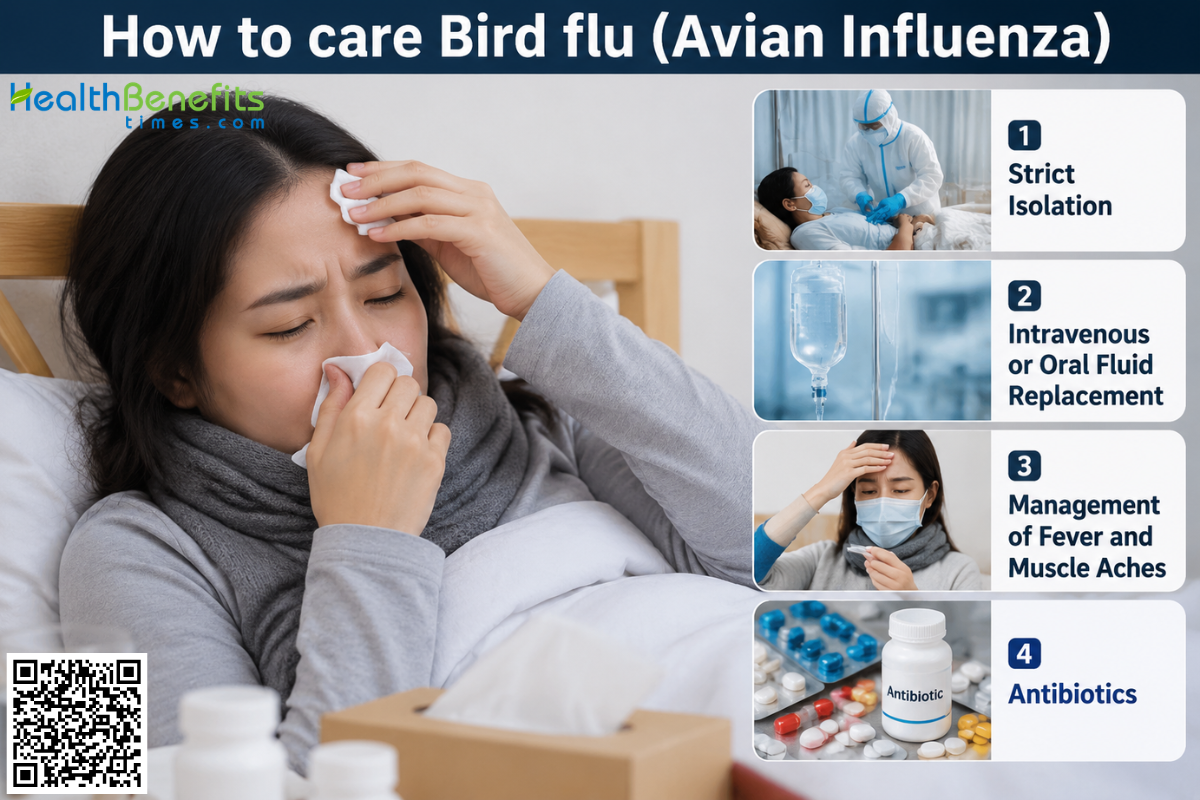
Avian influenza, commonly known as bird flu, is a highly contagious viral infection caused by influenza A viruses. These viruses naturally circulate among wild aquatic birds worldwide and can spread to domestic poultry and other animal species. While avian influenza primarily affects birds, sporadic transmission to humans can occur, usually resulting from direct, unprotected contact with infected live or dead animals or their heavily contaminated environments 1. Human infections are rare, and current evidence indicates that these specific viral strains do not easily transmit from person to person 2. However, public health organizations closely monitor avian influenza due to its potential to cause severe respiratory illness in humans and the possibility of the virus mutating into a form capable of sustained human-to-human transmission 3.
Causes of Bird flu (Avian Influenza)
- Influenza A Viruses: The fundamental cause of bird flu is infection with avian influenza A viruses, which naturally circulate among wild aquatic birds and can rapidly spread to domestic poultry 4.
- Direct Contact with Infected Birds: For humans, infections are most commonly caused by prolonged, unprotected, and direct contact with infected birds, including chickens, ducks, and turkeys, whether they are alive or dead 5.
- Contaminated Environments: Humans can become infected after touching surfaces, water, or soil that have been heavily contaminated with the feces, saliva, or mucus of infected birds, and then touching their own eyes, nose, or mouth 1.
- Inhalation of Viral Particles: The illness can be triggered when a person inhales airborne virus particles or contaminated dust, typically in high-risk settings such as live animal markets, slaughterhouses, or commercial poultry farms 5.
- Consumption of Raw Animal Products: Although uncommon, consuming raw or severely undercooked poultry, blood, or eggs from infected birds is a recognized pathway for causing the infection in humans 5.
Symptoms of Bird flu (Avian Influenza)
- Eye Infection (Conjunctivitis): In some cases, the first or only sign of a bird flu infection is conjunctivitis, a condition that causes the eyes to become red, swollen, itchy, and irritated, sometimes with a discharge 6.
- Classic Flu-Like Illness: Infected individuals frequently experience sudden, traditional influenza symptoms, including a fever with a temperature of 100 degrees Fahrenheit (37.8 degrees Celsius) or higher, accompanied by chills, widespread muscle aches, headaches, and extreme fatigue 6.
- Upper Respiratory Discomfort: The virus typically causes mild to moderate upper respiratory symptoms early in the illness, which commonly present as a persistent cough, a sore throat, and a runny or congested nose 6.
- Severe Respiratory Complications: As the viral infection progresses, it can rapidly attack the lower respiratory tract, leading to shortness of breath, severe difficulty breathing, and viral pneumonia, which often requires emergency hospitalization and oxygen support 5.
- Gastrointestinal Distress: Certain strains of the avian influenza virus, particularly the H5N1 strain, are known to trigger digestive issues more frequently than typical seasonal flu viruses, resulting in nausea, vomiting, abdominal pain, and diarrhea 5.
- Neurological Changes: In rare, advanced, and severe cases, the infection can impact the central nervous system, which may manifest as an altered mental state, profound confusion, or seizures 6.
How to care Bird flu (Avian Influenza)
1. Immediate Prescription Antiviral Medications
How it may help
Prescription antiviral medications work by stopping the bird flu virus from multiplying inside the body. Taking these drugs promptly can reduce the severity of symptoms, shorten the illness, and lower the risk of life-threatening complications such as viral pneumonia 7.
What research says
Clinical evidence demonstrates that starting antiviral treatment—specifically neuraminidase inhibitors like oseltamivir—within 48 hours of symptom onset significantly increases survival rates for human avian influenza infections 8. Delayed administration is strongly associated with higher rates of severe disease and mortality 5.
How to use it safely
You must take these medications exactly as directed by a healthcare provider, ideally starting as soon as symptoms begin. Complete the entire prescribed course, even if you start feeling better quickly, to ensure the viral infection is fully controlled 7.
Potential precautions or side effects
Common side effects include nausea and vomiting, which taking the medicine with food can minimize. Rarely, these medications may cause sudden confusion or behavioral changes, particularly in children 7.
2. Emergency Hospitalization and Intensive Care
How it may help
Hospitalization provides continuous medical monitoring and advanced life support for severe bird flu cases. Intensive care units deliver necessary supplemental oxygen, mechanical breathing assistance, and intravenous medications to stabilize vital signs when the lungs are too damaged to function on their own 5.
What research says
Clinical data indicates that avian influenza strains often trigger rapid, severe viral pneumonia and acute respiratory distress syndrome 8. Evidence confirms that prompt admission to an intensive care unit for mechanical ventilation is essential to manage these life-threatening lung complications and reduce mortality rates 5.
How to use it safely
If you experience severe difficulty breathing, you must seek emergency medical attention immediately. Once admitted, carefully follow all hospital isolation instructions and protective protocols to ensure the virus does not spread to healthcare workers or other vulnerable patients within the facility 9.
Potential precautions or side effects
Extended intensive care and mechanical ventilation carry significant risks, including secondary hospital-acquired bacterial pneumonia. Continuous medical monitoring is required to rapidly detect and treat these severe secondary complications 7.
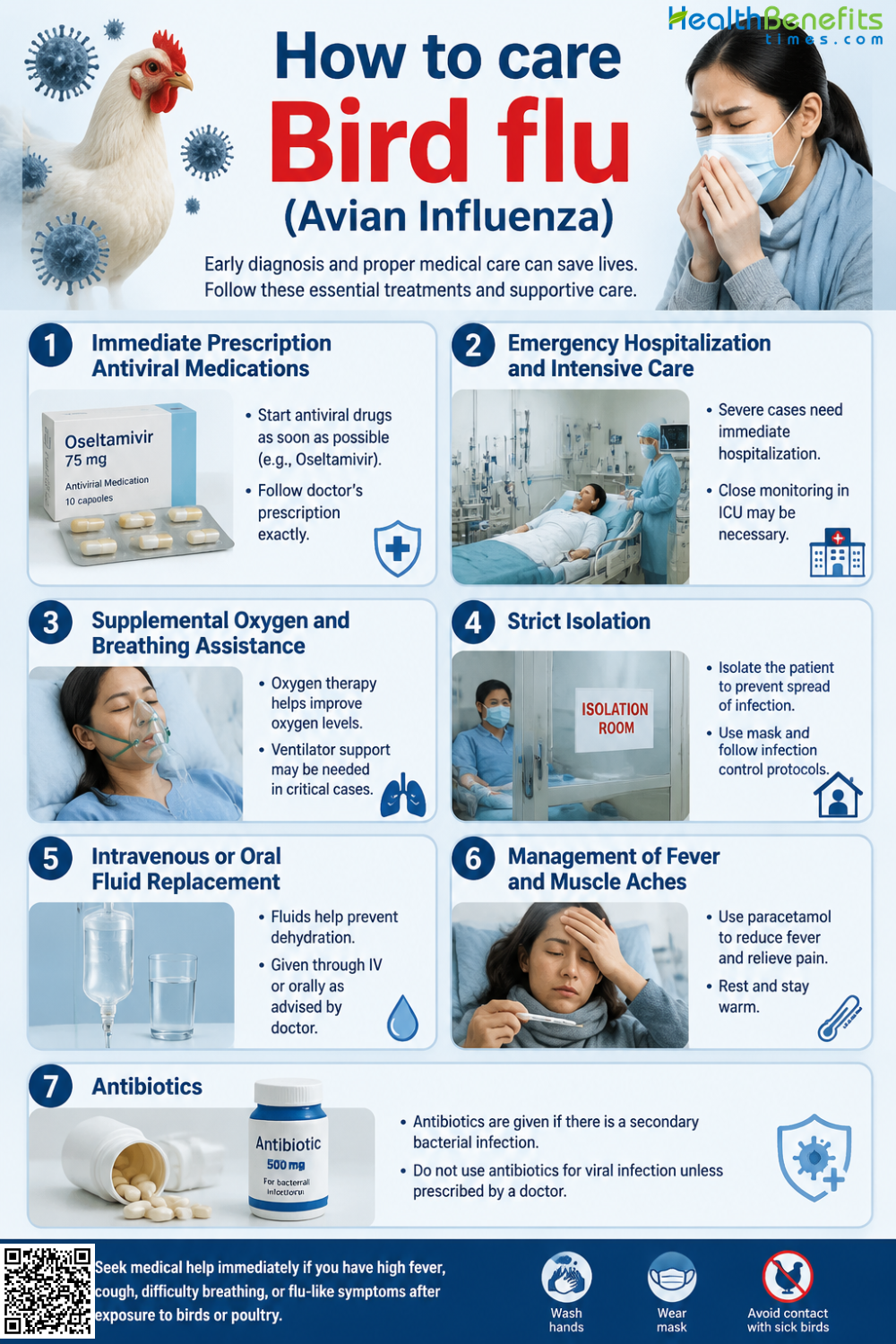
3. Supplemental Oxygen and Breathing Assistance
How it may help
Supplemental oxygen therapy and mechanical breathing assistance maintain necessary oxygen levels in the blood when the virus severely damages the lungs. By taking over the work of breathing, these medical interventions prevent respiratory failure and protect vital organs from oxygen deprivation during the critical phases of the illness 5.
What research says
Clinical guidelines conclude that avian influenza frequently progresses to acute respiratory distress syndrome, making the lungs unable to supply enough oxygen to the body 8. Protocols establish that early implementation of oxygen therapy and advanced breathing support drastically reduces mortality in patients suffering from severe viral pneumonia 5.
How to use it safely
You must receive supplemental oxygen and breathing treatments exclusively in a clinical setting under the strict supervision of healthcare professionals. Never attempt to adjust oxygen flows or mechanical ventilator settings on your own, as improper oxygen levels can be highly dangerous 7.
Potential precautions or side effects
Prolonged mechanical ventilation increases the risk of secondary hospital-acquired infections and airway trauma. Healthcare providers closely monitor oxygen levels to prevent oxygen toxicity and minimize lung pressure damage 5.
4. Strict Isolation
How it may help
Strict isolation contains the avian influenza virus, preventing it from spreading to family members, healthcare workers, and the general public. By keeping the infected person physically separated, medical teams can safely administer targeted treatments while significantly minimizing the risk of a broader hospital or community outbreak 9.
What research says
Public health guidelines dictate that stringent infection control measures, including airborne and contact precautions, are strictly required for avian influenza cases 9. Evidence confirms that immediate patient isolation prevents rare human-to-human transmission events, which is a critical public health strategy to stop potential viral pandemics 5.
How to use it safely
You must stay in a dedicated, closed room completely away from other household members and pets. Use a separate bathroom if possible. If you must interact with caregivers, you must wear a well-fitting medical mask and never share personal items like towels or utensils 7.
Potential precautions or side effects
Prolonged isolation can cause emotional distress and anxiety. Caregivers must closely monitor the isolated patient’s condition to ensure rapid medical intervention if respiratory symptoms suddenly worsen 9.
5. Intravenous or Oral Fluid Replacement
How it may help
High fever, vomiting, and severe diarrhea associated with avian influenza cause rapid fluid loss. Replacing these fluids, either orally or directly into a vein, prevents severe dehydration, supports healthy blood pressure, and ensures vital organs function properly while the body fights the infection 7.
What research says
Clinical protocols establish that maintaining proper hydration is an essential supportive therapy for severe viral infections. Evidence shows that correcting fluid depletion is critical for H5N1 bird flu cases, as these specific strains frequently cause severe gastrointestinal distress alongside respiratory failure 5.
How to use it safely
You should drink plenty of water, broths, or electrolyte solutions at home to stay hydrated. If you develop severe symptoms and require hospitalization, doctors will administer carefully measured intravenous fluids directly into your bloodstream to ensure you receive the exact amount needed 7.
Potential precautions or side effects
Receiving too much intravenous fluid can cause fluid overload, potentially worsening lung swelling and breathing problems. Hospital staff must strictly monitor fluid levels to prevent these dangerous complications 8.
6. Management of Fever and Muscle Aches
How it may help
Over-the-counter medications, such as acetaminophen or ibuprofen, lower high fever and relieve the severe muscle aches caused by the avian influenza virus. Effectively managing these symptoms improves physical comfort, allows for necessary rest, and prevents additional stress on the body during the infection 7.
What research says
Clinical guidelines establish that fever-reducing medications are a standard part of supportive care for severe viral infections like bird flu. While they do not cure the underlying virus, evidence confirms they safely reduce the intense systemic inflammation and debilitating fever that accompany severe influenza 7.
How to use it safely
You can take standard doses of acetaminophen or ibuprofen as directed by a doctor. You must never give aspirin to children or teenagers with flu-like symptoms, as it can trigger a rare but fatal neurological condition known as Reye’s syndrome 10.
Potential precautions or side effects
Taking excess acetaminophen can cause severe liver damage. Ibuprofen may lead to stomach bleeding or kidney issues, particularly if you are dehydrated or take it on an empty stomach 7.
7. Antibiotics
How it may help
While antibiotics cannot kill the bird flu virus itself, they are crucial for treating secondary bacterial infections. Because the severe viral infection severely weakens the lungs and immune system, patients often develop life-threatening bacterial pneumonia. Antibiotics eliminate these invading bacteria, preventing further lung damage and supporting overall recovery 7.
What research says
Clinical guidelines establish that severe avian influenza infections frequently lead to secondary bacterial pneumonia, significantly increasing the risk of death 5. Research concludes that promptly administering targeted antibiotics to patients who show signs of a bacterial co-infection is essential to reduce mortality and manage severe respiratory complications 8.
How to use it safely
You must only take antibiotics if a doctor specifically prescribes them to treat a diagnosed bacterial complication. It is critical that you finish the entire prescribed course exactly as directed, even if you feel better, to ensure the bacteria are completely destroyed 11.
Potential precautions or side effects
Unnecessary use causes dangerous antibiotic resistance. Common side effects include nausea and severe diarrhea. Seek emergency care immediately if you develop sudden allergic reactions, such as hives 11.
Foods to Avoid When You suffer from Bird flu (Avian Influenza)
When recovering from avian influenza, it is crucial to avoid certain foods and beverages that can worsen dehydration, weaken the immune system, or introduce additional harmful pathogens.
1. Raw or Undercooked Poultry
Avoid eating meat not fully cooked to 165°F (74°C). Raw poultry harbors active viruses and harmful bacteria, which can cause severe secondary infections 12.
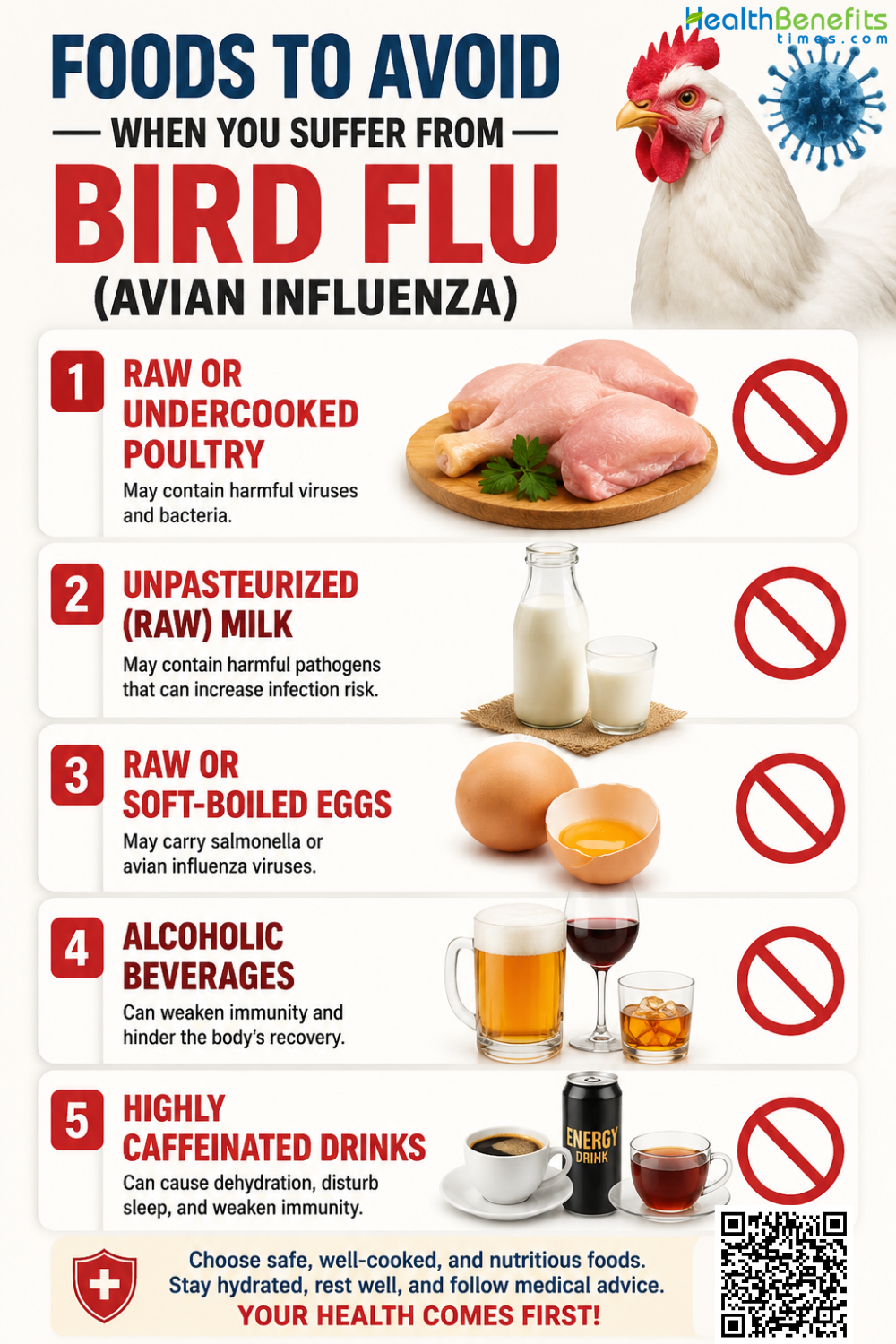
2. Unpasteurized (Raw) Milk
Never consume unpasteurized dairy. Health authorities have detected the H5N1 virus in raw milk, making it highly dangerous for individuals fighting an active infection 13.
3. Raw or Soft-Boiled Eggs
Avoid eggs with runny yolks or raw egg products. Eggs must be cooked until completely firm to destroy potential avian influenza viruses inside the shell 12.
4. Alcoholic Beverages
Alcohol severely dehydrates the body and suppresses immune system functions, making it significantly harder for patients to recover from severe respiratory viral infections 14.
5. Highly Caffeinated Drinks
Energy drinks and excess coffee worsen dehydration. Maintaining strict fluid balance is essential when managing the high fevers and gastrointestinal distress associated with bird flu 7.
When to see Doctor when you suffer from Bird flu (Avian Influenza)
If you suspect you have been exposed to avian influenza, it is critical to seek immediate medical evaluation. Because bird flu can rapidly progress to severe, life-threatening respiratory failure, early medical intervention is essential. You should go to an emergency room or contact a healthcare provider right away if you experience any of the following severe warning signs.
1. Severe Difficulty Breathing
Seek emergency care immediately if you experience shortness of breath or rapid breathing, as this often indicates rapidly worsening viral pneumonia 10.
2. Chest or Abdominal Pain
Persistent pressure or sharp pain in your chest or stomach requires urgent medical evaluation to identify serious lung damage or severe systemic complications 10.
3. Sudden Confusion
Any new mental changes, severe dizziness, inability to wake up, or extreme lethargy indicate that the infection is severely affecting your brain or oxygen levels 10.
4. Persistent Vomiting
If you experience severe vomiting that prevents you from retaining fluids, you require immediate medical intervention to prevent dangerous, life-threatening dehydration 10.
5. Known Exposure with Mild Symptoms
Even with mild symptoms like conjunctivitis, you must see a doctor immediately for antiviral treatment if you recently handled potentially infected sick or dead birds 8.