


Rheumatic fever is a serious inflammatory disease that develops as a rare complication of untreated or inadequately treated throat infections. It occurs when the immune system overreacts to an infection caused by group A Streptococcus bacteria, commonly known as strep throat or scarlet fever 1. This abnormal immune response leads to widespread systemic inflammation, primarily targeting the heart, joints, skin, and central nervous system 2. If left unmanaged, the condition can cause irreversible scarring and damage to the heart valves, leading to a severe, lifelong complication known as rheumatic heart disease, which significantly increases the risk of heart failure 3. Although it can occur at any age, rheumatic fever most frequently affects children between the ages of 5 and 15 and is entirely preventable through the prompt and complete antibiotic treatment of initial streptococcal infections 4.
Causes of Rheumatic Fever
1. Group A Streptococcal Infections
Rheumatic fever is triggered by a prior, untreated respiratory infection caused by group A Streptococcus bacteria, specifically strep throat or scarlet fever 1.
2. Autoimmune Cross-Reactivity (Molecular Mimicry)
The condition is an abnormal autoimmune reaction rather than a direct bacterial infection. The immune system produces antibodies to destroy the strep bacteria, but because the bacteria’s structural proteins closely resemble human tissue proteins, these antibodies mistakenly attack healthy heart valves, joints, skin, and brain tissue 2.
3. Inadequate Antibiotic Treatment
Failing to receive medical care or not completing a full, prescribed course of antibiotics allows the group A Streptococcus bacteria to survive in the throat long enough to provoke the severe, delayed immune system overreaction that causes the disease 3.
4. Genetic Susceptibility
Only a small percentage of individuals with untreated strep throat develop rheumatic fever. Research indicates that specific genetic variations in the immune system make certain individuals significantly more vulnerable to developing this exaggerated autoimmune response after bacterial exposure 5.
Symptoms of Rheumatic Fever
- Fever: A persistent, high body temperature is frequently one of the earliest signs indicating widespread systemic inflammation 6.
- Joint Pain and Swelling (Arthritis): Individuals often experience extremely painful, tender, red, and swollen joints. This pain typically migrates from one joint to another, most frequently affecting large joints like the knees, ankles, elbows, and wrists 7.
- Heart Inflammation (Carditis): The disease can severely inflame the heart muscle, lining, and valves, presenting symptoms such as chest pain, shortness of breath, an unusually fast heartbeat, or a newly detectable heart murmur 6.
- Uncontrollable Movements (Sydenham Chorea): This neurological complication involves sudden, irregular, and jerky movements of the hands, feet, and face, which may be accompanied by emotional instability, such as unprovoked anxiety or inappropriate crying 7.
- Skin Rash (Erythema Marginatum): A rare but distinct symptom is a painless, non-itchy rash consisting of flat or slightly raised pink rings with clear centers, usually appearing on the trunk and limbs but sparing the face 7.
- Skin Lumps (Subcutaneous Nodules): Small, firm, painless bumps can develop directly under the skin, usually forming over bony prominences or near affected joints 6.
- Severe Fatigue: Overwhelming tiredness and physical exhaustion often accompany the physical symptoms due to the body’s intense inflammatory response 6.
Natural Remedies for Rheumatic Fever
1. Strict Bed Rest and Physical Activity Restriction
How it may help
Strict bed rest significantly reduces the physical workload on an inflamed heart and minimizes mechanical stress on swollen, painful joints. This deliberate restriction of movement conserves energy, allowing the immune system to focus on reducing severe systemic inflammation during the acute phase of the disease 2.
What research says
Clinical guidelines state that physical activity restriction is essential during acute rheumatic fever, particularly when heart inflammation is present. Research concludes that maintaining strict bed rest until inflammatory markers in the blood return to normal helps prevent immediate cardiac complications and supports heart tissue recovery 2.
How to use it safely
Remain on strict bed rest for several weeks as directed by your physician. Only resume light activities once medical tests confirm your inflammation has subsided. Transition back to normal routines gradually under direct medical supervision to ensure your heart handles the physical demand safely.
Potential precautions or side effects
Prolonged bed rest can cause severe muscle weakness, joint stiffness, and an increased risk of blood clots. Periodically change resting positions to prevent pressure sores and maintain basic circulation.
2. Omega-3 Fatty Acids
How it may help
Omega-3 fatty acids, found abundantly in fish oil, act as powerful natural anti-inflammatory agents. They work by blocking the production of specific proteins and enzymes that fuel severe tissue inflammation, helping to ease the intense joint pain, swelling, and systemic immune overreaction associated with rheumatic fever 8.
What research says
Clinical studies confirm that omega-3 supplements significantly decrease widespread systemic inflammation and lower the body’s inflammatory markers. Research concludes that taking these essential fats consistently reduces joint tenderness, decreases morning stiffness, and lessens the overall reliance on standard pain-relieving medications during inflammatory autoimmune conditions 9.
How to use it safely
Incorporate omega-3s by eating fatty fish twice weekly or taking a high-quality fish oil supplement. Always take supplements with meals to improve absorption and minimize stomach upset. Consult your doctor before starting to determine the correct, safe dosage alongside your prescribed medical treatments.
Potential precautions or side effects
High doses of omega-3 supplements can thin the blood, increasing bleeding risks. Avoid large amounts if you take prescription blood-thinning medications or have an upcoming surgical procedure 8.
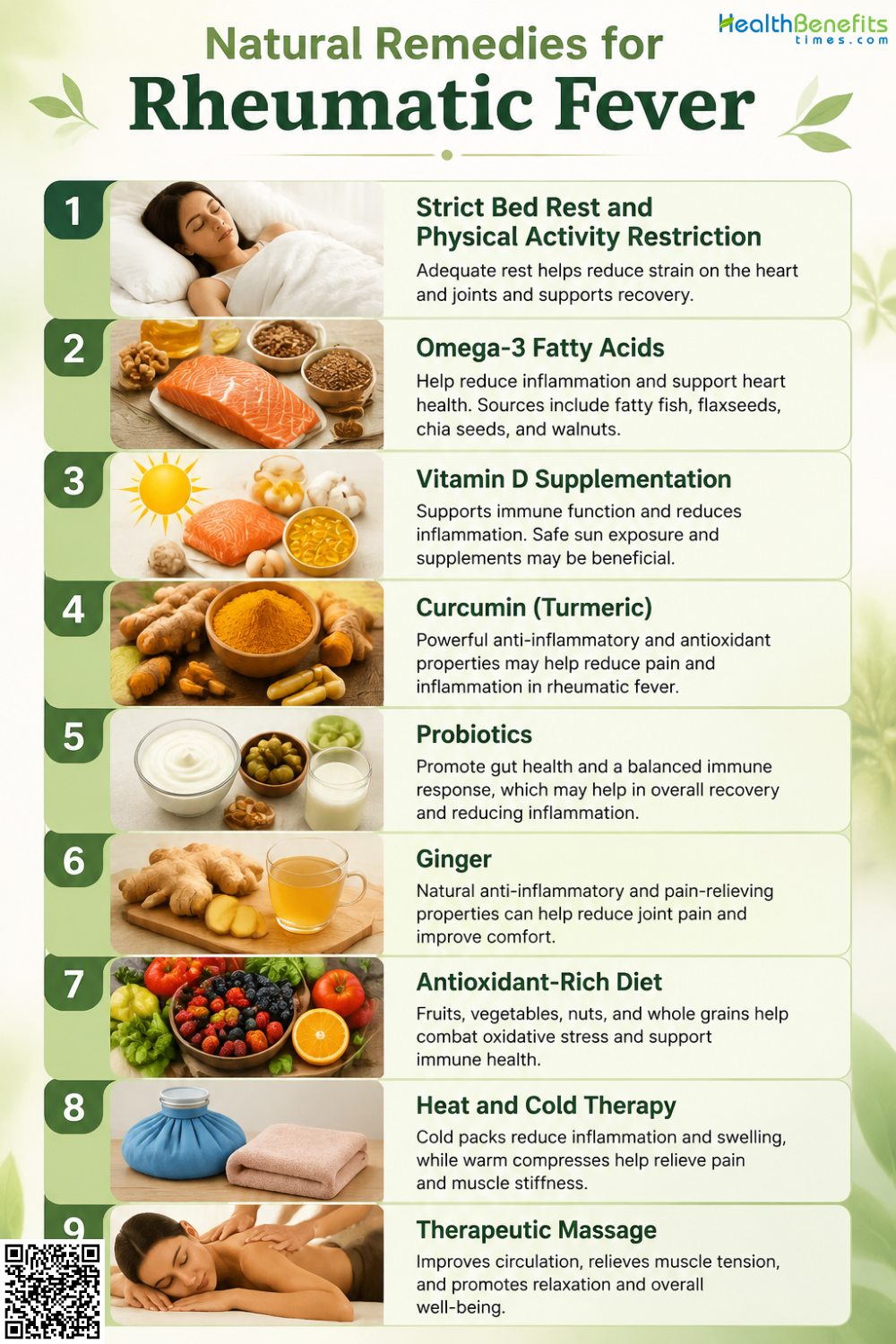
3. Vitamin D Supplementation
How it may help
Vitamin D plays a critical role in managing immune system health and reducing overall inflammation. Because rheumatic fever involves an abnormal immune response, supporting immune function is vital. Adequate vitamin D levels might help calm the severe inflammation that often affects the heart and joints during this illness 10.
What research says
Clinical studies show that patients with acute rheumatic fever frequently have severe vitamin D deficiency compared to healthy individuals. Researchers conclude that low vitamin D levels may worsen the disease’s severity and increase the risk of heart complications, suggesting that restoring normal levels supports recovery and standard treatments 11.
How to use it safely
You should always have a healthcare provider check your blood levels before starting supplements. If a deficiency is found, follow your doctor’s exact dosage instructions. It is best to take vitamin D supplements with meals that contain natural fats to help your body absorb it properly 12.
Potential precautions or side effects
Taking excessive amounts of vitamin D can lead to toxic calcium buildup in your blood. This condition may cause severe nausea, confusion, muscle weakness, and potential kidney damage 13.
4. Curcumin (Turmeric)
How it may help
Curcumin, the active chemical compound in turmeric, possesses potent anti-inflammatory properties. It works by blocking specific inflammatory enzymes and pathways in the body. During rheumatic fever, this natural action can help reduce the severe joint pain, swelling, and systemic inflammation triggered by the abnormal immune response 14.
What research says
Clinical studies confirm that curcumin effectively lowers inflammatory markers in autoimmune and joint disorders. Research concludes that it acts similarly to certain non-steroidal anti-inflammatory drugs (NSAIDs) in reducing joint swelling, making it a valuable supportive therapy for managing the painful arthritis associated with severe inflammatory conditions 15.
How to use it safely
You can incorporate turmeric into your diet as a spice or take standardized curcumin supplements. Always consume curcumin alongside black pepper extract or a fat source, which significantly increases its absorption. Consult your doctor to determine a safe dosage that will not interfere with your primary medications.
Potential precautions or side effects
High doses of curcumin can cause stomach upset, nausea, or diarrhea. Avoid large amounts if you have gallbladder disease or take blood-thinning medications, as it may increase bleeding risks 14.
5. Probiotics
How it may help
Because rheumatic fever treatment requires long-term antibiotic therapy to completely eliminate streptococcal bacteria, it often destroys beneficial digestive bacteria. Probiotics contain live microorganisms that restore this essential gut balance, supporting immune system regulation and preventing gastrointestinal distress caused by extended medical treatments 16.
What research says
Clinical evidence demonstrates that probiotics effectively prevent antibiotic-associated diarrhea and restore gut microbiome diversity. Research concludes that taking specific probiotic strains alongside antibiotics significantly reduces intestinal inflammation and helps maintain a balanced immune response during long-term antimicrobial therapy for chronic bacterial infections 17.
How to use it safely
You can consume probiotic-rich foods like plain yogurt, kefir, and fermented vegetables, or take a high-quality dietary supplement. Always take your probiotics at least two hours apart from your prescribed antibiotics to prevent the medication from destroying the beneficial bacteria prematurely.
Potential precautions or side effects
Probiotics are generally well-tolerated but may cause temporary gas or mild bloating when you first start taking them. Individuals with severely compromised immune systems should consult a physician before use 16.
6. Ginger
How it may help
Ginger contains active compounds, such as gingerols, which act as natural anti-inflammatory agents. In the context of rheumatic fever, these properties may help reduce the severe joint pain and swelling that often accompany the condition. It acts as a supportive measure to ease physical discomfort alongside standard medical treatments.
What research says
Research confirms that ginger possesses strong anti-inflammatory properties that inhibit chemicals causing joint inflammation 18. Although studies rarely focus on rheumatic fever specifically, widespread evidence shows ginger effectively decreases pain and swelling in inflammatory joint diseases, suggesting it offers similar symptom relief for rheumatic joint discomfort.
How to use it safely
You can safely consume ginger by drinking ginger tea, adding fresh root to meals, or taking standard dietary supplements. Always use it as a complementary therapy, not a replacement for the prescribed antibiotics or medical treatments required to treat rheumatic fever 19.
Potential precautions or side effects
High doses may cause mild heartburn, diarrhea, or mouth irritation. You should consult a doctor before using ginger supplements, especially if you take blood-thinning medications 19.
7. Antioxidant-Rich Diet
How it may help
An antioxidant-rich diet provides essential vitamins and minerals that neutralize harmful free radicals in the body. By reducing oxidative stress, these nutrients help calm systemic inflammation. This process can protect tissues, particularly in the heart and joints, from the extensive damage and swelling associated with rheumatic fever.
What research says
Clinical evidence demonstrates that diets high in antioxidants significantly lower circulating inflammatory markers, such as C-reactive protein 20. While research focuses broadly on inflammatory diseases rather than rheumatic fever exclusively, consuming antioxidant-dense foods is proven to modulate the immune response and reduce chronic tissue inflammation.
How to use it safely
You should incorporate a variety of colorful fruits and vegetables, such as berries and leafy greens, into your daily meals. Obtain antioxidants naturally through whole foods rather than high-dose supplements, and always continue your prescribed antibiotic therapy for rheumatic fever 21.
Potential precautions or side effects
Excessive intake of artificial antioxidant supplements can interact with medications and potentially increase health risks. You should avoid high-dose pills and rely on whole dietary sources instead 21.
8. Heat and Cold Therapy
How it may help
Cold therapy constricts local blood vessels, which temporarily numbs acute pain and rapidly reduces the severe joint swelling caused by rheumatic fever. Conversely, heat therapy relaxes surrounding muscles and improves blood circulation to alleviate joint stiffness. Together, these temperature treatments provide localized, non-invasive relief for inflamed tissues.
What research says
Clinical guidelines confirm that cold applications effectively decrease tissue temperature and local blood flow, significantly reducing inflammatory markers and joint swelling 22. While heat application blocks nerve pain signals, research concludes both modalities successfully manage arthritis-related joint pain without altering the underlying systemic disease progression.
How to use it safely
You should wrap ice packs or heating pads in a thick cloth to protect your skin from direct contact. Apply the therapy to the affected joint for 15 to 20 minutes maximum, allowing your skin to return to a normal temperature before any subsequent applications.
Potential precautions or side effects
You must avoid prolonged application, which can cause skin burns or frostbite. Do not use these therapies if you suffer from poor blood circulation or reduced skin sensation 22.
9. Therapeutic Massage
How it may help
Therapeutic massage promotes physical relaxation and improves blood flow to soft tissues. While it cannot cure the underlying condition, it helps alleviate the muscle tension and stiffness that often surround the painful joints affected by rheumatic fever, offering temporary relief and improving overall physical comfort.
What research says
Clinical evidence indicates that massage therapy effectively lowers stress hormones and diminishes pain perception in individuals with joint and muscle disorders 23. Researchers conclude that while massage provides significant short-term symptom relief for joint stiffness, it does not alter systemic inflammation or replace standard medical care.
How to use it safely
You should seek treatment from a licensed massage therapist who understands inflammatory joint conditions. Request light, gentle strokes to relax surrounding muscles. Always continue your prescribed medical treatment and avoid deep tissue techniques during active flare-ups of rheumatic fever.
Potential precautions or side effects
You must avoid massaging acutely swollen, hot, or painfully inflamed joints. Direct pressure on active flare-ups can worsen joint inflammation, increase pain, or cause localized tissue damage 23.
Foods to Avoid When You suffer from Rheumatic Fever
Rheumatic fever is a severe inflammatory condition that develops as a complication of untreated group A streptococcal infections. Because the disease often causes long-term damage to the heart valves, a condition known as rheumatic heart disease, dietary management focuses heavily on reducing body-wide inflammation and minimizing cardiovascular stress 24. If you are managing the aftereffects of rheumatic fever, you must limit foods that trigger inflammation, cause fluid retention, or increase blood pressure. Following a heart-healthy diet is essential to prevent placing additional physical stress on a weakened heart and to help control joint inflammation 25.
1. High-Sodium Foods
Consuming too much salt increases blood pressure and causes fluid buildup, which puts dangerous extra strain on a heart already weakened by rheumatic fever 26.
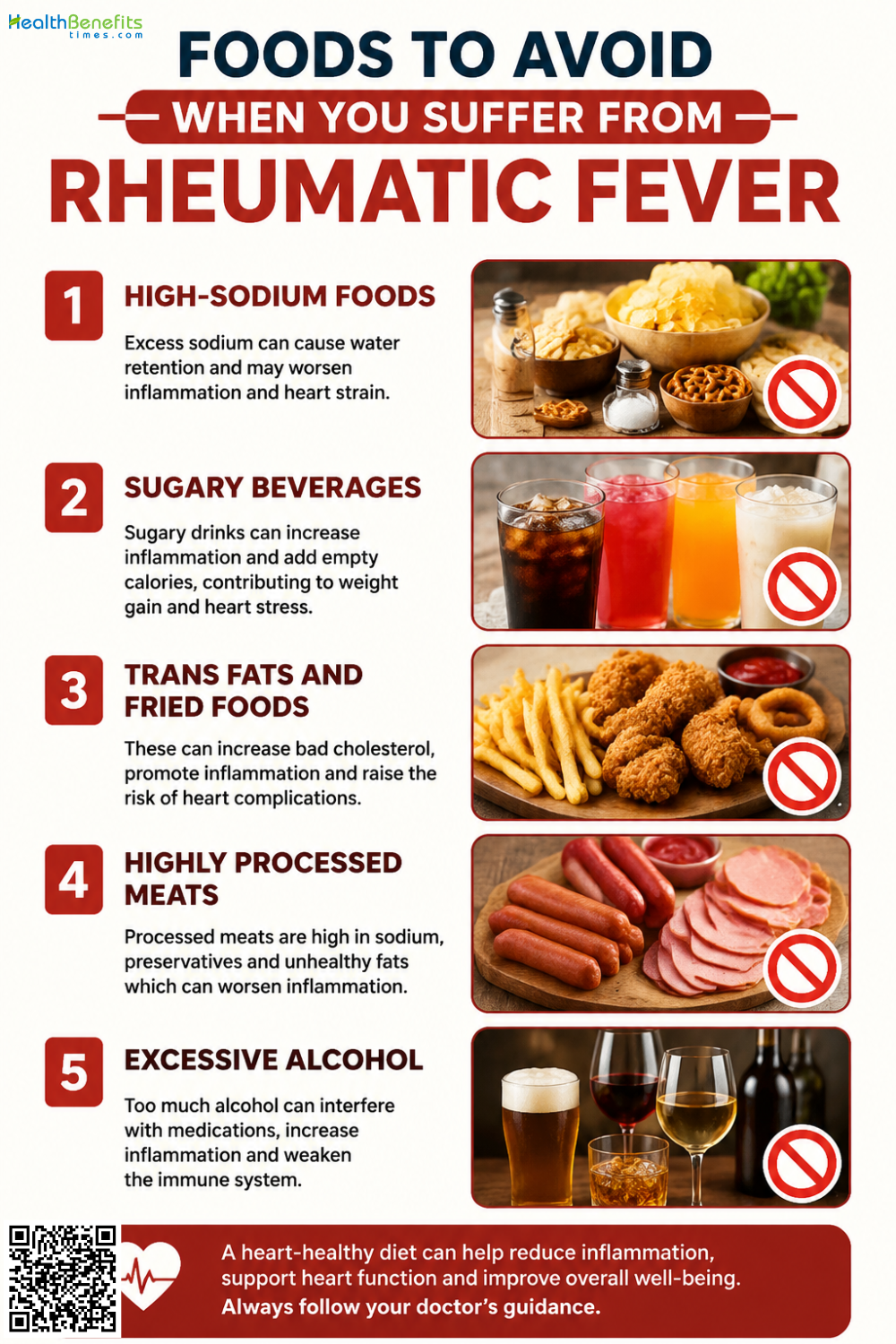
2. Sugary Beverages
Drinks sweetened with added sugar spike blood sugar levels and promote inflammation throughout your body, which can worsen the joint pain associated with this condition 27.
3. Trans Fats and Fried Foods
Artificial trans fats found in commercial fried foods trigger high levels of inflammation and damage blood vessels, threatening long-term heart health 28.
4. Highly Processed Meats
Bacon, sausages, and deli meats contain chemical preservatives and high amounts of saturated fats that increase inflammation and raise the risk of cardiovascular complications 29.
5. Excessive Alcohol
Drinking alcohol weakens the immune system, interferes with inflammation-reducing medications, and contributes to heart muscle stress, which you must avoid to protect your cardiovascular health 30.
When to Seek Medical Care for Rheumatic Fever
1. Joint Inflammation and Pain
Seek medical evaluation if you experience painful, swollen, or tender joints, especially if the pain migrates among the knees, ankles, elbows, and wrists 6.
2. Heart-Related Symptoms
Contact a doctor immediately for signs of heart inflammation, such as chest pain, a rapid heartbeat, or unexpected shortness of breath during routine activities 6.
3. Uncontrollable Body Movements
Consult a healthcare provider if you notice sudden, jerky, and involuntary movements in the face, hands, or feet, which indicates a nervous system issue called chorea 4.
4. Skin Abnormalities
A medical assessment is necessary if painless lumps develop under the skin near joints or if a rash with pink rings and a clear center appears 6.