

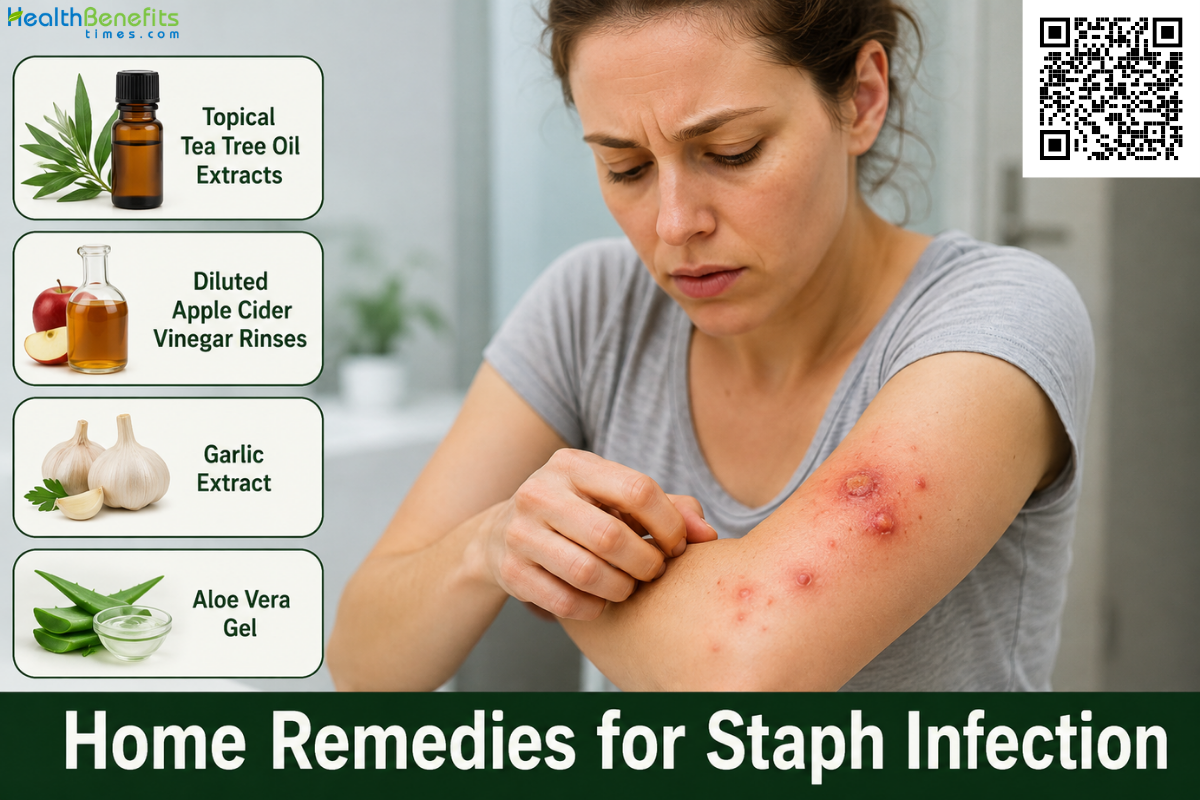
A staph infection is a medical condition caused by Staphylococcus bacteria, a common germ that normally lives harmlessly on the skin and in the nasal passages. These bacteria become problematic when they penetrate the body through cuts, surgical incisions, or medical devices 1. While they most often cause localized skin issues like boils and painful rashes, the bacteria can trigger severe, life-threatening complications if they travel deeper into the bloodstream, bones, joints, or major organs like the heart and lungs 2. Physicians typically prescribe standard antibiotics for treatment. However, specific resilient strains—most notably Methicillin-resistant Staphylococcus aureus (MRSA)—have evolved to resist conventional drugs and require intensive clinical therapies 2. Standard medical protocols emphasize that consistent hand hygiene and prompt, sterile wound care are the most effective methods to prevent transmission in both community and healthcare settings 1.
Causes of Staph Infection
1. Direct Physical Contact
Staphylococcus bacteria are highly contagious and primarily spread through direct skin-to-skin contact with an infected individual or a healthy carrier who harbors the bacteria without showing symptoms 1.
2. Contaminated Objects and Surfaces
The bacteria can survive on non-living materials for extended periods, allowing the infection to transmit when individuals touch contaminated shared items, such as towels, bedding, razors, or gym equipment 2.
3. Breaches in the Skin Barrier
Infections frequently develop when bacteria that normally reside harmlessly on the skin’s surface bypass the body’s immune defenses by entering through minor cuts, scrapes, insect bites, or surgical incisions 1.
4. Invasive Medical Devices
The use of inserted medical equipment, including intravenous (IV) lines, urinary catheters, and breathing tubes, creates an artificial pathway for the bacteria to bypass the skin and enter the bloodstream or internal organs, resulting in severe hospital-acquired infections 3.
5. Improper Food Handling
People can develop a specific type of staph infection—staphylococcal food poisoning—by consuming food prepared by a carrier who did not properly wash their hands, particularly when the food is left at room temperature, allowing the bacteria to multiply and release harmful toxins 4.
Symptoms of Staph Infection
- Painful Skin Abscesses and Boils: The most common physical sign appears on the skin as swollen, red, and tender pockets of pus, which frequently resemble severe spider bites and may actively ooze fluid 1.
- Cellulitis (Deep Skin Inflammation): This deep tissue infection causes the skin surface—most often on the lower legs—to become visibly red, swollen, noticeably hot to the touch, and highly sensitive or painful 1.
- Gastrointestinal Distress (Food Poisoning): If the illness is caused by ingesting food contaminated with staph toxins, symptoms emerge rapidly within hours and include severe nausea, intense vomiting, severe stomach cramps, and diarrhea 4.
- Systemic Blood Infection Signs: When the bacteria successfully invade the bloodstream (a condition known as bacteremia), it triggers a severe systemic reaction characterized by a sudden high fever, chills, and dangerously low blood pressure 3.
- Toxic Shock Syndrome Symptoms: This rare but life-threatening complication caused by specific bacterial toxins presents abruptly with a high fever, severe muscle aches, confusion, and a distinctive flat, red rash that closely resembles a widespread sunburn 1.
- Joint Pain and Swelling (Septic Arthritis): If the bacteria spread to the joints, typically targeting the knees, hips, or shoulders, it results in intense pain, severe localized swelling, noticeable redness, and a sudden inability to move the affected limb normally 3.
Home Remedies for Staph Infection
1. Warm Compress Therapy
How It May Help
Applying localized heat increases blood circulation to the infected area. This brings white blood cells to fight the Staphylococcus bacteria and helps pus-filled skin boils come to a head and drain naturally, reducing pain and promoting faster tissue healing 5.
What Research Says
Clinical guidelines conclude that most minor skin abscesses resolve safely with conservative heat therapy. Standard medical protocols emphasize that allowing a boil to drain spontaneously through the consistent use of warm compresses frequently eliminates the need for surgical lancing or oral antibiotics 6.
How to Use It Safely
You should soak a clean cloth in warm water and apply it directly to the infected skin for 20 minutes, three times daily. Always wash your hands thoroughly afterward and launder the used cloth in hot, soapy water to prevent spreading the bacteria 5.
Potential Precautions or Side Effects
Never squeeze, pop, or pierce the infected boil. Doing so pushes the bacteria deeper into the skin and bloodstream, significantly increasing the risk of a dangerous systemic infection 5.
2. Diluted Bleach Baths
How It May Help
Diluted bleach baths act as a broad-spectrum antibacterial treatment. Soaking in this mild solution significantly lowers the amount of Staphylococcus bacteria living on the skin’s surface. This process helps clear active infections, stops the bacteria from spreading to healthy tissue, and prevents recurring skin outbreaks 7.
What Research Says
Clinical research concludes that regular diluted bleach baths effectively decrease the severity of bacterial skin infections. Studies demonstrate that this therapy, often prescribed as part of a complete bacterial decolonization protocol, successfully reduces the recurrence of antibiotic-resistant Staphylococcus aureus (MRSA) infections on the skin 7.
How to Use It Safely
You should mix one-half cup of regular, unscented liquid bleach into a full bathtub of warm water. Soak your body for five to ten minutes, strictly avoiding your eyes and head. Always rinse off completely with fresh tap water afterward and apply a gentle moisturizer 7.
Potential Precautions or Side Effects
Never apply undiluted bleach directly to your skin. Excessive use can cause severe dryness, painful irritation, or chemical burns, and inhaling strong fumes may trigger serious asthma symptoms 7.
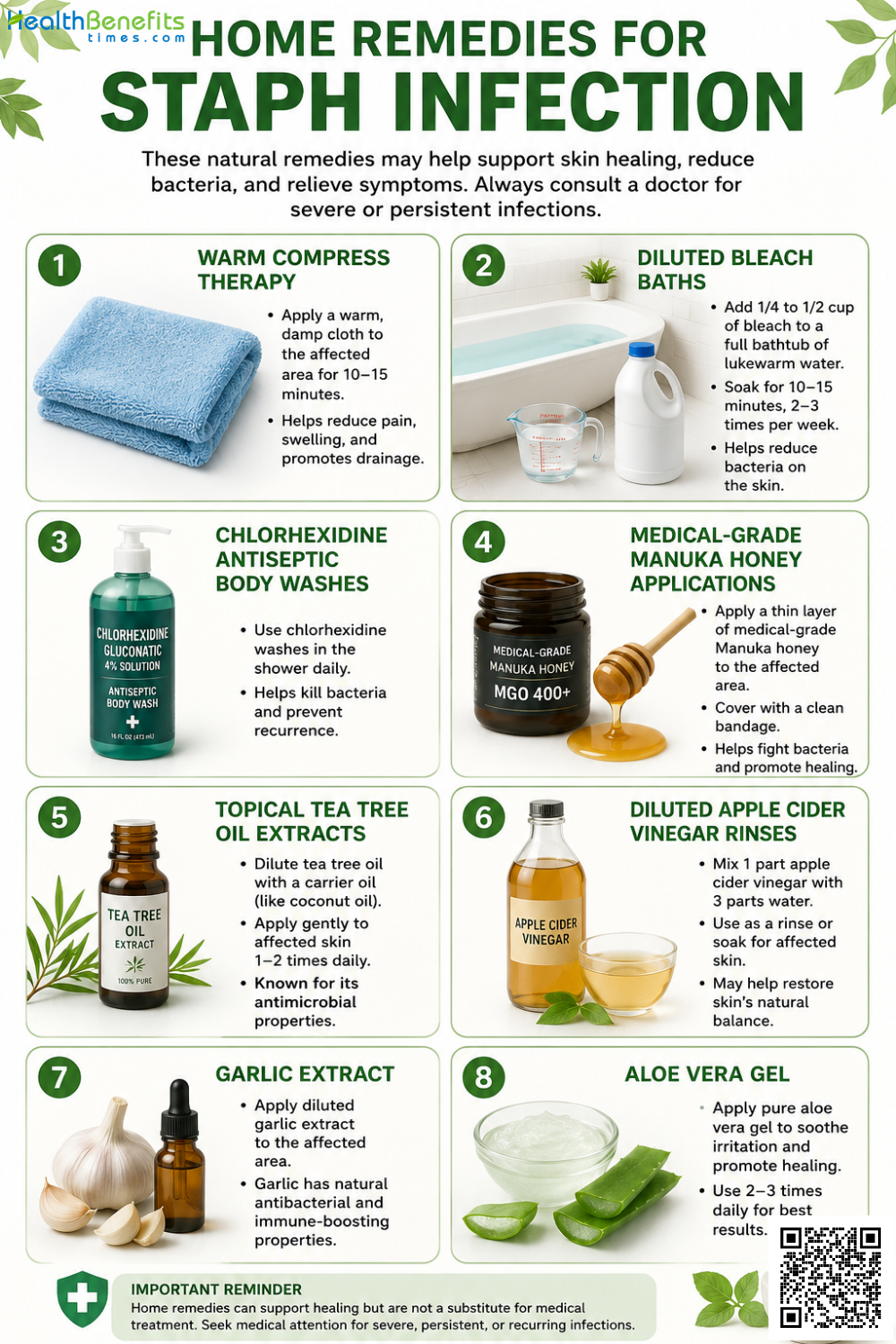
3. Chlorhexidine Antiseptic Body Washes
How It May Help
Chlorhexidine is a powerful medical-grade antiseptic that binds to the skin to destroy Staphylococcus bacteria. It works by breaking down the bacterial cell walls, effectively neutralizing active infections on the skin’s surface and preventing the germs from multiplying and spreading to other areas of the body 8.
What Research Says
Clinical research concludes that regular bathing with chlorhexidine significantly reduces the presence of Staphylococcus bacteria on the skin. Studies confirm this hygienic practice successfully prevents recurrent skin infections and drastically lowers the transmission rates of antibiotic-resistant strains, such as MRSA, in both hospital and community settings 9.
How to Use It Safely
You should gently wash your body with the antiseptic solution from the neck down, leaving it on the skin for two to three minutes before rinsing completely. Never apply this medicated wash to your face, eyes, ears, or inside deep, open wounds 10.
Potential Precautions or Side Effects
Chlorhexidine can cause mild skin dryness, redness, or itching. In rare instances, it may trigger a severe, potentially life-threatening allergic reaction requiring immediate emergency medical care 10.
4. Medical-Grade Manuka Honey Applications
How It May Help
Medical-grade Manuka honey contains a unique active compound called methylglyoxal, which provides powerful antibacterial properties. When applied to skin infections, this specialized honey destroys Staphylococcus bacteria by breaking down their cellular structure while simultaneously keeping the damaged tissue moist to accelerate natural wound healing 11.
What Research Says
Clinical research concludes that medical-grade Manuka honey successfully halts the growth of various Staphylococcus bacteria, including dangerous, antibiotic-resistant strains like MRSA. Studies confirm its topical application significantly reduces active infection rates and promotes faster tissue repair compared to standard wound dressings alone 11.
How to Use It Safely
You should apply a thin layer of sterile, medical-grade Manuka honey directly to a clean bandage before covering the infected skin. Never use standard grocery store honey, as it is unsterilized and can introduce new, harmful bacteria directly into an open wound 12.
Potential Precautions or Side Effects
You may experience a mild, temporary stinging sensation upon application. Avoid this treatment entirely if you have a known, severe allergy to bee venom or specific plant pollens 11.
5. Topical Tea Tree Oil Extracts
How It May Help
Tea tree oil is a natural essential oil containing specific active compounds that possess strong antimicrobial properties. When applied topically, these compounds actively disrupt and destroy the cellular walls of Staphylococcus bacteria, effectively stopping the germs from multiplying and spreading across the skin 13.
What Research Says
Clinical research concludes that tea tree oil effectively eradicates various strains of Staphylococcus bacteria. Laboratory studies demonstrate that applying clinical-grade tea tree oil successfully clears localized skin infections and shows significant promise in eliminating dangerous, antibiotic-resistant strains like MRSA from the skin’s surface 13.
How to Use It Safely
You must always dilute tea tree oil with a gentle carrier oil, such as coconut or olive oil, before applying it. Gently rub a small amount onto the infected skin and cover it with a sterile bandage to prevent spreading 14.
Potential Precautions or Side Effects
Undiluted tea tree oil frequently causes severe skin irritation and allergic rashes. Never swallow this extract, as it is highly toxic and causes dangerous nervous system damage 14.
6. Diluted Apple Cider Vinegar Rinses
How It May Help
Apple cider vinegar contains acetic acid, a natural compound that significantly lowers the skin’s pH level. This highly acidic environment makes it difficult for Staphylococcus bacteria to survive, effectively disrupting their cellular structure and halting their ability to multiply on the skin’s surface 15.
What Research Says
Clinical laboratory research concludes that apple cider vinegar possesses strong antimicrobial properties capable of destroying Staphylococcus aureus, including antibiotic-resistant strains. Studies confirm that its active acetic acid directly damages the bacterial proteins, successfully neutralizing the germs and preventing further localized skin infection 15.
How to Use It Safely
You must strictly dilute the apple cider vinegar by mixing one part vinegar with at least three parts clean water. Gently apply this diluted solution to the affected skin using a sterile cotton swab, then rinse it off completely after a few minutes 15.
Potential Precautions or Side Effects
Never apply undiluted apple cider vinegar directly to your skin, as its high acidity causes severe chemical burns and permanent tissue damage. Avoid using it on deep, open wounds 16.
7. Garlic Extract
How It May Help
Garlic contains a powerful natural compound called allicin, which provides strong antibacterial properties. Allicin directly attacks and breaks down the cellular walls of Staphylococcus bacteria, effectively stopping the germs from multiplying and spreading to healthy tissues 17.
What Research Says
Clinical laboratory research concludes that garlic extract effectively destroys various strains of Staphylococcus bacteria. Studies confirm that its active compound successfully neutralizes the bacteria and shows significant promise in fighting dangerous, antibiotic-resistant strains like MRSA 17.
How to Use It Safely
You should use commercially prepared, sterile garlic extracts rather than raw kitchen garlic for skin application. Gently apply a diluted extract to a sterile bandage before placing it over the affected area, ensuring the wound remains clean and protected 18.
Potential Precautions or Side Effects
Never apply crushed, raw garlic directly to the skin, as it causes severe chemical burns. Oral garlic supplements also significantly increase your risk of dangerous bleeding 18.
8. Aloe Vera Gel
How It May Help
Aloe vera gel contains natural active chemicals, such as aloin, that provide mild antibacterial and anti-inflammatory benefits. Applying this gel directly to the skin helps soothe painful inflammation, keeps the affected tissue moisturized, and creates a protective barrier that discourages Staphylococcus bacteria from multiplying 19.
What Research Says
Clinical laboratory research concludes that aloe vera plant extracts possess measurable antibacterial activity against Staphylococcus aureus. Studies confirm that its natural compounds successfully disrupt the bacterial cell walls, effectively halting the growth of the germs and supporting the skin’s natural tissue repair process 19.
How to Use It Safely
You should use only commercially prepared, sterile, pure aloe vera gel. Gently apply a thin layer to minor, unbroken skin infections. Never use raw gel directly from a houseplant, as it can easily introduce new soil bacteria into the wound 20.
Potential Precautions or Side Effects
Aloe vera can cause localized redness, burning, or allergic rashes. You must never apply this gel to deep, actively oozing, or severely infected open surgical wounds 20.
Foods to Avoid When You Suffer from Staph Infection
1. Sugary Foods and Sweets
High blood glucose impairs white blood cell function and enhances the bacteria’s ability to form protective biofilms, significantly delaying the healing of infected wounds 21.
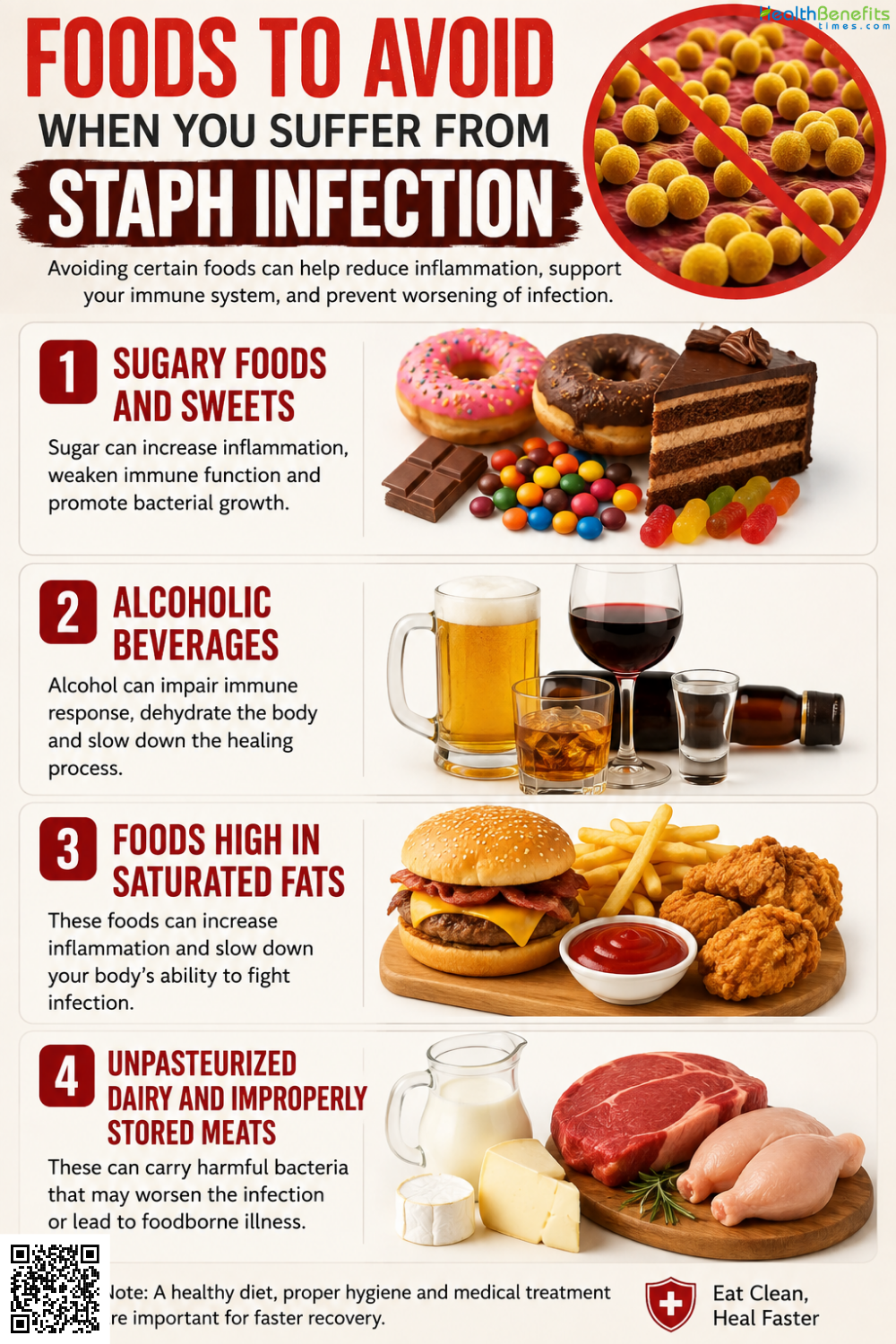
2. Alcoholic Beverages
Alcohol suppresses both the innate and adaptive immune systems, crippling the body’s natural defenses against bacterial infections and drastically slowing the recovery of damaged tissues 22.
3. Foods High in Saturated Fats
Clinical studies conclude that diets heavy in saturated fats trigger systemic inflammation, which severely reduces the immune system’s overall efficiency in clearing Staphylococcus bacteria 23.
4. Unpasteurized Dairy and Improperly Stored Meats
Because the immune system is compromised, individuals should strictly avoid raw milk and deli meats to prevent secondary gastrointestinal infections caused by staphylococcal food toxins 24.
When to See a Doctor When You Struggle from Staph Infection
- Fever and Chills: Seek immediate medical care if the skin infection is accompanied by a high fever or chills, as this indicates the bacteria have dangerously entered your bloodstream 2.
- Rapidly Spreading Redness: Consult a doctor if the red, swollen area suddenly expands, feels unusually hot, or causes intense pain, which signals a rapidly worsening deep tissue infection 1.
- Lack of Healing: You must schedule a clinical evaluation if a minor skin boil fails to heal, continues oozing thick pus, or significantly worsens after several days of basic home care 3.
- Toxic Shock Symptoms: Go to an emergency room immediately if you suddenly experience a widespread sunburn-like rash, severe muscle aches, and extreme dizziness, which are symptoms of a life-threatening complication 1.