| Society Garlic Quick Facts |
| Name: |
Society Garlic |
| Scientific Name: |
Tulbaghia violacea |
| Origin |
Society Garlic is native to Natal, Transvaal and the Eastern Cape region in South Africa where it grows in rocky grasslands. |
| Taste |
Pleasant, mild garlicky |
| Health benefits |
Anti-hypertensive activity, Prevent oxidative stress, Prevents cancer, Hormone balance, Reduction of blood pressure |
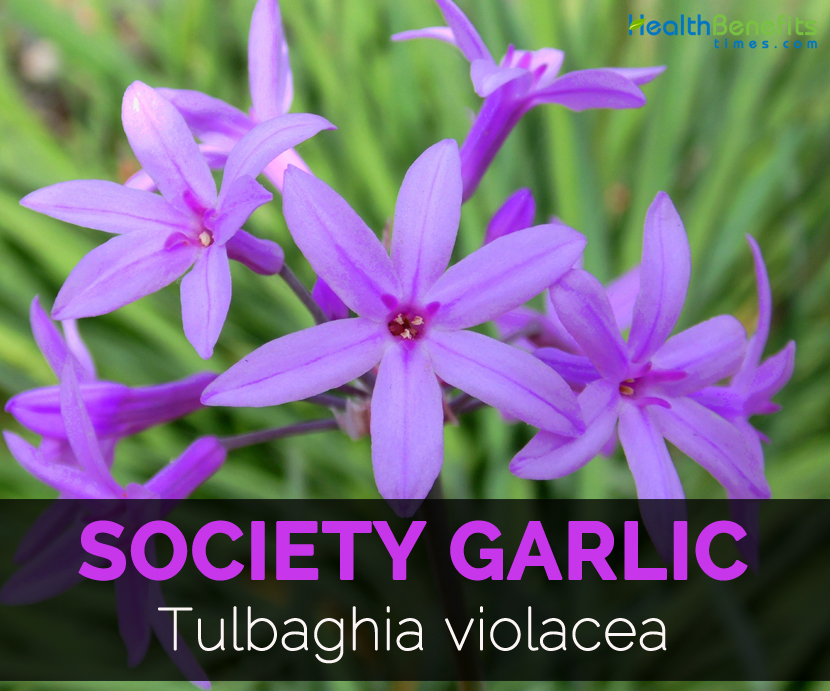
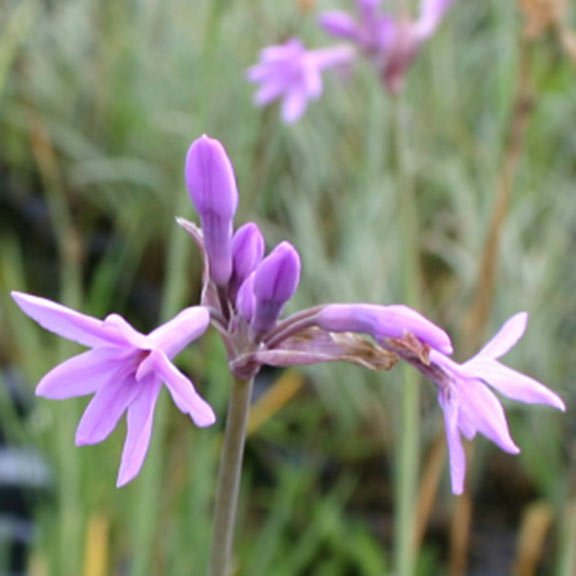
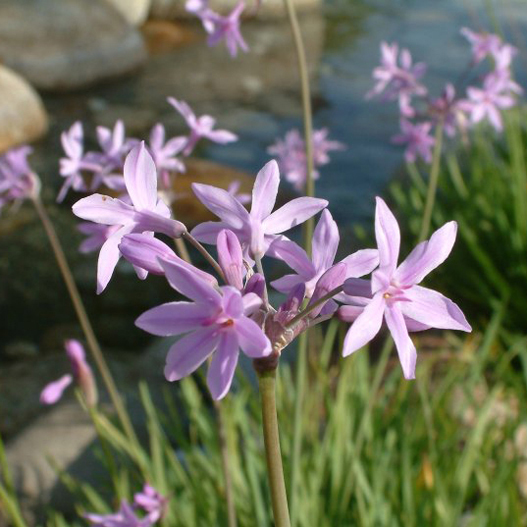
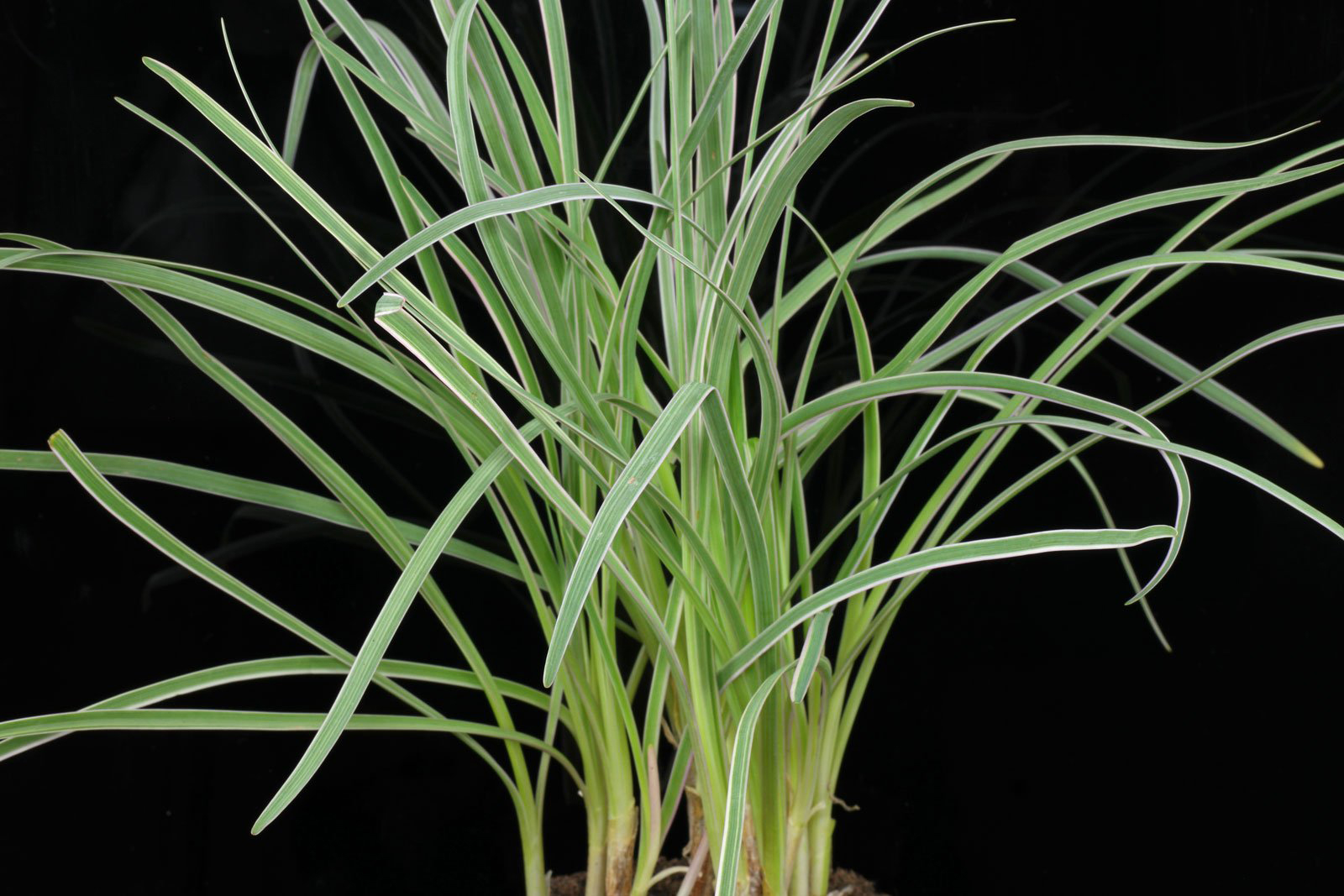
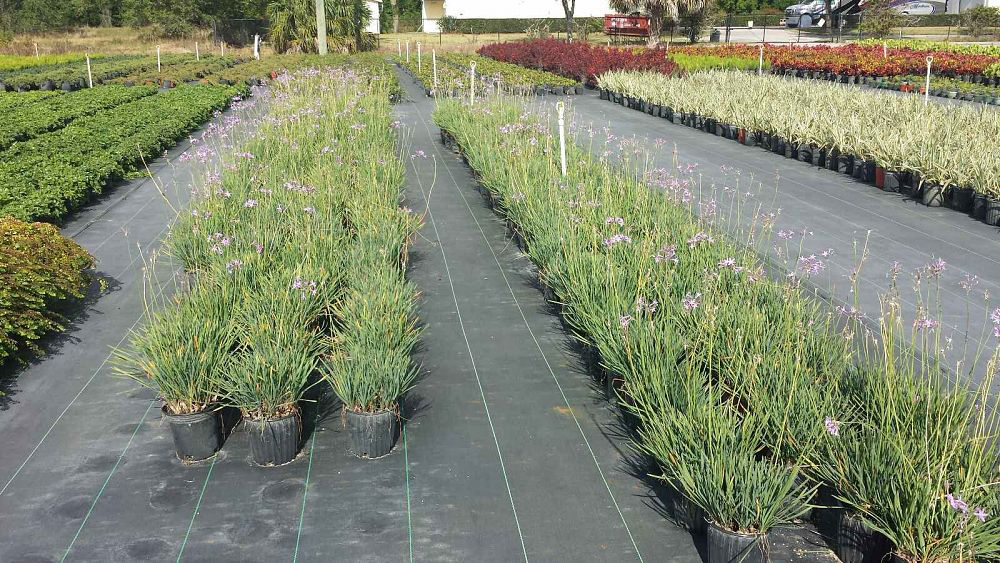
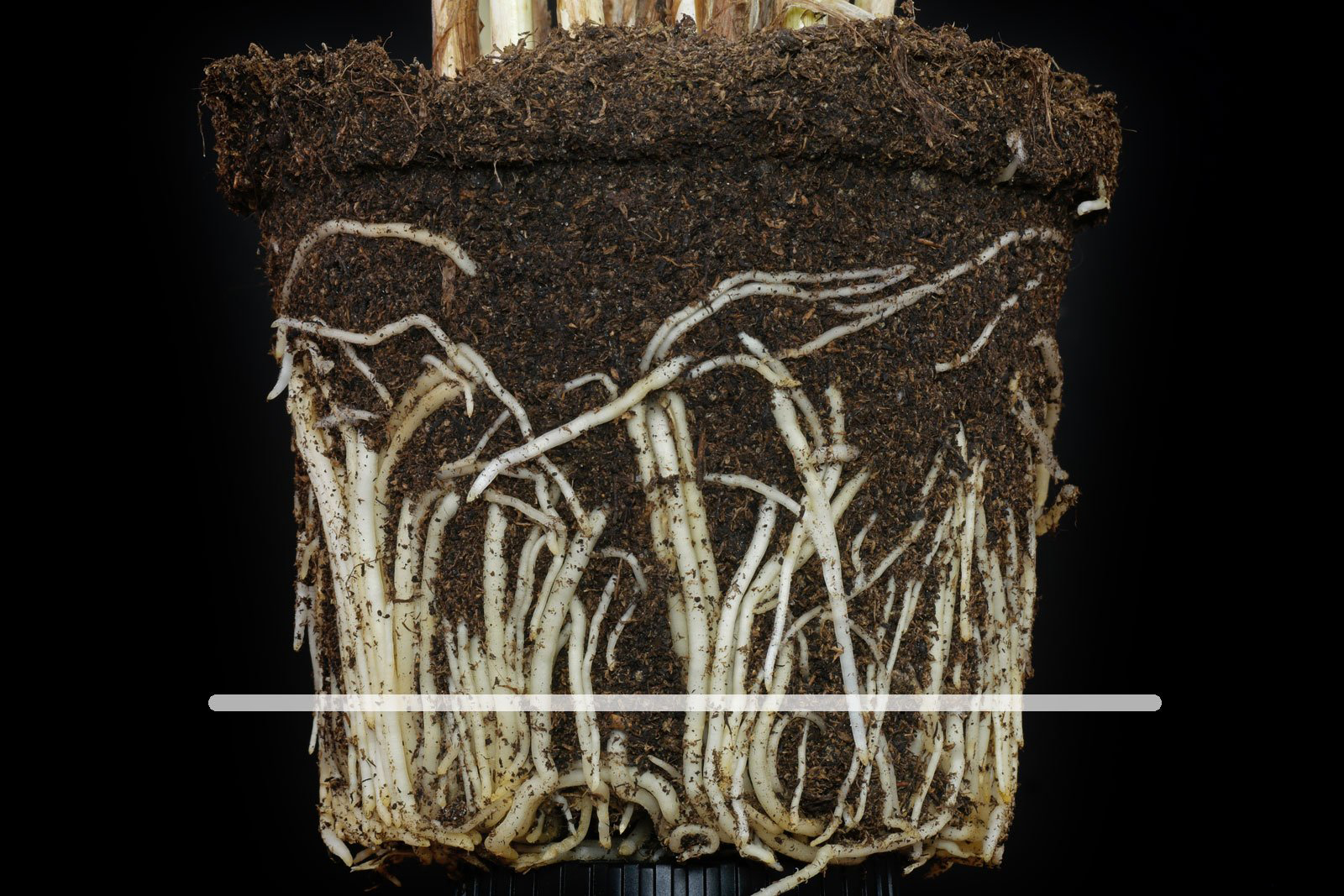
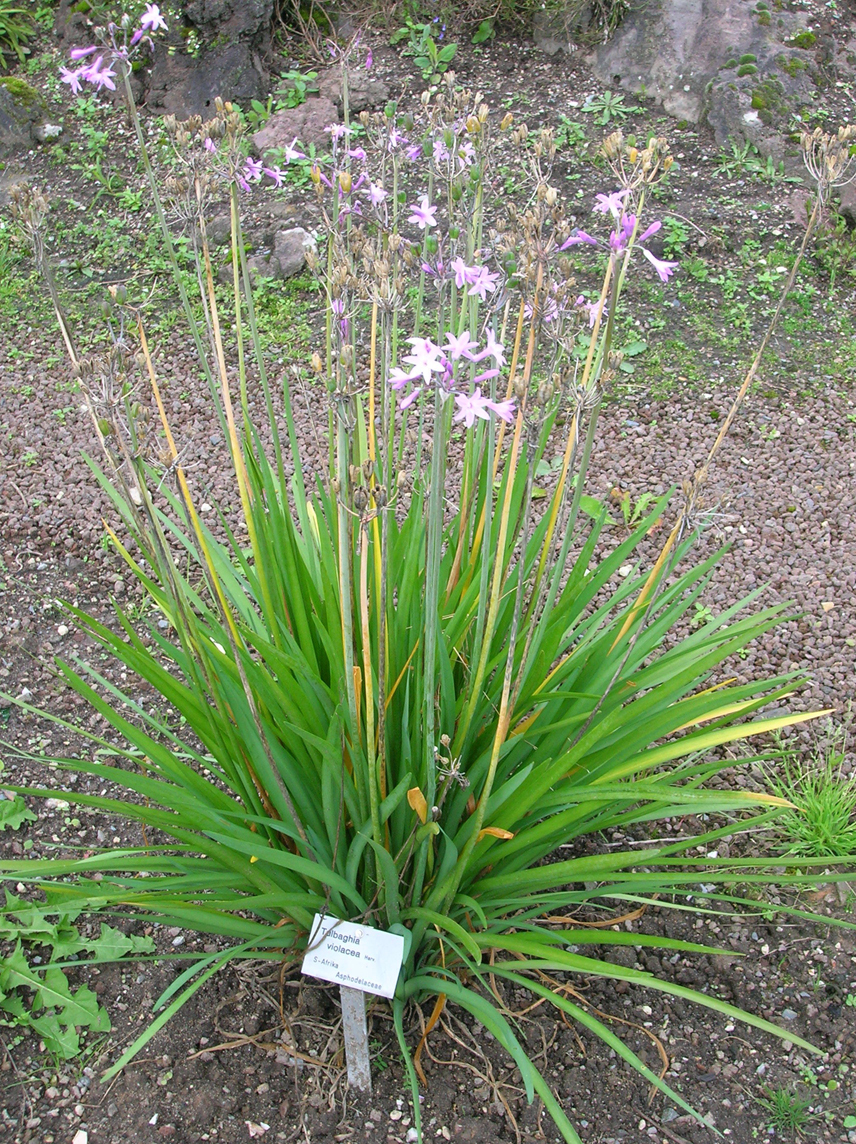
Society garlic, scientifically known as Tulbaghia violacea, is a flowering plant species belonging to the onion family Alliaceae, native to Southern Africa and is naturalized in Mexico and Tanzania. The plant grows to 60 cm tall by 25 cm wide. It is a clump forming perennial having narrow leaves and large clusters of violet and fragrant flowers which blooms from midsummer to autumn. Leaves are grayish green and the plant resembles showy garlic or garlic chives plant. Society garlic contains 4 to 9 grasslike leaves each measuring a foot long and half inch wide. Leaves grow straight up out of swollen underground rhizome which looks like a bulb or corm. The single 2 feet flowering stalk grows up from the center of the rosette of leaves. A large umbel sits on the top of scape which is originated from the same point of sweet scented lilac pink flowers. Flowers are tubular and expand to six pointed stars at their ends. Each umbel consists of 8 to 20 dainty little flowers. Blossoms are found infrequently from early summer till late autumn. The rhizomes and leaves of Society garlic has the smell of garlic but the flowers have the smell of hyacinths.
Health Benefits of Society garlic
Let us discuss below on the health benefits of Society garlic:-
- Anti-hypertensive activity
The study results shows that antihypertensive effects of crude methanol extract of Society garlic in male SHR may involve the stimulation of muscarinic receptors and lower in plasma aldosterone levels. The studies are required to separate chemical compounds found in Society garlic and determine pharmacological actions of each of them. (1)
- Prevent oxidative stress
The study shows that methanolic extract of TVR produced a protection against atherogenic diet promoted aortic pathology, enzyme depletion glomerulosclerosis and hepatic damage by preventing hyperlipidemia and oxidative stress in rats. (2)
- Prevents cancer
The leaves and flower extract, it could be used as an anti-cancer agent. The organic compounds and antioxidants found in this leaves could suppress oxidative stress and neutralize free radicals that could lower chances of cancer or treat it.
- Hormone balance
Society garlic has androgenic effects so its daily intake or adding powerful extract could add testosterone and effective for treating hormonal imbalance.
- Reduction of blood pressure
Research have shown that use of Society garlic helps to lower pressure on blood vessels and arteries that helps to lower the chances of stroke, heart attack and atherosclerosis and coronary heart diseases.
Traditional uses
- It is used for treating colds, fever, tuberculosis, asthma, oesophagus cancer, and high blood pressure, stomach problems such as abdominal pain, gastroenteritis and acute inflammation.
- The decoction made from fresh bulbs boiled in water helps to clear coughs and colds.
- Bulb is an aid for pulmonary tuberculosis and eliminates intestinal worms.
- Leaves are useful for oesophageal cancer.
- Apply the crushed leaves on skin to repel ticks, fleas and mosquitoes.
- Crushed leaves are used to cure sinus headaches.
- It is used for treating asthma, colds, fevers and tuberculosis in South Africa.
- The decoction made from bulbs is used for eliminating intestinal worms.
How to Eat
- Flowers and leaves are added to salads.
- Chopped leaves are added to soups, sauces and salads as a garnish.
- Flower buds are used as a garnish and provides mild garlic flavor.
- Leaves and flowers are used by Zulus as spinach and as hot peppery seasoning with potatoes and meat.
- Leaves and flowers are added to salads and soups.
- Younger leaves are added to noodle dishes to add flavor and texture.
References:
http://greenharvest.com.au/Plants/Information/SocietyGarlic.html
http://www.missouribotanicalgarden.org/PlantFinder/PlantFinderDetails.aspx?kempercode=c559
http://tropical.theferns.info/viewtropical.php?id=Tulbaghia+violacea
http://florawww.eeb.uconn.edu/198900050.html
http://www.fusianliving.com/2011/01/grow-society-garlic-chinese-chives.html
https://www.mygardeninsider.com/the-gardeners-library/2519/tulbaghia/violacea
https://www.organicfacts.net/society-garlic.html
Comments
comments