Health Benefits
    Facebook Twitter Instagram
    Friday, December 5
    Facebook Twitter Pinterest
    Health Benefits
    • Home
    • Dental Health
    • Mental Health
    • Weight Loss
    • Health Wiki
    • Nutrition
    • Healthy Recipe
    • BMI Calculator
    Health Benefits
    Home»Herbs and Spices»Know about African oil palm
    Herbs and Spices

    Know about African oil palm

    By s mNovember 8, 2019Updated:November 8, 2019No Comments3 Mins Read
    Facebook Twitter Pinterest LinkedIn Tumblr Email

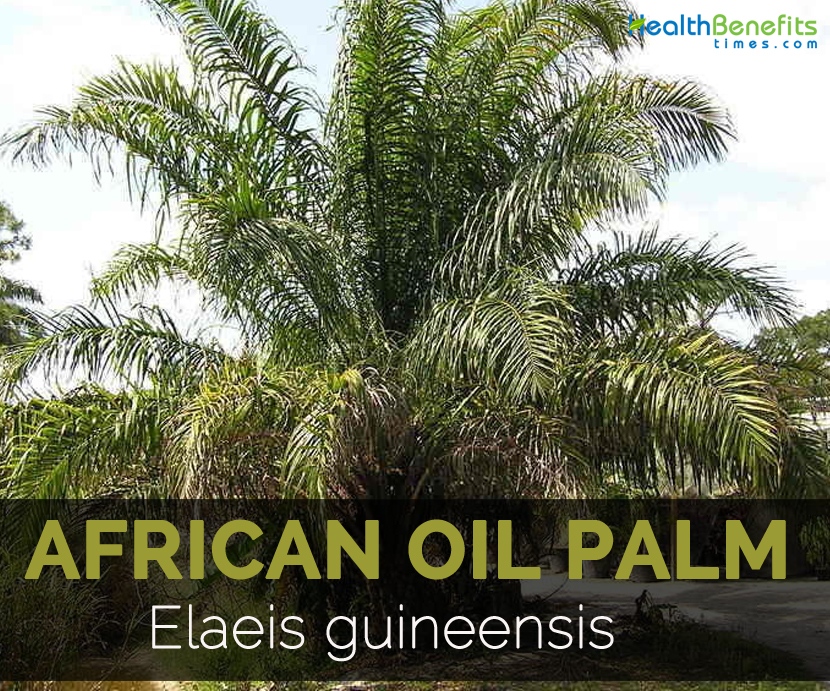
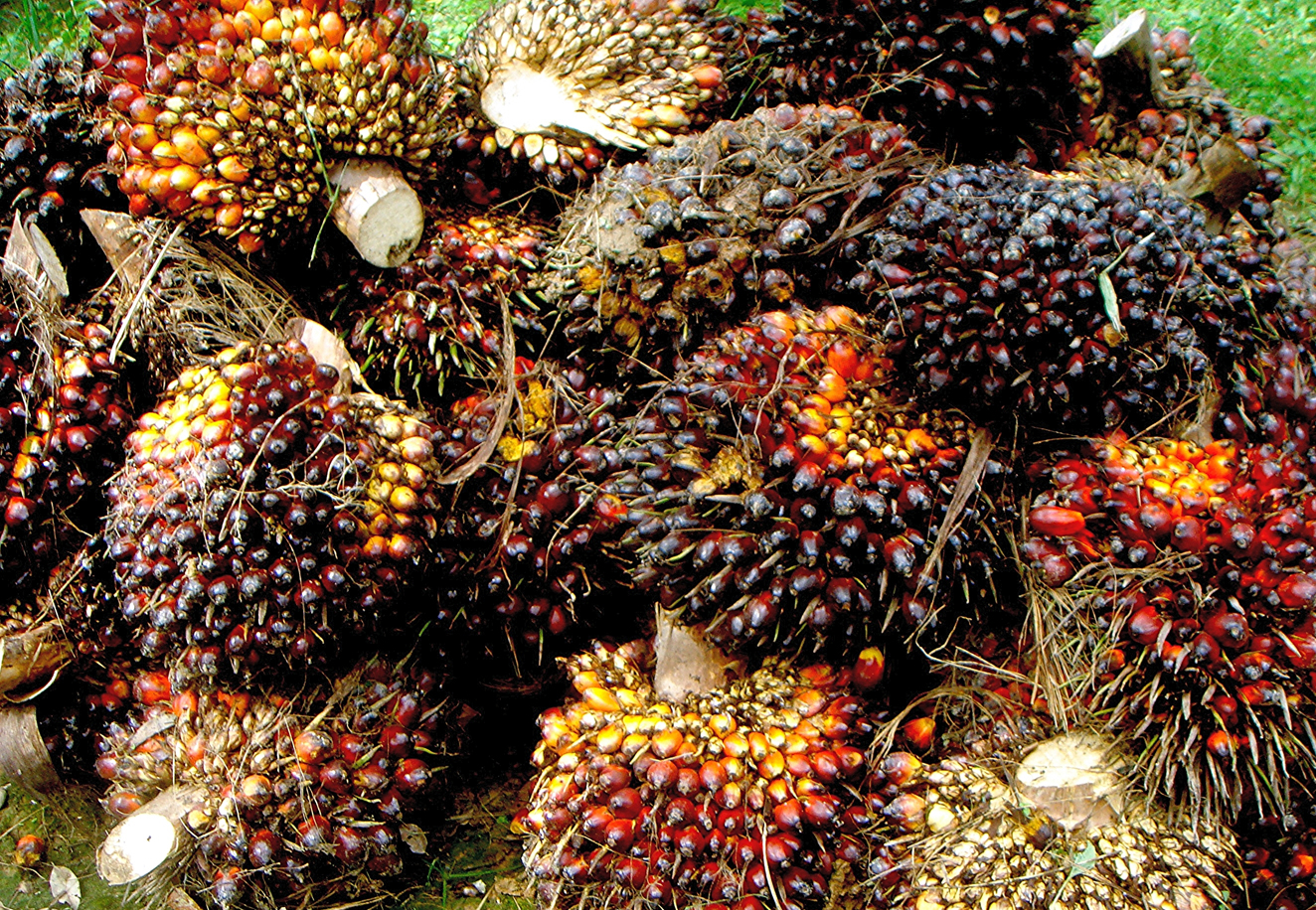
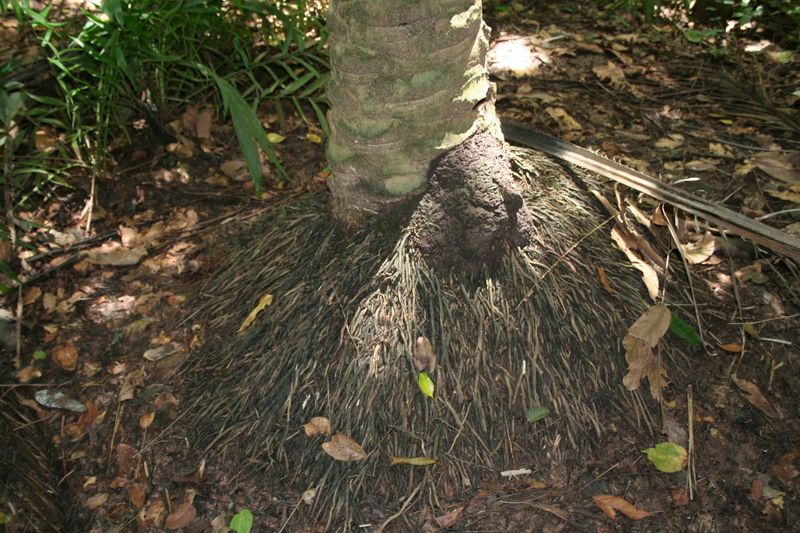
    African oil palm is a tree which reaches to the height of 20 meters or more at maturity. Trunk is distinguished by persistent and spirally arranged leaf bases and has a crown of 20 to 40 massive leaves. Root system has primaries and secondaries in top 140 cm of soil. Leaves are erect, numerous and reaches 3 to 5 meters in adult trees. Leaf stalks are short having broad base. Leaf blades have 100 to 160 pairs of long leaflets having prominent midribs tapered to a point and form in groups or singly along midrib. Male or female inflorescences form on one plant. A single inflorescence has both male and female flowers. An inflorescence arises among leaf bases in large and very dense clusters having innumerable small flowers enclosed in bud stage in two large fibrous bracts that becomes deciduous. Fruits form in bunches and the average weight of each bunch is 23 kg but may also weigh upto 82 kg. A bunch has ovoid drupes about 4 cm long and 2 cm broad having pointed apex.

    Palm oil is obtained from fruits and used for making soaps, candles, cosmetics, biofuels and lubricating greases and in processing tinplate and coating iron plates. It is also used for manufacturing edible products such as ice cream, margarine, cookies, chocolate confections and breads as well as pharmaceuticals.

    Plant description

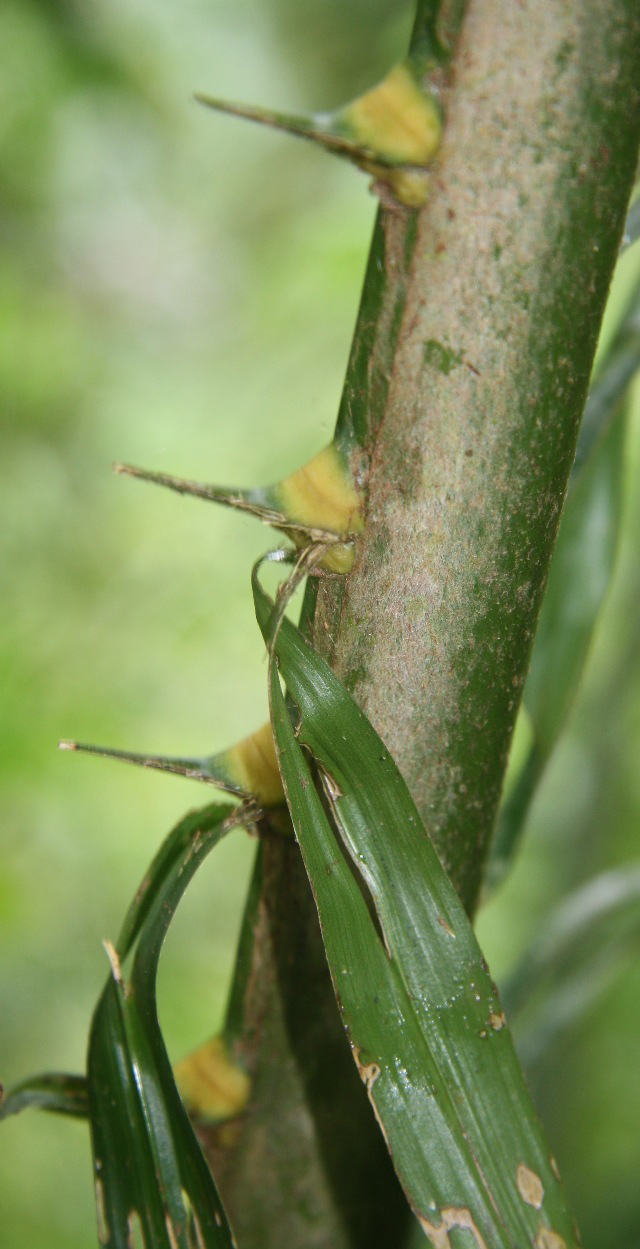
    African oil palm is a perennial and armed solitary palm about 8.5 to 30 meters tall, stout, erect and trunks are ringed. Flowers are monoecious; male and female flowers are found in separate clusters. Crown in dark green having skirt of dead leaves. Trunk is 30 cm in diameter.  Petioles are saw toothed, fibrous, green, broadened at base, 1.3–2.3 m long and 12.5– 20 cm wide. Leaves have pinnate blade, 3.3-5 m long having 100 to 150 pairs of leaflets in four ranks.  Fruit is ovoid to oblong about 3.5 cm long and 2 cm wide that ripen to orange red. Fruit weighs 6 to 20 kg and is made up of outer skin.

    African oil palm Image Gallery
    African-oil-palm-fruit African-oil-palm-fruit
    African-oil-palm-plant African-oil-palm-plant
    African-oil-palm-roots African-oil-palm-roots
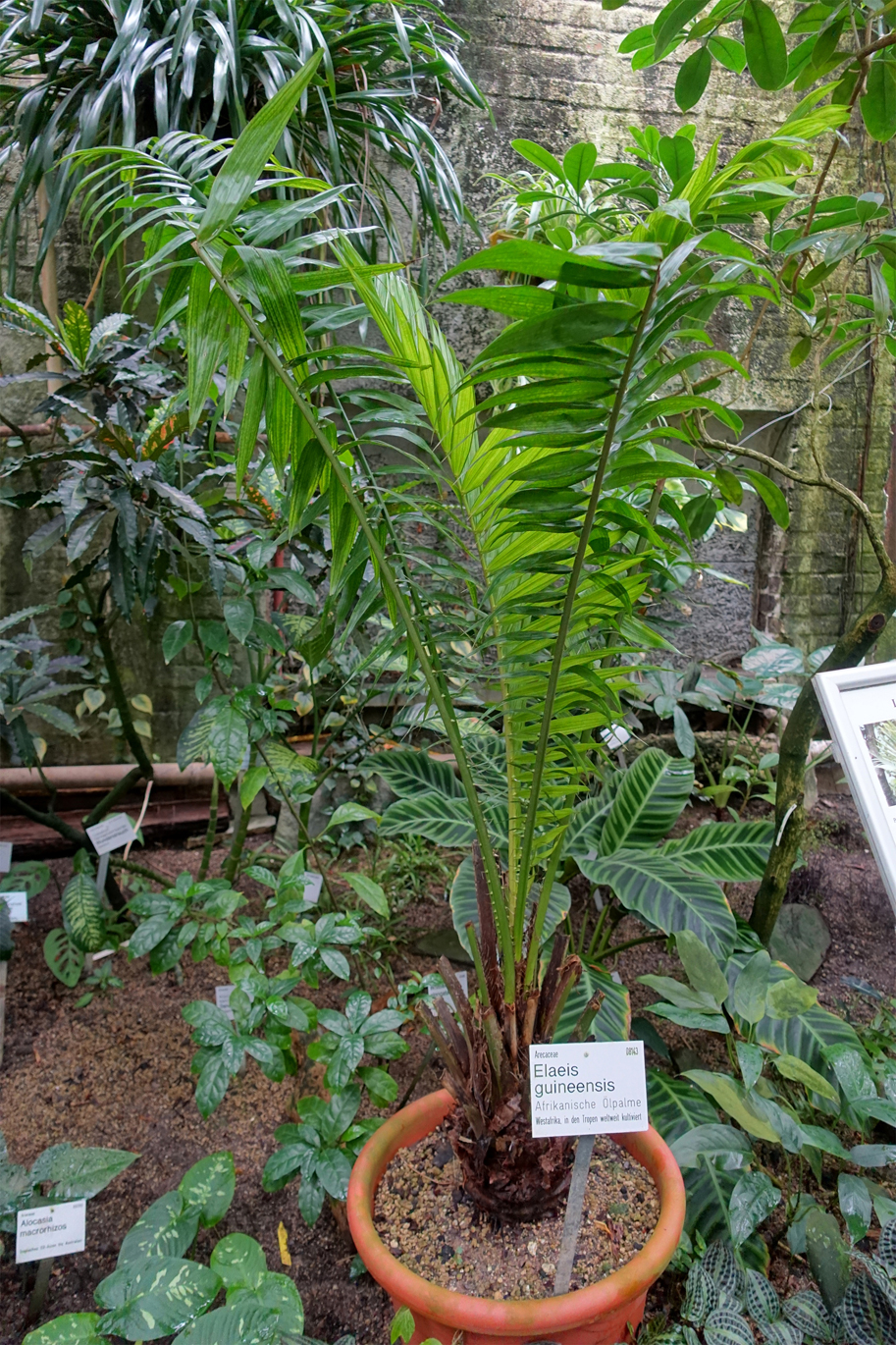
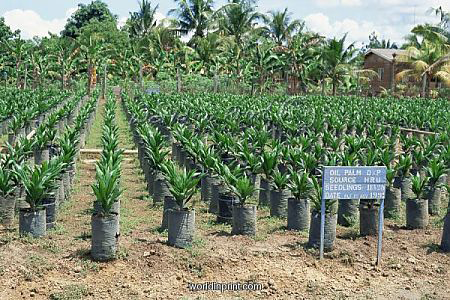
    African-oil-palm-seedlings African-oil-palm-seedlings
    African-oil-palm-stem African-oil-palm-stem
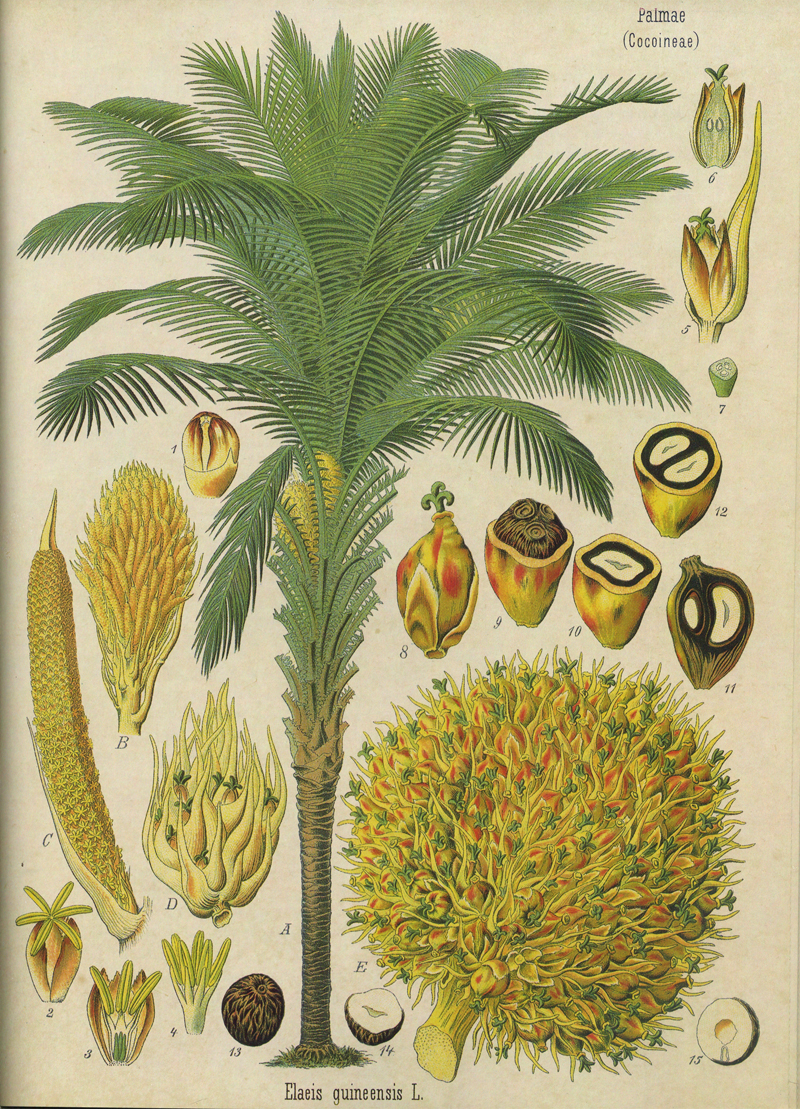
    Plant-illustration-of-African-oil-palm Plant-illustration-of-African-oil-palm
    Medicinal uses

    • Use the leaf sap for treating skin affections.
    • Oil extracted from pulp is emollient and used as excipient for herbal ointments.
    • Use it for treating suppurations, swellings of legs and whitlows.
    • Yellow leaves are used for treating fever and anemia.
    • It can be used to remove thorns and poison from the body.
    • Roots are used to treat piles.
    • Take the root decoction or burnt root powder orally for treating epilepsy.
    • Mix infructesence with burned ginger and apply as enema to young children to promote walking at early age.
    • In South Eastern Nigeria, it is used for treating skin infections and various diseases.

    Culinary uses

    • In Africa, palm wine is obtained by tapping sap from unopened male inflorescences.
    • The palm cabbage consists of soft tissues of undeveloped leaves around apical bud which is consumed as vegetables.
    • Palm oil is used for making margarine, bakery fats, vegetable ghee, cooking oil and ice cream.
    • Unrefined red palm oil is added to soups and sauces in West Africa.
    • Use palm oil as frying oil for preparing snacks such as plantain and bean cakes.

    References:

    https://www.itis.gov/servlet/SingleRpt/SingleRpt?search_topic=TSN&search_value=506719#null

    https://pfaf.org/user/Plant.aspx?LatinName=Elaeis+guineensis

    http://tropical.theferns.info/viewtropical.php?id=Elaeis+guineensis

    https://keys.lucidcentral.org/keys/v3/eafrinet/weeds/key/weeds/Media/Html/Elaeis_guineensis_(African_Oil_Palm).htm

    https://www.britannica.com/plant/oil-palm

    https://uses.plantnet-project.org/en/Elaeis_guineensis_(PROTA)

    http://csir-forig.org.gh/tikfom/elaeis-guineensis-0

    82%
    82%
    Awesome

    Comments

    comments

    A Herbs and Spices
    Share. Facebook Twitter Pinterest LinkedIn Tumblr Email
    Previous ArticleHealth benefits of French Sorrel
    Next Article Home Remedies for Cold and Flu

    Related Posts

    Uses of Monkey Pitcher plant

    April 16, 2024

    Traditional uses and benefits of Wild Marigold

    March 21, 2024

    Traditional uses and benefits of Drooping fig

    March 12, 2024

    Comments are closed.


    African Oil Palm Quick Facts
    Name: African Oil Palm
    Scientific Name: Elaeis guineensis
    Origin Tropical rain forest region of West and Central Africa
    Colors Green to orange
    Shapes Ovoid-oblong, 3.5 cm long, 2 cm wide
    Name African Oil Palm
    Scientific Name Elaeis guineensis
    Native Tropical rain forest region of West and Central Africa
    Common/English Name African Oil Palm, Oil Palm, Macaw Fat, Palm Oil
    Name in Other Languages Arabic: Nakhlet Ez Zayt;
    Brazil: Caiaué, Dendê;
    Burmese: So-Htan, Si-Ohn;
    Chinese: You Zong;
    Cook Islands: Nū Tāmara (Maori);
    Czech: Olejnice Guinejská;
    Danish: Oliepalme;
    Dutch: Afrikaansche Oliepalm;
    Eastonian: Aafrika Õlipalm;
    Finnish: Öljypalmu;
    French: Palmier À Huile, Palmier À Huile d’Afrique;
    German: Afrikanische Ölpalme, Ölpalme;
    Indonesia: Kalapa Ciung, Kelapa Sawit, Lalpa, Omyak;
    Italian: Palma Da Olio, Palma Avoira, Palma Oleaginosa Africana;
    Japanese: Abura Yashi;
    Khmer: Doong Preeng;
    Malaysia: Kelapa Sawit;
    Pohnpeian: Apwiraiasi;
    Portuguese: Dendê, Dihoho, Dendezeiro, Palmera Dendém, Palmeira Do Azeite, Palmeira Andim, Palmeira Do Dendê;
    Russian: Maslichnaia Pal’ma, Gvineiskaia, Pal’ma Maslichnaia;
    Slovak: Oljna Palma;
    Spanish: Corojo De Guinea, Palmera De Aceite, Palma Africana, Palma Oleaginosa Africana;
    Swahili: Miwesi, Mchikichi, Mjenga;
    Swedish: Oljepalm;
    Thai: Maak Man, Ma Phraao Hua Ling, Paam Namman;
    Vietnamese: Co Dau, Dua Dau
    Plant Size 8-20 m tall
    Stem Erect, cylindrical, unbranched, 22–75 cm in diameter
    Leaf Large, compound, pinnate, up to 8 m long
    Fruit shape & size Ovoid-oblong, 3.5 cm long, 2 cm wide
    Fruit weight 3-30 g
    Fruit color Green to orange
    Seed Grey-white

    African Oil Palm Scientific Classification

    Scientific Name: Elaeis guineensis

    Rank Scientific Name & (Common Name)
    Kingdom Plantae (Plants)
    Subkingdom Viridiplantae  (Green plants)
    Infrakingdom Streptophyta  (Land plants)
    Superdivision Embryophyta
    Division Tracheophyta  (Vascular plants, tracheophytes)
    Class Magnoliopsida
    Order Arecales
    Family Arecaceae
    Genus Elaeis Jacq. (Oil palm)
    Species Elaeis guineensis Jacq. (African oil palm)
    Synonyms
    • Elaeis dybowskii Hua
    • Elaeis guineensis f. androgyna A.Chev.
    • Elaeis guineensis f. caryolitica Becc.
    • Elaeis guineensis f. dioica A.Chev.
    • Elaeis guineensis f. dura Becc.
    • Elaeis guineensis f. fatua Becc.
    • Elaeis guineensis f. ramosa A. Chev.
    • Elaeis guineensis f. semidura Becc.
    • Elaeis guineensis f. tenera Becc.
    • Elaeis guineensis subsp. nigrescens A.Chev., nom. inval.
    • Elaeis guineensis subsp. virescens A.Chev.
    • Elaeis guineensis var. albescens Becc.
    • Elaeis guineensis var. angulosa Becc.
    • Elaeis guineensis var. ceredia A.Chev.
    • Elaeis guineensis var. compressa Becc.
    • Elaeis guineensis var. gracilinux A.Chev.
    • Elaeis guineensis var. idolatrica A.Chev.
    • Elaeis guineensis var. intermedia A.Chev.
    • Elaeis guineensis var. leucocarpa Becc.
    • Elaeis guineensis var. macrocarpa A.Chev.
    • Elaeis guineensis var. macrocarya Becc.
    • Elaeis guineensis var. macrophylla A.Chev.
    • Elaeis guineensis var. macrosperma Welw.
    • Elaeis guineensis var. madagascariensis Jum. & H.Perrier
    • Elaeis guineensis var. microsperma Welw.
    • Elaeis guineensis var. pisifera A.Chev.
    • Elaeis guineensis var. repanda A.Chev.
    • Elaeis guineensis var. rostrata Becc.
    • Elaeis guineensis var. sempernigra A.Chev.
    • Elaeis guineensis var. spectabilis A.Chev.
    • Elaeis macrophylla A.Chev., nom. nud.
    • Elaeis madagascariensis (Jum. & H.Perrier) Becc.
    • Elaeis melanococca Gaertn.
    • Elaeis melanococca var. semicircularis Oerst.
    • Elaeis nigrescens (A.Chev.) Prain, nom. inval.
    • Elaeis virescens (A.Chev.) Prain
    • Palma oleosa Mill.
    Categories
    • Beverages (78)
    • Dairy (28)
    • Dental Health (15)
    • Equipment (5)
    • Essential OIls (196)
    • Facts (2,939)
    • Foods (255)
    • Fruits (516)
    • Giveaway (1)
    • Grains and Cereals (36)
    • Health & Beauty (763)
    • Herbs and Spices (1,249)
    • Medicines (9)
    • Mental Health (19)
    • Nutritional value (27)
    • Nuts and seeds (73)
    • Oils (81)
    • Pets (4)
    • Poultry & Seafoods (67)
    • Pulses and Beans (16)
    • Reviews (25)
    • supplement (2)
    • Vegetables (304)
    • Weight Loss (22)

    What is Lupin Bean Flour?

    Science Backed Health Benefits of Durian (Durio zibethinus)

    Science Backed Health Benefits of Feijoa (Pineapple Guava) (Acca sellowiana)

    Science Backed Health Benefits of Gac Fruit (Momordica cochinchinensis)

    Science Backed Health Benefits of Amaranth Leaves (Amaranthus spp)

    Science Backed Health Benefits of Arrowhead (Sagittaria sagittifolia)

    ABOUT
    Home
    About us
    Contact us
    Privacy Policy
    Terms & conditions
    Disclaimer
    Direct Communication
    e-mail: [email protected]
    Gmail: [email protected]
    Whatsapp: +977-9841146511
    Viber: +977-9841146511
    Useful
    Health Wiki
    Nutrition
    Facebook Twitter Pinterest
    © 2025 www.healthbenefitstimes.com All rights reserved.

    Type above and press Enter to search. Press Esc to cancel.

    ×

    Log In

    Forgot Password?

    Not registered yet? Create an Account