Health Benefits
    Facebook Twitter Instagram
    Friday, December 5
    Facebook Twitter Pinterest
    Health Benefits
    • Home
    • Dental Health
    • Mental Health
    • Weight Loss
    • Health Wiki
    • Nutrition
    • Healthy Recipe
    • BMI Calculator
    Health Benefits
    Home»Fruits»Health Benefits of Bitter Berry
    Fruits

    Health Benefits of Bitter Berry

    By s mJanuary 14, 2020Updated:January 15, 2020No Comments4 Mins Read
    Facebook Twitter Pinterest LinkedIn Tumblr Email

    Bitter Berry is a native perennial, woody, deciduous and thicket forming large erect shrub or small tree. It reaches to the height of over 30 feet. The tree has irregular crown which measures 10 to 20 feet wide when mature. Stems are slender and numerous. The outside bark is blackish and rugged. The young branches are smooth, red or purplish; flowers appear after the leaves in May and June, followed by the delicious Cherry in August. Individual flowers are 1/4 to 3/8 inch in diameter with 5 white petals. Leaves are glossy and dark green, alternate, glabrous, simple, oval to broadly elliptic about 1 to 4 inches long and 3/4 to 2 inches wide. Margins are toothed with sharp teeth pointing outward forming a serrated edge. The bark has a distinct aromatic odour, resembling bitter almond when macerated in water; the taste is astringent and agreeably bitter. The young, thin bark is the best; very large or small branches should be rejected. Stem bark is collected in the autumn and carefully dried; slouching dead tissue, if present, should be removed. Fruits are globose and 1/4 to 3/8 inch in diameter.

    Facts About Bitter Berry

    Bitter Berry Quick Facts
    Name: Bitter Berry
    Scientific Name: Prunus virginiana
    Origin Native to North America and is found in Canada, Florida, Minnesota, Nebraska, Kansas, Louisiana, Texas.
    Colors Dark red fruit
    Shapes Spherical drupes, globose, 1/4 to 3/8 inch in diameter
    Taste Bitter and astringent
    Calories 249 Kcal./cup
    Major nutrients Total dietary Fiber (81.05%)
    Carbohydrate (39.83%)
    Copper (31.83%)
    Manganese (27.92%)
    Vitamin K (27.08%)

    Name Bitter Berry
    Scientific Name Prunus virginiana
    Native Native to North America and is found in Canada, Florida, Minnesota, Nebraska, Kansas, Louisiana, Texas.
    Common/English Name Wild Black Cherry Bark, Choke Cherry, Common chokecherry, Black chokecherry, Red chokecherry, Virginia chokecherry, California chokecherry, Eastern chokecherry, Western chokecherry, Rum chokecherry, Wild blackcherry, Whiskey chokecherry, Wild cherry, Bird cherry Chokeberry, Jamcherry, Cabinet cherry, Chuckleyplum, Bitter-berry, Sloe tree, Caupulin
    Plant Growth Habit Suckering hardy tree or large shrub
    Plant Size 1 to 6 m tall
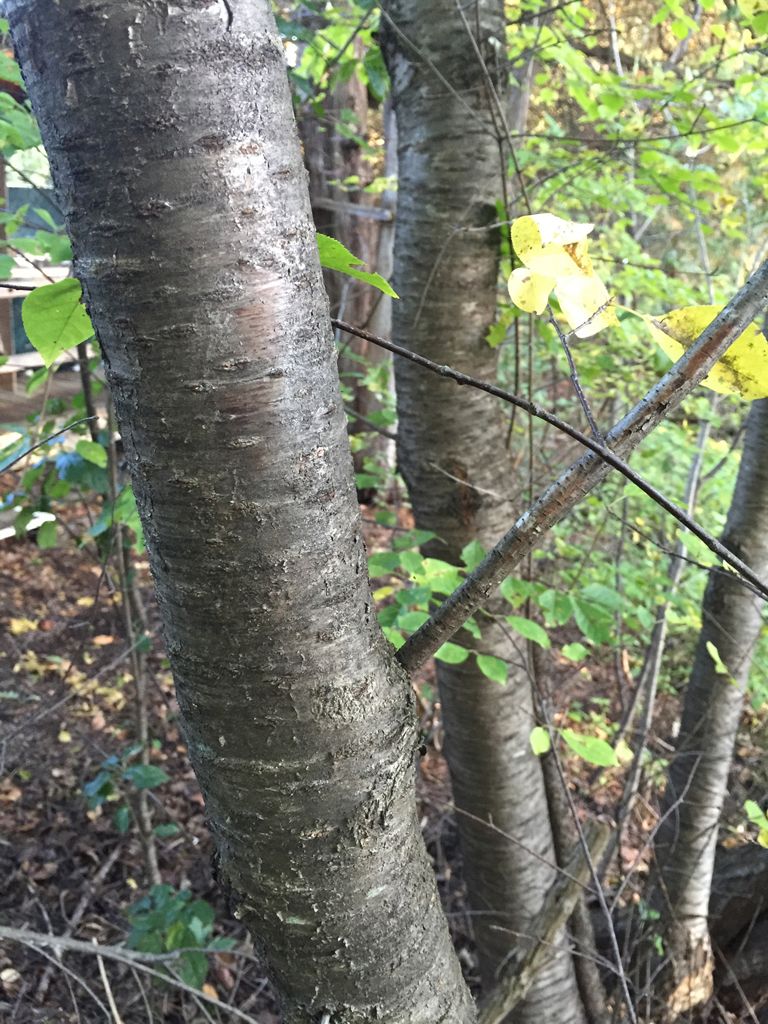
    Bark Blackish and rugged
    Branches Smooth, red or purplish
    Leaf Elliptic to ovate, and 3 to 10 cm long
    Medicinal part The young thin bark
    Flowering Season Summer
    Flower Creamy-white
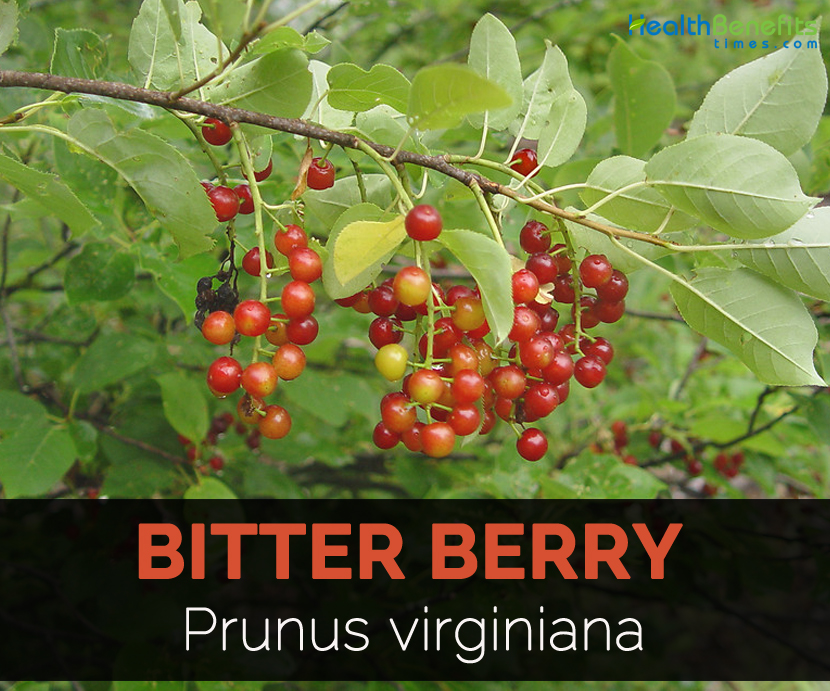
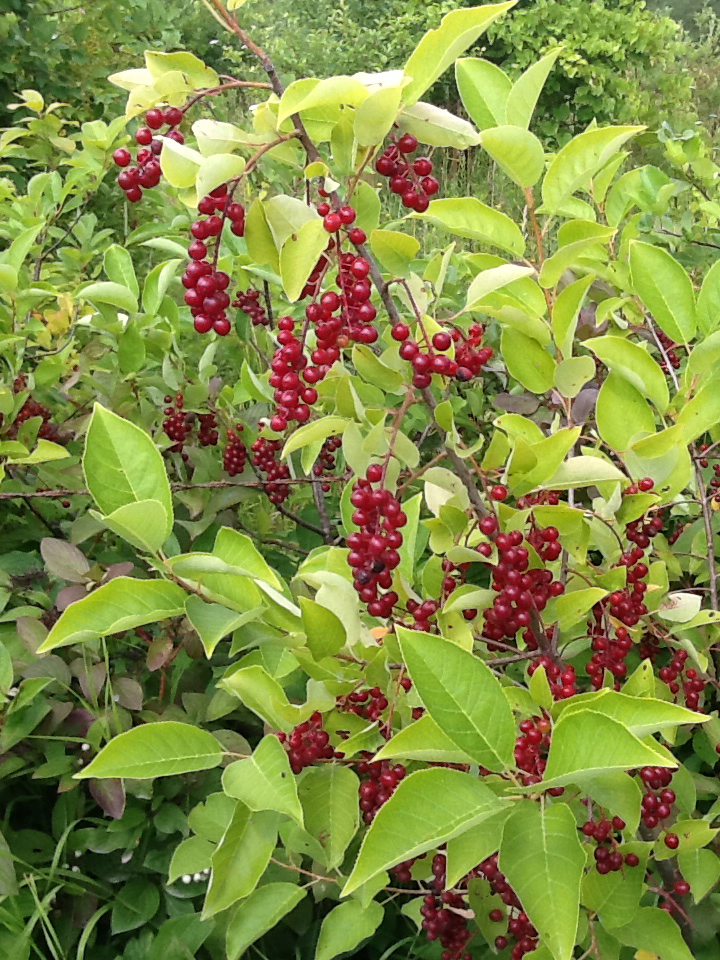
    Fruit shape & size Spherical drupes, globose, 1/4 to 3/8 inch in diameter
    Fruit color Dark red fruit
    Flavor/aroma Strong
    Fruit Taste Bitter and astringent

    Leaf

    Leaves are alternate, simple, oblong to nearly oval and 2 to 4 inches long. It has finely serrated margin, dark green above and paler below, minute glands on petiole.

    Flower

    Flower is white, in a loose 3 to 6 inches long terminal raceme, appearing after leaves.

    Fruit

    Flowers are then dark red to purple drupe and 1/3 diameter and matures in late summer.

    Twig

    Twigs are slender, black cherry and light brown to gray.  

    Bark

    Bark is smooth, gray-brown, conspicuous lenticels that develop into shallow fissures; young stems have shallowly peeling, curling layers.
    Bitter Berry Image Gallery
    Bitter-berry Bitter-berry
    Bitter-Berry-bark Bitter-Berry-bark
    Bitter-Berry-bark Bitter-Berry-bark
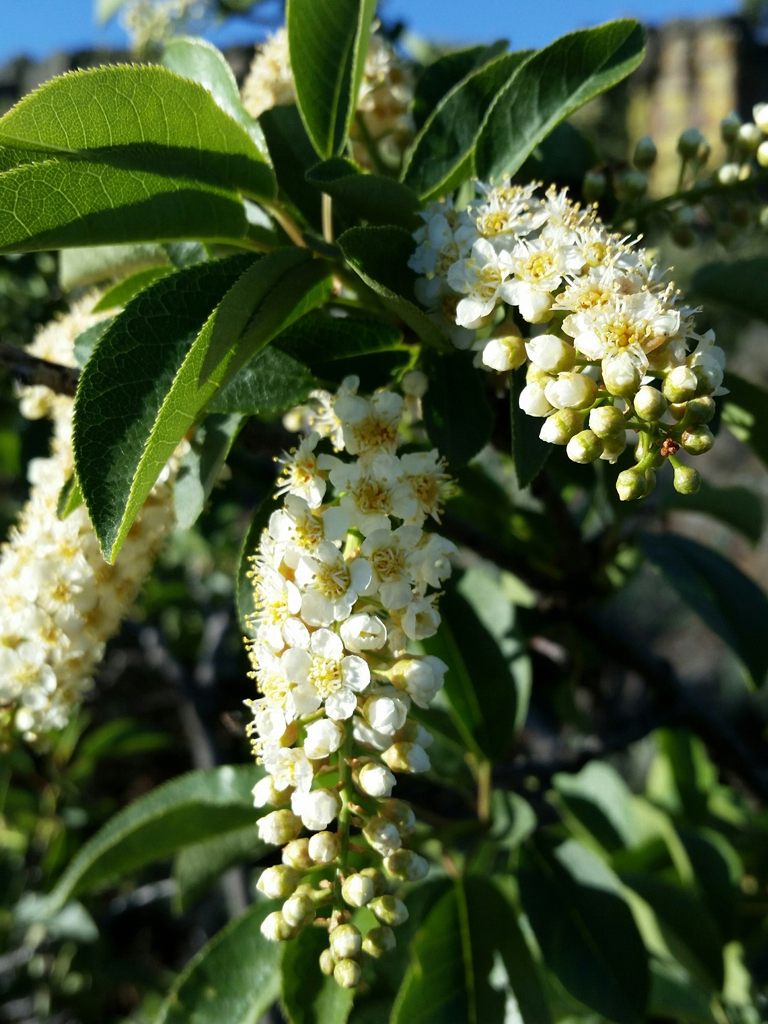
    Bitter-Berry-flowers Bitter-Berry-flowers
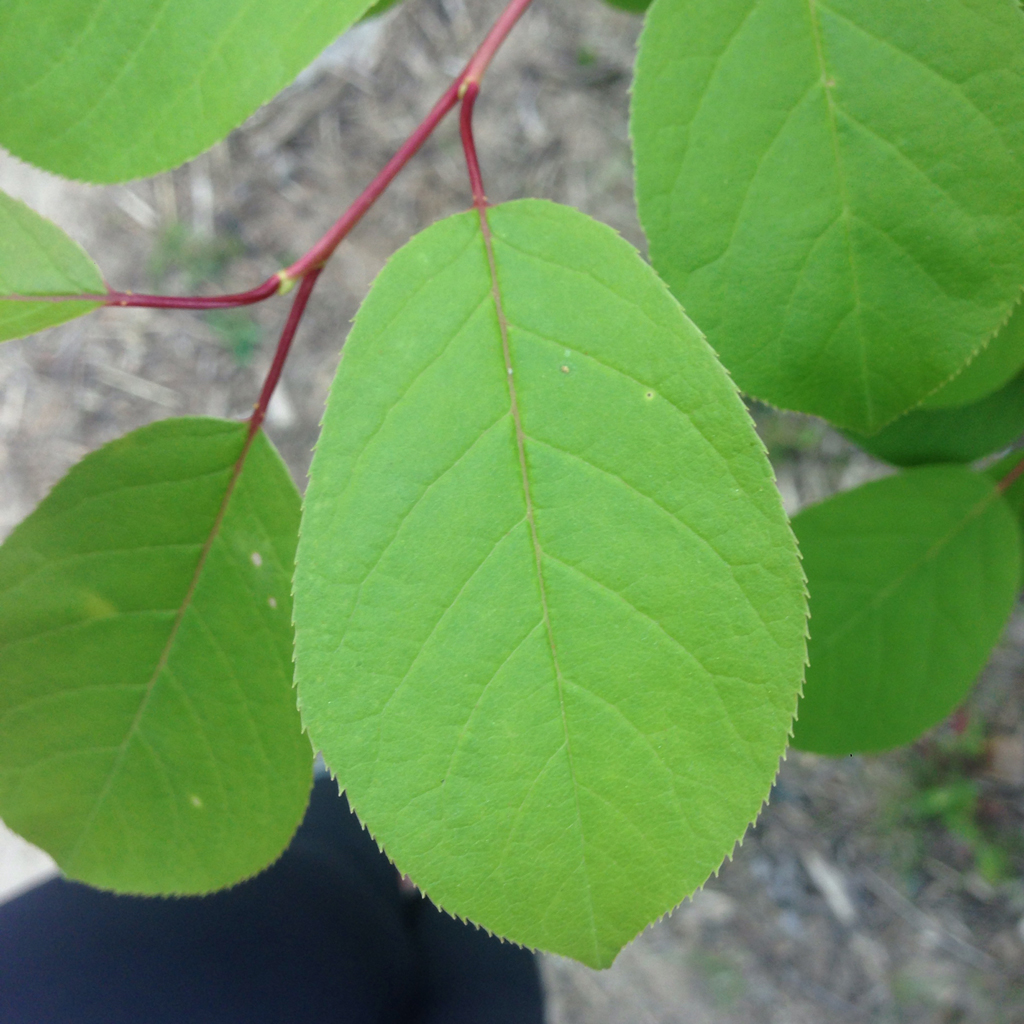
    Bitter-Berry-leaves Bitter-Berry-leaves
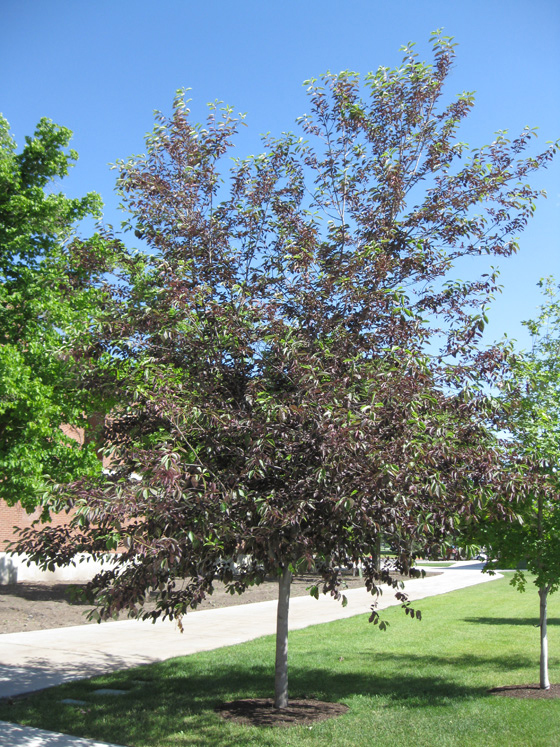
    Bitter-Berry-tree Bitter-Berry-tree
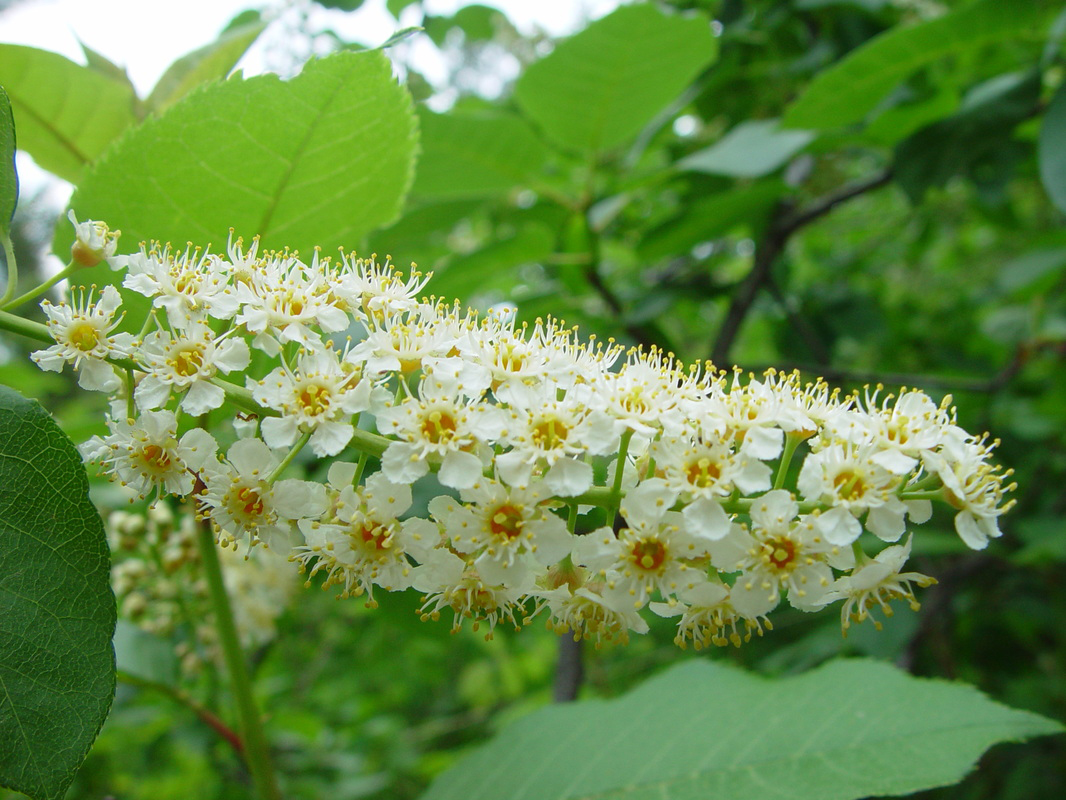
    Close-view-of-Bitter-Berry-flower Close-view-of-Bitter-Berry-flower
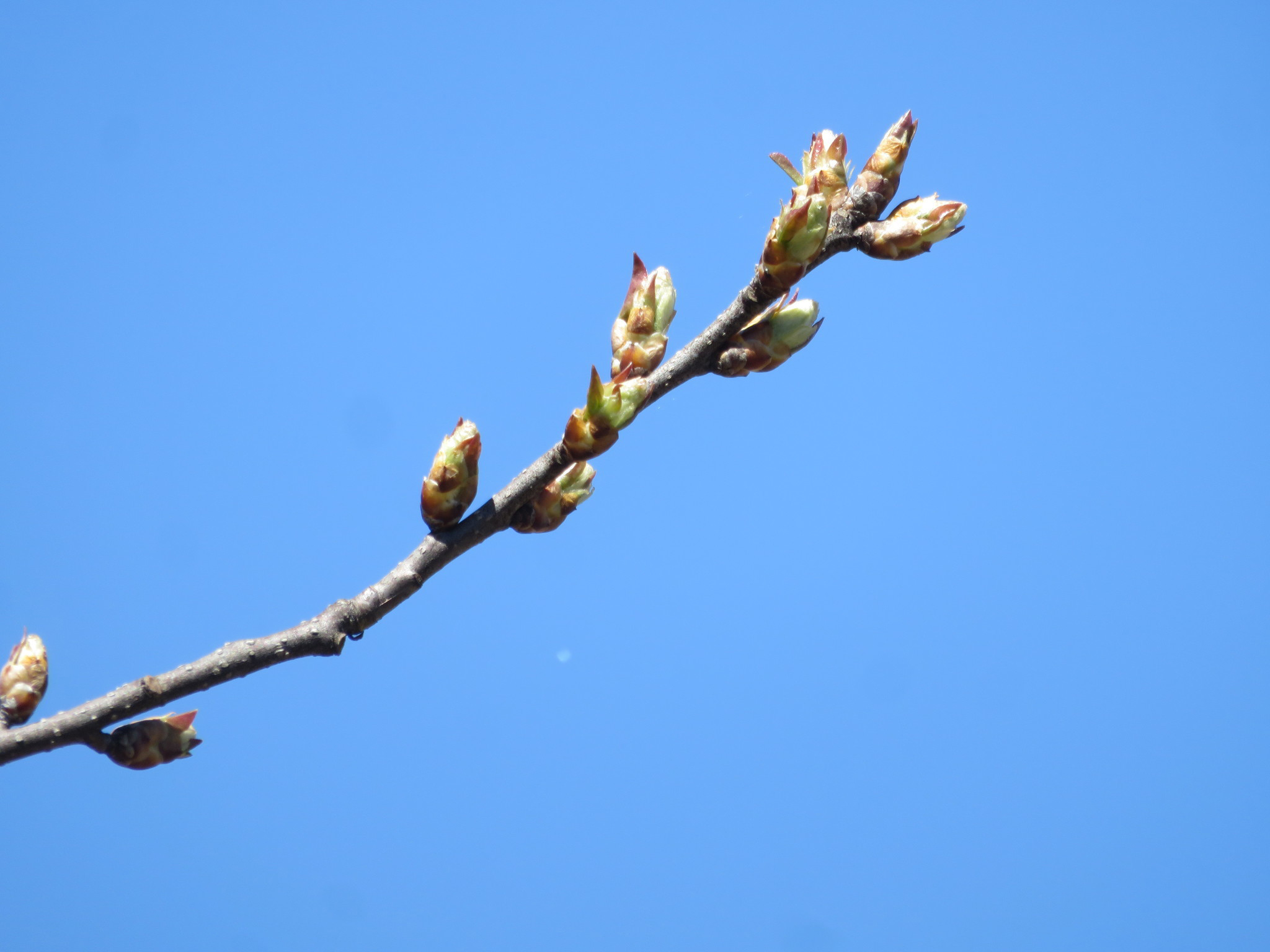
    Flower-buds-of-Bitter-berry Flower-buds-of-Bitter-berry
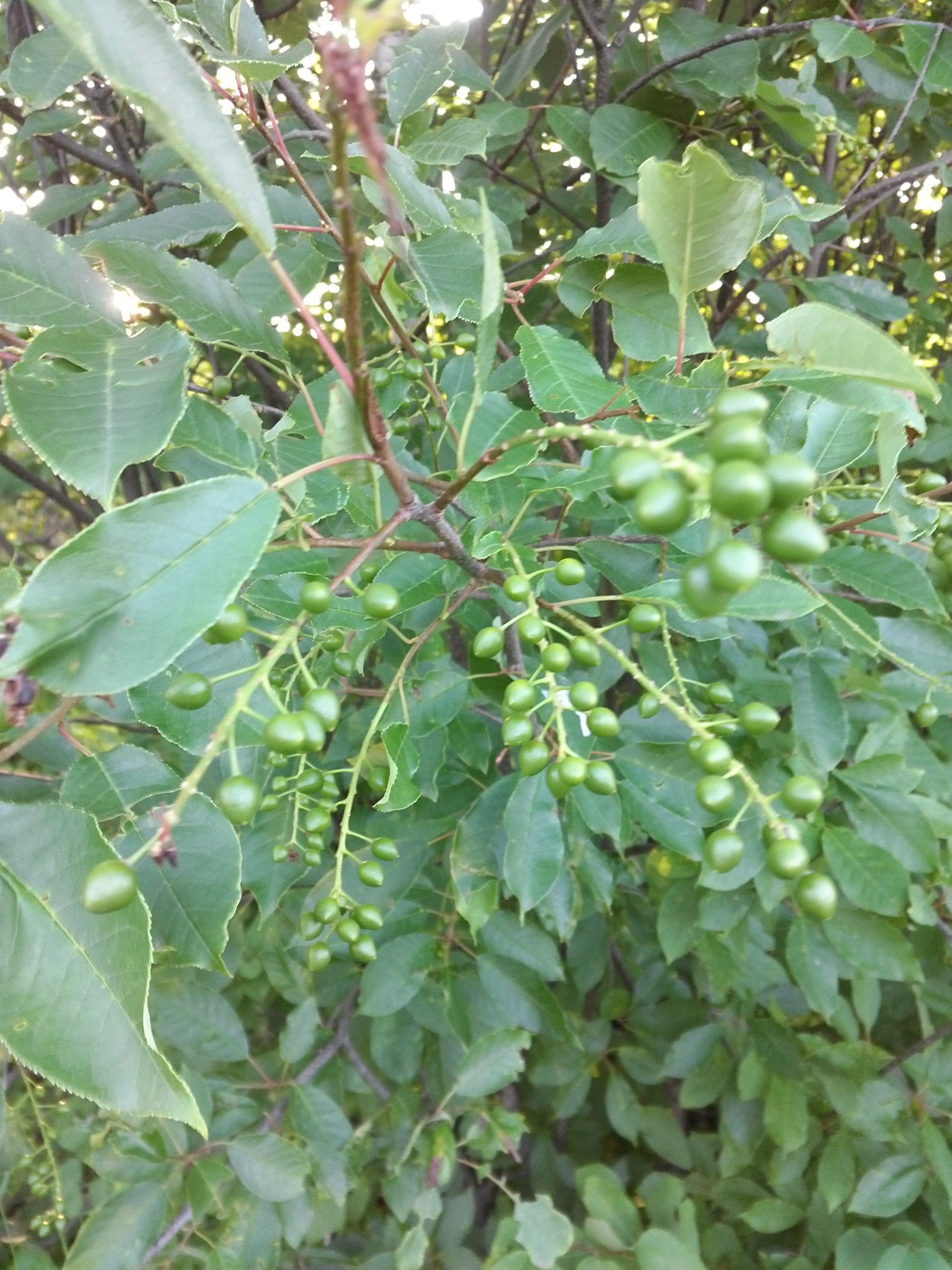
    Unripe-Bitter-Berry Unripe-Bitter-Berry
    Medicinal uses

    • Bark and roots act as blood tonic, pectoral, astringent, tonic, sedative and appetite stimulant.
    • Root bark infusion is used to treat coughs, fevers and colds.
    • Use the root bark as a wash for old sores, burns and ulcers.
    • Use the inner bark for treating wounds.
    • Dried and powdered fruits are used for stimulating appetite, bloody discharges of bowels and treat diarrhea.
    • Unriped fruit is used for treating diarrhea.

    Culinary uses

    • Fruits are used to make jams and jellies, syrups, pie filings and wines.
    • Fruits can be sundried.
    • Bark is used to brew tea.
    • Fruits are used to flavor soups and stews or as a thickening agent.
    • It is used for making cakes and pies.

    Side Effects

    • It can cause mild headache and ulcers.
    • Excessive intake causes constipation and other abdominal problems.
    • It also increases toxicity in stomach.

    Dose

    15 drops in water. Cherry bark will dissolve stones but should be combined with other herbs and administered carefully and over a period of several months, as when taken too fast will expel the stones abruptly without being softened.

    Homoeopathic Clinical

    Cold infusion or tincture of inner bark; solution of concentrated resinous extract, Prunin—Acidity, Anorexia, Dyspepsia, Heart (weakness of, hypertrophy of. irritable), Pyrosis.

    References:

    https://web.uri.edu/rhodeislandwoods/files/Prunus-virginiana.pdf

    https://practicalplants.org/wiki/Prunus_virginiana

    http://foodsportal.com/chokecherry/

    https://www.onlyfoods.net/chokecherry.html


    80%
    80%
    Awesome

    Comments

    comments

    B Fruits
    Share. Facebook Twitter Pinterest LinkedIn Tumblr Email
    Previous ArticleThe Health Benefits Of Keeping Your Teeth Clean and Healthy
    Next Article Health Benefits of Cotton Root

    Related Posts

    Health benefits of Bicolor Skullcap

    March 1, 2024

    Facts about Buckthorn bully

    February 13, 2024

    Facts about Saffron Plum

    February 11, 2024

    Comments are closed.


    Bitter Berry Scientific Classification

    Scientific Name: Prunus virginiana

    Rank Scientific Name & (Common Name)
    Kingdom Plantae (Plants)
    Subkingdom Tracheobionta (Vascular plants)
    Superdivision Spermatophyta (Seed plants)
    Division Magnoliophyta (Flowering plants)
    Class Magnoliopsida (Dicotyledons)
    Subclass Rosidae
    Order Rosales
    Family Rosaceae (Rose family)
    Genus Prunus L. (Plum)
    Species Prunus virginiana L. (Chokecherry)
    Nutritional value of Bitter Berry
    Serving Size:1 cup 

    Calories 249 Kcal. Calories from Fat 23.4234 Kcal.


    Proximity Amount % DV
    Water 93.5088 g N/D
    Energy 249 Kcal N/D
    Protein 4.6816 g 9.36%
    Total Fat (lipid) 2.6026 g 7.44%
    Ash 1.4322 g N/D
    Carbohydrate 51.7748 g 39.83%
    Total dietary Fiber 30.8 g 81.05%
    Total Sugars 14.4298 g N/D
    Sucrose 0.1078 g N/D
    Glucose (dextrose) 7.623 g N/D
    Fructose 6.699 g N/D

     
    Minerals Amount % DV
    Calcium, Ca 92.4 mg 9.24%
    Iron, Fe 1.0626 mg 13.28%
    Magnesium, Mg 41.58 mg 9.90%
    Phosphorus, P 103.18 mg 14.74%
    Potassium, K 583.66 mg 12.42%
    Sodium, Na 7.7 mg 0.51%
    Zinc, Zn 0.5082 mg 4.62%
    Copper, Cu 0.28644 mg 31.83%
    Manganese, Mn 0.64218 mg 27.92%


    Vitamins Amount % DV
    Water soluble Vitamins
    Vitamin B1 (Thiamin) 0.05236 mg 4.36%
    Vitamin B2 (Riboflavin) 0.26642 mg 20.49%
    Vitamin B3 (Niacin) 0.96712 mg 6.04%
    Vitamin B5 (Pantothenic acid) 0.61292 mg 12.26%
    Vitamin B6 (Pyridoxine) 0.30492 mg 23.46%
    Folic Acid 3.08 mcg N/D
    Folate, food 3.08 µg N/D
    Choline 16.478 mg 3.00%
    Vitamin C (Ascorbic acid) 8.47 mg 9.41%
    Fat soluble Vitamins
    Vitamin A, IU 258.72 IU N/D
    Betaine 0.616 mg N/D
    Vitamin E (alpha-tocopherol) 0.539 mg 3.59%
    Vitamin K (phylloquinone) 32.494 µg 27.08%

    *Above mentioned Percent Daily Values (%DVs) are based on 2,000 calorie diet intake. Daily values (DVs) may be different depending upon your daily calorie needs. Mentioned values are recommended by a U.S. Department of Agriculture. They are not healthbenefitstimes.com recommendations. Calculations are based on average age of 19 to 50 years and weighs 194 lbs.
     

    Source:
    https://ndb.nal.usda.gov/

    Categories
    • Beverages (78)
    • Dairy (28)
    • Dental Health (15)
    • Equipment (5)
    • Essential OIls (196)
    • Facts (2,939)
    • Foods (255)
    • Fruits (516)
    • Giveaway (1)
    • Grains and Cereals (36)
    • Health & Beauty (763)
    • Herbs and Spices (1,249)
    • Medicines (9)
    • Mental Health (19)
    • Nutritional value (27)
    • Nuts and seeds (73)
    • Oils (81)
    • Pets (4)
    • Poultry & Seafoods (67)
    • Pulses and Beans (16)
    • Reviews (25)
    • supplement (2)
    • Vegetables (304)
    • Weight Loss (22)

    What is Lupin Bean Flour?

    Science Backed Health Benefits of Durian (Durio zibethinus)

    Science Backed Health Benefits of Feijoa (Pineapple Guava) (Acca sellowiana)

    Science Backed Health Benefits of Gac Fruit (Momordica cochinchinensis)

    Science Backed Health Benefits of Amaranth Leaves (Amaranthus spp)

    Science Backed Health Benefits of Arrowhead (Sagittaria sagittifolia)

    ABOUT
    Home
    About us
    Contact us
    Privacy Policy
    Terms & conditions
    Disclaimer
    Direct Communication
    e-mail: [email protected]
    Gmail: [email protected]
    Whatsapp: +977-9841146511
    Viber: +977-9841146511
    Useful
    Health Wiki
    Nutrition
    Facebook Twitter Pinterest
    © 2025 www.healthbenefitstimes.com All rights reserved.

    Type above and press Enter to search. Press Esc to cancel.

    ×

    Log In

    Forgot Password?

    Not registered yet? Create an Account