

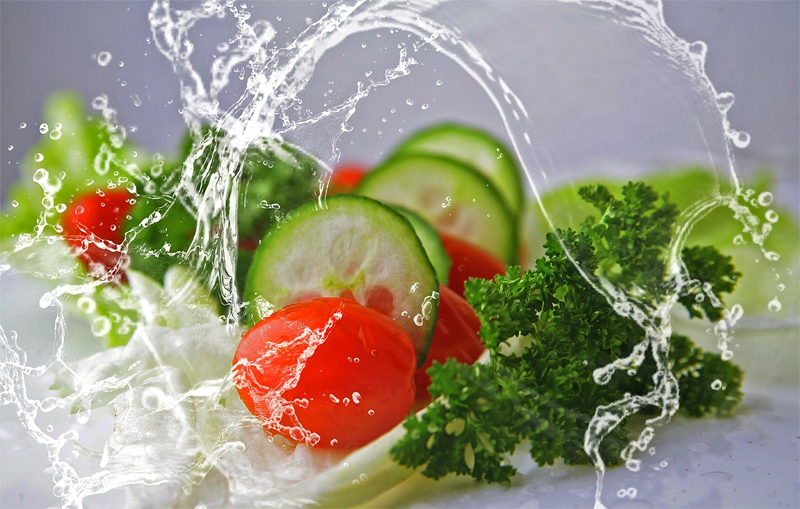
Your diet affects the growth of your body. A balanced diet amounts to the overall performance of your physical, mental, and spiritual well-being. Just like nurturing a plant, your body needs the exact amount of food intake to prevent micronutrient deficiency that can affect your productivity in regular working activity. Did you know your diet can show the physical status of your legs, particularly the health of your leg veins?
Dr. Nima Azarbehi, a Scottsdale Varicose Vein Doctor states, “Diet choices can help varicose veins from developing and maybe even improve them. Unhealthy foods that can cause obesity, constipation resulting in increased lower body pressure and vascular disease should be avoided. High cholesterol and salty foods are some of the key ones to avoid. Eating high vegetable and fruit diets, ones high in flavonoids are best.”
Functions of Veins
According to the Vascular Experts, an accredited facility for vascular testing, veins take the blood to your limbs and organs, and arteries oxygenate them. The blood goes directly to the heart and the rest of the body. And the same process repeats to function your body. Your veins manage the blood flow throughout your body. In human anatomy, there are three kinds of veins in your body. Deep Vein carries 90% of your blood flow.
Superficial Veins are the veins that are visible in your skin during a period of intense muscle contract. They are responsible for carrying blood tissues to the Deep Vein. Connecting Veins are veins that are directly connected to your superficial veins and deep veins. Today, the prevalence of varicose veins affects about 20 percent of all American adults, risking more commonly in women than men. Numerous risk factors are causing the occurrence of varicose veins in your legs, including your genes, your age, your sedentary lifestyle, your hormones, and your weight.
Moreover, the hazardous part that you should avoid is leaving your varicose veins untreated. The costs of untreated varicose veins are higher than your medical bills. In a worst-case, your life is at stake, and you can die out of its complications. To avoid the complications of varicose veins, here are five essential components of a Varicose Vein Treatment Diet.
5 Essential Components of a Varicose Vein Treatment Diet
Treatment of a varicose vein doesn’t need to undergo a surgical operation that costs much of your dollars. Today, the U.S. medical technology has designed and innovated non-invasive varicose veins treatment. Alternatively, balancing your diet contributes to a great factor in varicose vein treatment. You are not only saving your costs but also your life. Do you have a vein specialist to check the status of your veins? Elite Vein Clinic gives you clinical tips on your regular diet and some best alternatives for your varicose vein treatment.
#1 Avocados
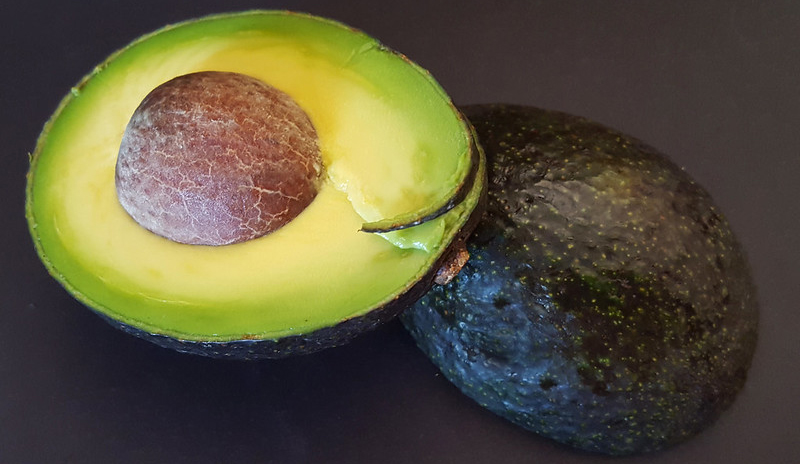
In ancient times, Aztecs used to consume more than two whole avocados a day. As a result, most Aztecs enjoyed radiant and agile bodies. Today, science has discovered the benefits of eating avocado as the treatment for common skin problems, weak musculoskeletal make-up, inflammation, cardiovascular diseases, ulcers, damaged hair, or hair loss. Avocado has linoleic and linolenic acids which lubricate your veins and arteries throughout the entire body. Study shows that linoleic and linolenic acids repair tissues and give your skin a youthful look. Avocados are rich in both vitamin C and E, which strengthens your vascular health. Also, avocados contain glutathione that protects your veins and arteries from oxidant damage. In your diet, avocados are perfect for your salad or even a flavor for your smoothie.
#2 Beets
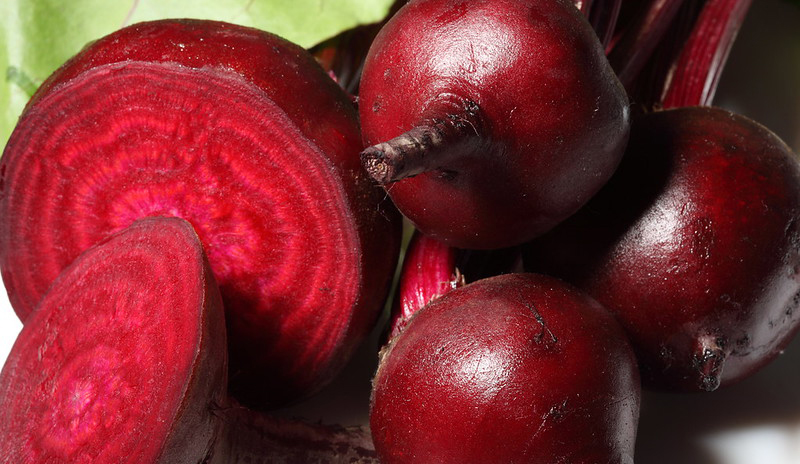
Beets can help you beat the varicose veins away. Dieticians suggest that the beet contains a phytonutrient compound called Betacyanin. Here, betacyanin reduces the level of the amino acids called Homocysteine, which damages your blood vessels. Essentially, the juice of beets contains Nitrites. As nitrites flow into your blood, it is converted into Nitrite Oxide, which is a powerful dilator of blood vessels and impetus for lower blood pressure.
#3 Black Berries
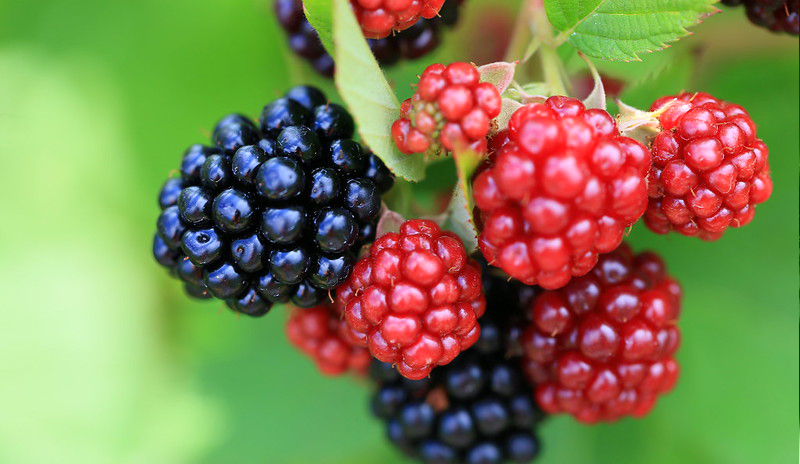
Blackberries are a high source of flavonoid substance known as Rutin. Rutin is a kind of bioflavonoid usually found in onions, black tea, asparagus, and most citrus foods. It contains quercetin (an antioxidant helps to reduce inflammation). While blackberries contain the high substance of rutin, dieticians propose that rutin contributes to strengthen blood vessels and improve circulation, particularly in conditions such as varicose veins and hemorrhoids. Additionally, blackberries contribute to the strengthening of your capillaries, to avoid the new formations of varicose veins.
#4 Ginger
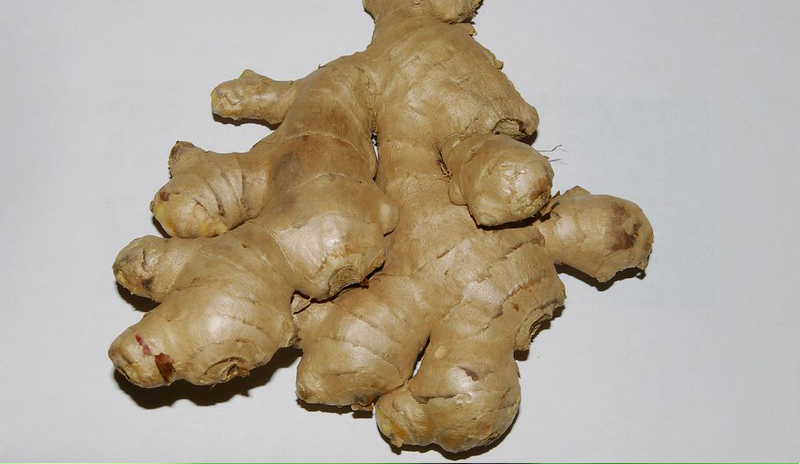
Ginger’s pungent and spicy wood flavor may offend you, but ginger is considered to be one of the best essential components of varicose vein treatment. Scientists agree that ginger helps to break up a blood protein called Fibrin. Fibrin causes veins to bulge, making spider veins more visible. Hence, ginger helps them to reduce their visibility. In the natural treatment of your varicose veins, ginger lowers your blood pressure. Ginger facilitates in thinning your blood to improve the circulatory system of your body.
#5 Asparagus
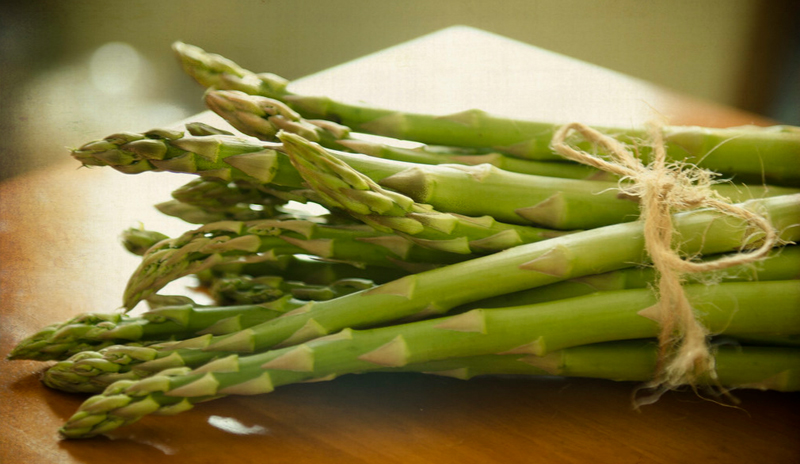
Asparagus is rich in vitamins A, C, E, and K, as well as fiber, folate, and chromium. These sets of substances and vitamins are helping you to the treatment of your varicose veins. Accordingly, asparagus strengthens your veins and your capillaries to prevent possible rapture. In untreated varicose veins, your veins are susceptible to external cuts, venous ulcers, and blood clots. The high source of calcium, niacin, phosphorus, and amino acids that asparagus contain can help you mitigate the painful and uncomfortable symptoms of varicose veins.
Key Takeaways
The treatment of varicose veins should not cost much of your money. You don’t need to undergo a surgical operation to treat your varicose veins. That is why you need to change your diet in treating varicose veins through these five essential components:
- Avocado
- Beets
- Blackberry
- Ginger
- Asparagus
You are what you eat. This universal precept is true, especially when your food intake manifests in your physical growth.