Health Benefits
    Facebook Twitter Instagram
    Friday, December 5
    Facebook Twitter Pinterest
    Health Benefits
    • Home
    • Dental Health
    • Mental Health
    • Weight Loss
    • Health Wiki
    • Nutrition
    • Healthy Recipe
    • BMI Calculator
    Health Benefits
    Home»Fruits»Health benefits of Abiu Fruit
    Fruits

    Health benefits of Abiu Fruit

    By SylviaNovember 17, 2017Updated:November 19, 2017No Comments7 Mins Read
    Facebook Twitter Pinterest LinkedIn Tumblr Email

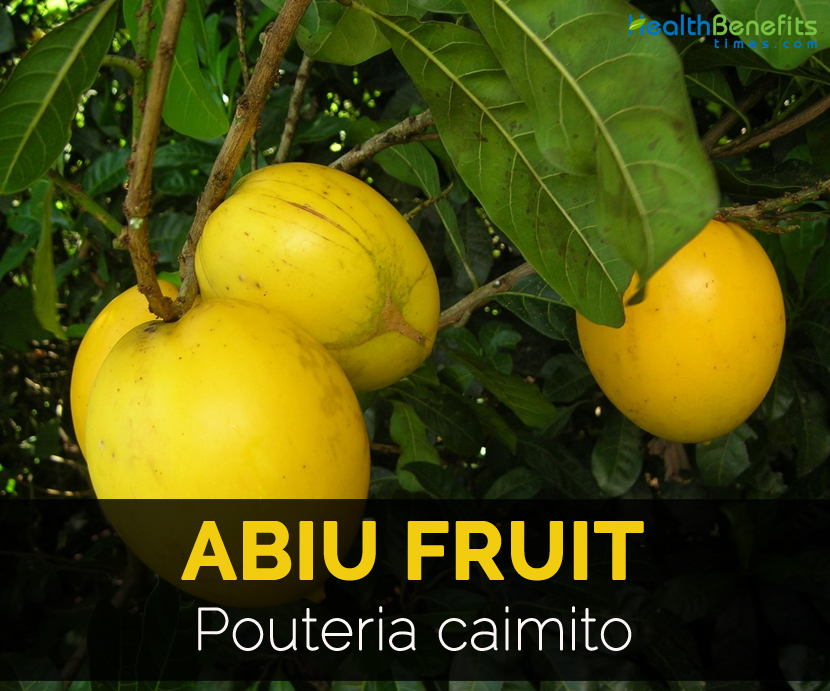
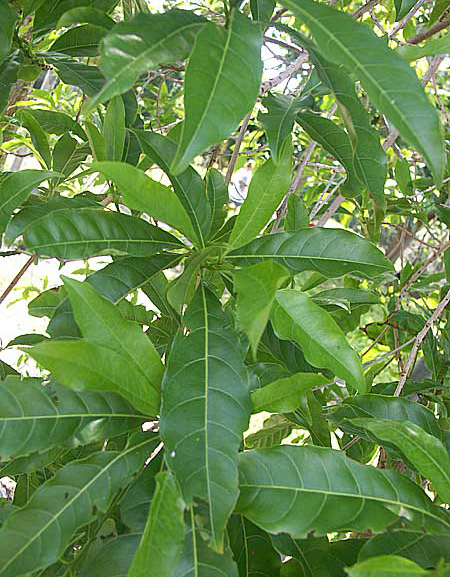
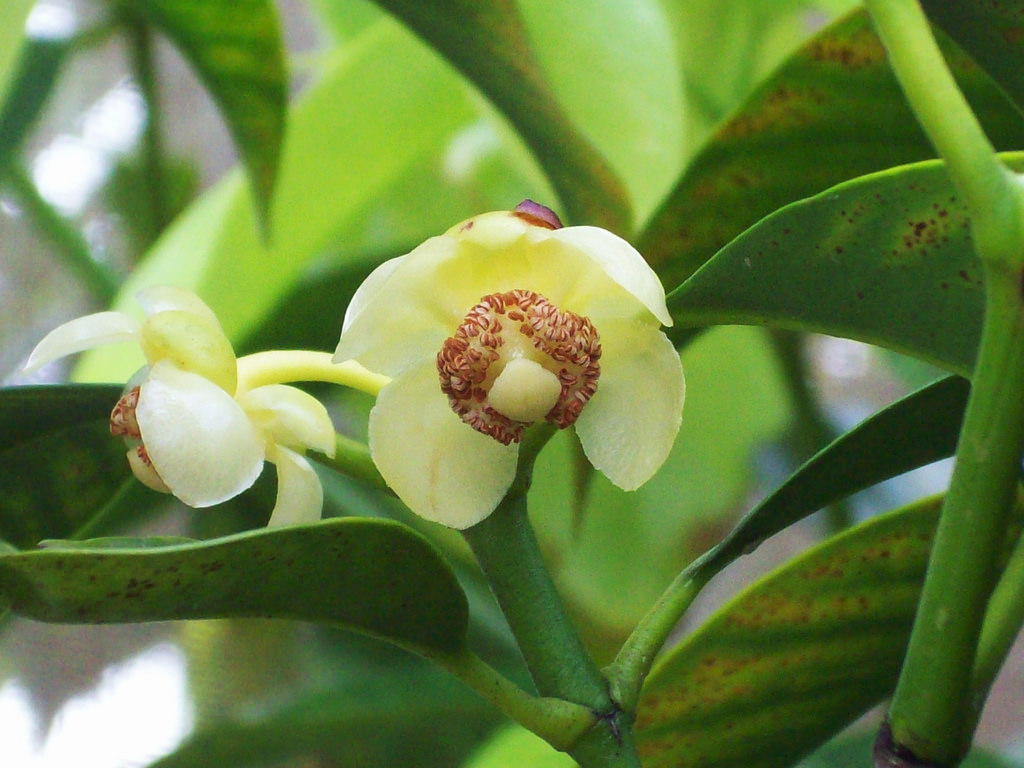
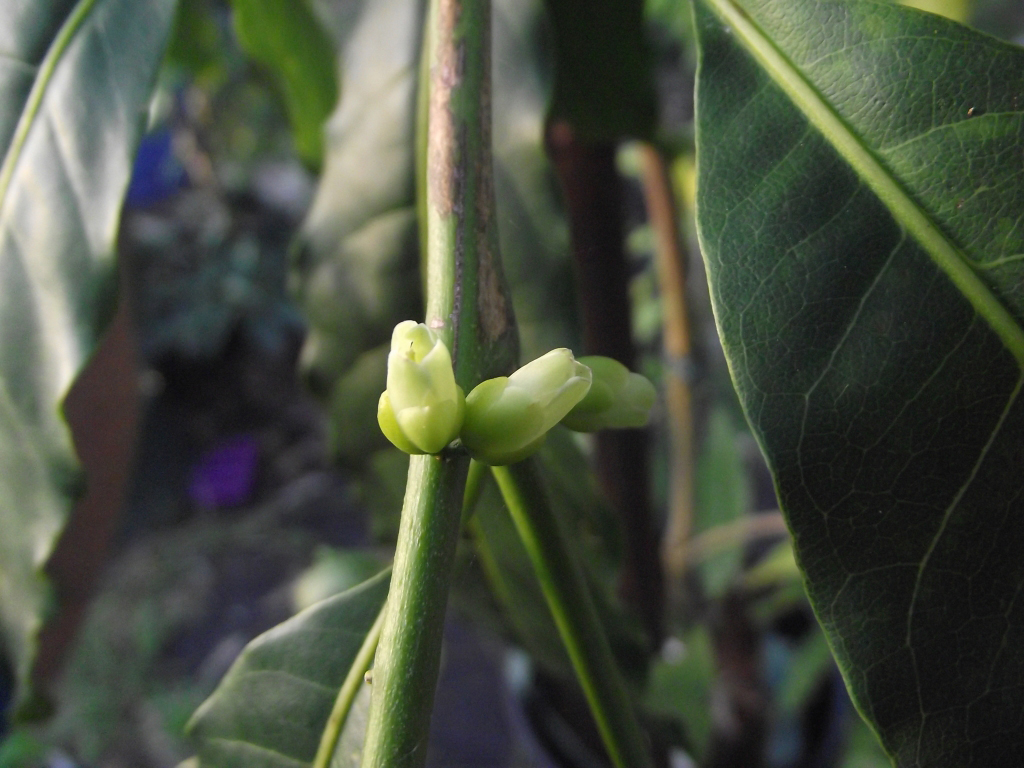
    Abui scientifically known as Pouteria caimito, is a tropical fruit inherent to South America and is also found in Colombia, Peru, Brazil and Venezuela. This fruit belongs to Sapotaceae family. Abiu fruit is called Abiu, Yellow Star Apple and Blueberry Pie fruit. Abui tree requires moist and warm climate. The leaves are oblong to elliptic in shape and measures 10 to 25 cm by 40 to 55 mm broadest width. The flowers forms on two to five clusters and appears on leaf axils on long and thin shoots. These small flowers have four to five petals which are cylindrical and white to greenish in color. Flowers are hermaphroditic which means both sexes are present.

    Abiu fruit is considered to be inherent to headwaters of Amazon. It is grown wild in lower eastern part of Andes from Southwestern Venezuela to Peru. It is also grown in Iquitos, Tingo Maria, Peru and could also be found in Province of Guayas in Ecquador. It was cultivated by Amerindians which was widely spread in Amazon. It is found heavily in Northern Brazilian State of Para. It is also found in Colombia areas such as Meta, caqueta and Vaupes. It is found abundantly in Venezuela, Amazonas.

    Abiu fruit contains essential minerals and vitamins such as riboflavin, thiamin, Vitamin C, niacin, iron and calcium. It is also great source of fiber and energy. It is consumed fresh by scooping out the flesh or cutting into segments and adding it to fruit salad. It could also be used for making ice cream and juice.

    Plant

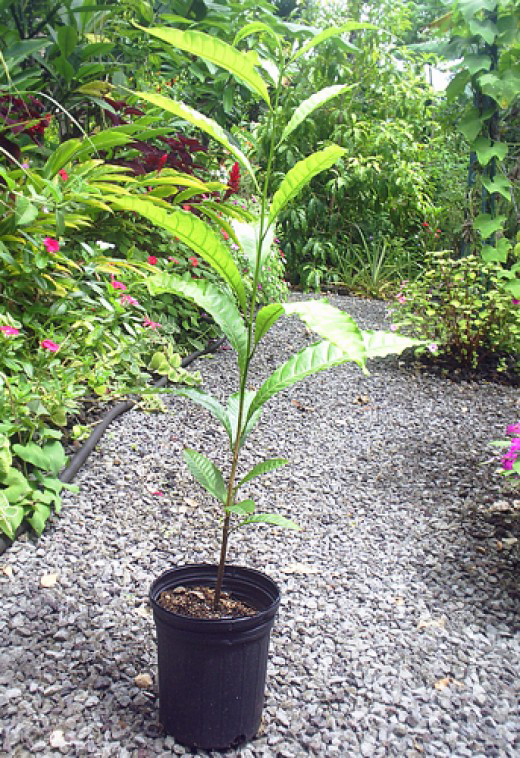
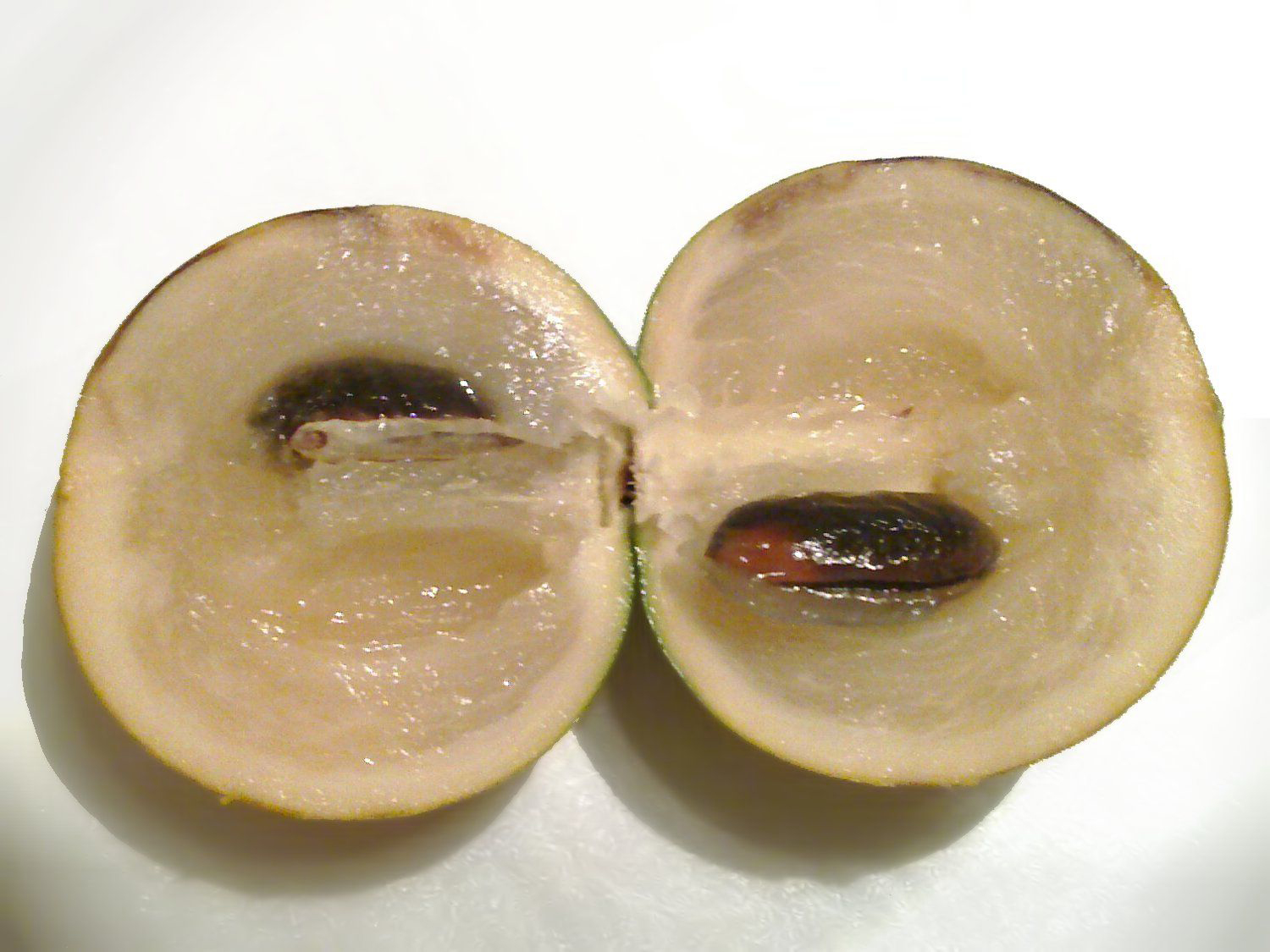
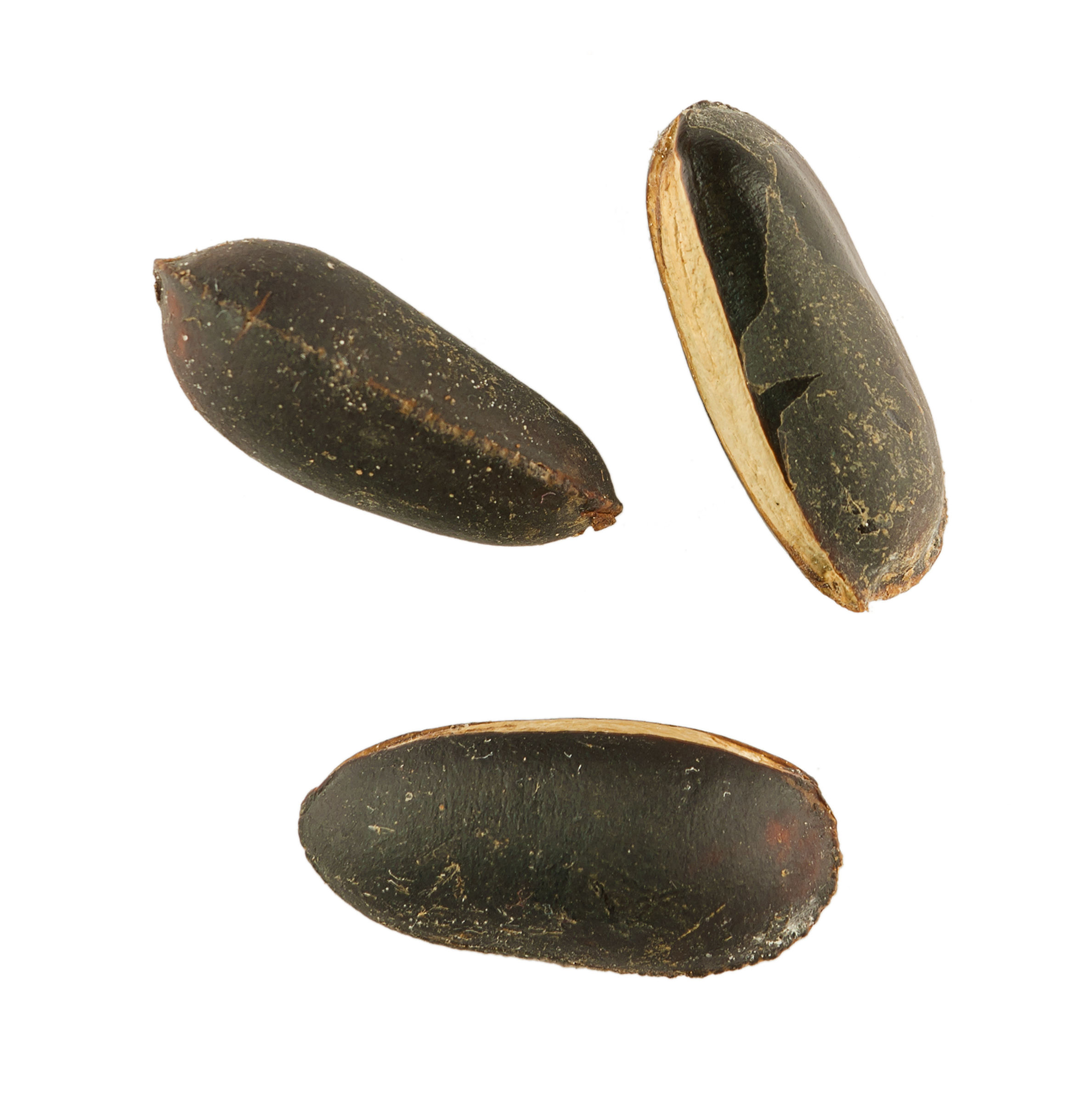
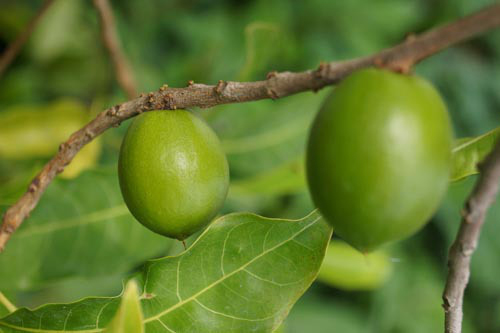
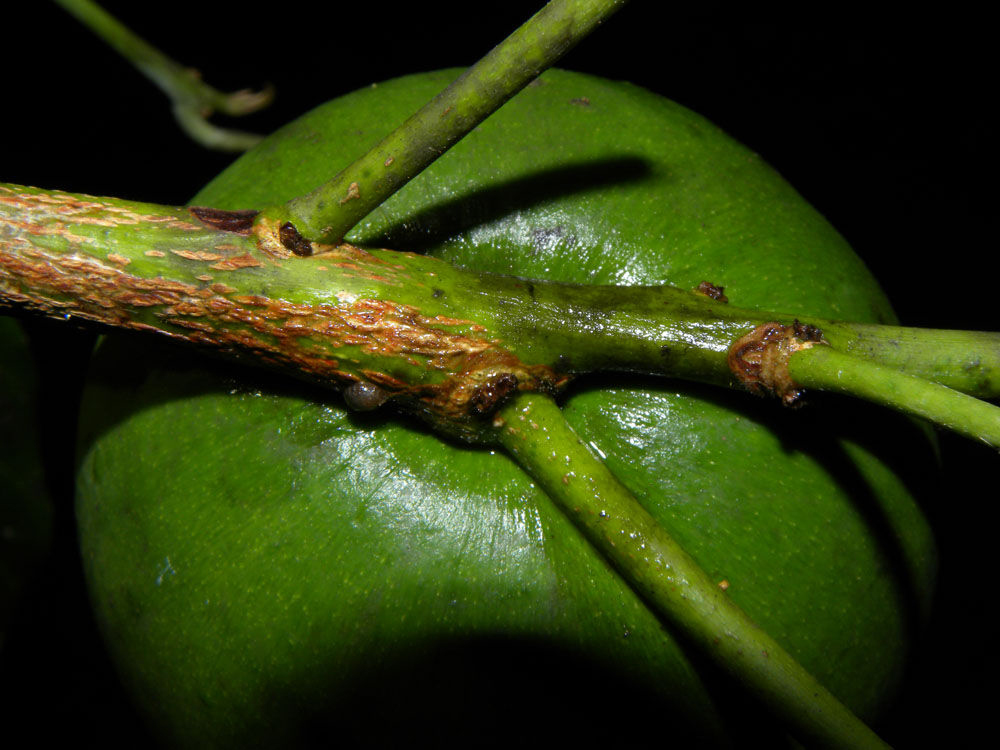
    The tree is evergreen, lactiferous, perennial and medium size that grows from 5 to 15 meters in height. It bears short petioled, green, alternate leaves in oblong to lanceolate shape measuring 10 to 25 cm by 40 to 55 mm in its broadest width. The tree blooms small flowers in white, is hermaphrodite, subsessile to short pedicellate and measures 1 to 1.5 mm. Each flowering branch produces from 20 to 280 flowers. Flowers possess four overlapping and light green sepals of 5 mm long and spirally overlapping, cylindrical corolla tube of 5 mm long. It is light green while young which turns creamy to white when matured. Flower converts into a green or bright yellow berry in ellipsoid to globose or oblate shape which is 6 to 10 cm in diameter. Pulp of the fruit is translucent to white, soft, juicy, mucilaginous and sweet. Fruit contains 1 to 4 large dark brown seeds that measures about 3.2 to 3.78 cm long and 1.4 to 1.6 cm wide. The smooth rind is 5 mm thick which contains latex that could irritate lips and taste buds.

    Fruit

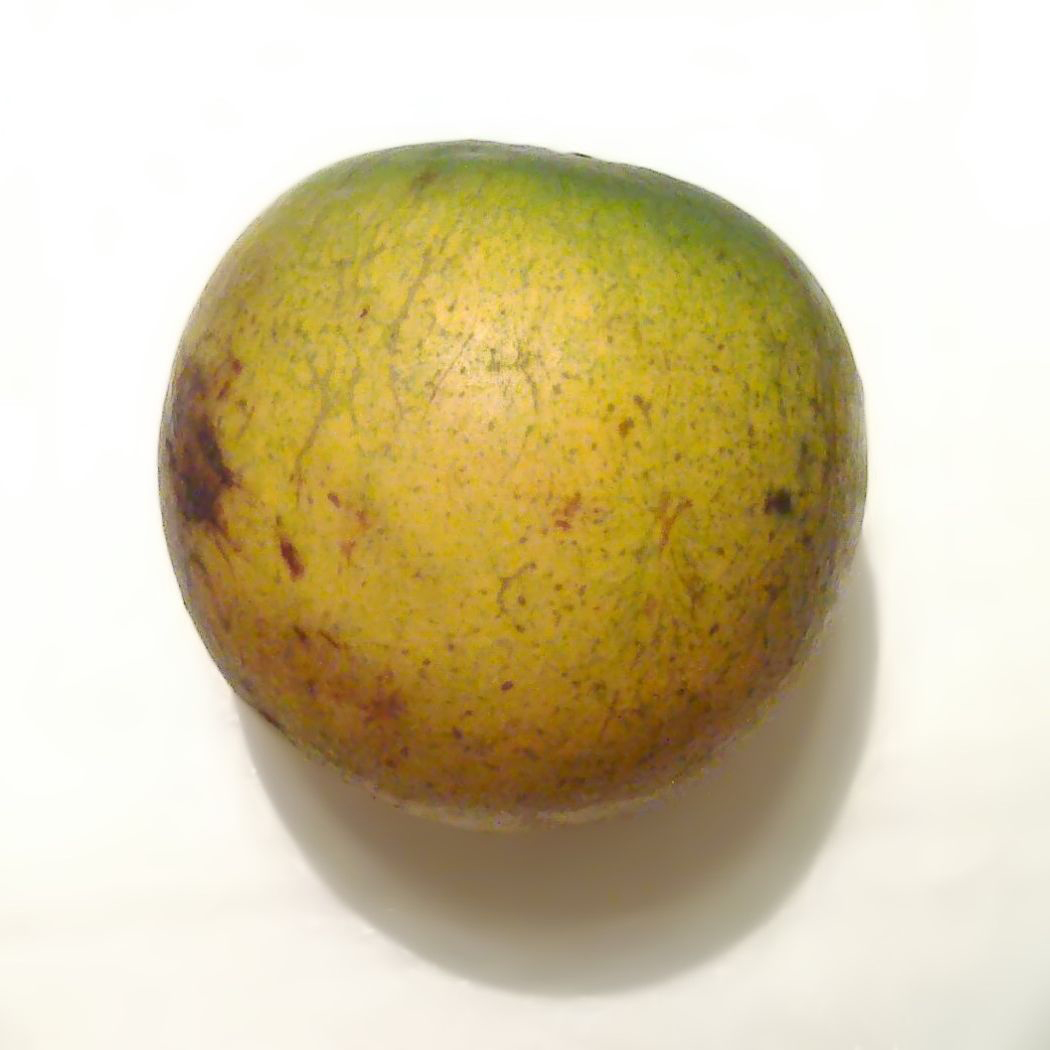
    The trees produce about one hundred to on thousands of fruit per year. Fruits have pale and translucent pulp. Seeds are covered with thin layer of adherent pulp. It possesses sweet and mild taste with a hint of pineapple. It is used in ice creams or consumed fresh. The gummy and unpalatable latex on unripe fruits hardens when exposed to air. Fruit has pale yellow skin which has leathery texture and residual latex. The ripeness of the fruit could be identified with its yellow color and slight softness. The skin could be bruised easily.

    History

    Abiu fruit was believed to be originated on the headwaters of Amazon River and wildly found in Columbia, Peru, Venezuela, Ecuador and Brazil. The fruit was renowned in pre-Columbian Amazon where it was regarded to be a vital component of Native American home gardens as well as fruit orchards. The popularity continued to the colonial period. In 1914, USDA first received the seeds. Abiu fruit is well distributed to the tropics. Some are found in Ecuador, Northern Peru and Venezuela.

    Abiu-fruit Abiu-plant Half-cut-Abiu-fruit Leaves-of-Abiu-fruit Seeds-of-Abiu-fruit Unripe-Abiu-fruit Abiu-fruit-stem Close-up-flower-of-Abiu-fruit Flower-bud-of-Abiu-fruit
    [Show thumbnails]

    Health Benefits of Abiu fruit

    An intake of Abiu fruit provides various health benefits to the health which are discussed below in detail:

    1. Antimicrobial activity

    The species of Sapotaceae family showed antifungal, antibacterial, antitumor, antifungal, antipyretic, analgesic and anti-inflammatory properties. The study revealed presence of alkaloids, terpenoids, flavonoids, lapachol, phenylpropaoids and bezenoids which are responsible for large spectrum of biological activities. Abiu fruit also called leiteiro, tuturuba, Sapota black and Bapeba has not still defined its antimicrobial activity purpose to evaluate cytotoxic and antimicrobial potential in view of controlling fungal and bacterial infections. (1)

    1. Eye health

    Similar to tomatoes, carrot and strawberry, Abiu fruit provides high content of Vitamin A which is essential for maintaining eye health. It also enables to avoid various eye problems as well as difficulty. Add Abiu fruit to the diet to obtain eye health.

    1. Strengthen immunity

    Abiu fruit has high content of Vitamin C which enhances defense mechanisms that is essential for preventing harmful bacteria and viruses.

    1. Digestive health

    Abiu fruit consists of high content of fiber. Fiber assists the people to lose weight and fiber easily upgrades digestive system, eliminate bowel problems as well as digestive problems. The digestive health could be improved by consuming the fruits which have high content of fiber like Abiu fruit.

    1. Overcome diseases

    Abiu fruit is helpful to maintain overall health as it helps to prevent several illnesses. Abiu fruit is consumed in Brazil to eliminate respiratory diseases, coughs and other respiratory as well as lung problems.

    1. Vitamin B3 content

    Vitamin B3 acts within action of glucose metabolism, alcohol and fat. Vitamin B36 is formed with two coenzymes NAD and NADP which are essential for metabolic process, fat, glucose and alcohol. Addition of Vitamin B3 rich diet improves skin health, digestive system and central nervous system.


    Types of Abiu Fruit

    There’s significantly variation within the type, dimension and quality of the fruits of seedling trees, several having firm flesh, several soft; and several are insipid, while some have got reasonable taste. At Puerto Ospina, across the Putamayo River in Colombia, there exists a type which fruits in Four years. The fruit is spherical and huge. Close to the River Inirida, in Vaupés, Colombia, there exists a type which bears in a single year from seed, however the fruits are tiny along with tiny pulp.

    Buying/storage

    The fruit is vulnerable. Select fruits which are free from blemishes or even bruises. The fruit ought to be yellow and also firm whenever ripe. There ought to be an indication of green near to the stem. Take care not to squeeze too hard, since this will bruise the fragile flesh. The fruit could keep chilled for the week, if not injured or even stung.

    Traditional uses

    • In Brazil, it is used to provide relief from bronchitis, coughs and pulmonary afflications.
    • It is used in folk medicine as a cure for diarrhea and fever.                                                                         

    How to Eat         

    • The pulp is consumed fresh or added to fruit cocktails and fruit salads.
    • It is also used in ices, refreshing drinks, ice cream and sherbets.
    • Add the fruit to yogurt for light and delicious breakfast.

    • Combine the pulp with pure cane sugar and coconut milk.

    References:

    https://www.itis.gov/servlet/SingleRpt/SingleRpt?search_topic=TSN&search_value=505962#null

    http://www.medindia.net/patients/lifestyleandwellness/health-benefits-of-abiu-fruit.htm

    78%
    78%
    Awesome

    Comments

    comments

    A Health benefits of Fruits
    Share. Facebook Twitter Pinterest LinkedIn Tumblr Email
    Previous ArticleHealth benefits of Rose hip
    Next Article Facts and benefits of Squill

    Related Posts

    Health benefits of Assyrian plum

    February 8, 2024

    Traditional uses and benefits of African Cordia

    February 6, 2024

    Facts about American Hazelnuts

    February 1, 2024

    Comments are closed.


    Facts of Abiu fruit

    Abiu Fruit Quick Facts
    Name: Abiu Fruit
    Scientific Name: Pouteria caimito
    Origin Pouteria caimito
    Colors Green, bright yellow
    Shapes Ellipsoid to globose or oblate, 6 to 10 cm in diameter
    Flesh colors White, soft
    Calories 78.5 Kcal./cup
    Major nutrients Tryptophan (12954.55%)
    Threonine (12443.18%)
    Lysine (9449.76%)
    Vitamin C (Ascorbic acid) (33.33%)
    Carbohydrate (19.54%)
    Health benefits Antimicrobial activity, Eye health, Strengthen immunity, Digestive health, Overcome diseases
    Name Abiu Fruit
    Scientific Name Pouteria caimito
    Native Abiu fruit is inherent to the Amazonian region of South America. It is wildly grown in lower eastern part of Andes from Southwestern Venezuela, Para, Guyana and Brazil to Columbia, Peru and Ecuador.
    Common/English Name Abiu, Yellow Star Apple, Blueberry Pie fruit
    Name in Other Languages Brazil: Abi, Abio, Abieiro, Abiu, Caimito, Abiurana, Camiteiro;
    Columbia: Caimito Amarilla, Caimito, Caimo Or Madura Verde;
    Ecuador: Cauje, Caimito, Luma;
    Peru: Lucuma;
    Spanish: Caimito, Cauje, Caimo, Maduraverde;
    Trinidad: Yellow Star Apple;
    Venezuela: Temare;
    English: Caimo, Abiu, Egg fruit;
    Japanese:  Abiu (アビウ);
    Portuguese:-
    Brazil: Abi,
    Amazonia: Abieiro, Abiu, Abiurana,
    Spanish:- 
    Ecuador: Caimito,
    Colombia: Caimo
    German: abiu;
    Plant Growth Habit Evergreen, perennial
    Growing Climate Hot, humid, tropical
    Plant Size 5 to 15 m high
    Leaves Alternate, oblong to lanceolate, 10 to 25 cm by 40 to 55 mm broadest width
    Flower White, hermaphrodite, 1 to 1.5 mm
    Fruit shape & size Ellipsoid to globose or oblate, 6 to 10 cm in diameter
    Fruit weight 400 to 700 g
    Fruit color Green, bright yellow
    Flesh color White, soft
    Major Nutritions Tryptophan 57 g (12954.55%)
    Threonine 219 g (12443.18%)
    Lysine 316 g (9449.76%)
    Vitamin C (Ascorbic acid) 30 mg (33.33%)
    Carbohydrate 25.4 g (19.54%)
    Iron, Fe 1.3 mg (16.25%)
    Vitamin B3 (Niacin) 2.2 mg (13.75%)
    Calcium, Ca 58.5 mg (5.85%)
    Total dietary Fiber 1.95 g (5.13%)
    Phosphorus, P 31 mg (4.43%)
    Calories in 100 gm 78.5 Kcal.

    Abiu fruit Scientific Classification

    Scientific Name: Pouteria caimito

    Rank Scientific Name & (Common Name)
    Kingdom Plantae (Plants)
    Subkingdom Tracheobionta (Vascular plants)
    Superdivision Spermatophyta (Seed plants)
    Division Magnoliophyta  (Flowering plants)
    Class Magnoliopsida (Dicotyledons)
    Subclass Dilleniidae
    Order Ebenales
    Family Sapotaceae (Sapodilla family)
    Genus Pouteria Aubl. (Pouteria)
    Species Pouteria caimito (Ruiz & Pav.)
    Synonyms
    • Achras caimito Ruiz & Pav.
    • Achras guapeda Casar.
    • Caleatia caimito (Ruiz & Pav.) Mart.
    • Caleatia caimito (Ruiz & Pav.) Mart. ex Steud.
    • Guapeba caimito (Ruiz & Pav.) Pierre
    • Guapeba lasiocarpa (Mart.) Pierre
    • Guapeba laurifolia Gomes
    • Guapebeira brasiliensis Steud.
    • Guapebeira laurifolia Gomes
    • Labatia caimito (Ruiz & Pav.) Mart.
    • Labatia lasiocarpa Mart.
    • Labatia reticulata Mart.
    • Lucuma caimito (Ruiz & Pav.) Roem. & Schult.
    • Lucuma lasiocarpa (Mart.) A.DC.
    • Lucuma laurifolia (Gomes) A.DC.
    • Lucuma laurifolia var. reticulata (Mart.) A.DC.
    • Lucuma temare Kunth
    • Lucuma ternata Kunth
    • Pouteria caimito var. laurifolia (Gomes) Baehni
    • Pouteria caimito var. typica Baehni
    • Pouteria lasiocarpa (Mart.) Radlk.
    • Pouteria laurifolia (Gomes) Radlk.
    • Pouteria leucophaea Baehni
    • Pouteria temare (Kunth) Aubrév.
    • Richardella temare (Kunth) Pierre
    Nutritional value of Abiu fruit
    Serving Size:100 g

    Calories 78.5 Kcal. Calories from Fat 9 Kcal.


    Proximity Amount % DV
    Water 71.25 g N/D
    Energy 78.5 Kcal N/D
    Protein 0.45 g 0.90%
    Total Fat (lipid) 1 g 2.86%
    Ash 0.8 g N/D
    Carbohydrate 25.4 g 19.54%
    Total dietary Fiber 1.95 g 5.13%

     
    Minerals Amount % DV
    Calcium, Ca 58.5 mg 5.85%
    Iron, Fe 1.3 mg 16.25%
    Phosphorus, P 31 mg 4.43%

     
    Vitamins Amount % DV
    Water soluble Vitamins
    Vitamin B1 (Thiamin) 0.03 mg 2.50%
    Vitamin B2 (Riboflavin) 0.025 mg 1.92%
    Vitamin B3 (Niacin) 2.2 mg 13.75%
    Vitamin C (Ascorbic acid) 30 mg 33.33%
    Fat soluble Vitamins
    Vitamin A, IU 78 IU N/D

     
    Amino acids Amount % DV
    Tryptophan 57 g 12954.55%
    Threonine 219 g 12443.18%
    Lysine 316 g 9449.76%
    Methionine 178 g N/D

    *Above mentioned Percent Daily Values (%DVs) are based on 2,000 calorie diet intake. Daily values (DVs) may be different depending upon your daily calorie needs. Mentioned values are recommended by a U.S. Department of Agriculture. They are not healthbenefitstimes.com recommendations. Calculations are based on average age of 19 to 50 years and weighs 194 lbs.
     

    Source: https://ndb.nal.usda.gov/

    Categories
    • Beverages (78)
    • Dairy (28)
    • Dental Health (15)
    • Equipment (5)
    • Essential OIls (196)
    • Facts (2,939)
    • Foods (255)
    • Fruits (516)
    • Giveaway (1)
    • Grains and Cereals (36)
    • Health & Beauty (763)
    • Herbs and Spices (1,249)
    • Medicines (9)
    • Mental Health (19)
    • Nutritional value (27)
    • Nuts and seeds (73)
    • Oils (81)
    • Pets (4)
    • Poultry & Seafoods (67)
    • Pulses and Beans (16)
    • Reviews (25)
    • supplement (2)
    • Vegetables (304)
    • Weight Loss (22)

    What is Lupin Bean Flour?

    Science Backed Health Benefits of Durian (Durio zibethinus)

    Science Backed Health Benefits of Feijoa (Pineapple Guava) (Acca sellowiana)

    Science Backed Health Benefits of Gac Fruit (Momordica cochinchinensis)

    Science Backed Health Benefits of Amaranth Leaves (Amaranthus spp)

    Science Backed Health Benefits of Arrowhead (Sagittaria sagittifolia)

    ABOUT
    Home
    About us
    Contact us
    Privacy Policy
    Terms & conditions
    Disclaimer
    Direct Communication
    e-mail: [email protected]
    Gmail: [email protected]
    Whatsapp: +977-9841146511
    Viber: +977-9841146511
    Useful
    Health Wiki
    Nutrition
    Facebook Twitter Pinterest
    © 2025 www.healthbenefitstimes.com All rights reserved.

    Type above and press Enter to search. Press Esc to cancel.

    ×

    Log In

    Forgot Password?

    Not registered yet? Create an Account