Health Benefits
    Facebook Twitter Instagram
    Friday, December 5
    Facebook Twitter Pinterest
    Health Benefits
    • Home
    • Dental Health
    • Mental Health
    • Weight Loss
    • Health Wiki
    • Nutrition
    • Healthy Recipe
    • BMI Calculator
    Health Benefits
    Home»Herbs and Spices»Boxwood benefits and uses
    Herbs and Spices

    Boxwood benefits and uses

    By SylviaJuly 13, 2017Updated:September 14, 2017No Comments5 Mins Read
    Facebook Twitter Pinterest LinkedIn Tumblr Email

    Boxwood benefits and uses

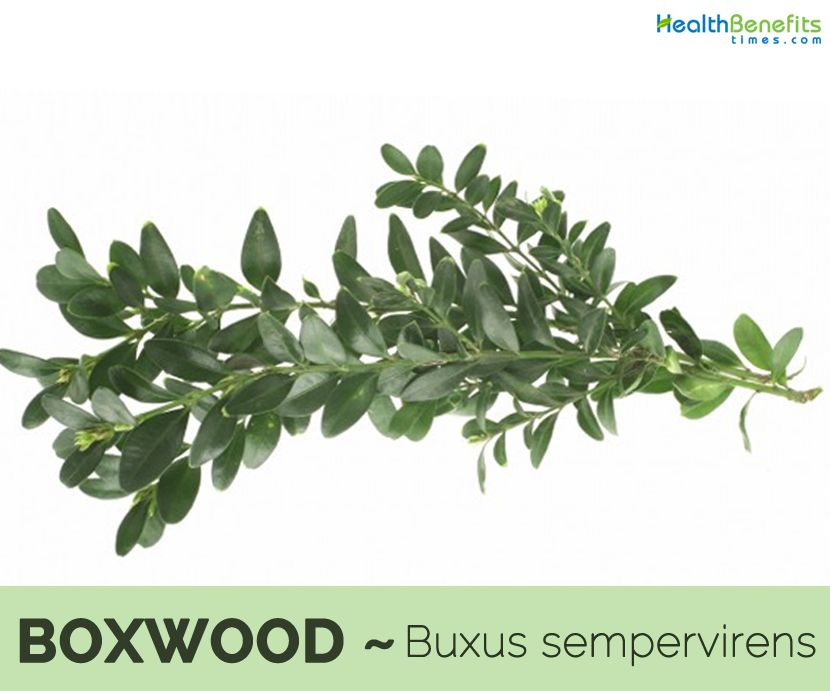
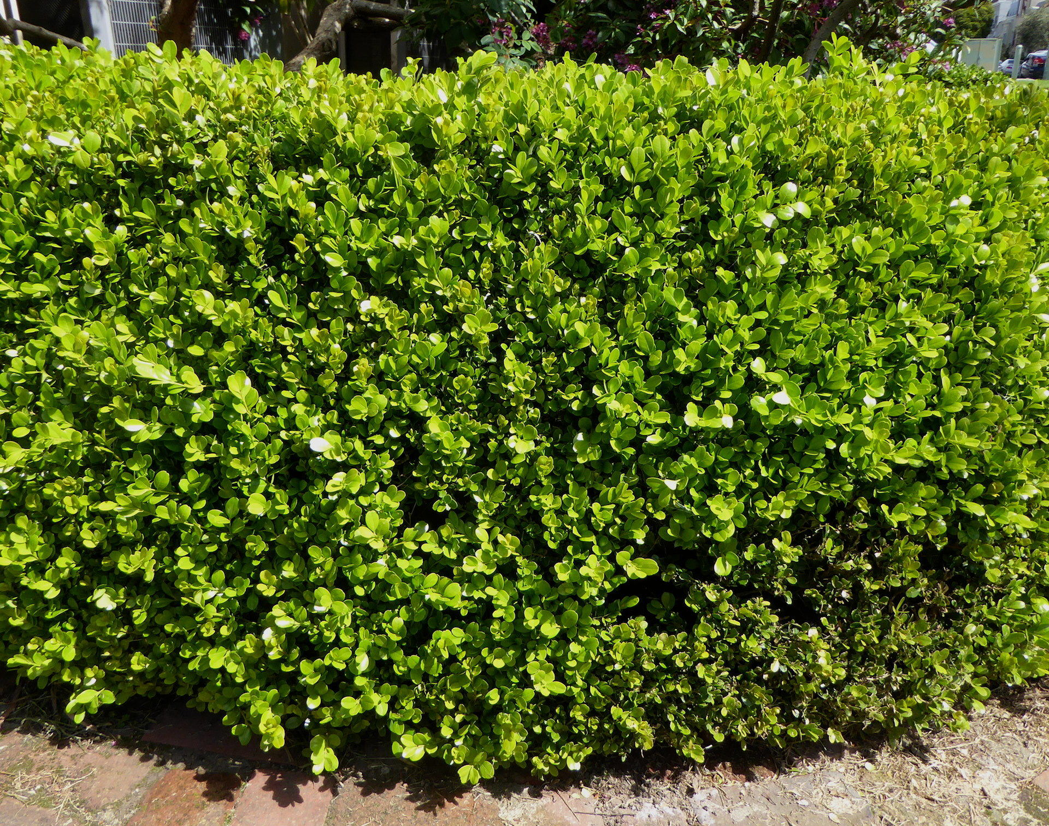
    Boxwood scientifically known as Buxus sempervirens is a rounded to broad-rounded shrub or small tree that belongs to the family Buxacece, a very small family of only six genera and about thirty species, closely related to the Spurge family – Euphorbiaceae. Only this evergreen species has been utilized in medicine. Apart from boxwood it is also known as Caucasian boxwood, European box, French boxwood, Persian boxwood, Turkish boxwood, box, boxtree, boxwood, boxwoodtree, common box, common boxwood, English Boxwood. The plant is native to open woodlands and rocky hillsides in southern Europe, northern Africa and western Asia. It is the aristocrat of formal gardens. Dwarf varieties, known as English boxwood are extensively used as edging, hedges and foundation plants. The larger varieties, known as American boxwood, are used as screens, foundation and formal plantings.

    Plant Description

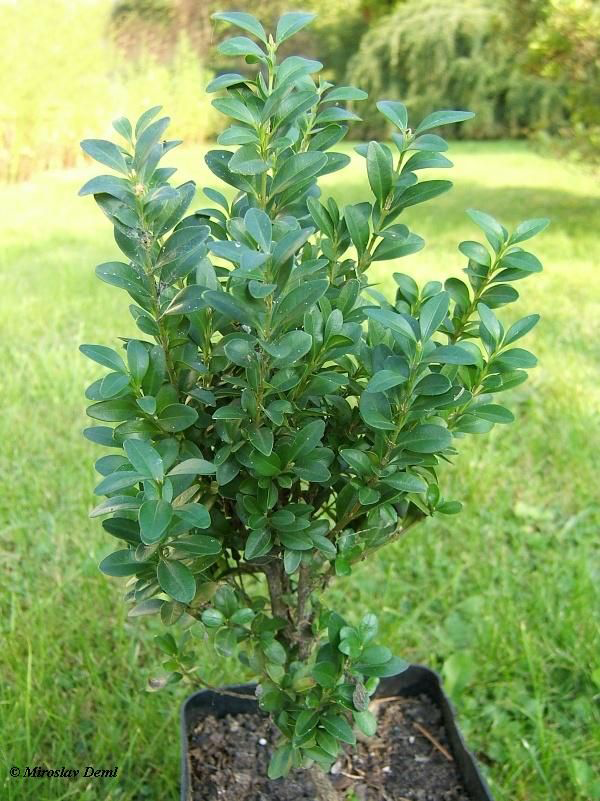
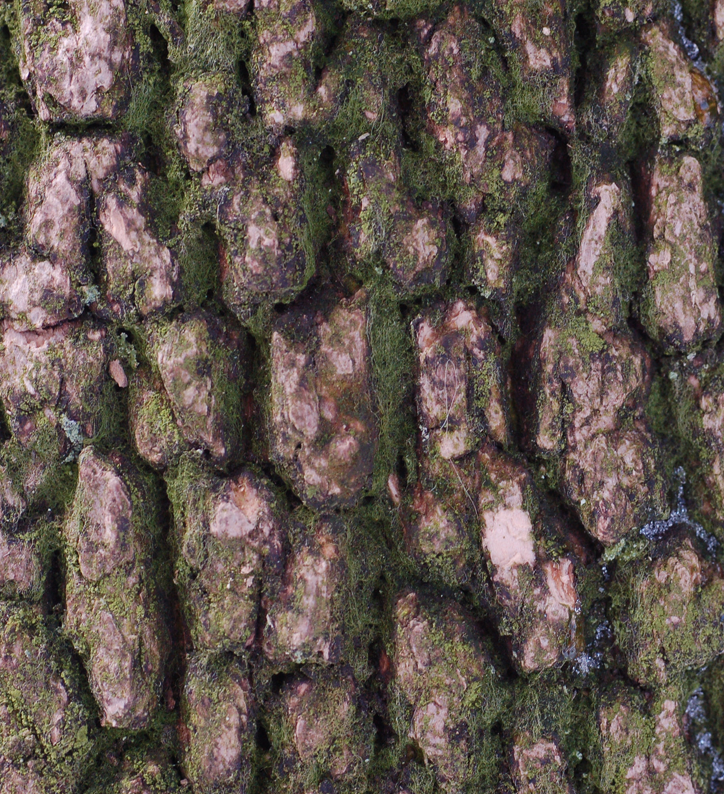
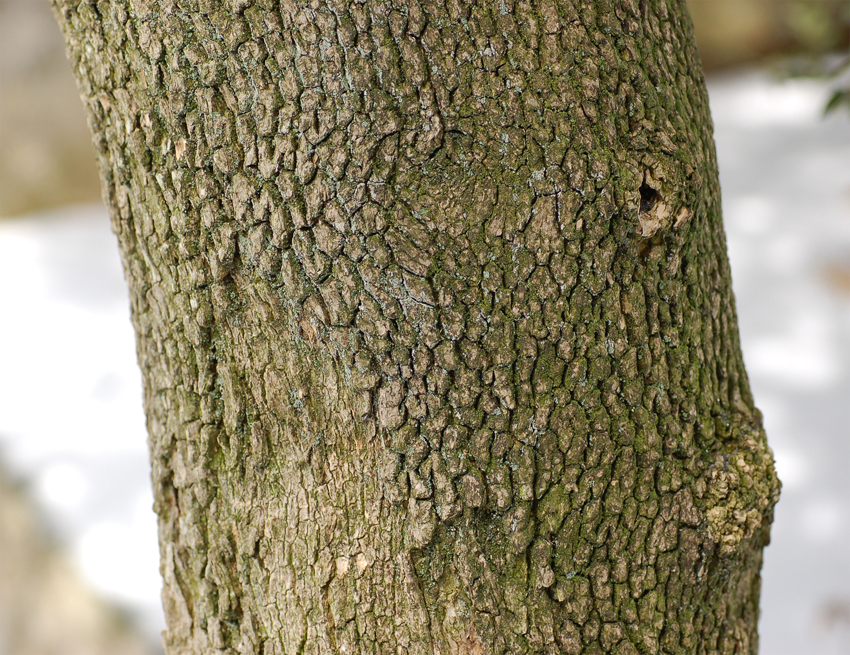
    Boxwood is a rounded to broad-rounded shrub or small tree that can grow to about 12 to 15 feet in height, rarely exceeding 20 feet when left undisturbed or uncut. Boxwood performs best in partial shade but will tolerate full sun. Soils must be well drained, organic, slightly acid to neutral pH and fertile. The plant has a dense root system, which forms a net of thin, yellow roots. Trunk is 6 inches in diameter covered with a rugged, yellowish-brown and wrinkled bark. Stem is crooked. Branches are erect to spreading, hoary pubescent when young.

    Leaves

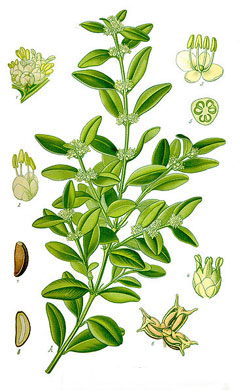
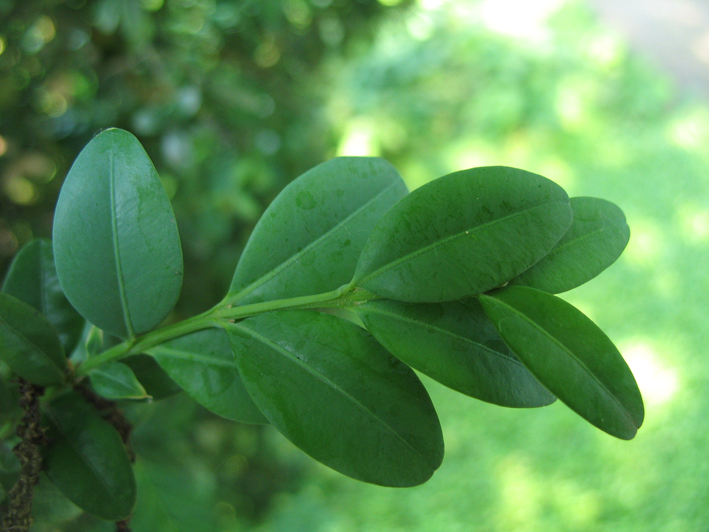
    Leaves are narrowly lanceolate or oblong-elliptic, 1.2-5.5 cm long, 0.5-1.2 cm broad, ovate, entire, smooth, thick, coriaceous and dark green.  Leaves are dark glossy green above and yellowish-green below. It has peculiar, rather disagreeable odor and bitter and somewhat astringent taste.

    Flower

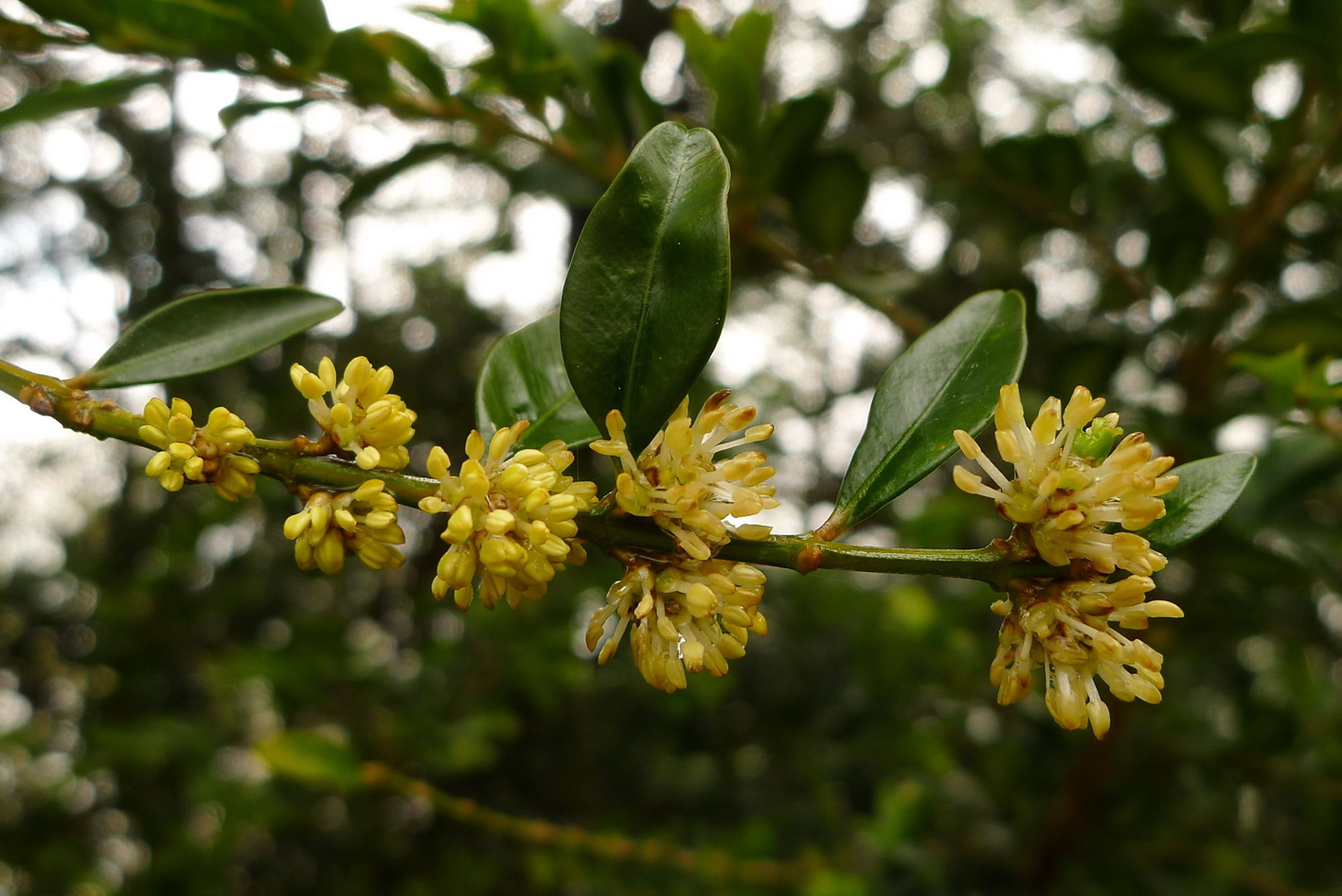
    Boxwood plant consists of yellow-green, tiny flowers. It has a female flower in the center surrounded by several male flowers in the same inflorescence. Flowerings normally take place between April and May.

     Fruit

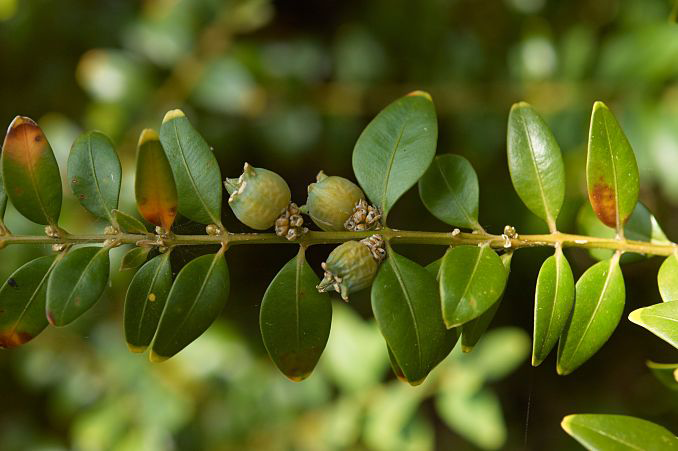
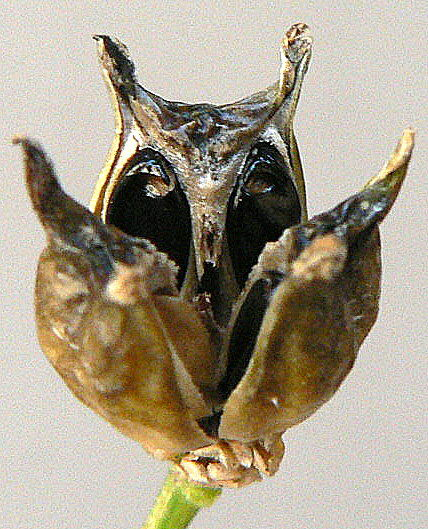
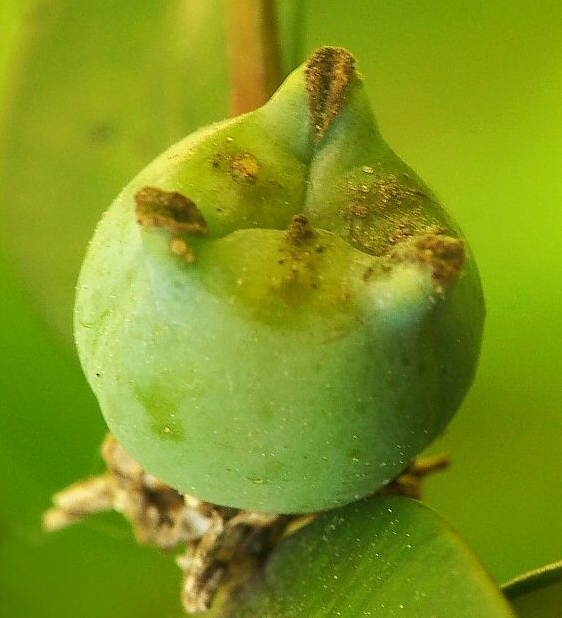
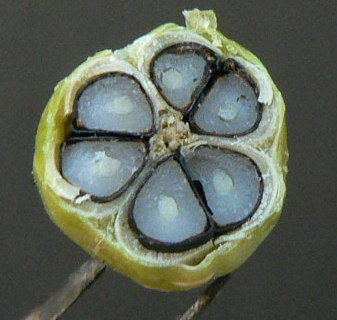
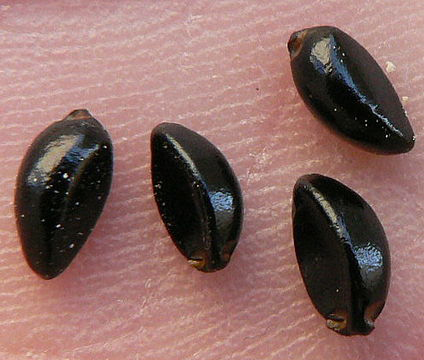
    Fruit is capsule trilocular, ovoid-oblong, walnut brown, 8 mm long and 5 mm in diameter, horns are 2 mm long, upright containing several small seeds. Fruit is green when young turning to brown as they mature. Seeds are oblong, 4 mm long and 3 mm wide.

    Boxwood-fruit-on-the-plant Boxwood-Herb-Illustration Dried-fruit-of-Boxwood-Herb Flower-of-boxwood-herb Fruit-of-Boxwood-herb Half-cut-Boxwood-fruit Seed-of-Boxwood-herb Small-Boxwood-herb Bark-of-Boxwood-herb Boxwood-herb Leaf-of-Boxwood-herb Stem-of-Boxwood-plant
    [Show thumbnails]

    Traditional uses and benefits of Boxwood herb

    • The leaves and the bark are alterative, anti-rheumatic, cathartic, cholagogue, diaphoretic, febrifuge, oxytocic and vermifuge.
    • Leaves have been used as a quinine substitute in the treatment of malaria.
    • Tincture of the wood has been used as a bitter tonic and antiperiodic, it has also had a reputation for curing leprosy.
    • Volatile oil distilled from the wood has been recommended in cases of epilepsy.
    • Oil has been used for piles and also for toothache.
    • An essential oil obtained from the plant is used in dentistry.
    • A homeopathic remedy is made from the plant.
    • It is extensively used in the treatment of rheumatism.
    • Decoction was suggested by some writers as an application to promote the growth of the hair.
    • In earlier days, Box was the active ingredient in a once-famous remedy for the bite of a mad dog.
    • Boxwood was previously used to treat persistent and recurring fever (malaria), gout, rheumatism, urinary tract infections, intestinal worms, chronic skin problems, syphilis and hemorrhoids.
    • Hippocrates, Dioscorides, and Pliny recommend them in diarrhea.

    Culinary uses

    • The leaves have been used in France as a substitute for hops (Humulus lupulus) in making beer.

    Other Facts

    • It is one of the oldest ornamental plants.
    • It is quite slow growing but very tolerant of cutting and is often used in topiary, where the hedge is trimmed into different forms for ornamental effect.
    • The leaves and sawdust, boiled in lye, have been used to dye hair an auburn color.
    • Although the wood is rather small, it is highly valued on account of its hardness – it is twice as hard as oak.
    • It is used for engraving, printing blocks, bowls, combs etc.
    • The root especially is much liked by turners and cabinet makers.
    • Various extracts and perfumes were formerly made from the leaves and bark.
    • In France, Boxwood has been used as a substitute for hops.
    • Branches and leaves of Box have been recommended as the best manure for the vine, as it is said no plant by its decomposition affords a greater quantity of vegetable manure.
    • Wood has been used to make scientific instruments, furniture, chess pieces, flutes and other musical instruments.
    • On the farm the dried and powdered leaves were used to improve the coats of horses.
    • Some English farmers still use the old-fashioned remedy of using powdered leaves to treat intestinal worms in horses.
    • Box is popular with bees and provides a dense, sheltered habitat for small birds, mammals and insects.

    Precautions

    • All parts of the plant are poisonous, especially the leaves and bark.
    • Use this remedy with caution and preferably only under the supervision of a qualified practitioner. The plant has not been fully tested for its toxic side effects.
    • People are rarely poisoned by boxwood, but to livestock grazing on the plant it can be deadly.
    • Side effects in humans can include abdominal pain, vomiting, bloody diarrhea, tremors, loss of coordination, convulsions and dizziness, and in severe cases coma and death due to respiratory paralysis.


    References:

    http://www.gbif.org/species/2984671/synonyms

    https://plants.usda.gov/core/profile?symbol=BUSE2

    https://www.itis.gov/servlet/SingleRpt/SingleRpt?search_topic=TSN&search_value=501097#null

    http://davesgarden.com/guides/pf/go/1627/

    http://www.hear.org/pier/species/buxus_sempervirens.htm

    https://npgsweb.ars-grin.gov/gringlobal/taxonomydetail.aspx?id=8212

    http://www.pfaf.org/user/Plant.aspx?LatinName=Buxus+sempervirens

    http://www.missouribotanicalgarden.org/PlantFinder/PlantFinderDetails.aspx?kempercode=e223

    http://www.floracatalana.net/buxus-sempervirens-l-

    http://www.botanical.com/botanical/mgmh/b/box—67.html

    https://en.wikipedia.org/wiki/Buxus

    http://www.cabi.org/isc/datasheet/10484

    http://www.botanical.com/botanical/mgmh/b/boxwoa68.html

    70%
    70%
    Awesome

    Comments

    comments

    B Herbs and Spices
    Share. Facebook Twitter Pinterest LinkedIn Tumblr Email
    Previous Article13 Health benefits of Bacopa (Water Hyssop)
    Next Article Therapeutic and Traditional Uses of Shepherd’s purse

    Related Posts

    Uses of Monkey Pitcher plant

    April 16, 2024

    Traditional uses and benefits of Wild Marigold

    March 21, 2024

    Traditional uses and benefits of Drooping fig

    March 12, 2024

    Comments are closed.


    Boxwood Facts

    Boxwood Quick Facts
    Name: Boxwood
    Scientific Name: Buxus sempervirens
    Origin Open woodlands and rocky hillsides in southern Europe, northern Africa and western Asia.
    Colors Green turning to brown as they mature
    Shapes Capsule trilocular, ovoid-oblong, walnut brown, 8 mm long and 5 mm in diameter
    Taste Bitter and somewhat astringent taste (Leaves)
    Name Boxwood
    Scientific Name Buxus sempervirens
    Native Open woodlands and rocky hillsides in southern Europe, northern Africa and western Asia.
    Common Names Caucasian boxwood, European box, French boxwood, Persian boxwood, Turkish boxwood, box, boxtree, boxwood, boxwoodtree, common box, common boxwood, English Boxwood
    Name in Other Languages Catalan: Boix
    Chinese: Zhǎi yè huángyáng (窄叶黄杨), Jǐn shú huángyáng (锦熟黄杨), huang yang mu
    Danish: Buksbom
    Denmark: Buksbom; bux; buxbom
    Dutch: Buxus, Palmboompje
    English: Caucasian boxwood, European box, French boxwood, Persian boxwood, Turkish boxwood, box, boxtree, boxwood, boxwoodtree, common box, common boxwood, English Boxwood
    Estonia: Harilik pukspuu
    Finnish: Isopuksipuu
    Finland: Boxwood; buxbom; puksipuu
    French: Buis, Buis commun, Buis sempervirent, buis béni, buis bénit, buis toujours vert, le buis
    German: Buchsbaum, Europäischer Buchsbaum, Buchs, Gemeiner Buchs, Gemeiner Buchsbaum, Gewöhnlicher Buchs, Gewöhnlicher Buchsbaum, Immergrüner Buchs, Immergrüner Buchsbaum, Beetzaun, Graubkraut
    Greece: Puxari; puxos
    Hawaiian: Keakula
    Iran: Schemschaad
    Israel: Teasshur
    Italy: Bosso; bosso comune; bosso verde; bossolo; busso
    Luxembourg: Palmboom
    Netherlands: Boksboom; bus; busboom; turks palmhout
    Poland: Bukspan ogrodowy; bukszpan zwyczajny
    Polish: Bukspan ogrodowy
    Portuguese: Arvore-da-caixa, buxinho, buxo, madeira de buxo
    Romania: Boschtom; samsheet
    Russian Federation: Kavkazskaja palma
    Slovak: Krušpán vždyzelený
    Spanish: Boj, buje, salamo
    Swedish: Buxbom
    Turkey: Adi simsir
    Plant Growth Habit Rounded to broad-rounded shrub or small tree
    Soil Typically grown in evenly moist, well-drained loams
    Plant Size 12 to 15 feet in height, rarely exceeding 20 feet when left undisturbed
    Root Dense root system, which forms a mesh of thin, yellow roots
    Bark Rugged, greyish bark
    Trunk 6 inches in diameter covered with a rugged, yellowish-brown and wrinkled bark
    Stem Crooked
    Branches Erect to spreading, hoary pubescent when young
    Leaf Narrowly lanceolate or oblong-elliptic, 1.2-5.5 cm long, 0.5-1.2 cm broad, ovate, entire, smooth, thick, coriaceous and dark green.  Leaves are dark glossy green above and yellowish-green below.
    Flower Yellow-green, tiny flowers. It has a female flower in the center surrounded by several male flowers in the same inflorescence.
    Flowering Season April and May
    Fruit Shape & Size Capsule trilocular, ovoid-oblong, walnut brown, 8 mm long, 5 mm in diameter, horns 2 mm long, upright containing several small seeds.
    Fruit Color Green turning to brown as they mature
    Seed Oblong, 4 mm long, c. 3 mm wide.
    Flavor/Aroma Leaves: Peculiar, rather disagreeable odor
    Taste Leaves:Bitter and somewhat astringent taste
    Plant Parts Used Leaves, bark and wood

    Boxwood Scientific Classification

    Scientific Name: Buxus sempervirens

    Rank Scientific Name & (Common Name)
    Kingdom Plantae (Plants)
    Subkingdom Tracheobionta (Vascular plants)
    Infrakingdom Streptophyta  (land plants)
    Superdivision Spermatophyta (Seed plants)
    Division Magnoliophyta (Flowering plants)
    Class Magnoliopsida (Dicotyledons)
    Subclass Rosidae
    Order Euphorbiales
    Family Buxaceae (Boxwood family)
    Genus Buxus L. (boxwood)
    Species Buxus sempervirens L. (common box)
    Synonyms
    • Buxus angustifolia Mill.
    • Buxus arborescens Mill.
    • Buxus argentea Steud.
    • Buxus aurea Steud.
    • Buxus caucasica K.Koch
    • Buxus colchica Pojark.
    • Buxus crispa K.Koch
    • Buxus cucullata K.Koch
    • Buxus elegantissima K.Koch
    • Buxus fruticosa Borkh.
    • Buxus handsworthii K.Koch
    • Buxus hyrcana Pojark.
    • Buxus macrophylla Hort.
    • Buxus macrophylla Hort. ex Dippel
    • Buxus marginata Steud.
    • Buxus mucronata Baill.
    • Buxus myrtifolia Lam.
    • Buxus rosmarinifolia Baill.
    • Buxus salicifolia K.Koch
    • Buxus sempervirens f. myrtifolia (Lam.) C. K. Schneid.
    • Buxus sempervirens f. pendula (Dallim.) Rehder
    • Buxus sempervirens f. prostrata (Bean) Rehder
    • Buxus sempervirens subsp. hyrcana (Pojark.) Takht.
    • Buxus sempervirens var. angustifolia Loudon
    • Buxus sempervirens var. arborescens L.
    • Buxus sempervirens var. grandifolia Müll.Arg.
    • Buxus sempervirens var. myrtifolia (Lam.) Sweet
    • Buxus sempervirens var. myrtifolia Loudon
    • Buxus sempervirens var. pendula Dallim.
    • Buxus sempervirens var. prostrata Bean
    • Buxus sempervirens var. rosmarinifolium Baill.
    • Buxus sempervirens var. rotundifolia Baill.
    • Buxus sempervirens var. suffruticosa L.
    • Buxus suffruticosa Mill.
    • Buxus tenuifolia Baill.
    • Buxus variegata Steud.
    • Buxus vulgaris Bubani
    Categories
    • Beverages (78)
    • Dairy (28)
    • Dental Health (15)
    • Equipment (5)
    • Essential OIls (196)
    • Facts (2,939)
    • Foods (255)
    • Fruits (516)
    • Giveaway (1)
    • Grains and Cereals (36)
    • Health & Beauty (763)
    • Herbs and Spices (1,249)
    • Medicines (9)
    • Mental Health (19)
    • Nutritional value (27)
    • Nuts and seeds (73)
    • Oils (81)
    • Pets (4)
    • Poultry & Seafoods (67)
    • Pulses and Beans (16)
    • Reviews (25)
    • supplement (2)
    • Vegetables (304)
    • Weight Loss (22)

    What is Lupin Bean Flour?

    Science Backed Health Benefits of Durian (Durio zibethinus)

    Science Backed Health Benefits of Feijoa (Pineapple Guava) (Acca sellowiana)

    Science Backed Health Benefits of Gac Fruit (Momordica cochinchinensis)

    Science Backed Health Benefits of Amaranth Leaves (Amaranthus spp)

    Science Backed Health Benefits of Arrowhead (Sagittaria sagittifolia)

    ABOUT
    Home
    About us
    Contact us
    Privacy Policy
    Terms & conditions
    Disclaimer
    Direct Communication
    e-mail: [email protected]
    Gmail: [email protected]
    Whatsapp: +977-9841146511
    Viber: +977-9841146511
    Useful
    Health Wiki
    Nutrition
    Facebook Twitter Pinterest
    © 2025 www.healthbenefitstimes.com All rights reserved.

    Type above and press Enter to search. Press Esc to cancel.

    ×

    Log In

    Forgot Password?

    Not registered yet? Create an Account