Health Benefits
    Facebook Twitter Instagram
    Sunday, December 14
    Facebook Twitter Pinterest
    Health Benefits
    • Home
    • Dental Health
    • Mental Health
    • Weight Loss
    • Health Wiki
    • Nutrition
    • Healthy Recipe
    • BMI Calculator
    Health Benefits
    Home»Herbs and Spices»Health Benefits of Curry plant
    Herbs and Spices

    Health Benefits of Curry plant

    By s mSeptember 24, 2019Updated:September 24, 2019No Comments6 Mins Read
    Facebook Twitter Pinterest LinkedIn Tumblr Email

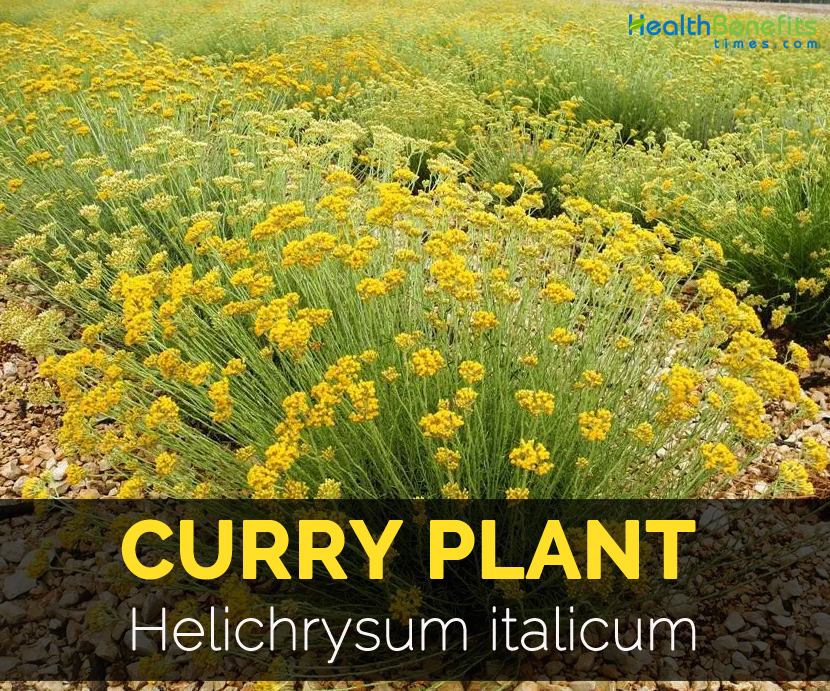
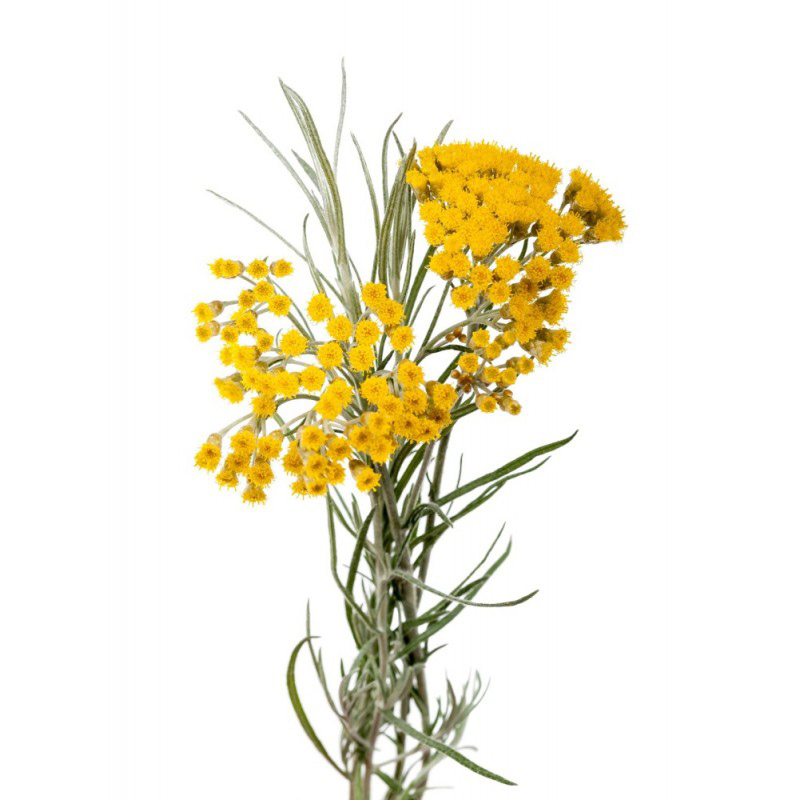
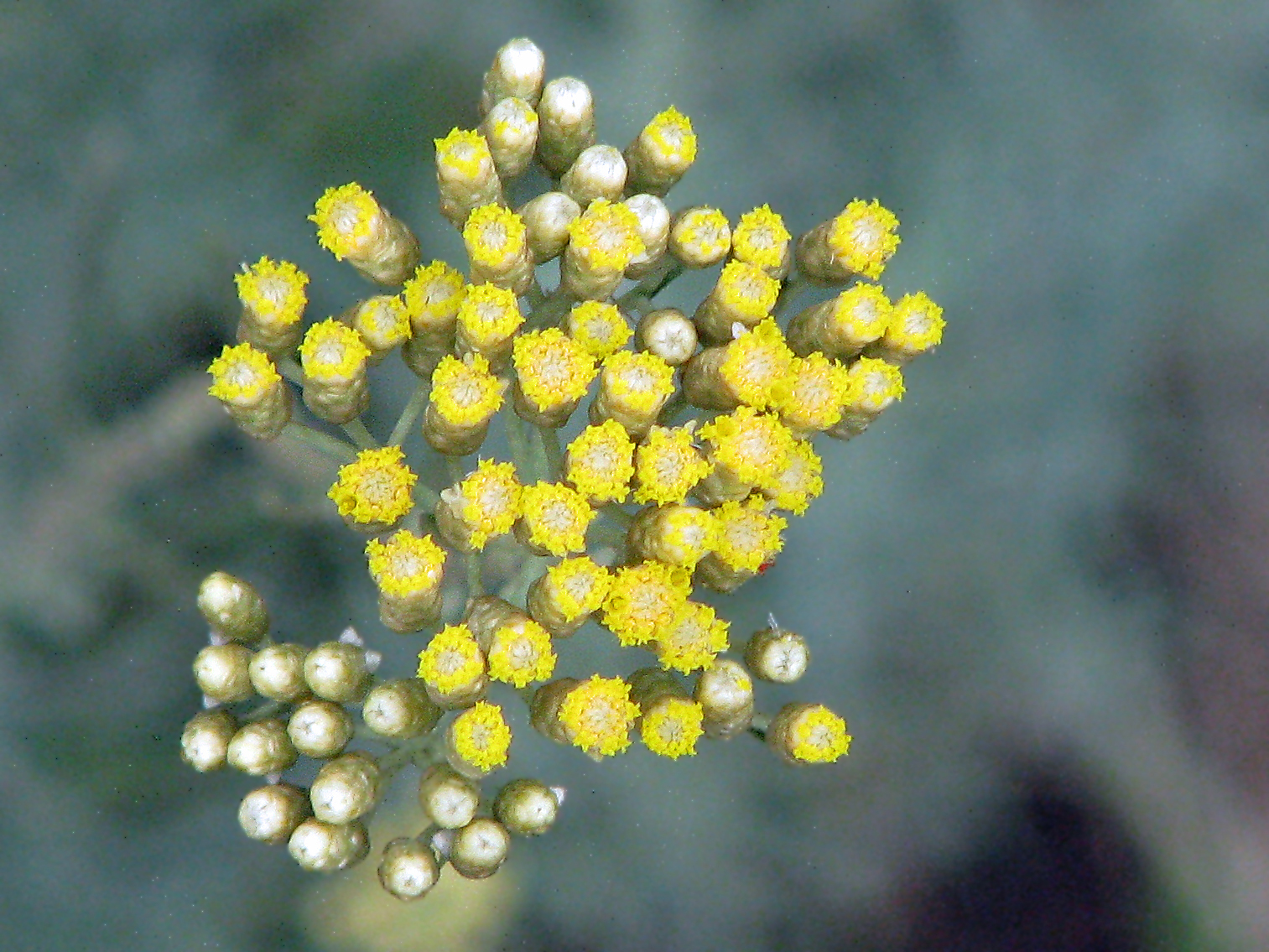
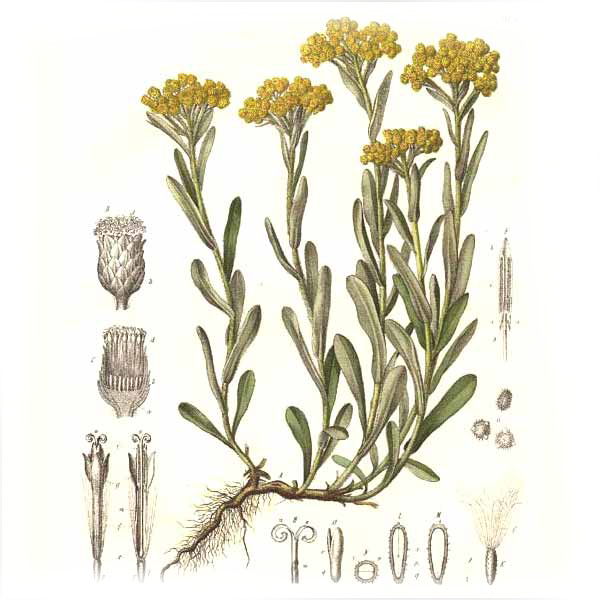
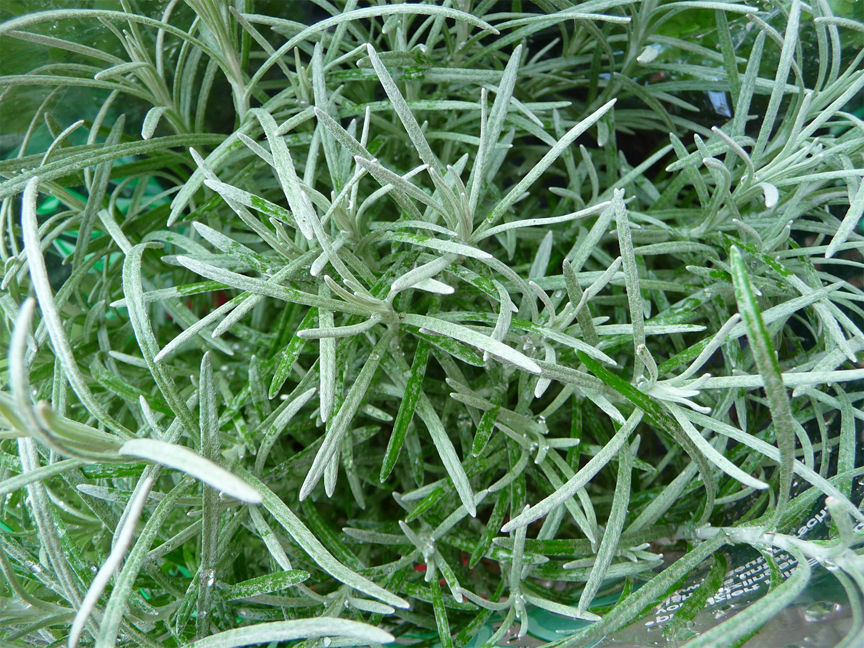
    The genus Helichrysum comprises of 600 species wide spread all over the world and 25 species is native to the Mediterranean area. The name is derived from the Greek words: “helios” which means sun and “chryos” which means gold.  Helichrysum italicum is an evergreen subshrub that reaches the height of 70 cm (28 inches). They are very bushy and is a perennial plant with narrow roots and prefers sunny locations. Leaves are silvery-gray to silvery-green with pointed lanceolate or needle shaped. Leaves are delicate, oblong and offers distinct aroma when crushed. Bracts are numerous white or colored. Flowers are relative small and bright yellow. Flowering period occurs between late June and mid-September. These small flowers form in a racemose inflorescence which includes cup like partial flowers. Flowers turn into fruits which contains several brown and oval seeds. The fruit is a nut which is called achene. The plant is grown in a garden for both curry aroma and simple beauty. The plant has high economic interest due to its essential oil highly sought by the perfume industry and aromatherapy.

    Curry plant Image Gallery
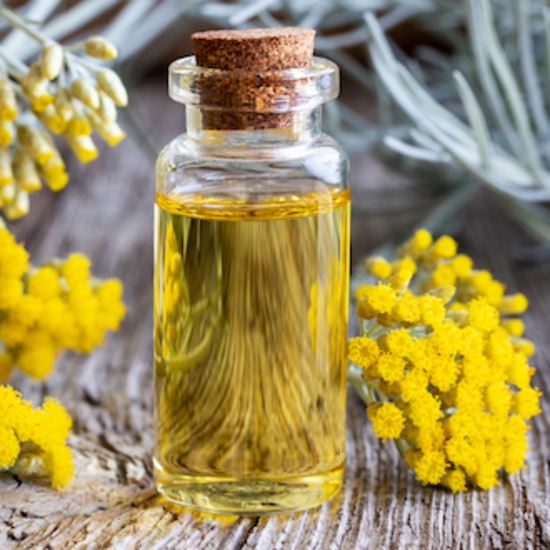
    Curry-plant-essential-oil Curry-plant-essential-oil
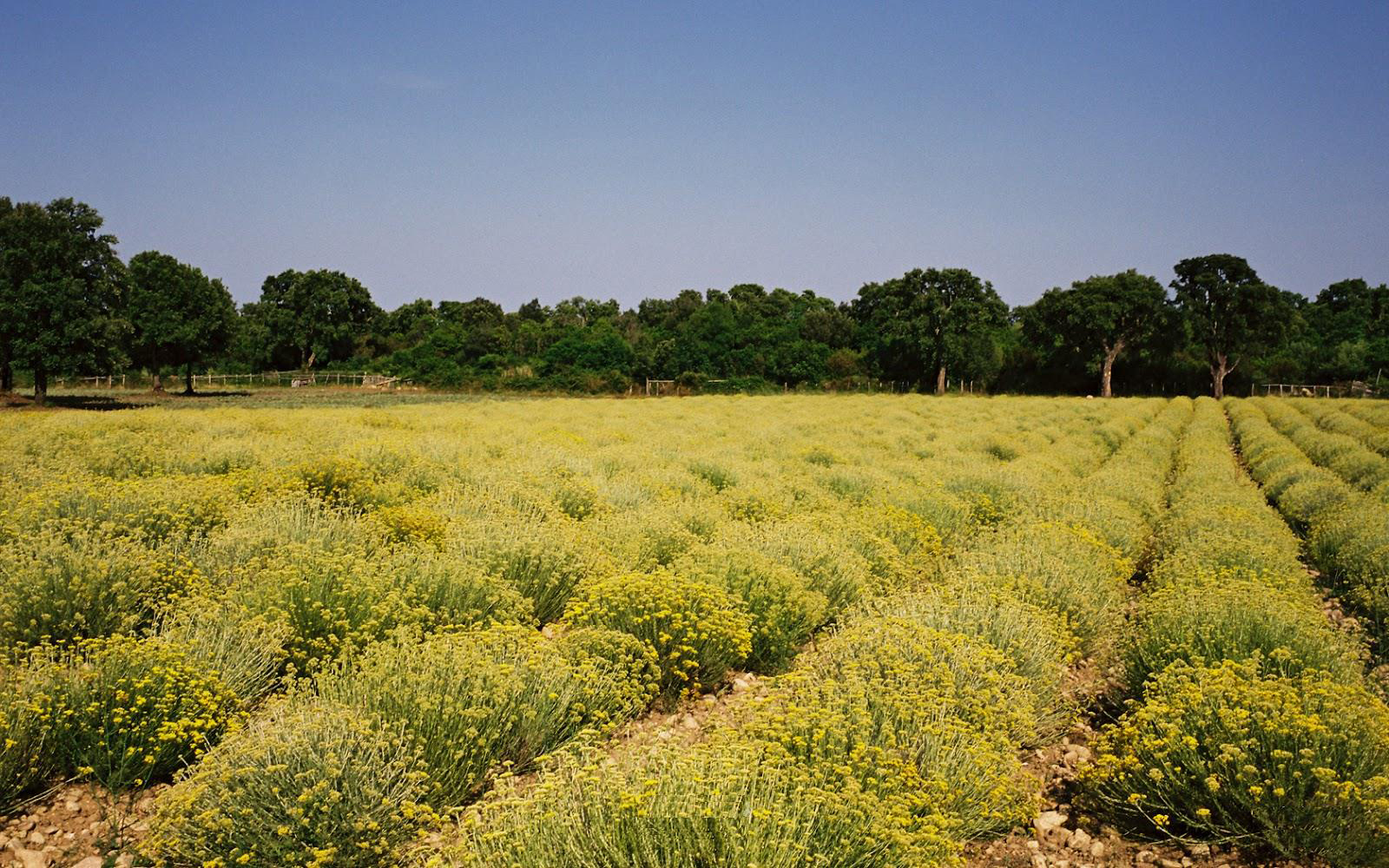
    Curry-plant-farm Curry-plant-farm
    Curry-plant-flower Curry-plant-flower
    Curry-plant-flower-buds Curry-plant-flower-buds
    Curry-plant-illustration Curry-plant-illustration
    Curry-plant-leaves Curry-plant-leaves

    Health Benefits of Helichrysum oil

    1. Skin health

    Helichrysum is antiseptic and antimicrobial which is helpful to cure wounds. It speeds up healing of cuts and wounds and also reduces scarring. The oil helps to lower appearance of bruising. It possesses strong emollient properties and provides smooth and soft skin.

    1. Blood health

    Helichrysum essential oil has anticoagulant properties that prevent artery blockages by preventing blood for thickening. It crashes the blood clots by stimulating enzymes that dissolve clots. Use it with ylang-ylang essential oil to reduce blood pressure.

    1. Inflammation and fever

    Helichrysum provides anti-inflammatories that help to soothe muscle tension and provide relief from headaches especially migraines. It also lowers aches related with fever.

    1. Healthy heart

    Helichrysum essential oil effectively treats irregular heartbeat and heart palpitations. It also prevents and treat stroke.

    1. Respiratory health

    Antitussive properties found in Helichrysum provide relief from coughs caused due to excess phlegm. It is an expectorant which eliminates phlegm and prevent the buildup of new phlegm. It acts as a mucolytic that helps to thin mucous and prevents hardening and clogging of respiratory tracts. It also clears coughs which resist other treatments.

    1. Prevent microbes

    Helichrysum essential oil acts as an antioxidant. The study conducted on 19 microbe species shows that out of them 16 species was effective from helichrysum and remaining three showed resistance to the oil. Staphylococcus aureus, Bacillus cereus, Micrococcus luteus, Enterococcus cereus, Staphylococcus epidermidis, Bacillus subtilis, Pseudomonas aeruginosa, Proteus mirabilis, Enterococcus faecalis, Fusarium solani, Candida albicans, Alternaria alternata and Ascochyta rabiei. K. pneumonia, E. coli, and L. Monocytogenes were the three microbe species which showed resistance.

    1. Prevents infection of liver & spleen cells

    Helichrysum essential oil treats liver infections due to the presence of choleretic properties by promoting release of bile. Bile helps in digesting fat. Sesquiterpenes and monoterpenes helps to treat liver infections.

    1. Treatment for HIV

    Helichrysum helps to treat AIDS which is a major life threatening disease. The study revealed that the extract of helichrysum has phloroglucinol alpha-pyrone arzanol which is an effective NF-KB inhibitor. It is alike compound homoarenol and alter hydroxylation pattern of aromatic moiety. Arzanol inhibits HIV-1 and replication of T cells, releases pro-inflammatory cytokines, stimulates synthesis of primary monocytes. The inhibition of T cell replication makes helichrysum effective to treat AIDS.

    1. Treatment for chronic cough

    Yet another great health benefit of helichrysum oil is that it can treat chronic coughs. It helps to get rid of coughs. It is used for asthmatic congestion and also to prepare cough syrups.

    1. Prevent fungal infections

    Helichrysum acts as antifungal agent which is effective for C albicans, S cervisiae, F solani, and A alternate. Apply it topically on infected area mixing with other carrier oil such as coconut oil and olive oil to prevent fungal infection from spreading.

    Medicinal uses

    • It is helpful for treating wounds, gall and bladder disorders.
    • Its anti-inflammatory properties make it beneficial for respiratory tract and skin conditions.
    • Flowers and leaves is used for cough, colds, allergies, toothache, digestive disorders, liver and gallbladder disorders, infections, inflammation and sleeplessness.
    • The herb is used for snake bites, women’s disorders and urinary problems.
    • Typically, it is used to clean wounds, relieve colds, mild depression, nervous restlessness, bruises, skin problems and hemorrhoids.
    • For the treatment of skin diseases, skin irritations or mild sunburns occasionally also ointments on the basis of Curry plant are used. The essential oils and flavonoids contained in the plant are responsible for the healing effect.

    Uses of Helichrysum essential oil

    • It can be used topically, aromatically or also internally.
    • For aromatherapy, diffuse 2 to 3 droops of essential oil in a diffuser or mix few drops to the bath tub.
    • For oral consumption, add 1 drop to 4 ounces of liquid. Use it with caution. As it is a potent essential oil, when used in excess it could be harmful.
    • For topical application, mix 2 to 3 drops of helichrysum oil with carrier oil like jojoba oil or coconut oil.
    • As inhalation, use diffuser or smell an open bottle. It is useful for emotion therapies or meditation.

    Culinary uses

    • Use the leaves as a flavoring agent in salads or cooked foods.
    • It enhances the fruit flavors in sweets, baked goods, ice cream, chewing gum and soft drinks.
    • Make a tea from flower heads.
    • The oil helps to heal burned skin and chapped lips.
    • It treats the symptoms such as fever and coughing.
    • Apply it to skin as a moisturizer or use it to fade scars.

    Side effects

    • Helichrysum essential oil is not safe for eyes and inner ear.
    • It may also irritate skin.
    • Avoid it by lactation mothers and pregnant women.
    • It also triggers stomach cramps so the people with gall stone problems should avoid it.
    • People sensitive to ragweeds or Compositae family might be allergic to this plant as well.
    • People with chances of internal hemorrhaging and who have undergone surgery should avoid it.
    • Limit the consumption of Curry plant.

    Other facts

    • The shrub reaches two feet high and more than 3 feet in width.
    • The leaves resemble the blend of rosemary and lavender leaves.

    • The smell of curry plant is like fenugreek or maple syrup.
    • Flowers incorporate both types of reproductive organs.
    • The flower blooms from July to August.
    • Flowers attract insects causing pollination.
    • Fruit is an achene like cypsela which encloses a single seed.
    • The plant could be propagated through cuttings or seed.
    • Flowers are used to prepare dry floral arrangements.
    • Flowers are used to make wreaths and potpourris.
    • To produce 1.9 pounds of essential oils, it takes more than a ton of flower heads.
    • The plant repels deer, bugs and cats from the gardens.
    • This perennial plant survives for more than 2 years in wild.

    References:

    https://www.sciencedirect.com/topics/agricultural-and-biological-sciences/helichrysum

    https://www.researchgate.net/publication/258635310_Helichrysum_italicum_From_traditional_use_to_scientific_data

    https://pfaf.org/user/Plant.aspx?LatinName=Helichrysum+italicums

    https://www.researchgate.net/publication/276928662_Antifungal_activity_of_Helichrysum_italicum_Roth_G_Don_Asteraceae_essential_oil_against_fungi_isolated_from_cultural_heritage_objects

    https://www.researchgate.net/publication/258635310_Helichrysum_italicum_From_traditional_use_to_scientific_data#targetText=In%20these%20countries%2C%20its%20flowers,%2C%20inflammation%2C%20infections%20and%20sleeplessness.&targetText=In%20vitro%20studies%20characterized%20Helichrysum,antimicrobial%20and%20anti%2Dinflammatory%20agent.

    https://www.sciencedirect.com/science/article/pii/S037887411300799X

    https://en.wikipedia.org/wiki/Helichrysum_italicum

    https://uncategory.com/helichrysum-oil/ 

    https://www.thefusionmodel.com/helichrysum-essential-oil-benefits-uses-and-side-effects/

    http://www.softschools.com/facts/plants/curry_plant_facts/2147/#targetText=Interesting%20Curry%20plant%20Facts%3A&targetText=Stem%20of%20curry%20plant%20is,of%20rosemary%20and%20lavender%20leaves.

    http://heritagegarden.uic.edu/new-page-3#targetText=Flowers%20from%20the%20curry%20plant,enhance%20fruit%20flavors(2) 

    77%
    77%
    Awesome

    Comments

    comments

    C Herbs and Spices
    Share. Facebook Twitter Pinterest LinkedIn Tumblr Email
    Previous ArticleFacts about Lead Plant
    Next Article What Sets Holistic Dentistry Apart From Other Tooth Care

    Related Posts

    Uses of Monkey Pitcher plant

    April 16, 2024

    Traditional uses and benefits of Wild Marigold

    March 21, 2024

    Traditional uses and benefits of Drooping fig

    March 12, 2024

    Comments are closed.


    Curry plant Quick Facts
    Name: Curry plant
    Scientific Name: Helichrysum italicum
    Origin Mediterranean region
    Name Curry plant
    Scientific Name Helichrysum italicum
    Native Mediterranean region
    Common/English Name Italian strawflower, Immortelle
    Name in Other Languages German: Currystrauch;
    Swedish: Curryeternell;
    English: Curryplant, Curry plant
    Plant Growth Habit Perennial shrubs, highly aromatic
    Soil Sandy
    Plant Size 50-70 cm high
    Flowering period June to September
    Flower Yellow
    Aroma Distinct

    Curry plant Scientific Classification

    Scientific Name: Helichrysum italicum

    Rank Scientific Name & (Common Name)
    Kingdom Plantae
    Phylum Tracheophyta
    Class Magnoliopsida
    Order Asterales
    Family Asteraceae
    Genus Helichrysum Mill.
    Species Helichrysum italicum (Roth) G.Don
    Synonyms
    • Gnaphalium glutinosum var. glutinosum
    • Helichrysum angustifolium var. numidicum (Pomel) Maire
    • Helichrysum italicum var. italicum
    • Helichrysum italicum var. numidicum (Pomel) Quézel & Santa
    • Helichrysum italicum var. serotinum (Boiss.) O. Bolòs&Vigo
    • Helichrysum numidicum Pomel
    • Helichrysum rupestre subsp.glutinosum (Ten.) Nyman
    • Helichrysum stoechas subsp. numidicum
    Categories
    • Beverages (78)
    • Dairy (28)
    • Dental Health (15)
    • Equipment (5)
    • Essential OIls (196)
    • Facts (2,938)
    • Foods (255)
    • Fruits (516)
    • Giveaway (1)
    • Grains and Cereals (36)
    • Health & Beauty (763)
    • Herbs and Spices (1,249)
    • Medicines (9)
    • Mental Health (19)
    • Nutritional value (27)
    • Nuts and seeds (73)
    • Oils (81)
    • Pets (4)
    • Poultry & Seafoods (67)
    • Pulses and Beans (16)
    • Reviews (25)
    • supplement (2)
    • Vegetables (304)
    • Weight Loss (22)

    What is Lupin Bean Flour?

    Science Backed Health Benefits of Durian (Durio zibethinus)

    Science Backed Health Benefits of Feijoa (Pineapple Guava) (Acca sellowiana)

    Science Backed Health Benefits of Gac Fruit (Momordica cochinchinensis)

    Science Backed Health Benefits of Amaranth Leaves (Amaranthus spp)

    Science Backed Health Benefits of Arrowhead (Sagittaria sagittifolia)

    ABOUT
    Home
    About us
    Contact us
    Privacy Policy
    Terms & conditions
    Disclaimer
    Direct Communication
    e-mail: [email protected]
    Gmail: [email protected]
    Whatsapp: +977-9841146511
    Viber: +977-9841146511
    Useful
    Health Wiki
    Nutrition
    Facebook Twitter Pinterest
    © 2025 www.healthbenefitstimes.com All rights reserved.

    Type above and press Enter to search. Press Esc to cancel.

    ×

    Log In

    Forgot Password?

    Not registered yet? Create an Account