Health Benefits
    Facebook Twitter Instagram
    Friday, December 5
    Facebook Twitter Pinterest
    Health Benefits
    • Home
    • Dental Health
    • Mental Health
    • Weight Loss
    • Health Wiki
    • Nutrition
    • Healthy Recipe
    • BMI Calculator
    Health Benefits
    Home»Herbs and Spices»Health benefits of German Chamomile
    Herbs and Spices

    Health benefits of German Chamomile

    By s mSeptember 6, 2017Updated:September 22, 2017No Comments4 Mins Read
    Facebook Twitter Pinterest LinkedIn Tumblr Email

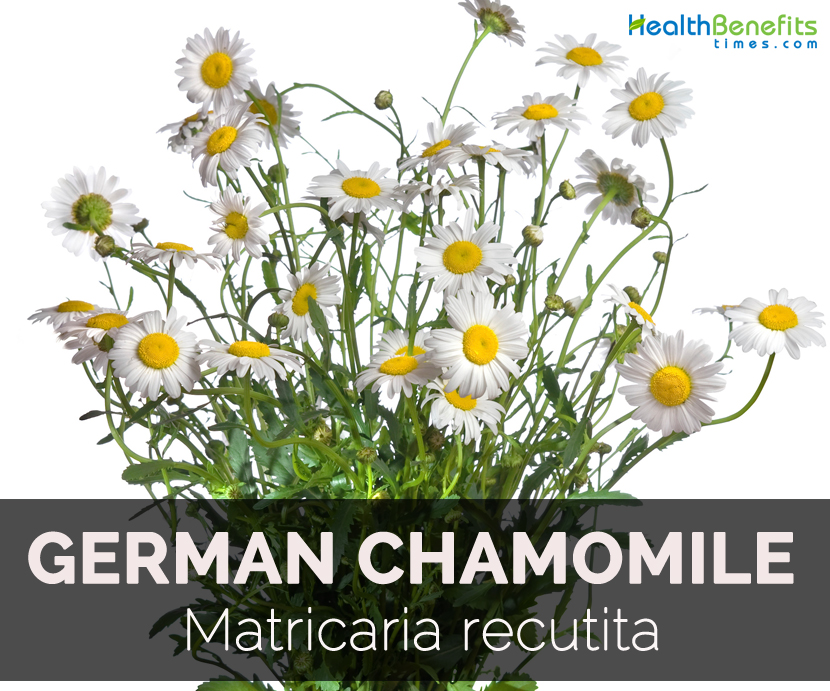
    Matricaria recutita (Wild Chamomile, False chamomile, German Mayweed, Sweet Feverfew, True chamomile, Hungarian Chamomile or Single Chamomile) is the plant which is about  2.3 to 23.5 inches tall that has got furrowed and heavily branched stems, belonging to the family Asteraceae and genus Matricaria L. Probably German Chamomile is native to Europe and Northwest Asia. This plant possesses thin and long stems with tiny flowers that resembles daisy. It is widely naturalized in North America, Australia and South America. This plant is used to extract oil by steam distillation or solvent extraction of golden to yellow flowers alike Roman chamomile. This herbal medicine is useful for treating irritable bowel syndrome, sore stomach and aids sleep. It is used to treat stuffy nose, travel sickness, nervous diarrhea, hay fever, intestinal gas, fibromyalgia, nervous diarrhea, trouble in sleeping and restlessness. It helps to lower swelling and enhance relaxation.

    Plant

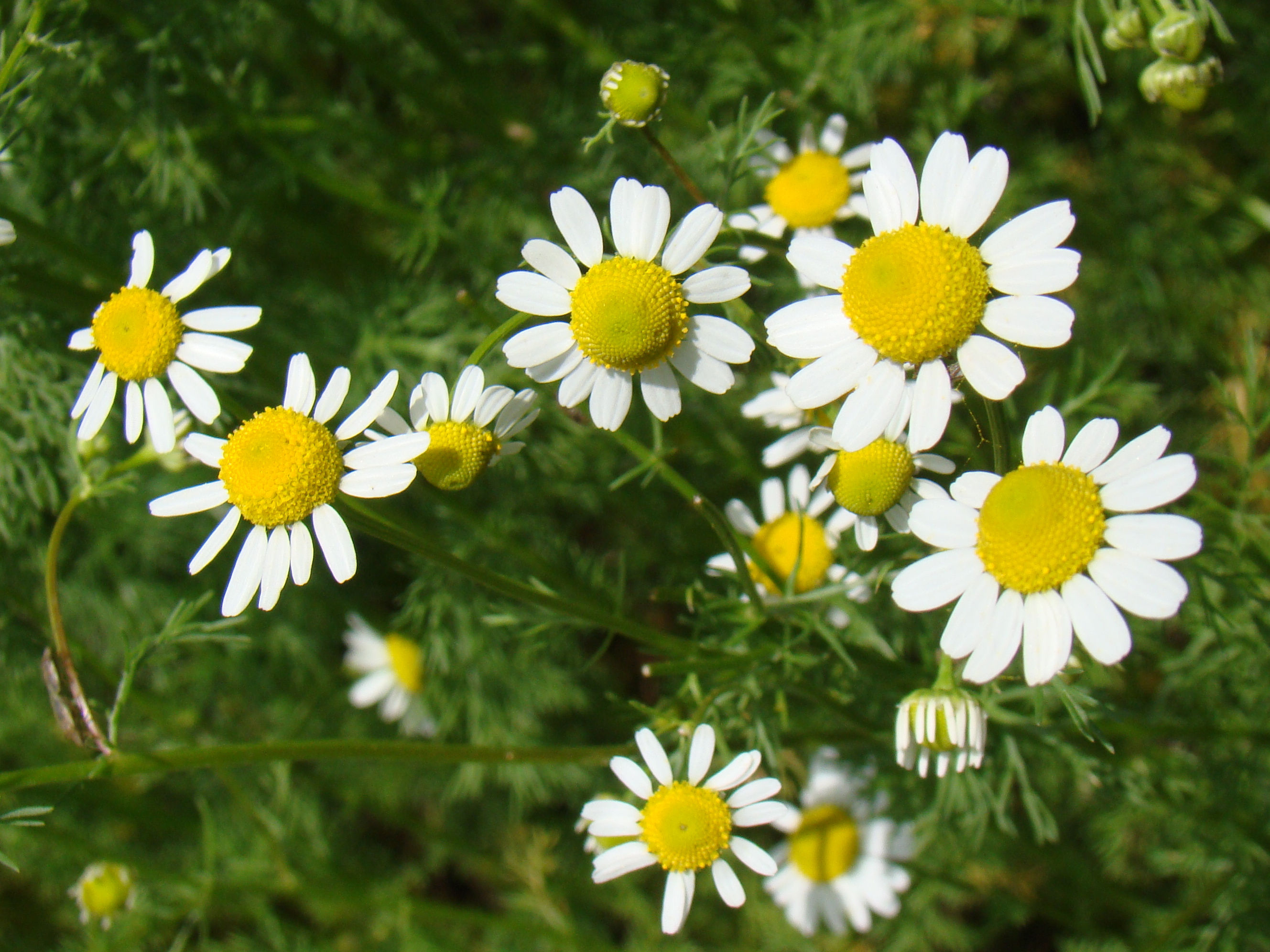
    German Chamomile is an erect, ascending or glabrous herb that measures about 20-40 cm high. It has got glabrous and erect stem that bears fragrant, showy flowers that are white with yellow center. The flower head measures about 3/4 inch broad. Leaves are oblong with narrow thorny tip, (1.5-) 2.5 – 6 (-7) cm long and 2 cm wide. This plant bears flower during mid-spring.

    German Chamomile Image Gallery
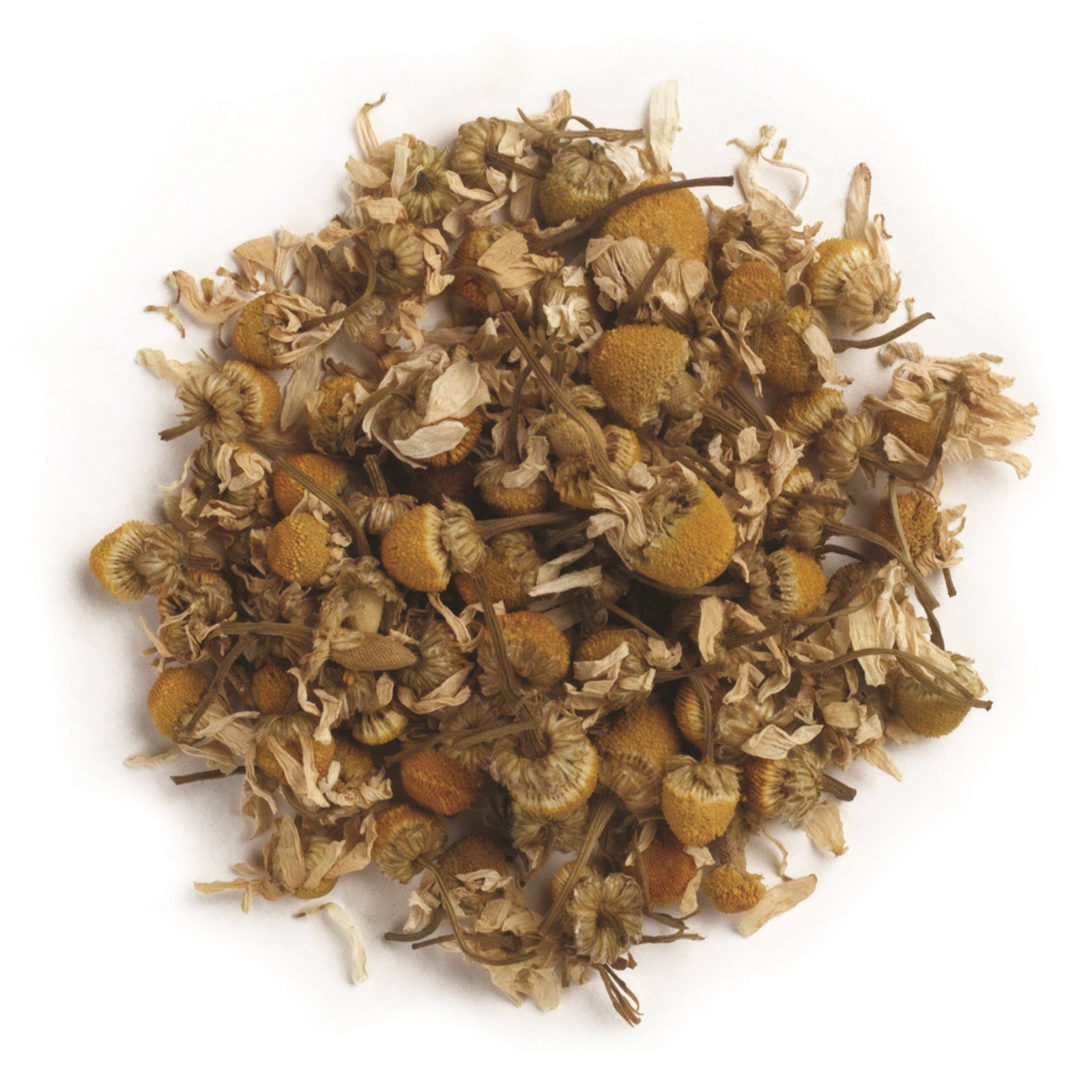
    Dried-German-Chamomile Dried-German-Chamomile
    German-Chamomile-flowers German-Chamomile-flowers
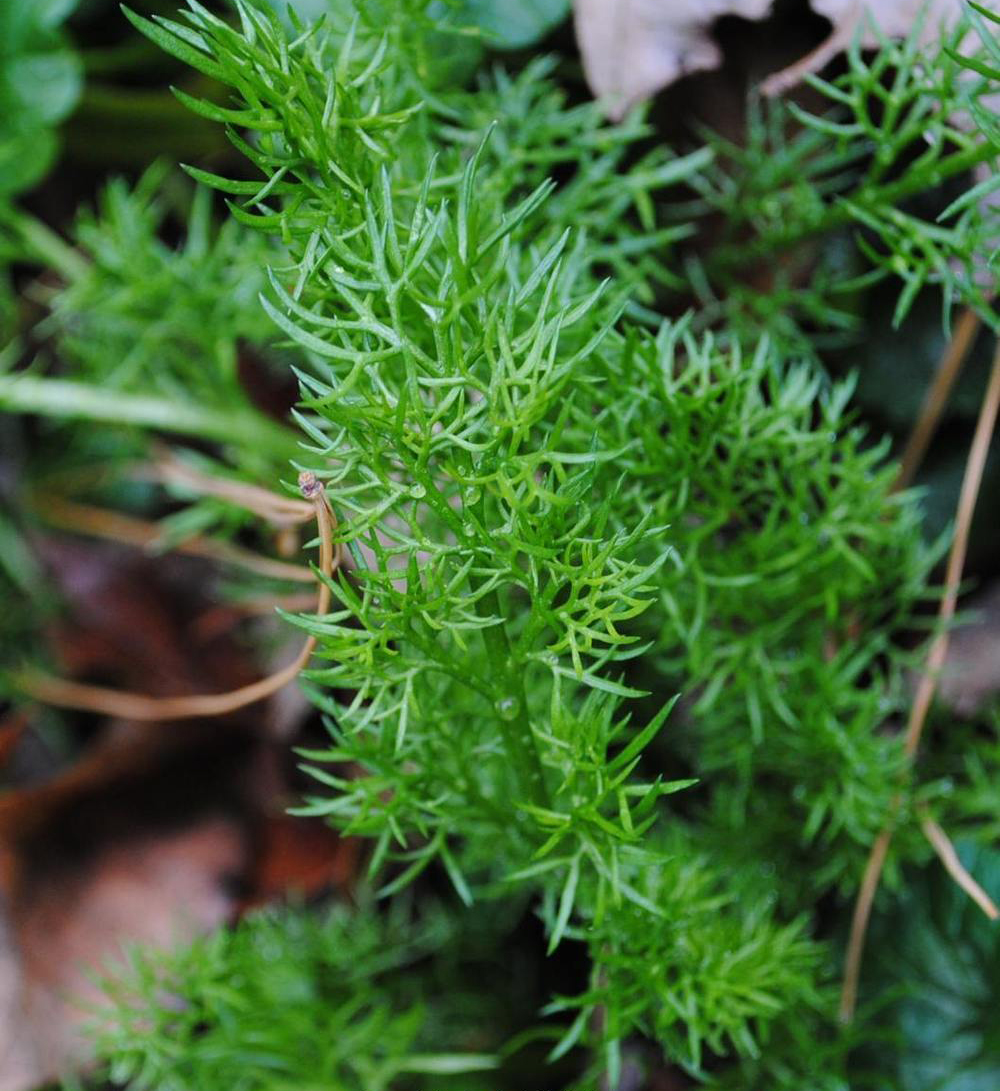
    German-Chamomile-leaves German-Chamomile-leaves

    German-Chamomile-oil German-Chamomile-oil
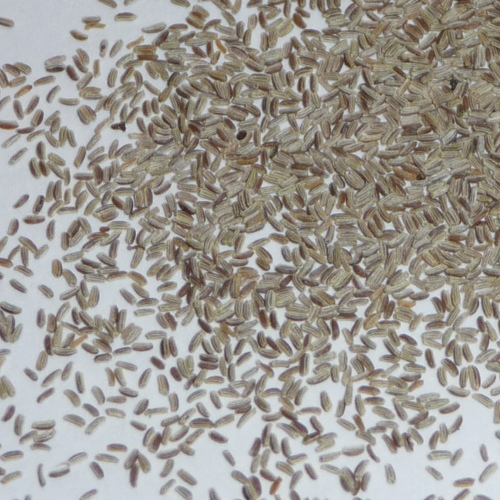
    German-Chamomile-seeds German-Chamomile-seeds
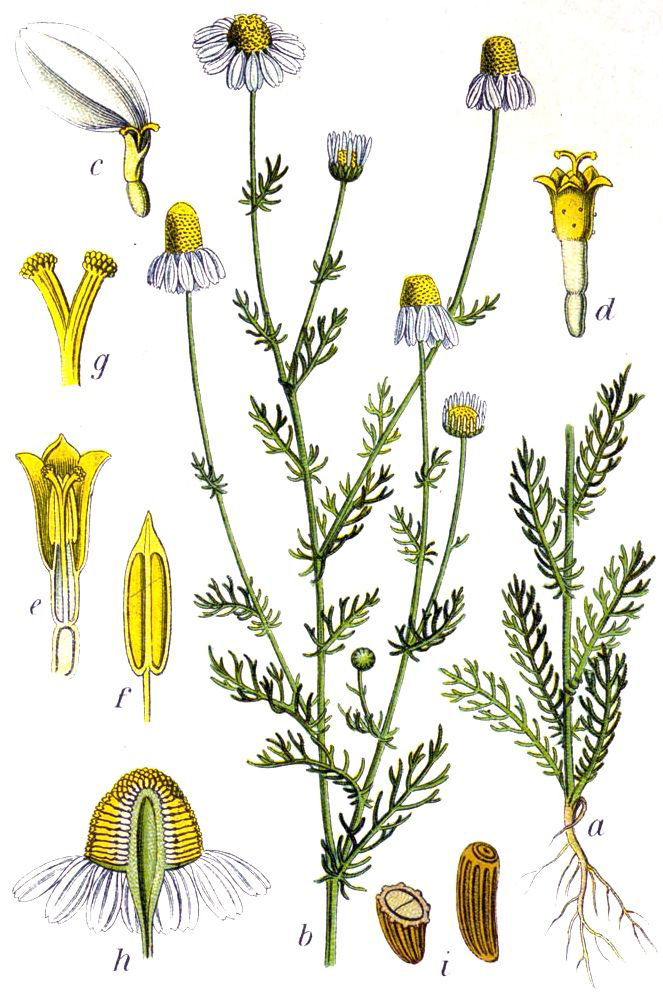
    Illustration-of-German-Chamomile Illustration-of-German-Chamomile

    Health Benefits of German Chamomile

    Chamomile is widely known to the Western world, with its two known varieties such as Roman chamomile and German Chamomile. Though they refers different species both are used for treating the same health ailments such as stomach problems, calms frayed nerves, skin problems, muscle spasms and infections. It has been used for thousands of years for medicinal purposes that date back to ancient Egyptians, Greeks and Romans.

    1. Treatment for insomnia or anxiety

    German chamomile is used to provide relief from sleeping problems and anxiety. The clinical trial made on the treatment of anxiety in people shows that the capsules made from German chamomile helps to lower the anxiety symptoms in the people having mild to moderate generalized anxiety disorder. The animal studies shows that the high dose assist sleep whereas low doses is used to  provide relief from anxiety.

    1. Cure for digestive problems

    Traditionally, German chamomile is used to cure irritable bowel syndrome, stomach cramps, diarrhea, indigestion, colic and gas. It soothes as well as relaxes contractions of muscles. No human studies have been made for these conditions. The studies shows that the combination of peppermint, iberis and chamomile is used to provide relief from indigestion symptoms.

    1. Mouth sores

    German chamomile is used to treat mouth problems but no evidence has been provided. It is used as a mouthwash for the prevention of mouth sores.

    1. Useful for eczema

    German chamomile is used in ointment or cream for soothing irritated skin but no studies have been made with people. The studies have shown that the Chamomile cream provides relief from eczema symptoms.

    Traditional uses

    • It is sedative, carminative and tonic.
    • Make the infusion of 1 pint of boiling water and ½ oz. of dried flower for treating ailments in children.
    • It could be used as a tonic for gastrointestinal canal.
    • It is also useful for the conditions such as earache, stomach disorders, neuralgic pain and infantile convulsions.
    • Use it externally fomentation.
    • It is used in Folk medicine to treat flatulence and diarrhea.
    • It is also used externally for hemorrhoids, furuncles, acne and abscesses.
    • It is used for the cramps in gastrointestinal tract, inflammation of upper respiratory tract, teething symptoms and dysmenorrhea.
    • Since 1st century AD, it is used to treat digestive problems.
    • It is a treatment for hiatus hernia or peptic ulcer.
    • German chamomile is used as a remedy for asthma and hay fever.
    • As it possess anti-allergic properties, it helps to treat allergies in the body.
    • It is also applied to the sore as well as itchy skin or eczema.

    Precautions               

    • One might experience allergic reactions such as tightness in throat, tongue thickening, swelling of eyes, throat or lips.
    • The people who are allergic to ragwort or ragweed or sensitivity to Asteraceae or Compositae family such as feverfew, milk thistle and Echinacea should avoid it as soon as possible.
    • Pregnant and breast feeding women should avoid its excessive use.
    • Allergic people should avoid it.

    How to Eat         

    • The fresh flowers are used to make herbal tea.
    • It is used to add flavor to the alcoholic beverages (Benedictine and vermouth), confectionery, ice cream, candy, desserts, baked goods, and chewing gum.


    References:

    http://www.floracatalana.net/matricaria-recutita-l-

    http://www.botanical.com/botanical/mgmh/c/chammo49.html#ger


    https://www.itis.gov/servlet/SingleRpt/SingleRpt?search_topic=TSN&search_value=780435#null


    http://davesgarden.com/guides/pf/go/291/


    http://www.pfaf.org/user/Plant.aspx?LatinName=Matricaria+recutita


    http://www.missouribotanicalgarden.org/PlantFinder/PlantFinderDetails.aspx?taxonid=277347&isprofile=0&


    http://www.theplantlist.org/tpl/record/gcc-103038


    http://www.gardenguides.com/526-chamomile-culinary-herbs-short-season-gardeners.html


    http://www.herbs2000.com/herbs/herbs_chamomile_ger.htm


    http://www.umm.edu/health/medical/altmed/herb/german-chamomile

    83%
    83%
    Awesome

    Comments

    comments

    G Herbs and Spices
    Share. Facebook Twitter Pinterest LinkedIn Tumblr Email
    Previous ArticleHealth benefits of Cereus
    Next Article Health benefits of Blue Cohosh

    Related Posts

    Uses of Monkey Pitcher plant

    April 16, 2024

    Traditional uses and benefits of Wild Marigold

    March 21, 2024

    Traditional uses and benefits of Drooping fig

    March 12, 2024

    Comments are closed.


    German Chamomile facts

    German Chamomile Quick Facts
    Name: German Chamomile
    Scientific Name: Matricaria recutita
    Origin Native to Europe and Northwest Asia and got naturalized in North America.
    Taste Bitter
    Name German Chamomile
    Scientific Name Matricaria recutita
    Native German Chamomile is native to Europe and Northwest Asia and got naturalized in North America.
    Common/English Name Wild Chamomile, False chamomile, German Mayweed, Sweet Feverfew, True chamomile, Sweet false chamomile, Chamomile Flowers, Standardized Chamomile Extract, Kid Chamomile, Pin Heads, Chamomilla, Chamomile, Hungarian Chamomile, Single
    Chamomile
    Name in Other Languages Catalan: Camamilla, Majola, Camamil·la, Maçanella, Matricària;
    Occitan: Bolièg, Camamilha, Bolèg, Èrba a l’uelh, Camomilh;
    Danish: Vellugtende kamille;
    Dutch: Echte kamille;
    English:  Blue chamomile, German chamomile, Chamomile, Hungarian chamomile, White chamomile, Scented chamomile, Wild chamomile;
    Finnish: Kamomillasaunio;
    French: Camomille commune , Camomille vraie, Camomille d’Allemagne, Matricaire tronquée, Matricaire fausse camomille;
    German: Echte Kamille;
    Hindi: Babuna;
    Italian: Amareggiola, Camomilla vulgare, Camomilla commune;
    Norwegian: Ettårig kamille, Kamomilleblom, Kamille;
    Persian: Babunaj, Babune;
    Polish: Rumianek pospolity, Rumianek bezpromieniowy;
    Portuguese: Camomila, Mançanilha, Camomila da alemanha, Margaça-das-boticas, Manzanella;
    Russian: Romashka aptechnaia (Ромашка аптечная);
    Sanskrit: Babunaj, Babuna;
    Spanish:  Camomilla, Manzanilla alemana, Manzanilla, Manzanilla cimarrona,  Manzanilla común, Manzanilla dulce, Manzanilla de Aragón, Manzanilla matricaria, Manzanilla húngara;
    Swedish: Äkta Kamomill, Söt kamomill, Blå kamomill, Ungersk kamomilll, Tysk kamomill;
    Urdu: Babuna;
    Vietnamese: Dương cam cúc;
    Afrikaans: Egte kamille;
    Chinese: Mǔ jú (母菊);
    Finnish: kamomillasaunio;
    Latin: Anthodium Chamomillae, Flores Chamomillae;
    Plant Growth Habit Erect or ascending, glabrous
    Plant Size 20 to 40 cm high
    Stem Erect, glabrous
    Leaf Oblong, Length: (1.5-) 2.5 – 6 (-7) cm, Wide: 2 cm, narrow thorny tip
    Flowering Season Mid Spring
    Flower Flower head: 3/4 inch broad, strap shaped, white with yellow center, fragrant, showy
    Taste Bitter
    Plants parts used Flowers

    German Chamomile Scientific Classification

    Scientific Name: Matricaria recutita

    Rank Scientific Name & (Common Name)
    Kingdom Plantae (Plants)
    Subkingdom Viridiplantae
    Infrakingdom Streptophyta (Land plants)
    Superdivision Embryophyta
    Division Tracheophyta  (Vascular plants, tracheophytes)
    Class Magnoliopsida
    Order Asterales
    Family Asteraceae (Sunflowers, tournesols)
    Genus Matricaria L. (Mayweed)
    Species Matricaria chamomilla L. (German chamomile, crown mayweed)
    Synonyms
    • Camomilla deflexa Gilib.
    • Camomilla patens Gilib.
    • Chamaemelum suaveolens E.H.L.Krause
    • Chamaemelum vulgare Bubani
    • Chamomilla chamomilla (L.) Rydb.
    • Chamomilla chamomilla f. courrantiana (DC.) Fiori & Paol.
    • Chamomilla chamomilla f. pusilla (Willd.) Fiori & Paol.       
    • Chamomilla chamomilla f. suaveolens Fiori & Paol.
    • Chamomilla chamomilla subsp. pusilla (Willd.) Holmboe   
    • Chamomilla chamomilla var. coronata Coss. & Germ.       
    • Chamomilla chamomilla var. pusilla (Willd.) Fiori  
    • Chamomilla chamomilla var. recutita (L.) Fiori
    • Chamomilla chamomilla var. recutita (L.) Grierson              
    • Chamomilla courrantiana (DC.)
    • Chamomilla officinalis C.Koch
    • Chamomilla patens Gilib.
    • Chamomilla recutita
    • Chamomilla recutita (L.) Rauschert
    • Chamomilla recutita subsp. bayeri
    • Chamomilla vulgaris Gray
    • Chrysanthemum chamomilla (L.) Bernh.  
    • Chrysanthemum chamomilla Bernh.
    • Chrysanthemum suaveolens (L.) Cav.
    • Courrantia chamomilloides Sch. Bip.        
    • Matricaria bayeri Kanitz 
    • Matricaria bayeri Kanitz
    • Matricaria capitellata Batt. & Pit.              
    • Matricaria chamomilla f. kochiana (Sch.Bip.) Fiori & Paol.
    • Matricaria chamomilla f. suaveolens Fiori & Paol.
    • Matricaria chamomilla L.
    • Matricaria chamomilla subsp. pusilla (Willd.) Holmboe
    • Matricaria chamomilla var. coronata (J. Gay) Coss. & Germ.
    • Matricaria chamomilla var. coronate
    • Matricaria chamomilla var. recutita (L.) Fiori
    • Matricaria chamomilla var. recutita (L.) Grierson
    • Matricaria courrantiana DC.        
    • Matricaria exigua Tuntas              
    • Matricaria kochiana Sch. Bip.      
    • Matricaria pusilla Willd. 
    • Matricaria recutita L.      
    • Matricaria recutita var. coronata (Boiss.) Halácsy
    • Matricaria recutita var. kochiana (Sch.Bip.) Greuter
    • Matricaria recutita var. recutita L.
    • Matricaria salina (Schur) Schur    
    • Matricaria suaveolens
    • Matricaria suaveolens auct. non L.
    • Matricaria suaveolens L.
    Categories
    • Beverages (78)
    • Dairy (28)
    • Dental Health (15)
    • Equipment (5)
    • Essential OIls (196)
    • Facts (2,939)
    • Foods (255)
    • Fruits (516)
    • Giveaway (1)
    • Grains and Cereals (36)
    • Health & Beauty (763)
    • Herbs and Spices (1,249)
    • Medicines (9)
    • Mental Health (19)
    • Nutritional value (27)
    • Nuts and seeds (73)
    • Oils (81)
    • Pets (4)
    • Poultry & Seafoods (67)
    • Pulses and Beans (16)
    • Reviews (25)
    • supplement (2)
    • Vegetables (304)
    • Weight Loss (22)

    What is Lupin Bean Flour?

    Science Backed Health Benefits of Durian (Durio zibethinus)

    Science Backed Health Benefits of Feijoa (Pineapple Guava) (Acca sellowiana)

    Science Backed Health Benefits of Gac Fruit (Momordica cochinchinensis)

    Science Backed Health Benefits of Amaranth Leaves (Amaranthus spp)

    Science Backed Health Benefits of Arrowhead (Sagittaria sagittifolia)

    ABOUT
    Home
    About us
    Contact us
    Privacy Policy
    Terms & conditions
    Disclaimer
    Direct Communication
    e-mail: [email protected]
    Gmail: [email protected]
    Whatsapp: +977-9841146511
    Viber: +977-9841146511
    Useful
    Health Wiki
    Nutrition
    Facebook Twitter Pinterest
    © 2025 www.healthbenefitstimes.com All rights reserved.

    Type above and press Enter to search. Press Esc to cancel.

    ×

    Log In

    Forgot Password?

    Not registered yet? Create an Account