Health Benefits
    Facebook Twitter Instagram
    Friday, December 5
    Facebook Twitter Pinterest
    Health Benefits
    • Home
    • Dental Health
    • Mental Health
    • Weight Loss
    • Health Wiki
    • Nutrition
    • Healthy Recipe
    • BMI Calculator
    Health Benefits
    Home»Herbs and Spices»Facts about Giant Hogweed ~ Heracleum mantegazzianum
    Herbs and Spices

    Facts about Giant Hogweed ~ Heracleum mantegazzianum

    By SylviaJanuary 24, 2021Updated:January 24, 2021No Comments13 Mins Read
    Facebook Twitter Pinterest LinkedIn Tumblr Email

    Heracleum mantegazzianum, commonly known as giant hogweed is a monocarpic flowering plant in the carrot family Apiaceae ⁄ Umbelliferae. It is also known as giant cow parsley, hogsbane, Cartwheel flower, Giant cow parsnip, Giant hogweed, Hogweed, Mantegazzi’s Cow-Parsnip, Siberian cow-parsnip and wild rhubarb. In New Zealand, it is also sometimes called wild parsnip (not to be confused with Pastinaca sativa) or wild rhubarb. The plant is native to western Caucasus region of Eurasia. It was introduced to Britain as an ornamental plant in the 19th century, and has also spread to other areas in Western Europe, the United States, and Canada. Its close relatives, Sosnowsky’s hogweed and Persian hogweed, have similarly spread to other parts of Europe.

    Genus name comes from a variant of the Greek words herakleia or panakes herakleion in honor of Hercules (Gr. Herakles). The species name mantegazzianum refers to Paolo Mantegazza (1831–1910), Italian traveller and anthropologist. Sap of giant hogweed is phototoxic and causes phyto photo dermatitis in humans, resulting in blisters and scars. These serious reactions are due to the furanocoumarin derivatives in the leaves, roots, stems, flowers, and seeds of the plant. Thus, it is considered to be a noxious weed in many jurisdictions.

    Giant Hogweed Facts

    Giant hogweed Quick Facts
    Name: Giant hogweed
    Scientific Name: Heracleum mantegazzianum
    Origin Western Caucasus region of Eurasia
    Colors Green when young turning to hay-colored as they mature
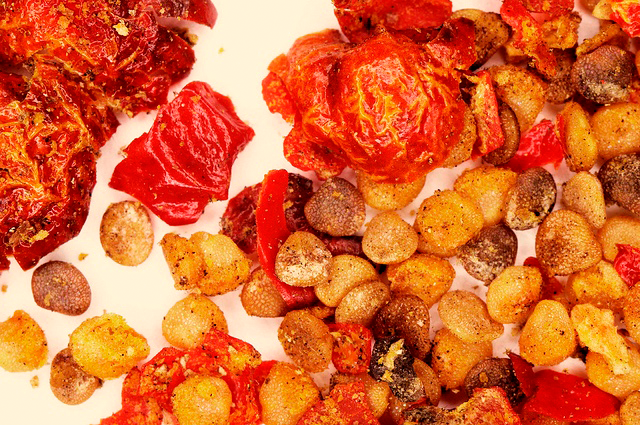
    Shapes Dry, elliptic schizocarps measuring 6 to 18 mm long and 4 to 10 mm wide. The fruits have brown resin canals that can be up to 0.04 in. (1 mm) in diameter.
    Taste Bitter
    Name Giant hogweed
    Scientific Name Heracleum mantegazzianum
    Native Western Caucasus region of Eurasia. It was introduced to Britain as an ornamental plant in the 19th century, and has also spread to other areas in Western Europe, the United States, and Canada
    Common Names Cartwheel flower, Giant cow parsnip, Giant hogweed, Hogweed, Mantegazzi’s Cow-Parsnip,  Siberian cow-parsnip, wild rhubarb
    Name in Other Languages Arabic: Harqaliat mantghazia (هرقلية مانتغازية)
    Bosnian: Gigantski svinjski korov
    Bulgarian: Dyevisil (девисил)
    Canada: Giant cow parsnip
    Croatian: Divovski svinjski korov, sapika
    Czech: Bolševník obrovský, Bolševník velkolepý
    Danish:  Kæmpe-bjørneklo, Følfod, Kæmpe-Balsamin, Kæmpe-bjørneklo
    Dutch:  Reuzenberenklauw, Reuzenbereklauw, kaukasische berenklauw
    Estonian: Hiid-karuputk
    English:  Cartwheel flower, Giant cow parsnip, Giant hogweed, Hogweed, Mantegazzi’s Cow-Parsnip,  Siberian cow-parsnip
    Finnish:  Kaukasianjättiputki, Jättipalsami, Leskenlehti, kæmpe-bjørneklo
    French:  Berce de Mantegazzi, Berce du Caucase,  Berce géante, Berce géante du Caucase
    Georgian: Mantegazzis Diki
    German: Herkulesstaude, Kaukasischer Bärenklau, Riesenbärenklau, Herkuleskraut, Bärenklau
    Hungarian: Kaukázusi medvetalp
    Icelandic: Hóffífill, Tröllahvönn, bjarnarkló
    Irish: Feabhrán capaill
    Italian: Panace di Mantegazzi, Panace gigante, berce de Mantegazzi,
    Japanese: Herakureumu giganteumu (ヘラクレウム・ ギガンテウム), Jaianto hoguu~īdo (ジャイアント・ホグウィード)
    Latvian: Mantegaca latv, Mantegaca latvānis
    Lithuanian: Mantegacio barštis
    Luxembourgish: Risebiereklo
    Macedonian: Džinovska mečkina šepa (џиновска мечкина шепа)
    Netherlands: Bereklauw, Perzische, Reuzenbereklauw
    Norwegian:  Kjempebjønnkjeks, Hestehov, Kjempespringfrø
    Ossetic: Bilbatuk (Билбатук)
    Polish:  Barszcz mantegazyjski, Barszcz Mantegazziego, barszcz kaukaski
    Russian: Borščevik drevovidnyj (Борщевик древовидный),     Borščevik Mantegazii (Борщевик Мантегаций),  Borshchevik sibirskij (Борщевик сибирский ), Borshchevik Mantegazzi  
    Scottish Gaelic: Odharan Mòr
    Slovakian:  Bol’ševník obrovský
    Spanish: Orjaški dežen, branca ursina falsa, perejil gigante
    Swedish: Jättebjörnfloka, Kaukasisk jättefloka, Brunbaldersbrå, Hästhov, Jättebalsamin, Nordbaldersbrå, Jätteloka, Kaukasianjättiputki, Kaukasisk björnloka, Kaukasisk jättefloka, Sibirisk jättebjörnfloka
    USA: Cartwheel flower; giant cow parsnip
    Walloon: Paxhnåde do Cocaze
    Welsh: Efwr enfawr
    Plant Growth Habit Very large, herbaceous biennial or monocarpic perennial forb
    Growing Climates Meadows, clearings, or forest edges, valley bottoms, forest clearings, abandoned grasslands, riparian areas, open woodlands, abandoned pasture, agricultural lands, roadsides, vacant lots, streams and rivers, creeks, ditches, rights-of-ways and uncultivated or waste lands
    Soil Deep, moist soils with nearly neutral pH and moderate to high nutrient content. Soil textures in giant hogweed habitats may be gravels, sands, loams, or clays. Moist soils are preferred, and waterlogged and winter-flooded soils are tolerated but extended periods of inundation are not
    Plant Size About 2 to 5 m (6 ft. 7 in to 16 ft. 5 in) tall. Under ideal conditions, a plant can reach a height of 5.5 m (18 ft. 1 in)
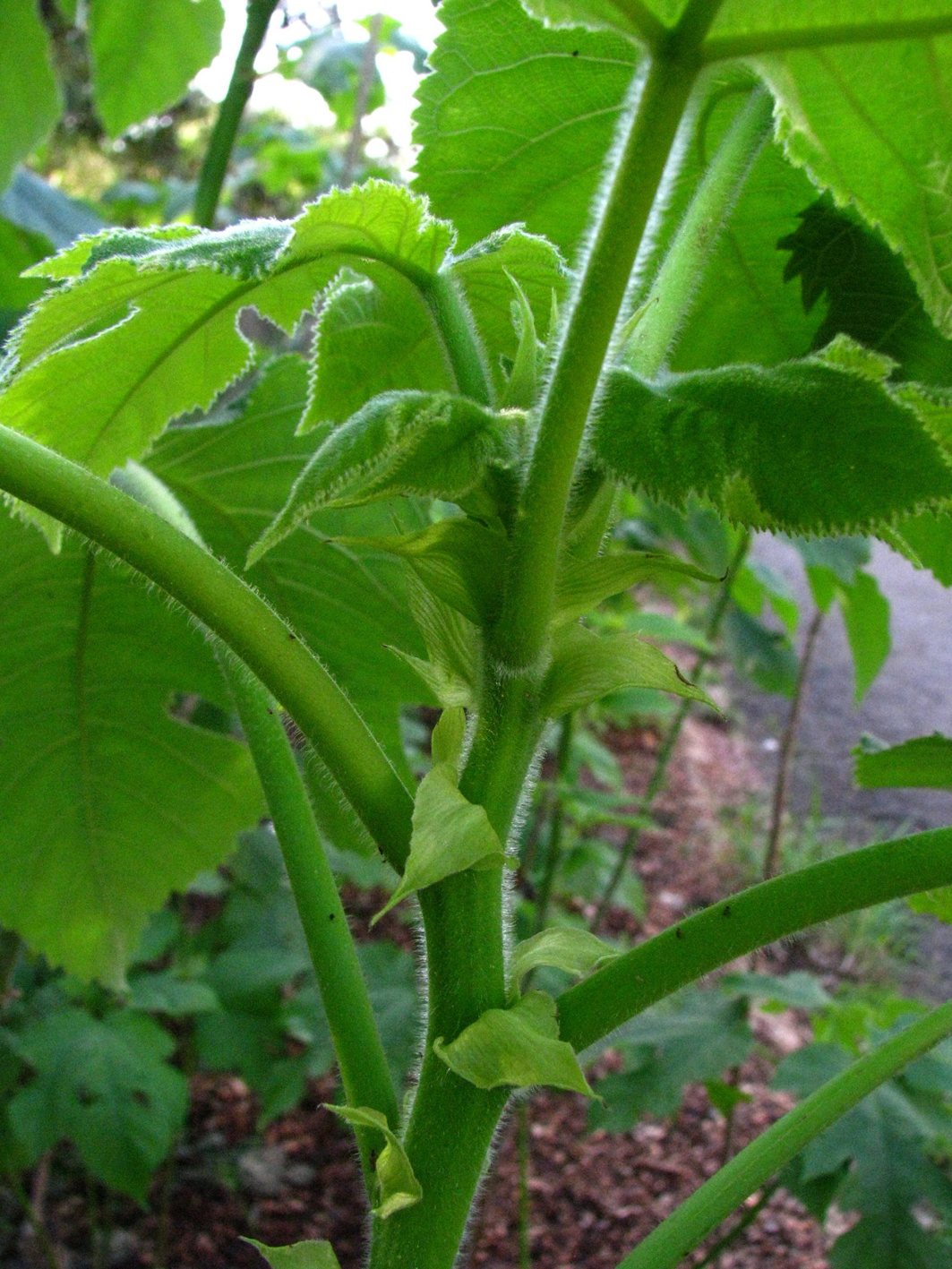
    Stem Green stems are  3–8 cm (1–3 in) in diameter, occasionally up to 10 cm (4 in) in diameter, with dark reddish-purple splotches and coarse white hairs at the base of the leaf stalk
    Leaf Leaves are alternate, 3-part compound, and enormous. Lower leaves measure up to 10 feet (3 m) long and 5.6 feet (1.7 m) wide. Leaf size decreases up the stem. At the flowering stage, plants typically have 4 to 6 stem leaves and 3 to 4 basal leaves
    Flowering season Late June
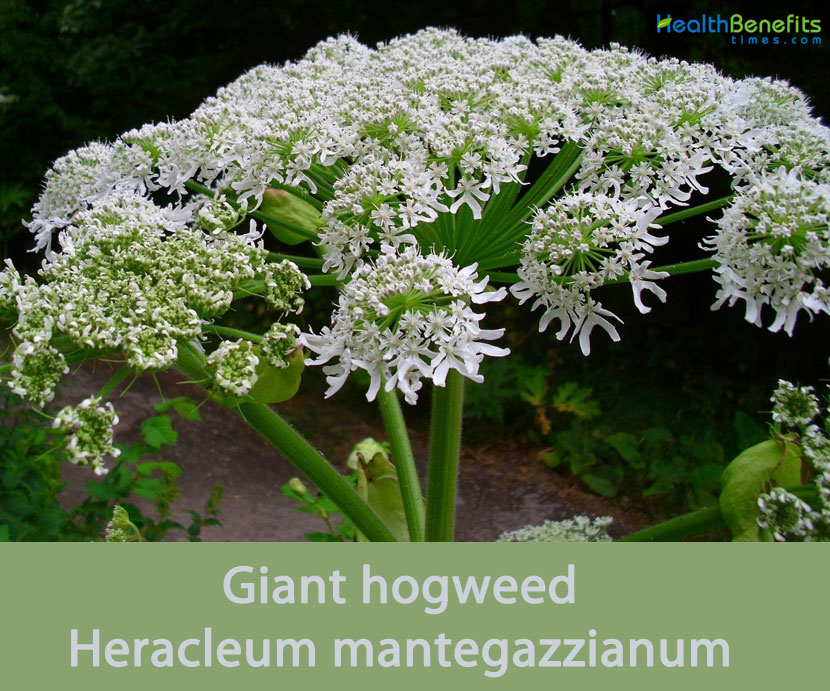
    Flower Whitish or greenish white flowers appear in mid-June and are clustered in umbel shaped heads which can measure up to 1 m across. Umbels are an umbrella-shaped cluster of short-stalked flowers, typical of plants of the carrot family
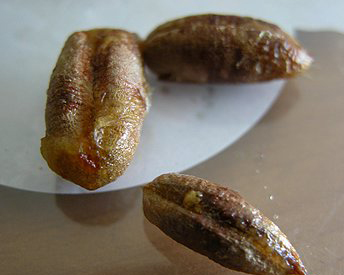
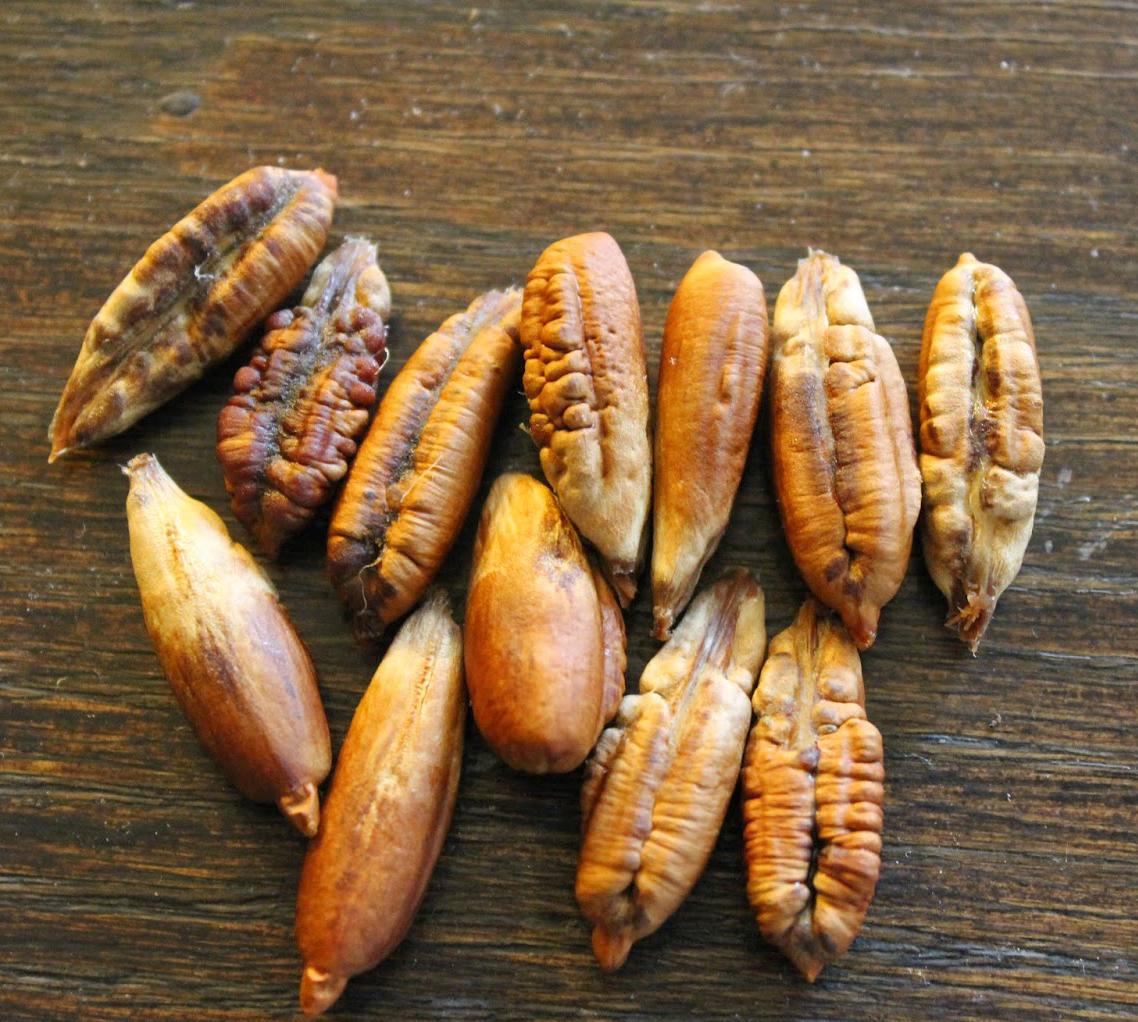
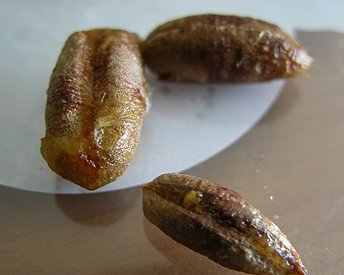
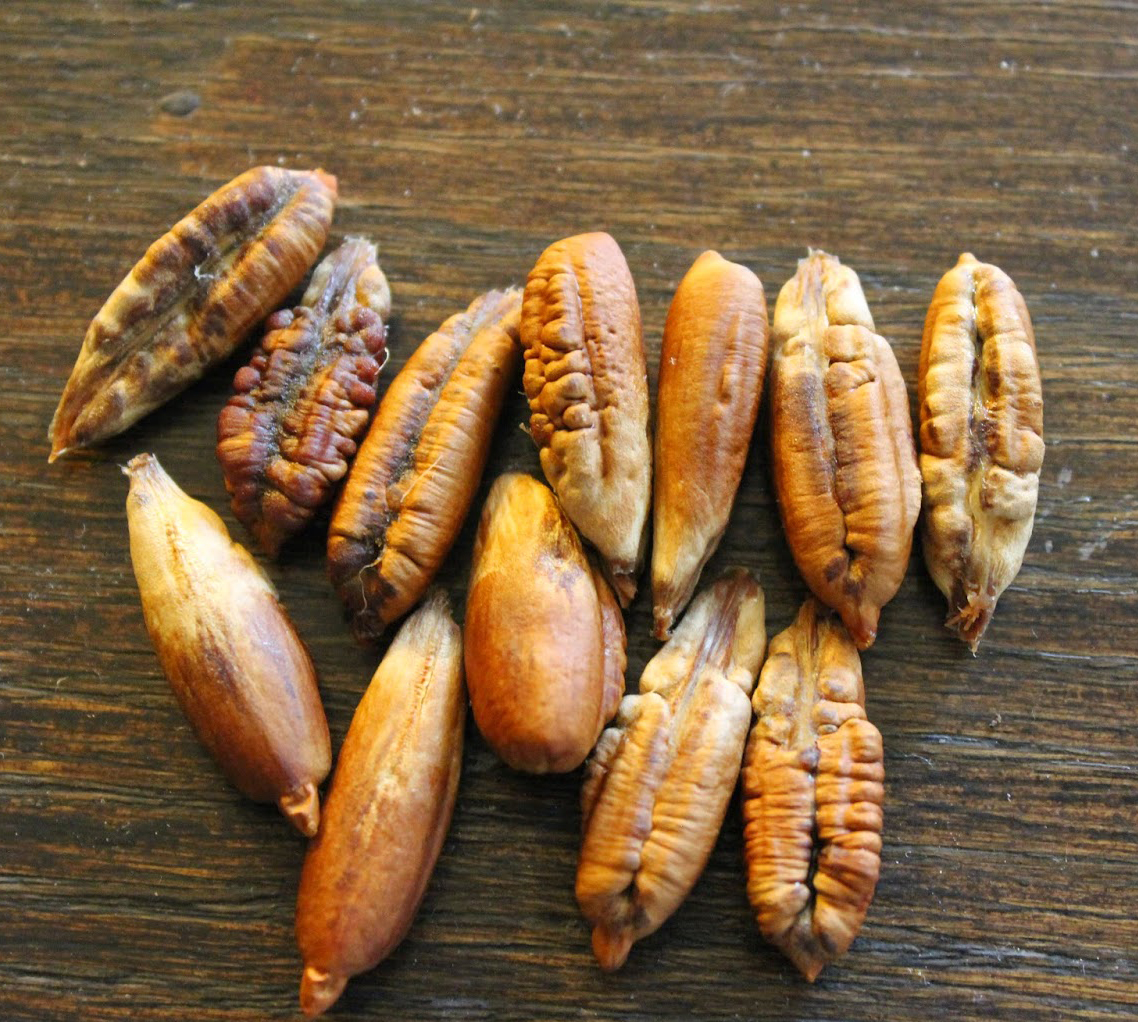
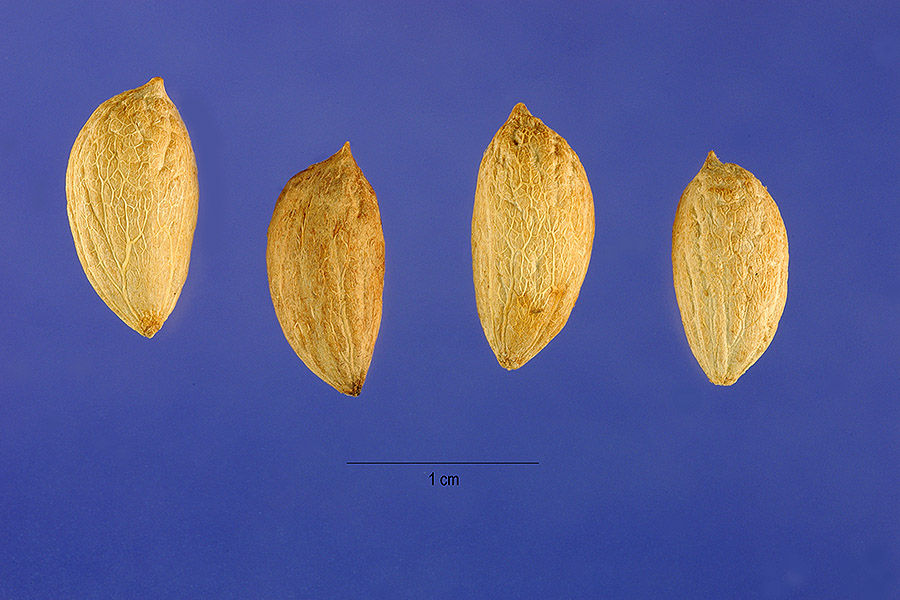
    Fruit Shape & Size Dry, elliptic schizocarps measuring 6 to 18 mm long and 4 to 10 mm wide. The fruits have brown resin canals that can be up to 0.04 in. (1 mm) in diameter
    Fruit Color Green when young turning to hay-colored as they mature
    Propagation By seed or by re-sprouts from cut stumps
    Flavor/Aroma Strong resinous smell
    Taste Bitter
    Plant Parts Used Whole Plant
    Lifespan 5 to 7 years in the wild
    Culinary Uses
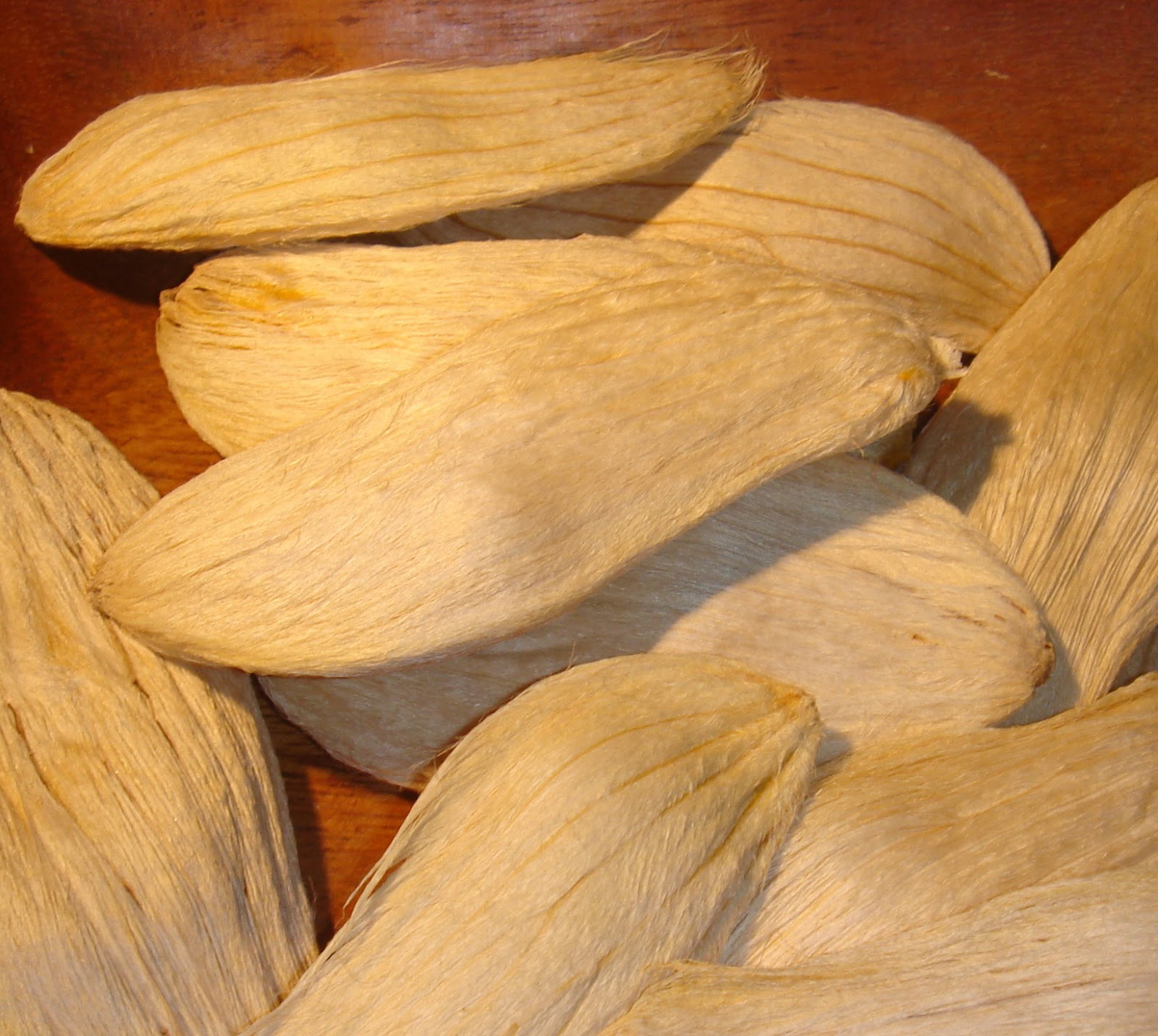
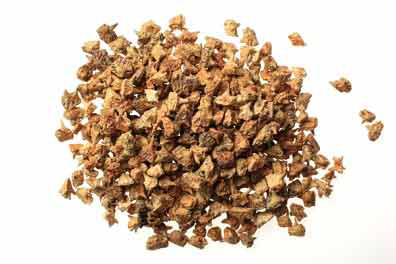
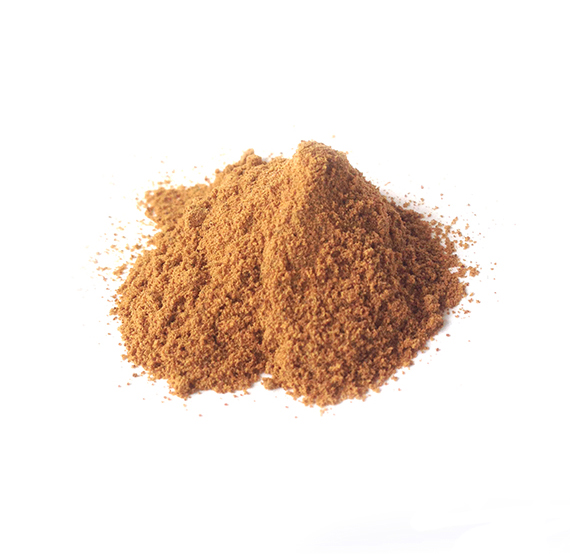
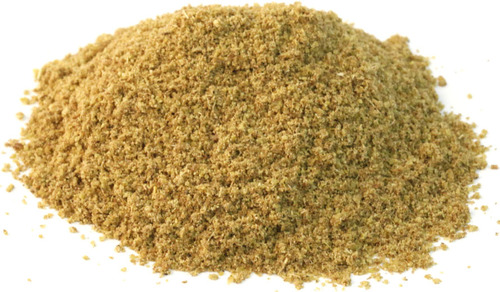
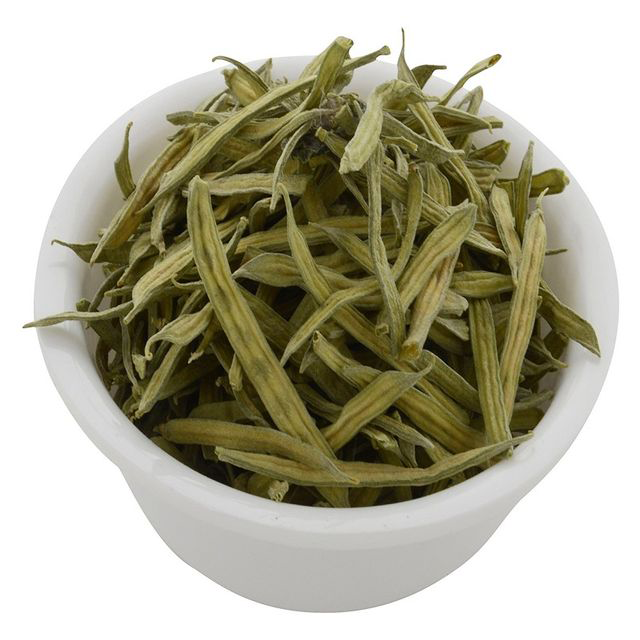
    • The dried fruits of the plant are used as a spice in Iranian cooking.


    Plant Description

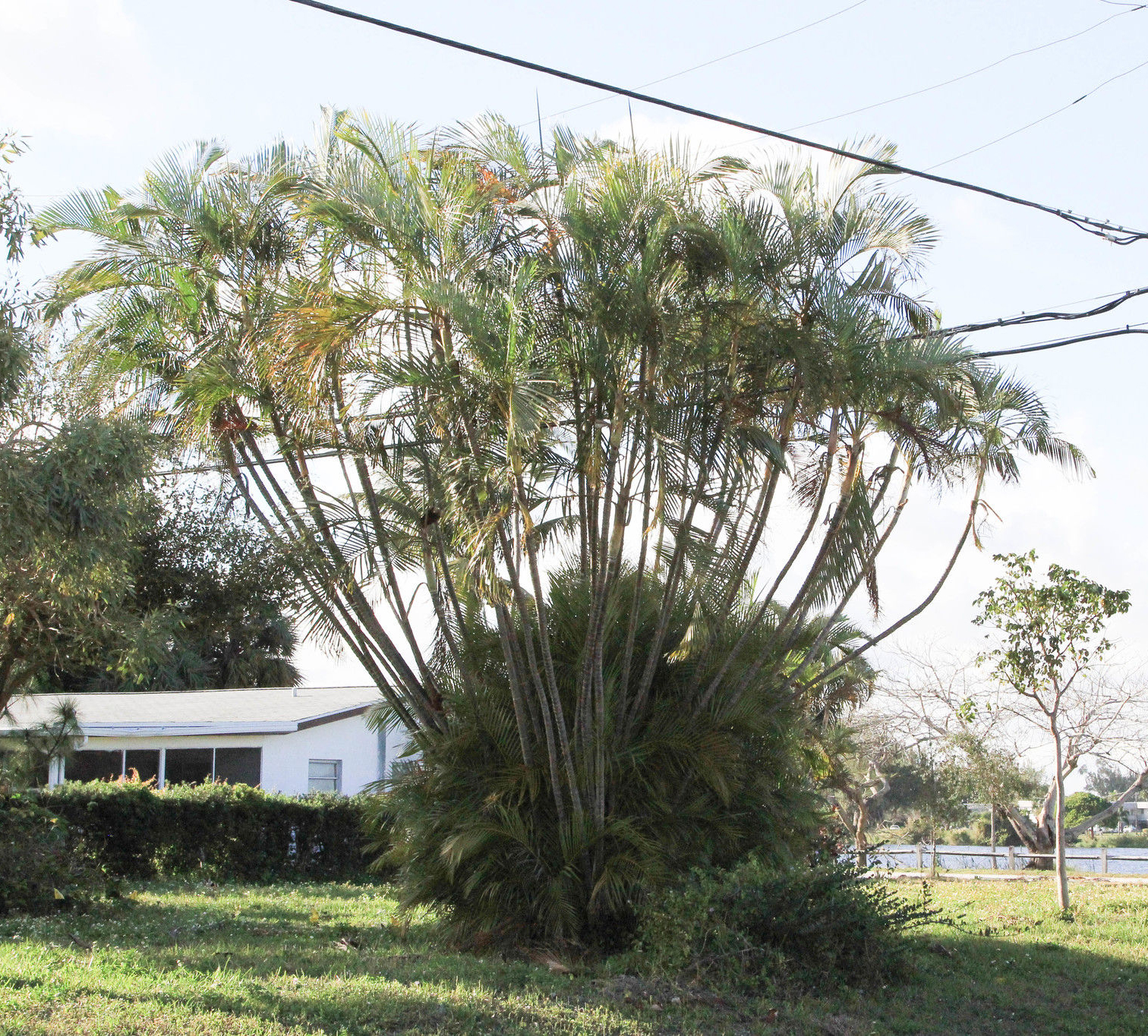
    Giant hogweed is a very large, herbaceous biennial or monocarpic perennial forb that is well-known for producing rapid and prodigious growth often to the detriment of native plants. It is about 2 to 5 m (6 ft. 7 in to 16 ft. 5 in) tall and under ideal conditions, a plant can reach a height of 5.5 m (18 ft. 1 in). The plant is found growing in meadows, clearings, forest edges, valley bottoms, forest clearings, abandoned grasslands, riparian areas, open woodlands, abandoned pasture, agricultural lands, roadsides, vacant lots, streams and rivers, creeks, ditches, rights-of-ways and uncultivated or waste lands. The plant prefers deep, moist soils with nearly neutral pH and moderate to high nutrient content. Soil textures in giant hogweed habitats may be gravels, sands, loams, or clays. Moist soils are preferred, and waterlogged and winter-flooded soils are tolerated but extended periods of flood are not preferred.

    Root

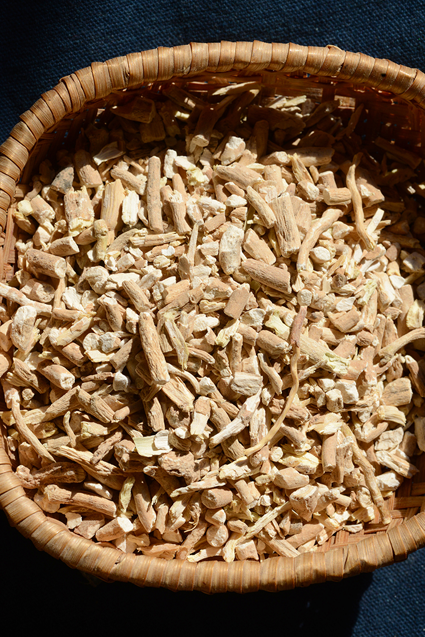
    Plant produces thick, branched taproot and tightly clustered, fibrous roots. Roots extend 18 to 24 inches (45-60 cm) deep. Lateral roots are often finer than vertical roots. Root’s thickness and branching increase with plant age and result in a multi-taproot system. Root crown can grow to 6 inches (15 cm) in diameter and becomes lignified when giant hogweed reaches flowering age. Root crowns are often found up to 5 inches (12 cm) below ground. Root crowns have contraction rings capable of shrinking the area between the crown and the shoot and protecting the hypocotyl from extreme temperatures.

    Stem

    The hollow stem of giant hogweed is coarse, stout, ridged with protruding white hairs that are noticeable at the node and base of the petiole. The stem is mostly green in color with purple blotches that contrast easily with the white hairs. Stems can grow to a height of 10 to 15 feet and measure between 2 to 4 inches in diameter.
    Henna-leaves-collected Fruits-of-Waterthyme Sketch of Wild Ginger Ripe-fruits-of-Wild-Jack-fruit Uncooked-Rice-noodles Seeds-of-Country-Mallow Closer-view-of-younger-branch-of-Falsa-Fruit Plant-Illustration-of-Maypop Half-cut-fruit-showing-immature-Liberian-coffee Oxeye-Daisy-farming Tubers-of-Kudzu Karonda-Launji Pineapple-weed-Tea Bark-of-Indian-Willow Shark-fillet Konjac-powder Flowers-of-Coastal-Pigface Corn-syrup-2 Greek-yogurt-3 Plant-Illustration-of-Kenaf Mature-fruits-of-Black-honey-shrub Mature-fruits-of-Florida-hopbush Tea-with-black-cardamom Trunk-of-Almond-willow Sketch-of-Henna-plant Sketch-of-African-elemi Flowers-of-Siberian-crabapple Long-Pepper-powder Leaves-of-Myrobalan Seeds-of-Currant-Tomato Black-Cardamom-powder Leaves-of-Asiatic-dayflower Plant-Illustration-of-henna-plant Mature-fruits-of-Weeping-willow Leaves-of-Wild-Ginger Plant-illustration-of-Anise-hyssop Maitake-Mushroom-cultivation Seeds-of-Blackjack School-of-young-shad Leaves-of-Pride-of-Burma Leaves-of-Wild-Leek Stem-showing-leaf-bases-of-Oxeye-Daisy Flame-tree Plant-Illustration-of-Lungwort-plant Plant-illustration-of-Coral-berry Trunk-of-Baheda--tree Sketch-of-Coffee-Plant Flowers-of-Common-Dogwood Rice-Milk-5 Small-Oregon-Grape-Plants Lovage-Leaf Root-of-Ghost-Pipe Mature-fruits-of-Tulip-Tree Devils-club-Plant-growing-wild Coffee-Plant Perennial-ryegrass-plant-grown-on-pot Leaf-of-African-mustard Flesh-of-Calamondin-fruit Closer-view-of-fruit-of-Lemonade-Berry Closer-view-of-Stem-of-Paragrass-1 Sapling-of-Hiptage Argan-tree Mullet-fish-4 Weeping-fig-Tree Stem-of-Italian-bugloss Rice-paddy-herb-grown-on-pot Anise-Hyssop-plant Creeping-cucumber-Plant-growing-wild Mahua-on-the-tree Stem-of-Benghal-dayflower Eyelid-of-Mullet-fish Leaves-of-Blackjack Black-cherry Partridgeberry-Jelly-Salad Closer-view-of-Wild-Peach-flowers Sketch-of-wild-Celery Small-Sambong-plant Immature-fruits-of-Purple-Bauhinia Black-Turmeric-farming Musk-strawberry Flowers-of-Henna-plant Seeds-of-Spanish-cedar Plant-illustration-of-Green-Wattle Dried-Long-Pepper Closer-view-of-Myrobalan-flower Gallant-Soldier-plant Flatfish-2 Closer-view-of-flower-of-Pearl-millet Flowering-buds-of--Sea-beet Mature-fruits-of-Honduran-mahogany Land-cress-plant Sketch-of-Violet-plant Bark-of-Turkish-hazelnut Swordfish-skeleton Saffron-farming Closeup-view-of-leaf-pattern-of-Citronella Sketch-of-black-Cherry Closer-view-of-flower-of-Japanese-raisin-tree Rhizome-of-Bermuda-Grass Maturing-fruits-of-Horsewood Tiny-fruits-on-the-tree Immature-fruits-of-Watermelon-berry Freshwater-drum-skull Flowers-of-Indian-kino Leaves-of-Sour-Clover Lousewort--Plant Ventral-view-of-leaf-of-Lemonade-Berry Whole-fried-Tilapia-fish Mature-fruits-of-Japanese-raisin-tree Sketch-of-Spikenard Pan-seared-Mahi-Mahi-fish Closer-view-of-flowers-of-Spanish-elm Plant-Illustration-of-Skeleton-weed Winter-savory-plant Trunk-of-Wild-Peach-plant Leaves-of-Jade-vine Organic-Acai-berry-powder Baheda-Tree Baked-Mahi-Mahi-with-Mango-Jalapeno-Salsa Stem-of-Blue-Sage Packaged-Barley-Malt-syrup Blue-corn-plant Dried-skin-of-kokum-fruit Male-flower-of-White-Bryony Plant-illustration-of-Mangrove-trumpet-tree Capsule-segment-and-seeds-of-Sawah-Lettuce Horse-gram-Farming Closer-view-of-flower-of-Portia-Tree Grape-juice-1 Dried-roots-of-Black-Musli Trunk-of-Carao-plant Phasey-bean-plant-growing-wild Plant-Illustration-of-Indian-kino Hawkweed-Farming Cusk-fish-skull Sketch-of-Tuberous-Comfrey Rock-Samphire-Plant Dried-Pipsissewa-herb Flowers-of-Norway-maple Fatsia-plant-growing-wild Plant-Illustration-of-Myrobalan Closer-view-flower-of-Great-mullein Oven-rosted-Atlantic-Croaker Mature-fruits-of-Ricinodendron Fruit-of-Blue-vervain-plant Oregon-grape-jelly Closer-view-of-flowers-of-Norway-maple Rose-wine-1 Plant-Illustration-of-Myrobalan Twig-after-fallen-needles-of--White-Cedar Plant-Illustration-of-Smilax-china Lower-surface-of-leaf-of-Watershield New-Branch-of-Kalantas-tree Trunk-of-Japanese-wax-tree Leaves-of-Wild-Yam Mature-fruits-of-Tonka-Bean Sketch-of-Siratro Male-top-and-female-bottom-flowers-of-Konjac Illustration-of-Burbot-fish Moss-rose-plant-growing-wild Matured-fruits-of-American-Chestnut Sketch-of-Saffron-thistle HPIM0127.JPG Flowering-buds-of-Hugas Sketch-of-Siberian-crabapple Flower-of-Todok Leaves-of-Breadnut-plant Spreading-sneezeweed-extract-powder Orange-marmalade-3 Stem-of-Pipsissewa Sketch-of-Curlycup-Gumweed Flowering-buds-of-Bluebell Unmature-bulbils-of-Wild-onion Coral-Jasmine--plant Soybean-sprouts-soup Unripe-Wild-Jack-fruits-in-a-tree Unripe-fruits-on--the-plant Bark-of-American-Chestnut Bermuda-Grass-planted-on-the-ground Sketch-of-Pepperberry Yellowtail-fish-head Goats-in-an-argan-tree Soybean-sprouts-1 Plant-Illustration-of-African-Nutmeg Dried-Scarlet-Caterpillarclub-fungus Wild-Honeytree-plant Flowers-of-Sea-Apple Boiled-Egg-whites Plant-Illustration-of-Silverberry Flower-of-Black-sage Mung-bean-sprouts-4 Thorns-of-Russian-Olive Harvested-Chaga-mushroom Sketch-of-Water-fennel Wild-Yam-powder Sweet-corn-sprouts Myrobalan-fruit Pandan-tea Leaves-of-Borojo Sketch-of-Annual-ryegrass Blistering-Ammannia-plant Russian-Sage-growing-wild Stem-of-Caigua Illustration-of-TIlapia-fish Skirret-plant Unripe-fruits-of-Spruce Radish-sprouts-1 Mature-fruits-of-Galip-nut Cockspur-Coral-Tree White-corn-Plant Dried Gendarussa Seeds-of-Pimientillo Seeds-of-Yellow-Archangel Leaves-of-New-Zealand-flax Rambai-Plant Flowers-of-Chinese-privet Dark-chocolate-coconut-cake Stem-of-White-melilot Mature-Einkorn-Wheat Blackthorn-flower Fish-soup-1 Fillets-of-Swordfish Tuna-salad-sandwich-on-sprouted-bread Sapling-of-Yellow-fieldcress Maturing-fruits Flower-of-Torch-ginger Plant-Illustration-of-Four-leafed-Pigweed Mature-fruits-of-Chinese-asparagus Sketch-of-Meadow-salsify Closer-view-of-Immature-fruits-of-Water-Dropwort Sprouted-bread-2 Stem-of-Lasia-plant Young-leaves-of-Toon-tree Field-Pennycress-growing-wild Sapling of -Wood-Betony-plant Flower-of-Russian-Olive Closer-view-of-flower-of-Silverberry Unripe-Coral-jasmine-Fruit-on-the-tree Half-cut-Bilimbi Immature-fruits-of-Balinese-Pepper Chewing-gum-3 Seed-of-New-England-Aster Cottonseed-oil-3 Mature-fruits-of-Climbing-wattle Flowers-of-Water-fennel Peanut-Butter-Fruit-Bark Bilimbi-fruit Flower-of-Haskap-Berry Flower-of-Buffalo-spinach Closer-view-of-leaf Seeds-of-New-Zealand-flax Flower-of-Magnolia Desert Individual-seed-with-fine-surface-hair-of-Wild-Geranium Alfalfa-sprouts-6 Closer-view-of-leaves-of-Sugar-Maple Sawah-Lettuce-sold-in-market Immature-fruits-of-Kousa-Dogwood Shell-of-Snail Sketch-of-Aquatic-Rotula Close-view-of-Ocean-pout Stem-of-Archangel Monkey-Fruit-on-the-tree Trunk-of-Lemonade-Berry Chickweed-powder Seed-pod-showing-dehiscence-of-Field-penny-cress Seeds-of-Yellow-buckwheat Sketch-of-Blackthorn Mature-fruits-of-Davids-plum Closer-view-of-stem-of-Climbing-dayflower Fennel-sausage-recipe-2 Plant-illustration-of-Luna-Nut Passion-Fruit-juice-3 Plant-Illustration-of-Thorny-bamboo Wood-Betony-Plant Barbados-gooseberry-plant Bark-of-Tulip-Tree Flower-of--Intellect-tree Orange-juice-6 Upper-Surface-of-leaves-of-Watershield Plant-Illustration-of-Lemonade-Berry Tendril-of-Red-pea Different-colored-flowers-on-the-plant Closer-view-of-leaf-of-Violet-plant Fiddle-leaf-fig-sapling Mature-fruits-of-Blinding-Tree Indian Acalypha Plant Seeds-of-Moss-Rose Fruit-of-Chickweed Sainfoin-plant Curlycup-Gumweed-plant-growing-wild Flowering-bud-of-Maypop Tilefish-fillet Sketch-of-Perennial-ryegrass Immature-fruits-of-Kenaf Leaf-undersides-showing-raised-veins-of--Falsa-fruit Sketch-of-Balata Leaves-of-Spicebush Woods-of-Spanish-cedar Ripe-fruit-of-Screw-Tree Mature-fruits-of-Golden-Trumpet Mature-Slippery-Elm-tree Roots-of-Onion-weed Flowers-of-Ebony Leaf-of-Pigweed Closer-view-of-flower-of-Kolinta-Porcupine-flower Seeds-of-Common-Dogwood Leaves-of-Hiptage Myrobalan-plant Pouring-Cane-syrup Fruits-of-Benghal-dayflower Sheepshead-fish-reicpe Cottonwood--Bark Small-Teff-plant Plant-Illustration-of-Yellow-birch Pair-of-finnish-traditional-shoes-woven-from-stripes-of-birch-bark Flowers-of-Virginia-strawberry Flower-of-Myrobalan Immature-Chinese-quince Closer-view-of-flower-of-Yellow-Pea Dorsal-view-of-Papaturro-Leaf Caigua Chokeberry Flower-bud-of-Wild-Clary Eggs-of-Frog-spawn Flowers-of-Italian-bugloss Bark-of-Cockspur-Coral-Tree Fruit-of-Indian-Mallow Leaves-of-Manchurian-Apricot-in-Autumn-season Unripe-fruits-of-Spicebush Immature-fruits-of-Anil-indigo Kudzu-Root-Powder Plant-Illustration-of-Roman-nettle Cup-of-Noodles Flowering-buds-of-Bonplands-croton Leaves-of-Spindle-tree Plant-illustration-of-Cottonwood Flowering-buds-of-New-England-Aster Unripe-fruit-of-Castor-Beans-plant Sweet-corn-fritters Flower-heads-of-Wild-onion Female-cone-of--White-Cedar Sketch-of-Alpine-dock Sketct-of-Indian-Mallow Leaves-of-Spiny-Restharrow Plant-Illustration-of-Giant-reed Trunk-of-Ricinodendron Closer-view-of-leaves-of-Mitsuba Flowers-of-Sambong Flower-of-Devil's-Horsewhip Wild-Marigold-Plants Bark-of-Mangrove-trumpet-tree Stem-of-Itchgrass Flowering-buds-of-Spotted-medick Adder’s-tongue-fern-Plant Sketch-of-Water-forget-me-not Pearl-millet-recipe Leaves-of-Magnolia Closer-view-of-flowers-of-Indian-fleabane Smelt-fish-curry Yeast-5 Sketch-of-Smooth-Solomon's-Seal Different-variety-of-White-melilot Common-barberry-on-the-plant Myrobalan-fruit Chiretta--herb Leaves-of-Toon-tree Fruit-of-Pineapple-weed Seedling-of-Chaya-plant Sketch-of-Hiptage Persian-Lime-juice Flowers-of-Giant-ironweed Egg-White-Broccoli-Quiche Sapling-of-Teasel Country-Mallow-farming Flower-of-Sourplum Mugwort-Essential-Health-Skin-Care-Massage-Oil Honewort-saplings Loaf-of-Potato-Bread Stem-of-Kenaf-plant Plant-Illustration-of-Manchurian-Apricot Water-Dropwort-plant Matured-fruits-of-Bonduc-Nut Sugar-Maple-tree Saplings-of-Birdsfoot-Trefoil Cleavers-flowers Marula-Tree Closer-view-of-fruit-of--Rock-Samphire Bark-of-Lemonade-Berry Conspicuous,-raised,-elliptic,-lenticels-of-Cocoplum Roots-of-Indian-asparagus Closer-view-of-flower-of-Lemonade-Berry Mugwort-tea Sketch-of-Climbing-dayflower Plant-Illustration-of-Spotted-Beebalm Plant-illustration-of-Alecost Closer-view-of-Dried-Fruit Sneezeweed-plant-growing-wild Dried-roots-of-Indian-asparagus Female-flower-of-Box-elder Closer-view-of-flower-of-Wild-fennel Red-pea-plant-growing-wild Beet-Greens-1 Roots-of-Pigweed Immature-fruits-of-Blue-lupin Grilled-Tilefish Plant-Showing-root-&-rhizomes-of-Sweet-Flag Stem-of-Indian-acalypha Illustration-of-Spot-fish Closer-view-of-Cleavers-Stem Flowers-of-Lasia Seeds-of-Hawkweed Closer-view-of-Prickly-Asparagus-flower Immature-fruits-of-Elemi Sweet-Flag-plant-growing-wild Plant-Illustration-of-Bonplands-croton Flowers-of-Mongolian-Cherry Blackberry-juice-6 Leaves-of-Anise-Hyssop Flower-of-Castor-Beans-plant Young-Karanda--saplings Baheda--powder Leaves-of-Sweet-Flag Seeds-of-Indian-fleabane Kodo-Millet-farming Clothes-dyed-from-Anil-indigo Dried-seed-pods-of-Sweet-Clover Sea-Beet-plant Seeds-of-Clearing-Nut Flowers-of-Arsesmart-plant Leaves-of-Kutki Saplings-of-Tuberous-Comfrey Mature-fruits-of-Pale-poppy Stem-of-Cleavers-herb Great-mullein-Plant-in-first-year Leaf-shoot-of-Alexanders Acai-berry-on-the-tree Immature-seedpod-on-the-plant Flowers-of-Kutki 20-yrs-old-Jade-plant Bark-of-Tree-of-heaven Closer-view-of-flower-of-Coleus Seared-Beef-Noodles Carao-fruit-showing-flesh-and-seeds Flower-of-Watermelon-berry Closer-view-of-flower-of-Sneezeweed Liberian-coffee-plant-growing-wild Plant-illustration-of-Box-elder Mature-fruit-of-Siam-weed Sketch-of-Gendarussa Lemonade-Berry-plant-growing-wild Flower-of-Love-in-a-Mist Plant-Illustration-of-Portia-Tree Curry-powder-recipe-2 Fruit-of-Dragonhead Closer-view-of-flower-of-Water-lettuce Flowers-of-Tree-of-heaven American-Cranberry-Flower Sketch-of-Sweet-Clover Dragonhead-plant Prickly-Asparagus-plant-growing-wild Sketch-of-Skirret Plant-Illustration-of-Sword-Bean Young-leaves-of-Lemonade-Berry Paragrass-plant Seed-powder-of-Intellect-tree Flower-of-Meadow-salsify Plant-illustration-of-Wild-asparagus Pepino-melon-Salsa Buds-of-Kousa-Dogwood Turkish-hazelnut Plant-Illustration-of-Grains-of-Selim Small-Tree-of-heaven-plant Seeds-of-Land-cress Leaves-of-Flame-tree Close-view-of-Archangel-flower Dried--Turkey-Tail mushroom Trunk-of-Baheda--tree Closer-view-of-flower-of-Giant-fennel Sketch-of-Chinese-onion Female-Flowers-of-Pepperberry Unripe-American-Cranberry-fruit Sketch-of-Trident-maple Wild-Geranium-Root-Collected Small-Horsetail-plant Unripe-Myrobalan-on-the-plant Leaves-of-Himalayan-Rhubarb Mature Siberian-apricot-fruits-on-the-tree Fried-Pompano-fish Trunk-of-Indian-Willow Mature-fruit-of-Spruce tree Seeds-of-Black-sage Grilled-Orange-Roughy Small-plant-of-wood-anemone Plant-Illustration-of-Chiretta Sourplum-Plant-growing-wild Flesh-of-Pimientillo Trunk-of-Kokum Maturing-Fruits-of-Fatsia Pair-of-Frog-legs
    [Show thumbnails]

    Leaves

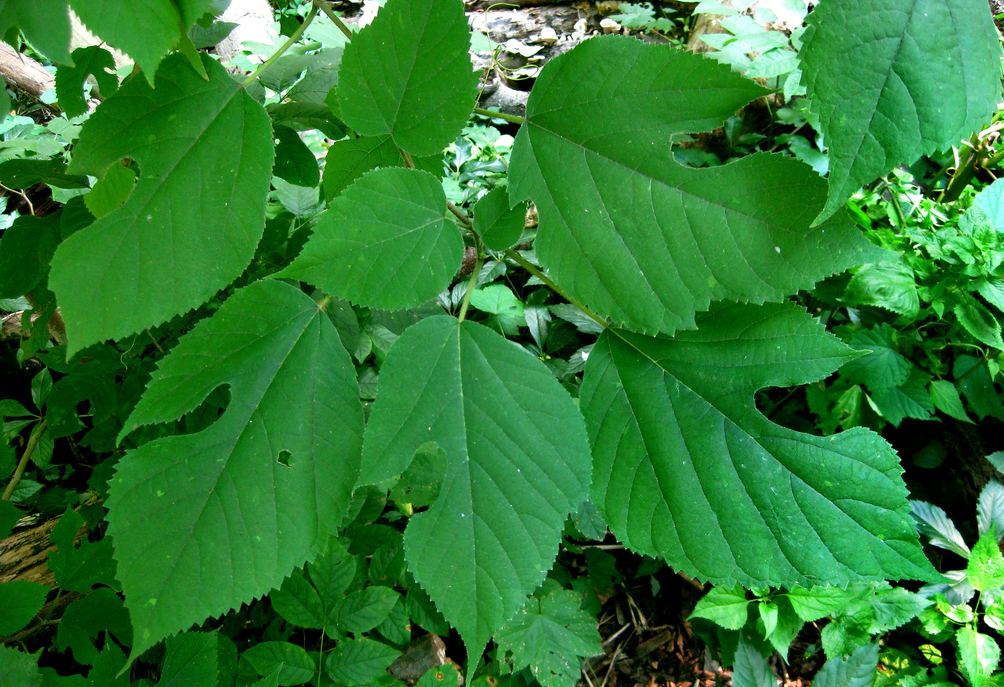
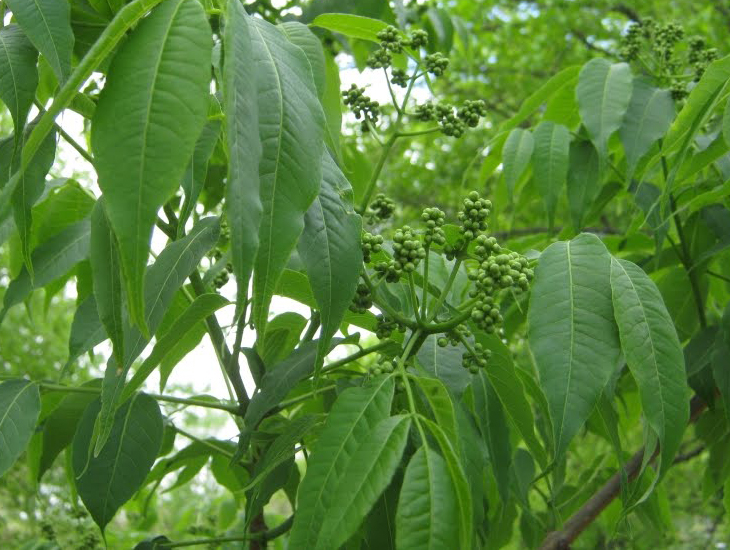
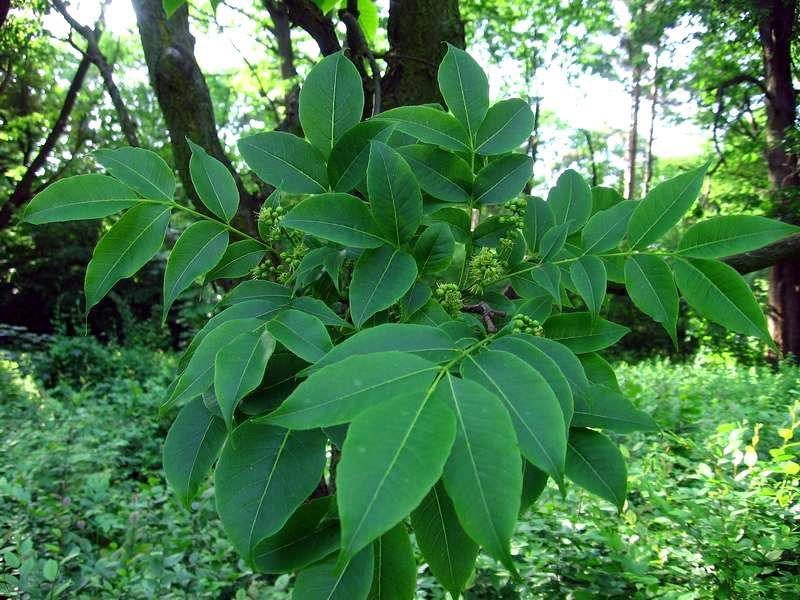
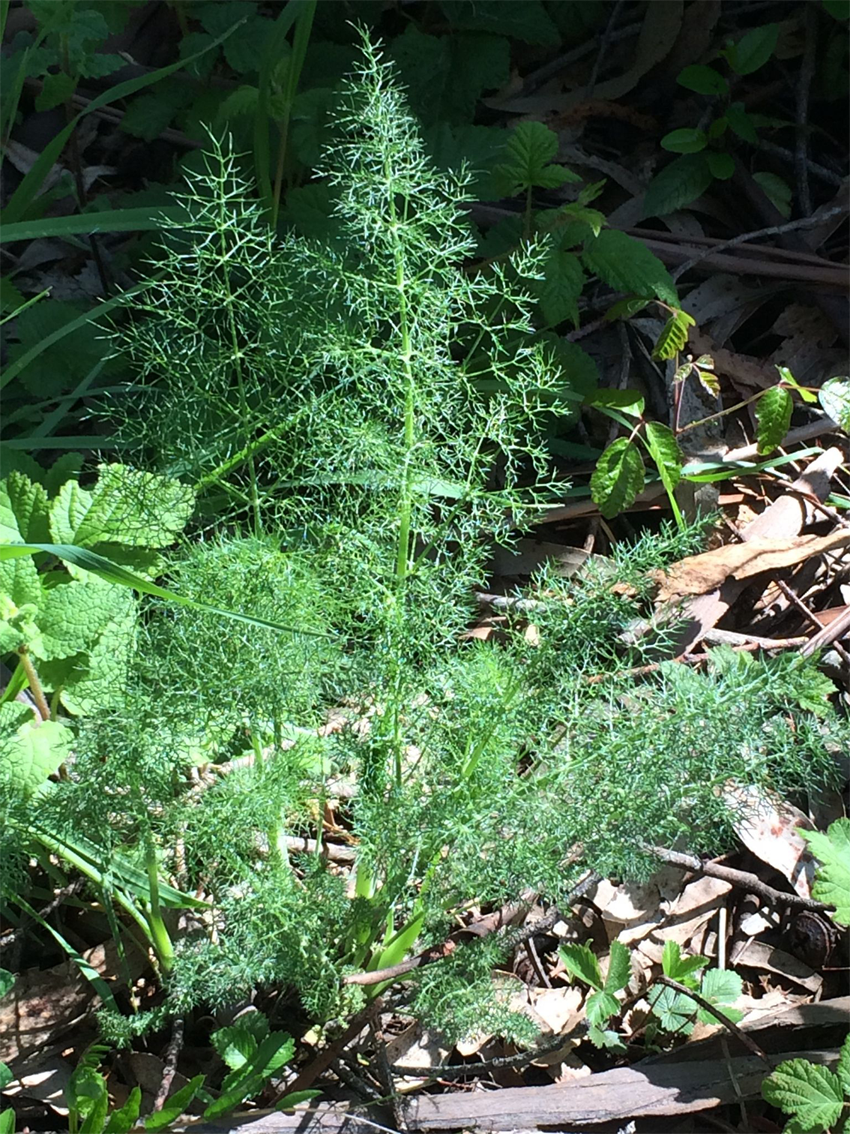
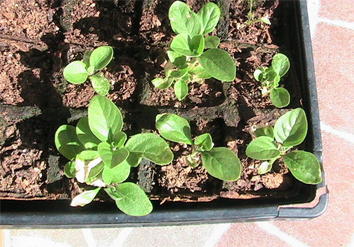
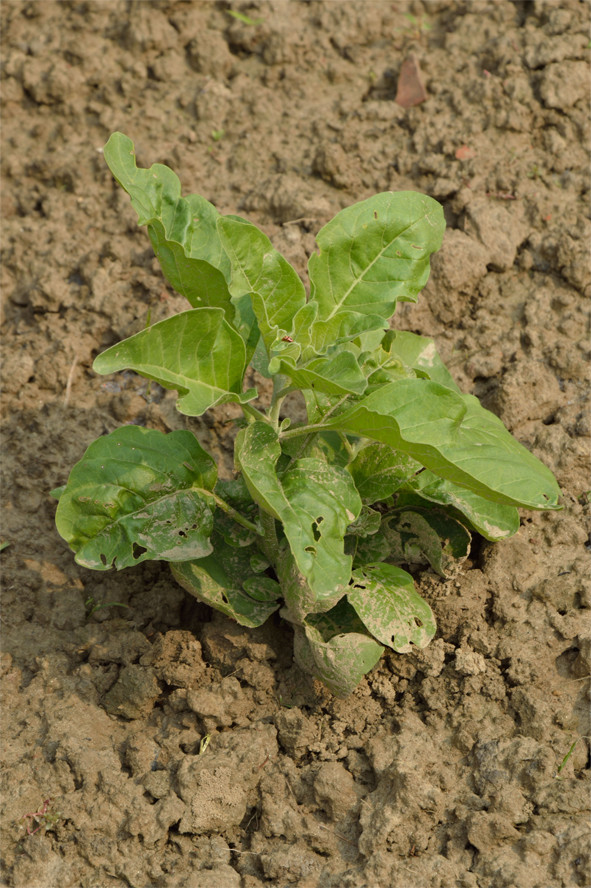
    The plant has been a popular ornamental plant because of its massive size and eye appeal. Leaves are ternately compound and unfold in the early summer into deeply incised, lobed leaves measuring up to 5 feet in width. The leaflets attached higher on the stem are not as large, are triangular-lanceolate, and deeply cut. Giant hogweed has an alternating leaf arrangement. The plant remains in the rosette stage until it develops sufficient root reserves to initiate flower formation.

    Lower leaves are 1-2.5 meters long, compound, irregularly shaped in ternate or pinnate segments, deeply lobed, and irregularly toothed. Upper leaves are smaller and sometimes not divided with longer petioles and more inflated sheaths. Leaves are usually pubescent on the underside when young and glabrous above.

    Flower

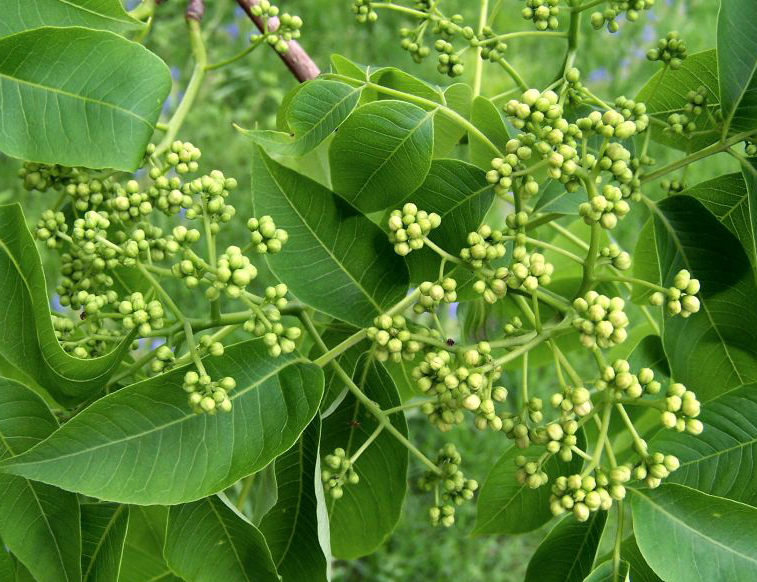
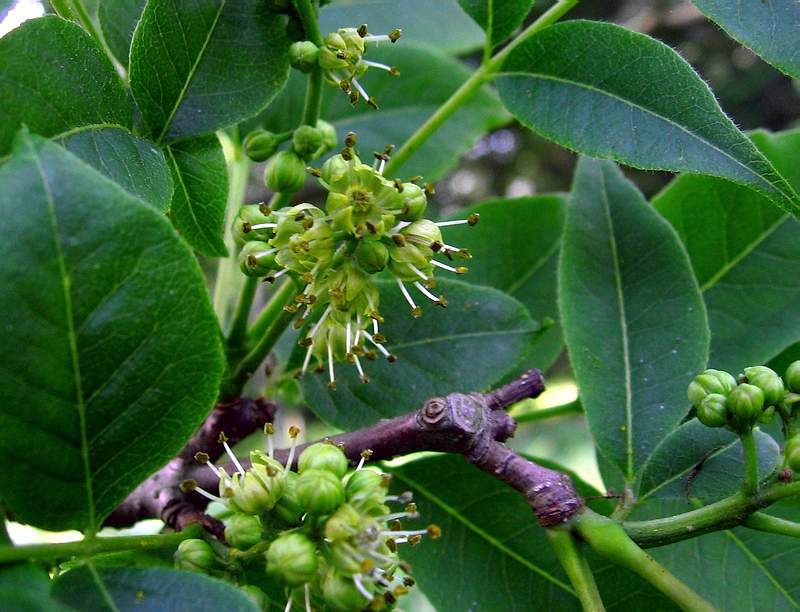
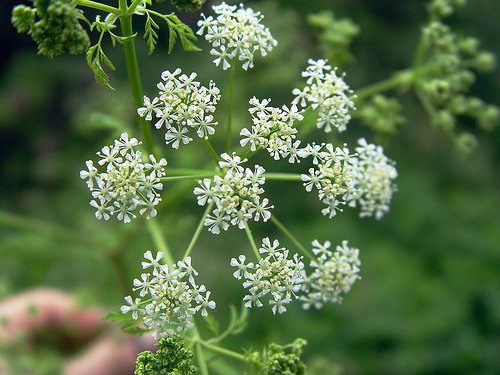
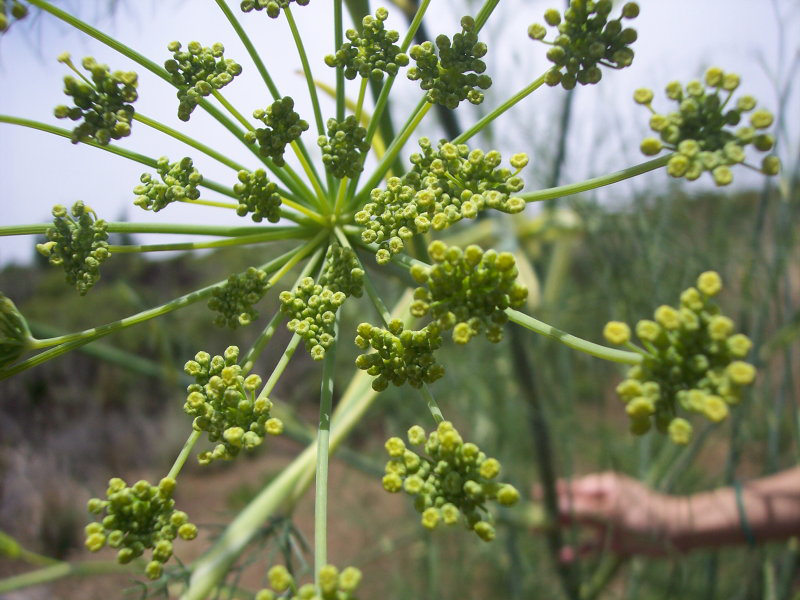
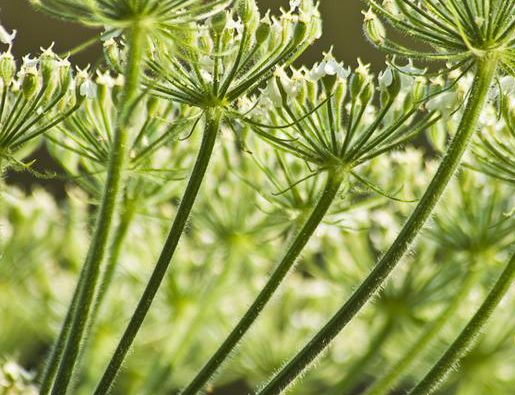
    Whitish or greenish white flowers appear in mid-June and are clustered in umbel shaped heads which can measure up to 1 m across. Umbels are an umbrella-shaped cluster of short-stalked flowers, typical of plants of the carrot family. Each compound umbel can have 50-150 rays (separate stem) which can lead to a single plant producing well over 50,000 flowers. Individual flowers are on pedicels 10-20 mm long and have petals up 12 mm long. Terminal umbels are the largest and are surrounded by satellite umbels and additional umbels may occur on auxiliary stems. Sometimes a plant does not flower until one or two years later. After flowering and fruiting, the plant dies. Unfortunately each large flower umbel has about 20,000 seeds.
    Fruits

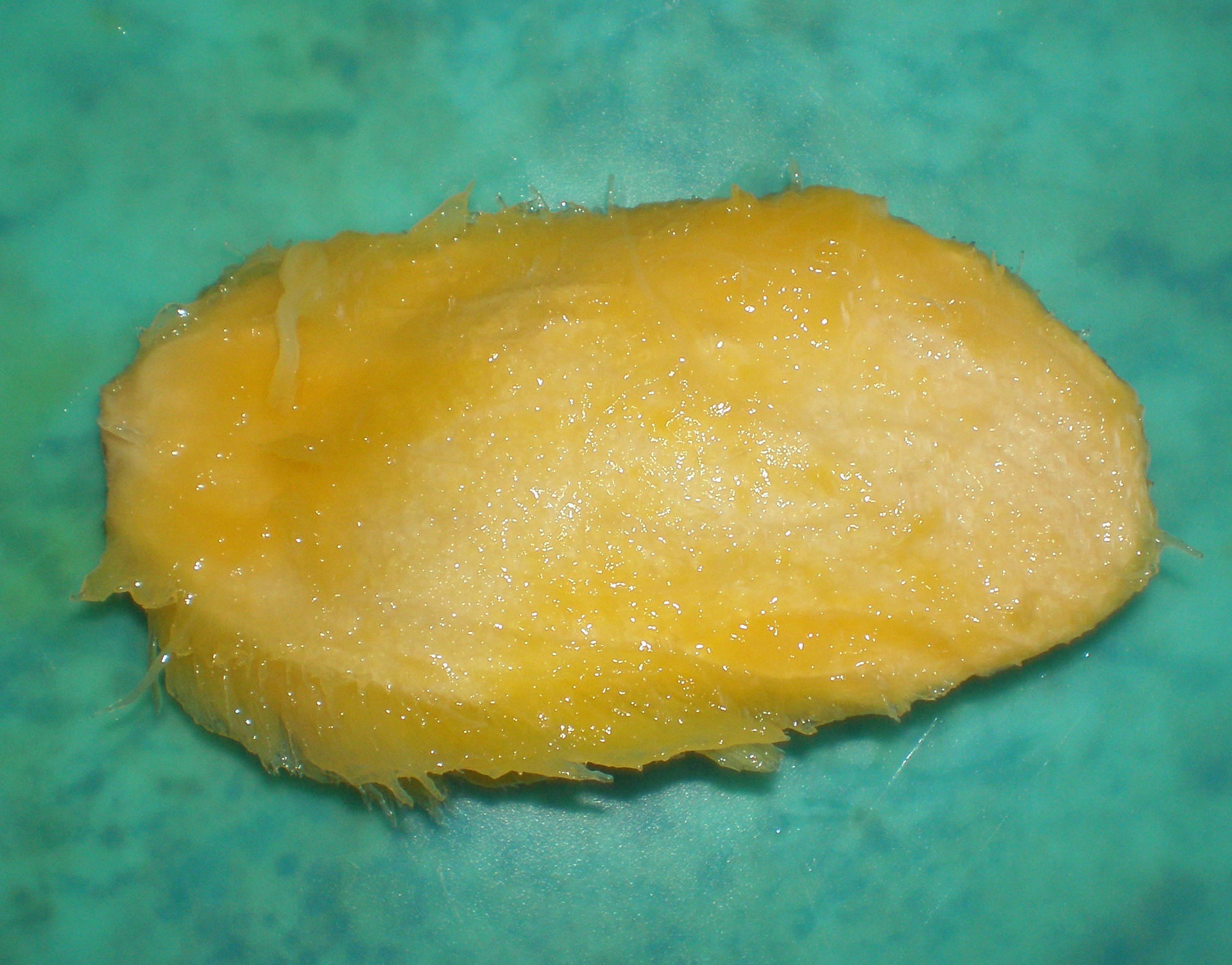
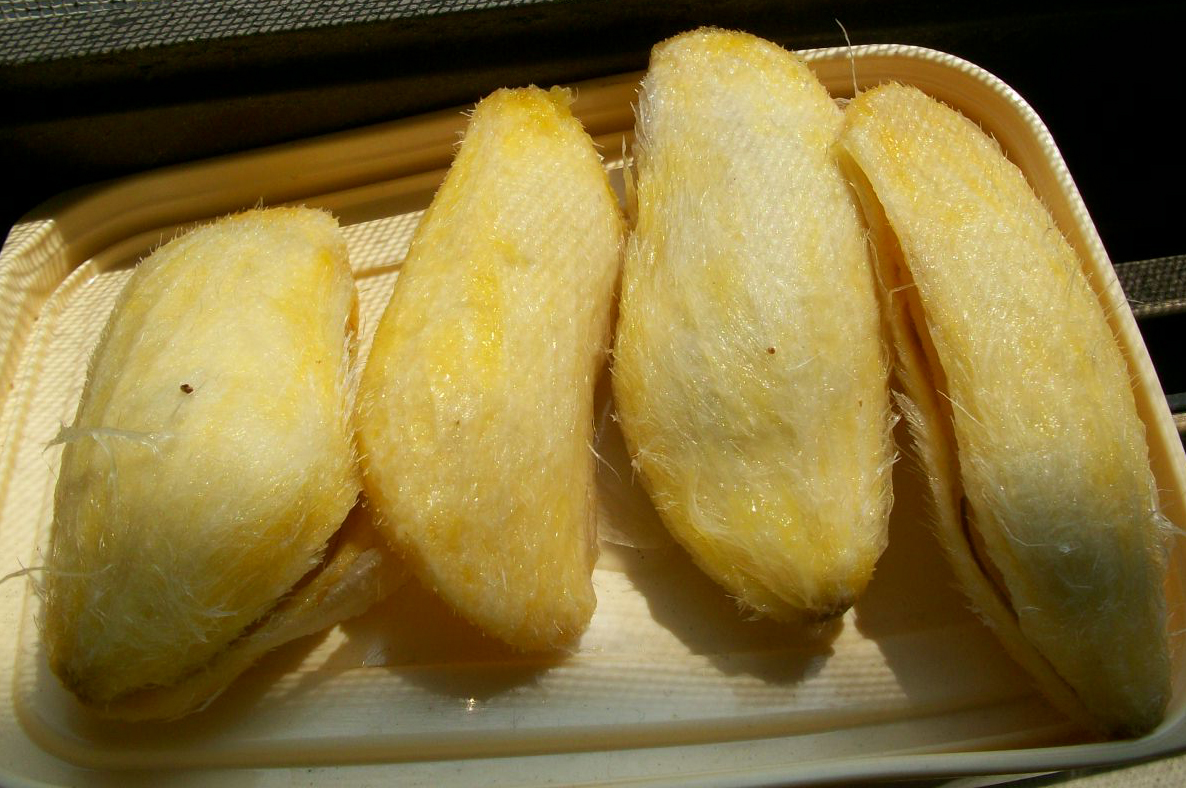
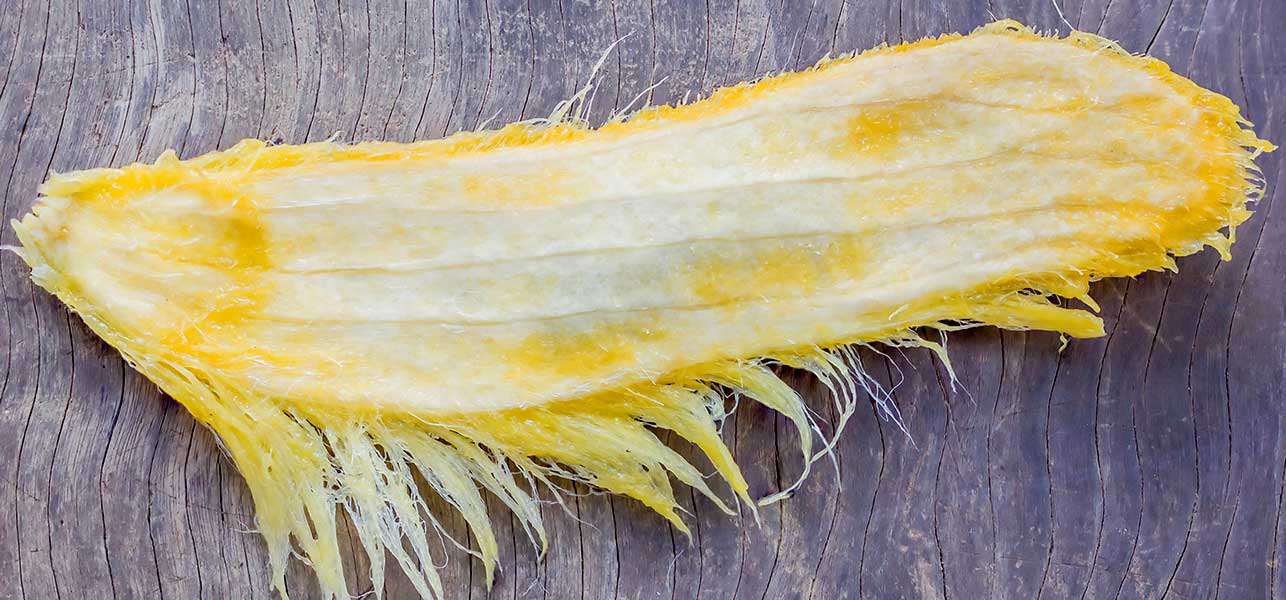
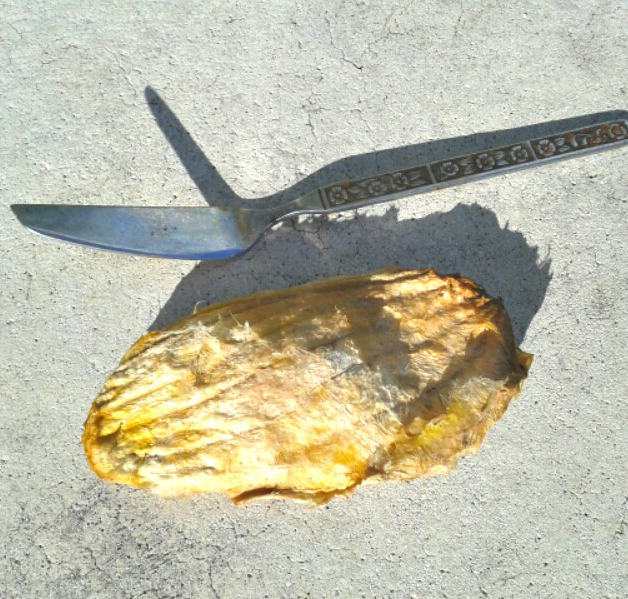
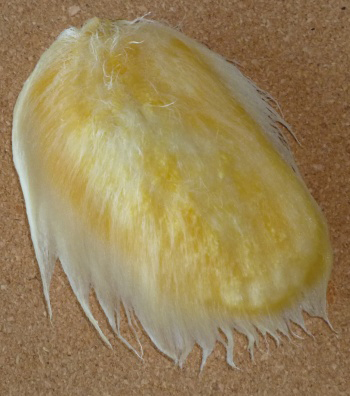
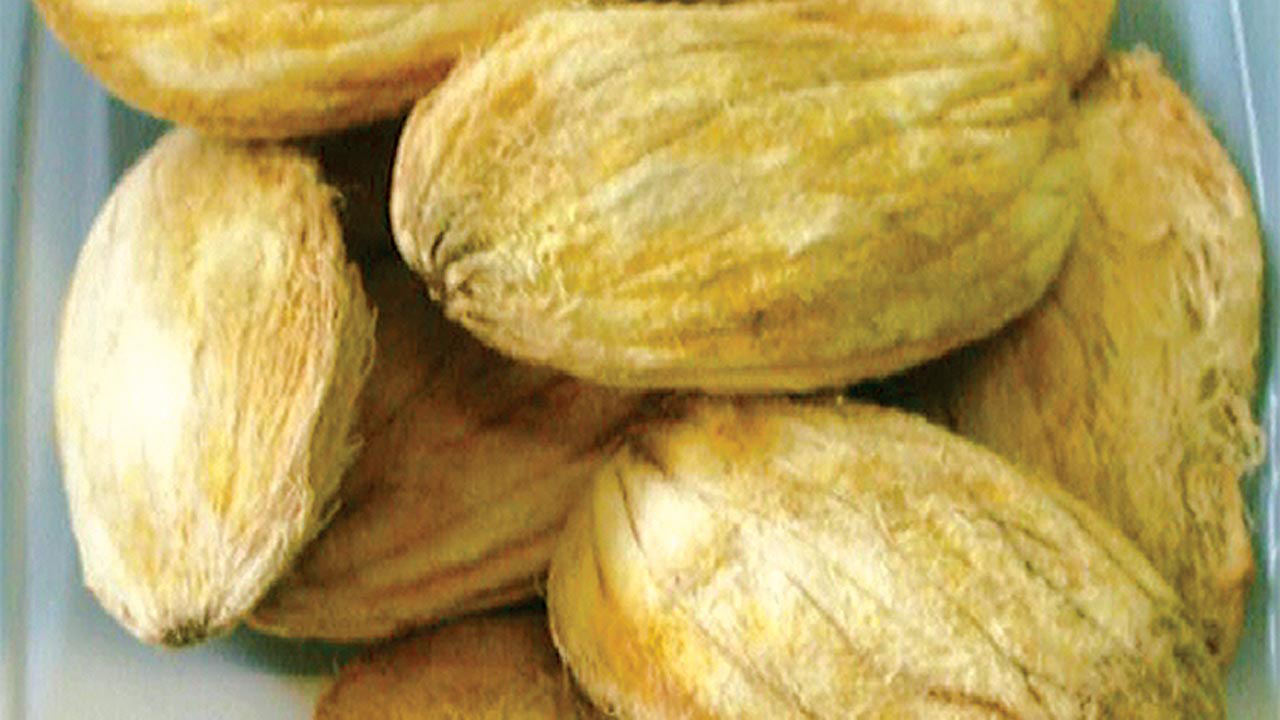
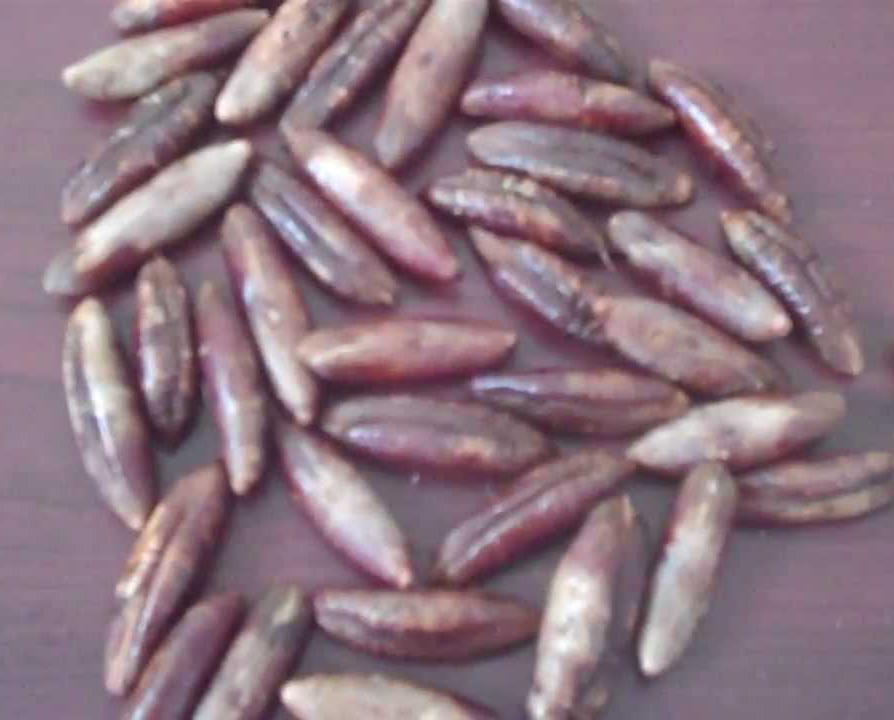
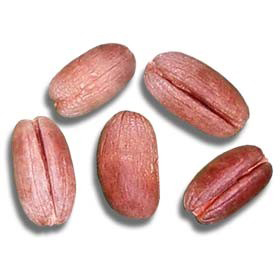
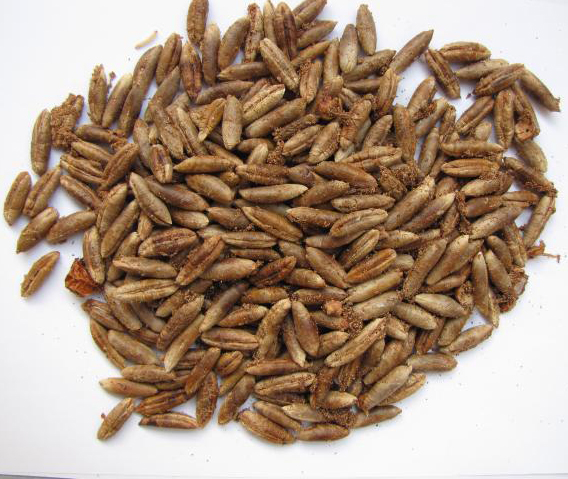
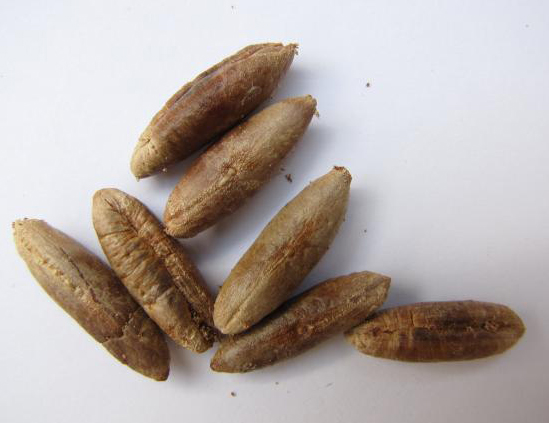
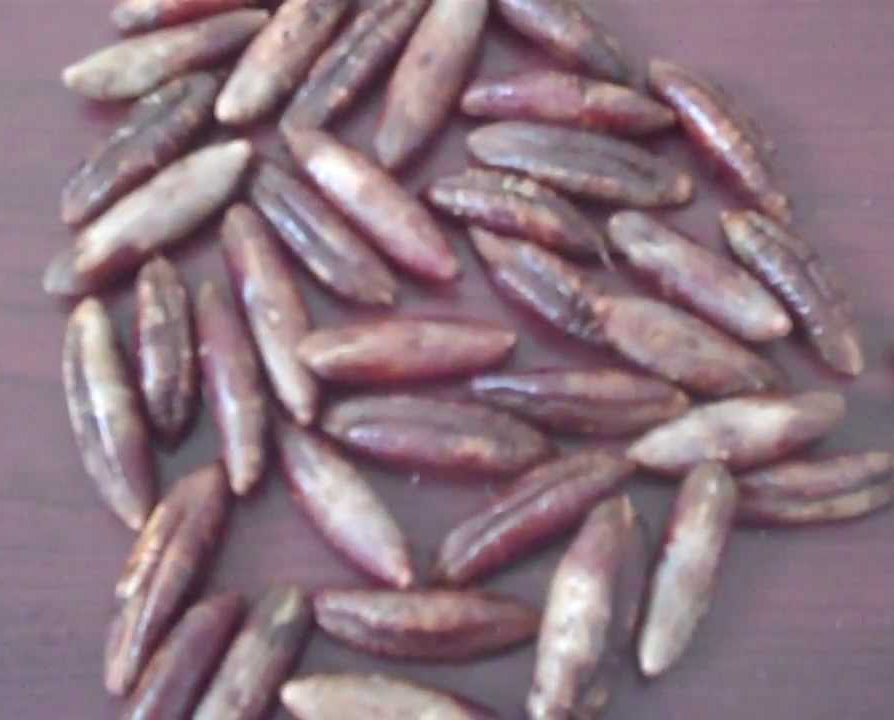
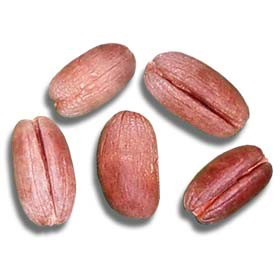
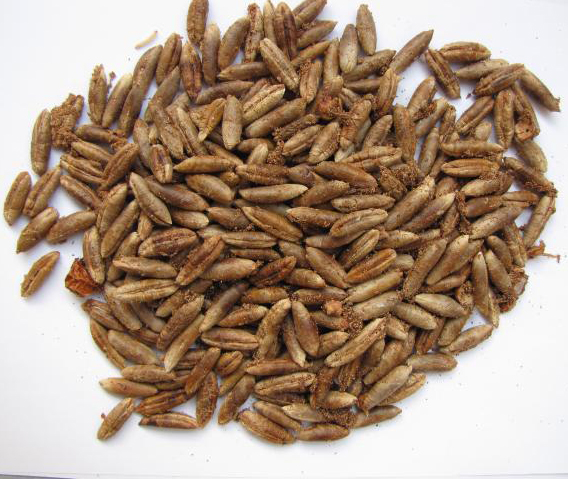
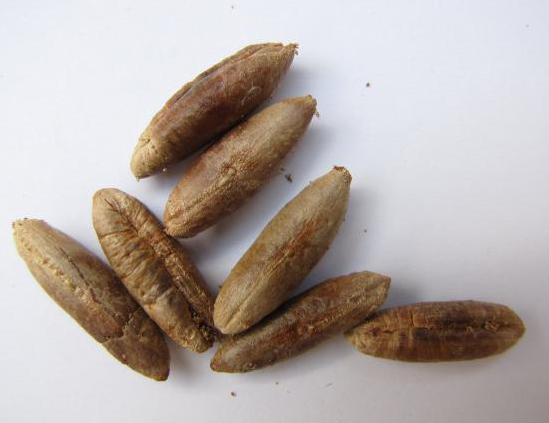
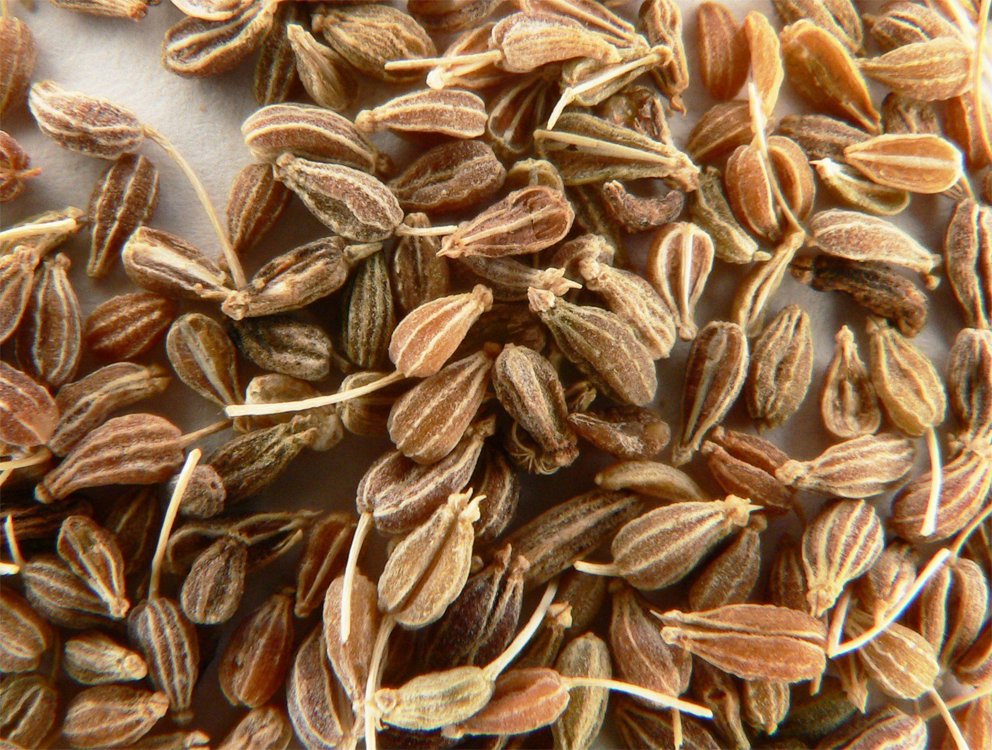
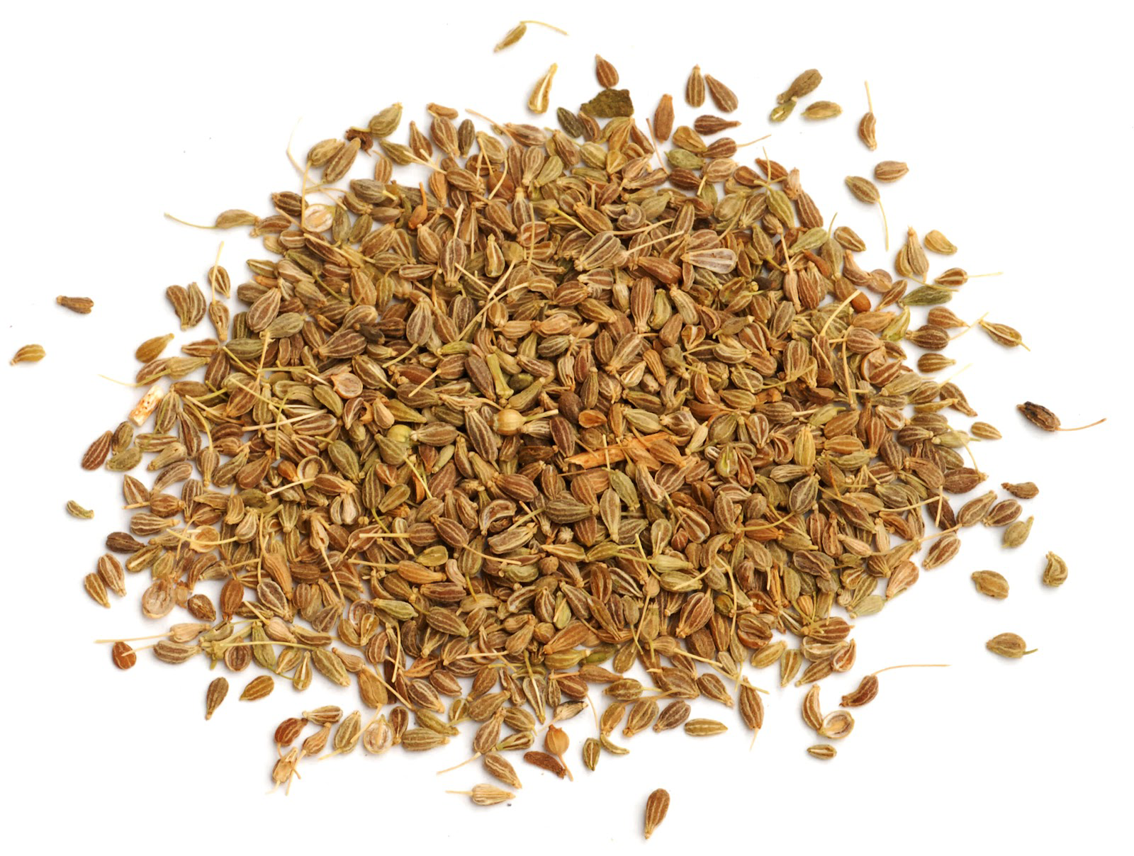
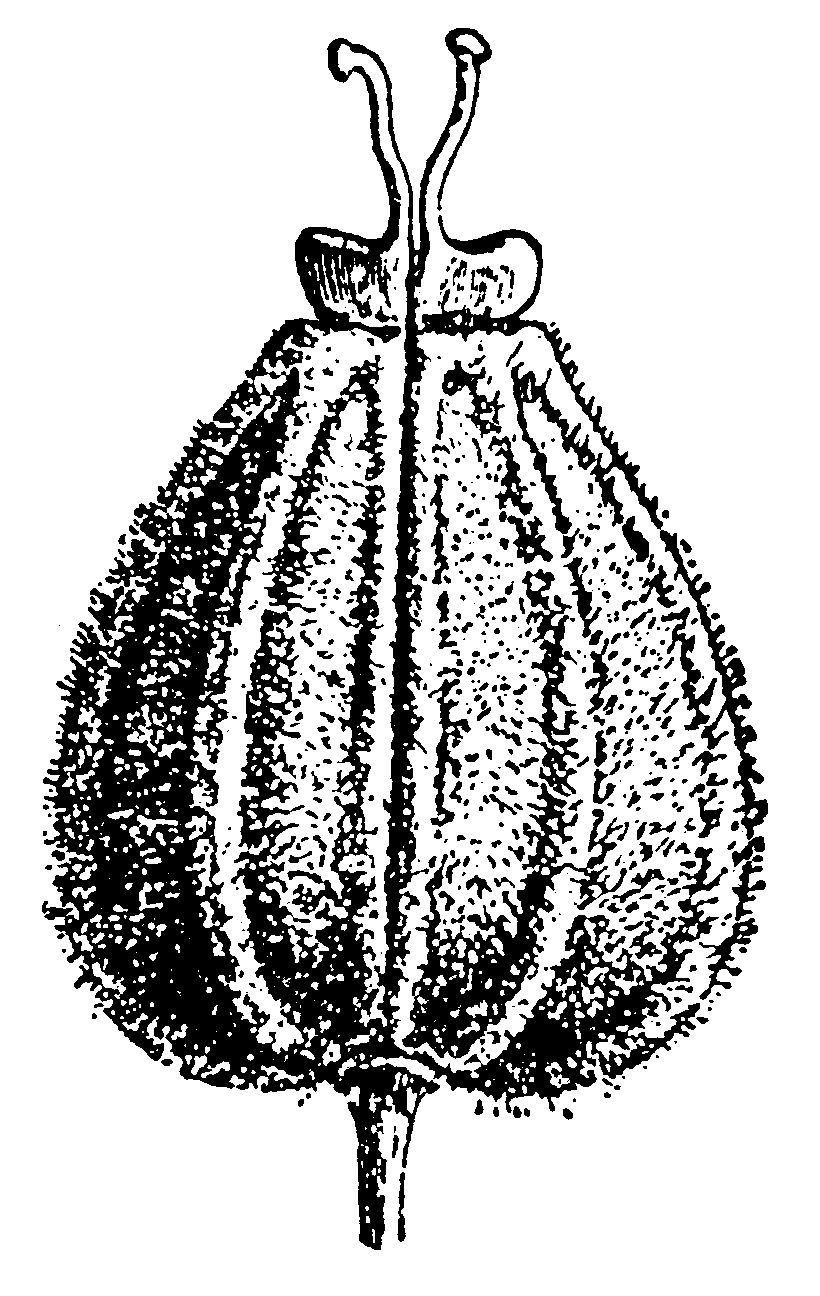
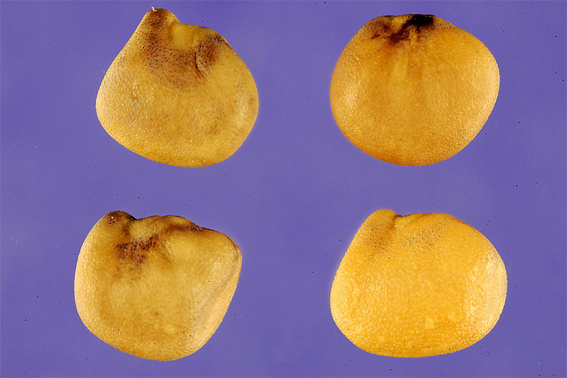
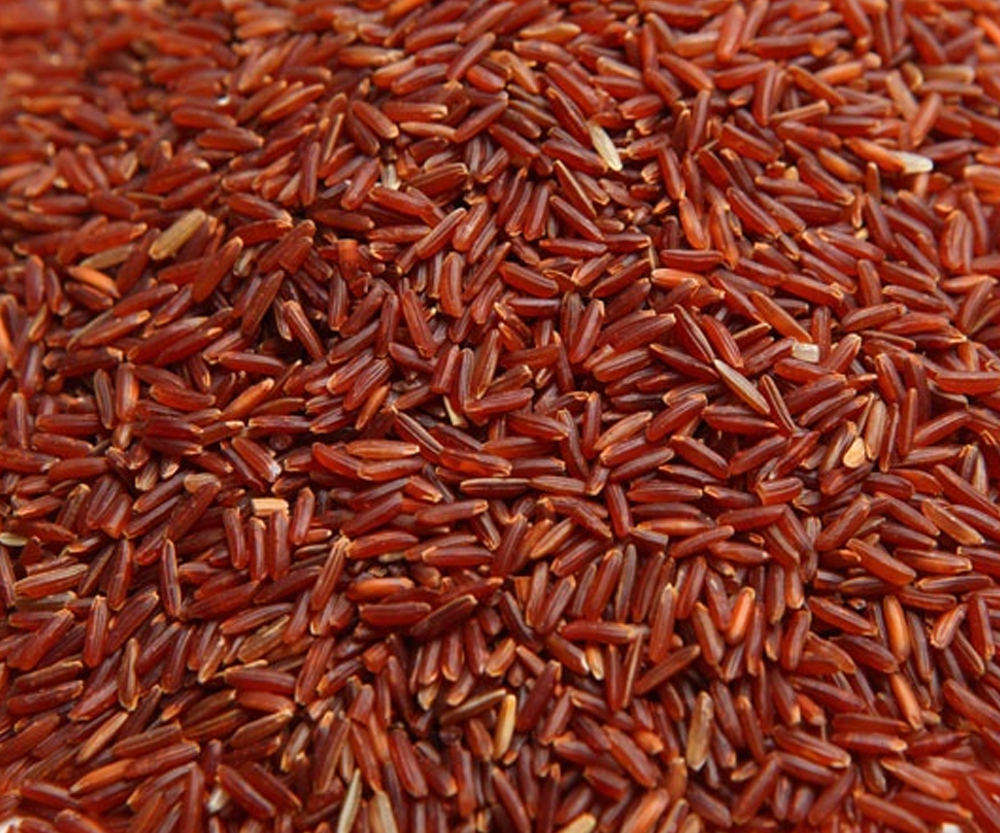
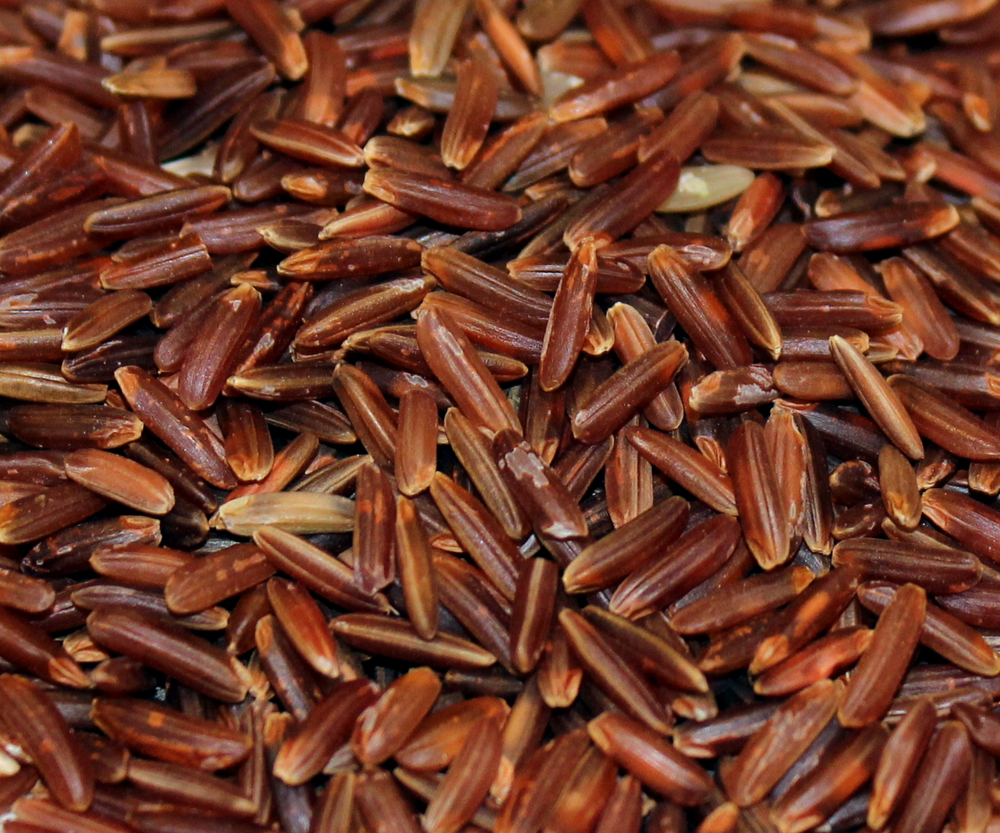
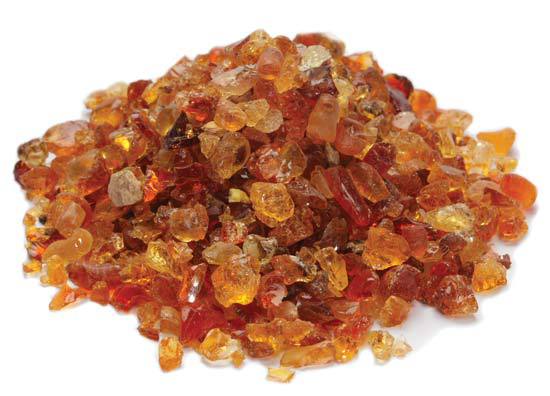
    Fertile flowers are followed by dry schizocarps consisting of two mericarp seeds 6-18 mm long, 4-10 mm wide and about 1 mm thick, which are joined until ripening. Mericarps are elliptical, flattened, and emarginated at the apex with thin low dorsal ridges and broadly winged lateral ridges. It is tan in color with brown lines (so-called oil tubes) extending 3/4 of the length of the seed. The endosperm is oily and mature fruits have a strong resinous smell

    Mature seed of the current year is dormant and will not germinate until the following spring at the earliest. Dormancy of these seeds is overcome by cold and wet weather conditions that occur during normal winters in Ohio. Seeds can remain viable in the soil for many years. Water, especially in flood plains, and wind are the primary dispersal mechanisms for giant hogweed seed; however, animals may account for some dispersal. The most efficient seed dispersal is known to be through human activity.

    Other Facts

    • Giant hogweed has been cultivated for silage in Russia and has been recommended as a forage crop in Poland.
    • One giant hogweed plant can produce 20,000 seeds, allowing it to spread quickly when not managed.
    • Animals, rain and wind facilitate seed dispersal.
    • Seed is able to germinate even after 10 years of dormancy.
    • It can live for several years but once it flowers and bears fruit it dies.
    • Rock band Genesis, wrote a song “The Return of the Giant Hogweed” in 1971. Song describes negative influence of the plant and inability of people to eradicate it.

    Precautions

    • Sap of giant hogweed is phototoxic and causes phyto photo dermatitis in humans, resulting in blisters and scars.
    • When skin is exposed to sap and the sun, severe skin rashes, blisters, and possibly permanent scarring or staining can occur.
    • Giant hogweed sap in the eyes can cause temporary or possibly permanent blindness.
    • Burns or blisters often appear within 24 to 48 hours of plant contact.
    • Other effects may include welts, rashes, and blistering, followed by pigmented scarring that may persist for as long as six years.

    Safety Precautions for Controlling Giant Hogweed

    • Do not touch the plant with bare skin.
    • Do not touch your bare skin with sap covered gloves.
    • Prevent UV sunlight from reaching skin by:
    • Wearing long waterproof gloves, long sleeves, pants, boots, and eye protection; synthetic water-resistant materials are best since cotton and linen fibers can soak up the plant sap and be penetrated by plant hairs.
    • If controlling plants with multiple people, keep a good distance from one another as the sap can splash three to four feet.
    • Apply sun block before beginning work.
    • Launder clothes that may have contacted plants.
    • Wash equipment with water immediately after use.
    • Limit exposure to sunlight after control OR work around giant hogweed plants after sunset.
    • Do not use a “weed-whacker” or brush cutter – sap may splatter as stems are cut.
    • Keep water, soap, and eye-wash near work area in case of exposure.

    What to do if you are exposed to Giant Hogweed

    • Wash the affected area thoroughly with soap and Cold water as soon as possible.
    • Keep exposed area away from sunlight for 48 hours.
    • If a reaction occurs, topical steroids applied early can reduce the severity of the reaction and ease discomfort.
    • If sap goes in eyes, rinse them with water and wear sunglasses.
    • If a reaction has occurred, the area of skin may be sensitive to sunlight for a few years and you may want to apply sun block or keep the affected area covered from the sun when possible.
    • See a physician if you have a reaction or any questions.

    Control Methods

    The preferred method of control is Integrated Pest Management (IPM). Site specific control methods need flexibility to match local management requirements.

    Four to five years of prevention of seed production, with treatments to remove adult plants, and suitable turf re-establishment seem adequate for eradication of a local population

    Property managers and cooperators may use these strategies:

    Cultural Control

    Seed heads should be removed to reduce reproduction. Mowing does not appear to be effective. The Pennsylvania Department of Agriculture (PDA) has used a roto-tiller and planted a lawn seed mix to return previously infested areas to a natural state. The tillage appears to speed up depletion of the seed bank.

    Chemical Control

    Glyphosate is an effective herbicide, but it should be used with caution around desirable plants, and is more likely to require multiple treatments: it should also be applied before flowering. The herbicides 2, 4-D, TBA, MCPA, and dicamba may burn down foliage, but are not effective in controlling perennial GHW roots. Rodeo (glyphosate) has been recommended for wet areas. Protective clothing should be worn when applying herbicides or removing seed heads. In urban areas, plant materials should be double bagged in plastic, and buried or incinerated in an approved facility. Other chemical recommendations are available.

    Biological Control

    In Switzerland 12 phyto-phagous insect species found on native hogweed have been identified as possible candidates as biological control. Cattle and pigs are cited as possible bio-control agents.

    Environmental impact

    GHW has naturalized in many of the places where it was first introduced. The plants thrive in many habitats but do particularly well where the soil has been disturbed, such as on wasteland, on riverbanks, and along railroads. It prefers moist soil and can quickly dominate ravines and stream banks. It can tolerate full shade, but prefers partial shade to full sunlight. Forest clearings and edges are a preferred habitat for GHW.

    Benefits of control

    Giant Hogweed is both a public health and environmental hazard, since humans, as well as dogs and other animals may be sensitive to its sap. Furocoumarins in GHW sap cause a skin reaction known as photo-dermatitis or photo-sensitivity. Exposure to the sap in sensitive individuals sensitizes the skin to UV light in sunlight and results in long-lasting swelling, blisters and eruptions of affected sites. Hyper-pigmentation in the affected area may remain for a year or more. In the 1970’s, many cases of poisoning were seen in Great Britain where children played with the hollow stems of the plant as pea-shooters or telescopes. In 1998, cyclists complained that contact with “large green plants” left their legs covered in broken and bleeding skin. Contact with the eyes can lead to temporary or permanent blindness.

    References:

    https://www.itis.gov/servlet/SingleRpt/SingleRpt?search_topic=TSN&search_value=502954#null
    https://www.cabi.org/isc/datasheet/26911
    https://www.missouribotanicalgarden.org/PlantFinder/PlantFinderDetails.aspx?taxonid=275991&isprofile=0&
    https://plants.usda.gov/core/profile?symbol=HEMA17
    https://www.fs.fed.us/database/feis/plants/forb/herman/all.html
    https://www.invasiveplantatlas.org/subject.html?sub=4536
    https://en.wikipedia.org/wiki/Heracleum_mantegazzianum
    http://issg.org/database/species/ecology.asp?si=418&fr=1&sts=&lang=EN
    http://www.iucngisd.org/gisd/species.php?sc=418
    http://gringlobal.iita.org/gringlobal/taxonomydetail.aspx?id=18896
    https://gd.eppo.int/taxon/HERMZ

    79%
    79%
    Awesome

    Comments

    comments

    G Herbs and Spices
    Share. Facebook Twitter Pinterest LinkedIn Tumblr Email
    Previous ArticleHow can a bedroom makeover induce better sleep?
    Next Article Facts about Flamevine ~ Pyrostegia venusta

    Related Posts

    Uses of Monkey Pitcher plant

    April 16, 2024

    Traditional uses and benefits of Wild Marigold

    March 21, 2024

    Traditional uses and benefits of Drooping fig

    March 12, 2024

    Comments are closed.


    Giant hogweed Scientific Classification

    Scientific Name: Heracleum mantegazzianum

    Rank Scientific Name & (Common Name)
    Kingdom Plantae (Plants)
    Subkingdom Tracheobionta (Vascular plants)
    Infrakingdom Streptophyta  (land plants)
    Superdivision Spermatophyta (Seed plants)
    Division Magnoliophyta (Flowering plants)
    Sub Division Spermatophytina  (spermatophytes, seed plants, phanérogames)
    Class Magnoliopsida (Dicotyledons)
    Subclass Rosidae
    Super Order Asteranae
    Order Rosidae
    Family Apiaceae ⁄ Umbelliferae (Carrot family)
    Genus Heracleum L. (cowparsnip)
    Species Heracleum mantegazzianum Sommier & Levier (giant hogweed)
    Synonyms
    • Heracleum circassicum Manden.
    • Heracleum grossheimii Manden.
    • Pastinaca mantegazziana (Sommier & Lev.) Koso-Pol
    Categories
    • Beverages (78)
    • Dairy (28)
    • Dental Health (15)
    • Equipment (5)
    • Essential OIls (196)
    • Facts (2,939)
    • Foods (255)
    • Fruits (516)
    • Giveaway (1)
    • Grains and Cereals (36)
    • Health & Beauty (763)
    • Herbs and Spices (1,249)
    • Medicines (9)
    • Mental Health (19)
    • Nutritional value (27)
    • Nuts and seeds (73)
    • Oils (81)
    • Pets (4)
    • Poultry & Seafoods (67)
    • Pulses and Beans (16)
    • Reviews (25)
    • supplement (2)
    • Vegetables (304)
    • Weight Loss (22)

    What is Lupin Bean Flour?

    Science Backed Health Benefits of Durian (Durio zibethinus)

    Science Backed Health Benefits of Feijoa (Pineapple Guava) (Acca sellowiana)

    Science Backed Health Benefits of Gac Fruit (Momordica cochinchinensis)

    Science Backed Health Benefits of Amaranth Leaves (Amaranthus spp)

    Science Backed Health Benefits of Arrowhead (Sagittaria sagittifolia)

    ABOUT
    Home
    About us
    Contact us
    Privacy Policy
    Terms & conditions
    Disclaimer
    Direct Communication
    e-mail: [email protected]
    Gmail: [email protected]
    Whatsapp: +977-9841146511
    Viber: +977-9841146511
    Useful
    Health Wiki
    Nutrition
    Facebook Twitter Pinterest
    © 2025 www.healthbenefitstimes.com All rights reserved.

    Type above and press Enter to search. Press Esc to cancel.

    ×

    Log In

    Forgot Password?

    Not registered yet? Create an Account