Health Benefits
    Facebook Twitter Instagram
    Saturday, December 6
    Facebook Twitter Pinterest
    Health Benefits
    • Home
    • Dental Health
    • Mental Health
    • Weight Loss
    • Health Wiki
    • Nutrition
    • Healthy Recipe
    • BMI Calculator
    Health Benefits
    Home»Herbs and Spices»Know the beauty of Grape Hyacinth
    Herbs and Spices

    Know the beauty of Grape Hyacinth

    By s mMarch 5, 2018Updated:March 5, 2018No Comments2 Mins Read
    Facebook Twitter Pinterest LinkedIn Tumblr Email

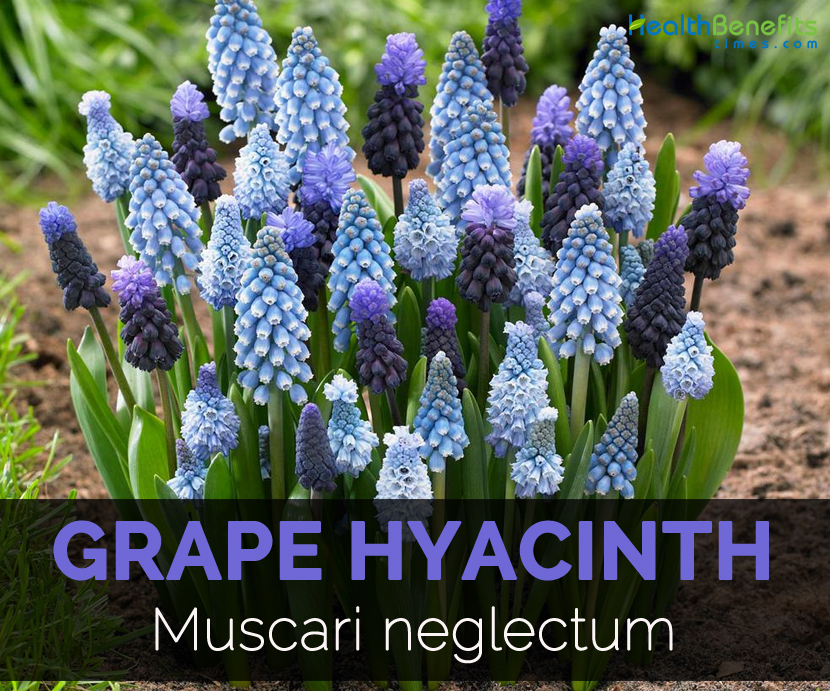
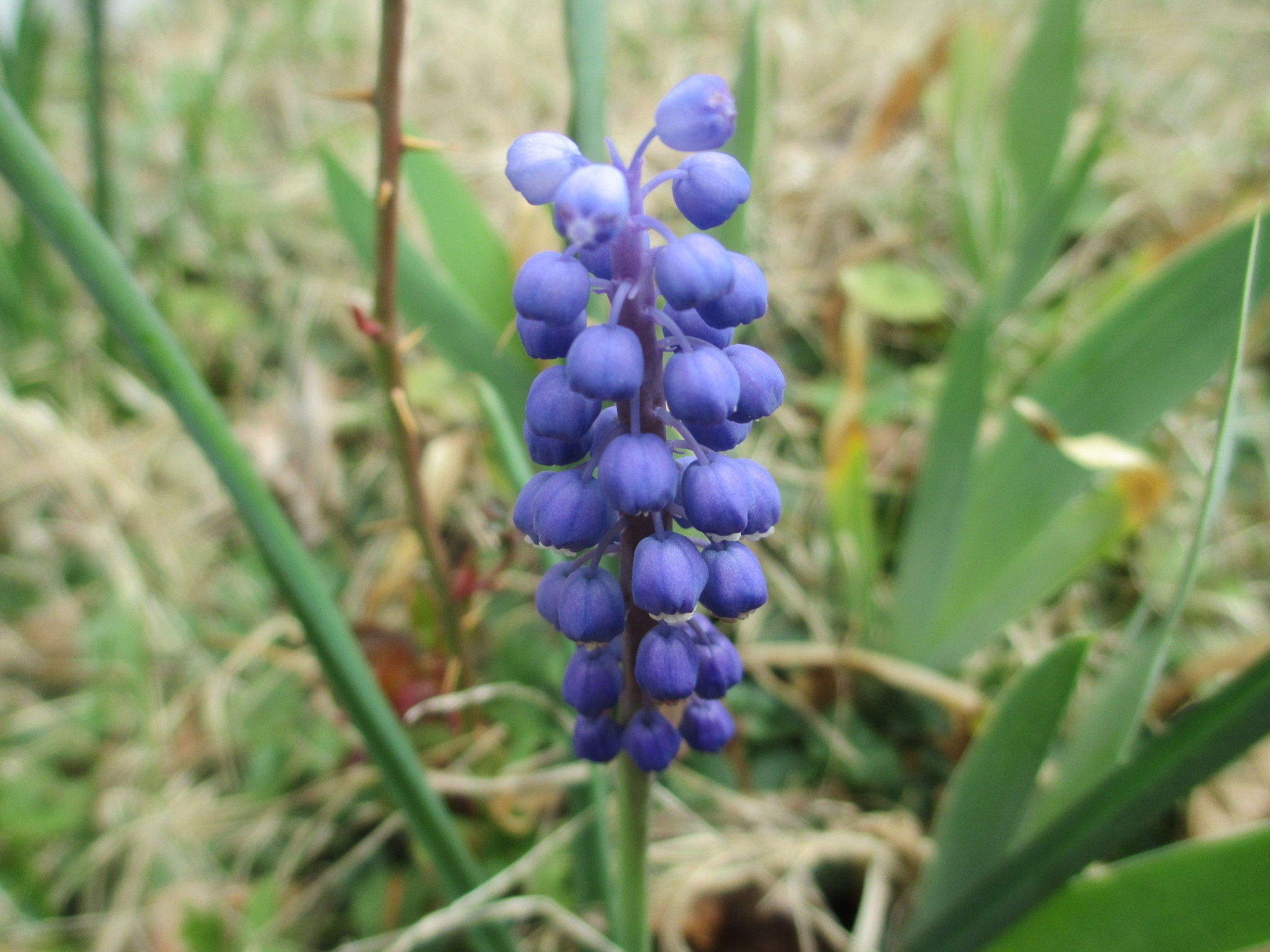
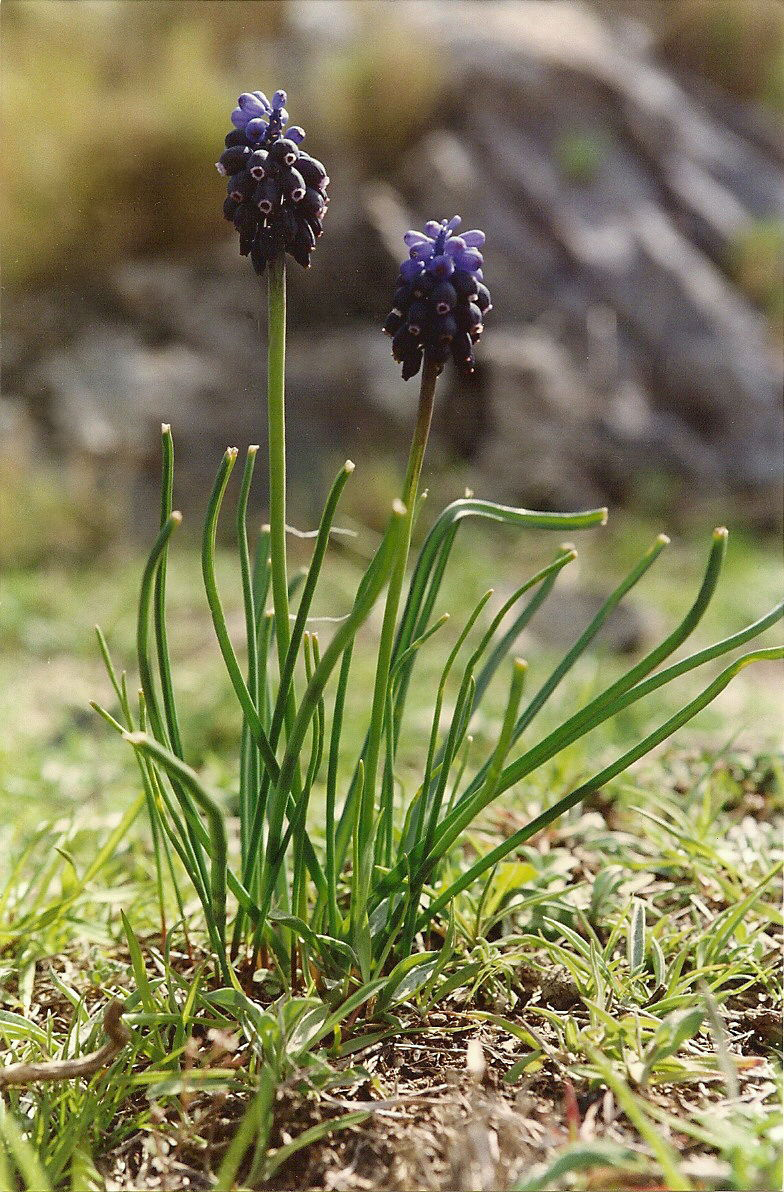
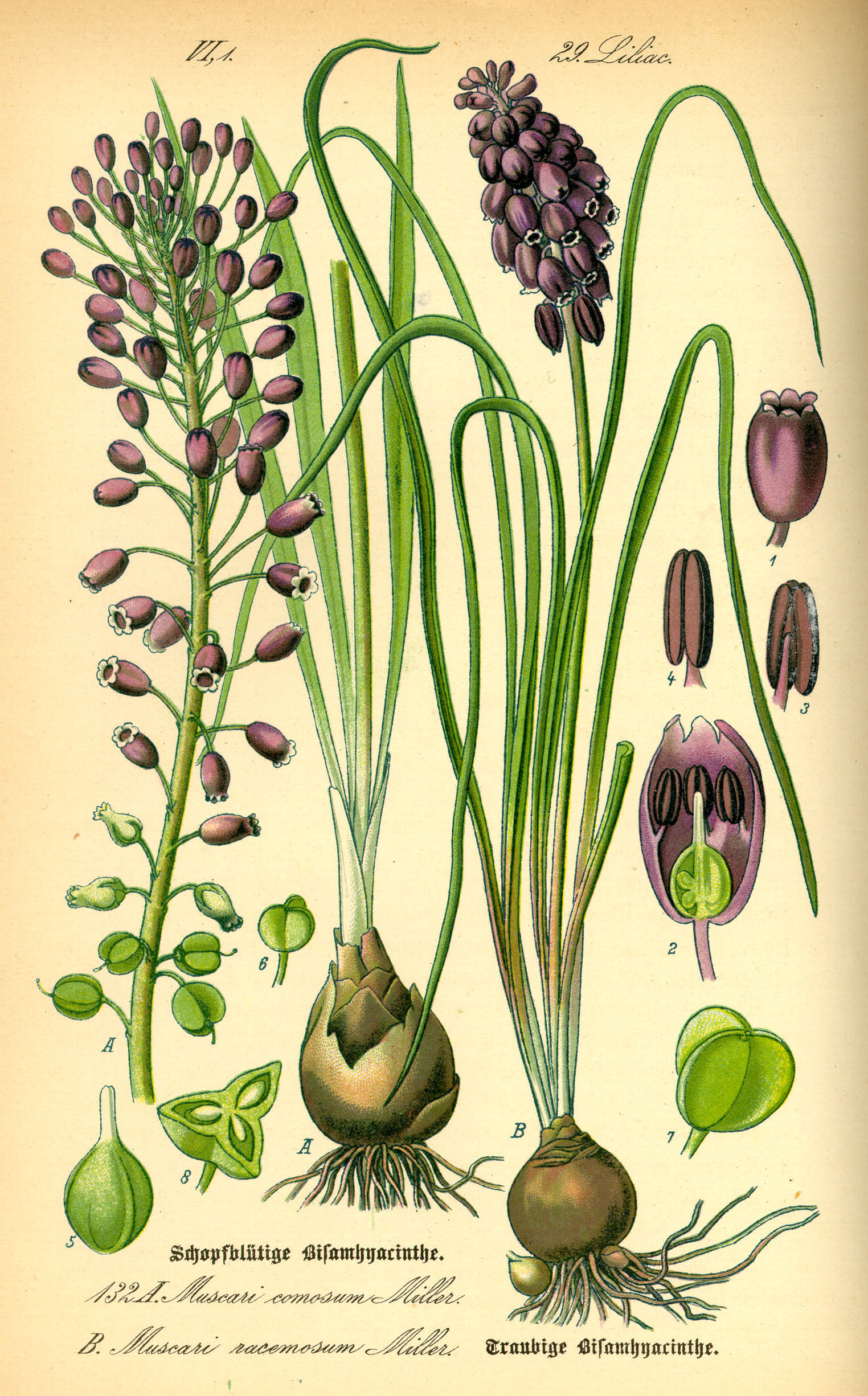
    Grape Hyacinth is a perennial bulbous plant which is scientifically called Muscari neglectum with other common names such as Blue Bottle, Common Grape Hyacinth, Cipollini, Edible Muscari, Grape Hyacinth, Hairy Muscari, Musk Hyacinth, Muscari, Nutmeg Hyacinth, Starch Hyacinth, Southern Grape Hyacinth, Tufted Grape Hyacinth and Starch grape hyacinth. This perennial bulbous plant is native to Eurasia. It produces dense spikes which are commonly blue and urn shaped flowers. Sometimes it is grown as an ornamental plant such as spring bulb in temperate climates. It belongs to the lily family Liliaceae. Its common name refers to the clusters of small and bell shaped blue to purple flowers which resembles the clusters of grapes. The scientific term Muscari is derived from the Greek word musk referring to the mildly sweet fragrance produced by the plant’s flowers.

    Plant

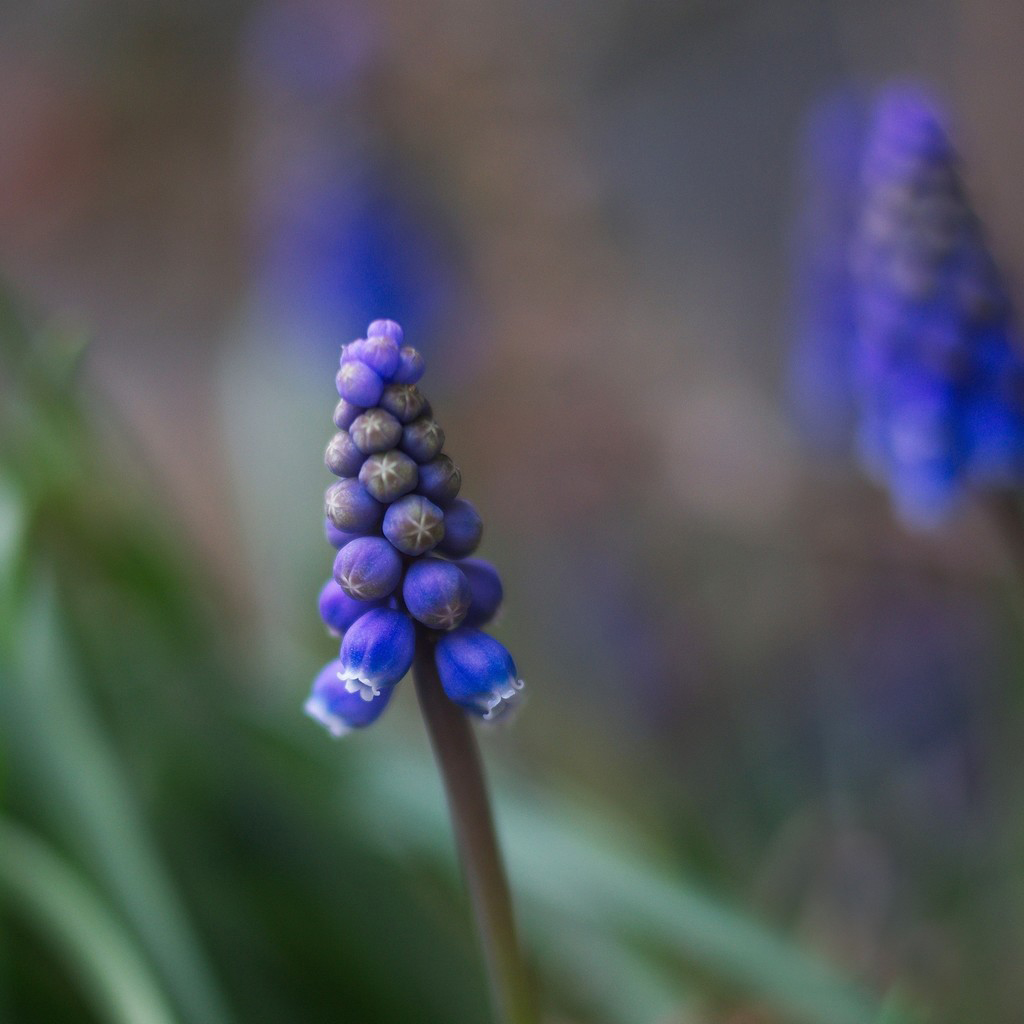
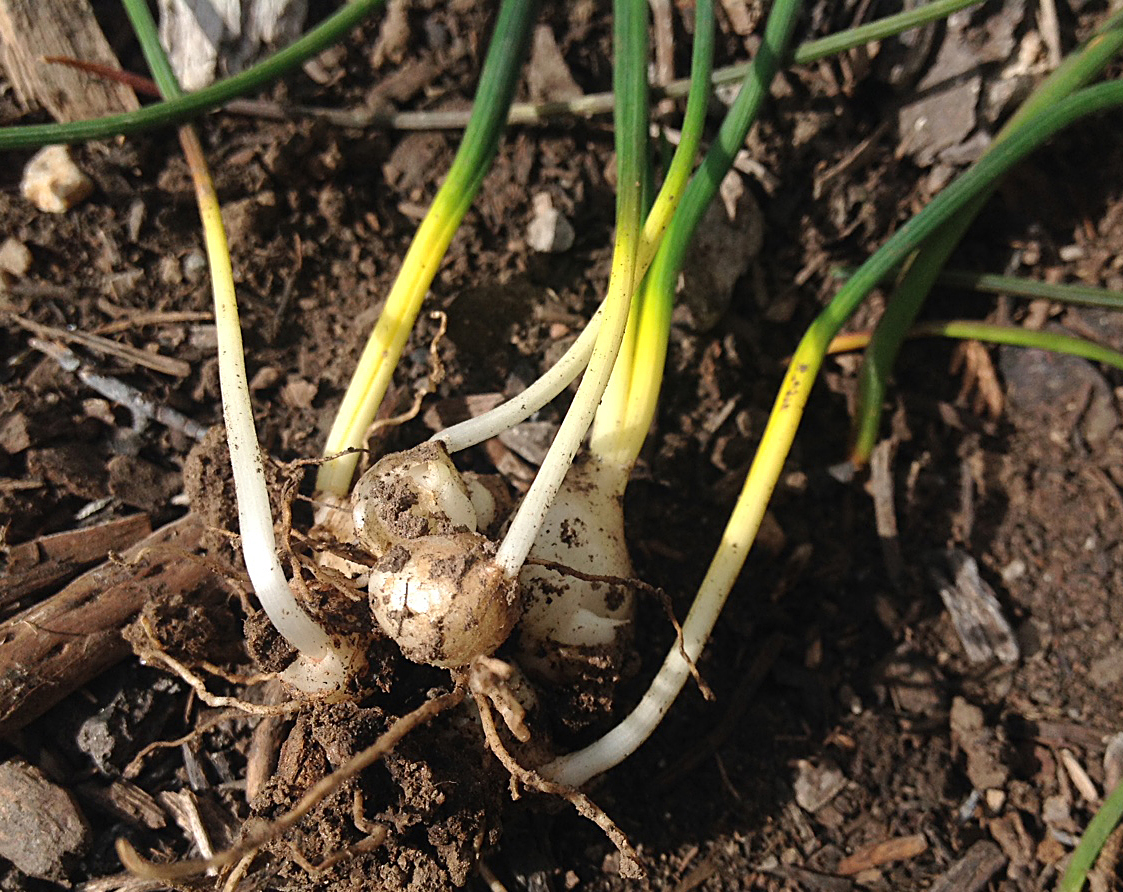
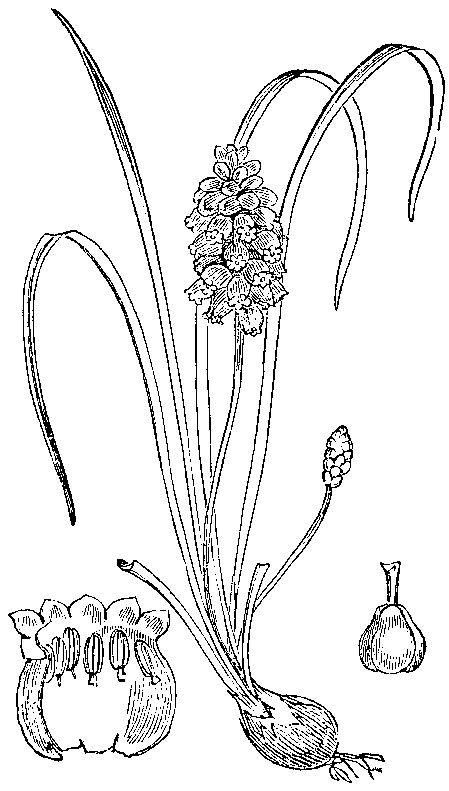
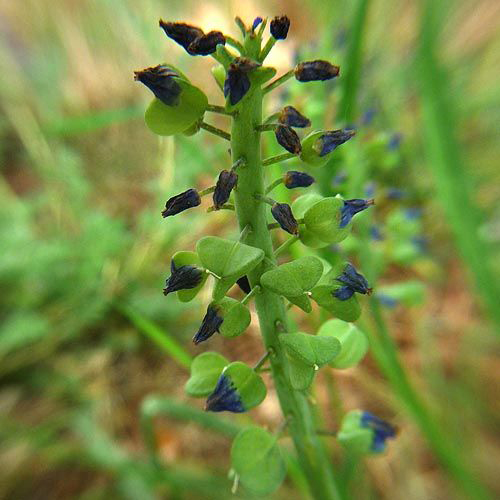
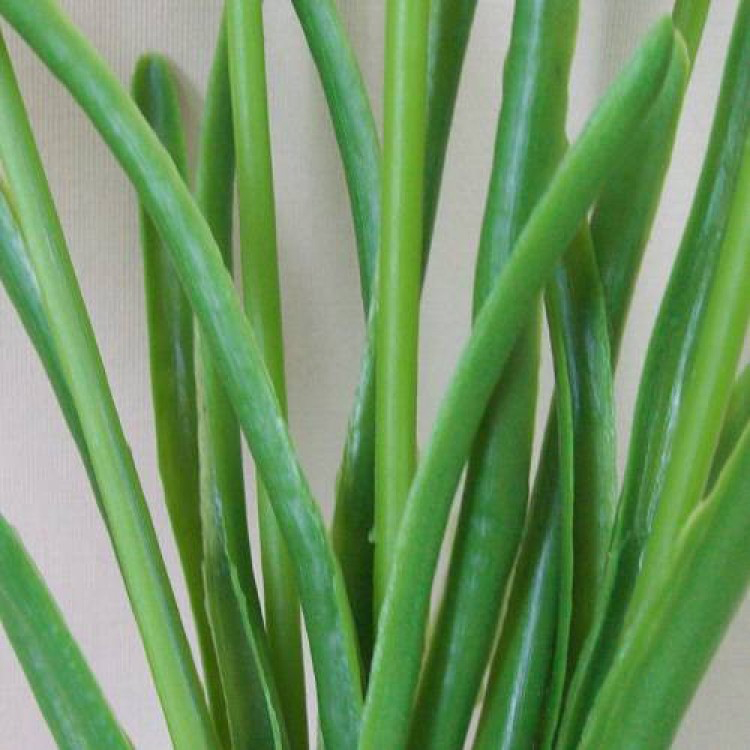
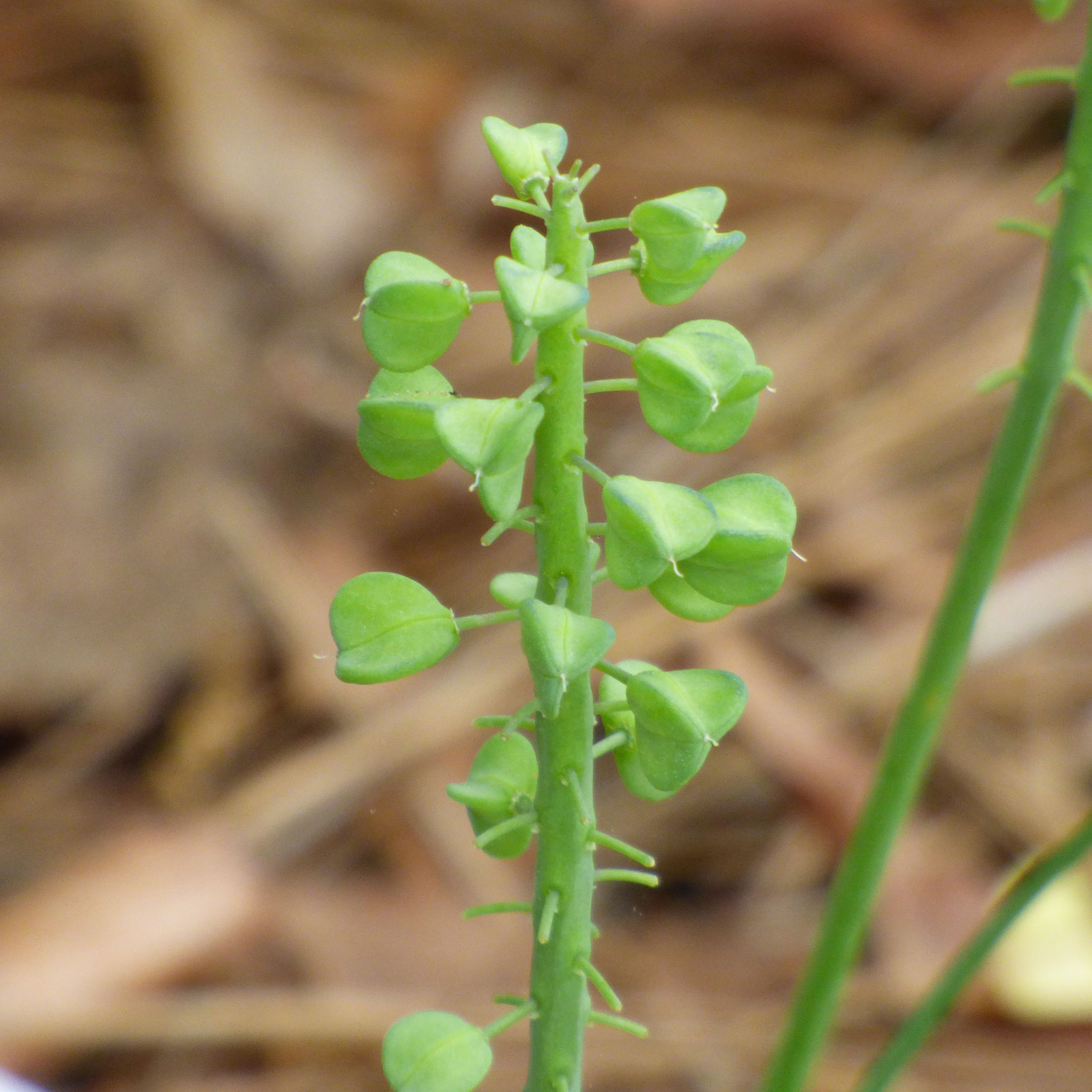
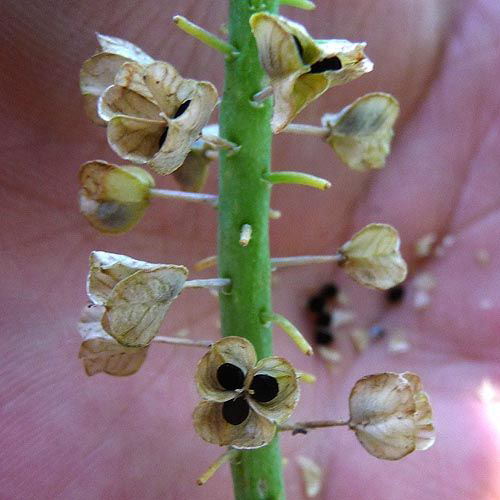
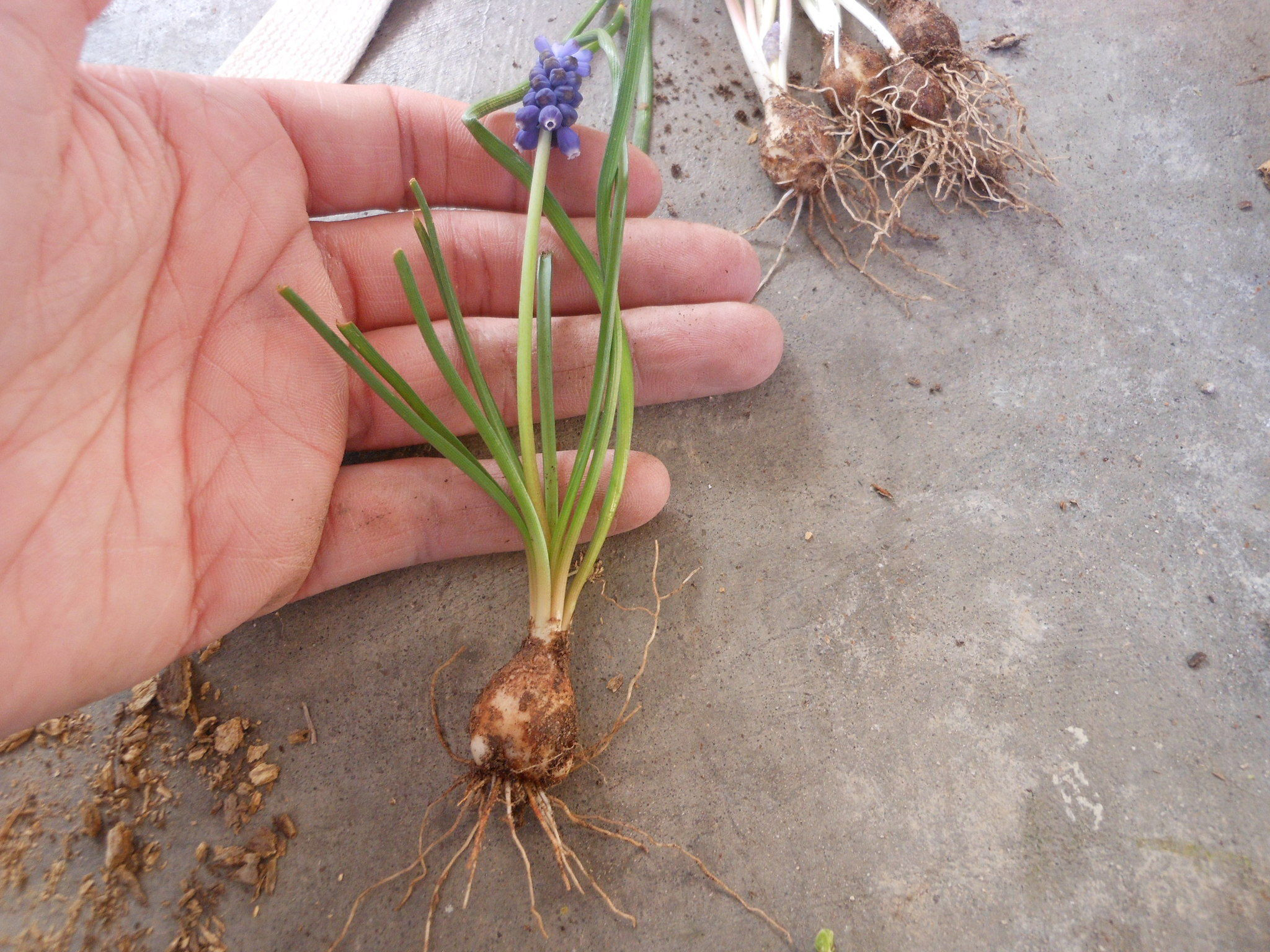
    The plant is herbaceous which grows to 25 cm with 2-3 by 2-2.5 cm ovoid bulbs covered with dark brown tunic. Leaves are linear to lanceolate measuring 5 to 35 cm long and 0.25 to 0.75 cm wide. Scapes are 25 cm long. Flowers are blue to purplish on 1 to 5 mm nodding pedicles. Sterile flowers are smaller and paler in comparison to fertile ones. Perianth tube is ovoid to oblong-urceolate or cylindric measuring 3 to 7 mm. The plant bears capsule as a fruit which is broadly ovate to orbicular, 5-9 × 8-10 mm having tip rounded or shortly emarginated.

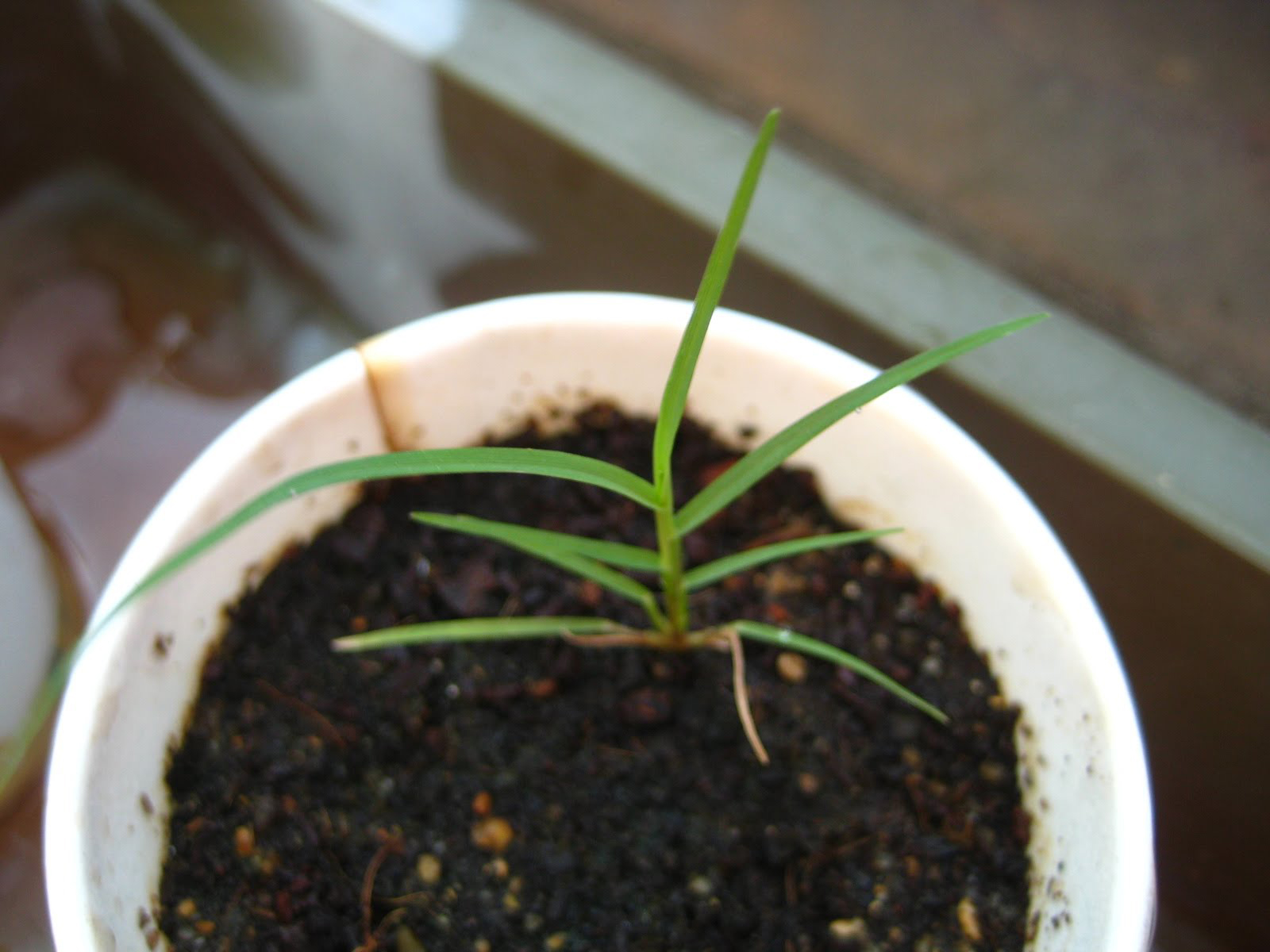
    Flower-bud-of-Grape-Hyacinth Grape-Hyacinth-bulbs Grape-Hyacinth-drawing Grape-Hyacinth-flower Grape-Hyacinth-fruit Grape-Hyacinth-leaves Grape-Hyacinth-plant Grape-Hyacinth-seedling Grape-Hyacinth-seedpod Grape-Hyacinth-seeds Grape-Hyacinth-whole-plant Illustration-of-Grape-Hyacinth
    [Show thumbnails]

    How to Eat         

    • The blue flower buds and bulbs are used in Mediterranean cuisine.
    • Flower buds and flowers are pickled in vinegar.

    References:

    https://www.itis.gov/servlet/SingleRpt/SingleRpt?search_topic=TSN&search_value=503892#null

    https://www.cabi.org/isc/datasheet/115673

    https://en.wikipedia.org/wiki/Muscari_neglectum

    https://plants.usda.gov/core/profile?symbol=MUNE

    60%
    60%
    Awesome

    Comments

    comments

    G Herbs and Spices
    Share. Facebook Twitter Pinterest LinkedIn Tumblr Email
    Previous ArticleWonderful Plant Sisal
    Next Article Facts about Canadian goldenrod

    Related Posts

    Uses of Monkey Pitcher plant

    April 16, 2024

    Traditional uses and benefits of Wild Marigold

    March 21, 2024

    Traditional uses and benefits of Drooping fig

    March 12, 2024

    Comments are closed.


    Facts of Grape Hyacinth

    Grape Hyacinth Quick Facts
    Name: Grape Hyacinth
    Scientific Name: Muscari neglectum
    Origin It is inherent to Southwestern Asia and the Mediterranean region.
    Shapes Broadly ovate to orbicular, 5-9 × 8-10 mm
    Name Grape Hyacinth
    Scientific Name Muscari neglectum
    Native It is inherent to Southwestern Asia and the Mediterranean region.
    Common/English Name Blue Bottle, Common Grape Hyacinth, Cipollini, Edible Muscari, Grape Hyacinth, Hairy Muscari, Musk Hyacinth, Muscari, Nutmeg Hyacinth, Starch Hyacinth, Southern Grape Hyacinth, Tufted Grape Hyacinth, Starch grape hyacinth
    Name in Other Languages Finnish: Terttuhelmililja;
    French: Muscari À Grappe, Muscari Négligé, Muscari En Grappe, Muscari Oublié, Ail Des Chiens;
    German: Weinbergs-Traubenhyazinthe, Weinbergs-Träubel, Übersehene Traubenhyazinthe;
    Hungarian: Fürtös Gyöngyike;
    Italian: Muscari Ignorato, Lampascione;
    Portuguese: Enfuste;
    Spanish: Agüelicos, Azulete, Ajo De Perro, Cebolla De Lagarto, Cebollica De Milano, Chapín De Reina,Cebollita De Milano,
    Clavos De Dios, Frailes, Espartillo, Gatos, Guitarrillos, Hierbas De Los Amores, Hierba Del Querer, Jacinto Racimosa,Jacinto,
    Jacinto Racimoso, Jacintos, Jacinto Silvestre, Macandil, Lloricas, Moras, Moro, Nazarenos, Nazareno, Pajarillos, Nazarones, Penitents;
    Turkish: Dağ Sümbülü;
    Welsh: Clychau Dulas;
    Catalan: All de bruixa, Calabruixa petita;
    Denmark: Liden perlehyacint
    Plant Growth Habit Herbaceous plant
    Soil Well-drained, moderately moist sandy
    Plant Size 25 cm
    Leaves Linear to lanceolate, 5 to 35 cm long, 0.25 to 0.75 cm wide
    Flowering Season Early spring to mid-summer
    Flower Purple to blue, urn-shaped
    Fruit shape & size Broadly ovate to orbicular, 5-9 × 8-10 mm

    Grape Hyacinth Scientific Classification

    Scientific Name: Muscari neglectum

    Rank Scientific Name & (Common Name)
    Kingdom Plantae (Plants)
    Subkingdom Viridiplantae
    Infrakingdom Streptophyta (Land plants)
    Superdivision Embryophyta
    Division Tracheophyta  (Vascular plants, tracheophytes)
    Class Magnoliopsida
    Subclass Liliidae
    Order Asparagales
    Family Asparagaceae
    Genus Muscari Mill. (Grapehyacinth, grape hyacinth)
    Species Muscari neglectum Guss. ex Ten. (Starch grape hyacinth, starch grapehyacinth)
    Synonyms
    • Botryanthus atlanticus (Boiss. & Reut.) Nyman
    • Botryanthus breviscapus Tod.
    • Botryanthus granatensis (Freyn) Nyman
    • Botryanthus lelievrii var. strangwaysii (Ten.) Nyman
    • Botryanthus mandraliscae Lojac.
    • Botryanthus mordoanus (Heldr.) Nyman
    Categories
    • Beverages (78)
    • Dairy (28)
    • Dental Health (15)
    • Equipment (5)
    • Essential OIls (196)
    • Facts (2,939)
    • Foods (255)
    • Fruits (516)
    • Giveaway (1)
    • Grains and Cereals (36)
    • Health & Beauty (763)
    • Herbs and Spices (1,249)
    • Medicines (9)
    • Mental Health (19)
    • Nutritional value (27)
    • Nuts and seeds (73)
    • Oils (81)
    • Pets (4)
    • Poultry & Seafoods (67)
    • Pulses and Beans (16)
    • Reviews (25)
    • supplement (2)
    • Vegetables (304)
    • Weight Loss (22)

    What is Lupin Bean Flour?

    Science Backed Health Benefits of Durian (Durio zibethinus)

    Science Backed Health Benefits of Feijoa (Pineapple Guava) (Acca sellowiana)

    Science Backed Health Benefits of Gac Fruit (Momordica cochinchinensis)

    Science Backed Health Benefits of Amaranth Leaves (Amaranthus spp)

    Science Backed Health Benefits of Arrowhead (Sagittaria sagittifolia)

    ABOUT
    Home
    About us
    Contact us
    Privacy Policy
    Terms & conditions
    Disclaimer
    Direct Communication
    e-mail: [email protected]
    Gmail: [email protected]
    Whatsapp: +977-9841146511
    Viber: +977-9841146511
    Useful
    Health Wiki
    Nutrition
    Facebook Twitter Pinterest
    © 2025 www.healthbenefitstimes.com All rights reserved.

    Type above and press Enter to search. Press Esc to cancel.

    ×

    Log In

    Forgot Password?

    Not registered yet? Create an Account